
As the culinary landscape evolves, so too does the approach to food packaging. In Brunoy, France, a wave of change is sweeping through the food service industry, driven by stringent regulations and a growing public consciousness around sustainability. This article explores the regulatory framework governing plastic food packaging, highlights sustainable alternatives available to food and beverage businesses, and examines local initiatives aimed at reducing plastic waste. By understanding these dimensions, restaurants, food trucks, and catering services can align with the eco-friendly movement, enhancing their business appeal while contributing to a cleaner environment.
Brunoy’s Food-Contact Packaging: Navigating EU, French, and Local Rules
Brunoy sits at the crossroads of daily life and a broader regulatory push toward safer, more sustainable packaging. At the European level, materials intended to touch food are governed by Regulation (EC) 1935/2004, which sets general safety principles and migration limits designed to protect health and preserve sensory quality. In Brunoy, these core requirements translate into clear expectations for material selection, testing, and documentation before any food-contact packaging enters the market. The practical effect is a demand for traceability across the supply chain and a demonstrable conformity trail from raw materials to finished products.
A second regulatory strand comes from the EU’s phthalate controls and related restrictions. Regulations such as Regulation (EU) 2020/684 tighten the limits on certain plasticizers in materials that contact food, pushing manufacturers toward safer alternatives and migration-compliant formulations. For Brunoy-based producers and distributors, this means screening suppliers, validating declarations, and maintaining records that show compliance with migration thresholds, while keeping products affordable and fit for purpose.
France builds on the EU framework with its own environmental and consumer-safety rules. National measures guide substitution away from hazardous additives and encourage the adoption of recyclable, compostable, or reusable packaging where feasible. Decree No. 2022-1749, among other instruments, signals a national preference for safer substitutes and supports innovation in sustainable packaging design. Within Brunoy, these policies influence procurement criteria for schools, hospitals, and municipal services, as well as the everyday choices of retailers and restaurants.
Enforcement sits at the intersection of national authority and local oversight. ANSES, alongside local sanitary inspection services, conducts checks to verify that packaging intended for contact with food meets migration limits and safety standards. The aim is not only compliance but continuous improvement, with regulators guiding industry toward safer materials and better testing regimes. Clear guidance documents, practical checklists, and accessible support help businesses stay aligned with evolving expectations.
For practitioners operating in Brunoy, the path to compliance involves supplier qualification, conformity declarations, and ongoing verification through testing or attestations. It also entails thoughtful packaging design that facilitates safe use, accurate labeling, and end-of-life management, all while fitting into existing waste streams and, where possible, supporting reuse and recycling. The regulatory landscape thus serves as a platform for innovation—motivating the shift toward safer materials, streamlined supply chains, and consumer confidence in packaging choices.
In closing, Brunoy’s approach illustrates how local action can harmonize EU-wide safety standards with practical municipal goals. By balancing safety with substitution and circularity, the town demonstrates a replicable model for other communities aiming to reduce plastic waste without compromising food safety or access to affordable packaging.
Brunoy’s Plastic-Free Promise: Navigating Sustainable Food-Container Solutions in France
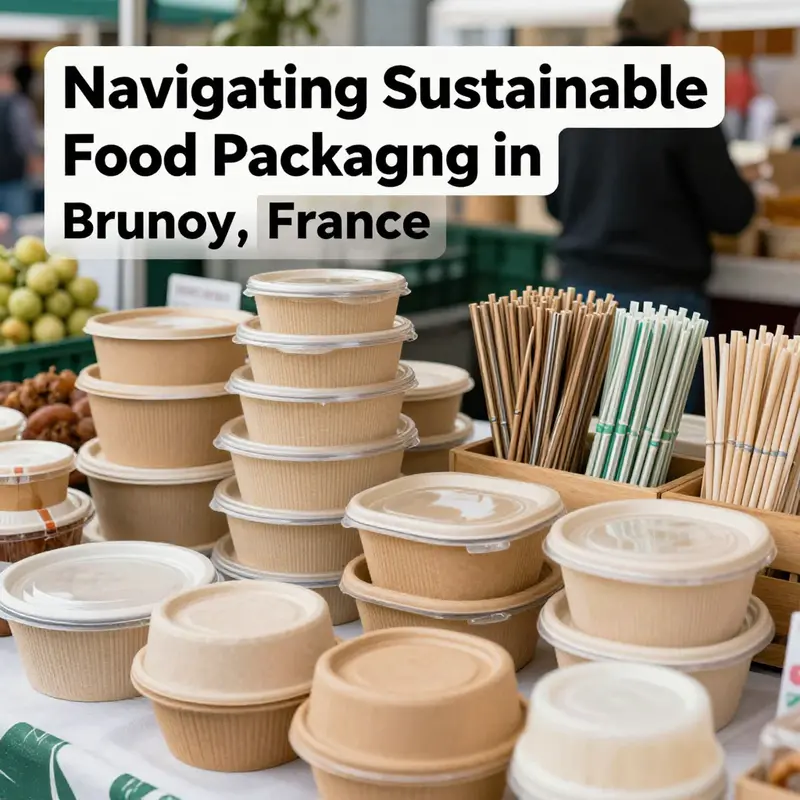
Across Brunoy, a town that sits within the broader currents of France’s environmental policy, the everyday choices around how food is stored, transported, and served are quietly reshaped by a combination of regulation, municipal leadership, and shifting consumer expectations. The road from single-use plastic to sustainable packaging is not a single leap but a measured journey that threads together law, market innovation, and community values. In Brunoy, as in many French communities, this journey is anchored by national aims to curb plastic waste while preserving the reliability and convenience that meals and take-away services demand. The change is visible in the corridors of supermarkets, in the back rooms of cafés, and in the households of residents who increasingly view packaging as a material with a lifecycle that should be traced, measured, and minimized where possible. At the center of this evolution is a practical question: what replaces plastic food containers when the goal is to keep foods safe, fresh, convenient, and affordable while reducing environmental impact? The answers are not uniform; they unfold in a mosaic of reusable systems, compostable films, and paper- or plant-based alternatives, each with its own benefits and trade-offs. Yet the overarching narrative is coherent: Brunoy’s packaging ecosystem is becoming more circular, more transparent, and more aligned with both European standards and local social expectations for stewardship of resources.
France’s regulatory frame provides a backdrop that shapes every business decision and consumer habit. The Loi de transition énergétique, which came into effect in 2024, marks a turning point by restricting the provision of disposable plastic items such as cutlery, straws, and take-away containers unless they are made from biodegradable or recyclable materials. This policy, echoed in EU-wide directives, pushes businesses to rethink procurement, supply chains, and waste management strategies. In Brunoy, municipal authorities have responded with practical programs that complement national law. They encourage residents to participate in zero-waste initiatives and to embrace reusable food containers, sometimes supported by rental schemes or deposit systems designed to reduce demand for new disposables while keeping food-service operations efficient. The local government’s stance is complemented by guidance from national agencies that assess and certify packaging solutions for environmental performance. ADEME, the French Environment and Energy Management Agency, hosts a range of resources and checklists for companies and individuals, helping stakeholders navigate procurement choices, lifecycle analyses, and end-of-life pathways. These resources offer a framework for comparing options—from reusable containers that endure repeated use to biodegradable or compostable formats that behave responsibly at the end of their useful life. The role of ADEME is critical in Brunoy and similar towns because it translates policy into practice. It helps local shops, restaurants, and institutions select packaging solutions that meet European norms while addressing local realities such as store footfall, delivery demand, and waste-hauling capacity.
Within this regulatory and institutional terrain, the shift toward sustainable packaging in Brunoy unfolds through several interlinked movements. One is the growing adoption of reusable containers. In many storefronts and homes, durable vessels made from stainless steel, glass, or other long-lasting materials are becoming the default option for food storage, leftovers, and take-away meals. The appeal of these containers lies not only in their durability but also in their safety profile. They are designed to be food-grade, non-toxic, and free from bisphenol A (BPA) and related compounds that have raised concerns about chemical transfer into foods. The practical benefits are equally compelling: high resistance to staining or warping, ease of cleaning, and the possibility of washing and reusing them countless times. In Brunoy, as elsewhere in France, the logic of reuse aligns with broader circular economy principles. Each reused container extends its useful life and reduces the need for new packaging, creating a feedback loop where consumer behavior, retailer choices, and municipal programs reinforce one another.
At the same time, biodegradable options are expanding, driven by consumer demand for packaging that can break down under appropriate conditions without leaving persistent residues. Plant-based materials derived from sources such as agricultural byproducts or rapidly renewable feedstocks offer an alternative to traditional plastics. The appeal of these materials is their potential to align with end-of-life options that are closer to composting facilities or home waste streams where feasible. In practice, the performance of biodegradable packaging is highly context dependent. It must meet food-safety requirements, protect contents during transport, and maintain integrity in storage. Moreover, the end-of-life infrastructure—composting capacity, guidelines for industrial versus home compostability, and municipal collection practices—plays a decisive role in whether biodegradable formats realize their environmental promise. In Brunoy and the surrounding region, the availability of such options has grown as retailers and manufacturers respond to France’s policy signals and the expectations of ecologically minded consumers. This market development is often facilitated by certifications and standards that help buyers distinguish truly compostable materials from those that merely mimic compostability or rely on recycling streams that are not universally available. The net effect is a more nuanced marketplace in which packaging choices are evaluated across a lifecycle lens, from raw materials and manufacturing energy use to distribution, consumer use, and end-of-life processing.
The ecosystem that supports these shifts extends beyond product selection. A noteworthy dimension is the work of a French non-profit that concentrates on helping companies reduce the ecological footprint associated with packaging and with graphic communication materials. This organization’s activities emphasize best practices, research into alternative materials, and the practical adoption of sustainable packaging across multiple sectors. In a town like Brunoy, such an organization serves as a bridge between national policy and local action. They translate high-level goals into actionable steps for businesses that may be uncertain about where to begin or how to evaluate emerging materials against established criteria. They also help organizations understand how to communicate environmental commitments to consumers in ways that are honest, credible, and useful. The presence of this organizational support reinforces the idea that the packaging transition is not simply about changing the container; it is about rethinking processes, procurement habits, and the information provided to customers. When a retailer or a restaurant chooses to emphasize sustainability, they are not only selecting a material but also modeling a behavior for patrons—an invitation to participate in a broader environmental project.
Market dynamics in France, and consequently in Brunoy, reflect a growing sophistication in packaging research and development. The push from both consumers and businesses toward greener solutions has been supported by innovation in materials science, manufacturing processes, and supply-chain logistics. The emphasis is increasingly on materials that balance functional requirements—safety, barrier properties, moisture control, heat resistance—with environmental attributes such as recyclability, compostability, or reusability. These advancements are not mere technical achievements; they translate into everyday possibilities for households and food-service operations to switch away from conventional plastics without sacrificing convenience or cost efficiency. In practice, this means a widening array of formats: durable, reusable vessels for mainstream home use; modular and detachable components that enable stacking and efficient transport; and compostable or biodegradable alternatives that can be integrated into existing waste-management streams with proper guidance and infrastructure. While no single solution fits every scenario, the multiplicity of options offers Brunoy and similar towns the flexibility to tailor packaging choices to the specific needs of different sectors—supermarkets, corner shops, cafés, and take-away outlets—while maintaining a coherent policy direction and public messaging that reinforces the environmental objectives.
The broader policy environment also recognizes that success depends on consumer engagement. Brighter packaging outcomes require informed choices at the point of sale and consistent behaviors at home. This means clear labeling, transparent end-of-life instructions, and accessible facilities for return, reuse, or disposal. In Brunoy, municipalities have experimented with practical nudges: signage that explains how to separate materials, easy access to reusable containers through rental or deposit systems, and collaborations with local businesses to demonstrate the viability of alternative packaging during peak periods such as holidays and school terms. The social dimension of this transformation should not be underestimated. When residents understand the environmental benefits of reusable systems and the compatibility of these systems with familiar cooking and dining practices, participation becomes more natural. Equally important is the business perspective: local retailers require reliable supply chains, predictable pricing, and consistent quality in environmentally friendly packaging. The French market’s gradual maturation—moving from novelty to reliability—helps to reduce perceived risks in switching from conventional plastics to alternatives. It also makes it more feasible for small and family-owned shops in Brunoy to adopt sustainable options without sacrificing service levels or margins.
In contemplating the Brunoy case, it is helpful to consider the lifecycle of a typical packaging choice in a take-away or grocery context. A reusable container approach, for instance, begins with the choice of a material family known for durability and safety. Stainless steel and glass are commonly cited for their longevity and non-toxicity. The practical workflow involves cleaning and sanitizing between uses, ensuring that containers are ready for repeated cycles of service. For restaurants and retailers, the economic calculus hinges on turnover rates, washing capabilities, and the price points at which customers will participate in reuse programs without extra friction. The potential savings over time from reduced disposable purchases can be substantial, but the initial investments—equipment for washing, handling systems for tracking returns, and staff training—require careful planning. The approach can be supported by municipal incentives or shared services that lower the barriers for small businesses, a model that Brunoy has seen in other sustainability initiatives. The underlying principle is not merely to replace one material with another but to reconfigure operations in a way that harmonizes environmental benefits with the realities of daily commerce.
Biodegradable and plant-based options present a complementary path that suits different contexts. For departments or venues with less frequent post-use collection or those that struggle with reliable cleaning streams, compostable materials can offer a viable end-of-life route if there is appropriate composting infrastructure. France’s policy environment now recognizes the value of such facilities, and some municipalities are investing in or partnering with composting programs to close the loop for plant-based packaging. The critical caveat is that compostability must be legitimate. Mislabeling or overpromising biodegradability undermines trust and may even undermine recycling streams if materials are misdirected. In Brunoy, as in other towns, the best practice is to pair packaging choices with clear guidance for consumers and with available collection pathways that ensure materials reach the intended end point. It is this alignment of supply, use, and recovery that makes plant-based alternatives a credible substitute for certain plastic formats without inadvertently increasing environmental footprints elsewhere.
The market’s steady maturing is also reflected in the emergence of information resources and standards that help stakeholders make better decisions. Certification schemes, lifecycle assessments, and standardized labeling facilitate comparisons across materials and processes. While such systems require ongoing investment and governance, they provide a framework within which Brunoy’s businesses can operate with greater confidence. The result is a marketplace capable of delivering more sustainable choices without creating confusion or imposing excessive costs on consumers. A crucial element of this progress is knowledge transfer—bridging what researchers discover about materials and packaging systems with what shop floor operators implement in their daily routines. The non-profit organization mentioned earlier plays a pivotal role here, translating technical insights into practical guidance for firms across sectors. Their work underscores that reducing reliance on plastic containers is not simply a matter of procurement but a holistic upgrade of packaging strategy, product design, operations, and end-of-life planning. When these components are coordinated, the town’s packaging ecosystem can begin to resemble a well-orchestrated system that minimizes waste while preserving the convenience and safety that food businesses depend on.
For readers exploring Brunoy’s evolution, it helps to anchor this discussion in what the broader national conversations imply about the future of packaging in France. The country’s enthusiasm for sustainable packaging is not a niche interest; it is part of a wider shift toward responsible consumption, safer food storage, and a cleaner urban environment. This shift is supported by a growing body of evidence around the performance of alternative materials, the feasibility of reuse loops, and the practicality of end-of-life processing. In practical terms, businesses in Brunoy and the surrounding region can leverage this momentum by focusing on three core priorities: selecting packaging that aligns with end-of-life infrastructure, investing in systems that enable easy cleaning, return, and reuse where appropriate, and cultivating transparent communication with customers about how and why packaging choices contribute to environmental goals. These priorities are not only good for the planet; they also support long-term business resilience. By reducing the volume of disposable waste, managers can unlock cost savings, improve brand perception, and contribute to a public narrative that highlights responsibility and care for the local environment. For residents, the message is equally clear: participating in reusable systems or choosing responsibly sourced alternatives is a tangible way to contribute to Brunoy’s broader mission of sustainability and community well-being. The mutual reinforcement of policy, market readiness, and consumer engagement makes the path forward plausible and practical rather than theoretical.
As this chapter weaves together regulatory context, market dynamics, and local practice, it becomes evident that Brunoy’s packaging choices are part of a national project that seeks to redefine how modern life can function with fewer single-use plastics. The future will likely feature an ongoing expansion of reusable programs, continued refinement of compostable and biodegradable options, and a stronger emphasis on life-cycle thinking in procurement decisions. Suppliers and retailers will increasingly need to demonstrate that their packaging choices are compatible with existing waste streams and with consumer expectations for performance and convenience. In this environment, Brunoy’s experience offers a microcosm of the broader French transition: a community learning how to balance practical needs with environmental responsibility, and how to convert policy into everyday practice in ways that are accessible, credible, and scalable. The chapter’s through-line is clear: sustainable packaging in Brunoy is not a single technology or a single material; it is a system of decisions, collaborations, and behaviors that together reduce plastic dependence while preserving the essential functions of food storage and service.
To accompany these reflections, consider how a typical consumer can participate more effectively in Brunoy’s evolving packaging landscape. When shopping or dining out, look for packaging that clearly states its intended end-of-life path—whether it’s designed for recycling, composting, or reuse. Seek out opportunities to borrow or rent reusable containers for larger gatherings or meals, particularly in community or school settings where pooling resources makes reuse more practical. Support local businesses that openly commit to reducing plastic waste and that provide clear information about how to return, reuse, or dispose of containers properly. These everyday actions, reinforced by supportive local policies and credible third-party guidance, contribute to the momentum described here. They help transform a regulatory requirement into a shared practice that strengthens Brunoy’s sense of community and stewardship.
For those seeking broader context beyond Brunoy, it is useful to consult national resources and industry analyses that trace the trajectories of sustainable packaging across France. The landscape is characterized by a balanced mix of reuse initiatives, plant-based materials, and improved recycling systems, all driven by both policy and consumer demand. While the specifics of Bruneau’s programs may differ, the underlying logic—minimizing environmental footprints through thoughtful packaging design, robust end-of-life infrastructure, and transparent communication—resonates across cities and regions. The public discourse around packaging in France continues to evolve, guided by rigorous assessments of environmental impact and practical experiences from diverse communities.
In closing, Brunoy’s collective movement toward sustainable food packaging is less about replacing one material with another and more about re-envisioning the entire lifecycle of containers used in daily life. It is about aligning policy, business practice, and citizen action in ways that reinforce responsibility without eroding convenience. The town’s experience demonstrates how well-designed reuse programs, the careful deployment of biodegradable options where appropriate, and strong partnerships with non-profit organizations and guidance bodies can create a resilient system. It is a narrative of learning by doing—an ongoing process that invites further experimentation, measurement, and adaptation, all while keeping the fundamental aim in focus: to protect the local environment, reduce waste, and provide safe, accessible packaging solutions for the people of Brunoy and beyond. This is not a finished story but a chapter in a longer book about how communities can redefine everyday life to harmonize human needs with planetary limits. For researchers and practitioners alike, Brunoy offers a lens into how regional action can translate national ambition into tangible outcomes, a model for other towns seeking to chart their own path through the evolving world of sustainable food packaging.
External resource: For a broader view of market trends and sustainability standards in France, see the Ken Research analysis of the Sustainable Packaging Industry Market in France: https://www.kenresearch.com/reports/sustainable-packaging-industry-market-france
Internal resource: A practical example of a food-grade take-away bowl in the market can illustrate how these containers are positioned in the supply chain and showcased to customers. See a representative listing for food-grade takeaway bowls with lids here: https://cupbowlpack.com/product/senang05-food-grade-500-750-1000ml-take-away-bowl-with-lids-packing-food-single-wall-fast-food-salad-bowls/
From Local Policy to Everyday Practice: The Transformation of Plastic Food Container Packaging in Brunoy, France
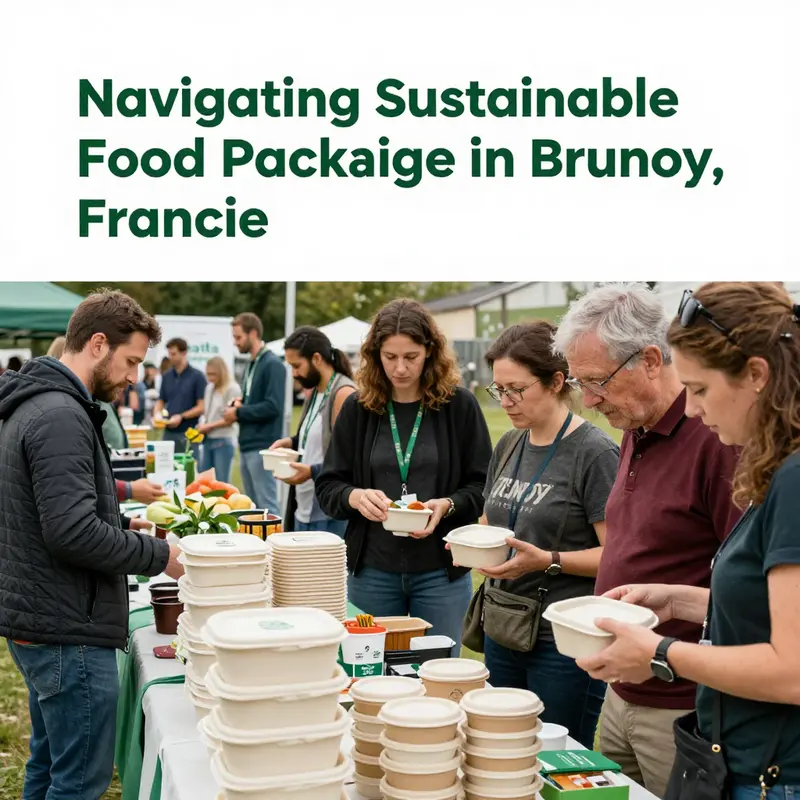
In Brunoy, a town tucked into the fabric of Île-de-France, policy and practice have begun to converge around a shared question: how to handle plastic food containers in a way that respects both local needs and wider ecological commitments. The conversation is not merely about eliminating waste; it is about rethinking convenience, value chains, and daily routines so that they align with Europe’s increasingly ambitious environmental standards and France’s own legislative drive. The 2024 Loi de transition énergétique marks a watershed moment, setting what many in Brunoy see as a necessary trajectory. It prohibits supplying single-use plastic utensils, straws, and take-away boxes to consumers unless the product is biodegradable or recyclable. This directive, framed within a broader European push to curb plastic pollution, has triggered a cascade of changes that ripple through schools, shops, kitchens, and households. What is striking about Brunoy’s trajectory is not the scale of reform alone but the way local authorities, civil society groups, and small businesses have chosen to translate a distant policy into tangible, everyday alternatives. The city’s approach mirrors a larger trend observed across France and similar European towns: environmental goals are most effective when they are legible to residents and woven into daily life rather than kept at the level of broad promises or abstract targets.
The legal framework provides a compass, but the path forward is navigated through local action. Brunoy’s municipal leadership has framed waste reduction as a collective project, one that invites residents to participate without surrendering the pleasures and conveniences of modern life. This is not a case of enforcement by decree alone. It is a story about collaboration—between the city and local organizations, between schools and parents, between retailers and consumers. The result is a layered ecosystem where rules, incentives, and public awareness reinforce one another. When the city encourages the use of reusable containers and imposes limits on single-use packaging, it creates a visible incentive for shops and eateries to redesign their packaging choices and supply chains. For small vendors, the incentive is reinforced by subsidies and promotional campaigns designed to lower the barrier to switch to eco-friendly options. In practice, this means new procurement criteria, new supplier conversations, and a reimagined customer experience that respects both the ecological aim and the social rhythms of Brunoy’s neighborhoods.
The policy shift has unfolded alongside a broader European directive framework that seeks to align consumer markets with sustainable production and consumption patterns. The Single-Use Plastics Directive of the European Union, for example, has provided a framework that helps secure a level playing field and offers clear signals to businesses about the kind of packaging that is permissible in the long term. France’s own environmental transformation law, which took full effect in 2024, complements these European norms by codifying the prohibition on certain plastics and by clarifying the conditions under which alternatives—biodegradable, compostable, or recyclable materials—can legitimately be offered to the public. In Brunoy, this alignment with European and national policy is not a distant mandate but a practical guide that informs every decision—from what is stocked on supermarket shelves to how school cafeterias choose to package meals. The result is a city that treats packaging not as a one-off expense but as a strategic component of its environmental and social goals.
Within this policy landscape, the local response has foregrounded a set of practical alternatives that aim to minimize environmental impact without sacrificing convenience. Paper and plant-based materials, such as those derived from sugarcane bagasse or corn starch, have moved into the foreground as viable substitutes for traditional plastic containers. In schools and public cafeterias, for instance, the shift toward compostable containers has become a visible sign of the city’s commitment to waste diversification and the separation of waste streams. This shift, while encouraging, has also required careful management of compostability standards, end-of-life handling, and consumer education. The trade-offs are nuanced: compostable materials can offer advantages in terms of end-of-life disposal but may require specific conditions for processing in industrial composting facilities, which are not always readily available in every neighborhood. Brunoy’s local programs recognize these nuances and work to balance convenience with sustainability, aiming to keep the transition accessible to a broad cross-section of residents and businesses.
The introduction of reusable containers is another cornerstone of Brunoy’s strategy. By encouraging residents to bring and reuse containers for take-away meals, the city seeks to reduce the volume of single-use packaging entering the waste stream. This initiative is not merely about the mechanical act of reuse; it is also about redefining norms around consumer behavior. It invites a cultural shift toward thinking of containers as durable goods with a lifecycle, rather than disposable items that disappear after a single use. This reframing works best when paired with practical support—accessible collection points, convenient cleaning and return options, and clear messaging about the environmental and economic benefits of reuse. In practice, authorities have explored pilot programs that integrate container rental or exchange schemes with local shops, schools, and cultural centers. The idea is simple in conception but complex in execution: how to provide reliable, hygienic, and easy-to-access reuse options that people will actually use on a daily basis.
A crucial element of Brunoy’s approach is the way it addresses procurement and supply chain readiness. Local businesses that previously relied on conventional plastics are now reassessing their packaging supply chains. They face a set of questions that are both technical and strategic: Which materials offer compatible performance for food contact and shelf life? Which options are compatible with local waste management systems? How can suppliers guarantee that packaging materials meet evolving European and national standards for recyclability or compostability? To answer these questions, many businesses have engaged in closer collaborations with packaging suppliers and environmental advisory services. These collaborations enable them to map out end-of-life scenarios, evaluate the environmental footprints of different packaging options, and sharpen procurement criteria so that purchases align with both policy requirements and consumer expectations. In such a landscape, the local policy environment acts as a catalyst that pushes businesses to adopt more responsible, transparent, and traceable packaging choices.
The schools and public institutions in Brunoy serve as particularly important laboratories for testing and refining these changes. When a city’s educational system adopts compostable or reusable containers for meals, it creates a ripple effect: students learn about waste streams in concrete terms; families observe practical alternatives being used; and the broader community starts to view sustainability as a shared and actionable priority. The shifts seen in Brunoy’s schools are emblematic of a wider trend across France, where educational settings are often the first organized spaces to experiment with sustainable packaging and waste management practices. Beyond environmental benefits, these shifts can also yield ancillary advantages, such as reduced packaging costs over time, improved food safety through standardized, hygienic containers, and opportunities for schools to partner with local producers and recyclers. In Brunoy, these advantages are not theoretical; they are embedded in daily routines—the way a school cafeteria serves meals, how a municipal event distributes snacks, or how a local youth group organizes a takeaway session after a community project.
For residents, the policy shifts translate into visible choices at the point of purchase. Supermarkets, convenience stores, and eateries in Brunoy increasingly present biodegradable or recyclable packaging options, often alongside incentives designed to nudge consumers toward preferred choices. The presence of these options reduces the cognitive load on shoppers who would otherwise need to scrutinize packaging materials or guess the recyclability of a container. The city’s communications strategy, which includes clear labeling and public information campaigns, helps residents understand the lifecycle of packaging and how their decisions can influence the waste system’s performance. In this sense, Brunoy’s approach integrates policy with everyday life, making the abstract concept of environmental stewardship tangible in the grocery aisle and on the dining table. The idea is not to penalize consumption but to reorient consumption toward products that align with sustainable end-of-life outcomes.
The local shift toward sustainable packaging has not occurred in isolation. It sits within a network of public institutions, civil society organizations, and private sector actors that support a shared vision of reduced plastic waste. Community groups have occasionally organized workshops and information sessions to explain the advantages and limitations of new packaging options. These gatherings aim to build trust and to create space for questions about hygiene, convenience, and price. They also provide a forum to collect feedback from residents about how packaging changes affect everyday life. The feedback loop matters because it helps policymakers and businesses adjust implementation timetables, clarify guidance, and address practical concerns that arise as new packaging options become more common. The overall effect is a gradual, non-disruptive transformation that respects existing habits while inviting people to adopt more sustainable practices.
As Brunoy moves forward, the interplay between policy and practice highlights a fundamental truth: environmental policy succeeds when it is legible, accessible, and locally relevant. The city’s efforts illustrate how a well-designed framework can spark meaningful changes in procurement, consumption, and waste handling without erasing the everyday joys of food and social life. In this sense, the Brunoy case offers a nuanced blueprint for other municipalities seeking to translate ambitious regulatory goals into concrete, durable improvements in packaging. The shift from plastic dominance to greener alternatives requires time, experimentation, and ongoing collaboration. Yet the early outcomes in Brunoy—reduced reliance on single-use plastics, increased use of biodegradable and recyclable materials, and greater public awareness—suggest that a future with more sustainable food packaging is not only possible but already underway in communities that choose to act with purpose and persistence.
For more official details on local environmental policies and initiatives in Brunoy, see the town’s official website: https://www.mairie-brunoy.fr.
A key ingredient in Brunoy’s evolving packaging landscape is the attention to material choice and end-of-life management. When opting for alternatives such as paper-based or plant-derived packaging, the city emphasizes life-cycle thinking. This means looking beyond the moment of use to consider the entire journey of a container—from raw material extraction to production, distribution, use, and eventual disposal or recovery. In practice, this approach pushes packaging designers and suppliers to demonstrate that their materials can perform in food-contact scenarios, maintain product integrity, and integrate into local or regional recycling or composting streams. The selection of materials like PLA, bagasse, or other compostable options is weighed not just by their compostability, but by how reliably they can be processed within Brunoy’s existing waste infrastructure. In turn, municipal planners and waste managers collaborate with facilities to ensure that the necessary composting or recycling capacities exist, or that alternative pathways are in place when in-vessel processing is not yet widely available. This careful alignment minimizes the risk that a seemingly greener choice becomes a dead-end for waste, thus preserving the credibility and effectiveness of the city’s broader environmental strategy.
Another dimension of Brunoy’s strategy involves communication and education. The city recognizes that policy success hinges on residents understanding why a change is necessary and how to participate effectively. Public campaigns emphasize the environmental and social benefits of reduced plastic waste, but they also provide practical guidance—how to identify recyclable packaging, how to store reusable containers, and how to participate in any local container-lending or return schemes. Such campaigns also address concerns about hygiene and convenience, offering reassurance and clear instructions. The aim is to make sustainable packaging an ordinary part of daily life rather than a burdensome or stigmatized choice. In this regard, Brunoy’s approach resonates with a broader principle in environmental governance: sustainability is most durable when it is inclusive, transparent, and easy to adopt.
The shift toward more sustainable packaging has also influenced the way local businesses talk about packaging with customers. Retailers and food-service operators increasingly present packaging as part of a broader value proposition. The dialogue centers on reliability, safety, and environmental responsibility, with packaging choices reflecting not only regulatory compliance but also consumer expectations for reduced waste and a cleaner local environment. This shift often opens space for innovations in packaging design and service formats. For instance, some outlets experiment with standardized reusable containers that can be washed and returned through a network of community points, a model that balances convenience and sustainability. In other cases, shops adapt their menus to accommodate more sustainable packaging by offering meals that can be easily transported in compliant containers, thereby reducing the risk of leakage or contamination that can arise with incompatible packaging. Each of these adaptations requires careful coordination with suppliers, waste management services, and municipal guidelines to ensure coherence across the system.
The Brunoy story thus embodies a principle that is easy to state but challenging to implement: sustainable packaging must be practical and scalable if it is to reshape everyday life. It must work in the real world, where time, budget, and access all influence decisions. The city’s experience demonstrates that policy is not only about setting rules; it is about designing incentives, building capacity, and fostering trust among diverse actors. When residents see tangible improvements—fewer disposable containers, clearer recycling instructions, and more convenient reuse options—they are more likely to participate actively in the program. And when businesses experience smoother transitions—subsidized purchases, clearer procurement pathways, and a reliable demand for greener packaging—they become permanent partners in the ecosystem rather than occasional collaborators. The result is a dynamic conversation that binds policy to practice, legislators to shopkeepers, and schools to households in a shared effort to advance sustainable packaging.
To a visitor gazing at Brunoy’s streets a few years ago, the changes might have seemed incremental. Now, they appear as a coherent, steadily evolving system in which policy, community action, and market choices reinforce one another. The city’s packaging landscape has become a living example of how a community can translate high-level environmental imperatives into concrete everyday actions. It reveals how policy can shape the frame within which packaging decisions are made, while local actors determine the texture of daily life within that frame. It also highlights the importance of aligning local initiatives with broader European and national goals, ensuring that progress in Brunoy does not occur in isolation but contributes to a larger, cumulative difference. As more towns look to Brunoy as a model, the challenge remains to scale successful practices without diluting their local relevance. That balance—maintaining local specificity while achieving broader impact—will likely define the next phase of Europe’s sustainable packaging agenda.
For readers seeking further context on how policy, industry, and community action intersect in Brunoy, the official municipal channel provides detailed updates on environmental policies and local initiatives. The site offers a window into ongoing programs, event calendars, and resources for residents who want to participate in zero-waste efforts or learn more about compliant packaging options. The Brunoy experience underscores the value of transparent governance, approachable communication, and practical support for households and businesses as they navigate the transition toward more sustainable packaging.
External resources and deeper policy context can be found through official channels such as Brunoy’s city government site, which provides policy announcements, program descriptions, and guidance for residents and enterprises alike: https://www.mairie-brunoy.fr.
Final thoughts
In Brunoy, the shift toward sustainable food packaging is not just a regulatory necessity but an opportunity for businesses to stand out in a competitive market. By adhering to the new regulations regarding plastic use and exploring diverse sustainable options, food service providers can not only comply with the law but also appeal to the environmentally conscious consumer. Embracing these changes not only preserves the local environment but also enhances brand reputation and customer loyalty. It’s time for businesses to take action, seize the moment, and contribute to a more sustainable future for food packaging.