
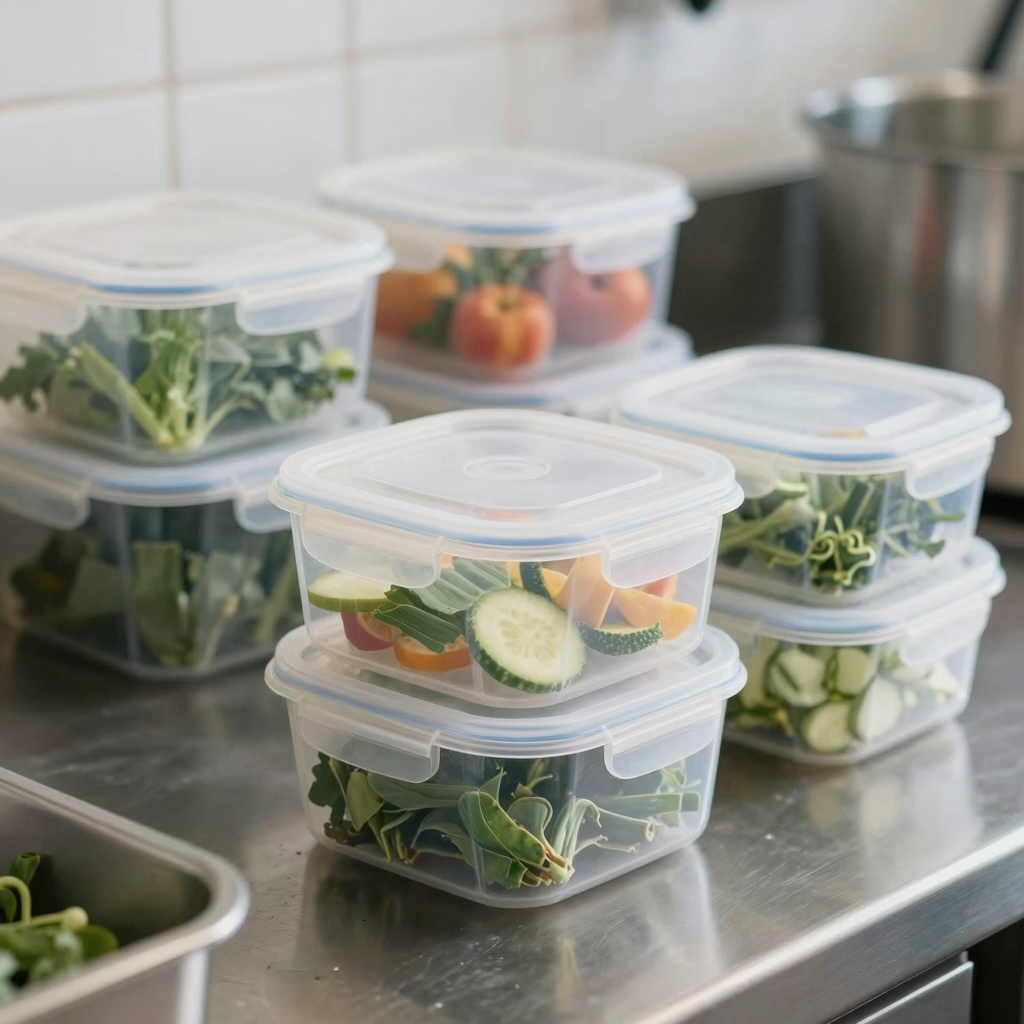
The Importance of Single Plastic Food Storage Containers with Lids
In the fast-paced world of food service, especially for bubble tea shops, catering services, and food trucks, single plastic food storage containers with lids play a crucial role in ensuring food safety and convenience. These containers not only streamline the organization of ingredients but also maintain the freshness and quality of food items, safeguarding them against contamination. For businesses that prioritize efficiency, such as restaurants and event planners, using high-quality storage solutions can lead to enhanced operational workflows and satisfied customers.
Moreover, choosing the right containers can support a brand’s commitment to sustainability, especially with many options available made from eco-friendly materials. Whether you’re serving delicious bubble tea, preparing for an event, or coordinating a corporate function, these containers offer the reliability you need without compromising on style. As easy-to-use solutions, they allow for quick serving and proper storage, making them indispensable in today’s food industry. Learn more about the benefits of using sustainable materials in your food service operations by visiting Sugarcane Cups Business Benefits.
Embrace the convenience and safety of single plastic food storage containers with lids to elevate your food service experience, ensuring that every moment is filled with satisfaction and trust.
Benefits of Using Single Plastic Food Storage Containers with Lids in Food Service Businesses
In the fast-paced world of food service, efficiency, hygiene, and cost-effectiveness are paramount. Single plastic food storage containers with lids offer a variety of advantages that cater specifically to the needs of businesses like bubble tea shops, restaurants, food trucks, and catering services. Here are five key benefits of integrating these containers into your food handling practices:
-
Cost-Effectiveness
Single plastic containers are generally inexpensive compared to other storage options. Their affordability allows food service establishments to purchase in bulk, further reducing costs per unit. Plus, they save on labor usually spent on cleaning reusable containers, contributing to overall operational savings. According to Market Research Future, the expected market growth reflects an increasing reliance on cost-effective food storage solutions. -
Convenience and Portability
Designed for ease of use, these containers are lightweight and easy to stack, making them ideal for mobile food businesses. They enable quick packaging for takeout and delivery, providing a solution that meets customer demands for convenience. This is particularly pertinent for food trucks and catering services where mobility is essential. -
Food Safety and Hygiene
The secure lids of these containers provide a reliable barrier against contamination, protecting food from external pathogens. The materials used often resist staining and odors, ensuring that food remains fresh longer. Furthermore, many containers are designed to meet health and safety regulations, making them suitable for food storage in commercial kitchens. -
Versatility Across Food Types
Single plastic containers are compatible with a wide range of food types, including liquids, solids, and even greasy items. Their capacities can be standardized, allowing businesses to implement portion control effectively. This versatility minimizes waste and helps maintain quality during storage. -
Microwave and Freezer Safe
Many plastic food storage containers can withstand extreme temperatures, making them microwave and freezer safe. This feature not only facilitates reheating meals but also allows for easy storage of leftovers without transferring to a different container, saving time and reducing dishwashing workloads.
Incorporating single plastic food storage containers with lids into your operation can streamline processes, ensure food safety, and ultimately enhance customer satisfaction. For more tips on optimizing your food service packaging, check out this article on the benefits of sustainable food packaging.
Comparing Single Plastic Food Storage Containers with Lids
When it comes to storing food, selecting the right container can make all the difference. Below is a comparison of various types of single-use plastic food storage containers that can benefit Bubble Tea Shops, Restaurants, Food Trucks, Catering Services, and Event Planners.
| Container Type | Dimensions | Material Type | Lid Type | Ideal Use Cases |
|---|---|---|---|---|
| PET | 250ml, 500ml, 1L | Polyethylene Terephthalate (PET) | Twist-off, Push-button | Cold beverages and snacks; short-term storage |
| HDPE | 500ml, 1L, 2L, 2.5L | High-Density Polyethylene (HDPE) | Screw-top, Flip-top | Dairy products, dry goods, and condiments |
| PP | 150ml, up to 3L | Polypropylene (PP) | Snap-on, Locking | Hot meals, leftovers, and reheated foods |
| PS | 200ml – 600ml | Polystyrene (PS) | Loose-fitting, no lid | Takeout boxes and cold, dry items |
Insights on Container Features
- PET Containers: Known for their lightweight and transparency, they are perfect for cold liquids and non-oily foods. Often used in beverage shops for drinks, their convenient twist-off lids enhance usability.
- HDPE Containers: Opaque and durable, making them suitable for a variety of food storage needs, particularly for dairy products. The screw-top lid ensures food safety and prevents spillage.
- PP Containers: Highly versatile and heat-resistant, they are excellent for hot meals and can be microwaved. The secure locking lids provide airtight storage, which is ideal for leftovers.
- PS Containers: Typically more rigid, they are used for takeout meals but should only be utilized for cold items due to their brittleness and poor heat retention.
By considering the features and ideal uses of these containers, businesses can optimize their food storage solutions effectively. For more options, you may want to explore customized octagonal paper bowls or learn about sugarcane cups and their business benefits.
Word Count: 410

A vibrant image illustrating the various uses of plastic food storage containers across different food service settings like restaurants, catering services, and food trucks. This showcases their practicality in storing meals, sauces, and ingredients effectively.
Eco-Friendly Aspects of Plastic Food Storage Containers
As the world increasingly prioritizes sustainability, single plastic food storage containers are finding a place in eco-friendly practices. Many companies in sectors such as food service and meal delivery are switching to these containers due to their versatile use and potential to support sustainable practices. Let’s explore the eco-friendly aspects of these containers, focusing on recycling options, sustainable manufacturing, and responsible disposal.
Recycling Options
One of the primary advantages of plastic food storage containers is their recyclability. Many containers are made from materials like PET (#1), HDPE (#2), and PP (#5), which are widely accepted in recycling programs. In fact, recent statistics show that in 2023, China achieved a recycling rate of 29.6% for PP food containers, which is higher than the 16.3% average for low-value plastic packaging. This indicates an increasing effectiveness in recycling initiatives and highlights the potential for responsible sourcing back into the manufacturing loop. Learn more about these statistics.
Sustainable Manufacturing
Sustainable manufacturing processes are being adopted by many producers of plastic food storage containers. Innovations in production techniques aim to reduce energy consumption and waste generation. For instance, some manufacturers utilize recycled materials to create new containers, significantly lowering the carbon footprint associated with raw material extraction. As reported, about 68.9 million tons of recyclable plastic were produced in China, leading to a notable uptick in the manufacturing of reusable packaging options to meet consumer demands for sustainability. This trend promotes not only environmentally responsible practices but also cost-effectiveness for businesses in the food sector.
Importance of Responsible Disposal
Responsible disposal of plastic food containers is crucial for minimizing environmental impact. Businesses are encouraged to educate customers on how to dispose of these containers appropriately. Implementing take-back programs or collaborating with recycling facilities can ensure these containers are efficiently processed after use. Furthermore, many containers are designed to be reused multiple times, reducing the need for single-use products. In 2023, around 30.6% of collected soft plastic was recycled, with continuous growth expected as awareness spreads on the importance of proper disposal. By promoting responsible disposal habits, businesses will contribute to a healthier planet and reduced landfill waste.
By adopting eco-friendly practices, single-use plastic food storage containers can play a significant role in reducing environmental impact while catering to the needs of the food industry. Companies can leverage these sustainable options to enhance their brand image and appeal to environmentally conscious consumers. With ongoing innovation in material use and recycling processes, the future of plastic food storage can be both functional and eco-friendly.
Safety Standards for Single Plastic Food Storage Containers with Lids
When it comes to food service, ensuring the safety of food storage containers is paramount. Single plastic food storage containers with lids must adhere to strict safety standards to protect public health and maintain the integrity of food products. Here are the critical safety standards and regulations applicable in the industry:
FDA Regulations
In the United States, the Food and Drug Administration (FDA) regulates food contact substances through 21 CFR Part 177. This part dictates that:
- Containers must be made from food-grade materials that are deemed safe for their intended use. This includes avoiding harmful substances such as BPA, DEHP, and PVC.
- There are specific migration limits for chemicals that may leach into food, ensuring that no harmful levels are present.
- The containers must be suitable for varying temperature conditions, including freezing, microwaving, and exposure to high temperatures during service.
For more details, you can visit the FDA’s guidance on food contact materials.
European Union Regulations
In the EU, compliance with EC No 1935/2004 is mandatory for all materials intended to come into contact with food. Key points include:
- All materials must be safe and not transfer components into food that could endanger human health.
- Following Good Manufacturing Practices (GMP) is necessary, and manufacturers must provide a Declaration of Compliance for their products.
These safety measures ensure that containers produced meet comprehensive regulations vital for consumer health.
International Standards and Other Regulations
Additionally, there are international standards such as ISO 18863:2021, which provides guidelines on safety assessments of plastic materials for food contact. This standard focuses on chemical migration tests and helps ensure that containers are safe for exporting and commercial use.
In China, GB 4806.6-2016 regulates food contact materials and requires adherence to strict packaging safety protocols similar to international guidelines.
Chart of Safety Standards
Here’s a quick summary of some key safety regulations governing single plastic food storage containers:
| Standard/Regulation | Applicability | Key Requirements | Issuing Body | Validity |
|---|---|---|---|---|
| FDA 21 CFR Part 177 (U.S.) | U.S. market | Must be food-grade, migration testing, temperature suitability | FDA | Continuous, ongoing updates |
| EC No 1935/2004 (EU) | EU market | Safe without transfer of harmful substances, GMP adherence | European Commission | Continuous, updated 2023 |
| ISO 18863:2021 | International | Safety assessment methods for food contact materials | International Organization for Standardization | Continuous, updated |
| GB 4806.6-2016 (China) | China market | Regulatory alignment with ISO, migration limits | National Health Commission (China) | Continuous, ongoing updates |
For stakeholders in the food service industry, understanding these regulations is essential to ensure compliance and maintain customer trust in the safety of their food products. By focusing on safety standards, that not only adhere to but exceed minimum requirements, businesses can foster a reputation for quality and safety.
“The bagasse plates we used for our wedding reception were not only sturdy and elegant but also fully compostable-our guests loved the sustainable touch.”
- Event Planner from Sydney
This testimonial from a satisfied client perfectly emphasizes the quality of our disposable tableware alongside the exceptional customer support we offer. At Cofe-Cup, we pride ourselves on providing high-quality single plastic food storage containers with lids, ideal for bubble tea shops, restaurants, food trucks, and corporate events. With our solutions, you not only get durable products but also a commitment to sustainability and customer satisfaction. To learn more about how our products can benefit your business, check out our article on sugarcane cups’ business benefits and discover the difference today!
Creative Uses of Plastic Food Containers at Events
Event planners are always on the lookout for innovative ways to enhance their gatherings while being mindful of sustainability. Here are some creative approaches to utilizing reusable plastic food storage containers at events:
-
Buffets and Self-Service Stations: Set up buffet tables with neatly arranged plastic food containers filled with various dishes. This allows guests to serve themselves while keeping food fresh and preventing spills. You can learn more about optimizing food presentation for events.
-
Snack Bars: Create a grab-and-go snack bar using clear containers for fruits, nuts, or trail mixes. This not only promotes healthy eating but also reduces waste as guests can help themselves throughout the event.
-
Goody Bags: Instead of traditional bags, use plastic food containers as unique goody bags filled with treats. They are easily stackable, making packing and transportation easier and are reusable afterwards.
-
Drink Stations: For beverage events, use large containers for iced teas, lemonades, or bubble teas. They can be adorned with labels to indicate flavors, making it easy for guests to choose their drinks. Discover how to create appealing beverage presentations that match your event’s theme.
-
Portion Control: For meals or snacks that require portioning, these containers can help in serving controlled amounts, making it easier to manage dietary preferences and waste.
Using plastic food containers not only enhances the experience but also aligns with eco-friendly practices, providing a practical and creative solution for event planners looking to impress while staying sustainable!
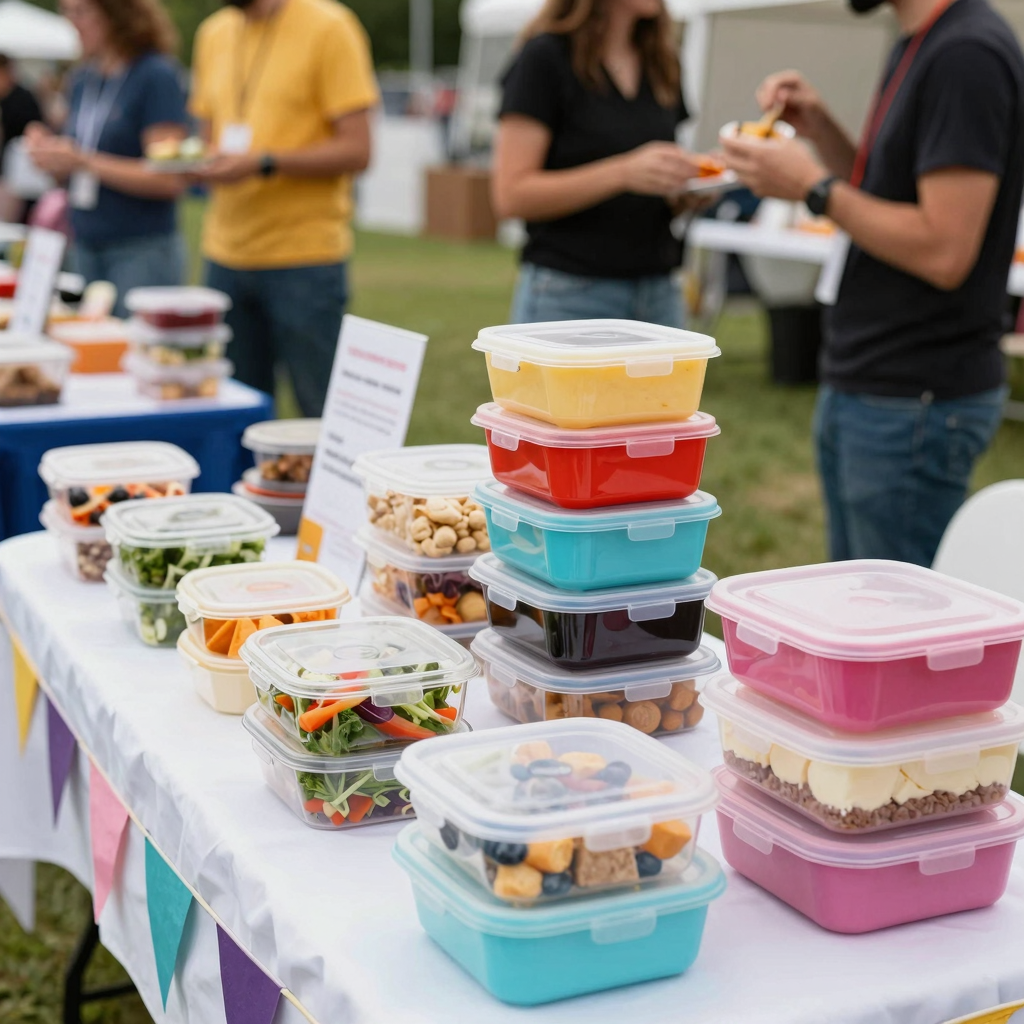
The Rise of Plastic Container Usage in Food Service
In recent years, the food service industry has witnessed a significant upsurge in the usage of plastic containers, especially for food storage and takeout. According to market research, plastic containers are projected to dominate the food container market due to their convenience, cost-effectiveness, and durability.
Key Statistics:
- Growth Rate: From 2020 to 2023, the percentage of plastic containers utilized for takeout and delivery in the food service industry has grown from approximately 43% to 49%. This reflects a growing reliance on these containers amidst increasing demand for delivery services, especially triggered by the pandemic.
- Market Share: In 2023, it was reported that 49% of plastic containers in the food service sector are used specifically for takeout and delivery, showcasing their essential role in modern food service operations.
- Overall Plastic Usage: The food service industry as a whole utilizes around 70% of its plastic containers for delivery and carryout, underlining the pivotal function of packaging in food delivery models.
Sustainability Trends
Despite the ease and practicality that plastic containers offer, there are growing concerns about their environmental impact. Sustainable alternatives are being explored, with an emphasis on biodegradable and recyclable materials. However, as recent data highlights, plastic containers continue to be the preferred choice due to their cost-effectiveness and resilience in food storage.
To learn more about sustainable packaging solutions, check out the benefits of sugarcane cups and how disposable paper buckets contribute to eco-friendly practices in food service.
Visualization of Growth in Plastic Container Usage
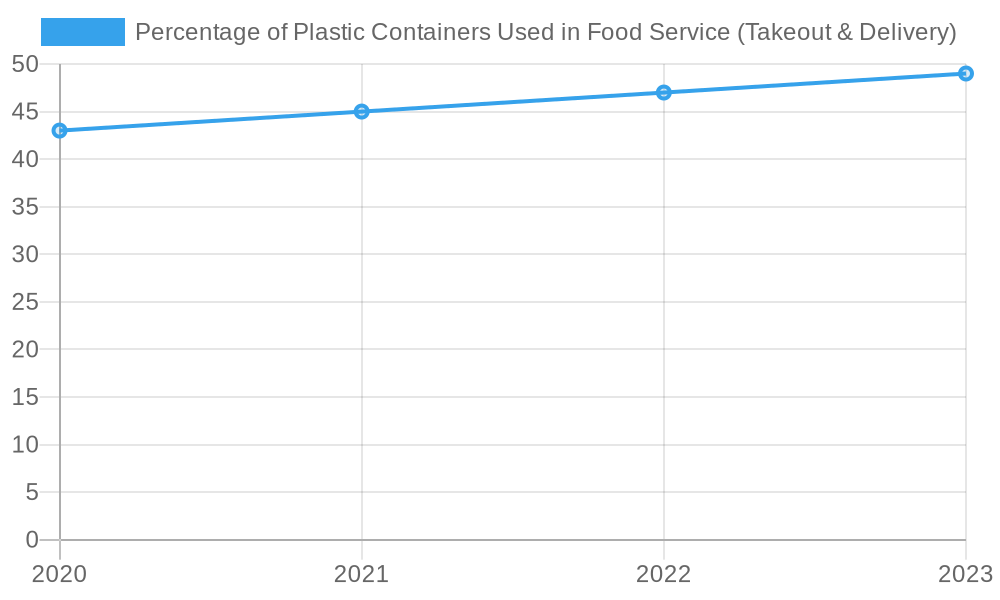
This graph illustrates the consistent increase in the adoption of plastic containers within the food service industry. As seen, consumer demand has driven suppliers to meet the needs of growing delivery models.
To further explore trends in disposable paper products, including bowls and trays, consider visiting our resource on disposable paper buckets technology.
By understanding these statistics and trends, businesses can better align their packaging choices with consumer demands and sustainability goals.
Ultimately, while the debate over plastic continues, it’s clear that the demand for plastic containers remains strong amidst the evolving landscape of food service.
In conclusion, single plastic food storage containers with lids are essential for food service businesses, providing durability, convenience, and versatility. These containers are designed to keep your food fresh and safe, minimizing waste and ensuring compliance with industry standards. With a projected growth in the market, as shown in the graph below, investing in quality plastic containers is not just a practical choice but also a financially wise decision.

As professionals in the food and beverage industry, partnering with us at Cofe Cup for your container needs means you are choosing reliable products tailored to your specific requirements. We understand the nuances of catering companies, restaurants, and event planners, and we are ready to help you succeed.
Contact our team today to receive a tailored quote that meets your business’s unique demands. Let’s work together to enhance your food storage solutions!