
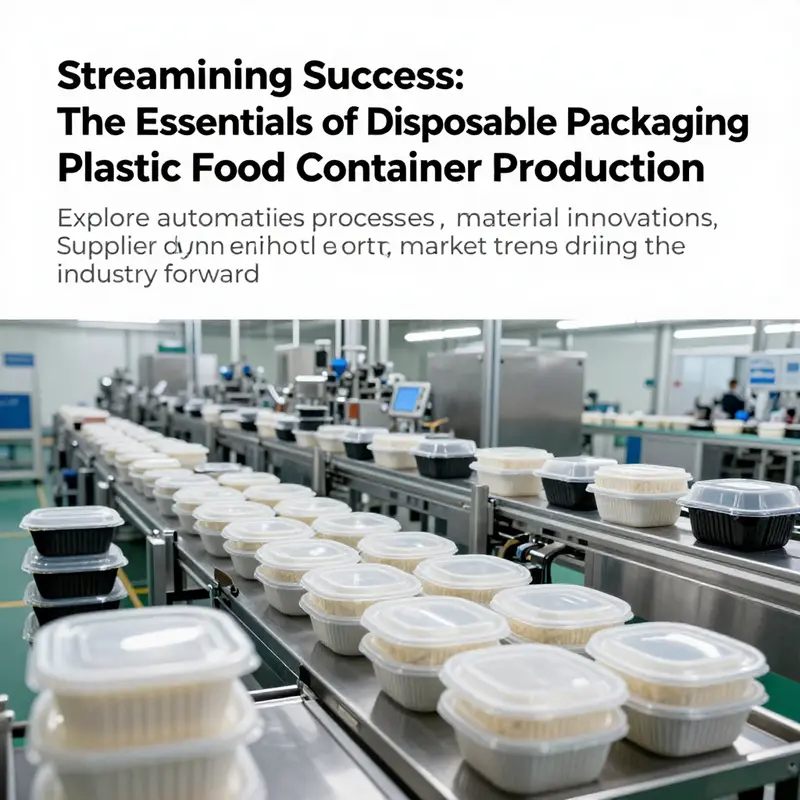
As the demand for disposable food packaging continues to rise, understanding the intricacies of manufacturing processes is crucial for businesses in the food and beverage industry. From bubble tea shops to event planners, the efficiency and quality of disposable plastic food containers directly impact customer satisfaction and operational effectiveness. This article dives deep into automated processes, material innovations, supplier dynamics, and market trends that shape the production of disposable packaging. Each chapter offers insights into modern manufacturing techniques, the significance of sustainable materials, the importance of choosing the right suppliers, and emerging trends influencing the market landscape. Get ready to uncover the secrets behind your disposable food container needs and how to stay competitive in a rapidly evolving industry.
From Melt to Meal: The Seamless Automation Shaping Disposable Plastic Food Container Lines
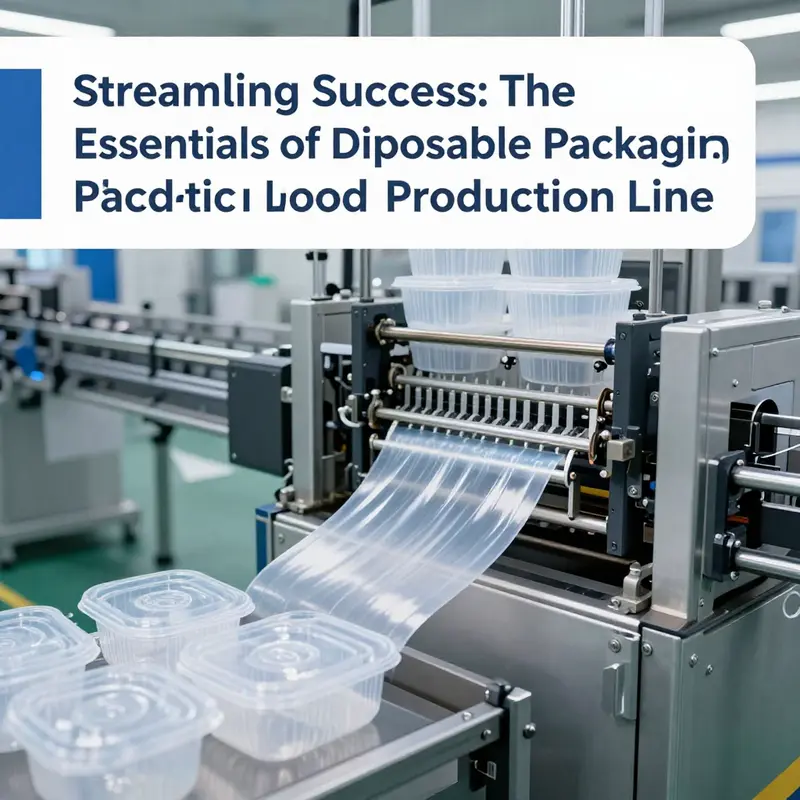
The contemporary factory floor that turns raw plastic into a spectrum of disposable food containers resembles a carefully choreographed machine orchestra. In this environment, automation is not merely a convenience but a strategic imperative. It underpins speed, hygiene, consistency, and scale, enabling producers to meet the relentless demand for single-use packaging in food service, retail, and e-commerce. The journey from resin to ready-to-sell clamshells, lunch boxes, and meal-prep trays unfolds in stages that are tightly integrated, with each step anticipating the next. The most transformative shift in recent years has been the move toward highly automated lines that minimize human intervention without sacrificing flexibility. This shift has redefined what is possible in terms of throughput, quality control, and customization, and it anchors the broader trajectory of the disposable packaging sector as it adapts to changing consumer expectations and tighter food-safety standards.
At the core of these automated lines lies a disciplined choice of material and process architecture. A common approach emphasizes sheet-fed thermoforming, often built around PS foam sheets produced via a double-screw extrusion process. This method yields foam sheets with exceptional thermal insulation, robust sanitation characteristics, and easy moldability—properties that are especially valuable for takeout beverages, ready-to-eat meals, and retail-ready packaging. The foam sheet format is dependent on precise control of thickness and width, typically in a range from roughly 1 to 3.5 millimeters and a width that can span hundreds of millimeters. The ability to produce within this range reliably translates into a family of containers—bowls, trays, clamshells—that share a common performance envelope: they shield warmth, resist moisture and fats, and maintain form under stacking and shipping stresses. When these sheets feed into thermoforming equipment, the automation at this juncture is about maintaining a continuous supply, consistent sheet flatness, and a steady heat profile so that every mold impression yields a clean, dimensionally accurate product.
The thermoforming stage is where the line reveals its precision-driven nature. The sheet is heated to a pliable state and presented to a mold that shapes it into the final geometry. Vacuum and pressure differ across designs, but the essence remains the same: the machine must hold exact tolerances while molding complex contours such as hinged clamshells, two-compartment trays, or curved bowls. In a highly automated environment, mold changes are planned for minimal downtime, with CNC-controlled tooling enabling rapid switching between container sizes, shapes, and design features. This flexibility is the backbone of OEM and ODM capabilities in the plastics ecosystem, allowing a single line to accommodate variations demanded by brand owners or retailers without sacrificing throughput. The molding itself is only part of the equation; downstream, the line must handle trimming, controlled cooling, and careful removal from the formed sheet with minimal deformation. Automated cooling stations then solidify the geometry and lock in the material’s mechanical properties, ensuring that subsequent stacking and packaging steps occur without distortion or crack formation.
Stacking and packaging complete the journey from sheet to shelf-ready product. Automated stacking systems gather formed pieces in orderly, material-efficient configurations, promoting predictable downstream handling. The stacking process feeds directly into packaging machinery that bags or cartons the containers for shipping. Integrated quality control sensors scan for thinning, warping, incomplete forming, or flash—the excess material that sometimes forms around the edge of a part. Defect detection is not a mere afterthought; it is embedded in the line’s architecture. Inline measurement, cameras, or laser gauging can instantly identify deviations and trigger automatic rework or removal of imperfect pieces. This capability is especially important when lines are tasked with high-volume output, where small lapses in quality can cascade into significant waste or costly recalls. The overarching effect is a continuous-flow production model: from resin to finished product with minimal manual touches, but with a robust safety net that catches defects before they propagate down the line.
The automation narrative is inseparable from the material science that underpins these systems. PS foam, PP, and PET are chosen not only for barrier properties and food compatibility but also for how well they respond to automated forming and handling. PS foam’s low thermal conductivity, coupled with its rigidity after forming, makes it a favored option for hot or cold items alike. Yet the choice is always balanced with considerations of weight, cost, and end-of-life handling. In this context, the industry’s interest in process integration extends beyond the forming station. It includes the feed system that delivers pre-cut sheets at a precise pace, the oven-like heating circuits that bring sheets to the correct pliability, the vacuum plenum designs, and the cooling tunnels that prevent deformation. Each subsystem must operate in concert with the others to prevent bottlenecks. When a line runs at peak capacity—some facilities claim hundreds of thousands of pieces per day—the synchronization of material flow, heat cycling, mold indexing, and pack-out timing becomes an exercise in systems engineering as much as mechanical design.
Within the automation spectrum, the material feeding stage deserves attention for how it sets the rhythm of the entire operation. Modern lines employ automated sheet feeders that align and lift pre-cut polymer sheets into the thermoforming module, ensuring consistent start positions and minimizing scrap. The feeding mechanism, while ostensibly simple, must cope with variations in sheet thickness, surface finish, and potential dust or particulates that might affect sheet engagement. The reliability of this subsystem directly affects the stability of downstream processes. A misfeed, if not detected promptly, can lead to misaligned draws, mold strikes, or damaged tooling. To mitigate such risks, sensors and feedback loops are integrated to adjust feed rates, verify sheet presence, and confirm proper alignment before heat-up sequences commence. The aim is to keep the cycle time within tight tolerances while preserving energy efficiency and reducing wear on consumables.
The intersection of automation and customization is where many line operators see the greatest value in modern equipment. Because consumer expectations for packaging are increasingly tied to branding, retailers, and sustainable messaging, manufacturers must offer configurable lines that can switch between formats swiftly. The digital layer—computer-aided design (CAD) with CNC-controlled tooling—enables rapid changeovers without the downtime traditionally associated with mold swaps or die changes. This flexibility is not just convenient; it is essential for meeting customers who require shorter lead times and the ability to test multiple packaging concepts across markets. In practice, this translates into modular line layouts, standardized interfaces, and interoperable controls that let engineers reprogram sequences, adjust machine parameters, and monitor performance in real time. The result is a responsive production ecosystem that can adapt to seasonal demand, promotional campaigns, or shifts in raw material pricing with minimal disruption to the supply chain.
Cost efficiency in automated lines is a product of both hardware reliability and intelligent control systems. Modern lines are equipped with real-time monitoring that tracks energy consumption, cycle durations, and throughput metrics. Predictive maintenance tools anticipate wear on forming molds, vacuum systems, and cooling equipment, allowing preemptive service before a fault triggers a stoppage. Such monitoring also supports quality management by identifying recurring defects associated with specific equipment or process windows, enabling targeted adjustments rather than broad, costly overhauls. The economic calculus extends to waste minimization: scrap from forming, trimming, and trimming-off fragments can be redirected to other applications or reprocessed, depending on the system’s recovery capabilities. In high-volume environments, the cost of downtime looms largest, so the reliability of automated lines translates directly into order fulfillment performance, cash flow stability, and customer satisfaction.
Supply chain realities shape how lines are designed and operated. For many customers, the ability to deliver stock models within a few days has become a differentiator, even for large runs such as half-a-million units. This velocity requires a carefully balanced portfolio of standard line configurations and modular add-ons, enabling producers to meet both urgent, large-scale orders and bespoke packaging programs. Suppliers respond to this demand by combining turnkey lines with high-capacity ancillary equipment for trimming, sorting, and secondary operations such as print decoration or labeling. Customization is thus not limited to container geometry but extends to surface treatments, branding engagements, and packaging aesthetics that align with retailers’ private-label programs. A well-orchestrated automation stack makes it possible to incorporate printing or labeling as a downstream enhancement without sacrificing core throughput. And because the consumer goods landscape prizes hygiene and safety, advanced lines incorporate contamination-control measures across the entire flow: sealed material gates, clean-in-place routines for hoppers and conveyors, and non-shedding finishes that minimize particulate contamination in and around the forming area.
The case for automation also rests on broader industry trends toward sustainability and transparency. While disposable packaging remains essential for food safety and convenience, producers increasingly seek processes that support recycling, recyclability, and material efficiency. In practical terms this means lines designed to minimize material loss, use the smallest viable thickness without compromising performance, and select polymers whose recycling streams are well established. It also implies traceability across the production sequence, from resin suppliers through to finished containers, so that brands can attest to material composition, processing conditions, and compliance with safety standards. In this context, the automated line acts as both a producer and a verifier, collecting data that can feed sustainability reporting and lifecycle assessments. This integration of efficiency, safety, and environmental stewardship is gradually normalizing the expectations of customers who value responsible manufacturing and clear, verifiable claims about product integrity.
From a strategic perspective, the automation story is inseparable from the ecosystem of suppliers, service providers, and digital platforms that enable scale. A robust supplier network can deliver modular lines, with the capacity to process tens of thousands of sheets per day and convert them into hundreds of thousands of final pieces daily. In many markets, buyers rely on verified manufacturers who offer customization options, sample testing, and flexible order quantities, including small-batch runs for proof of concept. The ecosystem also includes trade portals and procurement platforms that connect buyers with equipment manufacturers and service teams, ensuring that technical support and spare parts are readily available as production needs evolve. In this sense, the automated production line is not a standalone asset but a hub within a broader network that sustains growth, innovation, and resilience in a fast-changing packaging industry.
As producers contemplate future improvements, several focal points emerge. First, there is the potential to push automation deeper into the value chain with more sophisticated in-line quality checks, such as real-time material property analysis and mold wear diagnostics that predict tool degradation before it affects product quality. Second, the ongoing evolution of format flexibility means lines will need even more agile control systems, enabling designers to test new shapes and sizes with minimal downtime. Third, energy efficiency remains a persistent objective; advances in heater technologies, heat recovery, and drive systems can cut operating costs while reducing environmental impact. Fourth, the integration of branding and customization will continue to grow, with more lines capable of printing or labeling at step edges or during the packaging phase without interrupting throughput. Finally, the deployment of remote diagnostics and cloud-based performance dashboards will empower manufacturers to optimize line performance, coordinate maintenance windows, and benchmark against best-in-class facilities around the world.
For practitioners seeking a practical lens on these ideas, the literature and industry documents emphasize how automated thermoforming systems have matured to support a wide spectrum of applications, from simple, high-volume containers to more sophisticated, multi-compartment designs. The technical references detail how controllers manage the delicate balance between heat, time, and pressure, and how automated trim and packaging systems integrate with downstream logistics to ensure that finished goods reach distribution centers in optimal condition. A representative overview emphasizes the repeatability of the forming process, the speed of mold indexing, the reliability of vacuum systems, and the precision of edge trimming, all of which contribute to a high yield of saleable units. In addition, the literature highlights the role of OEM and ODM services in enabling brand owners to translate product concepts into manufacturable packaging formats, a capability that is especially valuable when demand cycles are volatile or when new product launches require rapid scale-up.
The breadth of automation in disposable plastic food container lines illustrates a broader pattern in modern manufacturing: the convergence of mechanical design, materials science, digital control, and supply-chain intelligence into cohesive, resilient production systems. When these elements align, plants can deliver consistent product performance, meet stringent food-safety expectations, and respond to market dynamics with unprecedented agility. The arc of development points toward even greater modularity, more intelligent automation, and stronger integration with sustainability metrics. In the end, what emerges is not just a line that makes containers but a flexible, data-informed ecosystem that supports brands, retailers, and consumers in a marketplace where convenience, safety, and responsibility must coexist.
For readers seeking further technical grounding or supplier perspectives, a widely used reference in the field offers detailed specifications and applications of automated thermoforming lines. The linked resource provides a practical lens on line configurations, mold technologies, and process controls that underpin scalable, hygienic production. It complements the narrative with concrete figures and case-study snapshots, illustrating how automation reduces labor intensity, accelerates changeovers, and enhances defect detection. While the exact equipment naming may vary across manufacturers, the governing principles persist: maintain precise material handling, ensure consistent heating and forming, control cooling and trimming, and orchestrate downstream packaging with high fidelity. The result is a production system that not only meets demand but also embodies a disciplined approach to quality, safety, and efficiency.
External reference: https://www.alibaba.com/product-detail/Automatic-Plastic-Food-Container-Egg-Tray-Cup-Lid_1600427387975.html?spm=a2700.gallery-internal.a2700.3.5b4a6e1fWwQZiF&from=productDetail
Internal link for further context on packaging categories and materials: plastic packaging category
From PCR to Polymers: Material Innovations Shaping the Disposable Packaging Production Line
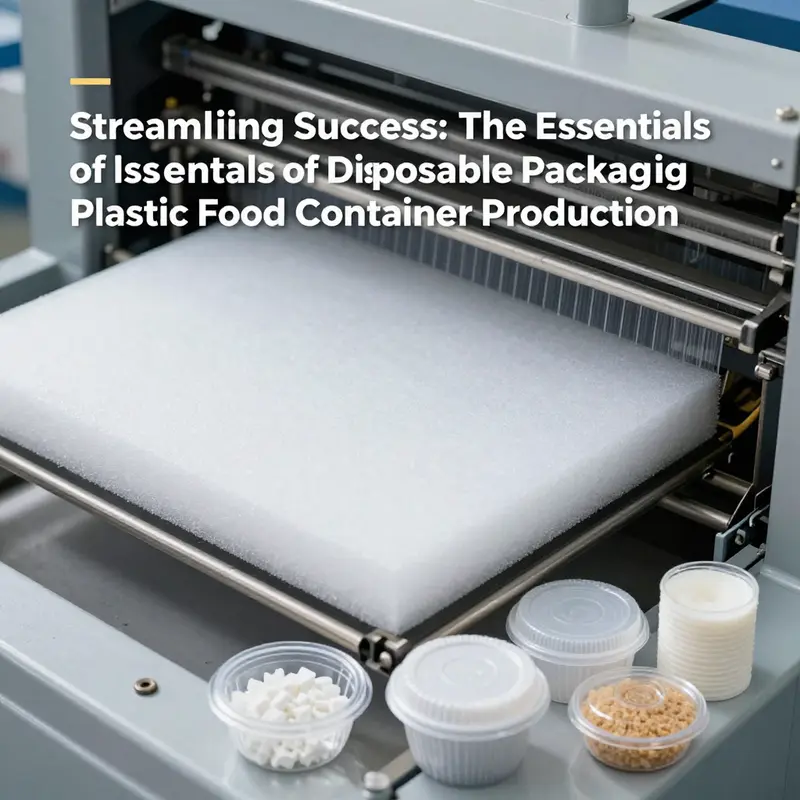
The disposable plastic food container production line is undergoing a quiet revolution, driven not by faster machines alone but by smarter materials that redefine what a single-use package can do. In the past, the workhorse of many lines was a relatively straightforward blend of virgin polymers chosen for cost, processability, and basic barrier properties. Today, the emphasis shifts toward materials that align with escalating environmental expectations, stricter regulatory standards, and the growing demand for reliability across a wide range of applications—from cold takeout to hot meal delivery and microwavable convenience. This shift is not a mere drop-in change of resin; it requires a reimagining of the entire value chain, from feedstock preparation and extrusion to thermoforming, trimming, and packing, all while maintaining the high throughput and strict food-safety requirements that a modern line demands. The result is a more resilient, adaptable production system in which material science and process engineering move in lockstep, producing containers that are not only functional and safe but also aligned with a circular economy mindset.
At the heart of this transformation is the growing use of recycled and bio-based plastics. Post-consumer recycled plastics, especially those derived from PET streams, are finding a broader role in food-contact packaging when their processing cycles are tightly controlled and their conditioning is optimized for thermoforming and sealing. Recycled content supports a lower-carbon footprint by reducing reliance on virgin fossil feedstocks and by integrating into closed-loop or near-closed-loop supply chains that many manufacturers are now pursuing. The clarity and optical quality of recycled PET, for instance, make it suitable for containers where the appearance of the product inside matters to consumer perception. Moreover, the barrier properties—especially moisture and certain gas barriers—can be engineered through careful resin selection and process parameters. The practical upshot is that PCR-based containers can be designed to deliver the same level of performance as their virgin equivalents in many applications, while also demonstrating the environmental benefits that retailers and regulators increasingly demand.
Bio-based plastics add another layer of capability, offering a route toward fully renewable or compostable solutions. Polymers derived from renewable resources, such as certain starch-based or polylactic acid (PLA)-type materials, promise compostability under specific industrial conditions. Yet the path from lab to line is nuanced. End-of-life processing, composting infrastructure, and compatibility with existing waste streams all shape the viability of these materials for mainstream disposable packaging. For a production line, this means a careful assessment of process compatibility—how the material behaves in extrusion or sheet formation, how it responds to thermoforming, and whether the resulting containers can meet required heat resistance and sealing integrity. It also means that cost trajectories and scale-up challenges must be balanced against the social and regulatory incentives that favor bio-based and compostable options. In practice, manufacturers often pursue a hybrid strategy, blending bio-based resins with conventional polymers to achieve the right balance of performance, throughput, and environmental impact while preserving process stability on the line. The aim is not to replace established materials overnight but to broaden the toolbox so that the line can quickly switch between different feedstocks as market demands evolve.
Beyond the polymer backbone, multi-layer and functional films are pushing packaging into a realm where the barrier, moisture management, and user convenience are engineered at the material level. Barrier films that block oxygen and moisture extend shelf life, which translates into lower food waste and more predictable cold-chain performance. The ability to select films with tailored permeability allows a container to perform differently for fresh produce versus prepared meals, without changing the fundamental geometry or outer shell. Resealable films have moved from consumer convenience into process optimization, reducing secondary packaging needs and enabling simpler post-use handling. For hot-fill or microwave applications, breathable films can be used judiciously to manage condensation and preserve texture, while still protecting against contamination. These functional films require careful integration with the thermoforming process and the adhesive system that binds layers together. They also demand rigorous food-contact testing to ensure migration limits remain within acceptable bounds and that the assembly remains robust under mechanical handling, sterilization, and consumer use.
All of these material choices flow into the production line design in meaningful ways. Automation and digital controls are no longer confined to robotic pick-and-place or servo-driven trim stations; they extend to material handling strategies that ensure the correct resin or recycled content is fed to the extruder, sheet, or forming station at the right temperature, speed, and pressure. Closed-loop water systems and energy-efficient drive trains have become standard in modern facilities, reflecting a broader commitment to sustainability in manufacturing. Yet the real value comes from flexibility. A line that can switch from virgin feedstock to PCR, or from a standard polystyrene sheet to a multi-layer film construct, without a complete equipment overhaul, delivers a crucial competitive edge. This flexibility hinges on modular extrusion dies, adjustable sheet forming tools, and sealed-process environments that prevent contamination during material transitions. The control software plays a central role here, providing granular feedback on viscosity, melt temperature, and seal integrity in real time. Operators gain the ability to make precise adjustments on the fly, maintaining consistency even as material inputs shift. This digital maturity reduces waste, shortens changeover times, and supports small-batch production when customer demand calls for customized packaging formats.
One practical implication of this material-driven evolution is the way containers meet temperature and safety requirements. High-performance polymers, such as specialized grades of polypropylene, are increasingly engineered to resist deformation under hot conditions and to withstand microwave exposure without releasing deleterious substances. The design implications are substantial. The thermoforming process must maintain dimensional stability across a wider temperature window, and the sealing process must ensure integrity when the product is reheated. Adhesives and laminates used to assemble multi-layer structures must be food-grade and compatible with both the base resin and the functional film layer. The broader consequence for the production line is that process windows become tighter yet more forgiving when material properties are well understood and precisely controlled. Operators benefit from clearer process recipes that account not only for geometry and thickness but also for the evolving thermal and mechanical behavior of each material combination during forming, trimming, and packing.
In tandem with material chemistry, the drive toward sustainable manufacturing is reshaping plant design and energy planning. Lines are increasingly designed with modularity in mind, enabling manufacturers to scale up or down by adjusting the number of forming stations or by shifting from one container family to another with only minor mechanical changes. This modularity is complemented by smarter energy management—heat recovery from trimming and cooling cycles, optimized air handling at thermoforming stations, and smarter water usage in cooling and cleaning loops. The consequence is a system that can sustain high output while reducing energy intensity per unit produced. Materials scientists, process engineers, and quality teams intersect at this point, where the initial resin selection must anticipate downstream performance, regulatory compliance, and end-of-life realities. The result is a line that not only produces containers efficiently but also contributes to a circular economy by enabling higher recycled content, enabling compostable options where feasible, and supporting end-of-life separation through compatible material choices.
The broader industry narrative, which increasingly informs these technical decisions, emphasizes the alignment of material science with consumer expectations and environmental stewardship. Consumers want packaging that protects their food, preserves freshness, and minimizes waste. Regulators seek transparency, traceability, and enforceable standards for safety and recyclability. Brands pursue materials that reflect social responsibility and the ability to demonstrate circularity to their stakeholders. In this ecosystem, the production line becomes a living platform where material innovations are tested, validated, and scaled in real time. The production conditions themselves—temperature profiles, dwell times, mesh sizes of forming tools, and the sequencing of forming, trimming, and packaging—are all optimized to extract maximum performance from the chosen materials. This optimization is more than a matter of efficiency; it is a critical bridge between scientific discovery and practical, scalable packaging that can be deployed across diverse markets with varying waste infrastructures.
If one looks at the practical implications for a plant manager, the shift toward material innovations translates into a disciplined approach to supplier collaboration, testing protocols, and qualification processes. Materials must be vetted not only for their immediate performance in a specific container line but also for their compatibility with the complete system—from pre-dryer conditioning to post-forming labeling and carton packing. The qualification process becomes a cross-functional exercise, involving quality assurance specialists who verify barrier properties, migration limits, and seal integrity under peak line speeds, as well as process engineers who validate changeovers and ensure that the line can move between different resin families without compromising throughput. As lines become more flexible, the ability to run small-batch trials with PCR-rich or bio-based feeds becomes a strategic advantage, enabling faster market feedback and reducing the risk associated with large-scale transitions.
In this context, the search for reliable, scalable material solutions often leads manufacturers to look beyond the core resin to the wider ecosystem of packaging materials. Multi-layer films, lamination adhesives, and sealants must be selected as an integrated system to ensure compatibility and long-term performance. The resulting containers deliver a predictable consumer experience—from the moment a lid is peeled to the final bite taken at the table. This holistic approach has unintended but beneficial consequences for supply chain resilience. If a given material stream faces a disruption, the line’s modularity allows a quick pivot to an alternative feedstock with minimal downtime. In such scenarios, the procurement and logistics teams become as critical to throughput as the engineers who tune the extruders and thermoforming tools. The entire organization learns to view materials not as static inputs but as dynamic, strategic levers that can shape capacity, quality, and sustainability outcomes on a daily basis.
For readers who want to explore a real-world texture of these shifts, the concept of material innovation is often discussed in the context of broader sustainability programs that connect to brand stories and public commitments. A growing body of industry reports highlights how recycled content, bio-based alternatives, and advanced barrier films interact with manufacturing technology to yield packaging that is safer, more durable, and easier to recover at end of life. While no single material or process solves all challenges, the trend toward an integrated approach—where resin chemistry, forming dynamics, barrier engineering, and digital process control are orchestrated together—offers a robust pathway forward. That orchestration enables a production line to deliver not only high-quality, safe containers but also a narrative of responsibility that resonates with consumers, retailers, and regulators alike. It is this alignment of science, engineering, and social value that defines the next era of disposable packaging on the line.
A practical takeaway for practitioners is the importance of establishing a clear material strategy early in line design or upgrade projects. Such a strategy should specify target recycled content levels, the acceptable range of temperature resistance, barrier requirements for different product categories, and the end-of-life options that the chosen materials support. It should also define a testing and qualification framework that can keep pace with fast-changing market expectations. When these elements are in place, the production line becomes a platform for responsible innovation, capable of delivering containers that perform under demanding use conditions while aligning with a broader vision of sustainable packaging. For teams seeking further exposure to the material landscape driving these transitions, a closer look at dedicated packaging resources can illuminate how the practicalities of plastic packaging—down to the terminology of resin types, film laminates, and forming tolerances—translate into real-world outcomes on the factory floor. You can learn more about plastic packaging materials and their applications at the following resource: plastic-packaging.
In summary, material innovations are redefining what it means to run a disposable packaging production line. PCR and bio-based feedstocks expand the options for environmental performance, while high-performance polymers and sophisticated barrier films raise the bar for safety, heat resistance, and shelf life. The production line responds with greater automation, smarter digital controls, and a modular architecture that accommodates rapid material transitions without sacrificing throughput. This synergy between material science and process engineering is not a fleeting trend but a fundamental shift in how packaging is designed, produced, and perceived. It positions manufacturers to meet today’s stringent sustainability benchmarks while staying agile enough to adapt to tomorrow’s regulatory landscapes and consumer expectations. The trajectory is clear: as materials become more capable and as lines become more intelligent, the disposable packaging of the future will be defined not by a single breakthrough but by the coordinated performance of a family of innovations that work together to deliver safer, cleaner, and more circular packaging options for global markets.
External resource for further reading: Dow’s sustainability insights on food packaging explore how material science and manufacturing digitalization intersect to create recyclable and resource-efficient solutions that support a more sustainable packaging ecosystem. https://www.dow.com/en-us/sustainability/food-packaging
Orchestrating the Line: Global Supplier Dynamics Behind Disposable Plastic Food Container Production
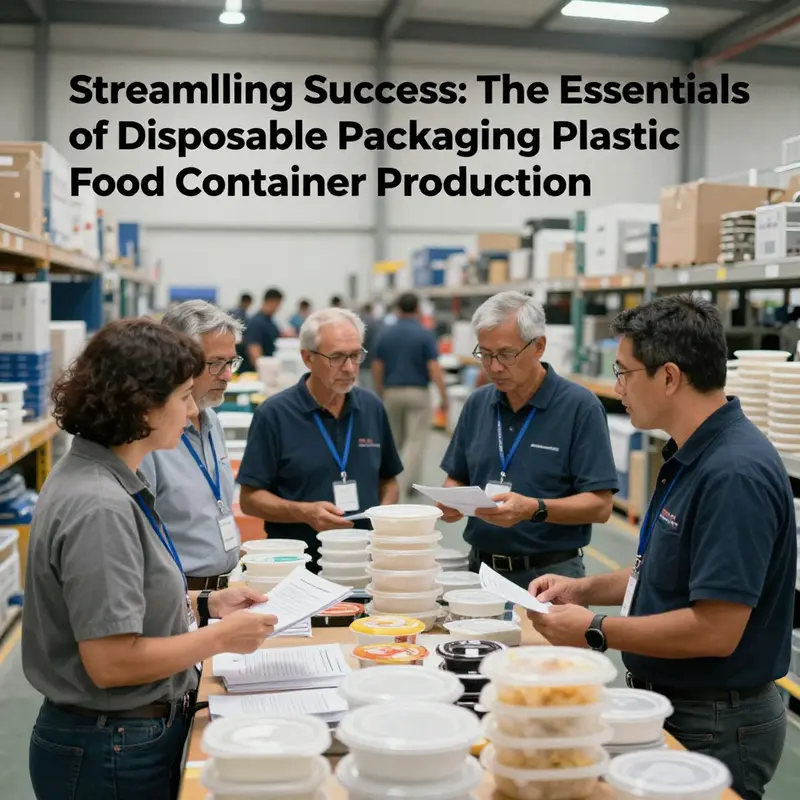
The disposable plastic food container production line exists as a complex orchestra where every supplier, every material choice, and every certification plays a distinct instrument. It is less a single factory operation than a global choreography of manufacturers, distributors, and logistics partners that together translate raw resin into standardized forms—clamshells, lunch boxes, and meal-prep vessels—capable of meeting the appetite of markets around the world. A production line designed to convert plastics into food-safe packaging depends on a network that blends technical agility with scale. In this network, supplier dynamics do not merely influence cost; they shape design possibilities, reliability, and the speed at which innovations arrive on the line. The modern supplier ecosystem is defined by customization, robust compliance, and the capacity to respond to shifting consumer preferences without sacrificing throughput. And because the lines are often automated and highly integrated, the choice of partner can determine whether a line operates at expected capacity or spends cycles troubleshooting bottlenecks in material, molding, or finishing stages.
The global nature of demand for disposable packaging places suppliers in a continual race to balance cost with performance. Markets across North America, Europe, and Southeast Asia demand products that not only protect food but also project brand value through print capability, precise tolerances, and sustainable attributes. Certifications surface as a key differentiator. SGS-style safety attestations and compliance with food-contact regulations are not mere formalities; they are operating requirements that unlock entry to major retail channels and enable cross-border logistics to proceed smoothly. The necessity to harmonize different regulatory regimes—various restrictions on additives, migration limits, and labeling requirements—rests on suppliers who can provide traceable documentation and consistent batch-to-batch performance. This is where the supplier’s backbone shows: a well-organized quality management system, transparent process controls, and the ability to supply certificates and HS codes that accelerate customs clearance. Without these, even the most cost-effective line can stall at the dock.
Two firms frequently cited in this ecosystem exemplify the breadth of capability that buyers seek: full-service, high-volume suppliers with end-to-end integration—from material selection and extrusion or resin compounding to sheet formation, thermoforming, trimming, and packaging. These suppliers offer OEM/ODM capabilities that extend beyond the basic container shape to include design customization, alternative materials, and even branding elements. They can tailor products for specific food-service needs, from steamable trays to portion-controlled clamshells, while maintaining food-grade safety standards. The most capable players may handle daily volumes that approach the multi-hundred-thousand to several million pieces, depending on the season and market demand. In addition to sheer capacity, such suppliers emphasize speed to market, often enabling rapid prototyping with small trial lots and free-sample programs to validate fit with customer specifications before longer-term commitments are made. A crucial factor is their ability to align upstream materials with downstream processing, ensuring that the chosen resin or foam sheet can be efficiently combined with the thermoforming or extrusion sequences on the line, minimizing waste and rework.
On the ground, the production line itself is a living system that relies on a carefully aligned cascade of material handling, extrusion, sheet formation, thermoforming, trimming, printing, and packaging. A prominent approach uses a double-screw extrusion process to create PS foam sheet, prized for its thermal insulation, sanitation, and moldability. From that sheet, thermoforming machines fashion bowls, trays, and clamshells with precision. A representative line model, often cited in industry discussions, can produce PS foam sheets within a thickness range of 1–3.5 millimeters and a width of 640–1080 millimeters, a combination that offers both flexibility and scale. Such capability becomes a cornerstone of supplier differentiation: the more robust the sheet extrusion and thermoforming integration, the more reliable the downstream production is for large buyers who demand uniform thickness, wrinkle-free surfaces, and consistent sealing profiles. When suppliers can deliver sheet material that performs consistently across thousands of cycles, manufacturers gain predictable process windows, reduced downtime, and the ability to meet tight delivery calendars.
From a financial and logistical perspective, the daily capacity figures shared by leading suppliers—up to 10 tons of plastic processed per day on complete lines, or as much as 500,000 pieces produced each day—redefine what “volume” means in this sector. These numbers reflect not only the physical throughput but also the efficiency of the entire ecosystem: the efficiency of the raw material supply, the stability of extrusion outputs, the reliability of trimming and packing operations, and the speed with which finished goods can be moved into distribution. Suppliers that converge material science with process engineering sit at the nexus of competitiveness, because every incremental improvement in resin formulation, sheet properties, or forming cycle time can ripple across an entire production day, yielding meaningful reductions in unit cost and energy consumption. Yet with scale comes complexity: managing supplier diversity, maintaining consistent lead times, and ensuring that every batch meets stringent food-safety standards across geographies requires sophisticated supplier management and real-time visibility.
The ongoing push toward sustainability has sharpened supplier dynamics in significant ways. Traditionally dominant materials such as polypropylene (PP) and polyethylene terephthalate (PET) remain attractive due to durability and cost, but the trend toward recyclable, reusable, and biodegradable options has intensified the competition among suppliers to innovate. For instance, some manufacturers are expanding their offerings to include PET trays that incorporate advanced printing techniques—spot UV and flexographic printing—that enhance shelf impact while preserving recyclability. They also experiment with rigid cardboard inserts up to 2500 GSM to elevate product presentation and stability without compromising functionality. These sustainability-driven innovations have dual effects: they open new value-added propositions for customers who seek premium presentation and better product protection, while also demanding heightened attention to end-of-life considerations, recycling streams, and the remediation of post-consumer waste streams. Suppliers are increasingly asked to demonstrate cradle-to-grave stewardship—how materials perform during use, how they are collected for recycling, and how residuals are handled in a circular economy framework. The practical result is a portfolio of options that tailors a container’s performance to the use-case, whether it is a takeout meal, a prepared-food tray, or a portion-control box, all while helping the buyer align with sustainability commitments and regulatory expectations.
The interplay between supplier flexibility and demand volatility is another axis that defines the present landscape. Buyers frequently require adaptable order policies that accommodate small trials and evolving specifications, particularly for brand-new product concepts or market tests. The best suppliers respond with pathways for small-batch production, sample testing, and rapid iteration cycles while preserving the capability to scale to millions of pieces as the concept matures. Digital engagement tools have become more than convenience; they are integral to the sales and engineering cycle. Real-time inquiry systems, online sample requests, and transparent feedback loops shorten the distance between concept and production. These tools, in concert with physical capabilities, reduce risk for new entrants who want to explore packaging formats or material substitutions without committing to large upfront orders. In practice, this means buyers can pilot a range of container geometries, seal integrity schemes, and printing aesthetics before selecting a final specification and scale plan. The downstream payoff is a smoother transition from research and development to high-volume manufacturing, with fewer surprises and faster time-to-market.
Within this ecosystem, the concept of supplier collaboration extends beyond the traditional vendor-buyer relationship. The most successful partnerships resemble joint development programs in which both sides contribute technical expertise, test data, and market insights to optimize the entire chain. For example, a supplier may offer not only resin and sheet material but also design assistance, tooling recommendations, and process analysis that identifies potential yield improvements in thermoforming and trimming. This level of collaboration helps prevent misalignments between material properties and machine capabilities—an alignment that, if neglected, can produce a cascade of defects such as uneven gauges, warpage, or poor seal performance. When suppliers integrate quality assurance into early stages of product development, they enable a more predictable, capture-ready manufacturing process that translates into higher first-pass yields and lower scrap rates. The financial benefits of such collaboration are tangible: reduced capital expenditure on trial tooling, faster qualification cycles, and a shorter path to scale for new lines or line-upgrade projects.
To bring these dynamics to a practical frame, consider how a buyer might navigate supplier choices in light of global logistics and compliance. The ability to export to multiple regions hinges on consistent quality across geographies and the ability to meet varied labeling and packaging requirements. Suppliers who can demonstrate robust traceability, batch-level certifications, and a reliable supply of compatible finishing materials—such as printing inks that meet food-contact standards—offer a compelling package. They also help customers minimize regulatory friction by providing ready-to-harvest documentation that aligns with HS coding and import procedures. In a landscape where regional supply chains can be disrupted by geopolitical events, natural disasters, or tariff changes, having a diversified portfolio of reputable suppliers with well-managed risk controls becomes a strategic asset. A well-coordinated supplier network not only cushions the impact of disruptions but also enables faster recovery and continuous production, which in turn sustains the flow of containers to meet seasonal peaks in food-service demand.
The endgame for many buyers is to partner with suppliers who can deliver end-to-end value while maintaining a clear path to future capability. This means not only meeting current specifications but also anticipating evolving consumer expectations and environmental guidelines. The capacity to offer design flexibility—such as customizing material grades from resins to foams, or enabling post-mold surface finishes and branded printing—can be a decisive factor in choosing one supplier over another. It also means that suppliers who invest in data-driven process optimization, predictive maintenance, and supplier scorecards gain a competitive edge, because they provide customers with reliable performance dashboards and proactive risk management. As the market matures, the most successful suppliers will be those who combine manufacturing scale with strategic insight, offering a portfolio of materials and services that can be tailored to different regional strategies while preserving the integrity of the production line. They will also sustain a culture of transparency and partnership, recognizing that the best packaging solutions emerge when manufacturers and suppliers view themselves as collaborators in delivering safe, efficient, and visually compelling products to the market.
In the spirit of practical navigation, buyers can begin to map supplier options by evaluating not only price and capacity but also the breadth of value-added services, regional reach, and the ability to support both standardized formats and bespoke solutions. The supplier landscape favors those who can prove conformance to international standards, who maintain clear documentation trails, and who offer flexible engagement terms that lower the entry barrier for new customers. They must also demonstrate a robust commitment to sustainability while maintaining the performance that today’s food retailers and foodservice operators rely on. For readers exploring supplier dynamics in this space, the thread that weaves through all these considerations is a shared goal: to keep the production line efficient, compliant, and capable of delivering containers that meet rising expectations in safety, presentation, and environmental responsibility. The best partnerships will be those that harmonize material science, process engineering, and market insight into a seamless chain—from resin to finished product—that continues to advance the disposable packaging sector while staying in step with evolving global standards.
For further reading on potential supplier interactions and to explore related packaging categories that intersect with plastic packaging, you can browse the Plastic Packaging category for related materials and solutions. This internal resource offers a gateway to understanding how different packaging formats and substrates connect with the broader packaging ecosystem: https://cupbowlpack.com/product-category/plastic-packaging/.
External resources on supplier dynamics and market trends offer additional context for readers seeking deeper analysis. For an overview of current supplier configurations and cost considerations in the disposable packaging space, see a representative industry listing that details the breadth of available materials, processing capabilities, and service options: https://www.alibaba.com/product-detail/Plastic-Products-PP-Disposable-Food-Container-Lunch_1600489335712.html.
From Regulation to Rapid Delivery: Market Trends Redrawing the Disposable Plastic Food Container Production Line
The modern disposable packaging plastic food container production line is less a static assembly of machines than a living system that must respond to shifting pressures in policy, demand, and technology. It is a choreography of material science, mechanical design, and digital oversight, orchestrated to convert raw polymers into a spectrum of takeout boxes, trays, bowls, and clamshells with speed, consistency, and hygiene. In this evolving landscape, the most successful lines are those that anticipate where the market will bend next rather than merely follow where it has already gone. The result is a production environment that blends high-capacity automation with flexible material handling, enabling manufacturers to pivot as consumer needs and regulatory frameworks change. Sustainability, in particular, has become a defining variable. Not long ago, the economics of a production line were dominated by throughput and unit cost. Today, those financial metrics are entwined with environmental accountability and the downstream realities of recycling and end-of-life management. Against this backdrop, the industry is racing to integrate newer materials—biodegradable and compostable options alongside recycled content—and to develop processing routes that preserve performance while reducing environmental impact. The shift from traditional virgin plastics toward alternatives such as bio-based polymers introduces a cascade of implications for the line itself. Extrusion, thermoforming, trimming, and packaging must now accommodate materials with different melting points, viscosities, and crystallinity. The line must be robust enough to handle a broader portfolio of form factors while preserving seal strength, heat resistance, and moisture barriers. This is a design and control challenge that requires both rigorous process engineering and a forward-looking view of material science. A production line that can switch swiftly between PS-based sheets, PLA derivatives, and recycled-content materials reduces the risk of obsolescence as policy and consumer sentiment evolve. It also implies modularity in the line architecture: feed systems, extruders, thermoforming stations, shred-and-seal recycling loops, and inspection cells that can be reconfigured with minimal downtime. This modularity, paired with advanced automation, supports a business model that emphasizes reliability and resilience, two traits that have grown essential in the wake of global supply disruptions. The evolution toward more sustainable packaging is not solely about material choice. It also encompasses process innovations that extend the life of the line, cut waste, and improve end-product performance. High-speed molding capabilities, for instance, are increasingly paired with real-time process analytics. These analytics monitor variables such as sheet thickness uniformity, surface quality, and temperature distribution across the forming window. The result is proactive maintenance and fewer defects, which in turn translates to higher yield and less scrap. Equally important is the integration of automated quality inspection systems that can detect leakage points, edge defects, or contaminant residues as products progress through the line. In a sector where hygiene is non-negotiable, the ability to isolate a flawed batch early reduces waste and prevents recirculation of substandard parts into the final consumer container. While the technical side of the line is vital, the business imperative behind market trends is equally transformative. The Asia-Pacific region stands out as a major engine of growth for disposable packaging. Urbanization, a burgeoning food service ecosystem, and rising disposable incomes are converting demand patterns into sustained production growth. Companies investing in emerging markets often pursue scale through larger line footprints, faster cycle times, and more aggressive automation. Yet they also confront a different set of constraints—logistics, local regulatory compliance, and the need for regionally tailored packaging formats. A line designed for broad versatility becomes a strategic asset in this context, capable of delivering everything from simple molded trays to more complex, segmented lunch boxes while accommodating variations in consumer expectations and service models. In practice, this means that the design of a production line must be intrinsically adaptable to changing consumer preferences for convenience, safety, and presentation. The surge in e-commerce and food delivery has intensified demand for containers that are leak-proof, microwave-safe, and able to withstand repeated handling, stacking, and transit without compromising hygiene. These performance requirements place tighter tolerances on material properties and sealing technologies, which in turn influence mold design, thermoforming temperatures, and trimming precision. When a line can reliably produce a family of containers that meet these benchmarks, it gains resilience against market volatility. The question then becomes how to balance flexibility with efficiency. A manufacturing system can be engineered to accommodate multiple container types with a minimum set of common components, reducing capital intensity while preserving throughput. For example, a thermoforming/role-fed line can be designed so that sheet thickness, forming depth, and cooling rates can be dialed in to suit a range of products. In practice, this flexibility means more sophisticated control software, more sensors, and a more capable operator workforce. It also means developing a library of process windows for each material and product family, so operators can switch from one configuration to another with confidence and speed. The ripple effects of sustainability policies extend into supply chain strategy as well. Global disruptions have underscored the value of supply chain resilience and cost management. Manufacturers are increasingly prioritizing local or regional sourcing of feedstocks and recycled materials where feasible, reducing exposure to petrochemical price swings and long-haul disruptions. This shift favors lines that can accommodate recycled content and multi-material blends without sacrificing performance. It also elevates the importance of closed-loop thinking—ensuring that post-consumer packaging can be collected, processed, and reintroduced into the production cycle. In this context, the production line is part of a broader system that includes collection, sorting, and recycling operations. The better the integration across these stages, the more predictable the economics of a line become. This is not merely a matter of cost, but of business continuity. When lines can run with locally sourced feedstocks or recycled content, they become less vulnerable to international price volatility and supply bottlenecks. The effect is a more stable production calendar, fewer emergency supplier arrangements, and the ability to plan capacity in line with regional demand growth. Within the production environment, data plays an increasingly central role. Real-time visibility into throughput, scrap rates, energy consumption, and machine health allows operators to optimize every stage of the process. Data-driven decision making supports continuous improvement and enables a more precise alignment between product mix and demand forecasts. The shift toward smarter lines also accelerates the pace at which new products can be brought to market. As consumer preferences tilt toward convenience and safety, manufacturers need to test, validate, and scale new container formats with minimal risk. Flexible lines shorten the development cycle and allow rapid prototyping of novel shapes, lid designs, and stacking configurations. The integration of online printing and labeling capabilities at a later stage of production is another lever for customization, enabling brands to differentiate themselves on style, messaging, and regulatory information without sacrificing the efficiency of mass production. Given these trends, it is worth noting that the choice of material will be a core strategic decision, with knock-on effects across the entire line. PS foam sheets, produced through double-screw extrusion, have long offered beneficial combinations of insulation, sanitation, and moldability for specific food-contact applications. However, as the market pivots toward sustainability, lines must preserve the advantages of PS while remaining open to alternative materials that improve end-of-life outcomes. In practice, this means that a modern line may begin with a market-validated PS capability but be designed to switch to PLA-based, compostable, or recycled-content sheets with minimal tooling changes or downtime. The ability to execute such material transitions cleanly is a competitive differentiator. To illustrate the broader landscape, consider how a production line supports OEM/ODM aspirations and customized packaging programs. A line that can accommodate private-label requests, variable printing, and domestic or offshore manufacturing schedules without sacrificing quality or throughput becomes a valuable asset. From a process engineering standpoint, this translates into a design that emphasizes modularity, standardized connections, and scalable automation. The same core set of machines can be reconfigured to form different container geometries, allowing a company to respond to shifts in consumer taste or regulatory demands without a complete plant rebuild. The design mindset here is not merely about technology for its own sake but about creating a robust platform that earns the trust of customers seeking predictable performance across markets. For practitioners, the practical implications of these market forces are clear. A well-conceived production line must balance speed, accuracy, and material compatibility in a way that supports a sustainable business model. It should enable rapid product changeovers, provide reliable leakage prevention, and maintain hygiene through controlled environments and validated processing steps. It should also enable transparent traceability, so that manufacturers can document material provenance, process parameters, and batch history—elements that matter for compliance and for consumer confidence. In an industry that is increasingly scrutinized for environmental impact, the line is a statement of intent as much as a factory floor. When describing the evolution of these lines, it is helpful to anchor the discussion in practical examples of product categories that the industry seeks to serve, such as disposable lunch boxes and other ready-to-eat packaging forms. These containers illustrate the diversity of design requirements—from heat resistance and sealing integrity to stacking efficiency and transport durability. The potential to supply a complete family of products from a single, adaptable line underscores the value of a modular approach. For readers exploring the field, a deeper dive into the broader ecosystem of packaging offerings can be found in resources that catalog related categories and their regulatory expectations. See the disposable lunch-box product category for a sense of the kinds of geometry, sealing configurations, and safety considerations that designers must accommodate when building a line capable of multi-product production. disposable-lunch-box The overarching narrative remains clear: the disposable packaging production line is undergoing a transformation driven by sustainability, demand growth in emerging markets, and rapid advances in automation and material science. This convergence creates a favorable outlook for lines that emphasize adaptability and resilience. The strategic opportunity for manufacturers is to invest in line architectures that can absorb regulatory shifts, switch materials without costly downtime, and maintain hygienic, leak-proof performance across products. In this sense, the line becomes less a single machine arrangement and more a flexible system architecture with integrated sensors, smart controls, and a digital backbone that supports predictive maintenance and supply-chain visibility. Those attributes translate into tangible business benefits: steadier output, cleaner end products, and tighter cost control even as inputs swing between virgin and recycled materials. They also open doors to partnerships and contracts that require scalable, customizable manufacturing capabilities and robust traceability. As with any dynamic market, the future is not a fixed endpoint but a trajectory that merges policy direction with consumer expectations and technological ingenuity. Stakeholders across manufacturing, logistics, and regulatory compliance must navigate this terrain with a view toward continual improvement. The objective is not simply to minimize cost or maximize throughput, but to harmonize environmental stewardship with competitive performance. When done well, a production line becomes a strategic asset that supports sustainable growth, enables rapid product evolution, and sustains supply in the face of volatile markets. For readers seeking a broader context on market dynamics and growth projections, the Global Plastic Packaging Market Report 2026 offers in-depth analysis and benchmarking across regions and material families. It provides a broader lens through which to view the trajectory of disposable packaging lines and their role in the evolving plastics value chain.
Final thoughts
The production of disposable plastic food containers is an essential aspect of the food service industry, particularly for bubble tea shops, restaurants, and catering services. By understanding the automated processes, exploring material innovations, and acknowledging the dynamics of supplier relationships, businesses can make informed decisions that enhance efficiency and align with market demands. As trends toward sustainability and customization continue to grow, staying ahead of these changes will position companies for success. Embrace the insights shared in this discussion and leverage them to elevate your operational capabilities and customer offerings in the disposable packaging sector.