
Introduction
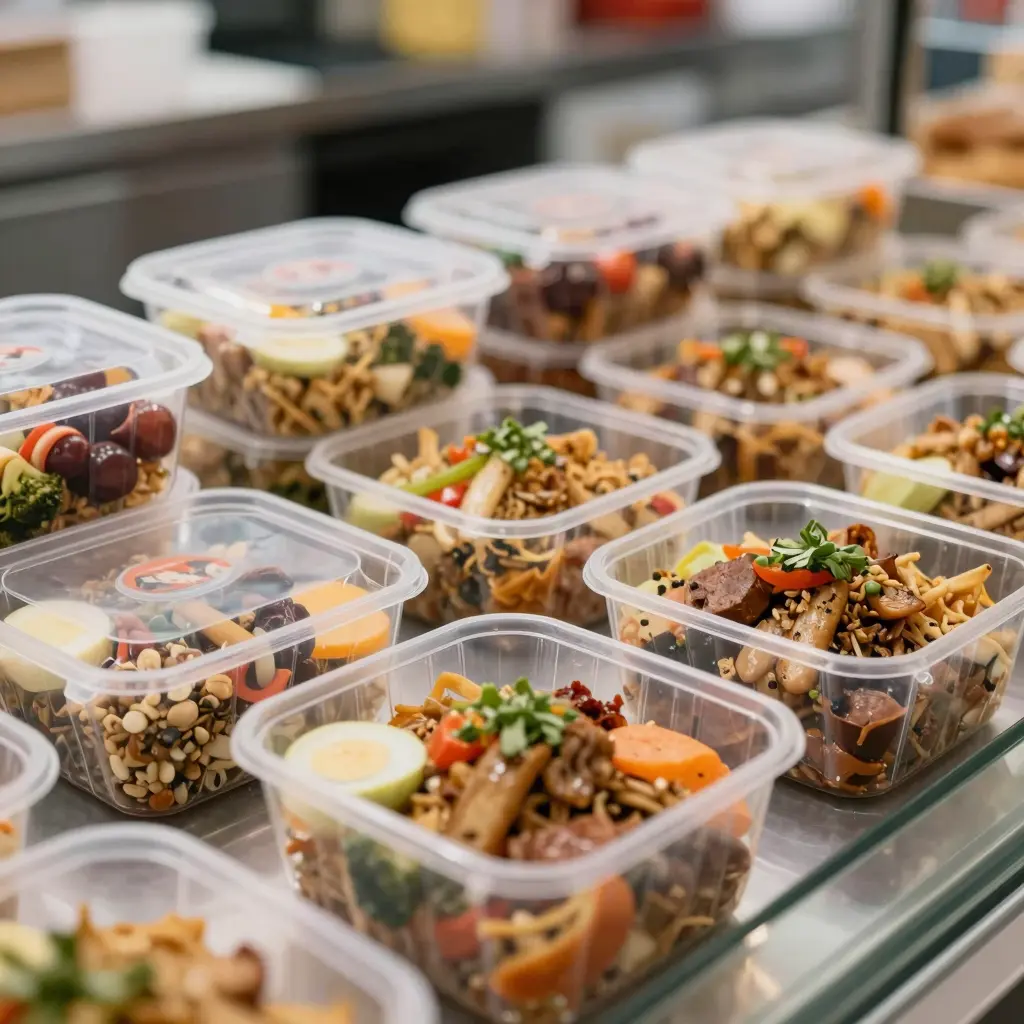
In the vibrant and fast-paced world of the food service industry, the importance of using transparent plastic food containers cannot be overstated. Not only do they provide an essential packaging solution that allows customers to see the quality and freshness of their meals, but they also play a pivotal role in enhancing brand visibility while adhering to stringent food safety standards. These containers reflect a commitment to quality and transparency, ensuring that diners feel confident in the meals they consume. As establishments strive for effective packaging that meets both aesthetic and regulatory requirements, opting for transparent plastic food containers emerges as a clear winner. This alignment of visual appeal with stringent safety protocols makes them indispensable in the operation of restaurants, food trucks, and catering services, as they promote trust and customer satisfaction. For versatile packaging solutions that uphold food safety, transparent plastic containers are the smart choice for any food business aiming for success.
Key Benefits of Using Transparent Plastic Food Containers
Transparent plastic food containers are an excellent choice for bubble tea shops, restaurants, and catering services. Here’s a list of their key benefits:
-
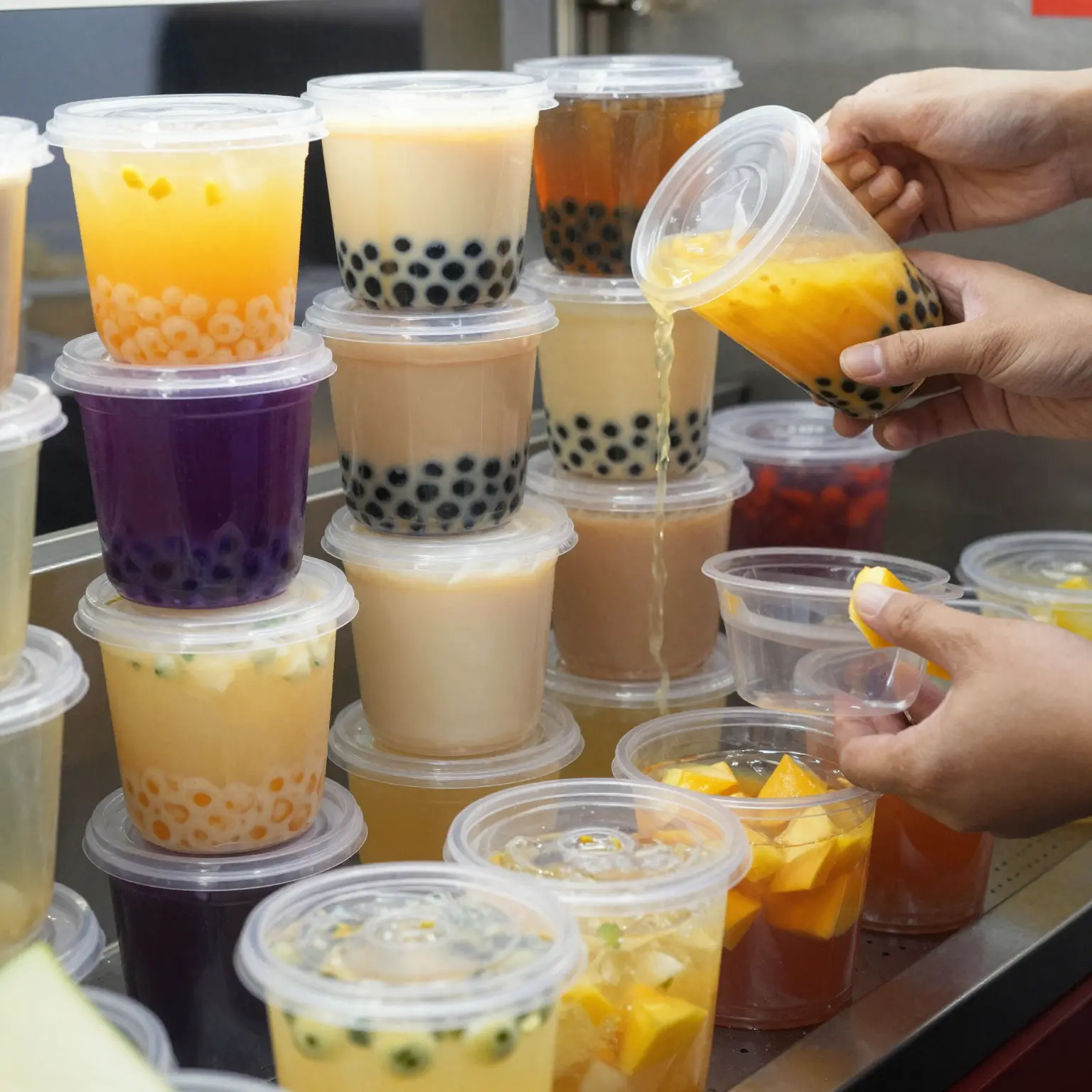
Visibility: The clear design allows customers and staff to easily see the contents, enhancing food presentation and making it more appealing. This is especially important in businesses like bubble tea shops where colorful drinks and ingredients can entice customers.
-
Durability: Made from robust materials, these containers are resistant to breakage, making them ideal for daily use and transport. This feature increases operational efficiency and reduces costs associated with replacement.
-
Safety: Transparent plastic containers help minimize contamination risks since they are often made from food-safe materials. Users can visibly check the condition of the food inside, ensuring safety and freshness.
-
Convenience: These containers are lightweight and easy to carry. They simplify the process of organizing and serving food in busy environments.
-
Eco-Friendly Options: Many manufacturers now offer eco-friendly transparent plastic containers that are recyclable or made from recycled materials, aligning with sustainable practices without sacrificing quality.
For more options in plastic food containers that embody these benefits, consider exploring various models from suppliers.
Comparison of Transparent Plastic Food Containers
| Container Type | Material | Size Options | Ideal Use Case Scenarios |
|---|---|---|---|
| Round Disposable Container | Polypropylene (PP) | 500 ml, 750 ml | Suitable for salads, desserts, and beverages. |
| Airtight Food Container | Polyethylene (PET) | 1200 ml, 2000 ml | Great for storing dry foods like pasta and snacks. |
| Rectangular Food Container | BPA-free Plastic | 650 ml, 1000 ml | Ideal for meal prep and leftovers. |
| Microwave-safe Container | Polycarbonate (PC) | 500 ml, 1000 ml | Best for reheating meals; safe for microwave use. |
| Snack & Dessert Container | PETG | 250 ml, 500 ml | Perfect for packaging bubble tea accompaniments like tapioca. |
Key Materials Used
- Polypropylene (PP): Known for its durability and resistance to various temperatures, making it ideal for hot and cold food.
- Polyethylene (PET): Often used for its strength and lightweight property, suitable for liquids.
- BPA-free Plastic: Ensures safety by avoiding harmful chemicals, often used in various food-grade containers.
- Polycarbonate (PC): Great for containers that need to be microwaved due to its high heat resistance.
- PETG: A form of PET with enhanced clarity and impact resistance, used for clear containers that require durability.
For more options and details, you can explore our wide selection of packaging materials or plastic packaging.
Summarizing Consumer Preferences for Food and Beverage Packaging
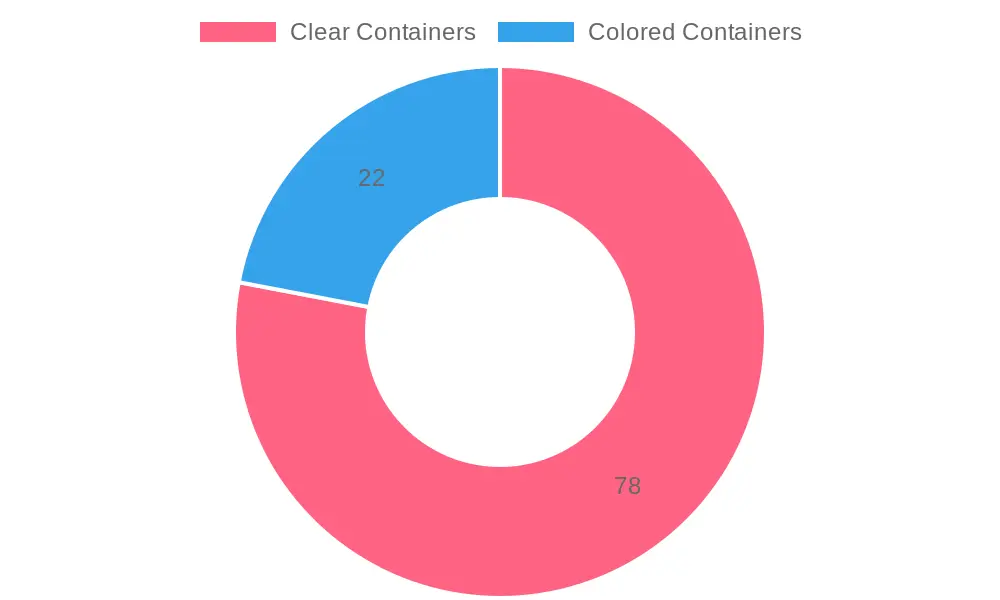
In recent years, consumer preferences regarding packaging in the food and beverage industry have undergone significant changes. A notable trend has emerged favoring clear plastic containers over colored options. Research shows that 78% of consumers prefer clear containers. This preference is driven by several factors:
Key Factors Influencing This Preference:
- Transparency and Visibility: Clear containers allow customers to see the contents directly. This visibility is essential in the food industry, as it can enhance consumer trust and increase perceived value.
- Sustainability Concerns: Consumers are becoming increasingly conscious of environmental issues associated with packaging. Reports indicate that 72% of consumers check for sustainability claims on packaging. Clear, recyclable plastic is often regarded more favorably than colored counterparts, which can be less recyclable.
- Clarity in Communication: 83% of consumers appreciate clear packaging that provides easily readable information, such as expiration dates or nutritional facts, highlighting a demand for straightforward communication from brands.
- Perception of Freshness: The visual appeal of food can influence purchase decisions. Clear containers often signal freshness, appealing directly to consumers looking for quality products.
Statistical Overview
The following chart summarizes the consumer preferences:
| Preference Type | Percentage |
|---|---|
| Clear Containers | 78% |
| Colored Containers | 22% |
The preference for clear plastic containers is increasingly validated by studies reflecting consumer behavior and market trends. For instance, the popularity of clear options can be seen in supermarkets and food businesses. Retailers often package perishable goods like fruits in clear containers, highlighting their freshness and appealing to the health-conscious consumer.
For businesses in the food and beverage sector, adapting packaging strategies to align with consumer preferences can lead to increased customer satisfaction and loyalty. As such, those in the industry, including bubble tea shops, restaurants, and catering services, should consider switching to transparent plastic options to meet consumer desires and adapt to the sustainable practices in the market today.
To learn more about packaging options, explore additional insights and products that can enhance your food service experience.
The Eco-Friendliness of Transparent Plastic Food Containers
In today’s environmentally-conscious world, the demand for sustainable practices in food packaging has never been greater. Modern transparent plastic food containers are at the forefront of this trend, offering eco-friendly options that align with both consumer preferences and environmental goals.
Recyclability and Material Choices
Transparent plastic food containers are often made from recyclable materials such as Polyethylene Terephthalate (PET) and High-Density Polyethylene (HDPE). These materials are not only durable and versatile but are also widely accepted in recycling programs. For instance:
| Type of Plastic | Common Uses | Recyclability | Environmental Impact |
|---|---|---|---|
| PET | Water bottles, food containers | Yes | Low; recyclable; may degrade quality over time after recycling. |
| HDPE | Milk jugs, detergent bottles | Yes | Low; recyclable; widely accepted. |
| PP | Yogurt containers, food containers | Yes | Moderate; not as widely recyclable. |
Proper recycling is crucial as dirty containers can contaminate recycling streams, emphasizing the need for consumers to keep them clean before disposal (Multipack). Manufacturers are continually improving their processes to enhance the recyclability of packaging materials, thereby contributing to a circular economy where materials are reused rather than discarded.
Sustainable Manufacturing Practices
Companies committed to eco-friendly practices also engage in sustainable manufacturing. This includes reducing energy consumption and using renewable resources during production. By implementing eco-friendly initiatives, manufacturers help mitigate environmental impacts, further enhancing the appeal of plastic food containers. The shift towards eco-friendly practices is supported by increasing public awareness and demand for sustainable options in the marketplace (EcoCup Bowl).
Modern plastic food containers, especially those made from recyclable materials, serve as an excellent example of how the food service industry can embrace sustainability. By choosing products that are designed with the environment in mind, businesses can not only promote their commitment to sustainability but also appeal to a growing consumer base that values eco-conscious choices. Embracing eco-friendly packaging is not just a trend; it is a necessary evolution that reflects a responsible approach to environmental stewardship.
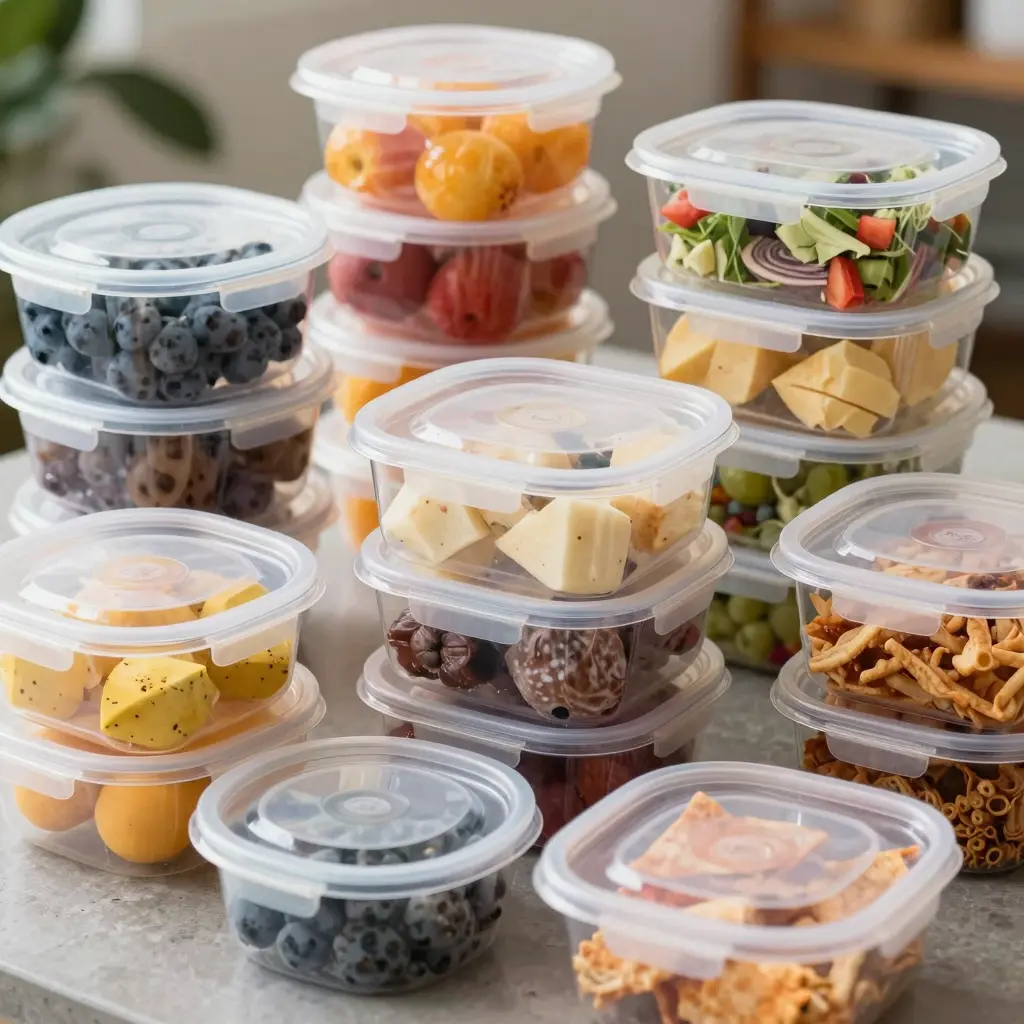
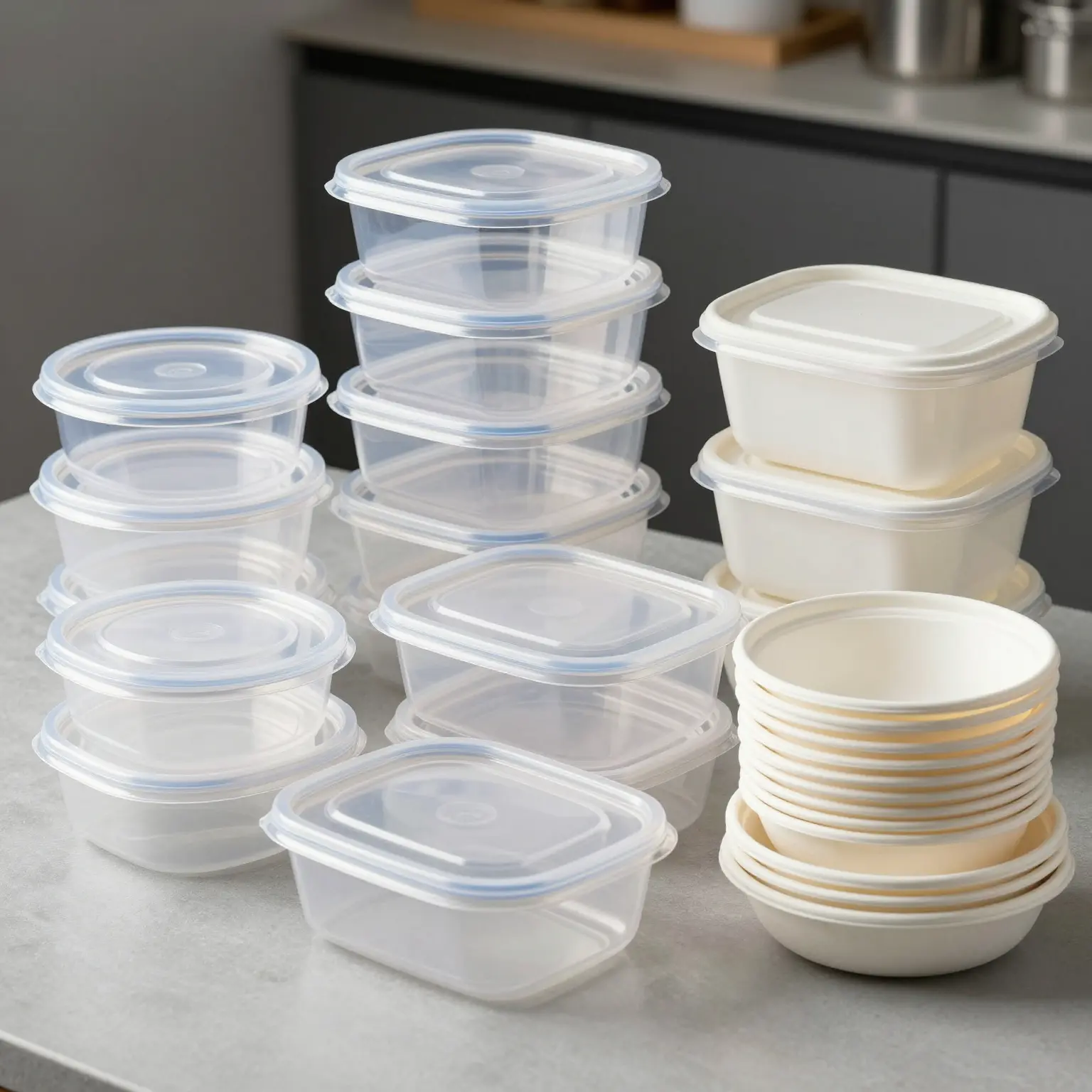
This image features a variety of transparent plastic food containers filled with vibrant foods such as fresh fruits and colorful salads, perfect for showcasing to professionals in the food service industry such as bubble tea shops, restaurants, and event planners.
Customer Testimonial
“We have been using the plastic food containers from Cofe-Cup for our bubble tea shop for over a year now. The transparency of the containers allows our colorful drinks to shine, and I appreciate the durability they offer, ensuring nothing leaks during delivery. Most importantly, their commitment to safety standards gives me confidence that our customers are getting quality packaging for their food. I highly recommend Cofe-Cup to anyone in the food industry looking for reliable solutions!”
- Sarah L., Owner of Sweet Tea Bubble Shop
For more options, check out our packaging solutions and disposable tableware offerings.
Conclusion: Choose Reliable Disposable Tableware and Packaging Solutions
In a world where presentation and convenience matter more than ever, choosing the right disposable tableware and packaging solutions is essential for your business. At Cofe Cup, we pride ourselves on providing a diverse range of high-quality plastic food containers, disposable plates, and cups that meet the needs of restaurants, food trucks, bubble tea shops, catering services, and event planners alike. Our products are designed not only for usability but also for aesthetics, ensuring that your offerings look as good as they taste.
With the disposable tableware market anticipated to surpass USD 14 billion in 2023 and grow at a rate of around 5% annually, it is clear that businesses are opting for solutions that combine practicality with sustainability. In line with this trend, our product line includes eco-friendly packaging options that align with growing consumer preferences for environmentally responsible choices. Whether you’re looking for disposable cutlery to complete your catering service or durable plastic cups to keep your beverages fresh, we have you covered.
Let’s face it-your business deserves the best. By partnering with us, you can streamline your food service operations while also showcasing your commitment to quality and eco-friendliness. Don’t let the competition outshine you; choose our reliable disposable tableware and packaging solutions today. Explore our range of products and take the first step towards elevating your brand’s presentation and service efficiency!
Emerging Trends in Food Packaging Design
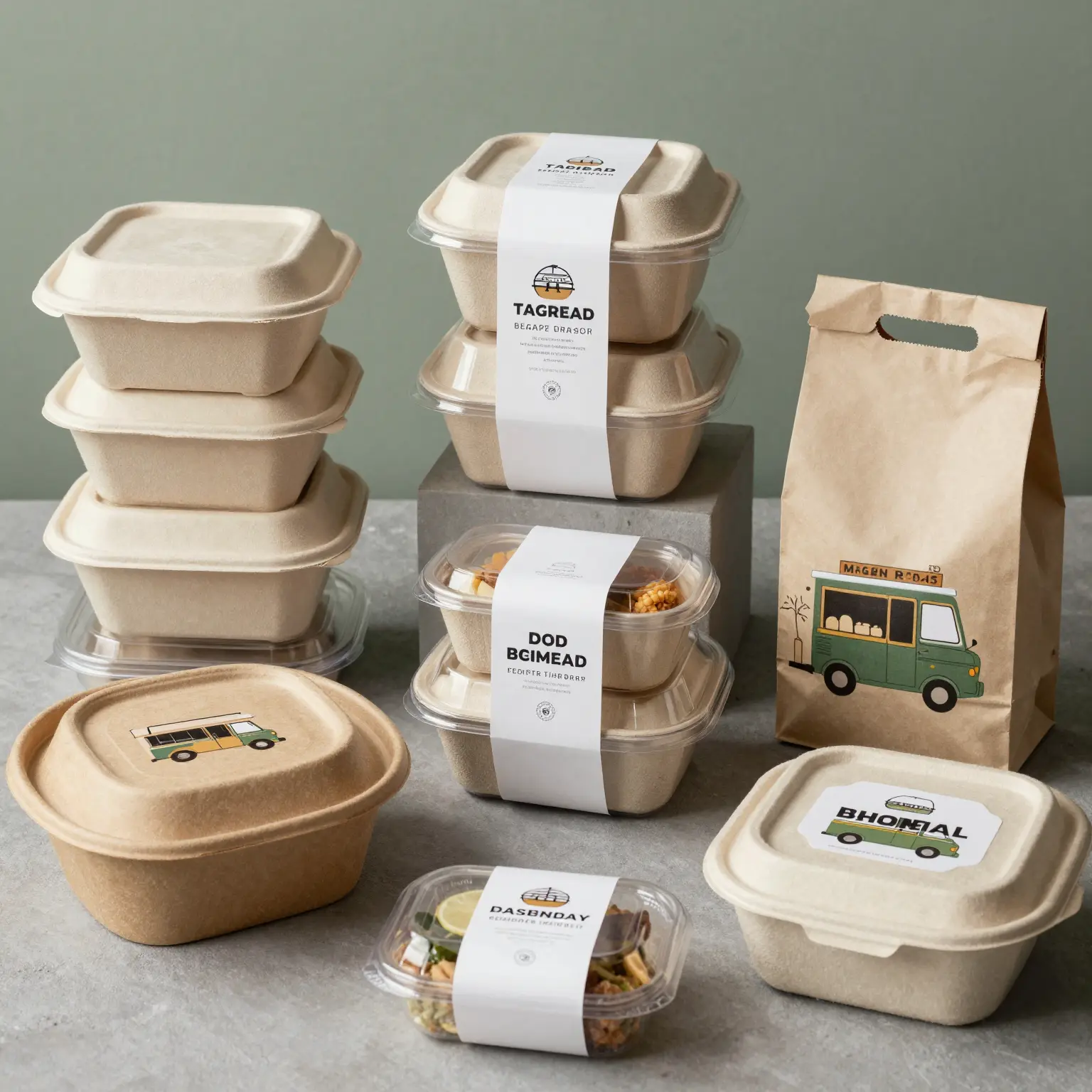
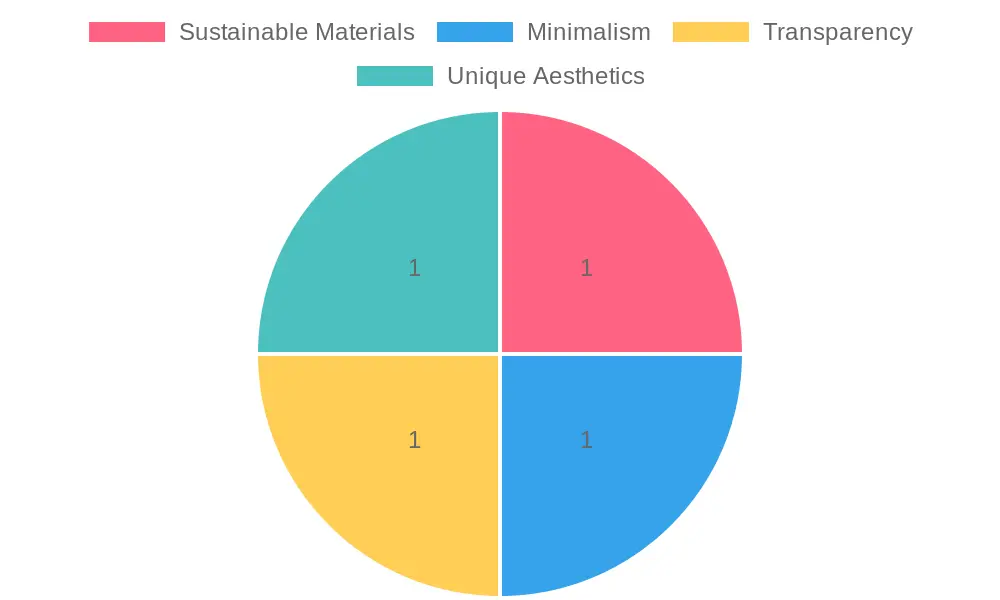
As the food industry continually evolves, so do the trends in food packaging design. In 2023, several key trends are shaping the way restaurants, food trucks, and catering services package their products. These trends align closely with customers’ preferences for transparency, sustainability, and appealing aesthetics, making them essential considerations for any food business.
1. Sustainable Materials
Sustainability is at the forefront of food packaging trends. Consumers are increasingly demanding eco-friendly packaging options, pushing restaurants and food service providers to switch to biodegradable, recyclable, or compostable materials. This trend not only helps reduce environmental impact but also attracts eco-conscious customers who are willing to support businesses that prioritize sustainability. Learn about sustainable packaging options here.
2. Minimalism
The minimalist design trend emphasizes clean, simple packaging that showcases the product effectively while reducing unnecessary waste. Minimalist designs often use fewer colors and straightforward typography, conveying professionalism and reliability. This aesthetic resonates particularly with younger consumers who appreciate simplicity and functionality in packaging.
3. Transparency
Consumers are now placing a premium on transparency in food packaging. They want to know what ingredients are in their food and where those ingredients come from. Packaging that clearly communicates this information fosters trust and can significantly influence purchasing decisions. Hence, brands that succeed in being transparent about their sourcing and ingredients will capture more consumers. Explore transparent packaging options here.
4. Unique Aesthetics
To stand out in a competitive market, food packaging is increasingly leaning toward unique and eye-catching designs. This includes innovative shapes, vibrant colors, and quirky graphics that attract the customer’s eye and often encourage social media sharing. Engaging packaging not only enhances the unboxing experience but also contributes to brand recognition and loyalty.
Conclusion
In summary, the trends in food packaging design throughout 2023 reflect a growing consumer focus on sustainability, transparency, and aesthetic appeal. For food businesses like restaurants and catering services, adopting these trends is essential for meeting customer preferences and driving sales. Adopting innovative packaging solutions not only boosts brand image but also aligns with the values of the modern consumer.
Trends Overview
| Trend | Description |
|---|---|
| Sustainable Materials | Focus on eco-friendly materials for packaging solutions to reduce environmental impact. |
| Minimalism | Simple and clean designs that prioritize functionality and aesthetic value. |
| Transparency | Emphasis on clear information regarding ingredients and sourcing for consumer trust. |
| Unique Aesthetics | Creative and distinctive packaging designs that stand out and attract customers. |
With these insights, food businesses can better understand the evolving landscape of food packaging design and adapt accordingly.
Consumer Preference for Transparent Packaging
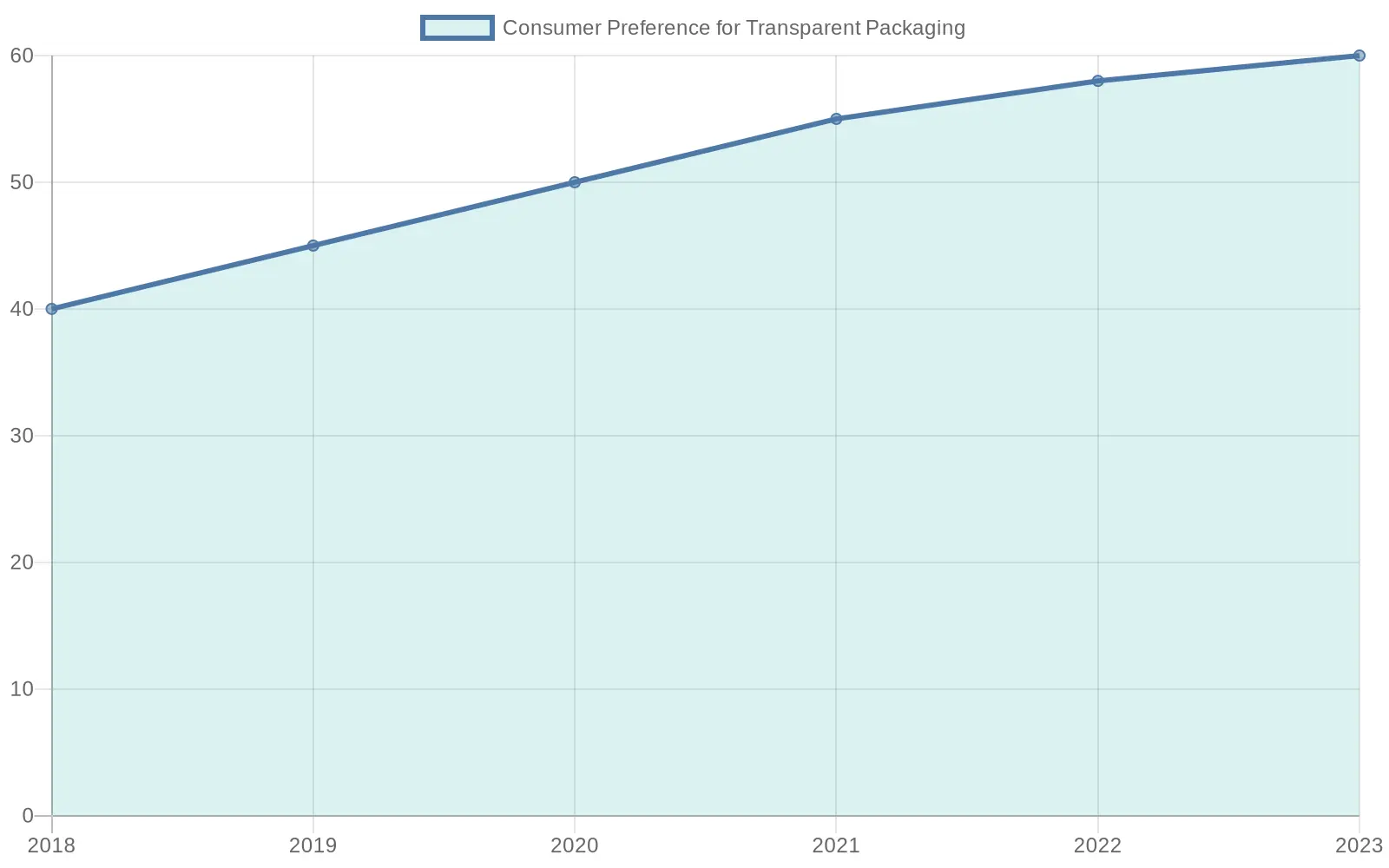
In recent years, the trend toward transparent packaging has significantly influenced consumer choices, especially in the foodservice industry. According to statistical data, preferences among consumers for transparent packaging have grown remarkably from 2018 to 2023. Here’s a summary of the growth in consumer preference:
| Year | Consumer Preference for Transparent Packaging |
|---|---|
| 2018 | 40% |
| 2019 | 45% |
| 2020 | 50% |
| 2021 | 55% |
| 2022 | 58% |
| 2023 | 60% |
Insights:
- In 2023, about 60% of consumers expressed a strong preference for transparent packaging that allows them to see the product inside, enhancing purchase confidence.
- The design and visual appeal of packaging are crucial factors, with approximately 70% of food packaging purchase decisions impacted by these elements.
Here’s a visual representation of this trend:
For those in the foodservice sector, adapting to these consumer preferences can lead to better customer satisfaction and increased sales. Explore more on our packaging solutions to enhance your offerings!