
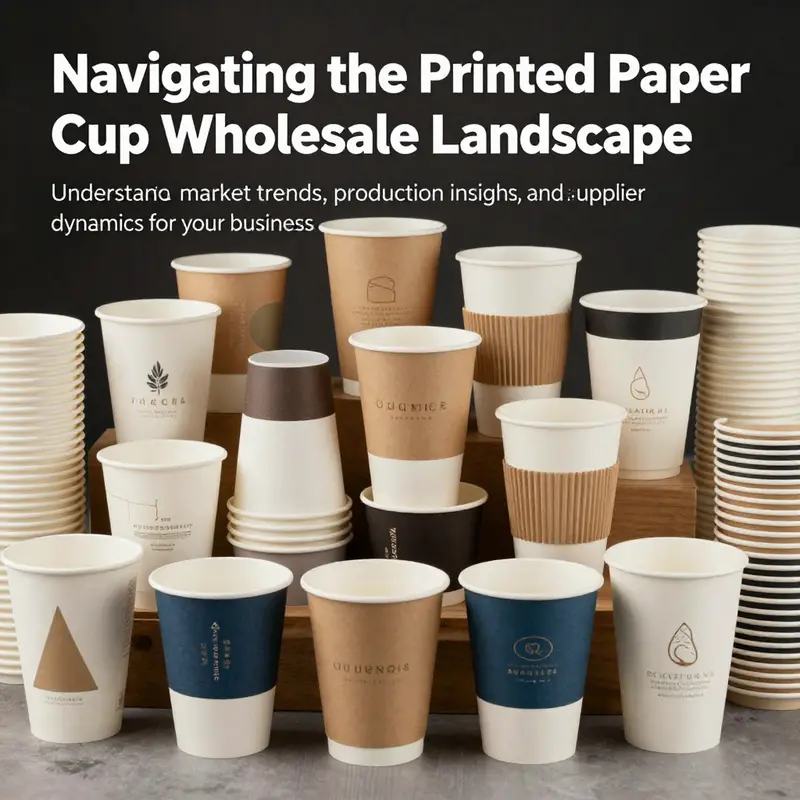
The printed paper cup wholesale market is experiencing significant growth, driven by rising demands from coffee shops, restaurants, and various promotional events. These custom-printed cups not only serve functional purposes but also act as powerful branding tools. In this exploration, we will dissect the current market trends shaping the demand for printed paper cups, delve into the production and material considerations vital for quality assurance, and analyze the dynamics of working with suppliers who can meet your business’s unique needs. Each chapter will provide critical insights that, when combined, will give you a comprehensive understanding of this niche yet impactful segment of the packaging industry.
Branding by the Cup: Navigating the Wholesale Printed Paper Cup Market in a Digital, Sustainable Era

The wholesale market for printed paper cups is evolving from a routine packaging commodity into a dynamic platform for branding, environmental stewardship, and operational excellence. In many ways, the cup has become a portable touchpoint for a brand’s story, a small but high-visibility canvas that travels from a coffee shop counter to a workplace event, a trade show booth, or a promotional room during product launches. As consumer preferences shift toward more meaningfully designed encounters with brands, wholesalers are responding not merely with a wider choice of cup sizes, coatings, and printing options, but with a streamlined, digitally enabled pipeline that makes customization faster, more reliable, and more environmentally responsible. The net effect is a market that is less about generic disposables and more about scalable, brand-centered solutions that align with modern demand for individuality, traceability, and sustainability. In this context, the wholesale space for printed paper cups is rapidly moving beyond the old dichotomy of low-cost utility versus prestige packaging, toward a blended value proposition that ties design, materials science, logistics, and regulatory compliance into a single, coherent offering.
Customization sits at the heart of this transformation. Businesses increasingly view cups as a small-scale advertising medium whose impact can be measured in brand recognition, customer recall, and even social sharing. Advances in digital printing have lowered the barrier to entry for small and mid-sized batches, allowing teams to test concepts, iterate designs, and refresh campaigns without incurring prohibitive setup costs. Where mass-produced runs once required large minimums to justify the printing plates and setup time, digital processes now enable short runs with intricate color work, precise logos, and even customized messaging tailored to regional markets or time-bound promotions. This shift has important implications for wholesale providers: they must balance the flexibility of on-demand design with the efficiency of high-throughput production and the assurance of consistent color reproduction across numerous SKUs. The numbers cited in recent market analyses underscore the scale of this shift. A projected expansion in the customized paper cup service market from roughly 2.6 billion USD in 2026 to about 5.8 billion USD by 2035 signals not merely growth, but a redefinition of value. An 8.9 percent compound annual growth rate over that period suggests that customization is not a niche to be pursued during peak marketing seasons; it is a central, ongoing driver of demand, shaping how wholesalers plan capacity, invest in color-management systems, and partner with printing houses that can deliver reliable results at scale.
The sustainability imperative frames the dialogue around both material selection and end-of-life outcomes. Consumers today—across age groups and regions—expect packaging to be more than a barrier to leakage or heat retention; they want accountability for environmental footprints. This expectation has nudged every step of the supply chain toward materials choices that balance performance with recyclability or compostability. Virgin wood pulp remains a standard due to its strength and printability, but there is a robust push toward recycled pulp as a viable option for certain cup formats. Biodegradable plastics, notably polylactic acid (PLA), have gained traction as coatings and barrier layers, offering water resistance while aligning with circular economy goals where feasible. Simultaneously, water-based, non-toxic, and vegetable-based inks are becoming the norm, rather than the exception, in many markets. The 2026 industry analysis reinforces this trajectory, highlighting that the adoption of sustainable raw materials and eco-friendly inks has become a core trend rather than a compensating feature. Wholesalers therefore face a dual mandate: deliver products that meet performance and branding requirements while ensuring that the lifecycle of those cups aligns with broader environmental objectives. Regulation, consumer demand, and corporate ESG commitments intersect to shape product specifications, supplier evaluations, and the grace period allowed for transition from older, less sustainable configurations to modern, responsible options.
Digitalization is the connective tissue binding customization and sustainability to operational excellence. The wholesale sector is seeing a convergence of online design platforms, instant quoting tools, automated production lines, and integrated logistics ecosystems that collectively compress lead times and increase transparency. An online interface can guide a buyer from concept to confirmation in minutes, offering palettes, image placement, print areas, and material selections with real-time cost estimates. This capability is critical for maintaining consistency when per-cup margins are influenced by both decorative complexity and coating choices. On the production floor, automation links raw material handling, color management, drying, and inspection into a single continuum, reducing human error and enabling more repeatable outcomes across large quantities. For wholesalers, digitalization translates into better inventory control, more accurate forecasting, and tighter linkage to customers’ design-phase requirements, enabling a more predictable and resilient supply chain. In many instances, digital tools also facilitate better collaboration between brands and manufacturers, supporting rapid feedback loops and iterative refinement that keep campaigns fresh and relevant rather than stale after a single run.
The market’s footprint is widening beyond the traditional beverage-focused applications. While coffee shops and quick-service restaurants remain dominant, printed cups are increasingly appearing in healthcare environments, aviation-related operations, and educational institutions. In healthcare settings, the need for clean, discrete, and well-labeled disposables intersects with the growing demand for patient comfort and staff efficiency. In aviation, the emphasis is on reliability, safety, and a calm, standardized aesthetic that can travel across flights and airports without fraying at the edges of branding guidelines. Educational settings use cups for campus events, fundraisers, and student activities, creating a steady demand stream that values long-lasting print quality and straightforward ordering processes. This diversification widens the customer base for wholesalers, encouraging investments in materials that balance barrier performance with recyclability, and in printing capabilities that support a broader range of logos, slogans, and color schemes. The result is a market where the cup is not just a container but a lightweight, disposable canvas for communications, wayfinding, and identity cues that reinforce brand messages across contexts.
Alongside these shifts, pricing dynamics in the wholesale space reflect a balance of scale, customization depth, and the choice of materials and coatings. The initial data indicate a baseline price range for customized, single-use cups at approximately 0.03 to 0.04 USD per cup, with minimum order quantities (MOQs) that can reach around 200,000 pieces. These figures illuminate the economics of mass customization: small, frequent changes in design can be accommodated efficiently only if the supplier infrastructure supports rapid changeovers and tight quality control. Conversely, very large orders and more complex decorative work can push the total order value into ranges that require careful negotiation around material selection and print complexity. In some cases, wholesale suppliers report orders as large as tens of thousands of units, or even multiple tens of thousands of pounds, with total cost varying widely depending on the combination of material (whether virgin pulp, recycled pulp, or a blend), coating (PE, PLA, or other alternatives), and the degree of surface treatment required for high-resolution graphics. A representative example from the market notes that an order spanning several tens of thousands of cups could be valued between roughly 880 and 1,118 USD for a comprehensive custom run, with the exact price reflecting the interplay of material standards, the intricacy of the design, and the overall order quantity. These numbers, while sample-oriented, illustrate the real tension between the speed and cost of customization and the sustainability commitments that buyers increasingly demand. Buyers must weigh the upfront economic calculus against the long-term branding benefits and the environmental performance metrics that accompany different material and coating choices.
The coatings themselves deserve particular attention in this pricing and performance conversation. PE coatings have historically provided robust water resistance and barrier properties, making them attractive for many hot beverage applications. PLA coatings offer the advantage of more straightforward compostability in certain industrial contexts, and they align with more stringent sustainability goals in segments that pursue certified compostable or recyclable end-of-life pathways. The choice of coating directly affects not only the product’s environmental profile but also its tactile appeal, printability, and compatibility with certain inks and branding techniques. For wholesalers, the decision matrix expands to incorporate ink systems—water-based versus solvent-based, pigment load, and curing processes—that influence color fidelity and durability through the entire consumer contact cycle. The implications extend to logistics and end-user satisfaction; cups that resist leaking or absorb less ink rub-off during handling will perform better in real-world conditions, reinforcing brand impressions and reducing the risk of negative experiences at the point of sale. All these considerations must be harmonized with regulatory expectations, including inertness under hot liquids, safe migration limits for inks, and compliance with local and international packaging standards. The market, thus, rewards providers who can integrate design flexibility with material stewardship and robust quality assurance, delivering products that satisfy aesthetic and functional demands without compromising environmental commitments.
An important dimension of this ecosystem is the platform-enabled marketplace that connects buyers with a broad array of suppliers. Large online B2B platforms and regional marketplaces play a crucial role in expanding access to standardized options, color palettes, and customization templates. They also offer payment protection services and dispute resolution mechanisms that reduce transactional risk for buyers and sellers who may be operating across borders and time zones. From the buyer’s perspective, these platforms serve as one-stop shops where a designer can select cup size, paper grade, coating type, and print layout, and then compare quotes from multiple providers. For wholesalers, the platforms widen the pool of potential customers and accelerate onboarding, while also supporting the governance of quality through standardized testing and verification steps. Within this digital ecosystem, the relationship between buyer and supplier becomes more transparent, with real-time updates on production status, batch traceability, and estimated delivery times. Such transparency is particularly valuable for event-driven campaigns, where timing is critical and any delay can cascade into missed marketing moments.
In navigating this evolving market, buyers must ask pointed questions that reveal the true value proposition behind a given offer. First, they should confirm the cup material’s suitability for their end-use scenario, especially regarding recyclability and potential contamination with other packaging streams. Second, they should verify the print capabilities, including color accuracy, edge-to-edge printing, and fidelity for small-type logos or fine linework. Third, they must discuss the full life cycle of the product: the availability of cradle-to-cradle or other end-of-life pathways, the supplier’s commitments to sustainable sourcing, and the traceability of the materials used. Fourth, the logistics plan warrants careful review: production lead times, stock availability, fulfillment options, and the ability to scale up for peak demand times. These are not simply operational concerns; they are strategic decisions that influence a brand’s perception, the campaign’s effectiveness, and the overall cost of ownership for a given packaging solution.
The marketing implications of wholesale printed paper cups extend to the realm of experiential campaigns and retail presence. A cup’s surface becomes a flexible medium for storytelling—tactics such as seasonal colorways, limited-edition prints tied to events, and loyalty program messaging can be integrated without the need for a fully custom packaging run each time. This flexibility is especially valuable for small and mid-sized brands that want to maintain a consistent brand voice while testing new creative directions. The digital printing capabilities that enable rapid changeovers are thus a key enabler for agile marketing, allowing teams to refresh visuals in response to consumer feedback, trending motifs, or partnerships with local communities. Retailers and venues benefit from improved shelf presence and a more cohesive, visually engaging experience that strengthens the brand’s overall impression. The cups become, in effect, a portable billboard with the potential to extend a marketing campaign beyond the confines of a storefront or a single promotional event.
Within this expanding landscape, the role of sustainability cannot be overstated. Consumers increasingly scrutinize the environmental impact of disposable products and expect responsible manufacturing practices from their suppliers. This expectation influences everything from the selection of raw materials to the environmental claims on product packaging. Suppliers who can offer transparent documentation—certificates for recycled content, certifications for the use of bio-based coatings, and verified pathways for end-of-life processing—enjoy a competitive advantage. In response, many wholesalers are investing in cleaner production lines, adopting ink systems that minimize hazardous components, and collaborating with upstream material suppliers to ensure a more predictable and sustainable supply chain. These efforts are not only about compliance; they are strategic differentiators that align with corporate social responsibility goals of their clients, enabling brands to publicly showcase their commitment to the environment while still delivering the performance and aesthetic values that customers expect from high-quality printed cups.
To illustrate how this market conversation translates into tangible choices, consider the process of procurement from a buyer’s perspective. A buyer begins with a recognition that the cup’s design is part of the customer experience and, as such, warrants equal consideration to the beverage itself. They then evaluate the supplier’s ability to deliver a design-first workflow that respects branding guidelines, provides reliable color reproduction, and accommodates evolving campaigns. They examine material choices, seeking a blend of strength, moisture resistance, and end-of-life feasibility that aligns with corporate sustainability targets. They may request samples to test print quality under different lighting conditions, check compatibility with the inks used in their existing branding, and assess the cup’s performance during real-world usage, such as handling by staff and customers, hot beverage exposure, and stacking in transport. Finally, they negotiate MOQs and price points in light of the expected campaign duration and the scale of distribution, seeking a balance between upfront costs and long-term brand value. This process, increasingly supported by digital tooling and platform-based marketplaces, reduces friction and empowers buyers to move quickly from concept to fulfillment without sacrificing quality or environmental standards.
In this context, the internal landscape of choices becomes a strategic map. For readers seeking a direct look into the product landscape, the available online assortments show the breadth of finishes, textures, and design capabilities within the paper cup category. A simple entry point is the dedicated category for paper cups, which showcases the range of sizes, paper grades, and decorative options that can be matched to a brand’s identity. This repository functions not only as a catalog but as a design ideation space where marketers and designers explore how color, line weight, and messaging translate onto a disposable surface that still carries a brand’s essence. You can navigate this resource to gain a sense of the options available and how they align with the sustainability and customization themes discussed here. paper cups offers a practical glimpse into the intersection of form, function, and branding expectations in today’s wholesale market.
Ultimately, what makes wholesale printed paper cups compelling in the current era is their potential to fuse form, function, and responsibility into a single, scalable solution. They are not simply carriers of beverages; they are carriers of brand identity, values, and experiential cues. The shift toward customizable, sustainable, and digitally managed supply chains means that wholesalers must continuously innovate to keep pace with buyer expectations. This involves investing in more precise color management to ensure cross-platform consistency, exploring alternative coatings that optimize recyclability without compromising moisture resistance, and refining the end-to-end workflow so that the design-to-delivery timeline matches the speed of modern marketing campaigns. It also means expanding the reach of these capabilities to a broader array of customers—from large hospitality and retail networks to smaller venues and community events—without sacrificing the level of personalization and care that brands demand.
The bottom line is that the wholesale printed paper cup market, far from being a simple packaging commodity, has become a strategic interface of branding, sustainability, and digital efficiency. It is a space where the economics of mass customization can coexist with responsible material stewardship, where the speed of online design and automated production aligns with the rigor of quality assurance and regulatory compliance, and where the cup itself acts as a portable ambassador for a brand’s story. In this evolving ecosystem, the cups that pass through warehouses and onto storefronts will continue to reflect a broader shift in consumer expectations: that packaging should do more than protect and present; it should engage, inform, and align with a values-driven consumer economy. For brands seeking to harness this potential, the wholesale channel offers not just a supply line but a design-enabled partnership that can adapt to campaigns, events, and everyday activity alike. It is a market defined not by the narrow boundaries of packaging performance, but by the broader horizon of how a simple disposable object can contribute to marketing effectiveness, environmental responsibility, and a more efficient, transparent supply chain.
External resource for further context: https://www.grandviewresearch.com/industry-analysis/paper-cup-market
From Fiber to Fold: Cost, Compliance, and Craft in Wholesale Printed Paper Cups
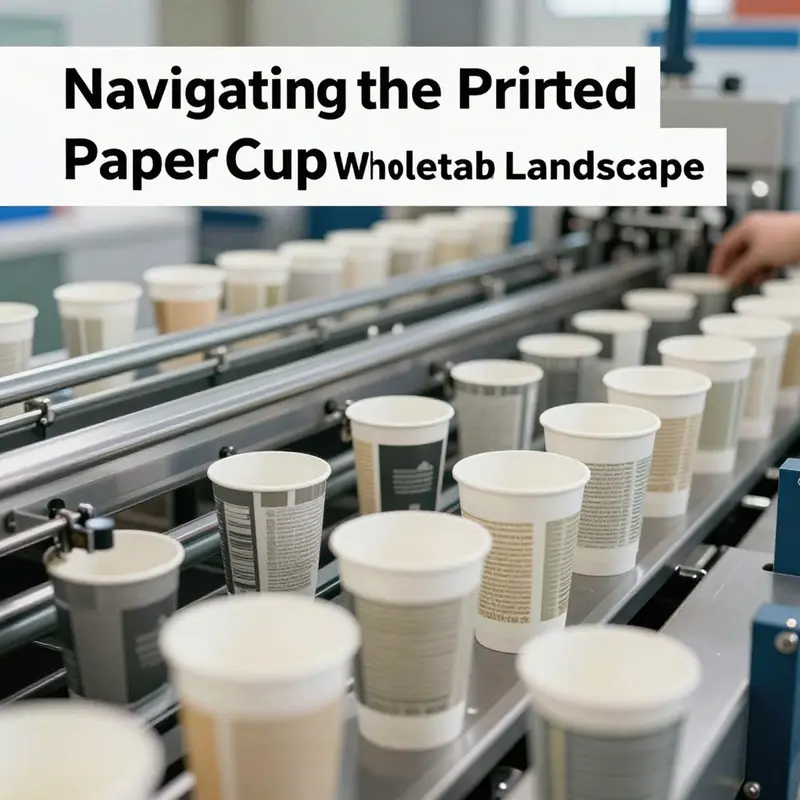
Printed paper cups sold in bulk sit at the intersection of design aspiration, manufacturing science, and circular economy imperatives. In the contemporary market, the wholesale path from design files to a carton stack ready for cafés, quick-service restaurants, events, or promotional campaigns is not merely about choosing a size or a print. It is a careful orchestration of material chemistry, production technology, regulatory compliance, and cost discipline. When you consider the wholesale landscape, you are not simply sourcing a disposable container; you are sourcing a system that must balance performance, safety, and efficiency at scale. The conversation begins with the economics of scale and ends with the quiet inevitability of environmental responsibility, with a panoply of choices in between that determine both price and posterity. This chapter threads those concerns into a coherent narrative that remains faithful to the real-world dynamics of wholesale printed paper cups.
The market’s demand signals are clear. Coffee shops, fast-food chains, event organizers, and brand promoters require cups that reliably perform under heat and cold, that print with legible, durable images, and that arrive on time in the right quantities. Wholesale pricing often hinges on a few levers that, while numerically straightforward, carry broad implications. The size of the cup, the shape of the body, and the basis weight—the actual weight of the paper per unit area—collectively dominate the cost structure. In many supplier configurations, the cost of creating the print artwork is indeed a factor, but it tends to be a smaller slice of the pie compared with the physical dimensions and the substrate used. The choice between paper and plastic can also tilt the economics, but with wholesale buyers increasingly prioritizing environmental stewardship and regulatory compliance, paper cups are often preferred despite higher upfront costs.
Within the wholesale space, the decision to deploy paper over plastic is increasingly driven by both consumer expectations and regulatory requirements. Paper cups offer biodegradability and a pathway to recyclability, contributing to a narrative that many retailers now need to tell their customers. The costs associated with paper, particularly when incorporating high-quality printing and reliable barrier properties, tend to be higher at the outset. Yet they align with a broader obligation to reduce white pollution and to conform to environmental regulations that govern food-contact materials. In practical terms, buyers are weighing the total cost of ownership: the upfront purchase price must be considered alongside potential savings from longer shelf life, reduced waste, and improved consumer perception. The wholesale market recognizes this trade-off and has adapted by introducing a spectrum of options—from single-wall or double-wall designs to corrugated or texture-enhancing walls—so buyers can tailor cups to both the beverage type and the brand narrative they wish to project.
To understand the material and production choices fully, one must examine regulatory compliance and material safety with equal rigor. The raw materials and additives used in food contact applications are subject to standards that aim to ensure safety and minimize risk to consumers. In this context, a reference point stands out: the guidance framework commonly cited by manufacturers involves standards such as GB 9685, which governs substances permitted in food contact materials. While the details of any particular additive or processing aid cannot be generalized to every supplier, the principle is uniform: additives must be compliant, and the substrate should not contribute odors or contaminants that could compromise the sensory or safety profile of the beverage. Non-compliance is not merely a regulatory issue; it is a reputational risk that can reverberate through wholesale channels long after an initial shipment. From a buyer’s perspective, the guarantee of regulatory alignment helps ensure that large orders can move quickly through quality checks and into consumer hands without friction.
The production technology that underpins hot beverage cups versus cold beverage cups reveals why there is a persistent distinction in the wholesale market. Cold drink cups are typically formed by printing directly on the paperboard first, then die-cutting into fan-shaped blanks, and finally forming them into a double-laminated structure with a polyethylene (PE) film. The sequence emphasizes a simple, efficient workflow: print, cut, laminate, form. The lamination with PE serves as a moisture barrier and a smooth surface for ink adhesion, while the direct printing approach on the stock reduces intermediate steps and equipment handling. In contrast, hot beverage cups begin with a stock that is laminated with PE before printing. This early lamination improves heat resistance and liquid containment, essential properties when the cup will be subjected to higher temperatures and more aggressive liquid interactions. The laminated layer also contributes to barrier performance, a critical attribute that protects the beverage from external moisture while preventing leakage. The difference in process flow affects lead times, waste streams, and the overall defect rate in high-volume production. From a wholesale perspective, this means buyers must evaluate the reliability of the production line for each cup type, including dye stability, lamination integrity, and the compatibility of inks with the substrate through the full cycle of storage, transport, and use.
The base paper’s origin and composition matter as well. Base stock is typically produced from plant fibers—pine and hardwoods are common feedstocks—through a chain of pulping, refining, and paper machine formation with a series of chemical additions and screenings designed to optimize strength and printability. The presence of natural fibers contributes to the mechanical properties of the final cup, but the treatment given to that fiber determines how well the surface accepts ink and how the material behaves under rapid formation and folding during manufacturing. The coating stage, often using high-density polyethylene (HDPE) or low-density polyethylene (LDPE), is a practical necessity in this sector. It seals the cup, controls moisture transfer, and helps ensure a hygienic barrier between the beverage and the cup wall. However, these PE coatings introduce limitations: they are not compatible with high-temperature sterilization processes and can pose barriers to certain recycling infrastructure. Wholesale buyers increasingly weigh these trade-offs, balancing the improved liquid barrier and heat performance against end-of-life considerations and regulatory preferences for more sustainable coatings or alternative barrier technologies.
Ink compatibility and printability are a subtler but equally critical part of the equation. For a print to endure the life of a cup—from the initial press-run through consumer handling and even some chilling or hot fills—it must withstand acids, alkalis, water exposure, heat, and light. The surface strength of the substrate matters as well; a robust surface with adequate wax bar resistance helps prevent fiber shedding during the printing process, ensuring that the artwork remains intact throughout production and distribution. The surface texture plays a parallel role: a smooth surface facilitates even ink coverage and reduces the risk of defect markings that may arise from uneven absorption. When dealing with non-polar, glossy materials like PE-coated films, surface tension values need to be sufficiently high—typically in the 38 mN/m range or greater—to ensure the ink adheres properly and remains legible during use. Aesthetics do not stop at the glossy or matte finish; the market values the ability to achieve vibrant color reproduction while minimizing residual solvent odors, which can compromise consumer perception and negatively impact shelf life. In a wholesale context, the ink system must be robust enough to tolerate repeated handling, potential abrasion during stacking, and the occasional exposure to cleaning or sanitizing regimes at the point of sale.
From a materials science vantage, the challenge is to align performance with cost while meeting regulatory expectations. The decision to deploy paper versus plastic involves a deliberate risk-reward calculus. Plastic cups may offer lower initial production costs and certain barrier advantages, but the environmental and regulatory narrative surrounding plastics increasingly shifts the cost-benefit balance in favor of paper. The wholesale buyer, meanwhile, must manage the entire supply chain: supplier selection, material sourcing, conversion capabilities, and the precision of printing workflows. The interplay of these factors determines not only the final price per cup but also the consistency that downstream customers have come to expect. In markets where large-scale orders are the norm, the ability to produce tens or hundreds of thousands of cups in a single run becomes a financial and operational leverage. In such cases, the economics of scale reduce per-unit costs for raw materials and fix some of the variable costs associated with complex printing patterns. The trade-off is that more elaborate prints can require more sophisticated inks and longer press times, which, if not carefully managed, may erode the anticipated economies of scale.
For buyers and brand owners seeking breadth of choice, the wholesale landscape offers a spectrum of design and packaging options. Cup walls can be single-wall for lighter beverages or double-wall for enhanced insulation, while corrugations or textures can alter grip and heat transfer. The option set also includes add-ons such as cup lids, cup sleeves, or handles that complete a packaging family for a beverage program. Within the wholesale context, the ability to assemble a complete packaging solution is often a decisive factor in supplier selection. The provision of these accompanying items helps create a cohesive consumer experience and can streamline distribution at the point of sale. To illustrate how buyers think about options in practice, imagine browsing through the paper cups category in a supplier’s catalog or online storefront. The category itself is not merely a shopping page; it represents a curated set of design and material compromises that align with a retailer’s brand strategy and operational constraints. In this regard, the category functions as a map of potential futures for a beverage program, guiding users toward configurations that marry visual identity with physical performance. For those exploring these choices in more depth, the paper cups category provides a useful starting point and, in many cases, a convenient anchor for internal alignment between procurement, design, and operations teams. the paper cups category offers a broad spectrum of shapes, sizes, and finishes that can be leveraged to match a retailer’s needs while maintaining wholesale efficiency.
The environmental and regulatory arc surrounding wholesale printed cups cannot be treated as a peripheral consideration. Environmental stewardship is part and parcel of the product’s design and manufacturing life cycle. The coatings, inks, and laminates collectively shape the cup’s end-of-life story, including recyclability and compostability in suitable facilities. Manufacturers and buyers alike are watching developments in sustainable barrier technologies and in recycling infrastructure, which may unlock more responsible disposal options in the future. Meanwhile, the ongoing emphasis on safe and hygienic packaging solutions remains constant. Suppliers must ensure that their processes do not introduce contamination risks and that the finished cups perform under real-world conditions—from humid environments in cafés to the rigors of bulk distribution to outdoor events. The alignment with health and safety standards is not merely a checkbox; it is a continuous program that touches quality assurance, supplier qualification, and ongoing process improvements. In wholesale terms, this translates into stable supplier relationships, consistent feedstock quality, and documented compliance that can withstand audits from retailers, distributors, or regulatory bodies.
Industry trends underscore an industry-wide pivot toward cost efficiency, functional performance, and adherence to high standards of environmental health and safety. The manufacturing community is increasingly focused on sustainable production methods and resource conservation—from optimizing the pulping and refining stages to reduce waste and emissions, to adopting more efficient lamination and drying technologies that shorten cycle times without compromising barrier properties. Emission reductions and energy optimization are not merely altruistic goals; they are practical levers for reducing total cost of ownership in a highly competitive market. As a result, buyers in the wholesale space are not simply shopping for the lowest sticker price; they seek partners who demonstrate a credible commitment to sustainable practices, consistent product quality, and reliable delivery performance. This broader perspective helps explain why regulatory alignment, material choice, and process innovation tend to move in concert rather than in isolation. A supplier that can demonstrate robust quality control, clear documentation of material safety data, and transparent supply chain traceability is more likely to win long-term wholesale business, especially when orders scale into the hundreds of thousands or millions of units.
In the practical world of procurement, some buyers start with the minimum viable requirements—print quality, barrier performance, and basic safety compliance—and then layer on additional expectations such as odor neutralization, colorfast inks, and print longevity under a variety of beverage temperatures. This layered approach often leads to a tiered pricing structure, where the simplest configurations command the lowest price, while premium finishes or custom shapes command a premium but deliver a higher perceived value. For large orders, the procurement team may negotiate on the basis of total cost of ownership, which includes not only the unit price but also the lead times, the reliability of supply, the risk of production disruptions, and the after-sales support such as replacements for defective runs. The wholesale market recognizes that speed-to-market matters; a supplier that can rapidly convert a design into a production-ready print, while maintaining tight quality control and meeting delivery calendars, becomes a strategic partner rather than a transactional vendor. These dynamics are particularly salient when campaigns must align with marketing calendars, seasonal promotions, or international supply chains that require synchronized delivery across multiple regions.
To the reader seeking practical guidance on evaluating options, there is a way to approach the decision synthesis without losing sight of the broader context. First, define the beverage type and temperature profile that the cup must accommodate, then map that to a base paper choice and lamination plan that meets the required barrier properties. Second, assess the print complexity and color coverage, recognizing that more intricate designs can escalate press time and ink consumption, potentially affecting unit economics. Third, consider lifecycle implications: how the cup will be stored, transported, used, and disposed of, and whether the supplier can provide documentation that demonstrates regulatory compliance and environmental stewardship. Fourth, evaluate the balance of add-ons—lids, sleeves, or handles—as a way to streamline packaging solutions for customers and to reduce the logistical friction of executing a wholesale program. Finally, interrogate the supplier’s capacity to deliver at scale. At thickness with large MOQs and long production runs, even small variations in raw material quality or process stability can cascade into delays, reject rates, or quality inconsistencies. Wholesale buyers who prioritize consistency, reliability, and communication will find it easier to manage large campaigns and to sustain brand integrity across many fulfillment centers.
Looking ahead, the wholesale market will continue to refine its approach to material science, printing technologies, and regulatory clarity. The push toward more sustainable barrier systems, the exploration of alternative coatings, and the promise of enhanced recyclability will shape both the cost structure and the competitive landscape. In parallel, purchasers will increasingly demand transparency—about the origin of raw materials, the energy footprint of production, and the fidelity of color reproduction under real-world conditions. The interplay of these forces suggests that the most successful wholesale partnerships will be those that offer not only price predictability but also a robust framework for compliance, quality control, and environmental accountability. In that sense, the story of printed paper cups in wholesale is not solely about a single container; it is about a responsible, repeatable system that supports business growth while honoring safety, sustainability, and consumer trust. For those who want to explore broader product options within the same packaging family, the paper cups category provides a natural entry point and a practical way to align design ambitions with production realities.
External reference and further reading can offer a regulatory anchor for the standards discussed. For authoritative guidance on standards and best practices in paper cup production, consult the official guidelines issued by regulatory authorities, particularly GB 9685 and related technical specifications for food contact materials. This reference helps ensure that the operational realities described here remain tied to verifiable safety and compliance expectations across markets and regulatory regimes. External readers should seek the most current revision dates and any supplements that may update permitted substances or testing methodologies, as these documents evolve with advances in materials science and public health considerations. [External reference: GB 9685-2016, Food Contact Materials – General Principles of Safety Assessment] https://std.samr.gov.cn/gb/9685-2016
Rethinking Supplier Dynamics in Printed Paper Cup Wholesale: Technology, Sustainability, and Global Demand

The wholesale market for printed paper cups sits at a crossroads where technology, regulation, and consumer expectations intersect with the practical needs of moving hot beverages from shop to street. Suppliers do more than provide cups; they set packaging standards for cafes, chains, and events that seek consistent brand impact in every sleeve. Production scale, automation, and flexible printing capabilities determine not only price and availability but also the speed with which a campaign can be launched or changed. In recent years, automation and modular manufacturing have reduced throughput variability and enabled rapid reconfiguration for different cup sizes and graphics.\n\nEnvironmental requirements increasingly influence who can compete in key markets. Coatings, linings, and end-of-life considerations matter to buyers who demand traceability and credible sustainability narratives alongside performance. Certifications such as FDA or LFGB, and third-party testing programs, act as gatekeepers to premium segments and large-scale tenders.\n\nGlobally, demand patterns push suppliers toward scalable, modular lines that preserve flexibility for regional flavors and seasonal campaigns. Customization is no longer a niche service but a core capability, with moderate minimums and predictable changeovers enabling mid-size brands and startups to partner with trusted suppliers. The result is a buyer ecosystem that values reliability, transparency, and the ability to deliver consistent color, barrier performance, and on-time delivery across multiple markets.
Final thoughts
Understanding the nuances of the printed paper cup wholesale market is crucial for business owners looking to optimize their packaging solutions. By staying informed about market trends, considering production materials carefully, and fostering strong relationships with suppliers, you can elevate your brand presence and ensure customer satisfaction. This strategic approach can lead to heightened brand recognition and loyalty, as consumers increasingly gravitate towards businesses that reflect their values through sustainable and appealing packaging.