
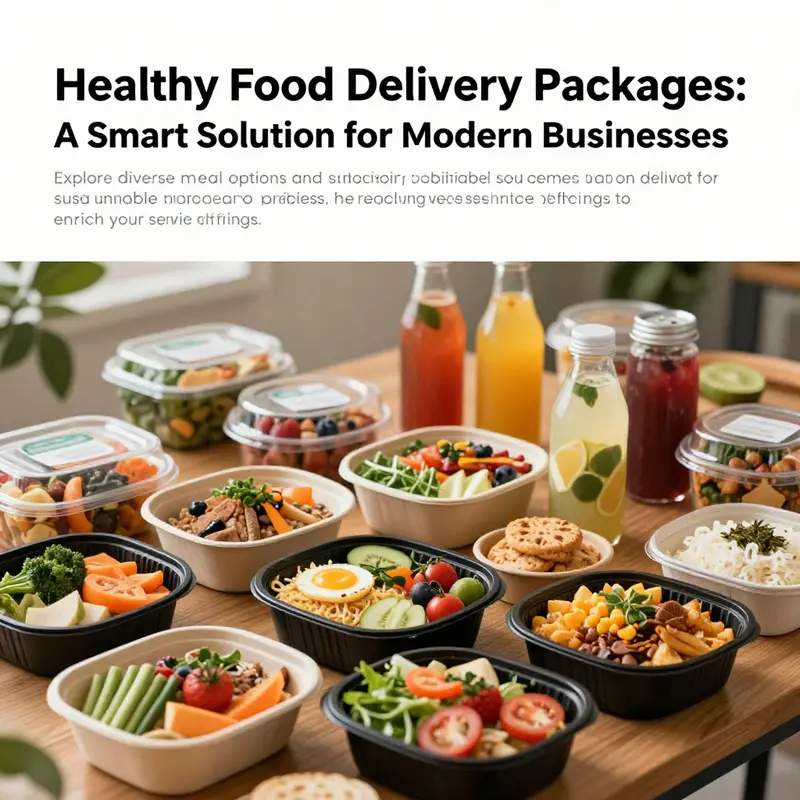
As consumer preferences shift towards health-conscious options, healthy food delivery packages present a unique opportunity for businesses like bubble tea shops, restaurants, food trucks, and catering services to elevate their offerings. These packages provide an appealing solution that meets the rising demand for nutritious meals without compromising on flavor or convenience. This article delves into the significance of diverse meal options, the importance of nutritional value and ingredient quality, sustainable packaging practices, and the enhancement of user experience through customization. By examining these aspects, we highlight how healthy food delivery packages can be integrated into various business models, aligning with today’s health-oriented market and enhancing customer satisfaction.
A Rich Mosaic of Healthy Meal Delivery: Variety, Customization, and the Quiet Power of Convenience
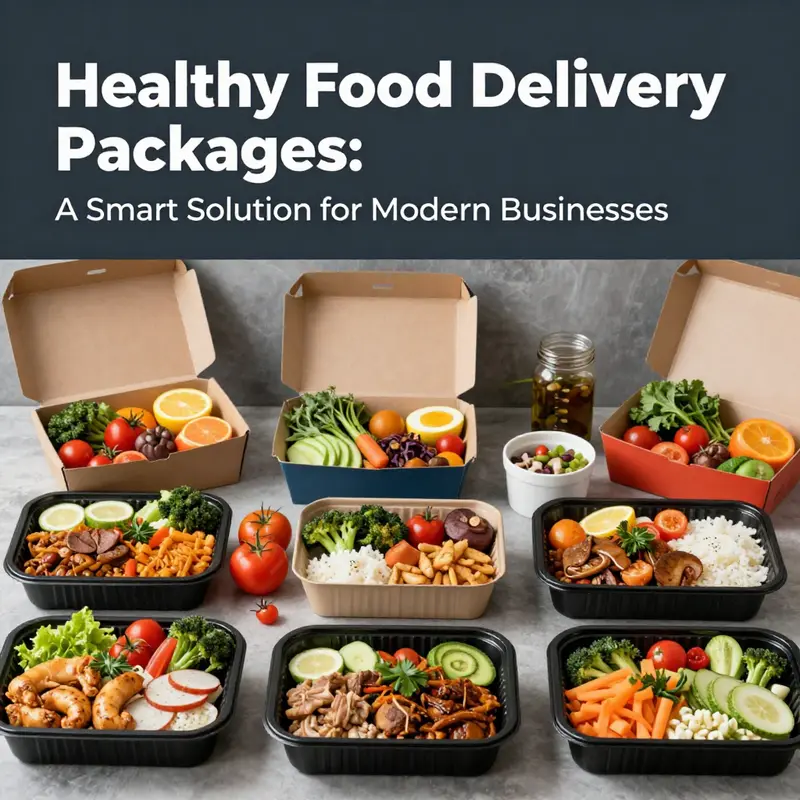
Dishes arrive as a quiet promise of nourishment, a tangible map of how modern living can balance taste, health, and time. The heart of healthy meal delivery packages rests not in a single star recipe but in a broad, inviting spectrum of options designed to meet diverse dietary goals and evolving palates. The idea is simple yet ambitious: provide fully prepared, nutritionally balanced meals that can be heated and enjoyed within minutes, while honoring individual preferences, cultural flavors, and the occasional craving for something new. When people seek a reliable food solution, they want more than convenience. They want assurance that what they eat supports their energy, mood, and long-term well-being. The packages aimed at this goal recognize that different days call for different meals and that variety itself is a powerful driver of adherence. A week that alternates between plant-based bowls, high-protein plates, low-carb staples, gluten-free options, keto-friendly dishes, paleo-inspired meals, and Mediterranean-inspired bowls is more likely to sustain healthier habits than a calendar crowded with repetition. The variety is not merely about variety for its own sake; it’s a thoughtful orchestration of nutrition with flavor, texture, and cultural resonance. Plant-based options satisfy not only ethical or environmental considerations but also a growing interest in nutrient-dense vegetables, legumes, and grains that offer fiber, phytonutrients, and plant-based protein. High-protein meals address the needs of people who aim to build or preserve lean muscle mass, support recovery after workouts, or simply feel fuller longer. Low-carb choices cater to those who favor steady energy without a heavy post-meal lull, while gluten-free alternatives remove barriers for individuals with sensitivities or celiac disease. Keto-friendly and paleo offerings elevate fats and proteins with carefully chosen ingredients that emphasize real foods—meats, fish, eggs, nuts, seeds, vegetables—without relying on processed substitutes. And then there are meals inspired by the Mediterranean pattern, where olive oils, leafy greens, legumes, whole grains, and lean proteins come together in vibrant combinations that celebrate balance. The culinary dimension is equally important. Beyond macro balance, the meals can reflect global flavors and regional techniques. A single week might drift from Thai-inspired chili lime chicken with crunchy vegetables to a Tuscan-inspired bean and kale stew, or a bright Mexican-inspired fish with avocado and corn salsa. This global kitchen in a box keeps the experience exciting, challenging the palate in the best possible way and reducing the monotony that can derail even the strongest nutrition plans. The dishes are not merely different; they are crafted to maintain harmony between flavor and nutrition. Seasonality enters the equation as a practical guarantee of freshness. Chefs design menus around ingredients that peak at certain times of the year, ensuring that the produce tastes vibrant and the meals feel light rather than heavy. Seasonal updates also allow the service to reimagine favorite profiles with new twists, inviting customers to rethink what healthy eating feels like. The result is a dynamic menu that evolves with the calendar while staying anchored in the core promise of convenience and reliability. Customization is another pillar that supports broad appeal. Clear labeling helps shoppers navigate choices quickly, especially when diets are complex or when multiple family members rely on the same service. Some packages offer the option to swap proteins, adjust spice levels, or substitute ingredients to manage allergies or preferences. The ability to tailor portions is equally valuable, enabling a customer to control calories and macro balance without sacrificing satisfaction. In practice, this means meals can be adjusted to align with personal goals, whether those goals focus on weight management, athletic performance, or steady energy for demanding days. The trend toward customization also extends to the way meals are presented. Pre-portioned, ready-to-eat or ready-to-heat containers reduce guesswork and waste, making it simpler to track intake and adhere to dietary plans. The containers themselves matter. Materials that withstand the rigors of transit while preserving texture and moisture contribute to a better eating experience. Resealable lids, compartmentalized boxes, and microwave-safe packaging all play a role in ensuring each portion arrives in an appealing state. When professionals design these systems, they consider more than food safety. They anticipate the arcs of consumer behavior: the moment of decision to order, the logistics of selection, the ritual of reheating, and the satisfaction of the first bite. This is where technology becomes a partner in health. A well-designed app or website can guide choices with intuitive filters for dietary needs, allergen disclosures, and nutrition summaries. The interface can also support habit formation by offering recommended plans for different life stages—an active person in training, a family seeking quick weeknight dinners, or someone navigating a gluten-free or diabetes-friendly regimen. The user experience, in turn, feeds confidence in the product. When customers feel supported by clear information and a seamless ordering path, they are more likely to stick with a program that delivers both convenience and health. Beyond the kitchen, the ecosystem around healthy meal delivery embraces packaging sustainability and portability. The rise of single-serve or resealable containers reflects a thoughtful approach to portion control and waste reduction. Instead of committing to large, multi-day containers that may encourage overeating or spoilage, many providers segment meals into practical portions that can be eaten over a few sittings or saved for later without losing quality. This approach aligns with modern routines that juggle work, family, and social life, where meals are often consumed on the move or in shared spaces without full kitchen facilities. The packaging narrative is not only about convenience; it is a statement about stewardship. Companies increasingly evaluate materials for durability, recyclability, and reduced environmental footprint. They seek robust barriers that protect freshness while avoiding unnecessary plastic or non-recyclable layers. The goal is to marry function with responsibility, ensuring that the meals arrive in pristine condition while the packaging itself offers an easy end-of-life pathway. The practical impact of these choices extends to the consumer as well. Single-serve and resealable containers simplify meal planning and portion control, making it easier to follow a balanced diet when time is tight. They also support social eating—sharing a meal with a friend or family member without the pressure of finishing everything in one sitting. The result is a more gracious approach to nourishment, one that honors both personal health objectives and shared moments around food. All of these dimensions—variety, culinary diversity, customization, user experience, and packaging integrity—coalesce into a service that feels attentive rather than transactional. When a meal delivery package speaks to a range of needs without compromising taste or texture, it becomes a reliable partner in daily life. The emotional resonance of this reliability should not be underestimated. People who frequently rely on delivery services for healthful meals often achieve deeper behavioral consistency. The meals become not a temporary substitute but a stable element of their routine. This stability matters because nutrition is a long game. Consistency, more than perfection, tends to move the needle on energy, mood, recovery, and overall well-being. In this sense, diversity serves as a bridge: it sustains interest and enjoyment while preserving discipline. It also invites experimentation, which can be a powerful driver of long-term adherence. For individuals who juggle dietary restrictions, the availability of clearly labeled, customizable options reduces anxiety around meals. They can navigate choices with confidence, knowing they will find something that aligns with their needs without compromising flavor. In many cases, healthy delivery packages also extend into the realm of personal and even societal wellness. Families can adopt a coordinated plan that accounts for different dietary preferences within the same household, simplifying planning and reducing the friction that often accompanies shared meals. For a deeper dive into how packaging choices affect freshness and usage, see packaging and printing options. This resource explores the mechanical properties of packaging and how thoughtful design preserves quality from kitchen to table. As with any evolving field, the landscape continues to shift with consumer expectations and technological advances. New materials and processes promise to enhance barrier performance while reducing environmental impact. Smarter labeling, better allergen controls, and more precise nutritional disclosures are part of the ongoing conversation. The broader takeaway is that diversity in healthy meal delivery is not a marketing hook; it is a practical, evidence-based response to real-life needs. People want meals that fit their health goals, align with their taste preferences, and fit into their lives without becoming a logistical burden. The packages that deliver on this trifecta empower individuals to eat well more often, to feel better faster after workouts or long days, and to share meals with others without the stress of planning or cooking from scratch. As the market matures, the emphasis shifts from simply offering more options to offering more sustained value. This means pairing nutrient-dense ingredients with culinary creativity, ensuring that each option remains nutritionally sound while remaining accessible and enjoyable. It means embracing customization not as a gimmick but as a core capability that respects diverse bodies and lifestyles. It means designing packaging that protects, preserves, and pleases while remaining mindful of the planet. In practical terms, this translates to menus that rotate in harmony with seasonal supply chains, to cooking approaches that celebrate whole foods and minimize processing, and to logistics that keep meals fresh without excessive steps or waste. The narrative of healthy meal delivery is thus a narrative of balance: balance between taste and health, between convenience and mindfulness, and between personal choice and collective responsibility. It is a story of how modern nourishment can be both practical and pleasurable, crafted with care so that every bite affirms a commitment to well-being. The chapter you have explored reveals that variety is not a distraction but a deliberate strategy to sustain health over time. It demonstrates how culinary diversity, customization, and thoughtful packaging work together to create a service that truly supports people’s goals. And as consumer expectations evolve, the design of these packages will continue to refine itself, guided by feedback, data, and a shared belief that healthy eating should be accessible, enjoyable, and reliable on even the busiest days. For readers curious about the more technical side of packaging—how materials meet the demands of freshness, integrity, and transport—external resources provide a rigorous, expert perspective on mechanical properties and best-use practices. See https://example.com/healthy-meal-delivery-guide for a comprehensive overview. The future of healthy meal delivery lies in the quiet excellence of everyday choices, a daily invitation to nourish the body with intention while savoring meals that feel crafted just for you. The mosaic is not finished; it is continually expanded by new flavors, new dietary conversations, and new ways to bring nourishment to your table with ease and grace.
Nutrient Density and Ingredient Quality in Healthy Meal Deliveries
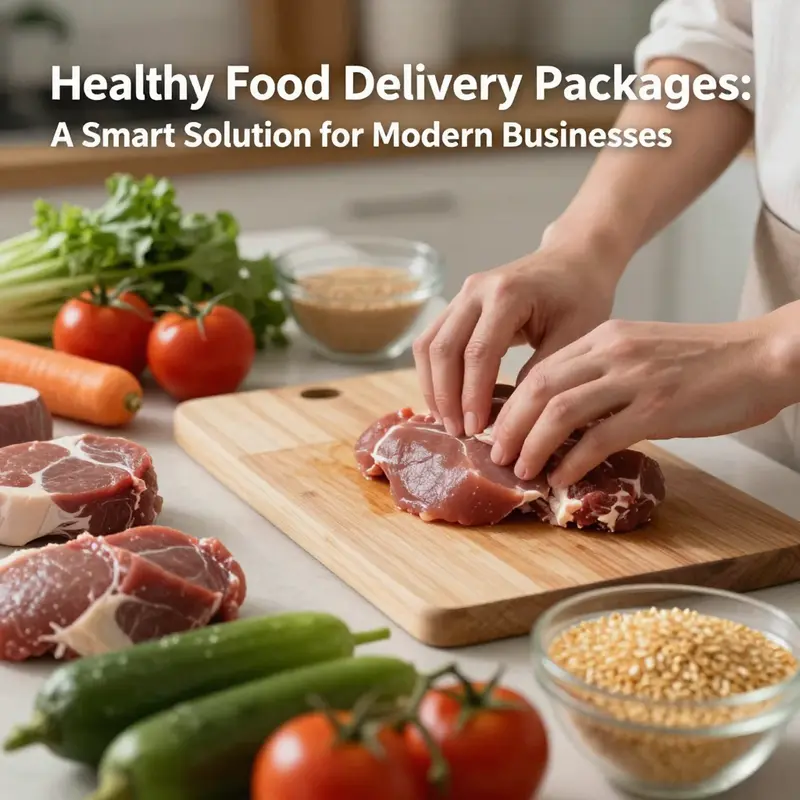
When evaluating healthy meal delivery services, nutrient density and ingredient quality should take center stage. Convenience is valuable, but lasting health rests on the quality of what ends up on the plate: whole foods, minimal processing, and a balance of macronutrients. A genuinely nourishing box prioritizes real ingredients and thoughtful combinations that support steady energy and satiety rather than quick fixes.
A nourishing delivery plan emphasizes lean proteins or plant-based options, fiber-rich whole carbohydrates, a spectrum of vegetables, healthy fats, and appropriate dairy or fortified alternatives. It avoids ultra-processed substitutes that boost calories but deliver little sustained nourishment. The goal is meals that deliver not only energy but also micronutrients—iron and zinc for immune function, calcium and vitamin D for bone health, potassium and magnesium for muscle function, and a range of B vitamins for metabolism.
Beyond the ingredients themselves, transparency matters: clear sourcing stories, accurate nutrition panels, and packaging designed to preserve nutrients. Consumers benefit from visible ingredient lists, honest serving sizes, and labeling that reflects real-world meals. Packaging should protect quality without creating unnecessary waste, and it should enable easy reheating and storage as needed.
In short, healthy meal deliveries succeed when nutrient density and ingredient integrity are prioritized together, guided by evidence-based choices, sustainability, and clear communication that helps people make long-term, health-supportive decisions.
Greener Boxes, Cleaner Plates: Sustainable Packaging in Healthy Food Delivery Packages
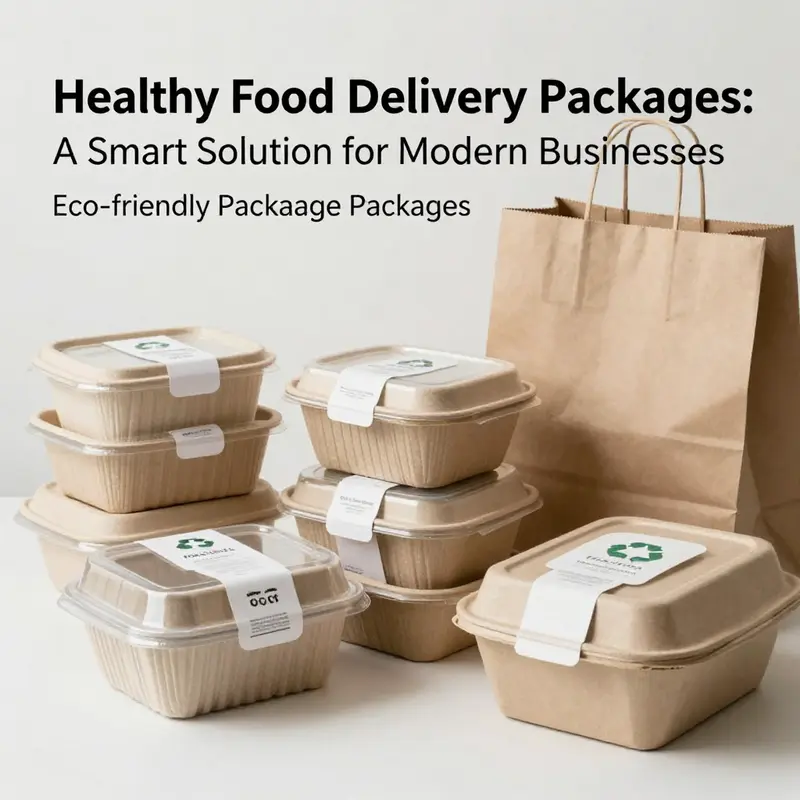
Every meal delivered to a doorstep carries not only the promise of nourishment but also a message about the future we want. In the realm of healthy food delivery packages, sustainability has evolved from a marketing claim to a practical, design-driven necessity. Brands and consumers alike increasingly view packaging as part of the product experience—not just a container, but a responsible choice that can support health, reduce waste, and reinforce trust. As delivery ecosystems scale, the packaging itself becomes a material ally or obstacle in achieving both nutritional goals and environmental ambitions. The conversation, therefore, shifts from speed and taste alone to a broader consideration: how do we keep meals fresh and enjoyable while minimizing environmental impact from production to disposal? The answer lies in a thoughtfully engineered system that integrates materials science, logistics, and consumer education into one cohesive practice.
At the heart of sustainable packaging for healthy meal boxes are the materials themselves. The shift away from conventional plastics toward biodegradable or compostable options has accelerated in recent years as the public learns to associate elegance with responsibility rather than excess. Biopolymers derived from plant-based sources, such as polylactic acid (PLA), offer a route to compostable or recyclable streams, depending on local infrastructure and labeling. Bagasse, a fibrous residue from sugarcane processing, provides sturdy, heat-tolerant containers that break down more readily in appropriate facilities. Recycled paper and cardboard serve dual roles: they reduce virgin material consumption and provide a familiar, recyclable path for end-of-life disposal. These options are not merely green in a vacuum; they align with the everyday realities of meal packaging by delivering rigidity, insulation, and stackability that help protect freshness during transit.
Yet sustainable materials do not exist in a vacuum. They must withstand the practical challenges of shipping meals that may contain soups, sauces, or other moisture-rich components. The risk of leaks, dampness, or heat-induced degradation remains a real concern. This is where engineering and design play critical roles. Industry best practices increasingly include certified compostable liners and barrier coatings that keep moisture and lipids from penetrating the outer shell while still enabling compostability at the end of life. Natural wax coatings, derived from renewable resources, offer water resistance without resorting to petroleum-based polymers. The result is a packaging system that can protect food integrity in a cold chain, minimize drips and spills, and still break down in the right waste stream. It is a subtle but consequential balance: durability in transit paired with disposability that respects the environment.
The lifecycle of a healthy meal package also hinges on insulation. Real-world scenarios require insulation that preserves temperature without turning the container into a thermal trap for plastic waste. Kraft papers lined with thin bio-based films, recycled fiber mats, or plant-derived insulations can maintain temperature for the window necessary to enjoy a meal, while still being compatible with recycling or composting programs where available. In some cases, lightweight, molded fiber inserts replace plastic foams, providing cushioning and rigidity with a lower environmental footprint. When combined with lids and seals that are themselves compostable or recyclable, these choices create a streamlined, single-stream pathway for disposal that reduces confusion for the consumer and improves participation rates in recycling initiatives.
Consumer expectations extend beyond the packaging’s physical performance. Transparency about what the packaging is made of, how it should be disposed of, and what certifications it carries can transform a practical necessity into a trust-building signal. Clear labeling is not a cosmetic add-on; it is an operational imperative. When a package bears recognizable certifications—such as marks associated with compostability or recyclability—it helps customers understand how to handle the package after they finish their meal. This clarity matters because recycling and composting realities vary by region, and miscommunication can lead to contaminated streams that derail sustainability goals. In practice, brands are adopting labeling that communicates the intended disposal pathway, whether it’s curbside recycling, home composting, or industrial composting, accompanied by guidance on any preparation steps required from the consumer, such as removing any non-compostable components.
A critical, often overlooked facet of sustainable packaging is whether the materials can be realistically integrated into existing waste-management systems. In some markets, compostable liners and bio-based coatings are thriving, while in others, municipal infrastructure remains limited or uneven. That disparity places a premium on design that is adaptable and modular. For instance, a container that performs well with a compostable liner in one city might require a different liner or even a different material in another. Smart packaging programs recognize these regional differences and strive to minimize waste by offering options that align with local capabilities. The result is a more resilient supply chain where packaging choices are guided not only by global ambitions but by the practicalities of local disposal ecosystems.
Transparency and education also extend to the packaging’s impact on the broader circular economy. Consumers may understand the concept of sustainability at a high level, but they still benefit from practical tips on how to dispose of each package correctly. The most effective packaging stories connect the dots between the product, the packaging, and the end-of-life path. When customers can easily locate disposal instructions, understand which components are compostable or recyclable, and appreciate the environmental rationale behind the choices, they are more likely to participate in responsible waste practices. This not only reduces landfill burden but also enhances brand loyalty, because shoppers feel that the company respects their values and their time.
Understanding the dynamics of sustainable packaging requires acknowledging that few shoppers currently claim they fully understand what sustainable packaging means. The discrepancy between belief and practice highlights the importance of honest communication and practical design. It is not enough to claim eco-friendliness; packaging must deliver measurable outcomes in real-world conditions. In response, brands are increasingly adopting design-for-disassembly principles, making it easier for facilities to process materials, reusing components when possible, and minimizing mixed-material packaging that complicates recycling. The ethos is simple: the packaging should be as easy to recycle or compost as the meal is easy to prepare and enjoy.
The industry’s progress is not achieved in isolation. It is shaped by partnerships among packaging suppliers, waste-management professionals, policymakers, and the consumer market. Collaboration yields standardization where possible and interoperability where it cannot, ensuring that the materials chosen for healthy meal boxes perform as expected across a broad spectrum of conditions—from cold-chain failures to volatile delivery environments. The result is a family of packaging solutions that weigh the benefits of durability and convenience against the imperative to reduce environmental impact. In this context, the environmental performance of packaging is no longer a peripheral concern but a central criterion in the product’s value proposition.
To translate these ambitions into everyday practice, designers are increasingly blending aesthetics with function. The look and feel of packaging can communicate care for health and the planet at once. A natural, earthy color palette, tactile textures, and minimalist labeling can convey a message of simplicity and responsibility without compromising readability or usability. This approach supports a seamless user experience, where the consumer’s focus remains on the meal while the packaging quietly demonstrates a commitment to the planet. It also helps to mitigate consumer confusion by presenting a coherent narrative that links health, convenience, and sustainability in a single, credible story.
Practical considerations extend to the supply chain as well. Sourcing sustainable materials in a responsible manner requires attention to harvest practices, energy use, and transportation emissions associated with production. Responsible suppliers often publish life-cycle data, enabling brands to compare tradeoffs between different materials and coatings. In the best cases, manufacturers collaborate to optimize packaging weight and thickness, reducing material use without compromising safety or performance. A lighter box with efficient insulation can cut freight costs and carbon footprints, creating a win-win situation for the business and the environment. In this vein, continuous improvement is not a one-off project but an ongoing discipline—an evolving set of choices guided by feedback from customers, waste-management partners, and third-party sustainability audits.
One practical takeaway from these developments is that packaging decisions should be treated as part of the meal’s overall wellness strategy. Just as nutrition labels guide healthy eating, packaging disclosures guide responsible consumption. Consumers who care about their health also care about the health of the ecosystems that support daily life. When packaging choices align with the principles of a circular economy—reducing, reusing, and recycling—customers perceive a higher level of integrity and consistency in the brand’s offerings. It is not merely about slashing waste; it is about delivering reliable performance, protecting flavors, and ensuring that the meal’s journey from kitchen to table does not undermine the very health benefits it promises.
To connect the practical with the perceptual, consider the availability and accessibility of paper packaging. The choice of paper-based solutions can resonate with consumers who value recyclable and renewable materials, while also aligning with many local municipal programs. The decision to feature paper packaging is not just about end-of-life ease; it also signals a broader commitment to responsible sourcing, minimal synthetic additives, and a design language that respects both the product and the planet. Such choices are amplified when brands couple their packaging with clear disposal instructions and verified certifications that reassure customers about the packaging’s intended path. It is the synthesis of material science, logistics, and transparent communication that elevates sustainable packaging from a peripheral concern to a defining strength of a healthy delivery offering.
Industry insight reinforces the practical reality that sustainable packaging can enhance brand reputation and customer loyalty when executed well. In a field where trust is built both in the kitchen and in the box, packaging becomes a tangible pledge. The latest perspectives from leading packaging researchers and practitioners emphasize that a holistic approach—combining renewable materials, barrier technologies, design for disassembly, and consumer education—delivers the best long-term outcomes. This holistic stance aligns with broader shifts in consumer behavior, where sustainability is not a niche concern but a mainstream expectation. The challenge remains to scale these strategies without compromising the freshness, safety, or convenience that define healthy meal deliveries. Yet the trajectory is clear: packaging is evolving from a passive container to an active participant in health, responsibility, and resilience.
For readers seeking a deeper dive into sustainable materials and industry standards, broader resources offer foundational guidance and practical benchmarks. The landscape of packaging innovation is dynamic, with ongoing research, certifications, and case studies that illuminate how to balance performance with environmental stewardship. External perspectives help illuminate how different regions prioritize compostability, recycling, and waste reduction, revealing common principles while honoring local contexts. As the field matures, the most successful programs are not those that claim to be perfect from the start but those that commit to measurable improvements, transparent reporting, and ongoing collaboration across the supply chain.
External resources provide useful anchors for readers who want to explore the topic further and understand the broader ecosystem around sustainable packaging in healthy food delivery. By engaging with these materials, brands, retailers, and consumers can better assess material choices, disposal pathways, and the practical realities of implementing circular economy principles at scale. In this spirit, the journey toward greener packaging is continuous, collaborative, and ultimately aligned with the promise of delivering nourishment that is as responsible as it is delicious.
External resource: https://www.sustainablepackaging.org
From Personalization to Packaging: Crafting a Seamless Experience in Healthy Meal Delivery
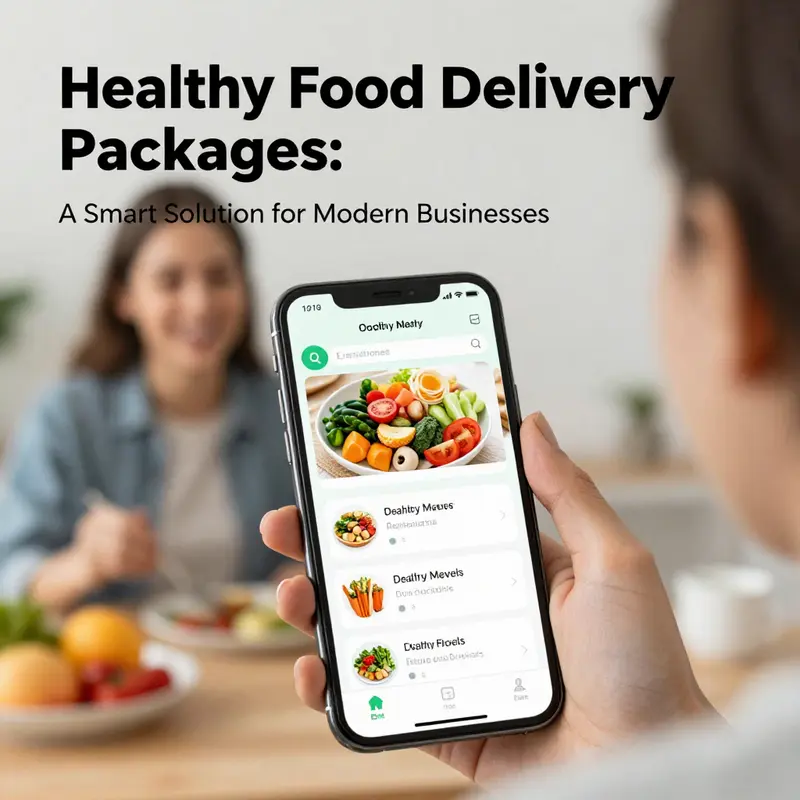
The experience of receiving healthy food on a regular schedule rests on a delicate balance among personalization, convenience, and how clearly a service communicates what it is delivering. In the realm of meal boxes and ready-to-eat plans, the promise hinges on more than nutrition; it hinges on feeling seen as an individual while trusting the system to protect quality from the moment a dish is chosen to the instant it lands in the fridge or on the doorstep. When a platform succeeds, it feels less like a product and more like a partner in daily health—one that understands your tastes, your goals, and the realities of a busy life. The modern healthy meal delivery ecosystem leans into customization, making it possible to tailor meals by type, portion, and even delivery cadence. The interface through which these choices are made matters as much as the meals themselves. A user-friendly app that presents a clear path from selection to checkout reduces friction and supports ongoing engagement. At the same time, when the interface promises simplicity but execution falters, the entire experience unravels; a sluggish checkout, unexpected payment errors, or long wait times can turn a convenient solution into a source of frustration. The tension between what an app claims to deliver and what the user experiences in real time is a central axis around which contemporary services must revolve.
Customization is not merely an aesthetic feature; it is a functional core. Users increasingly expect a range of meals to accommodate diverse dietary preferences—traditional balanced diets, gluten-free or allergen-conscious options, plant-based choices, and low-carbohydrate plans. The ability to adjust portions or swap components without creating a logistical headache signals respect for the user’s time and goals. A robust customization framework can also extend beyond food selection to address logistics, such as changing delivery addresses mid-cycle or syncing deliveries with a changing schedule. In many services, these capabilities are accessible via a mobile app, reinforcing the sense that the user is in control. The best platforms present nutritional information with the same care given to visuals. Detailed macros and ingredient lists empower people to manage their diets, monitor nutrient intake, and align meals with specific health aims. This transparency becomes a trusted currency; when a dish’s nutrition is clear, the buyer can confidently align choices with personal targets, whether the aim is weight management, athletic performance, or managing a health condition.
The user experience is further enriched by engagement tools that transform ordinary ordering into a habit-forming, motivating routine. High-quality dish imagery helps users imagine the flavors and portions before the box arrives, while the ability to rate meals and maintain multiple profiles in a single account offers a sense of social proof and personal stewardship. These features contribute to a feeling of agency—users feel they are shaping something about their week, not simply reacting to a static offer. Yet, the promise of customization comes with a responsibility to keep the digital and physical product aligned. The World Health Organization has highlighted that user experience in food delivery encompasses more than the app itself. It includes the quality and integrity of the delivered meal, the reliability of packaging, and the ability to resolve issues promptly. The tension between digital attractiveness and tangible quality is not incidental; it is central to sustaining trust and long-term loyalty in this category.
Even when the digital experience is polished, the real-world delivery can challenge expectations. Reports from multiple users show that a visually appealing interface can be undermined by brittle or inconsistent physical outcomes. Dishes may arrive overcooked, underseasoned, or lacking the flavor depth promised by their images. Packaging problems—damaged containers, leaks, or mis-sealed lids—erode the sense that a product designed for health also reflects care in its handling. In some cases, these issues are not isolated but symptomatic of broader supply chain pressures: sourcing fluctuations, batch-control inconsistencies, or mismatches between the meal plan and the day’s logistic constraints. When customers encounter repeated packaging or quality hiccups, even admirably designed customization options struggle to recover their value. The user’s mental model shifts from “I chose well” to “I hope this holds up,” and that shift can be enough to push a consumer toward alternative solutions.
In response, a sharpened focus on packaging emerges as essential. Packaging is more than a containment system; it is a careful choreography of protection, convenience, and sustainability. Single-serve or resealable containers help with portion control and minimize waste, while materials designed for temperature stability preserve flavor and nutrition. The best packaging strategies anticipate transit realities—vibration, temperature fluctuations, and the potential for rough handling—without sacrificing environmental responsibility. Innovation in material grades and mechanical properties enables durable yet lighter packaging that travels well and reduces ecological impact. When packaging design is integrated with the meal’s nutritional needs and the app’s delivery logic, it reinforces trust rather than challenging it. In practice, this means packaging that keeps ingredients fresh, allows for easy reheating or cold storage, and communicates any storage instructions clearly. It also means packaging that respects allergen considerations and avoids cross-contact, a critical assurance for individuals with sensitivities.
Sustainability, meanwhile, is no longer an optional consideration but a core criterion for many customers. They expect packaging to be recyclable, compostable, or otherwise responsibly managed, aligning with broader values around personal health and planetary health. In response, providers are experimenting with packaging that balances performance and responsibility. Once again, the relationship between digital design and physical delivery matters: clear labeling, tamper-evident seals, and intuitive opening mechanisms can significantly reduce the risk of spoilage or contamination, while also improving the overall user experience. When customers encounter packaging that is easy to open, easy to reuse, and easy to dispose of thoughtfully, the perceived value of the service increases. The dialogue between design and logistics becomes a practical proof of the service’s commitment to quality, one that extends beyond the plate and into daily routines.
If customization defines the range of choices, reliable support defines the pace at which trust can be built. Customer service that is responsive, empathetic, and capable of diagnosing and resolving issues quickly is the other side of the coin. When a delivery misstep occurs—perhaps a late arrival, a mislabel, or a packaging fault—effective escalation pathways matter just as much as the initial design of the ordering flow. A frictionless return or replacement process, combined with proactive communication, signals to customers that the service stands behind its product. In that sense, the UX toolkit for healthy meal delivery is not only about making a pretty app or a tempting image. It is about engineering a complete ecosystem in which digital interfaces, physical quality, packaging, and post-delivery support cohere into a reliable, nourishing, and humane experience.
The research landscape surrounding this topic also underscores a practical truth: excellence in customization and convenience must be matched by predictable performance in the delivery and quality of food. In some cases, even sophisticated customization features are insufficient if the underlying meal quality or packaging reliability does not meet expectations. A premium experience requires a consistent baseline of quality and service, not occasional brilliance in one dimension while another underperforms. This reality places a premium on cross-functional alignment: product design teams, culinary professionals, packaging engineers, and customer service units must operate in concert. Integrating consumer feedback with iterative product testing helps identify where the friction points lie and how best to address them. The result is not merely a collection of improvement projects but a transformed operating model that treats the user’s journey as a continuous loop of thinking, doing, learning, and refining.
For readers curious about the tangible details of how packaging and production choices influence the user experience, consider exploring the broader ecosystem of packaging options that support delivery systems. Packaging decisions—whether choosing recyclable materials, selecting resealable formats, or optimizing for stackability in delivery boxes—play a decisive role in shaping both the practical and sensory aspects of the meal. These choices influence how a dish is perceived before the first bite and how easily it can be stored for later use. The best practice is to view packaging and app design as interdependent levers that, when pulled together, create a cohesive value proposition. In this sense, the user experience is not a single feature but a holistic architecture of choices that align to a user’s goals: nourishment, convenience, and peace of mind.
Ultimately, the evolution of healthy food delivery packages hinges on a balanced equation: customization that truly respects individual needs, a digital experience that feels fast, transparent, and engaging, and packaging and support that deliver on the promise of freshness and care. When these elements converge, the service becomes more than a meal plan; it becomes a dependable ally in daily health routines. For practitioners and researchers alike, the takeaway is clear. If a platform wants to build durable relationships with customers, it must translate the language of nutrition into the language of experience—seamless ordering, trustworthy food, durable packaging, and a responsive, human-centered support system. That translation is the core of value in the healthy meal delivery landscape, and it will continue to determine which services endure as needs and preferences change over time.
For readers interested in the material side of packaging design and its role in delivery, the packaging category can offer practical insights into the kinds of materials, finishes, and structural designs that facilitate freshness and usability. Packaging printing provides a window into how visual and structural considerations come together to protect and present meals in transit. These design decisions are not cosmetic; they contribute to the user’s confidence, the integrity of the product, and the sustainability profile of the service. As the field evolves, the best platforms will increasingly treat packaging as an extension of the culinary experience, a physical ambassador for the chef’s intent and the dietitian’s guidance. The user experience then becomes a triad: digital clarity, culinary quality, and packaging stewardship working in harmony to deliver not just meals, but reliable well-being on a busy schedule.
External perspective can illuminate how this sector fits into broader public health and food-system conversations. A World Health Organization study on meal delivery apps emphasizes that customer experience encompasses both interface quality and the tangible quality of the meals and packaging. It is a reminder that success depends on aligning technological capability with the material realities of food production and distribution. In practical terms, this means prioritizing fast, reliable ordering flows, transparent nutrition labeling, consistent cooking standards, robust packaging, and a responsive customer support framework. When these components align, healthy meal delivery becomes less a novelty and more a dependable lifestyle choice for a wide audience, from fitness enthusiasts to individuals managing chronic health considerations. The ongoing challenge is to maintain that alignment as expectations rise and the market evolves, ensuring that the promise of personalization does not outpace the reality of the product delivered.
For readers seeking a broader scholarly or policy-oriented context, the WHO report offers a comprehensive lens on how meal delivery platforms intersect with food systems, consumer health, and environmental considerations. It is a useful companion to industry-focused analyses and can help frame how user experience initiatives connect with public health objectives and sustainability goals. https://www.who.int/publications/i/item/9789240035683
Final thoughts
Healthy food delivery packages offer a promising avenue for businesses to diversify their service offerings while catering to the growing demand for nutritious options. By embracing diverse meal choices, prioritizing ingredient quality, adopting sustainable packaging, and enhancing the user experience through customization, businesses can effectively attract and retain health-conscious customers. As the market continues to evolve, leveraging these packages can position your brand as a leader in the health-oriented food landscape, turning a simple meal into an enriching experience for your clientele.