
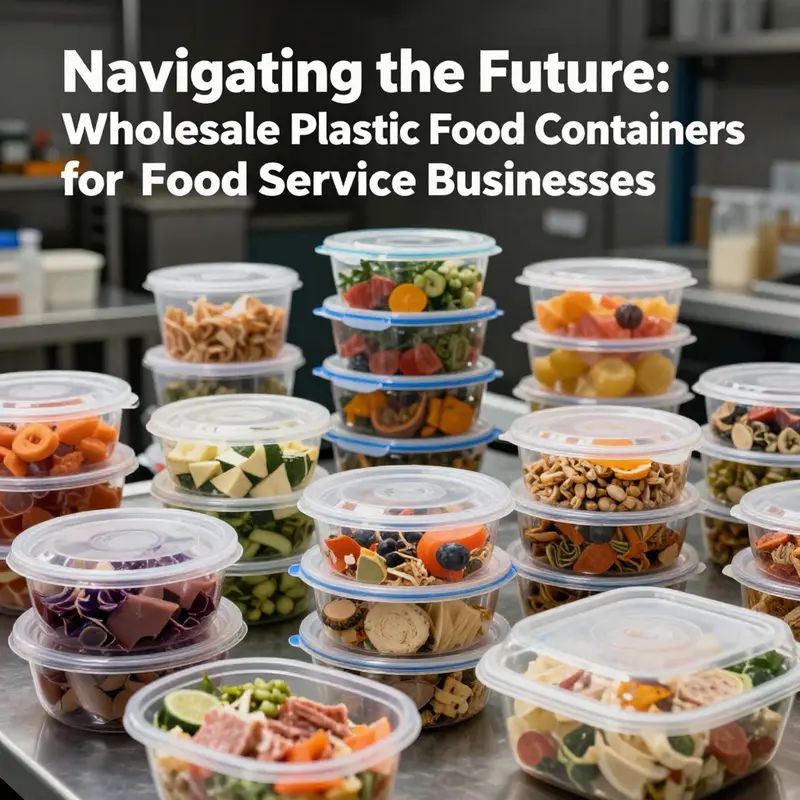
The wholesale plastic food container market is pivotal for businesses like bubble tea shops, restaurants, food trucks, and catering services. As these establishments increasingly rely on plastic containers for takeout and storage, understanding market dynamics, regulatory challenges, and sustainability trends becomes essential. This article delves into these aspects, helping procurement teams and event planners make informed decisions. Learn about the current market dynamics that affect pricing and product selection, navigate the regulatory environment that governs packaging supplies, and discover sustainability trends influencing consumer preferences.
Sealed for Scale: Navigating Growth, Customization, and Sustainability in Wholesale Plastic Food Containers
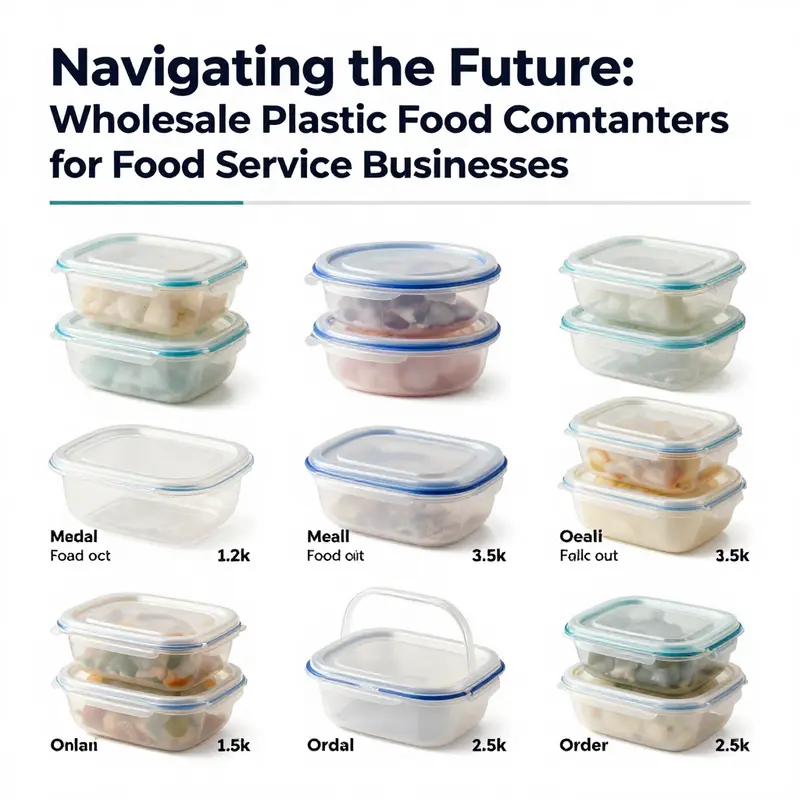
The wholesale plastic food container market sits at a critical juncture where efficiency, safety, and sustainability converge with ever-shifting consumer expectations and a logistics backbone that stretches from regional assembly lines to global distribution networks. The growth story is not merely about more shelves filled with identical units; it is about a chain of decisions that begin with material choices and go all the way to branded packaging and reliable delivery. In this landscape, the demand for durable, hygienic, and affordable containers has become a proxy for how well the food service and retail sectors can adapt to faster service models, rising takeout volumes, and the push toward healthier, more sustainable consumption. Market analysis signals a robust trajectory, with a compound annual growth rate (CAGR) of around 10.3% projected from 2026 through 2033. This momentum is underpinned by a trio of interlocking dynamics: consumer preference for convenient, ready-to-eat formats; the scaling logic of meal-prep and courier-driven food solutions; and the capacity of suppliers to transform line-scale production into customized, compliant packaging that travels efficiently from factory floors to consumer kitchens.
At the heart of this expansion lies a nuanced balance between cost, capacity, and compliance. The structure of wholesale purchasing often starts with a predictable price envelope—items frequently begin at roughly five cents per unit, with a minimum order quantity (MOQ) around 500 units. Those thresholds matter profoundly because they set the entry bar for small brands, family-run eateries, and expanding chains, while still allowing large buyers to negotiate volume discounts that reshape per-unit economics. The market’s ability to sustain low unit costs without sacrificing performance hinges on the choice of material. Polypropylene (PP) and polystyrene (PS) are the most common substrates, each bringing distinct mechanical properties, heat resistance, and regulatory considerations. PP is prized for its toughness and chemical resistance, a feature that translates into reliable impact resistance for lunch boxes and freezer-safe containers. PS, while sometimes offering clearer clarity and rigidity, requires careful handling in contexts where heat stability or microwave safety becomes decisive for consumer use. The nuanced trade-offs between these plastics shape not just product performance but also the pathways through which suppliers can achieve scalable customization and maintain a steady supply chain amid volatile demand cycles.
Sustainability has evolved from a regulatory checkbox into a strategic differentiator that informs both procurement decisions and consumer loyalty. In the current climate, buyers increasingly insist on materials that are BPA-free, recyclable, and aligned with broader environmental goals. This shift has invigorated the development of packaging lines built around PET and PP with clear certifications, such as FDA compliance and other regional attestations like CE/EU and CIQ marks. The emphasis on safety is not purely about chemical exposure; it also encompasses the broader hygiene and reliability of containers used for ready-to-eat meals and meal-prep regimes. Market players respond by highlighting features that reduce risk, such as airtight lids, microwave-safe designations, and traceable supply chains. In practice, this translates into tangible product narratives on e-commerce and supplier portals, where buyers increasingly search for items labeled as “BPA-free PP,” “airtight and microwave-safe,” and “certified for international food safety standards.” These disclosures reassure brand owners and restaurateurs that their packaging will perform across the distribution journey—from the point of packing to consumer reheating—without compromising safety or quality.
But sustainability also expands the material map beyond PP and PS. Recyclability becomes a core criterion, pushing suppliers to explore PET-based options and to consider alternative polymers that better align with circular economy goals. In some cohorts, biodegradable or compostable variants are introduced as premium lines, designed for takeout and single-use channels where end-of-life recovery is feasible. The market is learning to evaluate these options not only for their compostability credentials but also for their compatibility with recycling streams, their performance under temperature and transportation stresses, and their cost implications at scale. This ongoing exploration drives a wider conversation about the lifecycle costs of packaging, including energy use, landfill impact, and the potential for reprocessing into new products. In parallel, customers increasingly demand certifications that demonstrate responsible sourcing, manufacturing ethics, and verifiable environmental performance. The result is a package ecosystem where sustainability and cost efficiency do not exist on opposite ends of a spectrum but rather reinforce each other through material innovation, process optimization, and smarter design.
Customization emerges as another cornerstone of the wholesale growth story. Market leaders in key production hubs—especially those in Asia’s dense networks of plastics manufacturing—offer a spectrum of capabilities that go far beyond simply delivering a standard container. In-house mold design unlocks the possibility of precise dimensions, locking tongues, or specialized latching mechanisms that improve stackability and durability. Color matching and logo embossing enable brands to translate identity into packaging that travels with the product, reinforcing brand recognition while preserving functional performance. Graphic printing further expands the palette, enabling distinctive visuals that stand out in crowded retail and food-service environments. This combination of design freedom and scalable manufacturing enables buyers to deploy packaging that is both identity-rich and supply-stable, a vital advantage as promotional campaigns increase the need for large, consistent runs and rapid restocks during peak seasons.
From a production perspective, the capacity to scale is as critical as the initial MOQ and price per unit. The ability to ramp from hundreds of thousands to millions of units per week is not an afterthought; it is central to meeting the fluctuating rhythm of consumer demand, seasonal spikes, and promotional events. Suppliers that can retool molds, adjust color-matching protocols, and compress lead times while maintaining stringent quality controls emerge as preferred partners. This scalability is inseparable from the logistics network that supports it. Regional distribution centers, such as those in major hubs across Asia and beyond, function as nodes in a broader web that links raw material suppliers, manufacturers, and retailers with the end consumer. Efficient routing, inventory management, and reliable lead times become as important as the container’s intrinsic properties. The design of supply contracts, including terms that stabilize pricing and secure commitments for long-term partnerships, also influences the willingness of brands to commit to larger MOQs or to adopt branded packaging across multiple product lines.
A critical axis of this wholesale landscape is logistics and supply chain reliability. Buyers increasingly weigh the total cost of ownership, which encompasses unit price, MOQs, shipping costs, lead times, and the risk of disruption. The market’s evolving model includes a greater reliance on offshore sourcing for high-volume orders, particularly from China, where economies of scale can reduce per-unit costs even when freight margins compress or demand surges occur. At the same time, regional gateways—such as logistical hubs that connect suppliers to markets in the Philippines, Southeast Asia, and beyond—enable faster delivery cycles and more predictable replenishment. In practice, this means buyers may rely on platforms that streamline procurement, payment processing, and refunds, reducing transaction risk as they scale up. The dynamic is not simply about reducing unit cost; it is about aligning the entire supply chain to a management discipline that emphasizes reliability, speed, and the capacity to adapt to shifting requirements. For buyers, a reliable partner who can offer both flexible customization and consistent delivery becomes a critical asset in realizing a resilient packaging strategy that can endure the ebbs and flows of food service demand.
Within this context, the geographic concentration of manufacturing activity becomes a strategic factor. Asia remains a dominant production region due to a combination of mature plastics ecosystems, skilled labor, and established supplier networks. Guangdong and Shandong, in particular, stand out as strongholds for in-house tooling, rapid prototyping, and integrated production lines that dovetail with downstream packaging conversion operations. The cost advantages in these regions are not merely about lower labor rates; they reflect a complex matrix of supplier density, shared infrastructure, and access to an extensive network of raw materials and auxiliary services. For buyers, this translates into shorter lead times, more predictable throughput, and the possibility of more aggressive customization at scale. Yet the geography of production also carries considerations for risk management. Dependencies on a single region can expose buyers to policy shifts, currency fluctuations, or port disruptions. Smart procurement strategies, therefore, blend regional sourcing with diversified supplier bases and robust contingency planning. That means evaluating not only per-unit price and MOQ but also the supplier’s technical capabilities, financial stability, and long-term partnership potential.
The customer journey for wholesale plastic food containers is increasingly mediated by digital marketplaces and procurement platforms that aggregate capabilities across the supply chain. Buyers can browse materials, request logos and color schemes, and preview mold options, all while comparing certifications, turnaround times, and minimum quantities. Platforms that provide secure payment processing and refund guarantees reduce the perceived risk of large orders and long-term commitments. In striking this balance, buyers often seek suppliers who can demonstrate consistent quality across batches, reliable defect rates, and clear traceability of filaments and resin sources. The narrative that emerges is one of a packaging ecosystem that rewards strategic risk-taking—investing in high-clarity, high-chemical-resistance containers for premium lines, while also embracing simpler, cost-effective solutions for everyday use. The key is finding a supplier that can deliver both ends of the spectrum with equal competence, offering the flexibility required to respond to evolving menus, changing consumer preferences, and the logistical realities of distribution networks that span continents.
As markets continue to evolve, the conversation around material choice will likely become even more sophisticated. The push toward sustainability will not be satisfied by marginal improvements in recycling; it will demand end-to-end design decisions that consider how containers perform in real-world use, how they are collected and processed after disposal, and how they contribute to the broader environmental footprint of a brand. This means packaging designers and procurement teams must work together to select materials that meet safety standards while enabling efficient recycling streams. It also means investing in life-cycle analyses that quantify energy use, emissions, and end-of-life outcomes. In parallel, advances in process technology—such as more precise molding techniques, improved surface finishes that resist staining and odor retention, and coatings that reduce moisture transfer—will further enhance performance without compromising recyclability. The result is a packaging landscape where innovation and responsibility travel hand in hand, allowing businesses to pursue growth with a clear understanding of the environmental and economic implications of their choices.
Looking ahead, wholesale plastic food containers will likely become even more integrated with broader supply-chain innovations. Automation in molding and secondary processing, digital design-to-production pipelines, and enhanced tracking systems will reduce cycle times and improve quality assurance. These innovations will empower smaller buyers to access custom capabilities previously reserved for large brands, while still delivering the scale needed to support nationwide or regional rollouts. Yet, the core drivers will remain human-centric: safety, reliability, and convenience. Consumers want containers that safeguard their meals, retailers want packaging that travels well and looks appealing on shelves, and producers want a cost structure that accommodates growth without sacrificing margins. The intersection of these goals creates a resilient market that can adapt to shifts in dining formats, from packed lunches to minimalist takeout and the expanding category of home meal kits. In this dynamic, wholesale plastic food containers do more than hold food; they enable the speed, safety, and adaptability that modern food culture increasingly requires.
For brands and buyers seeking practical steps within this evolving landscape, the emphasis should be on building a packaging strategy that balances MOQs, price, and customization with a clear vision of sustainability and supply-chain resilience. Start with a baseline of robust material choices—PP for durability and heat tolerance, PET for clarity and recyclability—paired with certifications that reassure customers and regulators. Prioritize suppliers who offer in-house tooling and design support, so your packaging can be aligned with brand identity while remaining scalable. Emphasize switchable design features that allow products to transition from freezer-safe to microwave-safe formats, recognizing that versatility reduces the risk of obsolescence as product lines evolve. And maintain a proactive approach to logistics, investing in supplier relationships that yield predictable lead times, secure payments, and transparent communication about delays or contingencies. In a market where the volume of containers can be a proxy for the velocity of a business’s growth, committing to a holistic, future-ready packaging strategy is not merely prudent—it is essential.
To connect these ideas to practical action, consider the continuum from raw material choice through design, manufacturing, and distribution. The decision points are many, but the guiding principle is simple: align the container’s performance with the brand’s promise while optimizing for cost, sustainability, and speed to market. In this sense, wholesale plastic food containers become a lens through which one can view the broader dynamics of modern consumer packaging. They are not static artefacts but active components in a living ecosystem that blends technology, policy, and consumer behavior. When approached with a strategic mindset, the market for these containers reveals opportunities to innovate, differentiate, and scale in ways that reinforce trust and drive growth across food service, retail, and e-commerce channels.
Internal link example: For brands seeking to align packaging with their identity within the broader category of packaging solutions, suppliers often offer extensive customization and a widening set of capabilities across the plastic packaging spectrum—visiting the plastic packaging category can illuminate the range of options available. https://cupbowlpack.com/product-category/plastic-packaging/
External resource: This chapter’s market context also benefits from industry perspectives that document marketplace dynamics and supplier capabilities in related packaging spaces. See external resource for broader industry insights: https://www.alibaba.com
Navigating the Safety Net: How Regulatory Currents Shape Wholesale Plastic Food Containers
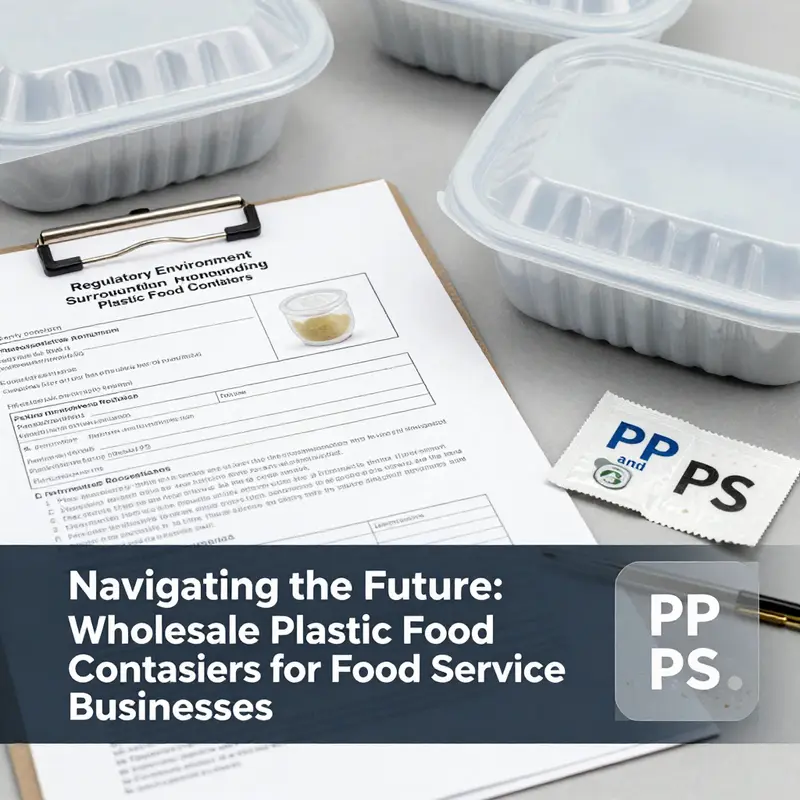
The wholesale market for plastic food containers operates at the intersection of efficiency, safety, and trust. Producers, distributors, and retailers alike must move through a landscape carved by regulatory expectations that differ across regions, yet share a common intent: to protect consumers while enabling businesses to scale. In this chapter, we trace how the regulatory environment molds product design, supplier selection, testing regimes, and the everyday decisions wholesalers make as they source, stock, and ship container solutions to food-service operators, retailers, and branded-packaging programs. Rather than treating compliance as a burden, seasoned buyers approach it as a framework for sustainable profitability, practical risk management, and reputational resilience in a market where margins can be tight and public scrutiny magnifies even small missteps.
In the United States, regulation hinges on the Food and Drug Administration’s authority over materials that come into contact with food. The core of this framework is FDA 21 CFR, which specifies that plastics such as polypropylene (PP), polystyrene (PS), and polyethylene terephthalate (PET) used for food contact must meet standards designed to prevent harmful migration into food. For wholesalers, this translates into a need for verifiable compliance documentation from suppliers, not merely a claim that a resin is “food-grade.” The emphasis on material compatibility with the intended use—whether the container will hold hot foods, be subjected to repeated wash cycles, or withstand a microwave environment—drives the testing and certification load. BPA-free labeling, for instance, is more than a marketing note; it requires substantiation through testing that certifies the absence of bisphenol A in final products and in any migration into food under expected use conditions. The microwave safety dimension adds another layer of due diligence. Containers marketed for microwave use must demonstrate safety through standardized testing protocols so that a business can confidently service quick-service restaurants, meal-prep operations, and consumer-direct channels that rely on rapid reheating.
The U.S. framework, while clear in its objectives, also creates practical procurement cues for wholesalers. Firstly, it elevates the importance of supplier traceability. Buyers seek certification dossiers that cover resin type, additives, coatings, printing inks, and all components that could influence migration. Secondly, it makes pre-shipment testing not a nicety but a norm, especially for products intended to operate under thermal stress or in microwave environments. Thirdly, it elevates labeling scrutiny. A product claiming BPA-free status must be backed by testing evidence, and the labeling itself must align with claims supported by data. In effect, compliance becomes a risk management tool as much as a regulatory obligation, reducing the likelihood of recalls, customer complaints, or reputational harm that could ripple through a distributor’s network.
Across the Atlantic, the European Union operates under a different but equally rigorous regime aimed at ensuring that plastics intended to contact food do not release unsafe levels of substances. Regulation (EU) No 10/2011 structures the EU’s approach around substance regulations, migration limits, testing, and certification. Migration limits specify the permissible rate at which various chemicals can move from plastic materials into food, a variable that depends on factors such as the type of food, duration of contact, and temperature. For wholesalers, this means product dossiers must detail resin families, stabilizers, antioxidants, plasticizers, and any potential residues. The EU framework also emphasizes comprehensive testing and certification regimes, recognizing that complex supply chains—from resin producers in one country to converters and packagers in another—must ultimately demonstrate compliance through auditable documentation. The goal is not just to satisfy inspectors but to provide a verifiable trail that confirms products meet safety and performance standards in diverse real-world use cases.
A notable feature of EU regulation is its stance on eco-friendly claims. The bloc discourages vague marketing language about sustainability and expects substantiation through certifications. For disposable packaging that claims to be eco-friendly or biodegradable, third-party certifications such as EN 13432 or ISO 14855-1 carry weight. In practice, wholesalers must be prepared to provide documentation that demonstrates compostability or recyclability under specific conditions, and they must communicate those capabilities with precision. The emphasis on concrete, test-backed claims helps prevent greenwashing and ensures that end-users receive packaging solutions that perform as described in municipal waste streams and consumer environments. This rigor, while increasing the upfront compliance burden for suppliers, ultimately provides wholesalers with clearer criteria for evaluating options and negotiating terms.
Beyond regional frameworks, global sourcing adds another layer of complexity. Wholesalers increasingly source from regions where manufacturing costs are lower, particularly Asia. This reality heightens the importance of supplier audits and verification. Platforms and marketplaces that connect buyers with manufacturers emphasize the need for test reports demonstrating compliance with FDA and EU standards, particularly for materials like PP, PS, PET, and any substitutes or co-polymers used in food-contact surfaces. For products marketed as environmentally sustainable, the demand for third-party certifications—such as those attesting to industrial compostability or compatibility with recycling streams—guards against greenwashing and provides a credible basis for marketing claims. The regulatory environment thus informs a broader supplier-evaluation framework, where diligence, transparency, and documented conformity are as essential as price and lead times.
For a wholesale buyer, the practical implications of these regulations translate into a disciplined supplier qualification process. Audit histories, certified test reports, and material declarations become standard parts of the procurement package. A robust supplier qualification approach reduces the risk of recalls and regulatory penalties, along with the reputational damage that could impair a wholesaler’s ability to secure prime shelf space or favorable MOQs. In addition, it supports more efficient ongoing quality control. When a supplier can present a comprehensive material safety dossier, migration testing results, and evidence of compliance with both FDA and EU frameworks, a distributor can negotiate more favorable terms, reduce the need for repetitive testing, and establish longer-term contracts that stabilize supply in periods of market volatility. The payoff is not merely regulatory peace of mind; it is a clearer, more reliable value proposition for customers who depend on consistent, safe packaging for food products.
In practice, the sourcing journey from resin to finished container is rarely linear. It is a chain of handoffs, each with its own regulatory lens. A converter may specify that a queuing of material types—PP for lightweight, cost-conscious applications; PS for clarity in display packaging or rigid takeaway boxes; PET for transparent, durable containers—must be coupled with migration data and certifications. A brand-owner or distributor then adds their own requirements for labeling, ink composition, and surface finishes that do not introduce unacceptable migration risks. In this interconnected choreography, the wholesale buyer becomes not only a purchaser of goods but a curator of compliance. The ability to assemble, verify, and maintain a compliance dossier for each SKU becomes an enabling capability, one that supports faster onboarding of new lines, reduces the risk of regulatory friction at customs or in retailers’ point-of-sale audits, and ultimately sustains a consistent supply of safe, reliable packaging.
An important dimension of regulation is how it intersects with innovation. The push for safer plastics does not halt product development; it guides it. When formulators and packaging designers explore alternative resins, bio-based additives, or newcoatings to improve performance while reducing migration potential, they must anticipate how these changes will be evaluated by regulators and certified by third parties. This means wholesalers benefit from early access to information about upcoming changes in standards or expected migration thresholds. They can engage with suppliers on pre-emptive testing strategies, ensuring that new materials meet both current and anticipated requirements. In turn, distributors can maintain continuity of supply by planning for regulatory contingencies—establishing dual-sourcing agreements, validating alternate suppliers, and maintaining libraries of approved materials that meet the evolving safety framework. The end result is a market of more transparent supply chains, where compliance data is as trackable as shipment invoices and delivery notes.
The ethical and environmental angles of regulation also influence wholesale decision-making. The EU’s emphasis on verifiable eco-friendly claims, for example, elevates the importance of life-cycle considerations and end-of-life management. Wholesalers are increasingly expected to consider how their packaging choices interact with recycling streams, compostability programs, and municipal waste infrastructures. While the regulatory texts focus on food safety and substance migration, the practical implications extend to sustainability reporting, customer education, and collaboration with waste-management stakeholders. A wholesale operation that aligns product design and supplier practices with sustainable waste-management outcomes can differentiate itself in a crowded market. It can offer customers not only compliant packaging but also clear, evidence-based narratives about how packaging choices fit into broader environmental strategies. In this sense, regulation acts as a catalyst for responsible innovation and more resilient business models.
The global nature of supply chains means that regulatory literacy is not a one-time hurdle but an ongoing discipline. Buyers must monitor regulatory updates, engage with suppliers about changes in materials or processing techniques, and maintain a comprehensive archive of compliance documents. This ongoing vigilance helps prevent the disruption that sudden regulatory shifts can cause, such as a tightened migration limit or a newly required certification for a specific resin. It also supports smoother regulatory audits by customers or retailers who demand proof of compliance as a prerequisite to listing or shelf placement. In the end, wholesale success in plastic food containers rests on a culture of proactive compliance—one that treats safety documentation, testing, and certification as living parts of the product lifecycle rather than as separate, static files.
To connect practice with policy, wholesalers can benefit from a clear map of where to look for guidance and where to document evidence. For example, when evaluating potential suppliers, it is prudent to request test reports that verify FDA and EU compliance, as well as any third-party certifications relevant to sustainability claims. The supplier’s ability to provide EN 13432 or ISO 14855-1 certifications for eco-friendly or compostable claims strengthens the confidence of buyers who are navigating a complex regulatory terrain. The procurement process can thus incorporate a standardized set of documentation checks, including a bill of materials that details every ingredient and additive, a complete set of migration test results, and audits that verify manufacturing controls and facility compliance with good manufacturing practices. Building this documentation backbone not only reduces regulatory risk but also creates a more streamlined, efficient procurement workflow that can respond quickly to customer requests for compliance evidence.
In closing, the regulatory environment surrounding wholesale plastic food containers is both protective and enabling. It protects public health by ensuring that materials in contact with food meet defined safety thresholds and remain predictable under typical use. It enables business through clear, auditable pathways that support certification, branding, and scalable distribution. For wholesalers, the practical takeaway is to integrate regulatory literacy into every stage of sourcing, from supplier selection and testing protocols to labeling and post-market surveillance. When compliance becomes a core capability—embedded in supplier negotiations, documentation practices, and quality-control routines—it translates into stronger customer trust, steadier supply, and a more resilient path through the evolving landscape of global packaging.
For further context on related packaging categories and broader procurement considerations, explore the Plastic Packaging product category for related materials and options: Plastic Packaging.
External resource for additional regulatory context: https://www.fda.gov/food/food-contact-materials/fda-food-contact-substances-list
From Waste to Worth: How Sustainability Is Reshaping Wholesale Plastic Food Containers
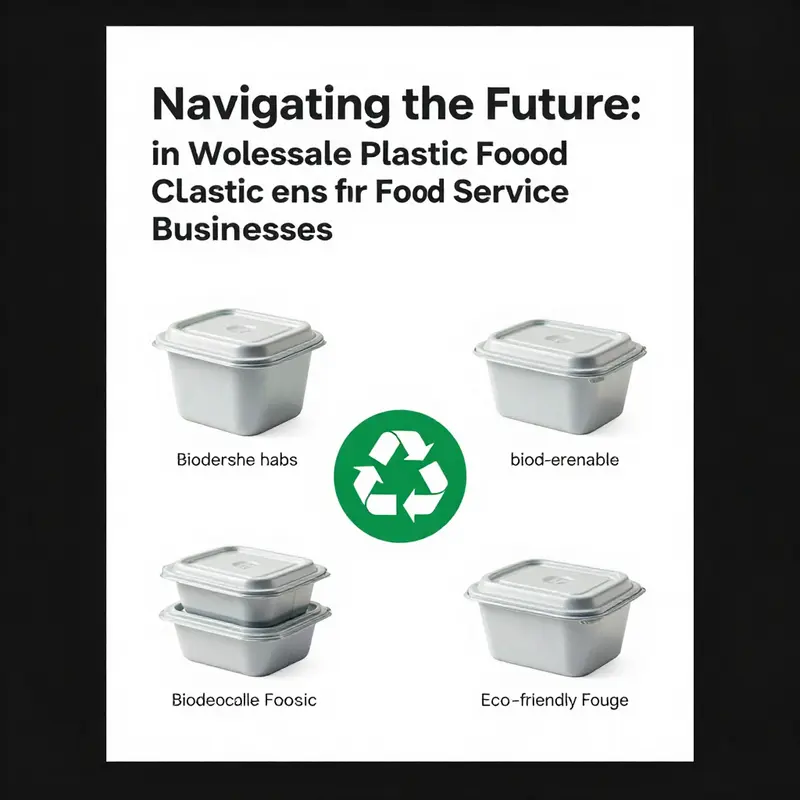
Sustainability in the wholesale plastic food container market has moved from optional marketing language to a core supply-chain requirement. Buyers who once focused almost exclusively on unit cost and lead times now weigh end-of-life implications, material traceability, and certification as part of procurement decisions. This shift affects manufacturers, distributors, and food service operators alike. It influences design choices, sourcing strategies, logistics planning and the relationships between brands and their packaging suppliers. The evolving scene favors suppliers who can demonstrate measurable reductions in environmental impact while maintaining the cost efficiencies required by high-volume purchasing.
A primary driver of change is material selection. Historically, the market has been dominated by petroleum-based polymers such as polypropylene and polystyrene because they offer durability, heat resistance, and low per-unit cost at scale. Today, alternatives are gaining traction for clear reasons: bio-based polymers reduce fossil-carbon inputs, and recyclable single-polymer designs simplify waste sorting. Some producers are embracing polylactic acid and other bio-derived resins. These materials originate from renewable feedstocks and can be industrially composted when managed correctly. The move to bio-based polymers is not a one-size-fits-all solution. Businesses must reconcile performance needs—microwave stability, barrier properties, clarity, and shelf-life—with the limitations of emerging materials. Wholesale buyers are increasingly asking for comparative data: lifecycle emissions, compostability parameters, and the infrastructure required to actually process these containers at end of life.
Design choices now reflect a lifecycle mindset. Lightweighting is an effective tactic that preserves function while cutting material use. Reducing wall thickness, optimizing geometry for strength where necessary, and trimming excess weight from lids cut raw-material consumption and lower transport emissions. Lightweighting must balance durability with the risk of product failures that increase food waste and returns. Successful lightweight designs reduce grams per unit while preserving resealability, drop resistance and stacking stability for logistics. Another critical design approach is single-material construction. When lids, seals and bases are all made from the same polymer, the entire package becomes vastly easier to recycle. Mixed-material assemblies—such as a rigid tray with a different film lid—often end up unrecyclable at scale. Wholesale purchasers who plan for recyclability prioritize products engineered around a single resin family to avoid contamination during the sorting and reprocessing stages.
Beyond materials and design, closed-loop thinking is changing commercial relationships. Take-back programs and closed-loop systems connect end users, waste collectors and manufacturers in a circuit that returns used containers to production as feedstock. Retailers, catering services and meal-prep businesses can reduce waste fees and claim stronger sustainability credentials by participating in these schemes. For wholesalers, offering or facilitating take-back options creates a point of differentiation. These programs vary in complexity: some operate regionally with municipal partners, others use dedicated collection points and third-party recyclers. Effective programs require coordination: logistical planning for reverse logistics, clear labeling on containers to guide consumers, and transparent reporting on volumes recovered and material fate.
Regulatory and buyer expectations are tightening the sustainability bar. Major food service providers have begun to demand supplier transparency on material origins, processing emissions and disposal pathways. Purchasing specifications now frequently include sustainability benchmarks: minimum recycled content, proof of industrial compostability for compostable items, or verified recyclability through recognized schemes. Certification investments by suppliers—such as environmental management standards and compostability verification—help win contracts in this environment. Certifications also reduce buyer risk by providing third-party validation of claims. For wholesalers, the decision to invest in these credentials requires balancing certification costs, the ability to meet ongoing compliance demands, and the marketing advantage these seals provide to their B2B customers.
Traceability is emerging as a core capability. Supply-chain transparency means more than listing a resin type. Buyers expect documentation that tracks material origin, the presence of recycled content, processing footprints and chain-of-custody records. This level of information supports corporate sustainability reporting, helps companies meet procurement policies, and provides defensible claims about the environmental attributes of packaging. Technologies such as batch-level reporting, QR codes linked to lifecycle data, and supplier portals that centralize compliance documents make it easier for wholesale customers to assess and justify their choices.
Logistics and geography still shape sustainability outcomes. Manufacturing hubs with lower production costs remain concentrated in certain regions, and long-distance shipping can offset some gains from material substitution. Therefore, buyers are evaluating the trade-offs between sourcing low-cost containers from distant manufacturers and procuring slightly more expensive items from suppliers closer to end markets. Nearshoring and regional manufacturing can reduce transport emissions and lead times, and they may support circular models that rely on local recycling infrastructure. Wholesale distributors that provide regional warehousing and flexible MOQs can help brands strike the right balance between cost efficiency and reduced carbon intensity.
Cost dynamics are evolving but not collapsing. Unit prices for basic containers remain highly competitive, particularly for large orders with MOQs around several hundred units. However, sustainable alternatives often carry a price premium, driven by feedstock costs, specialized processing, and investment in certification. The commercial imperative for many buyers is to evaluate total cost of ownership. This involves looking at avoided waste-disposal fees, regulatory compliance risk, customer preference for greener packaging, and the marketing value of verified sustainability credentials. For many businesses, a hybrid strategy makes sense: standard polyethylene or polypropylene containers for low-margin, high-volume applications, and certified compostable or higher-recycled-content items for premium product lines where consumer willingness to pay is higher.
Innovation in additive content is also noteworthy. Increasing recycled-content levels within containers reduces reliance on virgin resin. However, incorporating recycled polymers presents technical challenges: consistency in material properties, contamination control, and color variation management. Wholesale suppliers who can supply containers with reliable recycled content, validated by chain-of-custody documentation, are positioned to capture demand from buyers with sustainability mandates. Some markets also require specific labeling to indicate recycled content. Clear labeling not only helps end users and waste managers but also provides purchasers with an auditable trail for sustainability reporting.
Behavioral change at the buyer and consumer levels reinforces supplier efforts. Foodservice operators redesign menus and serving practices to reduce dependence on single-use packaging. Consumers increasingly prefer brands that provide clear information on how packaging should be disposed of. Educational labeling, simple disposal instructions and evidence of participation in take-back programs all build consumer trust. Wholesale suppliers that support their customers with point-of-sale materials, disposal guides and staff training strengthen the overall adoption of sustainable packaging practices.
Economic and policy shifts will continue to influence direction. Extended Producer Responsibility (EPR) schemes place downstream disposal costs on producers, nudging them to select packaging with lower end-of-life costs. Deposit-return systems for certain packaging types incentivize collection and reuse. Where these policies exist or are being considered, buyers face new calculus in packaging selection. Wholesale suppliers with flexible offerings—products that comply with EPR thresholds, designs optimized for deposit systems, and the ability to adapt materials quickly—provide measurable value in this environment.
Operationally, suppliers must adapt manufacturing and quality systems to meet sustainability expectations. Achieving single-material construction often requires retooling lines and altering supplier relationships for raw materials. Traceability demands robust ERP systems and data capture. Investments in process controls ensure recycled-material blends meet performance specs. For the wholesale buyer, working with suppliers capable of demonstrating these capabilities reduces procurement risk and accelerates time to market for new sustainable SKUs.
Marketing and positioning matter. For businesses that sell prepared meals or takeout, packaging is visible and influential. A container that communicates a credible sustainability story—through materials, certification and design—can enhance brand perception and customer loyalty. Wholesale suppliers that can co-create branded, sustainably designed containers, or offer customization such as recycled-content labeling, help their clients translate supply-chain changes into consumer messaging.
Adopting sustainability at scale requires pragmatic roadmaps. Wholesale buyers often begin with pilots: introducing a sustainable container into a single product line or region and tracking outcomes. Key performance indicators include product performance, customer feedback, logistics cost, recycling rates and compliance with local regulations. Pilots minimize risk while allowing suppliers and buyers to iterate on design and logistics. As pilots succeed, scale-up focuses on standardizing materials, securing volume discounts and integrating new SKUs into procurement systems.
The path ahead is collaborative. Suppliers, buyers, recyclers and regulators must align on realistic goals, measurement methods and infrastructure investments. Wholesale distribution of plastic food containers will continue to reflect competing needs: cost control, food safety, functional performance, and now, demonstrable environmental stewardship. By prioritizing material choices that balance performance and recyclability, designing for end-of-life, investing in traceability and certification, and exploring closed-loop opportunities, players across the supply chain can reduce environmental impact while maintaining the operational efficiencies that make wholesale purchasing effective.
For buyers seeking immediate next steps, evaluate suppliers on five fronts: transparency of material sourcing, evidence of recyclability or compostability, willingness to support take-back or closed-loop initiatives, certification status, and track record of delivering consistent recycled-content products. For suppliers, the business case for investing in sustainable options strengthens as buyer demand and regulatory requirements converge.
More detailed product examples and spec sheets can help translate these strategic priorities into actionable procurement decisions. For a practical look at current market offerings and to compare sustainable attributes across wholesale listings, consult representative B2B product listings that summarize material, sizing and recyclability details. External resources such as industry product guides provide useful benchmarks for pricing, materials and certifications.
For further reference on current product listings and materials that reflect these market trends, see the representative resource below.
External resource: https://www.alibaba.com/product-detail/Wholesale-Plastic-Food-Containers-Transparent-32oz1600787598714.html?src=srpsearchresult&albtrackinfo=ttc1600787598714srpsearchresult1_1
If you want to explore complementary packaging categories that often intersect with plastic container strategies, review the plastic packaging category for related solutions and components.
Internal link: plastic packaging category
Final thoughts
As the landscape for wholesale plastic food containers evolves, businesses must stay informed about market dynamics, navigate regulatory requirements, and embrace sustainability trends. Adapting to consumer preferences for eco-friendly packaging while ensuring compliance and cost-effectiveness is crucial for maintaining competitiveness in the food service industry. The insights provided in this article aim to empower bubble tea shops, restaurants, food trucks, catering services, and procurement teams to make informed, strategic decisions that meet both business and consumer expectations.