
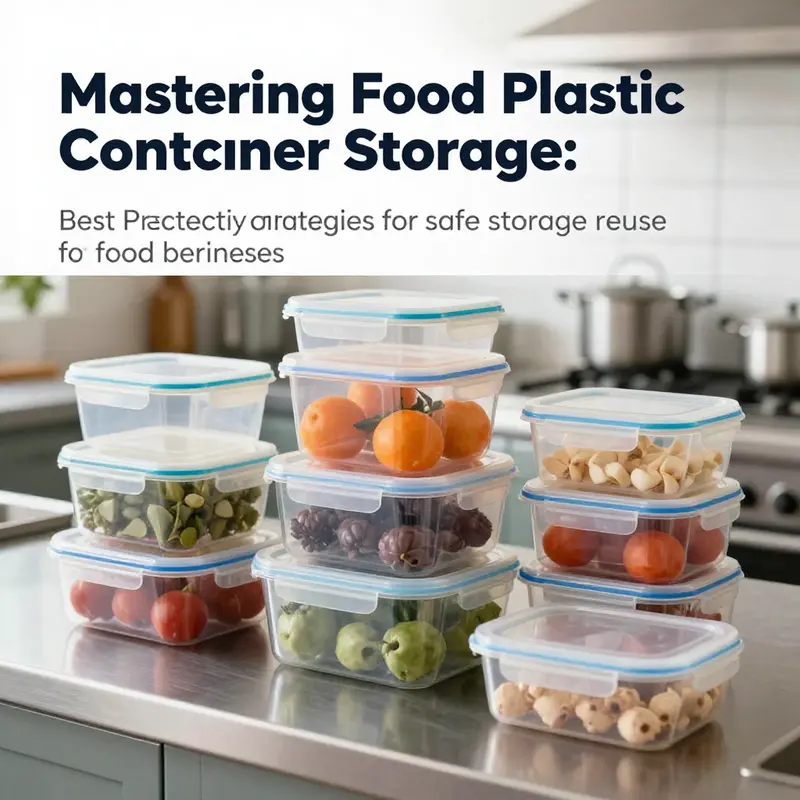
Effective food storage is crucial for any hospitality business aiming to maintain quality and safety. Utilizing plastic containers can enhance organization, freshness, and efficiency in everyday operations, whether in a bubble tea shop, restaurant, or food truck. This article outlines practical storage ideas, emphasizing proper cooling techniques, batch cooking and freezing strategies, pantry organization, and creative container reuse. Dive into each chapter to discover tailored methods that elevate operational success.
Chill to Preserve: Cooling Techniques That Elevate Safe Plastic Food Storage
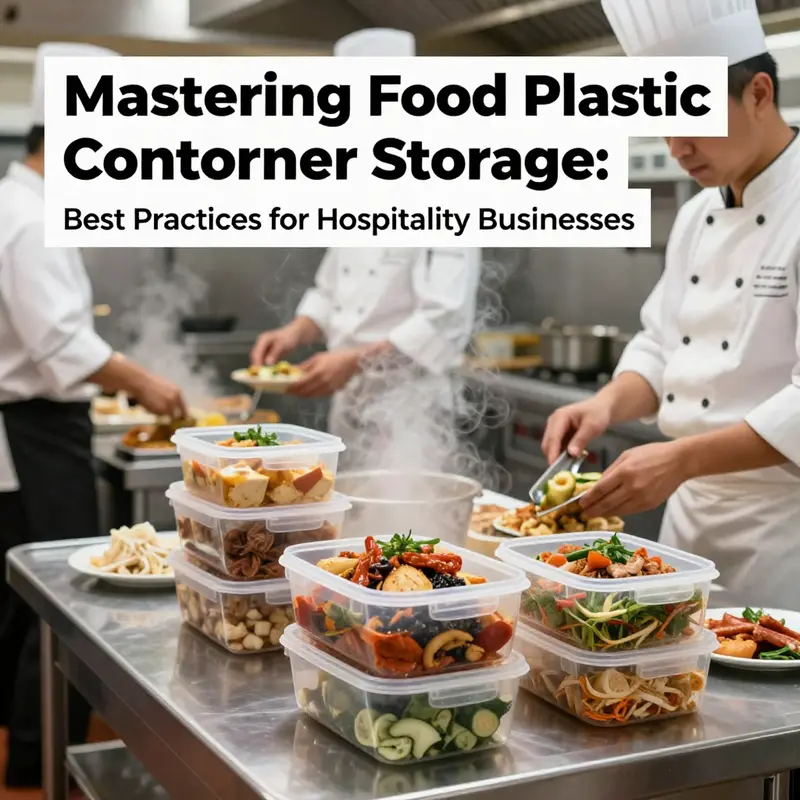
Cooling food properly is more than a routine step; it is the gatekeeper of safety, flavor, and texture when plastic containers are in play. The moment hot or warm food meets a cold environment, condensation can form inside a container, whether or not you can see it. That moisture becomes a hidden ally for bacteria and mold, and it can also loosen seals and dull the container’s performance. The rule to cool food to room temperature within about two hours is not merely a guideline; it is a practical boundary that aligns with microbial growth patterns and with the integrity of the plastic itself. By honoring this boundary, you set the stage for safe refrigeration and more reliable meal planning. When you begin with properly cooled food, you empower every subsequent storage decision—from the choice of container to the way you stack items in the fridge or freezer.
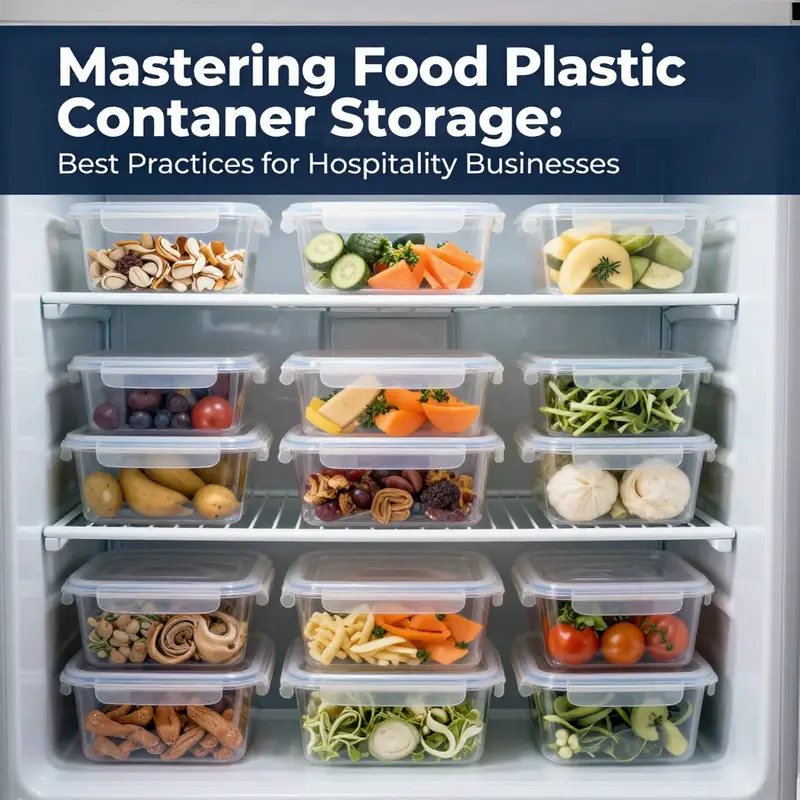
Selecting the right vessels for cold storage is the next essential step. Containers designed specifically for refrigeration and freezing tend to be made from food-grade, BPA-free plastics that can withstand repeated chilling and even the occasional frost. These are not vague, multi-use options; they are purpose-built for cold storage. When you choose, look for terms like refrigerator-safe or freezer-safe and check for durable seals that resist cracking in cold conditions. The goal is to minimize chemical leaching and maintain the integrity of the container during cycles of chill, thaw, and reuse. The right container also supports a clean, organized kitchen workflow. For example, choosing transparent, stackable designs helps you see what you have at a glance and reduces the need to open the fridge door more often than necessary. In practice, this means you can quickly verify whether a pre-cooked meal is ready to reheat, a chopped vegetable mix is still crisp, or a sauce has held its color and texture after freezing. If you’re organizing a batch of meals for the week, you might place each prepped dish in its own labeled, sealed container, storing them in a dedicated section of the fridge so you can rotate through them in order.
The science of cooling also informs how you fill and seal containers. One practical rule is to leave headspace—about 1 to 2 inches for liquids and more for foods that expand when frozen. This headspace accommodates the expansion of liquids as they chill and then freeze, preventing the lid from bulging or cracking and reducing the risk of leaks that could contaminate other foods. Overfilling is a common mistake; it invites uneven cooling and creates pockets where bacteria can take hold. When you pour or scoop soups, stews, or bulk sauces into containers, it’s worth measuring and portioning into multiple smaller portions rather than a single large mass. This approach not only speeds up cooling but also makes portions easier to thaw and reheat evenly later.
Air exposure is another critical factor. Plastic can protect food from odors and moisture loss when the lid seals tightly, yet air can seep in if seals are loose or damaged. A tight seal helps preserve flavor and texture and minimizes the oxidation that can dull the appearance and taste of leftovers. If you notice condensation on the inside of the lid, that is a cue to re-check the seal and to consider transferring to a container with a more robust closure. In addition, keeping containers closed during the cooling phase and during initial refrigeration helps maintain consistent temperatures around each packed item. An orderly fridge—where items are not jammed together and air can circulate—also contributes to a uniform cooling environment. The physics of cold storage favors a calm, organized space: non-interfering airflow around each container supports even temperatures and slows the formation of ice crystals on delicate foods.
Organization and labeling also play a surprising role in safe cooling and storage. When you label each container with the meal name and the date, you create a simple visual cue that supports a first-in, first-out approach. This is more than a convenience; it is a food-safety practice that reduces the chance of letting meals languish past their safe window. In practice, you might place older leftovers behind newer ones, ensuring you reach for the oldest meals first. This approach works particularly well in households with varied cooking schedules or in batch-prep weeks when dozens of small portions fill the fridge and freezer. Clear labeling helps minimize door openings and temperature fluctuations caused by repeated searches for the right container. To streamline the process further, you can choose a set of durable, clear containers that are easy to wipe down, stack neatly, and withstand repeated cycles of washing and drying without losing their shape or sealing ability. For a more cohesive storage system, consider integrating these containers with organizational tools that keep similar items together—leftovers, vegetables, meats, and sauces—so you can quickly locate what you need and return it to a steady, cool environment.
A practical note on housekeeping completes the cooling framework. Always wash containers with warm, soapy water before first use and after meals, and ensure they are completely dry before returning them to storage. Moisture can invite microbial growth even in a refrigerated environment, so dryness is a simple but powerful safeguard. When you re-use containers that previously held other foods, a thorough scrub is essential to remove any residual odors and residues that might alter the taste of future meals. If you ever encounter a container that has a compromised seal, or a crack in the body or lid, replace it promptly. A damaged container can harbor unseen contamination or compromise the protective barrier that keeps foods safe and flavorful during chilling. By combining careful cooling, appropriate container choice, mindful filling practices, and diligent cleaning, you create a robust, reliable system that supports healthier, less wasteful meal storage.
The workflow extends beyond the refrigerator. Freezing is a valuable ally for batch cooking, and it benefits greatly from the headspace and sealing practices described above. When you portion and label meals for freezing, you can preserve texture and flavor for longer periods, and you maintain the ability to thaw quickly and evenly. The recommended timeframes—roughly three to four days in the fridge and up to several months in the freezer for the right items—can be met more reliably when you respect headspace and airtight seals. In this way, the cooling techniques discussed here translate into practical benefits: fewer spoiled leftovers, less guesswork about storage durations, and a more predictable meal rotation that reduces daily decision fatigue.
The idea of reuse deserves a brief, thoughtful note. While your focus is on safe cooling, repurposing clean, empty plastic containers for non-food uses can extend the life of the materials you already own. You might use them to organize seeds, craft supplies, or hardware, and indeed, even to store non-perishable items like birdseed in a cool, dark place. This broader mindset—a careful, responsible approach to plastics—helps minimize waste and aligns with a thoughtful kitchen ethos: storage choices should be guided by safety for what you eat, and practicality for how you live.
All of these considerations—cooling promptly, selecting fridge- and freezer-safe containers, leaving appropriate headspace, ensuring tight seals, organizing for airflow, labeling for FIFO, and maintaining clean, dry containers—form a cohesive chapter in your broader food-storage practice. They connect with the ongoing conversation about how to extend shelf life while preserving the quality of meals prepared in advance and stored for later enjoyment. When you implement these steps consistently, you create a kitchen routine that reduces waste, supports safer consumption, and makes the everyday task of storing meals less burdensome. And as you explore further chapters, you’ll see how these cooling principles dovetail with broader pantry organization, sustainable reuse, and careful assessment of foods that are not suitable for plastic storage, always remembering to favor food-safe, BPA-free materials and, when in doubt, to transfer long-term storage to glass or ceramic vessels.
For readers who want a practical anchor to these ideas, consider a streamlined approach to choosing storage solutions. Prioritize containers that are clearly labeled as refrigerator- and freezer-safe, with robust, easy-to-clean seals. Keep a dedicated section in the fridge for batch-prepped meals, sauces, and soups, and use a consistent labeling system. As you perfect the rhythm of cooling, sealing, and organizing, you will notice less guesswork and more confidence in what you pull from cold storage each day. This is how a thoughtful cooling routine becomes a reliable backbone of your entire storage strategy, reinforcing safe practice while keeping meals vibrant and ready to enjoy.
Internal link note: A practical way to support this approach is to select reliable storage solutions that suit your space and rhythm. See the dedicated range of storage containers here: storage containers. Each container choice can reinforce the cooling discipline described above by offering clear visibility, sturdy lids, and compatible dimensions for your shelves and drawers.
External resource: https://www.fsis.usda.gov/food-safety/safe-food-handling-and-preparation-tips/cooling-food-safely
null
null
From Chaos to Clarity: Organizing Pantry Staples with Safe, Stackable Plastic Containers
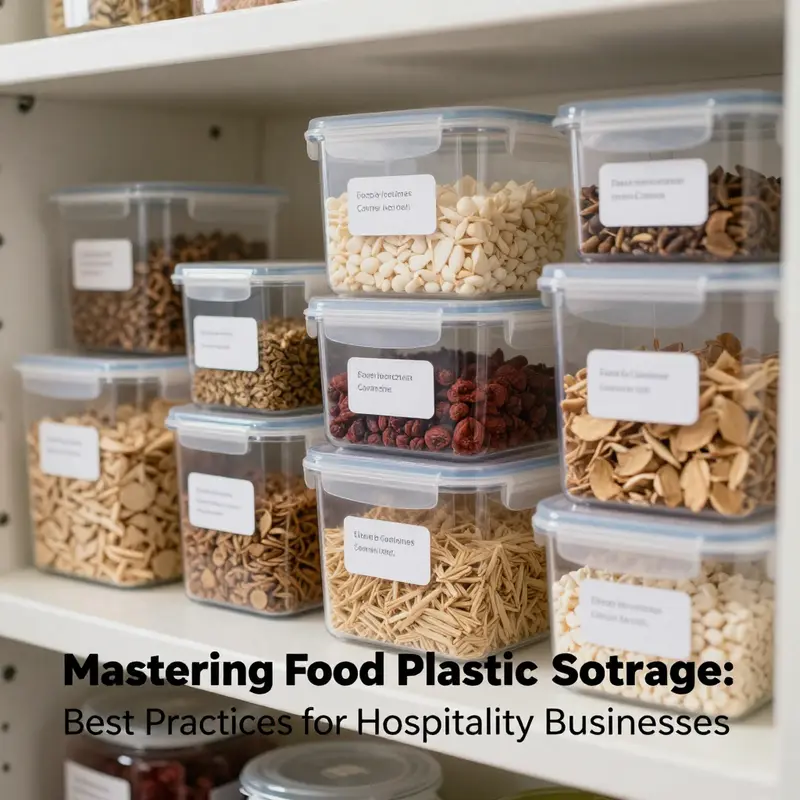
An organized pantry is more than a neat shelf; it is a daily system that saves time, reduces waste, and keeps flavors vibrant. The central idea in this chapter is to translate practical guidelines into a living setup for your kitchen, where dry goods and snacks are not merely stored but orchestrated so you can move through the week with confidence. When you see your staples lined up like coordinates on a map, you navigate cooking with ease, cut down on impulse purchases, and preserve the texture and aroma of every ingredient. The journey begins with a simple choice: the containers you select shape the rhythm of your cooking.
The core recommendation is to choose stackable, airtight, BPA-free, transparent plastic containers. The transparency matters because it allows you to see content at a glance—no more squinting at jars or guessing when you are down to the last handful of rice. Stackability saves shelf space and simplifies stacking or sliding containers into tight cabinets or narrow pantry alcoves. The seal matters for freshness; airtight lids lock out humidity, odors, and pantry pests, while keeping the contents free from the air that accelerates staling. And, crucially, the BPA-free specification is not merely a marketing term. It reduces exposure to certain chemicals and helps preserve flavor and odor integrity over time.
In planning your pantry, start by categorizing foods by type rather than by container size alone. Treat the cabinet like a library: the most frequently used items should be within easy reach, while less-used ingredients can live on higher shelves or in deeper corners. Bake frequently? Reserve a zone for flour, sugar, baking powder, and other baking essentials in mid-sized, airtight canisters. For rice, pasta, and other grains, larger, robust containers with tight seals protect against humidity and pests in kitchens that see frequent opening. For coffee beans or tea, smaller to medium containers help preserve aroma without clutter. And for snacks, nuts, seeds, or dried fruit, mid-sized options that fit neatly into a pull-out drawer or a two-tier rack give you visibility with minimal rummaging.
A practical approach to implementing these ideas is to pair physical arrangement with a simple labeling system. Use clear, durable labels that include content and the purchase or best-by date. This is not merely about aesthetics; it is a strategic defense against waste. When you can identify what you have and how long it remains optimal at a glance, you rotate stock before it loses texture or nutritional value. Clarity reduces the cognitive load of decision-making and helps you avoid duplicate purchases caused by items hiding behind others. The payoff is subtle but real: a calmer, more predictable kitchen where cooking moves smoothly rather than turning into a scavenger hunt.
The details of the solution design matter as much as the mood and routine. A modern pantry benefits from a layered management principle: arrange items in a three-dimensional map of use. The front row contains daily staples—rice, pasta, oats, flour, sugar—placed in containers that are easy to lift. The middle section holds items you reach for weekly—nuts, dried fruits, coffee beans, cereal—aligned with labels facing outward for quick recognition. The back or upper shelves host infrequently needed ingredients or seasonal purchases, stored in larger containers with secure lids to maintain dryness. This stratified layout reduces touch-and-search time, and adding a pull-out drawer or rolling rack makes the pantry a functioning workspace rather than a static closet.
Alongside the arrangement, the choice of containers themselves deserves careful attention. The Chinese-language guidance you provided emphasizes the virtues of stackable, airtight, and BPA-free options, with transparency at the core. These features are not mere preferences; they determine how easily you manage inventory, how well you protect perishables, and how little space you need to accomplish meaningful organization. Transparency is not only about seeing what you have; it is about reducing the cognitive effort required to decide what to cook. When you can read content at a glance, you avoid buying duplicates or letting items hide in the back of the cabinet until they lose their flavor. Airtight seals minimize exposure to air, a key factor in staling and moisture gain that invites pests or odors, particularly when doors are opened frequently during busy mornings or late-night snack runs. BPA-free formulations address health considerations that accumulate with repeated contact, especially with containers used for frequent storage and reuse. The combination of clarity, sealing performance, and safety creates a dependable baseline for any kitchen.
The practical configuration of sizes matters too. Not every dry good needs the same curve of storage. A thoughtful lineup could include a mix of 0.5 to 2-liter containers for powders and grains, plus larger 3–4 liter options for bulk items like rice or flour. The objective is to choose containers that stack neatly without blocking access to others. Avoid rigid layouts that require you to move five containers to reach one. Instead, embrace a modular philosophy: containers that nest lightly when empty and can be reorganized as your pantry evolves with seasonal needs or family size. Labeling becomes the connective tissue of this modular system. Each container’s label should include the content, the storage date, and, if possible, a suggested use-by date based on typical shelf-life for dry goods. The goal is not only safety but discipline; you want a pantry that is predictable, not chaotic.
The research materials also remind us to draw boundaries around when plastic is the right choice. For long-term storage of hot foods or fatty, acidic ingredients, transferring to glass or ceramic containers is prudent. Plastic serves as a productive ally for dry goods and non-perishables, but long-term storage of leftovers, acidic sauces, or raw meats should be steered toward materials that resist reactivity and heat. In practice, this means reserving plastic for the pantry’s workhorses—grains, cereals, legumes, nuts, dried fruit—and leaning on glass or ceramic components for items that interact with acidity or heat. The synergy between pantry discipline and refrigerator practices becomes clear when you let heat-based storage live in its own lane. Let hot foods cool before transferring to plastic, to protect both your food and your container seams. The consequence is fewer compromised containers and fewer concerns about microplastics or flavor transfer.
Batch cooking and freezing fit naturally into this system. When you prepare meals in batches, you want containers that can withstand cold, seal reliably, and resist freezer burn. The ideal configuration includes sturdy containers with airtight lids and, where possible, vacuum-seal capability. Label each container with the meal name and date. While the pantry itself is about dry goods, the same logic—clear labeling, thoughtful sizing, and careful material choice—translates directly to freezer-friendly storage. Frozen meals stored in robust, well-sealed containers can maintain texture and flavor for months, far beyond what you might achieve with improvised bags or loose lids. This is not an invitation to overproduce; it is a strategy to align cooking with life, so you can stock for busy weeks without sacrificing quality.
Another dimension of pantry organization is reusability and adaptability. Reusing containers for non-food tasks is not a failure but a sign that you have built a flexible toolset. Clean takeout containers, if properly sanitized, can serve as seedling starters, craft organizers, or hardware bins. A well-sealed container can even become a birdseed reservoir or a seed-raising unit for indoor herbs. This mindset—seeing containers as multi-use instruments—reduces waste and keeps resources within reach. It also reinforces a broader principle: storage is a dynamic practice, not a one-time purchase. When you wean your kitchen toward reusability and modularity, you create space for new routines, new recipes, and new family members who may have different storage needs.
Every kitchen is unique, and the best system mirrors your habits. If you cook with a partner, you might adopt a shared labeling protocol or color-coded lids to avoid mix-ups. If your space is small, consider a vertical approach: wall-mounted racks, clear bins, and rotating shelves that enable you to maximize every inch. The central truth remains constant: a well-run pantry is a living system built around clear sightlines, reliable seals, and a disciplined labeling ethos. The path to that system is not a single action but a sequence of small, intentional choices that accumulate over weeks. Start with the most-used staples, select a few versatile shapes, and label everything. Prepare for containers to be repurposed as needs shift, and welcome that flexibility as part of the process. With time, your kitchen becomes a calm, organized space where cooking feels like following a well-marked map to the ingredients you need.
If you want to explore further how to implement these principles using a practical shopping framework, consider starting with a category that houses a broad spectrum of storage options. Storage Containers provides a practical starting point to select the right shapes and sizes for your kitchen. The focus here is on ergonomics and durability, helping you choose containers that are efficient and long-lasting.
To widen the context and see how markets reflect these design ideas, external resources on bulk storage options illustrate the breadth of sizes and configurations available. For example, wholesale options that discuss stackable pantry storage containers can be a helpful reference as you plan a larger purchase that supports batch cooking and bulk buying: https://www.alibaba.com/wholesale/pantry-storage-containers-stackable_2.html
From Food Storage to Everyday Innovation: Creative, Safe Reuses for Plastic Containers
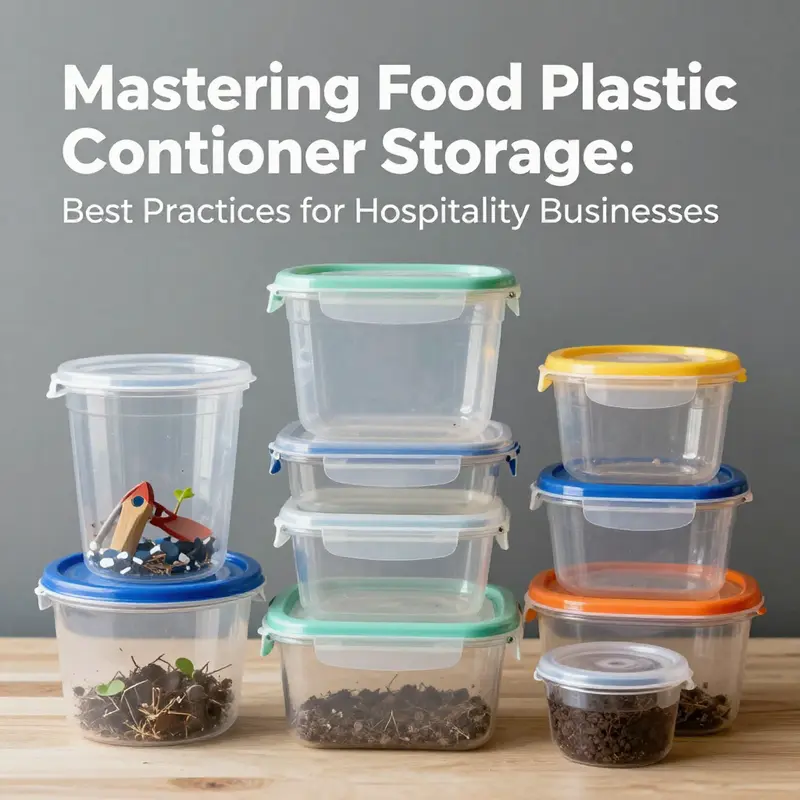
The kitchen has a way of turning the ordinary into the possible. When a lid snaps shut on a clean, empty plastic container, it can feel like the start of a small project rather than a pantry item. In a world where waste and clutter often collide, plastic storage containers can become tools for organization, creativity, and sustainability—if we approach them with care. This chapter isn’t about relegating plastic to the back of a cabinet; it’s about reimagining what a simple tub can do. It’s about honoring the safety guidelines that govern food storage while expanding the container’s potential to organize, nurture, and simplify life around the home. The idea is practical, tangible, and occasionally surprising: a sturdy, reusable object can stretch far beyond its original purpose when we treat it with respect and curiosity.
A foundational truth runs through every reuse project: safety first. Containers labeled as food-safe and BPA-free are designed to minimize risk when they hold meals, sauces, or snacks. Even so, the way we use and repurpose them matters. Thorough cleaning becomes a ritual, especially if a container has carried strong-smelling foods or raw ingredients in the past. If a container shows cracks or warping, it is best retired from any project that touches food. But when such containers have earned a second life for non-food purposes, their durability can shine. A fresh start begins with a careful wash, a visual check, and a plan for the new role the container will play. This mindset fosters both safety and creativity, allowing plastic to contribute meaningfully to daily life without compromising health or quality.
The reimagining process often begins with one simple question: what problem am I trying to solve? It can be as practical as reclaiming space in a crowded cabinet or as playful as creating a kid-friendly learning corner. The answer, once found, tends to illuminate a spectrum of reuse ideas that feel both useful and approachable. Consider craft storage as a gateway. Small, clean plastic containers become perfect vessels for beads, buttons, yarn scraps, or tiny sewing kits. Label the lids so each bin is identifiable at a glance. The moment you set a labeled container into a drawer or a desk, you experience a small but meaningful win: fewer lost pieces, less rummaging, and more time for the creative process to unfold. The discipline of labeling—clear, legible, and durable—transforms a chaotic work surface into a calm, inviting space where ideas can flourish.
Another natural transition is the creation of growing space inside your home. Larger containers, when repurposed as seed starters or planters, invite you to nurture life in corners you might pass by otherwise. Drill drainage holes in the bottom, add a lightweight soil mix, and plant herbs or miniature succulents. Place these makeshift pots on a sunny windowsill and watch how quickly an ordinary object becomes a living reminder of growth and care. This isn’t mere decoration; it’s a practical micro-garden that teaches patience and responsibility. For families with curious children, a small indoor garden becomes a hands-on lesson in biology, responsibility, and the cycles of seasons. The containers, once associated with food preservation, now serve as steady companions in a child’s exploration of nature.
But the utility of plastic containers extends beyond plants and crafting. They can organize a toolbox, a garage, or a workshop with method and ease. Small components such as screws, nails, washers, or even batteries find safer homes when sorted into labeled, airtight containers. The tidy compartments help prevent lost pieces and reduce the mental load of project planning. It is a simple shift, yet its impact is tangible: projects proceed more smoothly, and the workspace becomes less stressful. The key to longevity in this reuse is choosing the right size and seal for each category, ensuring the contents stay clean, dry, and accessible when needed. Keeping the lids tight and the containers off a damp floor prevents rust and degradation, preserving the utility for years to come.
For many households, mealtime and pet care intersect with storage challenges. Large containers can store dry pet food or kibble in a controlled, organized way. Kept on a shelf or under a counter, these containers shield the contents from moisture and pests while preserving freshness. This reuse not only reduces waste but also streamlines daily routines around feeding. It is a practical convenience that rescues seconds in a busy day and offers a sense of order that grows with routine. As with food storage, the principle of keeping materials dry and sealed remains important. If a container has visible wear, consider whether its continued use will compromise the integrity of its contents or the environment in which it sits.
Creativity can also find a home in more whimsical projects. One enduring idea is the transformation of transparent round containers into lamp shades. When fitted with a small LED light and dressed with a soft outer layer, these containers produce a gentle, ambient glow that can warm a bedroom or living area. The effect is not just aesthetic; it’s a reminder that everyday objects can become mood-enhancing accents with a thoughtful curation of light, form, and texture. This particular reuse works best with containers that are clear and sturdy, allowing a diffuse light to pass through while maintaining a clean silhouette. It’s a small project with a surprising payoff, offering both mood and meaning without the cost of bespoke fixtures.
In moments when technical precision matters more than whimsy, an emergency kit organizer presents a practical, life-enhancing reuse. Durable containers can hold first-aid supplies, flashlights, or non-perishable snacks in compact, sealable modules. In a power outage or during travel, the ability to grab a clearly labeled, well-sealed kit can reduce stress and speed up response times. It’s a simple, resilient approach to preparedness that scales with family size and travel plans. The same logic applies to a more everyday travel use: repurposed containers serve as compact toiletry cases, storing travel-sized essentials with the same compact efficiency that made them ideal for food. Cleanliness, label clarity, and secure lids transform a potential clutter point into a dependable travel aid.
The circle closes with a reminder that not every reuse is appropriate for every context. Some foods and situations demand caution. High-fat or highly acidic contents can interact with certain plastics, gradually weakening the container and elevating safety concerns over time. Hot liquids and high temperatures can also compromise the material. The guidance remains consistent: reserve plastic containers for uses aligned with their materials, and pivot to glass or ceramic when long-term storage of sensitive items is necessary. When unsure, transfer contents to a different vessel with a safer profile. This mindset—balanced, pragmatic, and flexible—keeps the benefits of reuse without inviting risk. It also preserves the value of the initial choice: plastic containers can be durable, versatile, and economical when employed thoughtfully.
As you plan new projects, the idea of controlled storage becomes the through line. A well-stocked kitchen that also doubles as a creative workspace thrives on clear organization. Use a single, cohesive approach to labeling and placement: designate a prep zone where craft and kitchen storage intersect, with a system that makes sense to everyone in the household. A compact stack of labeled containers on a high shelf can become a ready-made toolkit for weekly meal prep, seed starting, or quick repair tasks. The goal is not to force plastic into every niche of life but to align its use with your routines—to turn an everyday object into a versatile ally. In doing so, you acknowledge how small habits—washing, labeling, and choosing the right container for the right task—compound into meaningful improvements over time.
For those seeking broader inspiration beyond the day-to-day, the online world offers countless ideas and examples of creative reuse. Real-life demonstrations and community-powered solutions can spark fresh perspectives on how to adapt containers to new roles. The path to creativity often starts with a single container, a mark of purpose, and a moment of curiosity about what could come next. And while imagination is essential, it remains anchored to practical steps: clean thoroughly, avoid damage-prone reuse when the container is compromised, and select alternatives like glass or ceramic when long-term food storage is necessary. By weaving together safety, practicality, and imagination, plastic containers can contribute to a more organized, more thoughtful home life without becoming wasteful or cluttered. The result is less chaos in the kitchen and more space for the things that truly matter.
If you’re looking for additional, shareable ideas that echo this approach, consider exploring the vast pool of user-generated inspiration online. It’s not about copying a trend but about harvesting viable, proven practices that suit your space, materials, and schedule. A well-chosen reuse project can spark a cascade of organizational wins, from a neater pantry to a calmer craft corner to a resilient, adaptable home environment. The practical core remains the same: treat each container with respect, repurpose with care, and keep safety at the center of every decision. In doing so, you join a broader movement toward mindful consumption, where the value of a simple plastic tub endures through thoughtful use rather than becoming waste.
Internal link for further guidance: some readers may want to explore the broader catalog of storage solutions that can complement these ideas. Learn more about organized storage options at the following resource: storage containers.
External reference for further inspiration and visual ideas: https://www.pinterest.com/search/pins/?q=creative%20ways%20to%20reuse%20plastic%20food%20containers
Final thoughts
Mastering the use of food plastic containers can significantly improve operational efficiency in hospitality settings. By employing proper cooling techniques, batch cooking strategies, organized pantry practices, and creative reuse methods, businesses can ensure food safety while enhancing productivity. Embrace these strategies to not only safeguard your food quality but also streamline your operational practices for a more efficient service.