
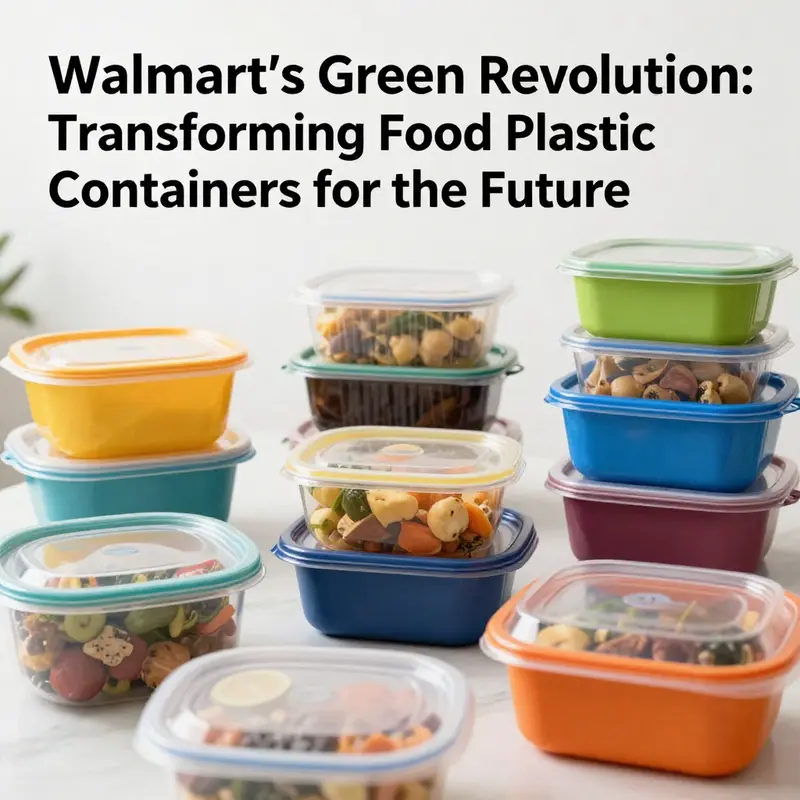
As the food industry continues to evolve, Walmart stands at the forefront of sustainable practices, actively integrating reusable plastic containers (RPCs) into its supply chain. This innovative approach not only reflects Walmart’s commitment to reducing waste but also enhances operational efficiency for vendors. In this exploration, we’ll delve into Walmart’s strategic initiatives regarding food plastic containers, examine consumer preferences and trends, assess the environmental impact of these products, and look toward future developments. Each chapter will illuminate the interconnectedness of these themes, providing a comprehensive understanding of how Walmart is reshaping the landscape for bubble tea shops, restaurants, food trucks, and beyond.
Reinventing Reuse: Walmart’s Bold Blueprint for Food Plastic Containers and the Path Toward Safer, Smarter Packaging
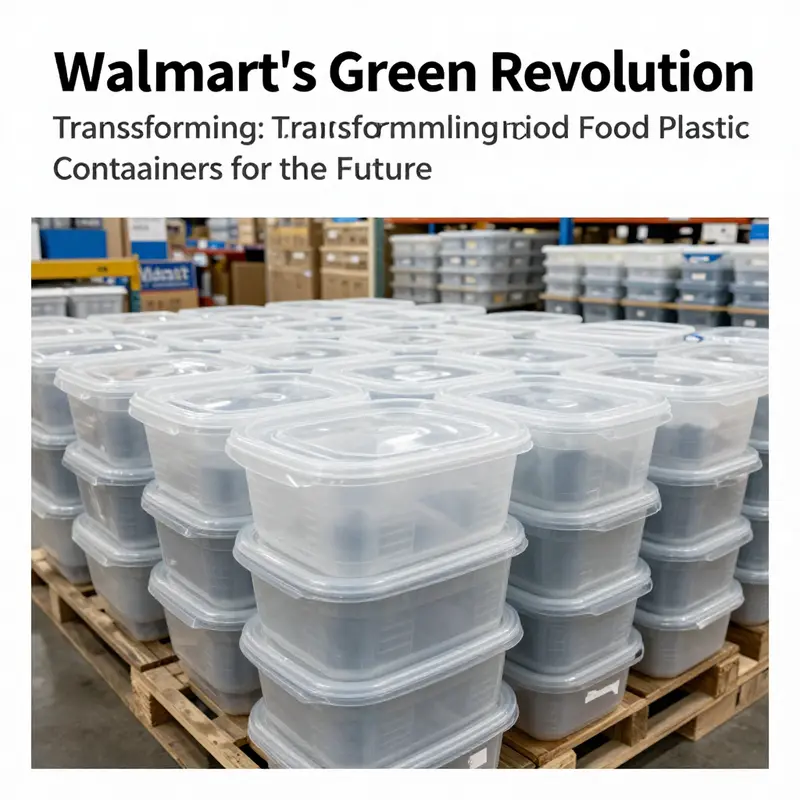
Walmart stands at a pivotal intersection of scale, sustainability, and operational discipline when it comes to food packaging. The company’s strategic push toward reusable plastic containers (RPCs) is not a cosmetic gloss on an age-old system; it is a purposeful reengineering of how packaging, logistics, and consumer expectations intersect. In practice, the RPC initiative has moved well beyond a pilot phase and into broad-based deployment across multiple food categories, including produce, fruits, vegetables, meat, and eggs. Vendor partners reported that more than 270 million RPCs were reused across these categories in 2024 alone. That figure embodies more than a reduced plastic footprint; it signals a capability to streamline flow, reduce waste, and stabilize costs in a way that single-use packaging simply cannot. The logic behind this shift is straightforward in its practical terms: RPCs can be cleaned, inspected, and cycled through the supply chain multiple times, enabling a consistent standard of material use while supporting better inventory visibility and more predictable handling costs. This is not only about what ends up on the shelf, but about what happens behind the scenes—from the loading docks to the returns stream, and back again into a productive loop that sustains product integrity and consumer trust.
To understand Walmart’s approach, it is useful to connect the dots between the company’s stated goals and the observable changes in packaging practice. The company has set ambitious targets, particularly around private-brand product packaging. A key objective is to achieve 17% post-consumer recycled content (PCR) in private-brand packaging globally by 2025, alongside a plan to reduce the virgin plastic footprint by 15% versus a defined baseline. These targets are not cosmetic mileage markers; they are tied to how suppliers design, manufacture, and deploy RPCs and other reusable packaging structures. The emphasis on PCR in private-brand packaging reflects a deliberate strategy to decouple growth from virgin plastic demand, a move that also positions Walmart to influence upstream material choices through its supplier relationships. In practical terms, this means that RPCs are not a one-off experiment but a core element of a broader packaging resilience plan. They are used across various product families, with the aim of shifting from disposable norms to durable, reusable systems that can be rotated, cleaned, and retasked with minimal loss in performance or safety.
The tangible outcomes of this strategy, when measured against the traditional packaging lifecycle, reveal meaningful progress. Packaging improvements and process refinements have already prevented more than 1.1 million pounds of plastic from entering the waste stream. That number, while it may seem modest against the vast scale of global plastic production, represents a proof of concept that a well-orchestrated RPC program can deliver both environmental benefits and financial returns. It demonstrates how a large retailer can align supplier incentives with waste-diversion goals while maintaining, or even improving, product protection and shelf-life. The RPC model supports improved traceability and fewer touches for certain packaging components, which in turn reduces damage rates and returns, reinforcing the case for a more circular packaging economy in mainstream retail.
The broader market context for plastic food containers helps illuminate why Walmart’s strategy matters beyond its own walls. A 2026 market analysis estimates the global plastic food containers market at about USD 37.01 billion in 2024, with projections toward USD 51.6 billion by 2034. Plastic remains dominant, with a projected 48.9% market share in 2026, driven by its low cost, durability, and versatility. The growth trajectory reflects both consumer demand for convenience and the ongoing needs of retailers and food-service operators who require reliable, scalable packaging solutions. Yet the same market dynamics amplify concerns about waste and the health implications of packaging materials, especially when heating and repeated use come into play. The shift to RPCs can dampen the appetite for single-use plastics and, crucially, can improve the predictability of end-of-life handling. At the same time, the volume growth in plastic packaging underscores the need for tighter safety, material optimization, and more sophisticated recycling infrastructures so that the sustainability gains are not offset by unintended consequences down the line.
This is where Walmart’s strategy intersects with concerns about health and safety, a conversation that has grown louder as more people examine what happens to packaging material during heating, aging, and repeated use. A 2024 study published in Environmental Health Perspectives found that nearly 70% of commonly used plastic food containers released detectable levels of endocrine-disrupting chemicals—such as BPA, BPS, and phthalates—when heated in microwaves, even if labeled “microwave-safe.” While regulatory bodies like the FDA have argued that leaching under intended use is minimal, the study underscores the complexity of real-world usage. Most households heat in ways that can alter migration patterns—for example, using oily or acidic foods, heating containers beyond recommended times, or using containers that have aged or become scratched. In such contexts, the risk is not fixed to a single use but accumulates over repeated cycles, aging, and misuse. Against this backdrop, Walmart’s RPC program is, in part, a response to the consumer demand for safer, more durable packaging while maintaining the convenience and efficiency that underpin modern grocery retail.
Walmart’s private-brand packaging strategy speaks to a broader ambition: to advance safer, more transparent packaging across the lifecycle. This includes promoting consumer-friendly recycling labels and improving the accuracy of what happens when packaging is discarded. The company’s approach to labeling, design for recycling, and material selection all feed into a more coherent narrative about what packaging should do—protect product quality, enable efficient logistics, and minimize hazardous exposures—across the many settings in which food is stored, prepared, and consumed. In practice, these moves require a delicate balance between material performance, cost, and safety. RPCs must withstand the rigors of reception, storage, transport, and sanitary processing while withstanding repeated cleansing cycles without degrading. They must also be designed in ways that make end-of-life recycling and remanufacturing feasible for a broad base of suppliers and retailers. When these conditions are met, the net effect is a packaging system that is easier to reuse, easier to clean, and easier to recycle—creating a virtuous loop that ties together cost efficiency, environmental stewardship, and consumer confidence.
In keeping with the practical realities of retail logistics, Walmart’s packaging strategy also recognizes the operational leverage that RPCs can deliver. The reuse model reduces the need for constant reordering of disposable packaging, mitigates some of the variability that comes with supply chain disruptions, and provides a more stable material stream for cleaning and inspection processes. This is not a purely environmental story; it is a story about resilience and predictability. The RPC framework helps standardize container dimensions, loading patterns, and handling techniques across suppliers, distribution centers, and stores. In a system where timing and accuracy are critical—where a million things can hinge on a single pallet’s arrival at the right moment—having a robust, reusable packaging loop can translate into fewer out-of-stocks, lower waste-related costs, and a more straightforward path to compliance with evolving packaging regulations.
The path forward for Walmart’s RPC program will inevitably involve continuous refinement. The company’s public-facing sustainability reporting highlights the importance of expanding post-consumer recycled content while further reducing virgin plastic use. This implies ongoing collaboration with suppliers to redesign packaging architectures so that RPCs can accommodate higher PCR loads without compromising durability or safety. It also suggests an ongoing emphasis on measurement and standardization: tracking reuse rates, cleaning efficacy, container integrity, and recovery rates at end-of-life stages, all while monitoring any potential health concerns associated with container materials over multiple cycles. Such diligence is essential, given the real-world conditions that challenge any reusable packaging system. Heat, oils, acids, and the passage of time can all influence how materials migrate from plastic into food—and each variable interacts with the others in ways that require rigorous testing and clear consumer guidance. In this sense, Walmart’s strategy is as much about risk management and policy alignment as it is about material science and logistics.
From a consumer-facing perspective, the RPC program also speaks to a broader cultural shift toward safer, more accountable packaging ecosystems. Consumers increasingly demand transparency about how packaging is made, how it is reused, and what happens to it at the end of its life. In response, Walmart has pursued not only material improvements but also clearer labeling, easier recycling pathways, and a more coherent story about the environmental and health implications of packaging choices. This alignment between product design, waste prevention, and consumer education is vital if the gains from reusable systems are to persist as markets evolve and regulatory landscapes tighten. The nuance here is that recyclable and reusable materials must be used thoughtfully; the goal is not simply to reduce plastic in the abstract but to optimize a system in which every container can be reused multiple times, recovered at end of life in a responsible manner, and replaced by new RPCs that meet evolving safety and performance standards.
The question, then, becomes not only whether RPCs can work at the scale Walmart requires, but how to ensure that the safety assurances align with real-world use. The health considerations highlighted by the Environmental Health Perspectives study remind us that the story of plastic in food packaging is not a one-way narrative of progress; it is a complex, data-driven dialogue about how materials behave under diverse conditions. For consumers, this translates into practical guidance about using RPCs: avoiding heating in containers not rated for high-heat conditions, replacing aging containers that show signs of wear, and being mindful of how continuing to reuse can alter material properties over time. For retailers and suppliers, it means designing RPCs that are resistant to repeated heating, abrasion, and chemical exposure, while implementing robust sanitation protocols and reliable return and redeployment streams. In a mature RPC ecosystem, safety, performance, and circularity reinforce one another rather than compete for limited resources or attention.
The strategic tension Walmart faces—and the opportunity that comes with it—rests on balancing scale, safety, and sustainability in a marketplace that rewards both price and responsibility. The company’s 17% PCR target and 15% virgin plastic reduction are ambitious, but they reflect an ambition that matches the scale of Walmart’s operations. Achieving these goals requires ongoing collaboration with suppliers to redesign packaging architectures, standardize RPC sizes and handling procedures, and invest in the cleaning and inspection capabilities that ensure every reused container meets stringent quality criteria. It also means advancing consumer education and labeling so shoppers understand when and how to reuse containers safely, and what steps to take if a container shows signs of wear. The overall effect is a packaging ecosystem that is more predictable, less wasteful, and better aligned with a cautious but hopeful public health outlook.
In sum, Walmart’s strategy for food plastic containers is neither a mere compliance exercise nor a single initiative but a holistic program that weaves together supply chain discipline, material science, and consumer trust. The RPC framework helps to capture economies of scale, reduce waste, and improve logistics efficiency, while the health and safety considerations push the conversation toward safer materials, clearer guidance, and stronger testing regimes. The chapter’s evidence of measurable impact—hundreds of millions of RPCs in circulation and over a million pounds of plastic diverted from waste streams—demonstrates that a large retailer can move the needle on packaging sustainability without compromising product quality or affordability. More importantly, the strategy signals a broader industry shift: that durable, reusable systems, paired with transparent labeling and strong end-of-life stewardship, can reshape how food packaging is designed, used, and recovered. As supply chains continue to evolve and as consumer awareness deepens, Walmart’s experience with RPCs offers a practical blueprint for other retailers seeking to balance the demands of scale with the imperatives of health, safety, and environmental responsibility. The journey ahead will require continued investment in materials research, supplier collaboration, and robust policy development to ensure that both single-use and reusable packaging meet evolving standards under diverse usage scenarios. The result could be a more circular, safer, and resilient packaging future for food—a future in which what we put into circulation serves not only business goals but the well-being of people and the planet.
For readers who want to explore more about the practical packaging shifts at play, a related category we frequently reference is storage containers, which encapsulates a wide range of reusable options and their role in household and retail ecosystems. See the collection here: storage containers.
External resources for further context on health and safety considerations in plastic packaging and microwaving practices can be found here: https://www.ehponline.org/
From Pantry to Policy: How Walmart’s Food Plastic Containers Shape Convenience, Trust, and Sustainability
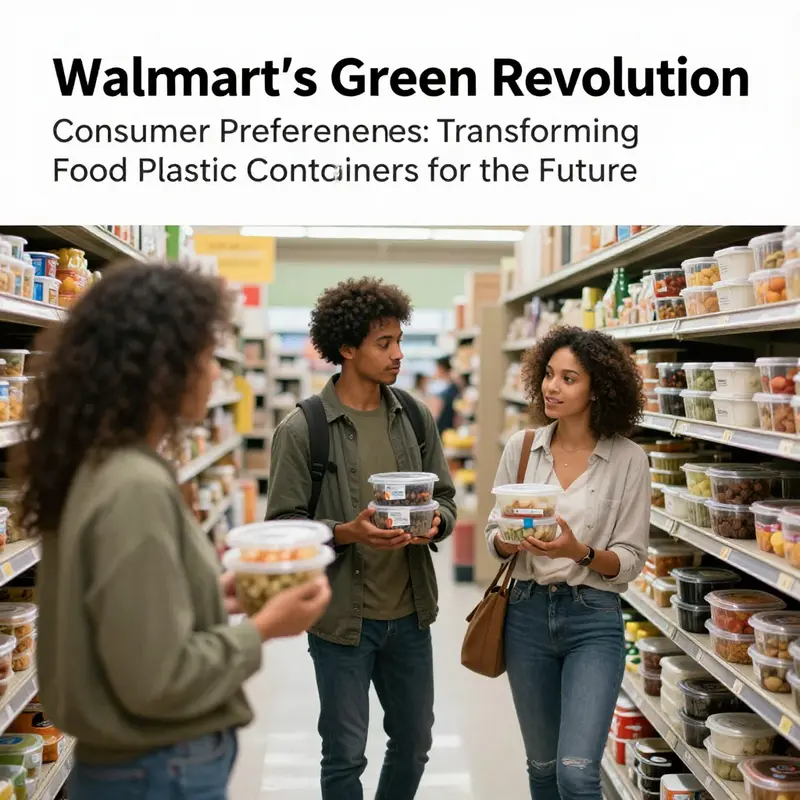
The aisle is not just a corridor of products; it is a reflection of how households organize time, appetite, and responsibility. In Walmart’s world, the everyday act of storing a meal, reheating leftovers, or packing a lunch becomes a seamless choreography of durability, accessibility, and environmental consideration. Consumer preferences in food plastic containers at Walmart are not merely about lids and bases. They are about how container systems align with busy schedules, urban living, and a growing demand for products that perform reliably across multiple uses. As the world leans toward reusable plastic containers (RPCs) within supply chains, Walmart’s approach illuminates a broader shift in retail—one that treats packaging not as a disposable layer but as an extension of the consumer’s daily routine and a lever for sustainability. The result is a market dynamic where convenience and responsibility are increasingly entwined, and where the shape of a shopper’s cart can carry signals about future behaviors, not just present needs.
The consumer’s search for simplicity often translates into selecting containers that are lightweight, robust, and versatile. In Walmart’s assortment, airtight models stand out because their core value proposition—preserving freshness, preventing spills, and enabling precise portioning—speaks directly to how modern households manage meals. The allure of airtight designs is reinforced by market forecasts indicating that airtight containers are poised to capture a substantial slice of the global storage container market, roughly 43.8% by 2026. This statistic is more than a number; it is a reflection of how people judge value. Freshness, a well-sealed seal, and the ability to reduce waste by reclaiming the contents of yesterday’s lunch become practical, daily reasons to choose one product over another. Walmart amplifies this preference by featuring a broad spectrum of airtight options across price points and brands, recognizing that different households prioritize different trade-offs between cost, durability, and capacity.
But convenience does not stand alone. Durability matters because it translates to fewer replacements, fewer trips to the store, and less waste over time. In urban and suburban settings alike, families juggle school and work, social commitments, and cooking aspirations that often collide with time pressures. Containers that survive the daily routine—being opened and closed repeatedly, being carried in backpacks or bags, and being cleaned in various dishwasher or hand-wash routines—tend to become trusted parts of a household’s system. Walmart’s emphasis on sturdy, reusable plastics aligns with a widespread consumer sentiment: investing in a durable container today reduces the total cost of ownership and environmental impact across a cycle of meals and leftovers. The marketplace recognizes that the value of a container is not only its current price tag but its lifecycle performance—the number of times it can be reused, the ease with which it can be cleaned, and how seamlessly it integrates with meal-prep rituals.
The push toward reusable and durable packaging sits alongside an active conversation about safety and health. Real-world usage of plastic in food contact diverges from controlled laboratory conditions. While global regulators maintain that leaching under intended use is limited, studies over the past decade have highlighted how real-world scenarios—heating in microwaves, aging containers, and the presence of oily or acidic foods—can alter migration patterns of chemicals such as BPA, BPS, and various phthalates. The 2024 Environmental Health Perspectives study cited in the broader research context notes that a substantial share of commonly used plastic food containers released detectable levels of endocrine-disrupting chemicals when heated, even if the containers were labeled microwave-safe. This recognition does not merely raise a red flag; it reframes consumer expectations around safety, durability, and the circumstances under which plastics are deemed appropriate for heating versus chilling, storage, or cold use. In response, Walmart’s merchandising and product development strategies weave safety considerations into the purchasing journey by strengthening visibility around material choices, emphasizing BPA-free or alternative polymer formulations, and offering options that are explicitly designed for cold storage or reheating guidelines that minimize risk.
The consumer is not passively accepting risk; they are actively seeking clarity and reassurance. This is where public policy dialogue, corporate ESG priorities, and product labeling converge in Walmart’s ecosystem. Walmart’s FY2025 ESG report underscores that consumer demand—driven by cost, convenience, and environmental impact—continues to shape product selection and innovation. The company is not simply adding more plastic containers to the shelf; it is calibrating its assortment to emphasize reusable or recyclable packaging where possible, while preserving the functional advantages plastic provides in terms of light weight, clarity, and resilience. The balancing act is delicate. On one side, plastic’s advantages in protecting food, supporting portion control, and enabling a long shelf life remain compelling for both retailers and households. On the other, there is a compulsion to pursue materials and designs that minimize downstream waste and potential health concerns, without sacrificing the performance that keeps foods safe and accessible. In this tension, Walmart’s strategy appears to lean toward a hybrid approach: maintain a broad, affordable range of traditional plastic storage options for everyday use and simultaneously promote reusable systems that can be cycled through multiple meals and generations of usage.
Branding choices reflect a parallel evolution in how shoppers evaluate value. A mix of private-label and well-known third-party brands populates Walmart’s shelves, allowing customers to balance trust, performance, and price. The private-label tier—often positioned as a value-driven, reliable option—appeals to households seeking consistent performance at a lower cost, a consideration that is particularly salient in budget-conscious contexts or in markets with high price sensitivity. At the same time, branded options carry an aura of reliability and familiarity that some consumers associate with long-term durability and faster replacement in the event of wear or damage. Walmart’s curation—strategically offering both private-label and branded products—reflects an understanding that trust is earned in different languages across different consumer segments. For some, a trusted brand name guarantees a predictable experience; for others, a lower price point and a straightforward warranty are decisive. This dual-path approach harmonizes with a broader consumer trend toward choice and transparency, enabling shoppers to align packaging with personal priorities and household routines.
A critical layer in this narrative is the shift toward reusable systems—an evolution in which Walmart’s supply chain plays a pivotal role. RPCs are not simply containers used by customers; they are components of a circular economy strategy within the retailer’s network. In Walmart’s system, RPCs are cycled through vendor partners and store operations, enabling a reduction in single-use packaging waste and offering a model for how scale can transform environmental outcomes. The tangible benefits extend beyond waste reduction. RPCs contribute to improved inventory management by enabling more predictable lifecycles and reducing the variability that often accompanies disposable packaging. The logistics advantages—fewer packaging units to handle, lower disposal costs, and more predictable replenishment cycles—are especially pronounced for categories with high turnover, such as produce, fruits, vegetables, meat, and eggs. In practice, this means Walmart can optimize space, streamline reverse logistics, and negotiate better terms with suppliers who are encouraged to invest in RPC systems that last across many cycles. The result is a procurement ecosystem where sustainability and efficiency reinforce each other, advancing a core objective of both cost containment and environmental stewardship.
For shoppers, the practical implications of this RPC-centric approach manifest in several everyday choices. Meal prep becomes a more seamless activity when containers are designed for modular stacking, easy identification of contents, and secure closures that resist leaks during transport or microwaving in uncertain conditions. The popularity of airtight designs within the aisle is not a mere stylistic trend; it reflects a practical response to the way modern households assemble meals, plan portions, and manage leftovers. Shoppers who prepare meals in advance or who rely on grab-and-go options appreciate these features because they reduce the risk of spoilage and spillage, support organized storage in refrigerators and freezers, and simplify the process of reheating without compromising texture or flavor. The pattern is reinforced by the online shopping experience Walmart provides. Real-time access to product availability and updated reviews helps consumers compare options for airtightness, durability, and compatibility with dishwashers or microwaves. The online store becomes a trusted extension of the in-store experience, guiding a decision process that blends practical needs with sustainability goals.
The consumer’s evolving expectations also shape Walmart’s approach to sustainability messaging and product development. The ESG focus highlights how consumer demand for cost, convenience, and environmental accountability drives Walmart to iterate on packaging strategies that do not sacrifice function. The company’s packaging and product lines are increasingly designed to emphasize recyclable materials, recyclable containers, and the promotion of reusable alternatives, where feasible within the performance constraints of different food categories. This does not imply that plastic is being phased out in the near term; rather, it signals a more deliberate use of plastic that prioritizes reuse, durability, and end-of-life options. The broader industry trend, as tracked by industry players such as Husky Injection Molding Systems, corroborates the shift in consumer values—from simply wanting a container that works to demanding a container that contributes to a responsible lifecycle. Walmart’s product assortment mirrors this shift, presenting shoppers with choices that can fit into a daily routine while aligning with a longer-term vision of sustainability.
A nuanced facet of consumer behavior unfolds in the way shoppers perceive brand and quality signals. Branded products often carry a perception of reliability, prompting many households to lean on trusted brands for critical storage tasks, such as foods that require tight seals or long-term freshness. Private-label offerings, meanwhile, appeal to budget-conscious consumers who want dependable performance without a premium price. Walmart’s dual-brand strategy supports both motivations, enabling a broad reach across income levels and household types. Then there is the social dimension—how customers describe their experiences and how those narratives shape repeat purchases. Consumers share tips about stacking configurations, the best ways to clean particular materials, and recommendations for everyday usage that preserve the container’s integrity. This social exchange, amplified by Walmart’s online ecosystem and user-generated content, helps new buyers calibrate expectations and reduces uncertainty when trying new storage solutions.
In this context, the online shopping channel becomes more than a convenience; it becomes a laboratory for testing preferences. Walmart’s digital storefront, with its expansive range of storage containers, invites customers to compare features, read reviews, and observe how real-world performance translates into everyday outcomes. For shoppers navigating the aisle of options, the storage containers category—encompassing a spectrum of RPCs and traditional plastic solutions—functions as a curated Swiss army knife for meals and leftovers. It is within this digital space that the interplay between durability, safety, and sustainability becomes tangible. A shopper may weigh the trade-offs between a lighter, more affordable set that handles standard leftovers and a heavier, possibly more corrosion-resistant design intended for longer storage cycles or for frequent reheating. The decision is guided by a personal schedule, household size, cooking ambition, and a belief about how daily choices add up to broader environmental impact.
Full circles emerge when considering the lifecycle of a container. After a product’s useful life at home, RPC systems enable accessories and containers to return to a distribution network for cleaning, refurbishment, or reintroduction into the supply chain. This circular logic, supported by supplier partnerships and store operations, reduces waste and supports cost efficiency—benefits that appeal to both the retailer and the consumer. The consumer’s role, in turn, is influenced by the availability of reusable options; as more households commit to cycles of reuse, Walmart’s RPC infrastructure becomes increasingly self-reinforcing. The expectation is not merely plastic on the shelf; it is a robust, enduring system that aligns the rhythm of daily life with a more conscious resource footprint. The narrative at Walmart is, in essence, a story of how ordinary routines—planning meals, packing lunches, and refrigerating leftovers—can evolve into practices that accumulate meaningful environmental dividends when supported by thoughtful product design and scalable logistics.
For readers seeking practical guidance in this evolving landscape, the implicit takeaway is clear: to make informed choices, look for clarity around material composition, intended use (cold storage versus heating), and the container’s lifecycle footprint. The aisle is telling a story about how households value simplicity, reliability, and responsibility in equal measure. The presence of a broad array of airtight, durable options signals a consumer-ready path toward more sustainable everyday practices, made possible by corporate strategies that recognize the value of RPCs within a large-scale retail framework. As shoppers increasingly associate packaging with both personal convenience and global stewardship, Walmart’s approach—balancing private-label affordability, trusted brands, and a strong emphasis on reusable and recyclable packaging—appears well aligned with the trajectory of consumer expectations. The future of food storage in mass-market retail is, in effect, a continuous negotiation among price, performance, safety, and planet-friendly outcomes, conducted at the scale of the modern supermarket.
Internal link to explore options: shoppers and retailers alike can browse the broader assortment of storage options in Walmart’s ecosystem, including a wide range of reusable and disposable storage solutions at the storage containers category. storage containers category.
External resource for further context on safety and heating plastics: for readers seeking perspectives on safety considerations related to heating plastics and potential chemical migration, see FDA guidance on packaging and food-contact substances. https://www.fda.gov/food/packaging-food-contact-substances-fcns
From Aisle to Atmosphere: Tracing the Environmental Footprint of a Major Retailer’s Food Plastic Containers
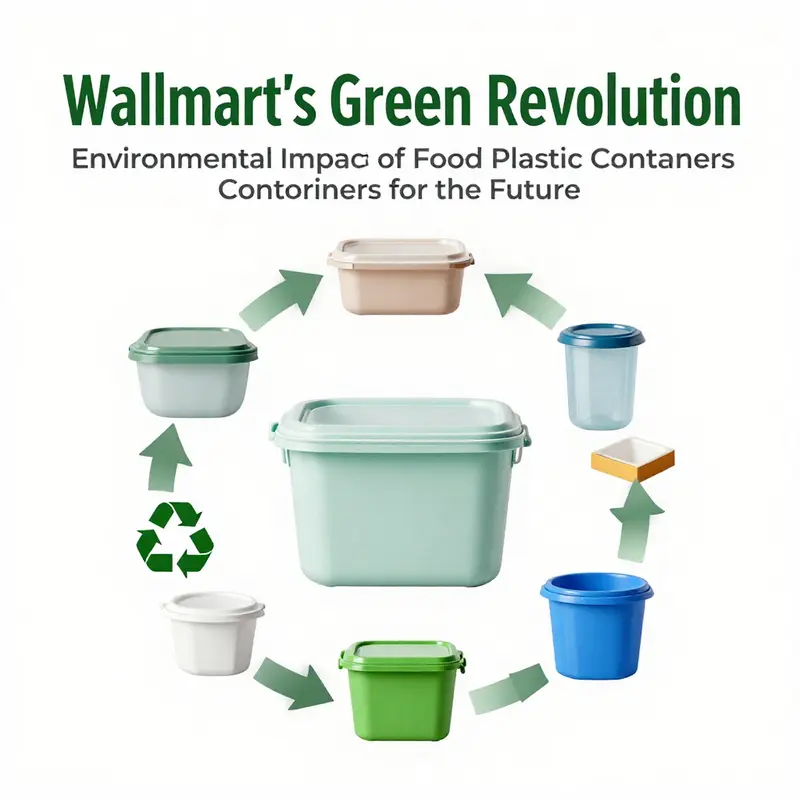
The grocery aisle is one of the most efficient delivery systems humans have devised, a corridor of choice that moves goods from farm to table with remarkable speed. Yet behind the familiar glossy labels and the palpable convenience lies an environmental footprint that stretches from the factory floor to the recycling bin, and beyond. This chapter follows that footprint through the lens of a mass-market retailer’s food packaging ecosystem, where reusable and disposable plastics alike shape resource use, waste streams, and the broader balance between progress and stewardship. It is a story of scale, material choices, and the imperfect choreography between industry ambition, consumer habits, and the rules that govern them.
At the heart of contemporary packaging strategy is a tension between minimizing disposable waste and ensuring safety, affordability, and practical logistics. The retailer in question has embraced reusable plastic containers (RPCs) as a strategic lever for waste reduction and supply-chain efficiency. In 2024, vendor partners reported that over 270 million RPCs were reused across categories such as produce, fruits, vegetables, meat, and eggs. That figure is more than a statistic; it is a living signal of organized systems designed to close loops that previously discharged vast quantities of single-use plastic into the waste stream. The RPC model promises a double dividend: less plastic consumption and smoother product flow, because reusable containers can travel through multiple cycles, reducing the need for rapidly manufactured disposables and the environmental costs embedded in their production, transport, and end-of-life handling. It is a testament to how scale can drive innovation in the name of efficiency, but it also anchors a broader conversation about the life cycle of plastic packaging and the real-world consequences of the choices made along the way.
The environmental footprint of these containers starts long before a single item reaches a consumer. Most widely used packaging for food products relies on plastics such as polypropylene (PP) and polystyrene (PS). The choice of material has direct implications for energy use, greenhouse gas emissions, and resource depletion. PP, known for its durability and heat resistance, and PS, recognized for its light weight and rigidity, are both petroleum-based polymers. Their production consumes fossil fuels, requiring substantial energy inputs and emitting greenhouse gases at multiple points in the manufacturing chain. The calculation does not end at the factory gates; it extends into transportation, plastic conversion, and the ongoing maintenance of any reusable system. For RPCs, the lifecycle extends further into cleaning, sanitizing, and return logistics, all of which require energy, water, and processing facilities. In principle, a well-managed RPC program can lower the aggregate environmental burden relative to repeatedly producing new disposable containers. In practice, the gains depend on how often the RPC cycles, how efficiently cleaning systems operate, and how long containers remain in service before retirement.
Recycling emerges as a critical pivot in this narrative, and it is the domain where the ideal blueprint often collides with practical realities. Even when containers carry recycling codes or are marketed as recyclable, food residues complicate the process. Recycling facilities grapple with contamination—bits of food left inside containers, oils, sauces, and labels that stubbornly cling to plastic. In municipal streams, this contamination undermines sorting efficiency and reduces the quality of the recovered material. The result is a set of recycling outcomes that are uneven at best and disheartening at worst for a system that relies on consumer participation to close the loop. The environmental benefits of recycling can be blunted when the end-of-life stage becomes a bottleneck, or when the recovered material cannot be fed back into the same product streams due to contamination or downgraded quality. In short, the best intentions of “recyclable” labeling do not automatically translate into high recycling rates in practice, especially for food-contact packaging where residues are commonplace.
This is not merely a recycling problem but a design and policy challenge. The production and use of these plastics, regardless of whether they are destined for reuse or recycling, rely on a set of infrastructure, governance, and consumer behavior assumptions that are uneven across geographies. In many districts, the municipal facilities lack the capacity, funding, or specialized processes to reclaim plastics efficiently. That mismatch between supply chain ambition and local waste-management realities translates into a stubborn environmental footprint: plastics that persist in the natural environment, emissions from energy-intensive recycling and reprocessing steps, and the resource depletion associated with virgin plastic production when secondary streams falter.
The lifecycle question becomes even more nuanced when one accounts for the operational realities of a large retailer pursuing RPCs. The RPC ecosystem must be understood as a network: the containers themselves, the cleaning and sanitizing steps, the cold-chain logistics where applicable, and the return systems that keep these containers moving through thousands of stores and distribution centers. Each link introduces trade-offs. RPCs can cut overall material use and waste generation if they are cycled many times and if cleaning and handling are performed at high efficiency. They can also create new environmental costs if the cycles are shallow, if cleaning consumes disproportionate water and energy, or if containers are retired prematurely due to wear, damage, or contamination that makes them unsuitable for another cycle.
An honest appraisal requires looking at both the macro-scales and the micro-practices. On a macro level, the RPC approach aligns well with the growing demand for circular economy principles. It shifts the emphasis from “single-use and dispose” to “reuse and recondition,” which, in theory, reduces the raw material intake and lowers emissions per unit of product transported, cooled, and sold. On the micro level, the actual gains hinge on a disciplined, well-run network that minimizes breakage, losses, and waste in the cleaning stream. It also hinges on consumer behavior: how households handle RPCs, whether they participate in the return loop, and how strictly sanitation standards are met in real-world operations. The reality is that valuable efficiencies can be achieved when systems are well designed and relentlessly optimized; conversely, inefficiency at any node can erode the environmental benefits. The data from 2024 indicates real momentum and potential, yet it also foregrounds the ongoing need to monitor, measure, and refine every step in the RPC lifecycle.
The environmental narrative of food plastic containers cannot be reduced to a single metric. It encompasses energy intensity, emissions, material longevity, and waste management outcomes. It also demands a critical look at safety and population-level health considerations tied to plastics and their use in food contact. A widely cited 2024 study in Environmental Health Perspectives highlighted a cautionary note: nearly 70 percent of commonly used plastic food containers released detectable levels of endocrine-disrupting chemicals—such as BPA, BPS, and phthalates—when heated in microwaves, even if labeled “microwave-safe.” While regulatory bodies like the U.S. Food and Drug Administration have argued that leaching under intended use conditions is minimal, the real-world usage pattern—heating oily or acidic foods, repeated use, or aging containers—can increase chemical migration. The broader implication for the RPC-centric model is not to vilify plastics or to suggest abandoning all reuse strategies, but to acknowledge that safer design, better materials science, and transparent safety testing remain essential to maximize the net environmental and public health benefits.
What follows from this acknowledgment is a call for integrated policy and industry action. The environmental case for RPCs sits alongside concerns about chemical exposure and the persistent challenges of end-of-life management. If the circular promise is to be fulfilled, it requires more robust, independent testing of contact materials—both in single-use and reusable formats—across a range of usage scenarios. It also requires investment in better labeling, clearer consumer guidance, and standardized recycling protocols that reduce contamination and improve the quality of recovered plastics. In this sense, the journey from production to recycling is not just a materials problem but a governance challenge: how to align design, manufacturing, retail, waste management, and consumer behavior into a coherent system that consistently delivers real environmental gains.
Within this broader framework, retailers can play a pivotal role by accelerating improvements in container design and supply-chain processes that reduce environmental impact without compromising safety or affordability. This includes selecting materials that balance performance with lower environmental burdens, optimizing the number of reuse cycles per RPC, and investing in efficient cleaning infrastructure and logistics. Collaboration with suppliers becomes essential, as the RPC system depends on consistent quality, durability, and predictability across a wide range of products and store formats. The scale at which a major retailer operates provides a unique opportunity to pilot and optimize such systems, to gather granular data on lifecycle impacts, and to share best practices across the network. For readers who want to explore the broader packaging landscape, one related facet is the growing availability of alternative packaging options, including paper-based and other renewable materials that may offer different trade-offs in terms of recyclability and embodied energy. A relevant resource discusses packaging and printing options and can offer a broader view of how packaging choices intersect with environmental goals: Plastic packaging.
The environmental narrative here is not a verdict but a continuous, data-informed conversation. It invites retailers, manufacturers, policymakers, and consumers to weigh trade-offs with honesty and rigor. It asks for transparent accounting of energy use, water use, emissions, and resource depletion at every stage of the container’s life. It challenges simple binaries—reusable equals good, disposable equals bad—by framing outcomes in terms of net environmental impact across multiple dimensions, including emissions per cycle, freshwater intensity for cleaning, and the fate of plastics at end of life. It also recognizes that safety concerns and environmental objectives are not opposing forces but complementary strands that must be managed together to reduce risk while expanding the benefits of reuse and recycling.
In the policy arena, the Environmental Protection Agency and other regulatory bodies emphasize the need for robust plastic pollution mitigation and better waste-management infrastructure. Their guidance underlines that plastics, while offering benefits in terms of durability and cost, present ongoing challenges in terms of persistence in the environment and potential health implications if not handled properly. The EPA’s plastic pollution framework provides a comprehensive backdrop against which retailers, cities, and national governments can align on standards, surveillance, and remediation strategies. Readers seeking a concise snapshot of these broader efforts can consult the EPA’s overview on plastic pollution, which anchors the discussion in a policy context and highlights the systemic nature of the issue: https://www.epa.gov/land-and-chemicals/plastic-pollution. The takeaway is clear: environmental stewardship around packaging is a moving target that requires ongoing collaboration, data sharing, and policy evolution to keep pace with industry innovation and consumer expectations.
In closing, the environmental impact of food plastic containers in a major retailer’s portfolio is a layered, dynamic story. It reflects a deliberate shift toward reuse that holds promise for waste reduction and logistics efficiency, while also exposing critical challenges in material science, recycling infrastructure, and consumer behavior. The RPC experience demonstrates how scale can enable meaningful progress when anchored in careful lifecycle thinking and continuous improvement. Yet the same scale amplifies the consequences of missteps—when containers wear out prematurely, when cleaning losses are high, or when recycling streams are contaminated. The path forward lies in strengthening the links among design, testing, and end-of-life management; in investing in safer materials and better sanitation practices; and in fostering clearer consumer guidance about safe usage and recycling. Only through such integrated efforts can the environmental benefits of packaging innovations be realized in practice, ensuring that the aisles we rely on today do not come at an undue cost to the climate, the oceans, and future generations.
Future Trends in Food Plastic Containers at Walmart: Safety, Sustainability, and Smart Design
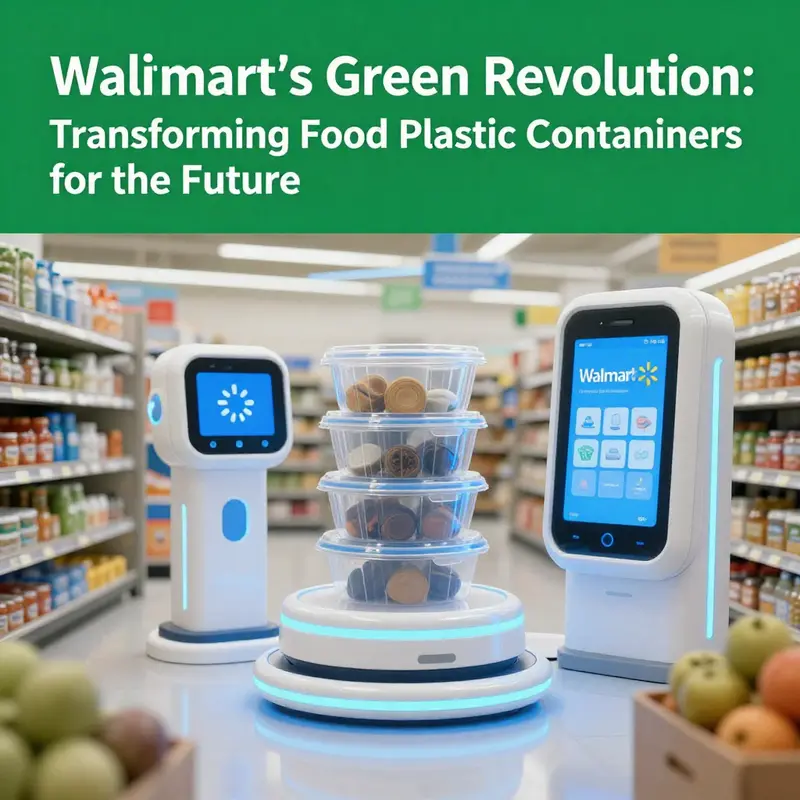
Walmart’s journey with reusable plastic containers in its food supply chain has matured from a pilot phase into a systemic backbone of both sustainability goals and daily store operations. The future chapter of this evolution is not a single breakthrough moment but a layered progression shaped by safety mandates, waste reduction imperatives, and smarter kitchen workflows. As the retailer continues to scale RPC usage across categories from produce to proteins, the chapter titled by this trend line reveals how safety concerns, circular economy ambitions, and digital enablement converge to redefine what a container can do in a modern grocery ecosystem. What unfolds is a narrative that moves beyond the warehouse floor and into the home, where every box, every lid, and every label becomes part of a broader conversation about health, convenience, and accountability.
The most visible driver in this trajectory is safety—a conversation that has grown more urgent as the public grows increasingly sensitive to how plastics interact with heat, fats, acids, and repeated use. In parallel, the industry faces a widening regulatory and consumer demand envelope around material choices. The research landscape over the last few years has reinforced a core tension: plastic remains indispensable for its light weight, durability, and cost advantages, yet it must not compromise health when used in everyday meal preparation. Contemporary studies emphasize that even containers marketed as “microwave-safe” can release detectable amounts of endocrine-disrupting chemicals under certain conditions, such as high heat, oily or acidic foods, or after repetitive cycles of use. These insights compel a more cautious design philosophy. Walmart’s response is not to abandon plastic but to reengineer the contact materials and the engineering of the containers themselves. In practical terms, this means shifting away from traditional plastics associated with known leachants and embracing safer, non-toxic alternatives that deliver the same performance without creating new exposure risks.
A critical dimension of this safety-focused shift is material science. The current era awards emphasis to polymers and blends engineered to resist chemical migration while maintaining clarity, rigidity, and the ability to withstand repeated cycles in both cold and warm environments. Rather than rely on older formulations that are prone to gradual degradation with heat and repeated use, the future RPC lineup is expected to favor materials designed for long-term stability. This approach reduces not only health concerns but also consumer anxiety, a factor that translates directly into repeat purchases and brand trust. It is important to note that these safer material trajectories are linked to recyclability and end-of-life outcomes as well. Containers conceived to be recyclable—among a growing share of packaging designed for recovery—help close the loop in a system that still grapples with waste in global supply chains.
From an operations standpoint, safety improvements feed into Walmart’s broader objective of predictable performance and lower total cost of ownership. If a container resists staining, odor retention, or warping after many cycles, it reduces the need for replacement stock and minimizes disruptions in replenishment. In practice, this translates into smoother store-to-aisle transitions, fewer out-of-stocks caused by packaging damage, and a more stable consumer experience in departments ranging from fresh produce to deli and eggs. The operational upside reinforces the safety investment by creating a clear, data-driven case for lifecycle-based procurement and testing protocols. In turn, this supports a more resilient supply chain that can weather fluctuations in demand, seasonal surges, and the pressures of a hyper-competitive retail landscape.
Sustainability remains inseparable from safety in Walmart’s RPC strategy. The company’s continued commitment to reducing plastic waste is itself a safety signal, indicating concern for environmental health as part of broader human health and food safety considerations. A core element of the sustainability push is the increased use of post-consumer recycled (PCR) plastics in food storage solutions. PCR content reduces the demand for virgin resin, lowers the carbon footprint of packaging, and demonstrates to consumers that practical reuse is not a theoretical ideal but a material reality in everyday shopping. This alignment of safety and circularity is essential in a world where waste streams are scrutinized by regulators, customers, and shareholders alike. The modular nature of modern RPC designs further supports this aim: containers that are robust, stackable, and adaptable tend to endure longer and can be repurposed across multiple categories, from bulk storage to meal-prep configurations. The result is a packaging ecosystem that minimizes waste without forcing compromises in food safety or user experience.
Design innovations also respond to the practical realities of busy households. The current trend toward modular, stackable, and multifunctional RPCs makes it easier for families to organize food efficiently, reduce clutter, and maintain fresh, safe portions. When a single container can serve as a lunch box, a small prep tray, and a pantry organizer, the perceived value increases. This multifunctionality is particularly appealing to health-conscious shoppers who track portions, calories, or nutritional information. In this vein, smart functionality is becoming a differentiator. Containers are increasingly designed with features such as built-in portion guides, clearly legible labeling, and, in some cases, digital touchpoints like QR codes that link to recipes and nutritional data. The smart container concept harmonizes convenience with accountability: it helps consumers plan meals, monitor intake, and avoid food waste by making storage timelines more transparent.
This convergence of form and function also supports a broader shift toward more transparent supply chains. When a container can carry a code that links back to sourcing details, batch information, and shelf-life data, it becomes a conduit for traceability. Consumers gain a clearer view of where their food came from and how it was handled, while retailers gain operational visibility that informs forecasting, spoilage reduction, and more accurate waste reporting. In Walmart’s ecosystem, such features are not merely novelty; they become integral to reducing the environmental footprint of fresh and prepared foods alike. The visibility provided by smart storage solutions complements other digital initiatives within the store environment, enabling more precise demand planning, better quality control at the point of sale, and more effective returns and recalls when necessary.
The implications for category strategy are meaningful. In the food storage and packaging space, the emphasis shifts from simply providing a container to offering a durable, health-conscious, and data-enabled system. For suppliers, this means designing RPCs with longer lifecycles, lower migration potential, and marks that help consumers identify safe use-cases. For the retailer, this means curating a consistent family of products that perform reliably in high-use environments—produce counters, deli cases, bakery sections, and home kitchens alike. It also means embracing a more nuanced approach to labeling and education. If a container is marketed as safe for specific uses, the conditions under which it remains safe—temperature ranges, food types, and reuse limits—need to be clearly communicated and easily accessible. The question is not only whether a material is safe, but how the user interprets and applies safety information during daily cooking and storage routines.
A practical dimension of this evolution is the way RPCs intersect with the consumer’s kitchen reality. Home cooks value simplicity, speed, and confidence that there will be no unintended chemical exposure when reheating leftovers. The most successful designs anticipate these routines and offer intuitive experiences. This includes clear, durable markings that survive repeated washing, compatible lids that seal reliably to prevent leaks, and compatibility with common home dishwashers and microwaves under defined conditions. The design language also recognizes that many households rely on smart devices and apps for meal planning. In this context, the integration of QR codes or digital connectivity can extend beyond recipes to include safety tips, storage timelines, and even reminders for food reuse. The collective result is a container ecosystem that not only stores food but also supports healthier, more efficient cooking habits.
The role of category leadership within Walmart cannot be overstated. The RPC program is a living element of the retailer’s sustainability narrative, one that must balance cost pressures with health considerations and consumer expectations. As the market for plastic food containers remains large—driven by ongoing demand for durable, low-cost packaging—Walmart’s approach is to steer the direction of the market by combining safer materials, higher recycled content, modular design, and smart functionalities. The objective is not simply to replace single-use plastics with multi-use equivalents but to reframe what “reusable” means in a mass-market context. Reuse is no longer a niche ideal; it is a practical, financially viable choice that aligns with broader corporate commitments to reduce waste and to promote a healthier consumer environment.
In contemplating the future, it’s instructive to consider the lifecycle perspective. Safe materials, robust design, and end-of-life clarity come together to form a packaging loop that minimizes environmental impact while maximizing user safety. This means that the RPCs Walmart champions must perform under real-world conditions—repeated cycles, diverse food matrices, and household cleaning routines—without compromising integrity or safety. The challenge lies in harmonizing the disparate needs of suppliers, retailers, and consumers: the supplier seeks materials that are easy to manufacture; the retailer requires predictable performance and a compelling sustainability story; the consumer demands safety, convenience, and value. The emerging answer is a system that treats packaging as a shared responsibility—one that rewards durability and recyclability without sacrificing the health of the person who stores, heats, or consumes the food inside.
As this chapter closes, it is useful to reflect on the pragmatic guidance that emerges for shoppers and industry observers alike. First, safety is not a static attribute but a dynamic standard that evolves with science and policy. Consumers should remain mindful of heat, oil, and acidity interactions when using plastic containers and should favor products with materials formulated for safer long-term use. Second, sustainability is increasingly a performance metric tied to lifecycle thinking. Containers that incorporate recycled content and are designed for multiple reuse cycles reduce waste and reinforce the value proposition of a responsible shopping experience. Third, smart functionality is less about gimmicks and more about practical benefits—portion guidance that supports healthier eating, labeling that aids organization, and digital touchpoints that deliver useful information at the moment of decision. In Walmart’s framework, these elements converge to create a cohesive, future-ready packaging system that supports the retailer’s goals while responding to consumer demand for healthier, more sustainable, and better-organized kitchens.
Looking ahead, the evolution of food plastic containers at Walmart will be underpinned by ongoing testing, transparent communication, and a willingness to phase in higher standards as evidence and policy evolve. The promise is not only to reduce waste or to lower costs but to enable customers to cook with greater confidence and to manage their meals with less friction. The RPC ecosystem will increasingly resemble a living platform, where materials, designs, and digital features co-evolve with consumer habits and regulatory expectations. In short, Walmart’s future RPCs will be safer, more sustainable, and smarter by design, embodying a packaging philosophy that treats plastic not as a disposable quick fix but as a durable, traceable, and responsible part of daily life. For readers seeking more real-time updates on product launches and sustainability initiatives, Walmart’s official site remains the most reliable source: https://www.walmart.com. And for those exploring the broader ecosystem of storage and organization within the category, the following internal resource provides a focused look at available options:
Final thoughts
Walmart’s integration of reusable plastic containers into its supply chain signifies a crucial shift towards sustainability in the food service industry. The company’s strategy not only meets consumer demands for eco-friendly options but also addresses the urgent need to reduce single-use packaging waste. As consumer preferences gravitate towards sustainable practices, awareness of the environmental impact of food containers grows. Looking ahead, Walmart’s commitment to innovation and operational efficiency will likely shape the future of food plastic containers, influencing the entire food and beverage sector while paving the way for more sustainable practices.