
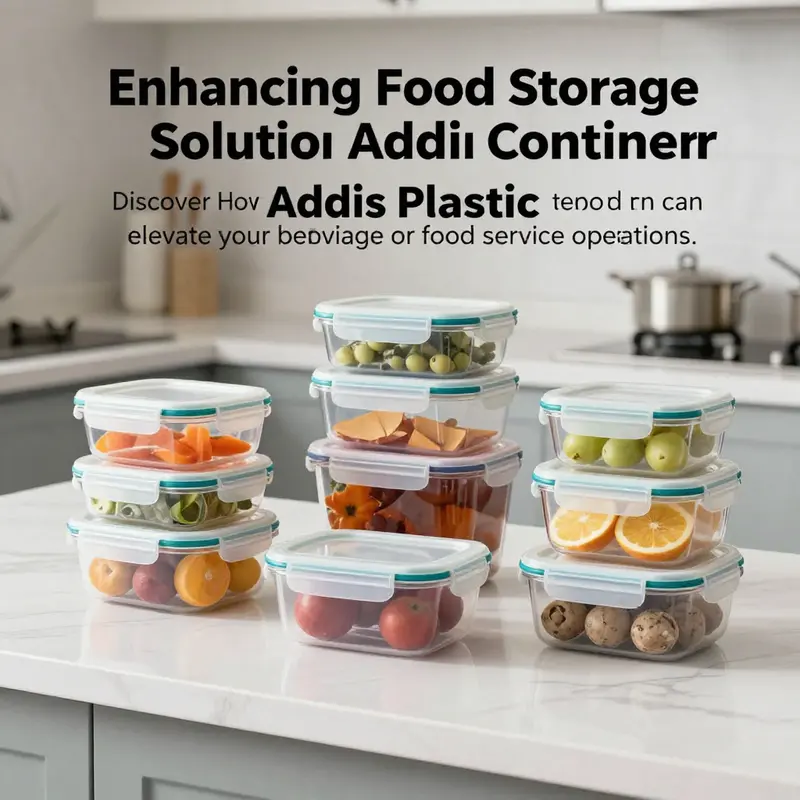
Food preservation and presentation are vital for businesses in food service, whether running a bubble tea shop or catering events. Addis plastic food storage containers stand out as robust, economical solutions that enhance functional capacity while ensuring food safety. Manufactured from BPA-free materials, these containers are designed to meet the rigorous demands of food storage in various environments. In the following chapters, we will dive into the advantages of their durability and material safety, explore how they optimize space utilization in bustling kitchens, and examine customizable solutions that cater to a wide range of industrial applications—providing solutions tailored specifically for restaurants, food trucks, and more.
Durability, Safety, and Everyday Reliability: A Deep Dive into Plastic Food Storage Containers
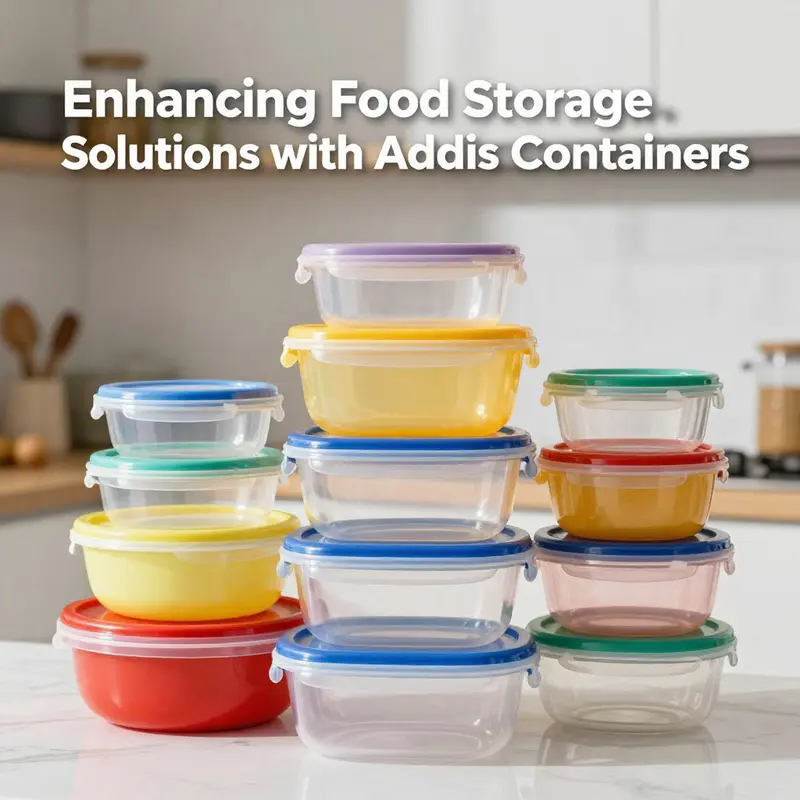
In kitchens around the world, the right storage solution is more than a convenience; it is a quiet promise that yesterday’s leftovers won’t degrade into waste and that today’s groceries will stay fresh for as long as possible. The most enduring plastic food storage containers achieve this through a careful blend of material science, thoughtful design, and clear safety standards. This chapter considers what makes these containers resilient in daily life, why their material choices matter for family health, and how manufacturing precision translates into practical benefits like better stacking, longer lifespans, and easier cleaning. The story begins with material safety and then threads through durability, usability, and the regulatory assurances that give households confidence in choosing two or three pieces from a versatile lineup rather than replacing a whole set every season. The throughline is simple: a container that is safe to use, holds up to the rigors of kitchen use, and remains dependable day after day reduces waste, saves money, and supports healthier eating habits by keeping foods fresh for longer without compromising safety.
At the heart of any sturdy plastic storage system is the resin itself. Food storage containers of this class are typically fashioned from a polypropylene family resin. This material earns its place in the kitchen for several reasons. First, polypropylene exhibits notable heat resistance, which means it can withstand the shocks of a warm plate or a hot dish moving into the fridge without warping. It also stands up well to cold storage, which is essential for freezing foods that need to be kept for extended periods. The stability of polypropylene under temperature fluctuations helps prevent the dreaded microcracking and hazing that can lead to leaks or cracks over time. The practical upshot is clear: a container that performs consistently through cycles of freezing, thawing, heating, and washing is less likely to fail, which translates into fewer replacements and less clutter in cabinets and recycling streams.
A second pillar is safety. The most common concern in households centers on the potential for chemicals to migrate from plastic into food. To address this, modern containers are designed and marketed as BPA-free. While the definition of safety can evolve with science, the core aim remains steady: to minimize any chemical transfer when the container holds acidic or fatty foods, or when it is heated. BPA-free status is not a mere marketing tag; it signals an effort to limit resin additives that could interact with food, especially under heat. In addition to being BPA-free, many containers are explicitly labeled as food safe and meet established health standards. This dual emphasis—chemical safety and food compatibility—helps customers use these containers with confidence across a wide range of meals and flavors.
Beyond the chemical profile, the structural integrity of the container matters just as much. Polypropylene’s resilience is complemented by a design ethos that favors stability under everyday use. Containers are often built with straight, stackable bodies and uniform wall thickness. The goal is to ensure even distribution of stress, so a container remains warp-free after repeated cycles of opening, closing, and stacking. A robust resin helps here too, resisting impact from accidental drops and resisting deformities from being tucked into crowded drawers or fridge shelves. A durable resin is not synonymous with heaviness; modern formulations balance strength with lightness, enabling users to carry multiple containers at once without fatigue.
Design features play a crucial role in longevity as well. An airtight seal is more than a convenience; it is a functional safeguard against moisture loss, freezer burn, and contamination. Seals often rely on silicone gaskets or precise snap-on mechanisms that lock into place with clear tactile feedback. A well-designed seal reduces the likelihood of leaks, which is especially important for liquids or sauces. It also helps preserve flavor and texture by limiting exposure to air, a factor that can accelerate oxidation and staling. When a seal remains flexible and intact after dozens of openings and closings, the container earns a quiet reputation for reliability. The choice of lid mechanism—whether a clip-on, snap-tight, or ensemble that combines a lid with a gasket—contributes to how snugly content stays enclosed during transport in a bag or a pantry shelf.
Transparency in the body of the container is another understated but valuable feature. Clear or translucent walls let users identify contents at a glance, reducing guesswork and the temptation to open multiple containers to locate the right item. This visibility supports better meal planning and reduces food waste, since you can see what’s inside without removing lids and exposing the contents to air. The practical effect is a kitchen that feels more organized and less chaotic, even when many containers share a shelf. It is an everyday advantage that quietly compounds as families rely on precise storage for leftovers, batch-prepped meals, or pre-portioned ingredients.
Alongside safety and visibility, regulatory compliance provides a framework for trust. Reputable containers are produced to meet stringent food safety standards that govern materials, processing, and labeling. In many markets, this includes conformity with codes like FDA 21 CFR 177, which addresses the use of specific resins in contact with food. Meeting such standards signals that the resin system and product design have been evaluated for health and safety in real-world use. It is not a one-time stamp, but a continuing commitment to maintain specifications through production and supply chain management. Consumers who read these signals can feel more assured about everyday use, especially when they store a broad range of foods—from dairy to acidic sauces and from raw vegetables to cooked grains.
When we speak about product verification, we are touching the practical assurance that the stated characteristics exist beyond the marketing page. Verification statements often accompany supplier listings and technical data sheets, documenting the resin type, the absence of restricted substances, and the tolerances that govern how parts fit together. A relevant measure in this context is dimensional tolerance, which describes how tightly sizes are controlled during molding. A small tolerance, such as 2.0 millimeters or tighter, helps ensure that containers stack neatly and securely. Tight tolerances translate into a sturdier storage system where bases align cleanly, lids rest without warping, and multiple pieces can be nested or stacked with confidence. This level of precision is especially important in households where space is at a premium and kitchen equipment is packed into narrow shelves or compact refrigerators.
The practical implications of all these design and material choices become clear when we consider how a family uses containers over months and years. A durable container resists warping and cracking under repeated exposure to hot and cold cycles. It withstands the dishwashing routine, including the heat and detergents that can degrade inferior plastics. A safe product, meanwhile, minimizes the risk of chemical exposure, a concern that becomes particularly salient when containers are used for reheating in the microwave or to hold refrigerated leftovers that are later heated. The interplay between materials and design—chemical safety, mechanical resilience, sealing performance, and, importantly, ease of maintenance—defines a container’s lifespan. The longevity of a well-engineered system matters not only to the household budget but also to environmental considerations. Replacing dozens of containers every year generates unnecessary waste, whereas a durable set can serve for years with minimal performance loss. In a market where sustainability narratives increasingly influence purchase decisions, the durability and safety of plastic storage systems become a core element of responsible consumption.
Care routines, though simple, reinforce what durability looks like in practice. Regular cleaning is essential to keep seals intact and prevent buildup that can impair seal performance. For most polypropylene-based containers, dishwasher-safe properties are common, but guidelines vary. Some households discover that top-rack placement preserves lid gaskets and avoids excessive heat exposure that could cause small pieces of silicone to detach over time. Others prefer gentle washing by hand for lids and seals, especially when the container holds heavily pigmented foods or oils that can discolor silicone or leave residues. The goal is to avoid long-term staining and maintain the visual clarity of transparent bodies, which again supports quick content identification and reduces the chance of accidentally mixing items. When a container is not in use, storing it with the lid slightly ajar can help prevent trapped moisture and mold in the seal groove, extending the life of the gasket without requiring a separate maintenance routine.
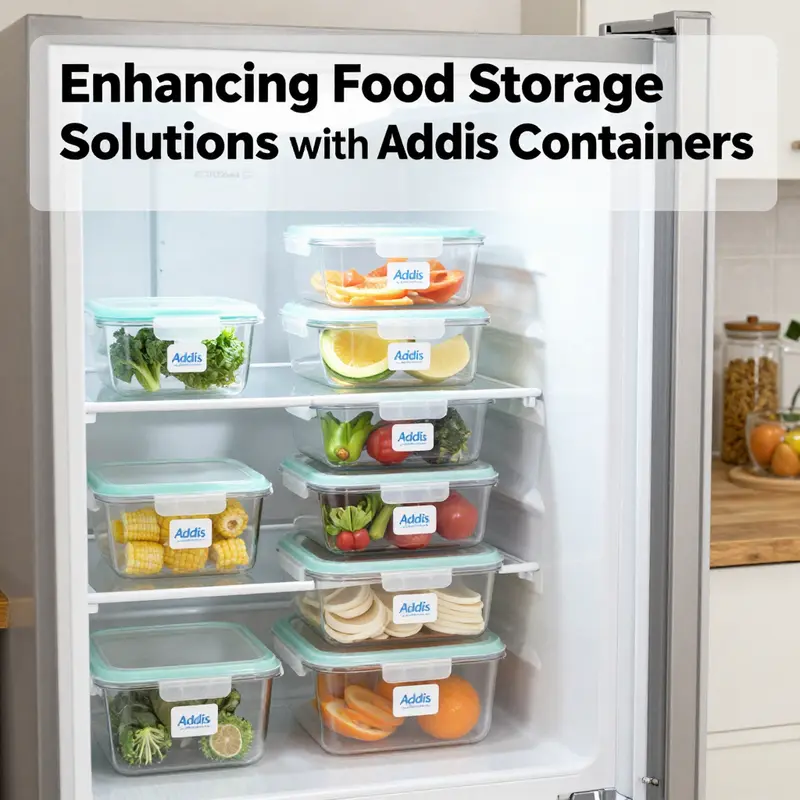
From a consumer perspective, durability also depends on how a set of containers is used in real life. People often appreciate a design that makes it easy to see at a glance what is inside, so they can plan meals, shop accordingly, and minimize waste. Stackability directly affects how much kitchen real estate is available for prep and storage. Containers with flat bases and uniform heights align neatly on shelves, while lids that clip into place ensure stability when containers are nested for space-saving storage. In households where meals are prepared ahead and stored for later, the combination of airtight seals and clear bodies helps maintain the quality of ingredients and finished dishes. A well-sealed container keeps moisture and air out, which helps prevent freezer burn in frozen meals and preserves the texture of crisp vegetables and delicate sauces. The net effect is a kitchen that supports healthier choices by making it easier to portion meals, preserve flavors, and reheat without compromising quality.
Another layer of consideration comes from the broader ecosystem of plastic storage options. The capacity range offered by well-engineered systems is designed to accommodate a spectrum of needs—from compact 240-milliliter portions for snacks to liter-scale containers that handle bulk leftovers or batch-prepped meals. In addition to size variety, the industry has moved toward improving the reliability of lids and seals through consistent, repeatable manufacturing processes. This emphasis on precision means that a user can expect predictable performance across many cycles of use, rather than a gradual deterioration after a few months of daily handling. The ripple effects extend to storage optimization in the home. When containers stack consistently and lids seal reliably, pantry and refrigerator space is used more efficiently. This efficiency reduces the likelihood of misplacing lids and helps families keep inventory clear and organized, which in turn supports healthier and less wasteful cooking habits.
For readers exploring broader choices, it is useful to consider how these containers compare with other materials. Glass, for example, offers excellent chemical stability and heat tolerance but can be heavier and more fragile. Metal options, while sturdy, may conduct heat and interact differently with various foods. In this context, carefully engineered plastic storage systems offer a combination of light weight, impact resistance, and broad compatibility with typical kitchen tasks—from reheating to freezer storage to dishwashing. The key distinction is that modern polypropylene formulations are chosen and processed to balance safety, durability, and practicality for everyday use. This balance is what allows families to keep a steady rhythm of meal planning and leftovers without constant replacement cycles or cumbersome maintenance.
The narrative around durability would be incomplete without touching on the quality assurance that underpins consumer trust. Manufacturing settings that produce these containers rely on standardized processes, validated formulations, and controlled assembly lines. Documentation often accompanies products, detailing resin grades, processing temperatures, and quality-control checks. The resulting confidence is not merely theoretical; it informs the choice families make when they decide to invest in a set that can endure busy mornings, school lunches, and weekend meal-prep sessions. The alignment of safety standards, design integrity, and practical usability culminates in a storage system that behaves predictably under the pressures of a modern kitchen. It is this predictability that converts occasional buyers into regular users, then into advocates for waste reduction and healthier eating habits.
To offer a grounded sense of accessibility, consider how such containers translate into day-to-day routines. A typical kitchen sees containers reused for a variety of purposes: storing chopped vegetables, holding leftovers, marinating small portions of meat, packing lunches, and even organizing pantry staples. The same container may travel from fridge to microwave to dishwasher, then back to the shelf, repeatedly. In every leg of that journey, the material composition and sealing design work together to maintain content integrity and minimize the risk of spills or leaks. The material’s heat resistance prevents softening that could otherwise deform the lid’s locking mechanism, while the gasket stays flexible enough to seal after repeated exposure to hot water and detergents. The transparency remains a constant benefit, letting family members locate food quickly, which reduces time spent searching and opening multiple containers—one of the most practical forms of everyday efficiency.
The story of these containers, then, is not merely about a single product line but about a philosophy of durability and safety that permeates the design, production, and real-world use. It reflects a consumer expectation that kitchen tools should be robust, easy to clean, and safe for repeated contact with food. It reflects a recognition that small but consistent design choices—like a crisp seal, a smooth surface that resists staining, and precise tolerances for stacking—are what enable a family to maintain healthy eating routines without managing a complicated toolkit of replacements. It also reflects the broader market trend toward materials that can perform across a broad range of temperatures and washing conditions, because modern households demand versatility and resilience in equal measure.
In conclusion, the durability and material safety of plastic food storage containers are not marketing abstractions but practical commitments that impact daily life. The resin choice, the safety certifications, the seal design, and the manufacturing precision all converge to deliver a product that supports healthier meals, simpler cleanup, and more organized kitchens. The result is a storage system that remains reliable after countless cycles of use and reuse, a factor that resonates with families seeking both efficiency and peace of mind. For readers who want to explore related storage options further, the storage-containers page offers a broader view of how these principles scale across sizes and configurations, illustrating how a well-designed set can transform kitchen routines and reduce waste over time.
External reference: https://www.alibaba.com/product-detail/Addis-Clip-Tight-Super-Large-Food_1602458329644.html
null
null
null
null
Final thoughts
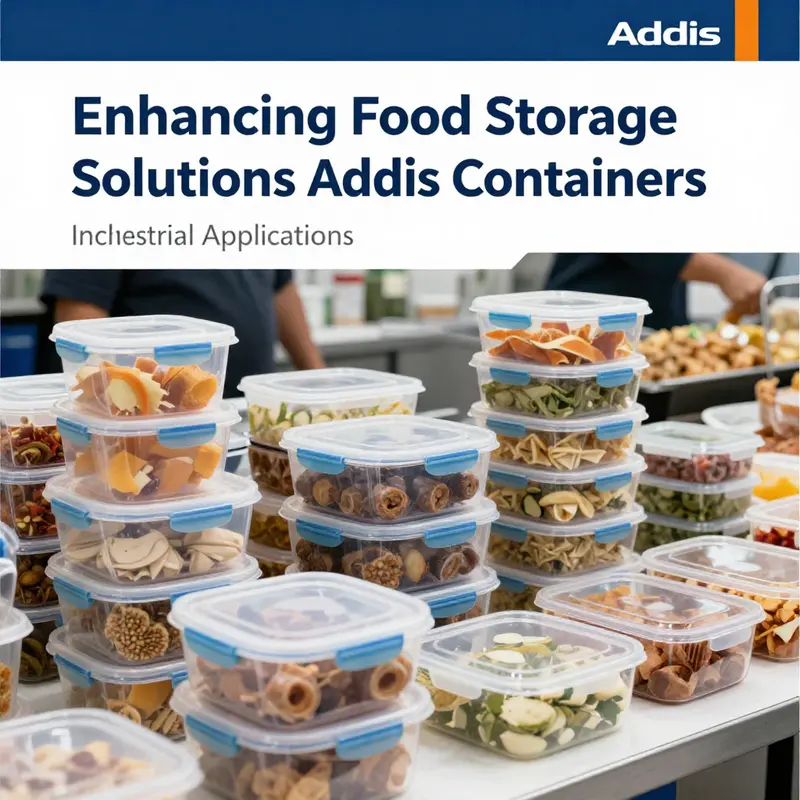
In an industry where reliability and flexibility are crucial, Addis plastic food storage containers provide the perfect balance of durability, safety, and efficiency. From enhancing the way beverages are stored to ensuring optimal kitchen organization, these containers cater to the needs of various food service operations. Moreover, their customizable bulk options illustrate a commitment to meeting specific business needs while maintaining cost-effectiveness. Embracing Addis containers means choosing a solution that respects food safety and supports the smooth operation of any catering service, restaurant, or food business.