
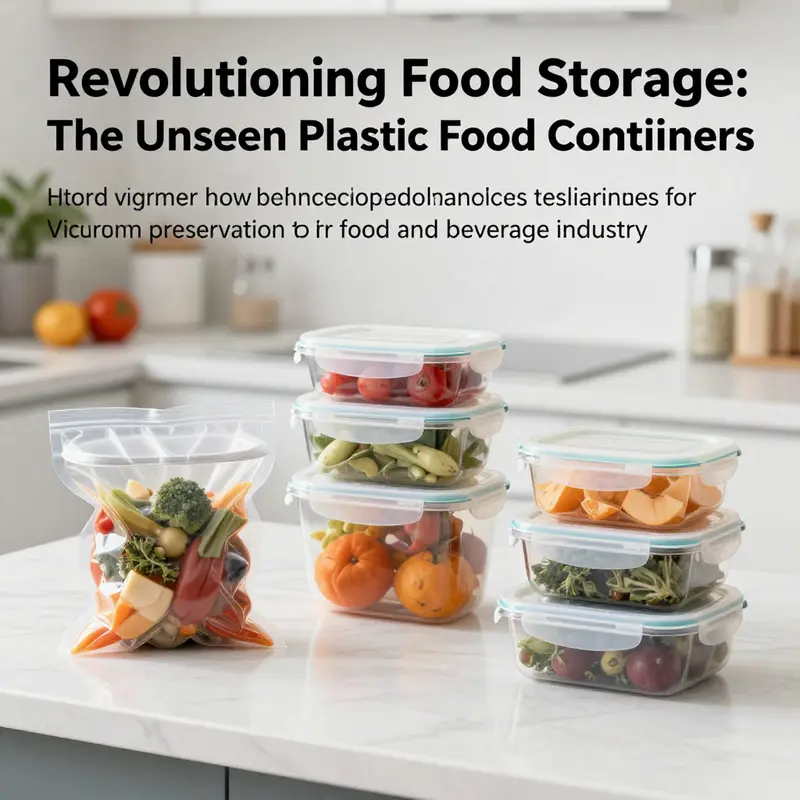
As businesses in the food and beverage sector strive to enhance operational efficiency and extend the shelf life of their products, vacuum plastic food containers emerge as an essential tool. Designed for sealing in freshness and controlling food spoilage, these innovative containers offer numerous benefits across various settings—from bubble tea shops to catering services. Throughout this article, we’ll delve into the engineering marvel that makes vacuum containers so effective, examine their economic advantages, and highlight environmental considerations. We’ll also explore how societal trends are shaping their adoption and gaze into the future of this remarkable technology in food storage.
null
null
null
null
Rethinking Vacuum Plastic Food Containers: Life Cycles, Footprints, and the Path Toward Circular Storage
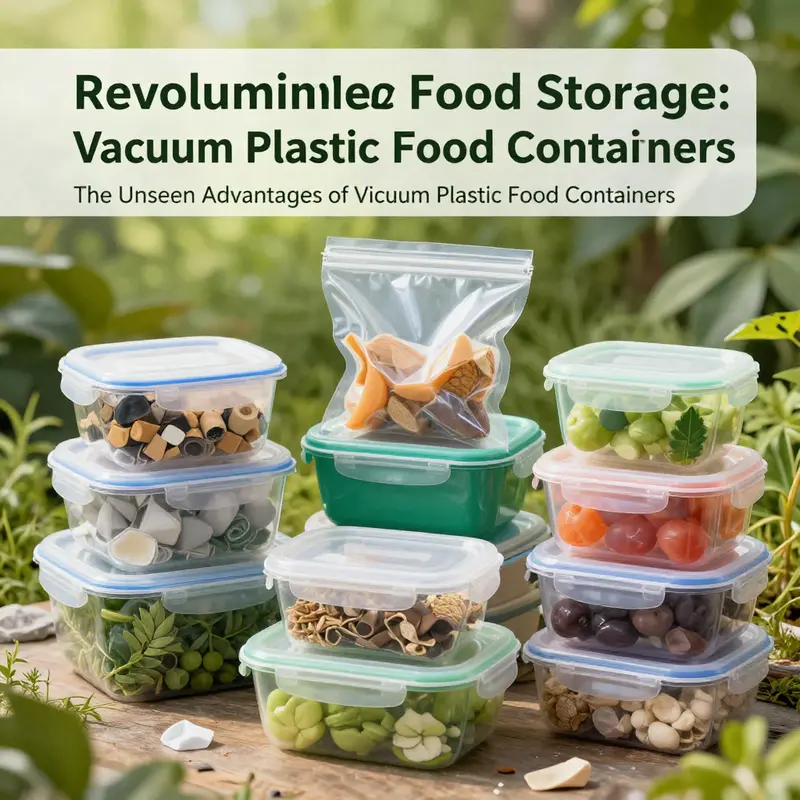
Vacuum plastic food containers promise more than mere convenience; they offer a way to keep foods fresher for longer by slowing oxidation and limiting microbial growth. In home kitchens, this technology translates into reduced food waste and a more predictable meal plan, especially for prepped lunches, produce, and leftovers. Yet every sealed vessel sits within a larger system of materials, production, and disposal that carries environmental implications far beyond the kitchen counter. The typical vacuum container is crafted from food-grade plastics such as polypropylene (PP) or polyethylene terephthalate (PET), materials derived from fossil fuels and designed to withstand repeated use, heat, and immersion in cold storage. While durability and safety are important, the environmental story of these plastics begins with their life cycle. Once finished with use, these containers face end-of-life pathways that are not always straightforward. Plastics like PP and PET are technically recyclable, but the reality of recycling systems means many containers are either redirected to landfill, downcycled, or diverted into energy recovery streams rather than true material reclamation. The result is a persistence that mirrors the longer arc of plastic pollution: a substance that can resist natural degradation for centuries while fragmenting into microplastics that infiltrate soils, rivers, and oceans, and eventually make their way into the food chain. Estimates of persistence reach as high as several centuries, with contemporary research underscoring how microplastics can be ingested by wildlife and, increasingly, by humans through mediated exposure. This danger is not only ecological; it also invites scrutiny of how often households replace rather than repair or return to reuse cycles, a habit that compounds production and waste. The environmental cost does not end at disposal. The production of these containers is energy-intensive, involving complex processes that release greenhouse gases and contribute to climate change. Even when manufacturers implement cleaner practices, the broader sector remains locked into a dependence on virgin plastics and fossil fuels, rather than a robust, circular flow of recycled materials. In some cases, producers have pursued certifications—such as compliance with food-contact safety standards—to reassure consumers about safety while pursuing greener credentials; these steps reflect progress but do not by themselves solve deeper systemic challenges. The concern deepens when recycling streams must accommodate not just the container itself but also the presence of seals, gaskets, and multi-layer constructions, which can complicate processing and limit the quality of material recovered for reuse. The upshot is a tension: the same features that enhance food preservation—tight seals, advanced vacuum valves, and multi-layered barriers—also complicate end-of-life handling and recycling. As such, the environmental calculus of vacuum containers must weigh not only the value of extended shelf life against food waste but also the environmental costs embedded in material sourcing, manufacturing, and eventual recovery. In some regions, efforts to reduce harm are underway, with manufacturers adopting more eco-conscious practices and pursuing certifications to demonstrate safety and stewardship. Yet these steps are unevenly distributed across the industry, and the broader challenge remains: how to reconcile consumer demand for convenience with systemic improvements in circularity, waste reduction, and resource stewardship. One promising line of thought is to pivot toward design for reuse, repair, and adaptable life cycles. Reusable systems, when paired with clear disposal pathways and high-quality recycling streams, can substantially lower per-cycle environmental impact if they are built to last and are accepted by recycling infrastructure. This requires collaboration among manufacturers, municipalities, and consumers to ensure that durable containers remain in productive use for many years, while the materials they contain are efficiently reintegrated into new products. Alongside reuse, the development of sustainable materials presents another avenue. Biobased or biodegradable polymers, when properly developed and properly managed, offer potential reductions in fossil-fuel dependence and post-use persistence. However, biodegradability is not a universal solution; it depends on the waste management context, composting infrastructure, and the likelihood of contamination with non-compostable materials. As such, the most robust path forward combines durable, repairable designs with intensified recycling and, where feasible, a transition to materials that can be reclaimed with high fidelity and minimal risk of contaminant migration. For consumers seeking practical steps, the answer lies in a balanced approach: choose containers designed for many years of use, prioritize those with straightforward sealing mechanisms that can be inspected and repaired, and participate in local recycling programs that can accept the specific plastics in question. The decision to use vacuum storage should be informed by a broader commitment to sustainability, including how packaging choices align with home practices for waste reduction, composting where applicable, and the capacity of local recycling facilities to process mixed or multilayer plastics. To further contextualize these considerations, readers can explore practical storage options that support reuse and responsible end-of-life, such as the storage containers category. This resource helps connect the idea of durable storage with real-world options that reduce one-off consumption and support longer material cycles. For a broader framework on managing plastics in a sustainable way, reference to external guidance is valuable; the Environmental Protection Agency’s Sustainable Management of Plastics provides context on how society can shift toward circular economy principles, improved recycling technologies, and responsible disposal practices across packaging and consumer goods. In sum, vacuum plastic food containers deliver clear culinary and economic benefits by extending freshness and reducing waste, but their environmental calculus is more nuanced. Real progress requires aligning product design with end-of-life systems, embracing reuse and repair, and expanding the reach and effectiveness of recycling networks. The challenge is not simply to ban a type of storage but to reimagine the container as part of a longer, smarter loop—one where durability and recyclability go hand in hand, where consumer choices are guided by transparent information about materials and disassembly, and where municipal and industrial infrastructure supports a genuine circular economy rather than a linear take-make-waste flow.
The Quiet Efficiency of Vacuum Plastic Food Containers
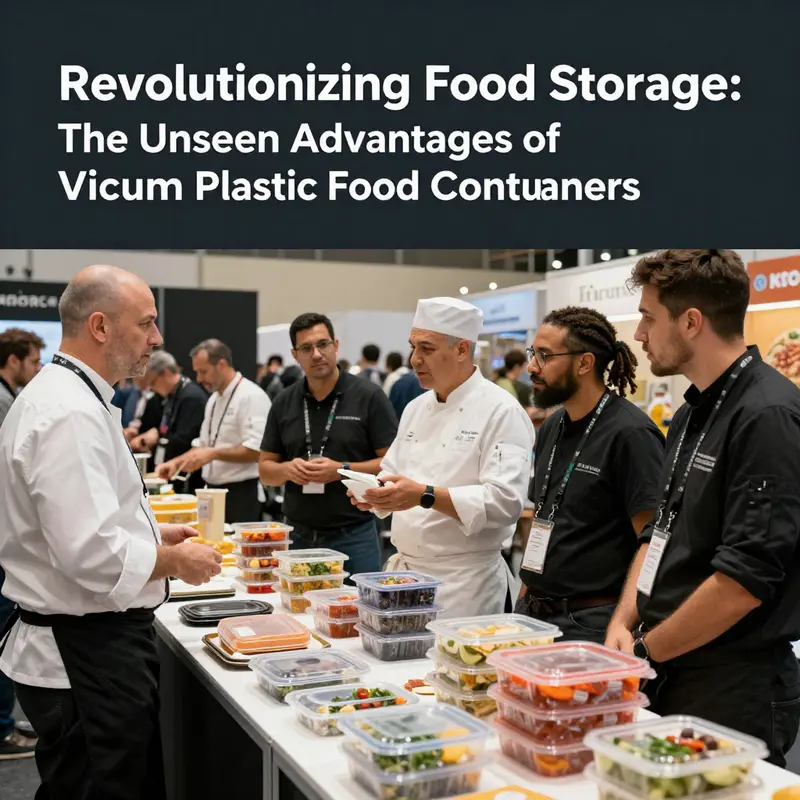
A seam of quiet change has stretched across modern kitchens as households seek ways to preserve quality while reducing waste. Vacuum plastic food containers sit at the center of this shift, not as flashy gadgets but as reliable tools that align with health norms, environmental awareness, and the pace of busy days. The core idea is simple: remove air, slow oxidation, and inhibit the growth of aerobic microbes. In practice, this means a container that is sealed and evacuated to a low-oxygen environment, often around 50 kPa in well-designed models. The result is a measurable extension of freshness for many foods, especially fruits and vegetables that tend to wilt, fade, or lose aroma days after purchase.
The science is practical and easy to apply. Oxidation degrades nutrients and flavor, while oxygen fuels molds and bacteria that thrive in ordinary storage. By limiting the air inside the container, these processes slow down, giving leftovers and produce more time to be enjoyed rather than discarded. The effect is not perfect preservation but meaningful slowing of decay, which translates into fewer trips to the compost bin and more meals that stay appetizing in the fridge. Vacuum containers are thus more about discipline and routine than magic, a small daily habit that protects what you have prepared.
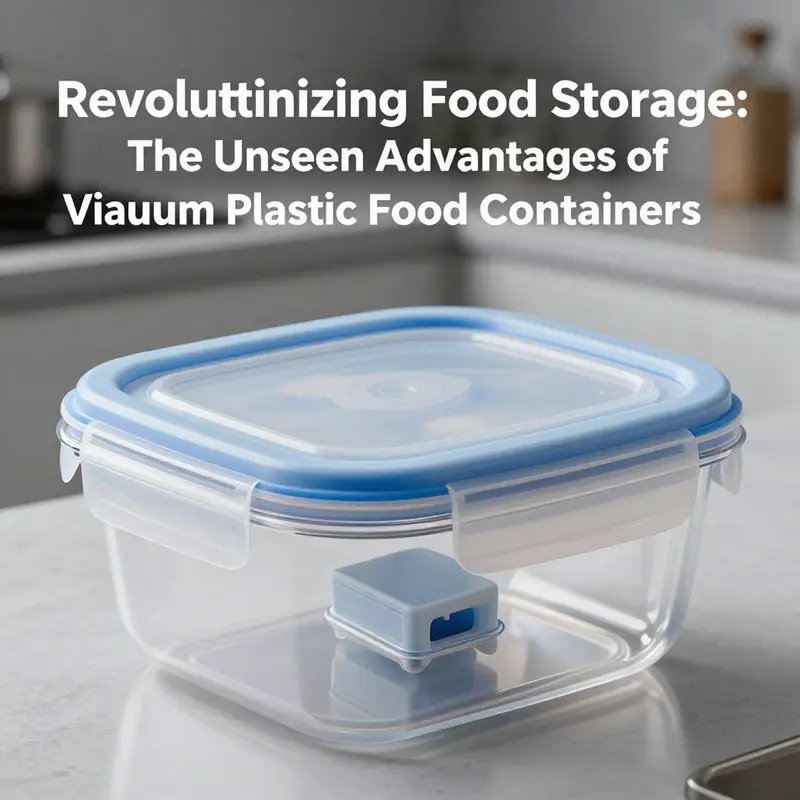
From a design perspective, the materials matter. Food-grade polypropylene provides a safe baseline that stands up to refrigeration, washing, and repeated sealing cycles. A silicone gasket and a vacuum valve are the quiet workhorses of the system, ensuring the seal remains airtight and that air does not bleed back in. Some modern designs use multi-layer walls or patent-pending valves, emphasizing durability and long-term performance. The practical upshot is a container that can move from fridge to microwave through a single, predictable workflow.
Beyond the kitchen bench, the adoption of vacuum storage mirrors broader trends. Health-conscious living, waste reduction, and budget-minded meal planning all find a common ally in reliable containers that keep food safe and appealing longer. When households can extend the usable life of fresh produce by days or weeks, the cumulative effect is less waste and more efficient shopping. This aligns with circular economy ideas, where resources stay in use longer, and packaging evolves to support reuse and responsible consumption.
In daily life, the appeal of vacuum plastic containers rests in their ability to harmonize two competing demands: freshness and resourcefulness. Their versatility, compatibility with microwaves for reheating, freezers for long-term storage, and dishwashers for easy cleanup, adds to their appeal. Designers continue to refine safety, durability, and ease of use, while brands respond to the growing demand for transparency about materials and lifecycle impacts. The result is a practical, durable tool that helps households eat well, waste less, and maintain an organized kitchen routine.
Sealed for Tomorrow: Emerging Trends in Vacuum Plastic Food Container Technology
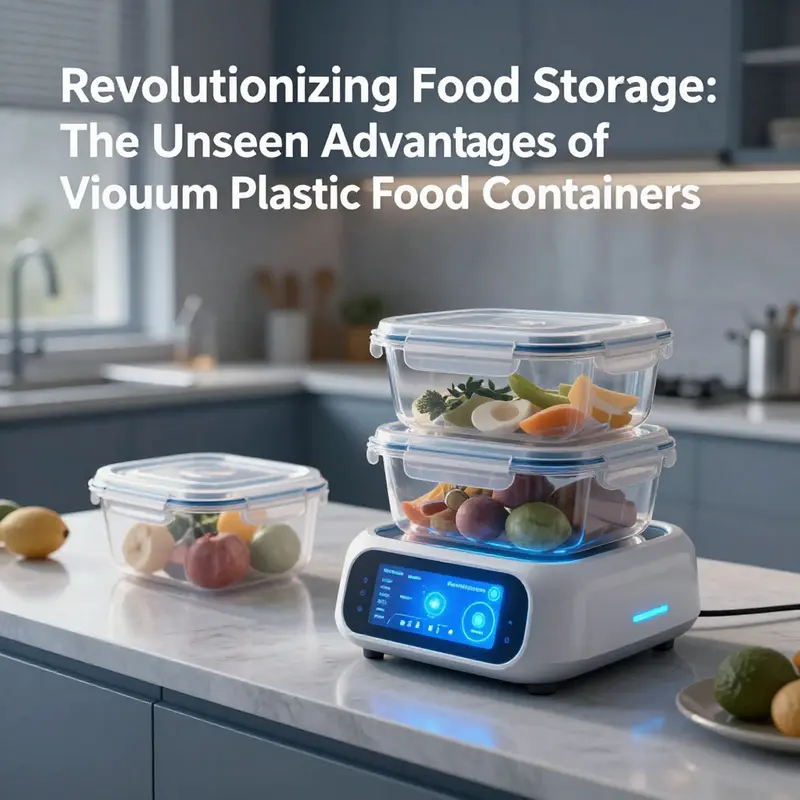
A vacuum plastic food container is more than a vessel for leftovers; it is a technology platform that quietly reshapes how we think about freshness, waste, and convenience. The interior vacuum, achieved by a reliable sealing system that typically relies on a durable gasket and a valve, suppresses oxygen and slows the processes that lead to spoilage. This basic principle remains a keystone of the category, yet the horizon is expanding in ways that connect sustainability, smart sensing, and modular design with everyday kitchen routines. The result is a future in which a simple sealed container becomes an intelligent, adaptable part of a broader system for managing food—from the moment of purchase through preparation, storage, and even when it leaves the home for transport or catering. In this sense, the evolution of vacuum plastic food containers is less about a single gadget and more about an integrated approach to how we value time, texture, and trust in food—attributes that matter increasingly as consumers demand greater efficiency without compromising safety or the planet’s resources. The shift toward eco-conscious materials is one of the most consequential lines of development. Biodegradable and compostable plastics, including polylactic acid and other bio-based polymers, are emerging as viable options for some segments of the market. They aim to reduce the environmental footprint of single-use packaging while maintaining the oxygen barriers and mechanical performance that make vacuum sealing practical. The challenge lies not in the sealing function alone but in balancing heat resistance, flexibility, and lifecycle performance. In regions with stringent waste policies and growing consumer pressure for greener packaging, bio-based plastics are being explored as a complement to conventional petrochemical-derived polymers. The broader goal is to align regulatory frameworks, supplier capabilities, and consumer acceptance so that eco-friendly materials can reliably perform in refrigeration, freezing, and microwaving contexts without sacrificing shelf life. When this alignment happens, the environmental advantages multiply, particularly in households and small food businesses that generate significant waste or rely on pre-prepared meals. The narrative of material choices intersects with how people use vacuum containers in daily life. In practical terms, the industry is advancing toward thinner, lighter walls that no longer require a trade-off between barrier properties and weight. Improvements in oxygen and moisture barrier performance allow manufacturers to reduce plastic thickness while maintaining the integrity of the vacuum and the freshness of the contents. This progress translates into lighter, more cost-effective products that are easier to handle and ship, which in turn reduces energy use across the supply chain. It also broadens the appeal of vacuum packaging for a wider audience, including families who want to minimize waste and households that juggle multi-item meals in a single storage solution. The technology behind the sealing mechanism itself is becoming more automated and user-friendly, bridging home and commercial needs. Vacuum valves are being redesigned to minimize the steps required to achieve air removal, while maintaining a reliable seal under typical home-use conditions. In professional settings, automated systems can handle multi-container workflows with consistent performance, from packing stations to retail display. This trend toward automation and reliability reduces the cognitive load on users and helps ensure that the protective environment persists after storage, even when handling is imperfect. Customization and modular design are redefining what a vacuum container can be. Instead of rigid, single-compartment boxes, modern concepts emphasize multi-compartment trays that keep different foods separate yet within the same airtight envelope. Such configurations are particularly valuable for ready-to-eat meals and meal-prep services where presentation, hygiene, and portion control matter. The modular approach also supports flexible portioning for families and for people who follow specific dietary plans, enabling users to tailor storage to their evolving needs without sacrificing the vacuum barrier. In parallel, aesthetic and ergonomic considerations are evolving to favor ergonomic grips, stackability, and compatibility with existing kitchen ecosystems. The vision is for containers that feel as intuitive as conventional tupperware but deliver the extended shelf life and safety of vacuum technology. A broader ecosystem is emerging around these containers, one that integrates with the wider world of storage and organization. For readers charting their kitchen inventories or designing small catering operations, there is a natural alignment between vacuum storage and the broader category of storage containers. See the related collection of options in the storage containers category for compatible accessories and cross-category compatibility: storage-containers. This linkage is more than convenience; it reflects how households and micro-operations can build coherent systems that minimize waste and maximize space, while maintaining food quality. Alongside these material and design advances, the smart packaging frontier is growing rapidly. Freshness indicators embedded in or on the packaging provide a visible signal of quality, turning a sealed container into a real-time health check. Some systems extend this concept with time-temperature monitoring, offering a digital readout of how long a product has spent outside ideal conditions. The potential for smartphone-connected features—via QR codes or near-field communication tags—opens doors to traceability, safety alerts, and even usage tips that help households optimize storage plans. The promise of smart packaging is double-edged: it can enhance consumer confidence and reduce waste, but it also requires careful attention to data privacy, user experience, and the simplicity that makes home use practical. Consumers want information that is actionable and reliable, not data overload. The design challenge, therefore, is to weave sensing, communication, and user interface into a seamless experience that augments, rather than complicates, the act of storing and reheating food. Market drivers reflect a confluence of environmental imperatives and everyday practicality. As manufacturers pursue thinner walls and higher barrier performance, the environmental calculus improves through material efficiency and extended product lifespans. Fewer replacements and less waste translate into lower overall resource use, which resonates with both individuals and larger supply chains that grapple with loss and spoilage. In the future, if vacuum containers can be produced with consistent quality at scale and at cost parity with traditional containers, adoption will accelerate in households, schools, and foodservice settings. The pace of innovation is already reshaping consumer expectations: people anticipate packaging that helps them plan meals, monitor freshness, and act quickly to prevent waste. To keep pace, the industry is embracing not only new materials but also new business models that center on reuse, repair, and take-back schemes, aligning with broader circular economy goals. The story here is not about a single breakthrough but about a shift toward systems thinking. It is a shift that embraces sustainability, smart sensing, material science, and modular design in a way that makes vacuum storage a practical backbone of modern food management. As demand grows for safe, efficient, and low-waste solutions, vacuum plastic containers stand to play a central role in decoupling food quality from time and temperature fluctuations throughout the supply chain. In this light, the future of vacuum packaging is less a niche product and more a connective tissue for a more resilient, transparent, and sustainable food system. For readers seeking a broader sense of market dynamics and forward-looking trajectories, a recent industry analysis provides a wider lens on packaging trends, including vacuum packaging and related forms: https://www.grandviewresearch.com/industry-analysis/vacuum-packaging-shrink-bags-food-market. The trajectory is clear: innovation that respects the planet, leverages smart data, and preserves the sensory and nutritional values that matter most helps transform everyday storage into a smarter, safer, and more sustainable practice.
Final thoughts
The evolution of vacuum plastic food containers is redefining food storage dynamics in the food and beverage industry. By adopting these containers, businesses not only ensure optimal freshness and extended shelf life for their products but also enhance operational efficiencies and contribute positively to sustainability efforts. As this technology continues to advance, staying ahead of the curve will empower food businesses to better serve their customers and navigate future challenges in food storage.