
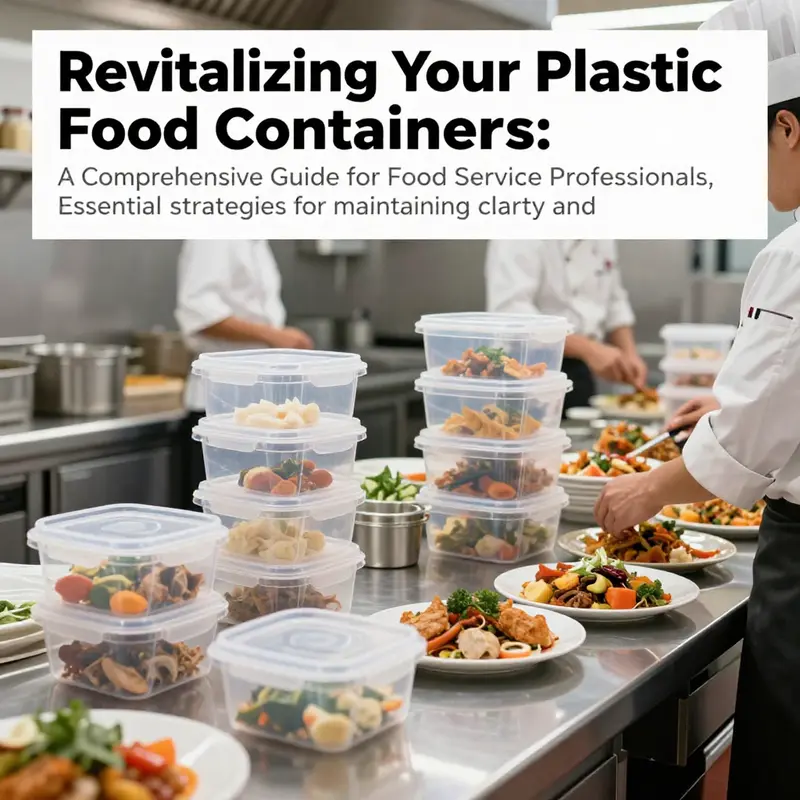
Maintaining the cleanliness of plastic food containers is not just a matter of aesthetics but also of safety and customer satisfaction. Cloudy containers can reflect poorly on your brand and potentially affect food quality. This guide provides valuable insights specifically targeted at bubble tea shops, beverage chains, restaurants, food trucks, catering services, event planners, and corporate procurement teams. Through three detailed chapters, you will discover the importance of cleaning your plastic food containers, effective techniques for restoration, and long-term maintenance practices that ensure your containers remain in optimal condition.
Clear Confidence: How Thorough, Thoughtful Cleaning Keeps Plastic Food Containers Safe, Clear, and Long-Lasting
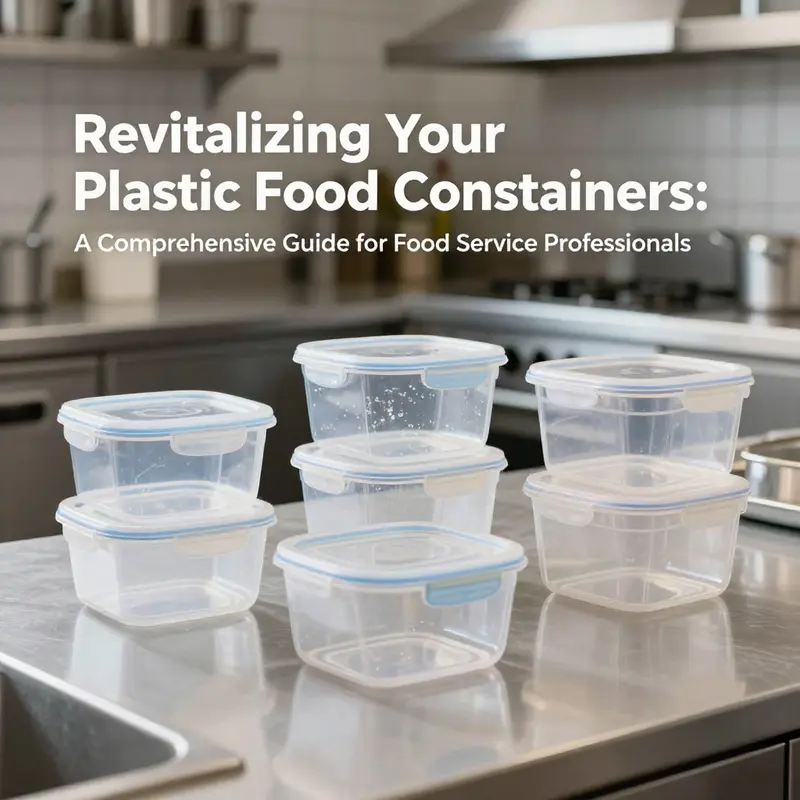
Cloudless clarity in plastic food containers is more than a cosmetic goal; it signals a kitchen where safety and hygiene are prioritized. When color and transparency fade, when surfaces look dull or speckled, the implications extend beyond aesthetics. Food safety hinges on clean, intact surfaces that resist harboring unseen trouble. A well-cared-for container not only keeps leftovers looking appetizing but also reduces the risk of cross-contamination, lingering odors, and unwanted chemical migration. This chapter follows the thread from why plastic becomes cloudy to how careful cleaning can restore brightness and, crucially, protect health. It invites readers to look past the shine and into the science of the surface, the microscopic pores, and the daily decisions that make one family’s meals safer and more enjoyable. And it does so in a practical, non-sensational way, because real safety rests on consistent, doable habits that fit into ordinary days.
The root causes of cloudiness are varied and often interwoven. Mechanical abrasion is a quiet thief, stealing the container’s gloss with every scrub of a harsh sponge or the careless agitation of a high-temperature dishwasher. Tiny surface scratches scatter light, creating a frosted look that makes the lid and body appear dull even when they’re clean. Mineral deposits from hard water leave chalky films that cling stubbornly to the interior or exterior. Those minerals are not merely cosmetic; they trap a thin film of residue that can be a magnet for bacteria and odors if left untreated. Fat and oil absorption is another subtle culprit. Plastic has microscopic pores that can take in oils from oily foods. Over time, these absorbed fats oxidize, turning yellow and contributing to a persistent haze and a faint, stubborn odor. Heat can worsen all of this. Repeated exposure to high temperatures, such as in dishwashers or microwaves, can degrade the polymer itself, causing micro-fractures that catch light and create a clouded, even brittle, interior. Each of these pathways—abrasion, mineral buildup, oil absorption, and heat—can threaten clarity, but they also point to practical, science-backed remedies.
A deeper concern lies beneath the surface: what these clouding processes reveal about potential health hazards. Proper cleaning becomes not just a matter of making containers look new but of ensuring that the interior is hospitable to safe food storage. When a plastic lunchbox or yogurt tub shows visible mold—fuzzy patches that hint at the growth of fungi such as Aspergillus or Penicillium—it signals more than a stubborn stain. Some molds can produce mycotoxins, such as aflatoxins, which are resistant to heat and can penetrate the plastic matrix if the damage is extensive. Even if a surface appears clean after washing, spores and fragments can linger, posing a risk of cross-contamination, particularly in households that store a variety of foods, including those that are fatty, acidic, or fermented. This is why the cleaning approach matters as much as the container choice. It also explains why some experts urge caution with heat exposure and harsh chemicals when plastic has any sign of significant wear. A clear, odor-free interior is a strong indicator of a well-maintained container and a lower risk of health issues that arise from contaminated or degraded plastics.
Equally important is the awareness that not all cloudiness is reversible. When polymers age, or when sunlight exposure or chemical leakage has caused permanent discoloration or structural damage, a container’s clarity may never fully return. In such cases, the risk of chemical migration—residual monomers or additives like plasticizers—could be heightened, especially if the container is used for hot or acidic foods. This is not a doom-and-gloom verdict but a practical boundary. It helps households decide when to retire a container and move toward safer, longer-lasting options. Nevertheless, many cases of cloudiness are stubborn but reversible. Surface-level residues, mineral films, and absorbed oils can often be addressed with targeted cleaning routines that restore transparency and extend the life of the container.
Turning to the remedies, the baking soda and dish soap combination stands out as a reliable, gentle workhorse for surface residue and odors. Baking soda’s mild abrasive properties help lift stickier oils without scratching the plastic, while warm water and a dash of dish soap dissolve fats and break emulsions that trap odors. The practical steps are simple and forgiving: create a paste-like mix of two tablespoons of baking soda with warm water, add a few drops of regular dish soap, and let the container soak from half an hour to several hours, or overnight for stubborn stains. After soaking, a gentle scrub with a soft sponge—avoiding anything abrasive—followed by thorough rinsing and air drying can revitalize many containers that look dull from oil residues. The science behind this is straightforward. Baking soda acts as a mild abrasive and deodorizer, and dish soap reduces surface tension, enabling the oils to be washed away more completely. The result is not just a clean interior but a fresher scent that makes leftovers feel more appealing. This method, supported by reputable sources, aligns with practical household rhythms and avoids harsh chemicals that could compromise plastic integrity over time.
For mineral deposits that cling to the interior like chalk, a vinegar soak offers a natural, effective countermeasure. White vinegar, with its acetic acid content, dissolves mineral films without aggressive scrubbing. The recommended routine is to fill the container with an equal mix of white vinegar and warm water, let it sit for one to two hours—longer for heavy buildup—then scrub gently with a non-abrasive sponge, rinse thoroughly, and dry. This approach reclaims the clarity that hard water has dimmed, and it does so with a minimal risk of chemical attack on the plastic. The acids in vinegar are strong enough to dissolve minerals but mild enough to leave the polymer intact when used as directed. When mineral films are a recurring issue, a routine vinegar soak—intermittent rather than constant—can keep interiors bright and reduce the need for more aggressive cleaning tactics.
Dishwasher use, while convenient, deserves a careful balance of safety and caution. Dishwashers expose containers to heat, detergent, and physical motion that can accelerate wear if misused. If you choose to run containers through a cycle, the bottom rack is generally safer, as it tends to be cooler and less abrasive than the top rack, especially when the drying cycle is short or set to a lower heat. The goal is to minimize exposure to high heat and vigorous drying, which can contribute to micro-scratches and, in some cases, micro-plastic shedding. In addition, avoid harsh detergents and avoid bleach, which can degrade plastics and leave residues that complicate future cleaning. The overarching message is practical and simple: use the dishwasher sparingly for plastic items, and when you do, select gentler settings, lower heat, and avoid aggressive cleaners.
These cleaning strategies are most effective when paired with thoughtful prevention. Hand-washing plastic containers that hold oily or acidic foods remains a cornerstone of safe cleaning. Oils and acids can permeate plastics over time, especially if containers are repeatedly heated. A soft cloth or sponge should replace abrasive pads, and containers should be dried completely before storage to prevent the growth of mold or the persistence of mineral residue. When oil and acid sit on a warm surface, they can accelerate chemical reactions that alter the integrity of the plastic and encourage odor retention. A conscientious drying routine—air drying or drying with a clean, lint-free towel—helps prevent water spots that can trap mineral residues and give mold spores a foothold. Even the simple act of drying upside down can reduce water pooling and mineral buildup in the lips and seams of lids, where moisture often hides and slowly contributes to odor formation.
In any discussion of safety, the material quality of containers matters. Prioritizing food-grade materials such as polypropylene (PP) or high-quality copolyester blends reduces the likelihood of chemical leaching, especially when storing hot or acidic foods. These materials tend to resist deformation under typical household temperatures better than some older or cheaper plastics. The practical takeaway is that high-quality materials, while perhaps a bit more expensive upfront, can yield long-term safety dividends by maintaining structural integrity and limiting the absorption of odors and oils. That said, even the best plastics require responsible use: avoid microwaving beyond recommended times or temperatures if the container is not explicitly labeled microwave-safe, and avoid storing hot liquids in containers known to be sensitive to heat. Regular maintenance—soaking new containers in warm water with mild detergent before first use, and periodic odor-neutralizing treatments with vinegar or baking soda—helps reset any minor residues and keep the interior feeling fresh. If a container shows warping, persistent cloudiness, or odors that resist cleaning, it is prudent to replace it. Replacing worn containers is not only a hygiene choice but a risk-reduction measure that aligns with broader sustainable practices by preventing the buildup of toxic substances in the kitchen environment.
The health considerations extend beyond immediate cleanliness. Residual residues, if left behind, can form a subtle, persistent environment for microbial life, including bacteria and molds that thrive where moisture combines with organic matter. Even daily use—spills, accidental leaks, and storage of mixed leftovers—can create micro-environments that foster biofilms. A biofilm is a structured community of microorganisms encased in a slimy protective matrix that adheres to surfaces. Once this layer forms, it can be resistant to ordinary washing and can harbor odors that propagate through the refrigerator or lunchbox throughout the day. The likelihood of this scenario increases with repeated exposure to heat or fatty foods, both of which feed microbial growth and can complicate cleaning. The practical implication is clear: surface-level cleanliness is necessary but not sufficient; moisture control, complete drying, and periodic deep cleaning are essential for a container’s long-term safety profile.
In practice, a routine that embraces these principles becomes almost second nature. After each use, a quick rinse followed by a light wash with warm water and mild soap can prevent the early buildup of oils and mineral films. For containers used with fatty foods—such as sauces, oils, or curried dishes—a more deliberate regimen, using baking soda and dish soap or a vinegar soak at intervals, helps keep interiors bright and free of residue. When families plan leftovers, they can choose to store smaller portions in multiple containers rather than one large one, reducing the chance that a single piece of plastic will repeatedly experience rapid thermal and chemical cycles. This approach not only preserves clarity but also minimizes the risk of cross-contamination by limiting the duration that any one container houses strong odors or fatty residues. The goal is a steady, predictable routine that fits with everyday cooking, grocery shopping, and meal planning.
The decision-making framework for replacing containers is guided by both appearance and safety indicators. If a container has developed permanent yellowing or significant discoloration, visible cracks or warping, or a persistent odor that lingers after cleaning, these are signals that the container has likely reached the end of its safe life. In such cases, continuing to use the container increases the risk of chemical leaching, inconsistent heating, or contamination of future meals. Another environmental and health-minded consideration is the potential reduction of exposure to additives and plasticizers that can migrate into food under certain conditions. When in doubt, opt for safer storage options, such as glass or metal alternatives for hot or acidic foods, which often reduce the risk of chemical migration and degrade less under repeated thermal stress. The shift toward more durable options can also align with sustainability goals by reducing disposal needs and encouraging longer use cycles. This is not merely about convenience; it is about safeguarding health while supporting more responsible consumption patterns.
Understanding the nuance between reversible and irreversible changes in plastic helps readers calibrate expectations and actions. A clear interior can be restored, and cloudiness from mineral buildup or oil residues can disappear with the right cleaning approach. But when micro-fractures or permanent yellowing appear, this is not a reversible cosmetic issue—it is a signal of structural change in the polymer itself. Recognizing this distinction is empowering. It allows households to allocate their cleaning efforts more efficiently and to allocate replacement decisions where they will have the most impact on safety and peace of mind. This discernment can prevent wasted effort on containers that can never truly be restored and encourage earlier investment in safer, longer-lasting storage solutions. In other words, a well-informed household can maintain a kitchen that not only looks pristine but also functions safely and efficiently for everyday meals and longer-term meal planning.
All of these considerations tie back to a broader sense of responsibility. Cleaning plastic containers is a daily practice that intersects with food safety, household economics, and environmental stewardship. By choosing to wash thoughtfully, store wisely, and replace products when warranted, families protect their health while also reducing waste and avoiding the cycle of disposable consumption. A practical example is embracing a simple habit: whenever you bring home new containers, rinse them, soak them briefly in warm soapy water, and dry them thoroughly before first use. This sets the stage for a clean slate, minimizing the chance that odors or residues will accumulate over time. A small, consistent routine is a powerful health safeguard, one that translates into more robust protection for the people who eat from these containers every day.
For those seeking a concise, practical summary, consider this approach as a triad of care: remove residues effectively with gentle, proven methods; prevent mineral and oil buildup through regular, targeted cleaning and mindful storage practices; and recognize the signs that a container has done its job and should be retired. This triad respects both science and daily life, reinforcing the idea that safety does not require heroic measures, only consistent, informed choices. When households incorporate these practices, they see brighter interiors, fewer odors, and a stronger sense of confidence that the containers protecting their meals are doing so as intended. In this light, the kitchen becomes not just a place to prepare food but a space where careful, attentive care translates into tangible health benefits and greater well-being for all who share the table.
To reinforce practical access to ongoing guidance, readers can explore a related resource that delves into plastic container safety and how to interpret the evolving science behind it. For a broader view rooted in food safety guidance, see the external resource at https://www.foodsafety.gov/blog/2025-10/plastic-food-container-safety. In addition, a readily accessible internal reference that can help with everyday organization and storage decisions is to consider reliable, purpose-built storage containers as part of a holistic approach to keeping leftovers safe and fresh. For instance, many households find it useful to curate a small set of containers dedicated to different types of food, with clear labeling and appropriate sizes, to minimize multiplicity and confusion. This simple organizational step reinforces the habit of thorough cleaning and careful handling, making the science of cleanliness an everyday practice rather than a theoretical ideal.
The path to clear, safe plastic containers is collaborative between the science of material science, the discipline of hygiene, and the practical routines that shape daily life. By understanding the mechanisms behind cloudiness and taking targeted actions, readers can extend the life of their containers, protect their families, and reduce waste. The chapter has sketched a map—from the microscopic scratches that scatter light to the macro decisions about when to retire a container—so that every household can navigate safely through the choices that matter most. With steady hands, gentle methods, and a willingness to swap out worn pieces for safer, sturdier options, the kitchen can remain a space where meals are prepared with care and stored with confidence. The science supports the everyday practice, and practice, in turn, makes the science work more reliably in the home.
Internal resource for further practical guidance can be found here: storage containers. This link serves as a gateway to a broader set of containers designed to meet safety and durability standards, offering a practical extension to the cleaning routines described above. Readers who want to align storage choices with a philosophy of safety and sustainability may also explore related categories that address how best to organize kitchen items, keep odors at bay, and choose materials with favorable chemical resistance. The goal is not to overwhelm but to empower, enabling families to make informed decisions about what they store, how they store it, and how they care for the containers that hold their daily nourishment.
From Cloudy to Clear: A Science-Backed Guide to Restoring Plastic Food Containers
Cloudy plastic food containers often look dull and less inviting, but their haze is usually more a matter of surface life than a sign of danger. Clarity matters not only for aesthetics but for safer food storage, as clear containers make it easier to spot residue, odors, or spoilage. When a container returns to its crystal appearance, it also signals that the container still has plenty of usable life left. The path from cloudy to clear is rarely a single magic trick; it is a practical sequence grounded in how plastics interact with oils, minerals, heat, and light. Understanding what causes the clouding helps us choose methods that are both gentle and effective, preserving the integrity of the plastic while restoring its transparency. In the kitchen, where plastic storage is deeply integrated with daily routines, a calm, methodical approach to cleaning can pay dividends in hygiene, odor control, and longevity. The science behind it is surprisingly straightforward: cloudiness often results from surface or near-surface changes rather than wholesale polymer failure. When we treat the surface, we can navigate back toward clarity without compromising safety or performance.
The first and most common culprit in cloudy containers is mechanical abrasion. Everyday use wears a fine, nearly invisible hill of micro-scratches across the interior and exterior surfaces. These micro-scratches scatter light, producing a frosted, opaque look. The culprit here isn’t a single scratch made by a heavy-handed scrub but the cumulative effect of rough sponges, steel wool, or even dishwasher cycles, particularly when containers sit on the top rack where heat and friction are greatest. A gentle hand-wash routine becomes a practical defense. The second frequent offender is mineral deposits left behind by hard water. Calcium and magnesium ions can form a chalky film on the surface that dulls shine and can trap odors. It’s not dangerous, but it is stubborn and persistent, especially in hard-water zones. The third contributor is something many of us overlook: fats and oils. Plastic, even when treated as a modern workhorse, has microscopic pores. It can absorb fatty residues from foods like curries, olive oil, or creamy sauces. Over time, these residues oxidize and can take on a yellowish cast, further dulling the look of the container and leaving behind lingering smells. Finally, repeated heating stresses the polymer structure. High temperatures from dishwashing cycles or microwave reheating can cause micro-fractures and molecular changes that are not easily reversed. And there are limits to what can be restored. Some cloudiness is indeed structural—permanent changes that no surface cleaning can fix. Yet surface-level clouding caused by minerals and oils is frequently reversible with the right approach. The key is to act with care, leverage the chemistry of safe cleaners, and avoid anything that risks creating new scratches or degrading the plastic.
With that understanding, a family of practical, science-backed methods unfolds. Each method targets a specific root cause and, when used together, can deliver a clearer container and a more hygienic interior. The goal is not to overhaul the container in a single step but to apply a deliberate sequence that respects the material while removing residue, breaking down oils, and discouraging new buildup. A reliable approach begins with an assessment of the clouding you see. If the haze sits on the surface like a film and fades with a wipe, you’re likely dealing with mineral or oil deposits. If the haze is evenly dispersed in the plastic and looks more like a frosted panel, the issue is more likely micro-scratching or absorbed oils. In either case, starting with gentle, non-abrasive steps is wise.
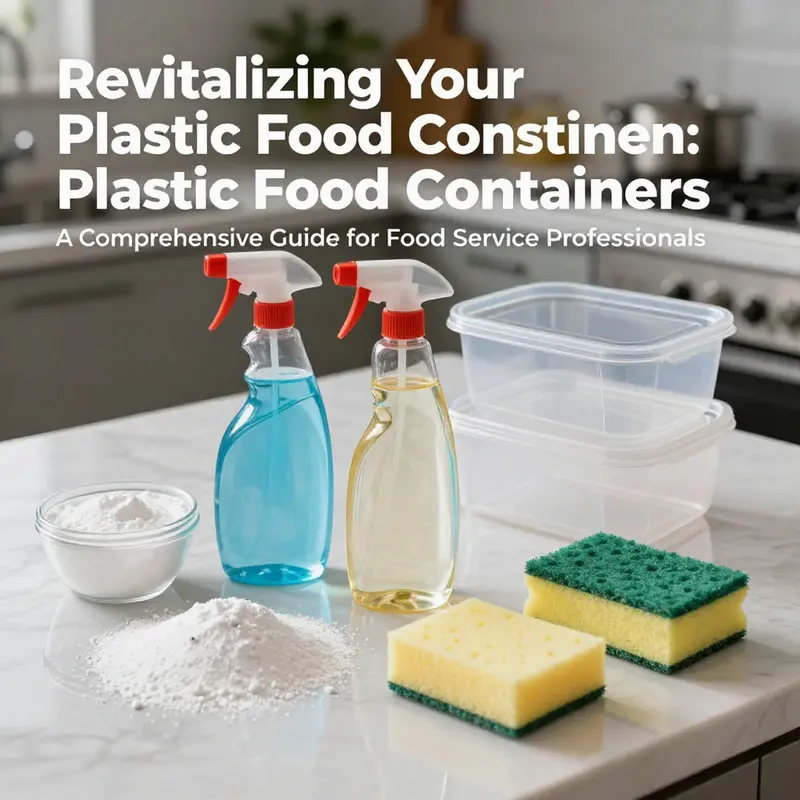
One of the most dependable surface-cleaning strategies uses baking soda and dish soap. Baking soda is a mild alkali that helps break down fatty residues, while dish soap emulsifies oils. The two together act as a gentle yet effective pairing for surface residue and mild cloudiness. The approach is simple: mix a paste of baking soda with warm water, apply it to the cloudy areas, and let it sit briefly to soften residues. Then scrub gently with a soft sponge or cloth—no rough pads that could add new scratches. Rinse thoroughly and let the container air dry. This method is particularly well-suited to polypropylene (PP) and polyethylene (PE) containers, common in home storage, where the plastic can tolerate mild alkalies without warping or weakening. The science behind it is straightforward: the alkaline action of baking soda lowers surface tension, loosens oils, and works with the soap to emulsify residues, enabling them to be rinsed away. Real-world results tend to be reliable for surface haze caused by oils and light soils. When the baking soda approach isn’t enough, it may be time to combine methods to address more stubborn mineral films or odors.
For mineral deposits and chalky films, the white vinegar soak is a time-tested option. Vinegar contains acetic acid, which gently dissolves mineral buildup without harsh acidity, provided it is thoroughly rinsed afterward. The recommended soak is generous in time but gentle on plastic: fill the container with an equal mix of white vinegar and warm water, then let it sit for about 30 minutes to two hours, depending on the buildup’s stubbornness. Light scrubbing with a non-abrasive sponge after soaking can complete the cleanup. Afterward, rinse very well to remove any vinegar odor and to prevent any lingering taste from transferring to foods. This method is especially effective for mineral deposits attached to the interior walls and base, those hard-water halos that can appear on the inner surfaces with repeated use of mineral-rich water. It’s a carefully balanced approach that uses a natural acid to dissolve deposits without introducing aggressive chemicals that might compromise the plastic.
Another common pitfall is discoloration from pigments in beverages or foods. Lemon juice can be a helpful ally here. The citric acid in lemon juice acts as a mild whitening agent and pigment-breaker, particularly for yellowing caused by tea, coffee, or turmeric-like hues. To utilize lemon juice, apply fresh juice directly to the stained areas or rub with a lemon slice. Allow 15 to 30 minutes for the acid to work, then rinse and dry. For a more pronounced effect, you can place the container in direct sunlight after washing for an hour or two. The combination of citric acid and UV light can act as a natural bleaching agent, although citrus exposure should be moderated, especially for containers made of polystyrene (PS), which can become fragile under prolonged acidic exposure. The lemon approach is not a universal remedy, but it can noticeably improve pigment-related clouding when used in conjunction with gentle cleaning and drying.
Sunlight, or UV exposure, is a double-edged sword. After cleaning and rinsing, allowing a container to sit damp and open in direct, unobstructed sunlight for several hours can contribute to a visual brightening effect and a degree of disinfection. UV light can reduce bacteria on the surface and help lighten discoloration that contributes to cloudiness. The practical caveat is to avoid excessive exposure that could degrade the plastic over time. The trajectory is a balance: enough sunlight to aid lightening but not so much that the polymer bears the brunt of photo-oxidative damage. When used sparingly and with common-sense care, sun-drying becomes a natural, chemical-free finishing touch that aligns with a simple, home-friendly cleaning routine.
To support the cleaning process and ensure a thorough, food-safe result, many households find it worthwhile to use dedicated, food-grade plastic cleaners. These cleaners are formulated to be effective while remaining compatible with a wide range of plastics and without leaving residues that could migrate into food. When using any cleaner, it is essential to follow the product’s instructions and to rinse the container very well after cleaning. The aim is to remove any product residue as well as the original haze, leaving a clean, smooth surface that resists the immediate return of residues. This approach also contributes to overall hygiene, as it reduces the likelihood of mold or bacteria taking hold in small crevices once moisture is trapped inside.
Drying is a crucial, often overlooked step. After rinsing, never store a damp container. Residual moisture inside small cavities can promote mold and bacteria growth, which not only smells unpleasant but also can contribute to new clouding over time. A simple but effective practice is to dry containers upside down in a well-ventilated area, allowing air to circulate inside and out. While air-drying, inspect the container for any scratches, cracks, or warping. Even minor damage can harbor bacteria and create micro-environments where residues accumulate more readily. If you notice any structural damage, it may be prudent to retire the container and switch to safer, more durable options. In the static of daily kitchen routines, a brief, mindful inspection can prevent a cycle of creeping cloudiness and compromised hygiene.
These cleaning steps are most effective when made part of a routine rather than a one-off rescue. The goal is to prevent future clouding by limiting exposure to oil residues and heat, paying attention to material compatibility, and choosing appropriate storage practices. For example, always wash plastic containers used with oily or acidic foods by hand rather than relying on a dishwasher, especially if the dishwasher uses high-heat cycles or aggressive detergents. A practical rule of thumb is to avoid heating plastic in the microwave unless the manufacturer explicitly labels the container as microwave-safe. This is not merely a matter of opinion; heat can accelerate polymer degradation and contribute to micro-cracks or yellowing over time. As a result, minimizing high-heat exposure can extend the glossy integrity of the interior.
Preventive habits are perhaps the most powerful tool. Soft cloths and non-abrasive sponges should be the default tools for cleaning. Abrasive pads, steel wool, and harsh scouring agents are counterproductive, producing micro-scratches that trap dirt and promote opacity. After each clean, a quick, thorough rinse followed by air-drying is often enough to maintain clarity for longer periods. If you store oily foods, do so in shorter intervals and consider replacing the liner or switching to a material that resists oil absorption more effectively. The literature on plastic storage consistently points to the value of careful maintenance, not only for appearance but for long-term safety as well. A thoughtful approach to care can reduce the risk of leaching in heat, odors, or residues, especially when containers are used for hot or acidic foods. If cloudiness recurs despite careful cleaning, it may be a sign that the container has reached the end of its useful life. In such cases, examining the broader material choice becomes necessary, and you may decide to transition to alternatives that provide stronger chemical resistance and greater clarity under similar use conditions.
Throughout this journey, a few practical, easy-to-remember principles emerge. First, target the root cause with the least aggressive method that works. If cloudiness is minor and sits on the surface, start with baking soda paste and gentle scrubbing. If mineral film is present, a vinegar soak can be the most efficient next step. For pigment-based yellowing, citrus can help, but it should be used with caution for sensitive plastics. If the container has absorbed oils, a round of baking soda or a dedicated cleaner can lift residues more effectively than simply rinsing. Remember that combining methods can be more powerful than any single approach, but each step should be followed by a thorough rinse and a complete dry. With patience and consistency, you can extend the life of many plastic containers and keep them looking clear and feeling fresh on the inside.
If you are organizing your kitchen alongside this cleaning routine, you may find it useful to browse the broader storage solutions available, particularly those designed to keep containers organized and accessible between uses. For example, exploring a dedicated category for storage containers can provide practical options for keeping clean containers in order and within easy reach, aligning with the habit of regular cleaning and maintenance. storage containers can serve as a reference point for matching the right container with the right use case—clear vs. opaque, rigid vs. flexible, and dishwasher-safe versus hand-wash preferred—and can help you implement a consistent system that supports ongoing hygiene and usability, rather than leaving clarity to chance.
In sum, restoring clarity to cloudy plastic containers hinges on understanding the underlying causes and applying a ladder of remedies that respect the material. Gentle approaches aimed at oils, minerals, and light exposure are the foundation, while more intensive steps should be reserved for stubborn cases. The most important rule is to avoid aggressive cleaning that can worsen micro-scratching and to prevent future clouding by mindful usage: hand-washing when needed, avoiding heat unless the product is rated for it, and drying completely to curb microbial growth. If clouding persists despite careful treatment, weigh the option of replacement with a safer, more inert material such as glass or stainless steel in regions where heat and acidity are frequent. The goal is practical longevity, not perfection, and the right routine can deliver containers that stay clear, safe, and useful for longer.
External reference for further reading: https://www.thespruceeats.com/clean-cloudy-plastic-food-containers-4789257
Lifelong Clarity: A Gentle, Science-Based Approach to Caring for Plastic Food Containers
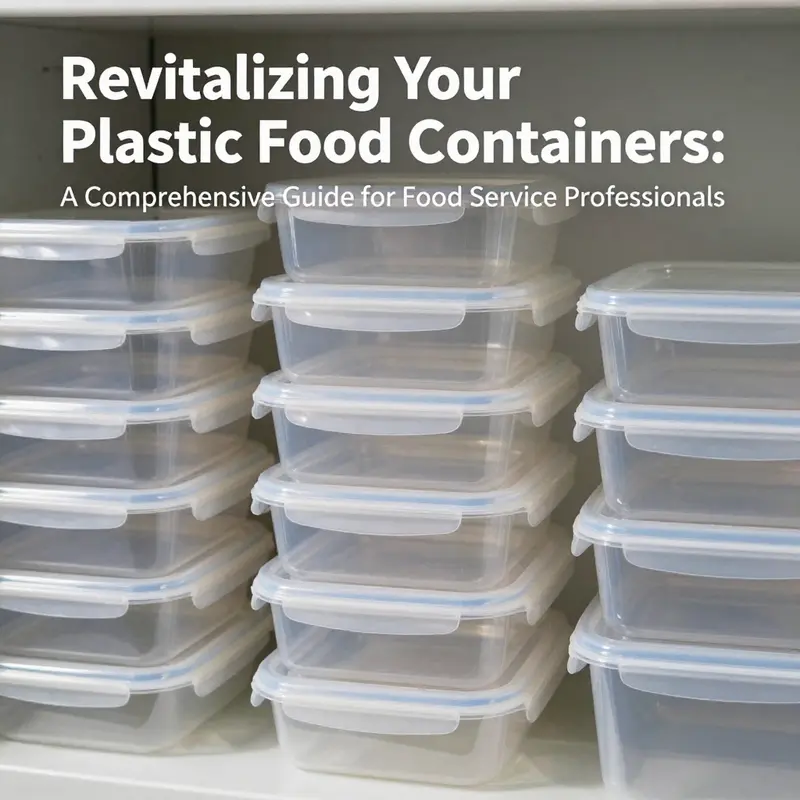
Maintaining clean, clear plastic food containers over the long haul is less about quick fixes and more about thoughtful stewardship. The container in your kitchen is a small, daily battleground where physics, chemistry, and habit converge. Each time you wash, store, and reuse a plastic vessel, you are setting in motion a sequence of microprocesses that can either preserve its integrity or hasten its decline. The goal of long-term care is not simply to remove stains or odors; it is to minimize the conditions that invite cloudiness, scratches, and potential chemical migration. When done well, this approach supports food safety, preserves container structure, and reduces the chance that small imperfections will become pathways for residue, bacteria, or trace contaminants to move from container to meal. The path to that goal begins with understanding how cloudiness arises in the first place and how everyday habits can either aggravate or alleviate the underlying processes.
Cloudiness in plastic containers is rarely the consequence of a single event. Instead, it accumulates as a result of mechanical wear, mineral interactions, and the absorption of fats or oils from the foods you store. Each component operates somewhat differently, and each is more or less active depending on the plastic’s material and the conditions it experiences. Mechanical abrasion—the scratches produced by rough sponges, steel wool, or aggressive scrubbing—creates a microtexture on the surface. Light travels differently across this roughened plane, scattering and diffusing as it hits the scratches. The result is a halo of haze that grows as scratches multiply. Even more insidious is the effect of heat. Repeated exposure to high temperatures, whether in a dishwasher’s harsh cycles or a microwave, can cause micro‑fractures in the polymer. Those fractures act like tiny conduits for moisture, odors, and, in some cases, small particles to migrate toward the surface or into the food itself. When you combine heat with a roughened surface, the damage compounds more quickly, making a once-clear container look cloudy sooner.
Mineral deposits present another common culprit. Hard water leaves behind a chalky film on plastic surfaces. Calcium and magnesium ions can adhere to the polymer, especially in areas where water tends to pool through handling or storage. This film isn’t merely cosmetic. It can trap oils and food residues, creating a stubborn combination of mineral build-up and grease that is difficult to remove with routine dish soap alone. The result is a persistent haze that can seem to whiten or dull the container, particularly around the corners or the lid rim. The mineral deposits do not merely sit on the surface; they can interact with detergents, making the cleaning task more demanding over time.
A third factor is the absorption of fats and oils. Plastic is not perfectly impervious at a microscopic level. Lipids from fatty foods—olive oil, curry, tomato-based sauces, or nut milks—can become embedded within the polymer matrix, especially in containers that have seen repeated use without careful cleaning. Over time, these absorbed oils oxidize and impart a yellowish cast alongside a lingering aroma. The combination of oil residues and mineral deposits can create a stubborn cloudiness that feels almost etched into the surface. It’s not always reversible, but in many cases it is possible to restore clarity with appropriate, gentle treatments that respect the integrity of the plastic.
Beyond these physical and chemical processes, there is the subtle, but crucial, role of exposure to light. Ultraviolet radiation from sunlight and indoor lighting can cause polymers to degrade gradually. This UV exposure can lead to color shifts, loss of clarity, and, over long periods, a greater tendency for the surface to become brittle. Containers that sit in bright sunlit windows or on sunlit shelves are particularly vulnerable. The long-term consequence is not just a cosmetic issue; the structural integrity can eventually be compromised, raising a potential safety concern if microfractures widen or if discoloration signals deeper material degradation. This is why the care plan for plastic containers hinges on gentle maintenance, mindful storage, and timely replacement when signs of wear become evident.
Given that not all cloudiness is reversible, the emphasis in long-term care should be on prevention and conservative restoration. When cloudiness is surface-driven, a careful cleaning regimen can restore the container’s transparency and odor profile without sacrificing the plastic’s integrity. The distinction between surface haze and structural damage is important. Surface haze tends to respond to milder interventions, whereas microfractures, deep yellowing from UV exposure, or aging polymers may be permanent. The difference may be unconscious until you observe whether the clouding reappears after a thorough cleaning, whether the container can be rinsed clean of odors, and whether the plastic remains flexible rather than brittle. Recognizing when a container has crossed from reversible to irreversible wear is part of responsible long‑term care.
Your long-term care plan begins with the choice of materials and the cleaning cycle you adopt. High-density polyethylene (HDPE, number 2) and polypropylene (PP, number 5) are widely recognized as relatively stable and durable for repeated reuse. They can resist chemical attack and tolerate a broad range of cleaning conditions better than some other plastics. Still, even these sturdier plastics are not indestructible. Over time, repeated exposure to hot liquids, oily foods, or aggressive cleaning can gradually wear them down. The more chemically resilient a polymer is, the longer it tends to resist staining and haze, but no plastic is immune to all forms of wear. By keeping a vigilant eye on signs of wear—small cracks, warped shapes, or persistent cloudiness—you can decide when it makes sense to retire a container or switch to a different material.
In contrast, polystyrene (PS, #6) and polyvinyl chloride (PVC, #3) tend to show wear more quickly and can be more susceptible to chemical interaction with food residues. They may be less forgiving when repeatedly exposed to heat or strong detergents. This is not a universal rule, but it is a practical guideline for households tracking long-term hygiene and safety. The key takeaway is not to fear plastic, but to respect its limits. Use the plastics that are most stable for your typical storage needs, avoid thermal shock, and employ cleaning methods that minimize surface abrasion and chemical exposure. In this light, the long-term care plan is not about perfection; it is about sustainability, safety, and the continual evaluation of whether a container continues to serve its function without compromising the quality of the food it protects.
With these principles in mind, the practical routines of long-term care become a matter of habit. Gentle cleaning emerges as the cornerstone of maintenance. Mild dish soap paired with warm water and a soft cloth or non-abrasive sponge can remove surface oils and cool, dull films without etching delicate surfaces. For containers that have experienced oil-heavy or acidic foods, it is wise to begin with a soak rather than a scrub. A measured soak helps to loosen stubborn residues before any agitative action is taken. When the cloudiness is more stubborn due to mineral deposits, a more targeted approach is merited. This is where safe, household remedies can be applied to dissolve mineral films without harming the plastic. Baking soda, a mild abrasive and deodorizer, can lift surface residues when used together with a gentle dish soap. A solution of baking soda and warm water, followed by a thorough rinse, can restore brightness to many containers. The science behind this method is straightforward: baking soda helps to neutralize acids that may have formed on the surface, and its mild abrasive action helps to dislodge films. The dish soap breaks down residual fats and oils, enabling the baking soda to do its work more effectively.
If a container shows chalky mineral deposits that resist the baking soda approach, a vinegar soak offers a complementary, chemistry-based remedy. White vinegar’s acetic acid can safely dissolve mineral films without harming most plastics when used at moderate concentrations. A soak of equal parts white vinegar and warm water allows the acetic acid to interact with mineral residues, loosening their grip on the surface. After soaking, a gentle scrub with a non-abrasive sponge, followed by thorough rinsing, helps to remove both mineral film and any residual odor. It is important to ensure that no vinegar is left in contact with the surface for prolonged periods, as extended exposure to acids can affect certain plastics. A final rinse with clean water and a complete air dry will help confirm whether the surface has regained its clarity.
The decision to place a container in a dishwasher requires extra caution. While a dishwasher can offer convenience, it can also accelerate wear on plastic surfaces if used indiscriminately. The high heat on the top rack can be particularly aggressive, and frequent exposure to hot drying cycles can accelerate microstructural damage. If you must use a dishwasher, place containers on the bottom rack, select a low-heat or air-dry cycle, and avoid harsh detergents or bleach. Even then, it should be considered a compromise rather than a preferred method for all plastics. The bottom line is that hand washing remains the gold standard for preserving clarity and longevity of plastic containers, especially when oils or acidic foods are involved. This approach gives you greater control over water temperature, scrub intensity, and contact time, allowing you to tailor each cleaning session to the specific material and film present.
Prevention sits at the heart of long-term care, and it is built into daily routines. After meals, a prompt rinse or soak prevents oils from setting and mineral residues from dry-sticking. Hand washing with a soft cloth or sponge should become a reflex rather than a chore. Avoid abrasive pads or steel wool, which can leave micro-scratches that trap residues and harbor bacteria. Dry containers by towels or air drying in a well-ventilated area; patting them dry with a rough cloth can reintroduce micro-scratches. When possible, store containers in a cool, dry place away from direct sunlight to reduce UV-induced degradation. If you must store oily or acidic foods, it is prudent to do so in containers made of the more chemically stable plastics and to avoid long storage that could exert extended contact with aggressive ingredients. The habit of gentle handling—careful washing, appropriate drying, mindful storage—becomes a long-term safeguard against cloudiness, odor retention, and potential leaching concerns.
Maintaining the integrity of a container is not only about cleaning but also about ongoing inspection. A routine check for cracks, warping, or changes in transparency provides early signals that a container may be approaching the end of its useful life. If you notice persistent cloudiness that cannot be eliminated by the recommended methods, or a persistent odor that remains after thorough cleaning, these signs point toward irreversible damage or material aging. In such cases, continuing to reuse the container poses questions about safety and the risk of chemical migration into food. The recommendation in these instances is to retire the container and consider alternatives that reduce the risk of leaching, especially when storing hot, acidic, or fatty foods. Glass or stainless steel alternatives can offer enhanced stability and peace of mind for meals that demand high hygiene standards. Yet the choice to switch should be guided by your specific needs, including the type of foods you store, how often you heat food, and whether you require transparent containers for quick identification of contents.
As you weave long-term care into your kitchen habits, it is useful to remember that not every cloudiness is the same, and not every plastic is equally robust. HDPE and PP may already provide a strong foundation for daily reuse, but no plastic is immune to wear. The rule of thumb is to respond to wear with measured care rather than aggressive attempts to restore a surface that has already begun to degrade. A critical part of this care is being mindful of the conditions under which you store containers. Avoid exposing them to high temperatures repeatedly, limit the use of oils and acidic foods in older or damaged containers, and refrain from heating plastics unless the container is explicitly labeled microwave-safe. In other words, long-term care is less about heroic restoration and more about disciplined, informed use that extends the life of the container while protecting the health of the user.
From a broader perspective, this approach resonates with a growing body of public health guidance on safe food storage. The core idea is straightforward: minimize exposure to heat and harsh cleaning methods, limit contact with fats and acids, and replace containers when damage becomes evident. This aligns with recommendations that emphasize cautious reuse, particularly for single-use plastics or containers not designed for repeated heating. The long-term care strategy also considers the cumulative effect of detergents, minerals, and oils on the plastic’s surface and composition. It acknowledges that while some cloudiness can be reversed by simple, gentle methods, persistent issues may reflect deeper material changes. In practical terms, this means fostering a mindset of ongoing evaluation—regularly inspecting plastics for signs of aging, updating storage practices, and choosing materials that are appropriate for your typical use patterns.
In implementing these practices, you may explore broader categories of storage solutions beyond the smallest kitchen containers. For instance, if you’re redesigning your pantry or reorganizing your lunch routines, you might consider a broader ecosystem of storage options that includes a variety of container shapes and sizes. For those looking to upgrade or diversify, consider the broader category of storage containers. This link points you toward options that balance durability, usability, and safety while remaining aligned with a philosophy of mindful reuse. The goal is not merely to avoid waste but to create a kitchen system that supports healthful storage without compromising convenience.
When thinking about the future of plastic storage, it is useful to appear prepared for both small, everyday decisions and larger shifts. The most important takeaway is that prevention, gentle cleaning, and timely replacement are not opposing strategies; they are complementary components of a holistic approach to safe food storage. With robust habits in place, you can maintain clarity and odor-free containers over many months and even years. You will likely find that the containers you reach for after a long day of cooking are the ones you kept clean and cared for with patience and discipline. The result is not merely cosmetic; it is a measurable improvement in food safety, a reduction in waste from prematurely discarded containers, and a quieter confidence that your kitchen practices are aligned with both practical needs and scientific understanding. The long-term practice of care becomes part of a kitchen’s culture, a quiet but steady discipline that upholds health, safety, and efficiency day after day, season after season.
For readers who want to widen their comprehension beyond the practicalities of cleaning and inspection, there is value in consulting established food-safety resources that discuss plastic use, storage guidelines, and migration risks associated with certain polymers. While the everyday actions of gentle cleaning and mindful storage are accessible, understanding the underlying science can deepen your confidence in the routines you adopt. A thoughtful, informed approach to plastic storage—one that recognizes both the resilience and the vulnerabilities of different plastics—helps ensure that your meals stay safe from the time they are prepared to the moment they are reheated or enjoyed. In this sense, long-term care is not a static checklist but a living practice that evolves with new evidence and with your changing kitchen needs.
In sum, safeguarding the clarity and safety of plastic containers over time is a blend of science and habit. It requires recognizing the multiple pathways through which cloudiness can arise and applying gentle, science-backed remedies when appropriate. It invites you to choose materials with favorable long-term performance, to shield containers from heat and harsh cleaning, and to replace them when wear becomes evident. It rewards patient care with enduring clarity, a cleaner odor profile, and a reduction in the potential for chemical migration. The outcome is a kitchen ecosystem that sustains its own health, enabling you to reuse containers with confidence and to minimize waste without compromising safety. As you continue to refine your routines, you’ll discover that long-term care is less about chasing perfection and more about cultivating resilience in everyday storage—an ongoing practice that keeps your plastic containers clear, safe, and reliable for the meals you share with family and friends.
External resource for further reading: https://www.healthline.com/health/food-nutrition/plastic-vs-glass-food-containers
Final thoughts
The cleanliness of your plastic food containers is pivotal in maintaining high hygiene standards and ensuring customer satisfaction. By understanding the importance of regular cleaning, utilizing effective techniques, and adopting long-term maintenance practices, food service professionals can enhance their operational efficiency and uphold their brand’s reputation. Invest time in caring for your containers to keep them clear, safe, and inviting for your valued customers.