
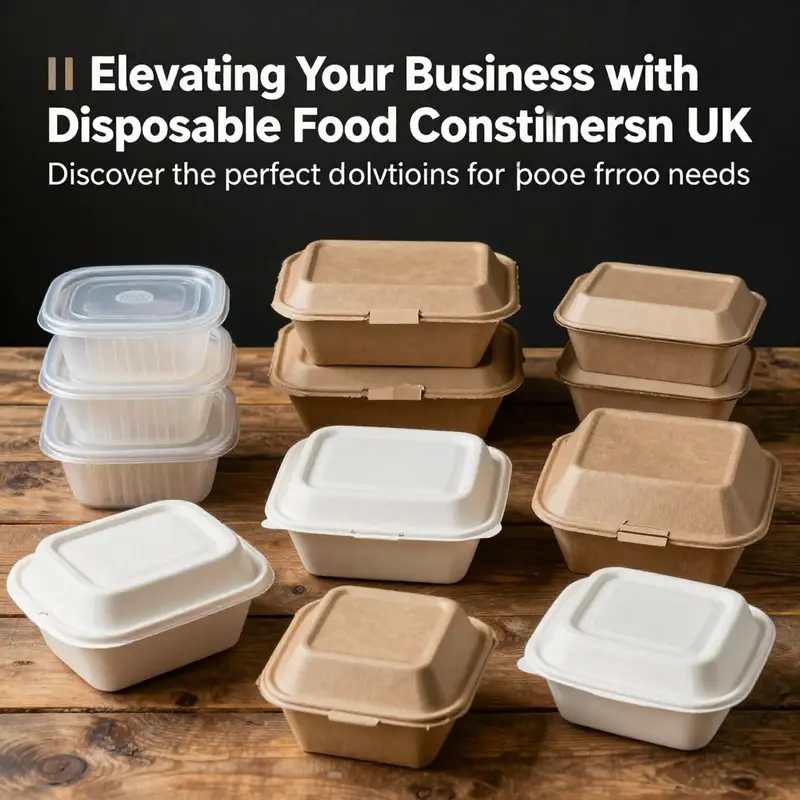
With the growing demand for convenience and sustainability in the food service industry, disposable food containers have become essential for businesses across the UK. For bubble tea shops, restaurants, food trucks, catering services, event planners, and corporate procurement teams, selecting the right containers not only ensures food safety and convenience but also resonates with customer preferences for eco-friendly options. In this guide, we explore four key categories of disposable food containers available in the UK, including plastic options, biodegradable alternatives, cardboard packaging, and multi-compartment designs. Each chapter provides insights into how these solutions can enhance your service, help meet health regulations, and appeal to environmentally-conscious consumers.
Plastic Disposable Food Containers in the UK: Regulation, Market Shifts and Practical Choices for Businesses
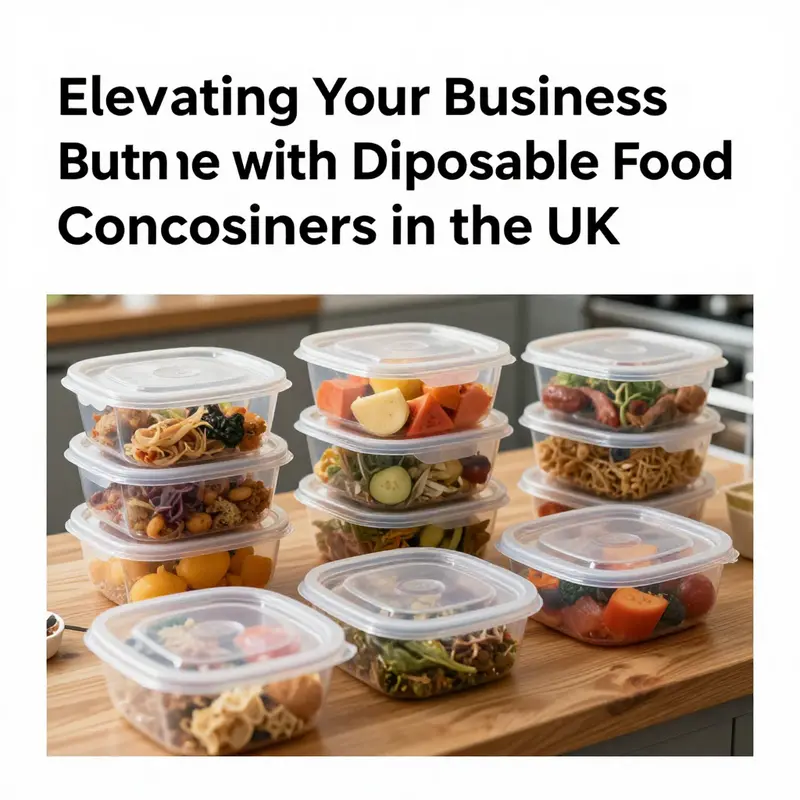
Plastic disposable food containers once dominated the UK take-away and catering sector. Their low cost, light weight and convenience made them a near-universal choice. New regulations and growing public concern over plastic pollution have forced a rapid rethink. This chapter traces that shift, explains what businesses must consider when replacing plastic, and outlines practical options that meet both functional needs and compliance obligations.
The regulatory turning point was an announcement that phased in a ban on specific single-use plastic items from October 2023. The restriction targeted items like plates, bowls, trays and certain polystyrene containers. The ban aims to reduce plastic leaking into the environment, especially marine ecosystems. It does not cover pre-packaged food sold in supermarkets, and it leaves room for some specialist uses. Still, the end of the transition period means non-compliance risks enforcement, fines, and in serious cases, criminal charges. For many small and medium enterprises the message was clear: review your supply chain now.
Manufacturers and wholesalers reacted quickly. Many shifted production lines from conventional single-use plastics to alternatives. Common replacements include kraft paper, moulded pulp and plant-fibre materials such as bagasse. These materials are often compostable or biodegradable and are increasingly available in formats that match the performance of old plastic designs. Suppliers adapted popular features: secure lids, microwave-safe linings, and multi-compartment trays. They also offered customization and small-batch orders to respond to diverse commercial needs.
The market now balances three priorities: regulatory compliance, food safety, and usability. Food safety remains non-negotiable. Materials must be food-grade and free from substances that migrate into food. They must withstand hot fillings and steam without structural failure. Containers intended for microwaving require specific certifications. In this context, many paper-based options come with thin, food-safe coatings. Some use compostable coatings derived from plant polymers, while others rely on simple mechanical barriers like double walls. Each approach affects disposal and recycling routes.
Functionality matters to operators. Catering businesses must consider heat retention, leak resistance and stackability. Multi-compartment designs help with meal balance and presentation. For street food vendors, hinged lids that lock securely reduce spill risk. For delivery services, containers that survive transit avoid complaints and returns. Fortunately, the newer generation of alternatives often mimics the features that made plastic popular. For instance, kraft paper bowls with tight-fitting lids and leak-resistant seals are now common. They are both more acceptable to environmentally conscious customers and compliant with the new restrictions.
Cost remains a deciding factor. Plastic was inexpensive partly because of well-established mass-production techniques. New materials sometimes carry higher unit costs, particularly for small orders. However, the price gap has narrowed. Suppliers now offer competitive wholesale pricing and customization. Some factories permit branding and printing, including hot foil stamping and UV printing. Custom options allow caterers to preserve brand identity while adopting greener packaging. For many businesses, the initial cost increase is offset by improved customer perception and fewer regulatory risks.
Supply chain and procurement decisions have become more strategic. Buying in bulk can reduce per-unit cost, but storage and shelf life must be considered. Paper and pulp products are sensitive to moisture during storage. They require dry warehousing and careful stock rotation. Conversely, some plant-based containers tolerate freezing and microwaving, but these capabilities vary. Clear supplier specifications and product testing help ensure that containers meet on-site needs. Many suppliers now provide small sample packs for testing in real conditions before committing to large orders.
Sustainability claims deserve scrutiny. Terms like “compostable” and “biodegradable” are useful but not uniform. “Compostable” usually indicates a material will break down in commercial composting facilities within a defined timeframe. “Biodegradable” can be broader and less specific. The availability of industrial composting infrastructure is crucial. In many parts of the UK, local councils lack the capacity to accept commercial compostables. Businesses should confirm local disposal options, or establish private collection and composting routes. Clear labelling for customers helps ensure used containers are disposed of correctly.
Recycling infrastructure is another complexity. Many recyclable plastics used to be accepted widely, but contamination from food residue reduces recyclability. Paper-based containers with plastic-lined interiors can be difficult to recycle. Some new designs avoid plastic liners entirely, using plant-based coatings or mechanical barriers. Others separate lids and bases to improve processing. Where recyclable options are chosen, operators must guide customers on rinsing and on separation of components. Working with waste-management partners to map local capabilities will reduce the risk of materials being landfilled.
For businesses negotiating with suppliers, customization and OEM services are valuable. Wholesalers now regularly support custom prints, logos and tailored sizes. Customization helps food operators present branded meals without plastic. It also allows businesses to fine-tune features like compartment size, lid fit and material thickness. When requesting samples, ask for technical details: material composition, certifications for food contact safety, compostability certificates and test reports for microwave or freezer use. Keep procurement records that demonstrate due diligence and compliance with the new rules.
Operational changes often go hand in hand with packaging swaps. Training staff in correct packing techniques reduces spills and extends the functional life of disposable containers during delivery. Changing menu portioning to suit new compartment sizes improves presentation and reduces the need for extra packaging. Communicating changes to customers is important. Clear signage, online descriptions and staff briefings help set expectations about packaging performance and disposal methods. Many customers accept modest trade-offs for clearer environmental benefits.
Marketing and customer perception are powerful incentives. Adopting greener packaging can strengthen brand reputation. Consumers increasingly prefer businesses that demonstrate environmental responsibility. Visible steps—like specifying compostable materials on menus or using printed messaging on lids—reinforce that image. However, authenticity is critical. Avoid ambiguous claims and ensure product labelling matches actual disposal pathways. Greenwashing risks reputational damage and regulatory penalties.
The broader policy landscape is still evolving. The government has signalled potential expansions to the initial ban, which could target items like plastic flowers, coffee filters and small bags. Environmental organisations continue to press for measures that reduce overall single-use consumption and improve recycling systems. For businesses, the uncertain future means flexibility is valuable. Choosing modular packaging solutions and building supplier relationships that support quick changes reduces future disruption.
Practical selection criteria help businesses choose the right containers. Prioritise materials with recognised certifications for food safety and compostability. Match container form to menu and service model. Test containers for heat retention and leak resistance under real conditions. Confirm storage requirements and order minimums with suppliers. Review end-of-life options and communicate disposal instructions to customers. Finally, factor total cost, including waste disposal fees and potential regulatory compliance costs.
The change away from traditional plastic disposable containers is not merely a materials swap. It reshapes logistics, waste handling and customer experience. Yet it opens opportunities. Many suppliers now offer popular kraft paper bowls with secure lids that perform like old plastic designs while offering better environmental credentials. Businesses that invest in testing, staff training and clear customer messaging gain a competitive edge. They reduce regulatory risk and align with shifting consumer expectations.
For operators seeking a straightforward step away from traditional plastic, consider evaluating reliable kraft paper options. A widely referenced example is the best-selling disposable rectangle kraft paper salad bowl with a PP paper lid, which balances microwave capability and recyclability while supporting customization and wholesale purchase terms. Suppliers often provide sample packs and technical data to help with trial runs. Integrating such alternatives can be a pragmatic way forward for many food businesses seeking compliance and improved sustainability.
The official government guidance on single-use plastic restrictions remains the primary reference point. Businesses should consult it when planning packaging changes and when documenting compliance steps: https://www.gov.uk/government/news/ban-on-single-use-plastic-plates-and-cutlery
Adopting alternative containers is a practical necessity and a brand opportunity. The transition involves more than swapping materials, but it is manageable with careful supplier selection, trialling, and staff training. Thoughtful choices will keep food safe, satisfy customers and meet regulatory obligations, while reducing the environmental impact of disposable food service packaging.
From Kraft to Compost: Navigating Biodegradable Disposable Food Containers in the UK
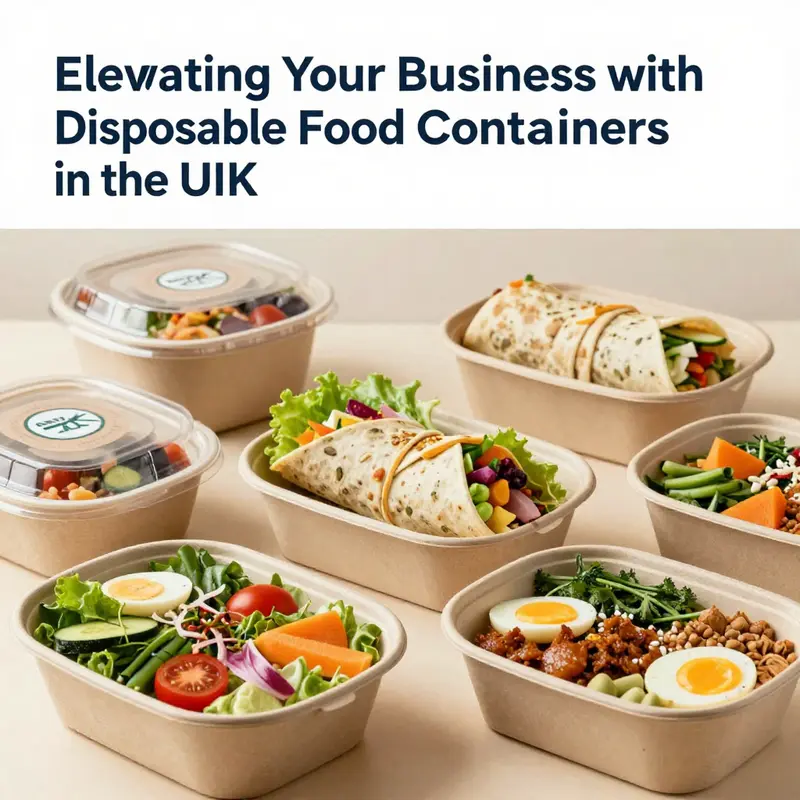
In the evolving landscape of UK food service, kraft paper and other biodegradable disposable containers have moved from fringe options to frontline choices for many operators and households. The shift is driven not only by consumer demand for greener habits but also by a regulatory and reputational environment that rewards packaging designed to reduce waste, extend shelf life, and protect food integrity without sacrificing performance. Kraft paper containers, often paired with plant-based coatings or board formulations, offer a compelling mix of natural aesthetics, strength, and end-of-life versatility. They embody a broader strategy in which packaging is not merely a vessel for food but a communication about a brand’s values and a city’s aspiration toward a circular economy.
What makes kraft paper bags and boxes so compelling begins with materials. Kraft paper is typically derived from natural fibers that can be sourced from sustainably managed forests or agricultural byproducts. When used for disposable food containers, these papers are frequently treated with coatings that balance grease resistance and moisture control while keeping the material compostable or recyclable. In many cases, the coatings are plant-based, such as compostable layers that meet recognized standards for trash-to-treasure recycling. This combination allows containers to perform in a range of service contexts—from hot soups to cold salads—without compromising the integrity of the packaging or the safety of the food inside.
The concept of compostability sits at the heart of the UK market’s appeal. Competent producers and distributors emphasize that their kraft-based options decompose in appropriate composting environments, reducing the long-term burden on landfills. In practice, this means that a significant portion of kraft paper containers is designed to break down in industrial composting facilities, with some products also marketed as home-compostable where facilities and consumer behavior align to support it. The practical upshot is a packaging option that can accompany takeaways, catering events, and meal-prep regimes while aligning with regulatory expectations that discourage non-recyclable waste and promote separation at source in kitchens and venues across the country.
The UK market’s sophistication is evident in the breadth of forms available. Kraft paper containers come in various shapes and sizes, from rectangular lunch boxes and octagonal bowls to round soup cups and sandwich trays. The emphasis is not solely on form but on function—heat resistance, leak-proof sealing, and reliable lids are all compatible with kraft combinations. This balance matters because the best packaging is the packaging that disappears from the foreground of a consumer’s experience and simply “does its job” while in transit. A well-designed kraft container with a snug lid can keep a hot curry from leaking and a salad from wilting, while still presenting a natural, sustainable aesthetic that resonates with modern diners.
Beyond the basic materials, the UK supply ecosystem for biodegradable kraft packaging operates across several channels. Domestic manufacturers have expanded capacity to serve cafes, fast casuals, and large-volume caterers looking to replace plastic or less sustainable options. At the same time, international sourcing remains a practical route for many brands seeking cost efficiency or specific design capabilities, including customized printing and branding options. The landscape is characterized by bulk supply capabilities, with many suppliers offering samples and scalable quotes that help businesses test performance before committing to larger orders. The ability to procure in bulk, often starting from tens of thousands of pieces, is a key driver of the uptake of kraft-based solutions among UK operators who want both reliability and competitive pricing.
In the realm of procurement, platforms that span borders have become common. Made-in-China.com and similar marketplaces act as conduits for buyers who need quotes, samples, and manufacturing partnerships. They provide access to a spectrum of kraft packaging solutions, from simple single-use bowls to multi-compartment containers designed for balanced meals. For brands that want to maintain a consistent look across food categories, customization services—printing logos, colors, and even foil-stamping or UV printing—offer a way to translate sustainability into recognizable brand identity. The trade-off discussions often center on cost versus performance and the reliability of supply, but many buyers in the UK find that the long-run savings from waste diversion and consumer goodwill justify the investment.
A central feature of how kraft packaging is perceived in the market is its alignment with brand storytelling. Restaurants and catering services increasingly want to communicate responsibility through every touchpoint, including packaging. Customizable kraft containers enable brands to carry logos, color schemes, and even messaging that underscores sustainability or local sourcing. The result is more than a container; it becomes a portable advertisement for a green ethos. For operators who take pride in their environmental commitments, this is an essential advantage, because packaging that reinforces a message can influence consumer choice at the moment of decision in takeaway scenarios.
The practical realities of heat and grease resistance require ongoing attention. Kraft containers intended for hot foods often employ coatings that are specifically designed to resist oil and moisture while preserving the container’s integrity under elevated temperatures. These coatings must also balance end-of-life considerations, ensuring that the product remains compatible with composting or recycling streams. In some cases, packaging designed for hot foods uses double-wall configurations or lids with robust sealing mechanisms to handle steam and pressure. For cold items, the focus shifts toward maintaining freshness, enabling secure sealing, and preventing condensation that could degrade texture or presentation.
For buyers seeking to align procurement with sustainability goals, it is essential to understand the lifecycle implications of kraft-based packaging. Lifecycle assessment (LCA) frameworks provide a lens through which to compare environmental impacts across raw material extraction, manufacturing energy use, transport, in-use performance, and end-of-life treatment. In the UK, where disposal infrastructure varies by region and municipality, researchers and practitioners emphasize the importance of choosing packaging with credible compostability or recyclability claims backed by certification. Certifications such as EN 13432 and other recognized marks help buyers avoid the pitfalls of greenwashed statements and ensure that the chosen solutions genuinely fit into existing disposal streams.
The discourse around compostability also invites a nuanced view of consumer behavior. A container labeled as compostable is only as good as the system that accepts it. Many parts of the UK have industrial composting facilities that can process plant-based coatings and fiber-based packaging, but not all local authorities collect compostables, and some households lack the infrastructure for home composting. This reality means businesses must communicate clearly with customers about disposal options and, where possible, structure takeaway packaging to suit the local waste ecosystem. The result is a practical, customer-centric approach that respects both environmental goals and everyday realities. Careful packaging selection, paired with transparent labeling and post-purchase instructions, can help close the loop and maximize the intended environmental benefits.
Design versatility remains one of kraft packaging’s strongest selling points. For operators who want to maintain a consistent brand look, there are opportunities to print logos, brand colors, and message on kraft boxes or cups without sacrificing the natural aesthetic that many diners associate with sustainability. In the hands of skilled designers and responsible manufacturers, kraft packaging becomes a canvass for storytelling—an invitation to join a green transformation rather than a mere utilitarian vessel. The implications extend to events and hospitality, where branded, compostable containers can elevate the guest experience while keeping waste streams manageable and traceable. A growing subset of offerings also includes multi-compartment designs, which help keep sauces separate from solids or maintain portion control for balanced meals, a feature that resonates with health-conscious consumers and institutions alike.
From a purchasing perspective, the UK market has matured to accommodate both small take-away outlets and large catering operations. Stores and suppliers increasingly present a spectrum of choices—single-wall versus double-wall constructions, plain or printed finishes, and a range of sizes that cover the typical meals and snack formats. Operators who adopt these options often pursue a phased transition, beginning with core items that replace the most problematic plastics, then gradually expanding to more complex or branded solutions as supply chains stabilize and as consumer feedback confirms performance. In this process, it becomes clear that the strongest drivers are not simply a desire to reduce plastic use but a broader commitment to responsible packaging that protects food, respects the environment, and reinforces brand values.
To illustrate how the market anchors these trends in tangible terms, consider a common takeaway scenario: an operator supplies soups, salads, and hot meals in kraft-based containers with reliable seals and optional printed lids. The design must withstand a journey from kitchen to consumer without compromising containment or presentation. It must also integrate with the business’s logistics—whether in a bustling city center or a remote delivery hub—so that deliveries reach customers promptly and in good condition. The quality benchmarks—grease resistance, heat tolerance, secure closures, and compostability certifications—become decision filters during supplier selection. A well-chosen kraft solution reduces the need for additional packaging layers, simplifies waste sorting for customers, and aligns with broader environmental commitments that increasingly influence procurement criteria, from tenders to franchise standards.
For buyers who are curious about real-world exemplars and the practicalities of sourcing, a useful reference point lies in the broader availability of kraft-based packaging in the UK. Beyond the domestic manufacturers, international sourcing platforms facilitate quotes and samples, enabling brands to compare coating technologies, fiber blends, and printing capabilities. In parallel, online marketplaces and e-commerce channels help small operators test packaging in real-world conditions before scaling up. The combination of domestic supply capacity and international access gives UK buyers the flexibility to align packaging choices with both budget and sustainability goals. It also underscores the importance of due diligence in supplier selection, including checking certifications, requesting samples, and validating end-of-life options with local waste authorities.
When examining the total cost of ownership, sustainability is no longer a peripheral consideration. The financial calculus often weighs the price per unit against performance and the potential savings from reduced waste and improved consumer perception. A durable, compostable kraft container may command a higher upfront price than a simple plastic alternative, but it can lower disposal fees, improve recycling rates, and enhance brand loyalty among a growing cohort of eco-conscious diners. For operators who run periodic events or catering services, the ability to brand packaging cheaply and consistently can translate into stronger market presence, repeat business, and an environmental narrative that resonates in a crowded marketplace. This is especially true in the UK, where public awareness of packaging waste and recycling outcomes continues to rise and where customers increasingly expect responsible choices as part of everyday dining experiences.
If you are evaluating kraft paper containers for your operation, a practical starting point is to understand the end-use conditions your packaging must endure. Consider the typical serving temperature, the likelihood of leakage, and the duration of transit. These factors will guide your selection of coatings, lids, and multi-compartment designs. Ask suppliers for test results on grease resistance and heat stability, as well as information on certifications that verify compostability in industrial facilities or home environments. Request a small batch for pilot testing in your local market, observe how staff and customers respond, and gather feedback on branding, usability, and disposal behavior. The aim is a packaging choice that supports efficient service, clear disposal messaging, and a credible environmental impact story.
In practice, many UK businesses are now combining kraft packaging with responsible sourcing claims and clear end-of-life guidance. This integrated approach helps demystify compostability for customers who may be unfamiliar with current infrastructure. It also strengthens partnerships with waste services and councils that are actively developing more robust composting capabilities. The outcome is a packaging ecosystem in which kraft and other biodegradable options are not just alternatives to plastic but integral components of a forward-looking service model. It is a model that embraces both the practical realities of a busy food service operation and the societal expectation that packaging should contribute to a cleaner environment rather than a more puzzling waste stream. And as more brands adopt this approach, the UK market naturally gravitates toward packaging that feels authentic, functional, and responsible, while remaining adaptable to the evolving needs of consumers, retailers, and regulators.
For readers who want to explore a concrete example of the design capabilities and application scope discussed above, consider a take-away Kraft paper octagonal box with lid. This style of container demonstrates how form can harmonize with function, enabling efficient stacking, stable transport, and attractive branding in a single package. You can view this type of design in many supplier catalogues, including specific product pages that present a ready-to-use solution for hot or cold foods with strong sealing performance. This kind of packaging showcases the practical intersection of sustainability, practicality, and brand storytelling that characterizes today’s UK market for disposable containers. takeaway Kraft paper octagonal box with lid
In closing this section of the narrative, it is essential to acknowledge that the UK’s appetite for kraft paper and biodegradable packaging stems from a convergence of factors. Regulatory expectations are tightening, consumer values are shifting toward responsible consumption, and manufacturers are innovating with materials and processes that dilute the old dichotomy between performance and sustainability. The result is a packaging landscape where kraft paper options are not passive alternatives but active enablers of better food experiences, clearer waste streams, and stronger brand integrity. As this chapter threads into the broader discussion of disposable food containers in the UK, the emphasis remains squarely on choosing materials that safeguard taste and safety while supporting a circular economy that reduces waste and reinforces social trust. External references can offer additional context on standards and marketplace developments, such as the widely cited listings for biodegradable bagasse containers on major UK retail platforms, which illustrate how consumers and businesses evaluate compostability claims in real-world shopping environments. For further reading, see a representative external reference listed here: https://www.amazon.co.uk/dp/B0B7LXWQJH
Sustainable Cardboard and Paper Packaging: Practical Choices for Disposable Food Containers in the UK
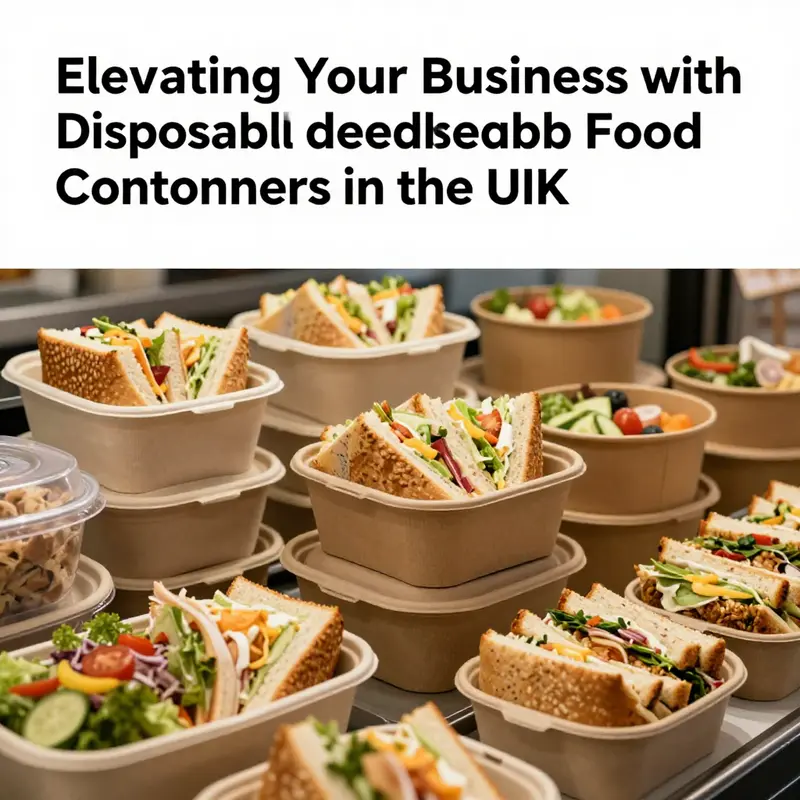
Sustainable cardboard and paper packaging has become central to the UK market for disposable food containers. Increasing consumer preference for lower-impact packaging and tighter regulatory pressure on single-use plastics push businesses to find solutions that balance performance, cost, and environmental responsibility. Cardboard and paper options cover a wide spectrum. They include white paperboard lunch boxes, kraft paper bowls and boxes, bagasse pulp containers, and coated paperboard that resists grease and moisture. Each material brings distinct strengths and trade-offs that affect operation, brand presentation, waste handling, and procurement.
Paper-based containers start with raw material choice. Many containers are made from virgin pulp, recycled fibers, or bagasse, the fibrous residue from sugarcane processing. Bagasse stands out as a renewable byproduct that would otherwise be discarded. It offers good heat resistance and compostability. Recycled paperboard reduces demand on forests and often carries a lower embodied carbon footprint. Virgin fiber can provide superior stiffness and print quality, useful for premium presentation. The material choice sets the tone for downstream properties like biodegradability, compostability, and recyclability, and should match your business priorities.
Functionality is the next critical factor. Paper and cardboard containers are widely used for dry foods, salads, sandwiches, and baked goods. Modern designs extend their use to soups, hot rice dishes, and mixed meals. That wider use depends on coatings and assembly methods. Uncoated paperboard is recyclable and compostable, but it soaks through quickly with oil or liquid. To cope, manufacturers apply water- and oil-resistant coatings. These range from biodegradable PLA and starch-based coatings to thin polymer laminates. Biodegradable coatings allow industrial composting. Polymer coatings offer superior leak resistance and extended shelf life but complicate recycling and composting. Businesses must weigh the end-of-life pathway they value most.
Barrier performance matters for takeaway and delivery operations. Grease resistance is essential for fried foods. Heat resistance matters for hot meals and microwave use. Some paper containers are specified as microwave-safe for short bursts, while others resist high temperatures through double-wall construction. Lid designs influence spill prevention. Snap-fit lids, fold-over flaps, and separate lids made of clear plastic or recyclable paperboard are all available. Multi-compartment formats help preserve presentation and prevent soggy textures in mixed meals. For operators moving between in-store service and delivery platforms, container performance must align with handling times and temperatures.
Compliance with UK and EU regulations is a practical requirement. Food-contact materials must meet migration and safety standards. For paperboard, this means certified food-grade inks, adhesives, and coatings. Suppliers typically provide compliance documentation and test certificates to prove their products meet legal requirements. Beyond safety, packaging waste rules affect costs. In the UK, Extended Producer Responsibility schemes and local disposal systems influence product choice. Compostable claims must be backed by appropriate certification if composting is the intended end of life. Labels on packaging should clearly guide consumers on disposal to reduce contamination and boost correct routing into recycling or composting streams.
Procurement considerations shape how businesses source paper containers. Stock lines for cafe chains and caterers offer fast turnaround and lower unit costs. Custom printing, special sizes, and unique formats require longer lead times and higher minimum order quantities. Typical MOQs for customized cardboard ranges from tens of thousands to more, depending on the supplier and the complexity of the print run. Standard stock items can often be purchased in smaller quantities, but unit price rises with lower volumes. Price variation reflects material grade, coatings, size, and printing complexity. For operators balancing cash flow and brand needs, a hybrid approach often works: carry a stock of standard sizes and order custom-printed runs for special events or promotions.
Branding and print options deserve attention. Paperboard accepts a wide range of printing techniques including flexographic, digital, and hot foil stamping. Digital printing is ideal for short runs and variable designs. Flexographic printing suits larger runs and spot colors. Matte lamination and embossing provide a premium tactile finish. However, certain finishes interfere with recycling streams or compostability. When branding matters, choose finishes that align with disposal expectations. Clear disposal instructions and sustainability claims can be integrated into the design. That reduces mixed-message risk and helps customers make the right recycling or composting choice.
Logistics and storage also affect the total cost and operational suitability. Paper-based containers generally stack flat, saving space in smaller kitchens. However, humidity and prolonged storage can degrade performance for some uncoated items. Suppliers can supply moisture-resistant pallets or protective wrapping for long-term storage. Bulk orders require careful planning of warehouse space and pick-and-pack workflows. Consider seasonal demand spikes and delivery bottlenecks. Lead times can vary by factory and port schedules when importing. For domestic suppliers, shorter lead times reduce the need for large buffer stocks.
The environmental profile of paper-based containers depends on the full life cycle. Paper production has impacts in fibres, water, and energy. But when sourced from responsibly managed forests or from agricultural residues, paper containers often show lower long-term impacts than fossil-based plastics. Compostable bagasse containers diverted to industrial composting become a soil amendment, closing the loop. Recyclable white board can be collected through municipal streams when kept free of food contamination. However, the key to actual environmental benefit is correct disposal at end of life. Packaging that confuses consumers with mixed signals can undermine recycling and composting systems. Clear on-pack instructions and staff training are thus essential.
For businesses that need both convenience and barrier protection, hybrid systems are common. Paper bowls with separate PP or PET lids combine paper’s visual appeal with the clarity and sealing properties of clear plastic lids. Some operators choose fully compostable lids made from certified compostable polymers. Another option is combined packaging that pairs a paper outer box with an inner grease-resistant pouch for oily foods. These hybrid choices manage trade-offs between customer experience and waste processing. Decisions should reflect local collection infrastructure as well as brand sustainability commitments.
Quality control and supplier relationships influence reliability. Request samples and run pilot tests to check heat retention, leakage, and structural integrity. Check certificates for food safety and compostability. Ask suppliers about batch traceability and tolerances. Establish clear acceptance criteria for printing registration and seal integrity. When importing, confirm incoterms, customs timelines, and wood or fiber origin documentation. Smaller UK-based suppliers can offer lower transport emissions and faster service. Overseas manufacturers may deliver lower unit costs at higher MOQs and longer lead times.
Operational integration increases the value of paper-based containers. Train staff in correct assembly and sealing. Test package performance under real delivery conditions. For platforms and couriers, communicate packaging limitations. Having a small range of standardized sizes simplifies training and reduces packing errors. Include clear disposal messaging on the packaging to reduce contamination at collection points. Consider bundling napkins or compostable cutlery with meals for a consistent customer experience. Packaging decisions should support service speed, food quality, and waste outcomes.
Cost comparisons matter but do not tell the whole story. Paper containers can vary widely in price. Basic foodboard boxes are cheap at scale, while premium, coated, or custom-printed boxes cost more. Factor in end-of-life costs and customer perception. Consumers often perceive paper-board packaging as more environmentally responsible. That can justify a price premium or support a brand’s sustainability claim. For larger operators, small variations in per-unit cost accumulate. Use trial runs to measure returns from better presentation or reduced complaints.
Finally, practical procurement tips help buyers move from intent to implementation. Begin with a clear list of performance needs: heat resistance, grease barrier, microwavability, sealing method, and size range. Match those needs to available materials and coatings. Ask for compliance documentation and test certificates relevant to UK standards. Order samples and run them through your real service scenarios. Consider a staggered rollout: introduce stock items first, then phase in branded runs. Maintain open dialogue with suppliers about lead times and MOQ flexibility. Track waste streams after rollout to ensure disposal messages are working.
Paper and cardboard disposable containers offer a practical path for UK food businesses seeking to cut plastic use. When chosen carefully, they balance operational performance, consumer expectations, and environmental outcomes. Effective choices depend on clear priorities, smart testing, and strong supplier relationships. For businesses that align materials and messaging with local waste systems, paper-based packaging can deliver both a better customer experience and a lower-impact footprint.
For a live example of bagasse food container listings commonly available to UK buyers, see this external product page: https://www.amazon.co.uk/PBK-Bagasse-Medium-Box-Disposable/dp/B0CZQVYJ8X
Explore a representative kraft paper octagonal box supplier for product and customization ideas: senang03 in-stock kraft paper octagonal box.
Structuring Convenience and Sustainability: The Rise of Multi-Compartment and Specialty Disposable Food Containers in the UK
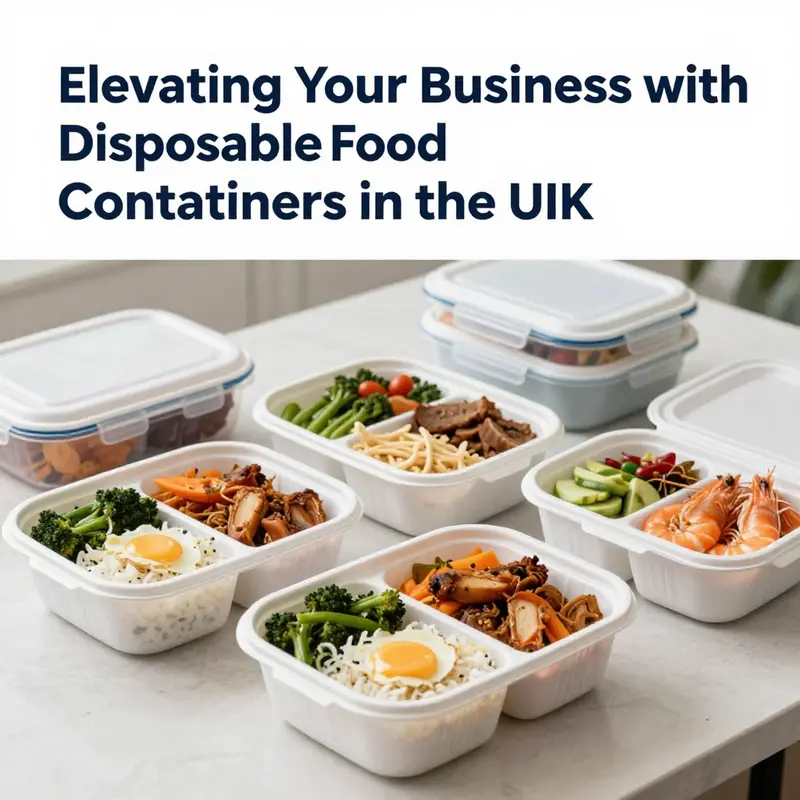
The appetite for meals that travel well and stay fresh without compromising safety has helped propel a distinct category of packaging to the forefront of the UK food service and home kitchen. Multi-compartment and specialty disposable food containers are not just space fillers; they are thoughtfully engineered tools that preserve taste, texture, and hygiene while supporting modern, on-the-go lifestyles. In a market increasingly tuned to convenience, consumers and operators alike seek containers that can hold a complete meal—rice with toppings, salads with dressing, or hot entrees with sides—without risk of cross-contamination or leakage. Among the offerings that meet these expectations, multi-compartment designs stand out for their ability to segregate components in a single, portable vessel. This cohesion between form and function is why such containers are now common in takeaway hospitality, meal-prep routines, and school or office meal schemes, where portion control and ease of use matter just as much as price and sustainability.
The core appeal of multi-compartment containers lies in how they manage flavors and textures. When a dish combines elements with different moisture levels or temperatures, a single-compartment container can lead to soggy noodles mingling with delicate greens or dressings leaking into a main. The multi-compartment approach mitigates these issues by providing discrete zones that maintain the integrity of each component. A well-designed tray might feature three or more sections, with one larger compartment for a main course and smaller sections for sides, sauces, or garnishes. In practice, this arrangement supports meal-prep and catering scenarios where balanced meals are the goal, and it translates into real value for consumers who want to eat well while away from a stove or kitchen.
Alongside this trend, the UK market has seen a meaningful shift toward sustainability, with a growing roster of eco-friendly materials entering the fold. Consumers increasingly expect packaging to align with environmental values, and regulations across Europe are nudging the industry toward more responsible choices. As a result, manufacturers and suppliers are expanding beyond traditional petrochemical plastics to embrace alternatives such as bamboo, wood-derived fibers, and plant-based pulps like bagasse—the sugarcane pulp that yields sturdy, leak-resistant, biodegradable containers. Even in regions where plastic remains common for its barrier properties and light weight, eco-conscious designs are expanding the range of available options. Practically, this means a spectrum of choices from fully recyclable plastics to compostable bagasse and PLA-lined paper, each with its own performance profile and end-of-life considerations.
In the day-to-day operations of UK food service, the decision to choose a particular multi-compartment design is shaped by several pragmatic factors. For takeaway venues, the container has to withstand heat without warping, resist leaks from sauces, and seal securely to prevent spills during transit. For freezer-to-microwave meal plans, the material must tolerate temperature fluctuations without compromising the food or releasing harmful substances. For households and schools, ease of use—vented lids, snap closures, and clear labeling—can drive adoption. And for brands seeking to project a sustainability narrative, the ability to offer compostable or recyclable options without sacrificing performance is a critical differentiator. The interplay among these needs is what keeps the category lively and evolving.
From a materials standpoint, the market now offers a layered palette of options. Plastic remains a common baseline due to its barrier properties, durability, and cost-effectiveness. Yet the most forward-looking designs blend plastics with bio-based or renewable elements to reduce environmental impact. Bagasse, the pulp derived from sugarcane, is a standout in this respect. It provides a rigid, heat-tolerant base that can be molded into robust trays with built-in compartments. In many cases, bagasse is paired with a thin coating or lining—such as a plant-based laminate—that preserves moisture resistance while keeping the container compatible with composting programs where local waste streams exist. Biodegradable and compostable options, including PLA-coated papers or plant-fiber composites, are also gaining traction for applications where end-of-life circularity is a priority.
Across the UK, multicomponent packaging strategies are increasingly tailored to the needs of specific meals. A three- or four-compartment tray may feature a hinged lid or a secure snap closure, depending on whether the priority is quick service, hot-food reliability, or a premium presentation. The inclusion of a separate sauce or dressing compartment is common, as it preserves the intended texture of delicate greens and crisp elements until consumption. For hot meals, vented lids or steam-release channels can help prevent condensation from pooling in the wrong pocket of the container, which can otherwise compromise the dish’s mouthfeel.
A practical challenge remains in balancing performance with cost, especially for operators handling high volumes or private-label packaging. Many suppliers address this by offering scalable manufacturing models, ranging from modest trial runs to full private-label production with customized prints, colors, and branding details. This flexibility is particularly important in the UK market, where restaurants, schools, and corporate catering programs vary widely in volume, design requirements, and sustainability goals. The ability to adjust batch sizes, select from multiple material streams, and iterate designs quickly translates into lower risk when testing new menu formats or seasonal promotions. In this environment, a credible supplier network can provide design insight, regulatory alignment, and on-time fulfillment that keep a chain or a local cafe agile in the face of changing consumer preferences.
For business buyers considering bulk procurement, the supply chain dynamics are a decisive factor. Much of the ecosystem hinges on established production hubs with mature logistics corridors that link raw materials to finished goods, and then onward to warehouses and retailers across the UK. This geographic advantage helps shorten lead times and improve predictability, which is essential when forecasting for promotions or new product rollouts. The option to work with manufacturers who offer original equipment manufacturing (OEM) services adds another layer of value. Brands can embed their logos and colorways on the containers, turning packaging into a portable extension of a brand’s identity.
What makes these arrangements viable in practice is the breadth of customization available. From printing and embossing to hot foil stamping and UV finishing, suppliers can tailor the exterior of the container to convey a message of quality or sustainability. The interior materials can also be adapted to suit specific foods, whether that means a more grease-resistant lining for fried items or a microwave-safe construction for ready-to-heat meals. These design permutations matter because they influence not only the consumer experience but also the operational realities of service providers who must stack, store, and transport hundreds or thousands of units daily. A well-executed multi-compartment design reduces cross-contact, minimizes waste, and simplifies cleanup, creating a smoother workflow for kitchens and delivery teams alike.
In this landscape, one example of the category’s ongoing evolution is the emergence of dedicated, plant-based compartments that can withstand the rigors of busy service. These containers blend the robustness of traditional plastics with the environmental credentials of renewable fibers. The resulting trays can be both freezer-stable and microwave-safe, bridging the gap between convenience and responsibility. While price and supply stability remain a consideration, the trajectory is clear: more operators are willing to test and adopt eco-friendly multi-compartment designs as part of a broader commitment to sustainable practices.
For readers interested in exploring practical, real-world options, consider the bagasse sugarcane multi-compartment lunch box, a self-erecting tray designed to hold sushi, snacks, and varied meal components. You can view this category on the supplier’s product page here: bagasse sugarcane multi-compartment lunch box.
As the UK market continues to balance convenience with environmental responsibility, the value of a well-designed multi-compartment container becomes more evident. It is not simply a box with several pockets; it is a carefully engineered platform that supports portion control, flavors separation, and safe transport. It can enable meal-prep enthusiasts to assemble complete meals for the week, schools to offer balanced lunches with separate components, and caterers to present visually appealing combinations that travel well. With the right combination of materials, lid design, and customization, a single tray can serve countless meal configurations, from warm entrées with roasted vegetables to cold salads with glossy dressings.
Supply resilience remains a critical concern in any bulk procurement strategy. The market has learned to navigate price volatility and raw-material fluctuations by maintaining relationships with multiple manufacturers across different regions. While some operators still source from established industrial hubs in East Asia for scale and consistency, others are increasingly evaluating local or regional producers where feasible. Either path benefits from transparent communication about lead times, minimum order quantities, and quality assurance processes. In the UK’s diverse catering ecosystem, having access to a portfolio that includes both standard, multi-compartment designs and regionally adapted, eco-friendly variants can be a decisive competitive edge.
Regulatory considerations, too, shape how these containers are chosen and used. As Europe’s packaging waste framework continues to evolve, there is growing emphasis on recyclability and compostability. Operators want to ensure their packaging aligns with local waste streams and consumer expectations. In practice, this means choosing containers where the packaging’s end-of-life pathway—whether recycling, composting, or another accepted route—is clear and feasible for customers. For brands that want to communicate sustainability without overpromising, third-party certifications and transparent labeling can build trust and reduce confusion at the point of disposal.
From a consumer narrative perspective, the rise of multi-compartment containers is less about novelty and more about a reliable, repeatable experience. People are drawn to packaging that simplifies decision-making—taking a full meal on the go without sacrificing flavor, nutrition, or presentation. They want containers that resist leaks and withstand microwaving, that can be disposed of responsibly, and that support a lifestyle that values convenience without waste. In response, producers are investing not just in the physical container but in the associated systems: clearer labeling, better guidance on end-of-life options, and more consistent performance across different meal formats.
The practical takeaway for operators and buyers is to view multi-compartment containers as a design category with a broad range of material options, each with its own advantages and challenges. For example, a tray built around bagasse can deliver rigidity and heat tolerance while offering a compostable end-of-life option where infrastructure exists. A plastic-based design may excel in leakage resistance and cost, but its sustainability profile depends on recycling practices and the availability of appropriate streams. Hybrid constructs—where a sturdy fiber base is combined with a film laminate for moisture control—can provide a middle ground that balances performance with ecological considerations. The ongoing innovation in lid mechanisms, venting solutions, and fasteners further enhances the reliability of these containers in real-world use, making them a staple for any operator seeking a meal that travels as well as it tastes.
For readers seeking further context on sourcing and product options, the UK market remains well-served by both consumer-facing platforms and wholesale channels. Online marketplaces offer convenient access to a broad array of multi-compartment designs, while wholesale directories connect buyers with manufacturers capable of private-label production and customization. The critical factor for success is alignment: choosing a container that matches the type of meals offered, the temperature profile of the dishes, and the local waste-management context in which customers live. In practice, this means pairing a practical, leak-resistant design with a material strategy that supports the intended end-of-life pathway, while ensuring the supply chain can deliver on time and within budget. The combination of thoughtful design, material choice, and reliable sourcing ultimately determines whether a multi-compartment solution remains a mere packaging option or evolves into a strategic asset for growth and customer satisfaction.
As this chapter has traced, the UK’s embrace of multi-compartment and specialty disposable containers reflects a broader shift toward packaging that is more than a container—it is a facilitator of convenient, responsible eating. The most effective designs seamlessly integrate form, function, and sustainability. They help consumers portion meals, protect textures, and reduce waste, all while accommodating the practical realities of today’s fast-paced food economy. In that sense, these containers are less about novelty and more about a disciplined approach to how meals travel, how flavors stay true, and how brands communicate care for people and the planet through packaging choices.
External resource for readers seeking a broader consumer view: https://www.amazon.co.uk/s?k=multi+compartment+disposable+food+containers
Final thoughts
Choosing the right disposable food containers can enhance the efficiency and presentation of food items across various services. Whether it’s the convenience of plastic containers, the eco-friendliness of kraft paper options, the charm of cardboard packaging, or the practicality of multi-compartment designs, understanding these choices will help businesses align with customer needs and preferences. By making informed selections about disposable containers, food service providers can not only ensure compliance with health standards but also build a positive brand image that resonates with sustainability-minded consumers.