

Clear plastic candle cups are an essential for any establishment seeking to enhance ambiance without compromising on safety or aesthetics. Their popularity can be attributed to their versatility, being equally effective in cozy restaurants and vibrant food trucks, as well as elegant wedding events and corporate gatherings. This article delves into the diverse types and variants available, explores their myriad uses across various sectors, and sheds light on the growing trend of eco-friendly innovations within the realm of candle cups. Whether you’re looking to elevate the experience in a bubble tea shop or seeking reliable solutions for corporate events, understanding these products will help you make an informed choice.
Shaped Light: Exploring the Light-Diffusing Variants of Clear Plastic Candle Cups
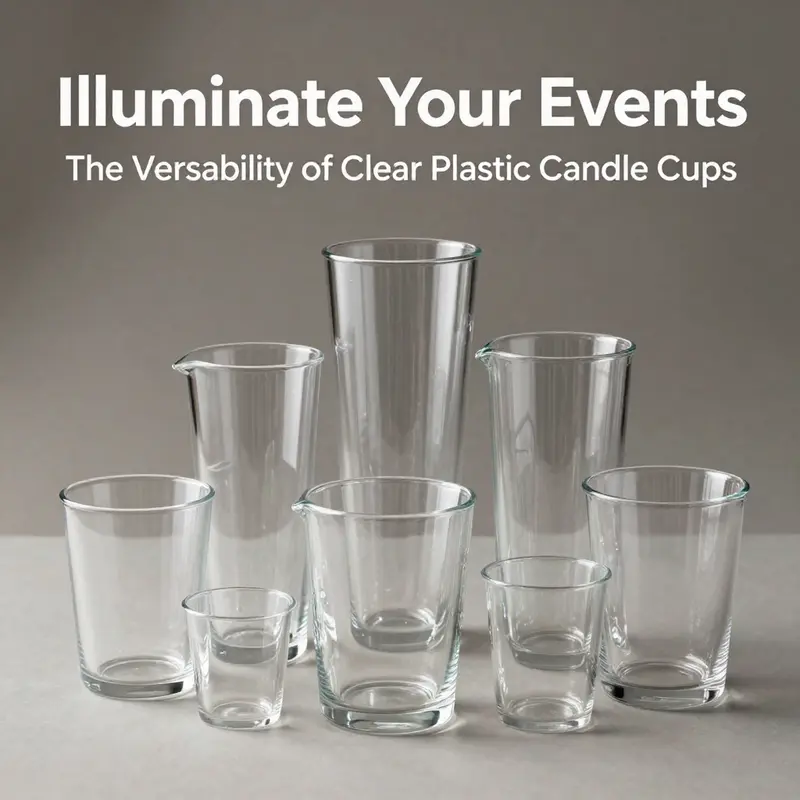
Clear plastic candle cups act as a delicate stage for flame and ambiance, turning a small pool of light into a warm, inviting glow that can transform a room, a garden, or a banquet hall. The simplest tealight cups are more than mere containers; they are carefully engineered additions to the atmosphere. These cups are typically fashioned from clear, heat-resistant plastics that maximize visibility of the flame while containing any reflective shimmer from the candle’s surface. The material choice—often a high-grade polycarbonate or a similar heat-resistant plastic—has to balance several priorities at once: transparency, durability, and safety. The transparency is not trifling cosmetic value. It is the reason the flame reads as pure and unframed, the reason the glow feels intimate rather than enclosed. Yet there is practical logic behind it: a shatterproof, lightweight plastic cup reduces the risk of injury or damage in lively event settings while still offering the elegance of a vessel that resembles glass when filled with a soft candlelight. In practice, these cups are designed to withstand the heat generated by tea lights and votives, and they often carry safety assurances such as non-toxicity and flame retardancy, sometimes accompanied by independent safety certifications. This blend of function and aesthetics makes clear plastic candle cups a staple in decorative settings, from weddings to home décor schemes and outdoor gatherings where wind and movement can threaten more fragile glass containers.
To understand the range of forms available, consider how the basic function expands into a spectrum of variants that share a lineage but serve very different decorative goals. The standard clear plastic tealight cup is the workhorse in any event kit. It is engineered to accommodate standard 1.5-inch tealight candles, which are compact, efficient, and familiar to most planners and hosts. The benefits here are straightforward: affordability, safety, and ease of use. When you place a tealight within a cup that is designed specifically for it, you minimize the risk of direct contact between the flame and any surface, and you create a stable, enclosed space that contains any wax drips or melt pools. The standard cup’s geometry—rounded, unobtrusive, and transparent—helps to preserve the candle’s visual footprint, allowing the flame’s movement to be the focal point rather than the vessel itself. In this sense, the cup becomes a nearly invisible stagecraft, letting the candle’s own character do the work of setting mood.
Yet the world of clear plastic candle cups refuses to be monotonous. Specialty designs have emerged to suit particular occasions and stylistic directions. Heart-shaped, decorative, or themed variants respond to specific themes—romantic weddings, festive holidays, or ceremonial settings. These variants maintain the practical advantages of plastic: light weight, ease of transport, and shatter resistance, while delivering an intentional aesthetic cue. They give planners a quick way to signal mood or season without adding bulk or risk. For wedding planners or event designers, bulk packaging options in tasteful finishes offer a way to achieve cohesive looks across large spaces. The cups can be used in clusters, in single-row installations, or as scattered accents that catch the eye when candles are lit at different heights or along a path. The decorative variants thus function not merely as vessels but as visual elements—shape, color, and silhouette all contributing to the overall composition of light.
Floating candle cups represent another compelling expansion of the category. By design, these cups are optimized for water, enabling a serene, floating glow in centerpieces, pools, or shallow basins. The experience is different from a standard tealight in a cup because the water itself refracts and diffuses light, adding a soft halo around the flame. Floating cups open a wide field of decorative possibilities, from tranquil wedding tables to floating arrangements at waterfront venues. In these contexts, the cup’s material must resist moisture and not impart any unwanted scent or taste to the water, even if the candle burns down. The engineering challenge here lies in ensuring the cup remains buoyant and stable, with edges that are smooth enough to prevent accidental spillage or tipping. The effect, however, can be striking: a constellation of tiny glass-like lights resting on the surface of water, each cup keeping the flame contained while the water’s surface becomes a mirror that multiplies the glow.
Hanging and wall-mounted candle cup designs push the concept into three-dimensional spaces. Hanging cups can be suspended from ceilings or perches, turning a ceiling line or a wall into a luminous tapestry. They introduce movement—the way a flame’s flicker catches the eye as the votive sways slightly in a breeze. Wall-mounted designs, meanwhile, transform vertical surfaces into illuminated art. These configurations are particularly effective in venues with architectural shelves, alcoves, or narrow corridors where table space is limited but light is desired. The combination of clear plastic and deliberate mounting elevates the perceived value of the decor; the cups themselves recede, allowing light to lead and shape the room’s rhythm. The practical considerations are significant here: secure mounting that supports weight and wind exposure, careful spacing to avoid crowding, and the right balance of brightness so that the flame remains visible but not glaring.
Clustered arrangements form a third axis of variation that capitalizes on synergy rather than solitary effect. When many cups are arranged together—whether in a loose cluster on a table arc or in a more formal, linear arrangement—the collective glow takes on a more complex and immersive character. Clustering multiplies the perceived warmth and can create a focal point that commands attention without appearing ostentatious. The decision to cluster involves balancing space, scale, and symmetry with the environment’s broader lighting plan. It also invites a layer of texture: the transparency of the cups interacts with candlelight in variable ways, producing subtle reflections that can animate a room even when the individual flames burn with quiet steadiness. In settings with tall ceilings or expansive floor plans, clusters provide a way to guide the eye and define zones without relying on heavy or fragile glasswork. The practical benefits are clear: plastic cups offer resilience in high-traffic spaces, easier cleanup, and lower risk of breakage in crowded environments.
A final variant worth noting is the premium lookalike, where manufacturers design clear cups that mimic the classic elegance of glass while preserving the durable, portable advantages of plastic. This is not about misrepresenting the product; it is about offering a contemporary compromise between traditional aesthetics and modern practicality. For large-scale events—weddings, galas, or corporate functions—these lookalike cups deliver the perceived sophistication of glass with far less fragility and cost. The premium designs often incorporate smoother curves, thicker walls, or refined edges that catch and refract candlelight with nearly glass-like clarity. The effect can be compelling when paired with complementary décor elements such as reflective surfaces, metallic accents, or draped fabrics. Yet it is important to acknowledge the trade-offs. While premium lookalikes can closely approximate glass, they may still exhibit slight differences in weight, edge finish, or heat retention characteristics. For planners, the choice hinges on how close the look should be to glass, how much durability is valued, and how the cups will be deployed in the given space.
Beyond aesthetics, material science underpins every choice in this category. Most clear plastic candle cups are made from heat-resistant plastics that preserve transparency under flame exposure. This often means polycarbonate or other engineering plastics that combine clarity with silicone-like resilience. The safety profile of these materials is crucial; many cups are designed to be non-toxic and UL approved, and they are flame retardant to reduce risk in environments with open flame. In practice, this means hosts can deploy these cups in a variety of settings with confidence that the containers will remain stable and predictable as candles burn. Still, there is a caveat. Not all plastics age the same way. Lower-quality variants may degrade over time when exposed to direct sunlight or prolonged heat, which can compromise both appearance and safety. In contexts where cups may be reused or repurposed, it is essential to consider how repeated exposure to heat will affect the material’s clarity and structural integrity.
For event planners and decorators, the pricing and packaging of clear plastic candle cups are as important as the design itself. In bulk, these cups come in various quantities—common options include 50-piece packs for intimate gatherings and larger bundles around 200 pieces or more for big events. The bulk availability is a practical boon: it simplifies budgeting, allows for consistent styling across rooms, and reduces the time spent on replenishment mid-event. The ubiquity of these cups on major retail and wholesale platforms reflects both their versatility and their affordability. The cost-per-cup is typically modest relative to glass equivalents, especially when one accounts for reduced breakage risk and the ease of cleanup after an outdoor or high-traffic event. Of course, the economics can vary based on the specific variant, the bulk tier, and whether the cups are marketed as standard clear cups, decorative shapes, or specialty designs. The essential message is that there is a broad spectrum of options that can be matched to budget, venue, and aesthetic goals.
In considering the broader ecological footprint, an increasing number of options advertise eco-friendly features. Some suppliers offer biodegradable or recyclable plastic candle cups, pitched as a more responsible alternative to traditional plastics. The eco-labels can signal different materials or processes—biodegradable formulations, post-consumer recycled content, or recyclability at end of life. For a thoughtful buyer, this is not merely a marketing line but a real consideration that can influence the selection of cups, particularly for weddings, corporate events, or venues committed to sustainability. It is important, however, to verify claims through credible certifications and to weigh the trade-offs between biodegradability and heat resistance, clarity, and durability. Eco-friendly variants may sometimes require different handling or disposal methods, and planners should align these with local recycling streams or composting capabilities when possible. The result is a more nuanced conversation about how a simple container can reflect a host’s values while still meeting performance expectations.
Sourcing remains a practical thread that knots the story together. Whether a planner is loading a shopping cart on an online marketplace or negotiating with a supplier at a trade show, the core questions revolve around compatibility with tea lights, heat tolerance, and the intended aesthetic. The standard tealight cup is a straightforward fit for most common candles, but as soon as a design incorporates hanging hardware, water for floating arrangements, or a cluster-friendly base, the selection criteria expand. The materials, the finish, and the shape all contribute to how the candle light interacts with the cup and the surrounding décor. It helps to imagine the final scene: a row of clear cups catching the flame’s glow, a soft reflection in the surrounding candles, and the room’s design language being reinforced by the cups’ unobtrusive elegance. In short, the practicalities of handling, transport, and placement are as decisive as the flame itself when choosing among the variants.
As you navigate these choices, a note about cross-category sourcing can be helpful. While the catalog of clear plastic candle cups is rich, there are related packaging and serving products that share a common language of practicality, safety, and visual appeal. For example, one may encounter disposable or semi-disposable cups designed for cold or warm foods that emphasize clear visibility, ease of cleaning, and bulk pricing. The overarching idea is not to constrain imagination but to recognize that the same design principles—clarity, durability, and user-friendliness—inform a wide range of cups and vessels used in different contexts. This cross-pollination can inspire innovative setups for events, such as using a cluster of clear cups with floating candles in a decorative water feature or combining hanging cups with wall-mounted installations to create layered light on both ceiling and wall surfaces. The end result is a space where light is the protagonist and the cup is the quiet facilitator.
In this landscape, a single guiding question often emerges: how do you balance the desire for a glass-like look with the practicalities of plastic? The answer lies in a thoughtful blend of design intent, material choice, and event logistics. Clear plastic candle cups are not a one-size-fits-all solution; they are a palette from which planners select the hue of clarity, the degree of edge refinement, and the weight required to achieve the intended display without sacrificing safety. The reasons for choosing a particular variant grow from the setting’s needs—indoor versus outdoor, formal versus casual, intimate versus expansive—and from the organizational priorities, including budget, timing, and the anticipated duration of the décor’s life. The materials science behind these cups supports this flexibility, allowing planners to tailor experiences that are both visually compelling and practically robust.
For readers seeking deeper supplier options and a broader view of available variants, industry catalogs and wholesale platforms offer a rich starting point. In practice, the best approach is to pair a clear understanding of the cup’s behavior under heat and light with a clear vision of the scene you want to create. When this combination comes together, the cups cease to be mere containers and become elements that help choreograph atmosphere. The flame’s quiet dance is framed, softened, or intensified by the cup’s geometry, color, and finish, contributing to a final look that feels cohesive, polished, and thoughtfully executed.
Lighting with Purpose: Practical and Creative Uses for Clear Plastic Candle Cups

Practical Uses and Creative Applications
Clear plastic candle cups pair the timeless appeal of flame with modern practicality. They let the flame be the star, while offering durability, safety, and versatility. Because they are transparent, the flicker reads clearly. Because they are light and shatter-resistant, they suit busy venues and informal spaces. This chapter explores how these simple holders fit into everyday, ceremonial, and commercial lighting schemes. It also outlines smart ways to use them, reuse them, and choose the right option for specific needs.
In events and hospitality, clear plastic cups provide consistent, worry-free illumination. Event planners favor them for tabletops, aisle markers, and scattered mood lighting. The transparency preserves the warm halo of candlelight, while the plastic body removes the risk of shattered glass. At outdoor gatherings, they resist breakage and withstand uneven surfaces. For indoor restaurants and spas, they offer a low-profile way to create intimacy without heavy fixtures. Their low cost makes them ideal for large-scale installations and disposable use after events where cleanup speed matters. When brightness needs vary, cups can be paired with different candle types to control intensity and burn time.
Spaces of reflection and ritual find clear plastic cups especially useful. Silent vigils, meditation corners, and small altars often require many candles placed close together. Lightweight cups reduce the risk of accidents in crowded or dimly lit rooms. Their heat-resistant grades support safe burns for standard tealights and votives, and they allow the flame to remain visible from all angles. For temporary or rotating displays, disposable cups streamline setup. For permanent installations, reusable cups simplify maintenance. The result is a calm, steady glow that supports focus without introducing the fragility of glass.
Adaptability defines how these holders are used with candle types. They accept tealights, votives, small pillars, and battery-powered LED candles. This flexibility means a single cup design can serve multiple projects. For example, LED tealights fit snugly for extended displays that require no supervision. Real wax tealights provide authentic scent and light for ceremonies. In craft settings, empty cups become molds for poured candles. Makers pour wax, inset wicks, and release finished candles ready to burn or gift. This dual role as holder and mold expands their appeal to hobbyists and small candle businesses.
Business uses extend beyond lighting aesthetics. Cafés, rental companies, and event suppliers often order in bulk. Bulk packaging reduces per-unit cost and ensures consistent inventory. For venues that host many events, disposable cups reduce post-event labor. Portable catering operations value their light weight and compact stacking. In retail or studio settings, refillable options fit better. Reusable cups can be cleaned and restocked with fresh candles, minimizing waste. For businesses focused on eco-conscious customers, pairing cups with biodegradable packaging or compostable inserts aligns with sustainable service models. One complementary product line to consider is the eco-friendly disposable double-wall craft paper cup, which showcases how sustainable choices can integrate with disposable tabletop options: https://cupbowlpack.com/product/senang07-eco-friendly-disposable-double-wall-craft-paper-coffee-cup-with-lid-12-oz-.
Outside aesthetics and commerce, clear plastic cups serve practical safety functions. They act as fire containment for melting wax and embers. A cup’s lip helps prevent molten wax from spilling onto surfaces. Their shape channels heat away from delicate table surfaces, especially when combined with small coasters. For settings with children or pets, the cups provide an extra barrier between flame and curious hands. That said, safety depends on material quality. High-grade, heat-resistant formulations perform better. Lower-grade plastics can soften or discolor under extended heat. Choose cups rated for candle temperatures, and always follow burn-time recommendations.
Designers and decorators use clear cups as neutral bases that amplify other elements. Because the cups are transparent, they integrate with color palettes without imposing a hue. They can sit inside decorative vessels, such as glass bowls or ceramic holders, to create layered lighting. Grouping cups at various heights produces depth and movement. Filling cups with small decorative items, like sand or glass beads, anchors tealights and adds texture. For themed events, cups can be wrapped subtly with ribbon or placed in translucent sleeves to alter the glow. Their neutrality makes them ideal for weddings and receptions where cohesive visual language matters.
For DIY crafters, the cups are a blank canvas. In poured-candle projects, cups act as both mold and eventual container. They allow makers to experiment with colored wax blends without investing in rigid molds. Small businesses can produce single-cup candles for sale, using lids or shrink bands for shipping. Other craft uses include converting cups into mini-lanterns by punching patterns and overlaying tissue paper. Because they are inexpensive, makers can prototype rapidly. When clear cups are used as molds, removing the finished candle is straightforward with flexible plastic grades. This accessibility keeps startup costs low for artisan candle brands.
Outdoor applications highlight the cup’s functional resilience. On patios, in parks, or at beach events, wind and uneven surfaces threaten open flames. Clear cups shelter the flame and reduce wind flicker. Their low weight and stackability make transport simple. They also help manage residue: melted wax collects in a removable cup rather than staining furniture. Consider pairing cups with small weights or bases when placing them in windy areas. For marine or lakeside events, avoid thin plastics that warp in prolonged sun. Instead, select durable, UV-resistant variants designed for outdoor exposure.
Sustainability concerns shape buying decisions for many users. While classic plastic options are economical, they raise disposal questions. Fortunately, manufacturers increasingly offer recyclable or biodegradable formulations. Some heat-resistant plastics are recyclable, provided local facilities accept them. Other suppliers produce compostable cups made from plant-based polymers. Selecting eco-conscious options reduces the environmental footprint for single-use scenarios. For reusable programs, choose cups that withstand repeated heating cycles and washing. Properly maintained, reusable cups cut waste and long-term cost.
Practical tips help achieve predictable results in real uses. First, match cup size to candle type and burn time. A cup too large for a tealight can allow too much oxygen, accelerating burn. A cup too small for a votive may trap heat. Second, check for heat-resistance labels. Cups intended for votive or pillar use should list temperature tolerances or be explicitly marked for candle use. Third, test in small batches before a large event. A quick burn test reveals how a cup handles wax runoff and heat. Fourth, when using cups outdoors, avoid direct sun to prevent warping. Finally, consider lids or bases for transport to reduce spills.
Storage and maintenance are straightforward. Reusable cups clean with mild soap and warm water. Residual wax can be removed by freezing the cup, then popping out the wax. Avoid high-heat dishwashers unless the cup is rated dishwasher-safe. For disposable cups, flattening or compacting before disposal can save space. Where recycling is possible, rinse before recycling. For compostable cups, check local composting guidelines to confirm acceptance.
Aesthetics and user experience matter as much as function. The transparent cup allows the flame to be viewed unfiltered. This purity improves perceived light quality and subtlety. When arranging multiple cups, vary heights and spacing to create visual rhythm. Use reflective surfaces, such as metallic trays, to amplify glow. For intimate dinners, place a cup at the center of a simple centerpiece to enhance focus. For large installations, arrangement geometry influences mood: linear rows feel formal, scattered clusters feel relaxed.
There are, however, limitations to note. Clear plastic cups rarely match the perceived luxury of crystal or blown glass. For high-end settings where the container itself is a focal point, glass may be preferable. Plastic can also show wear over time, developing haze or fine scratches. Prolonged UV exposure can discolor some plastics. Finally, in applications requiring very long burns, consider whether the plastic’s heat tolerance is adequate. In many cases, using an inner metal or glass liner within the plastic cup can combine benefits: visibility with added thermal stability.
Choosing the right cup requires balancing price, appearance, durability, and environmental impact. For one-off events, lower-cost disposable cups offer convenience. For venues with recurring needs, invest in reusable, heat-stable cups. For makers and small businesses, clear cups as molds reduce startup cost. For eco-minded planners, prioritize recyclable or compostable options and verify local disposal methods.
Integration with other tabletop elements enhances overall effect. Pair cups with low-profile holders to conceal bases. Use color underplates to tint the reflected glow. Combine real and LED candles to extend display life without increasing fire risk. Make sure any decorative filler won’t ignite or melt when near the flame. These practical pairings keep displays beautiful and safe.
The versatility of clear plastic candle cups comes from their combination of transparency, affordability, and practical performance. They serve as simple vessels and as creative tools. In scaled events and quiet rituals, for retail production and outdoor gatherings, they answer a wide range of lighting needs. Thoughtful selection and usage unlock their full potential.
For manufacturers, designers, and buyers seeking technical guidance on materials, safety ratings, and industry recommendations, consult the comprehensive industry overview on clear plastic candle cups available from Lighting & Design Today: https://www.lightinganddesigntoday.com/clear-plastic-candle-cups-guide
Greener Glow: Sustainable Materials and Circular Design for Clear Plastic Candle Cups
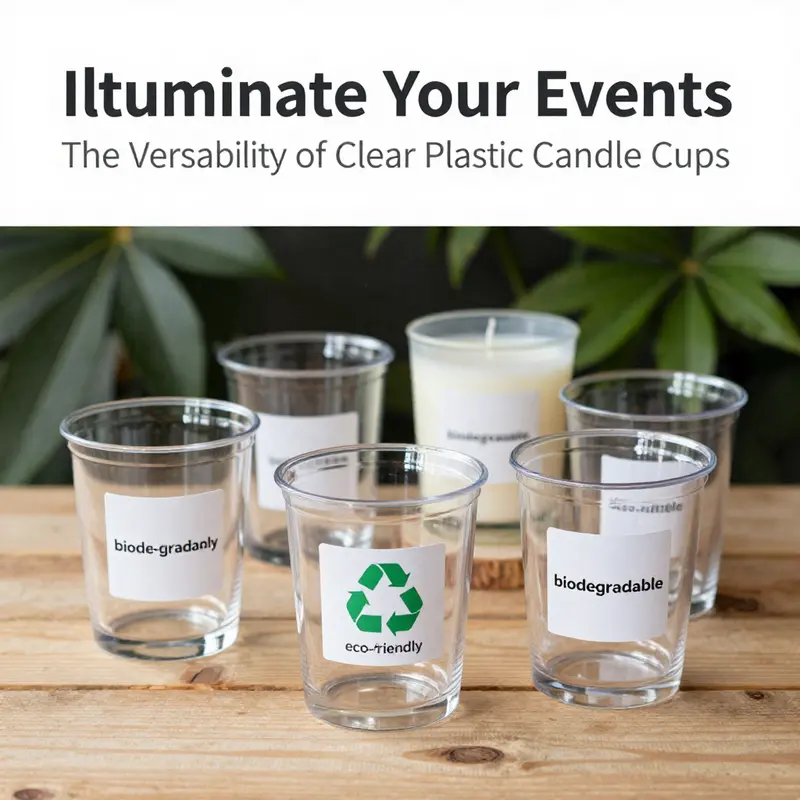
Clear plastic candle cups sit at the intersection of ambiance, utility, and environmental responsibility. They let a flame shine through, protecting surfaces and containing wax. Historically these cups were made from fossil-fuel plastics chosen for clarity, low cost, and heat tolerance. Today, demand for more responsible options is changing that status quo. Manufacturers, candle makers, event planners, and conscious consumers now weigh appearance against end-of-life impacts. They ask whether a crystal-clear cup can also be part of a circular, lower-waste system. This chapter explores those trade-offs, practical innovations, and design choices that can make clear plastic candle cups genuinely greener.
Materials lie at the center of that shift. Two broad paths have emerged: improving conventional plastics’ circularity and adopting bioplastics that offer compostable end-of-life options. Both approaches have strengths and limits. Understanding them helps businesses and makers match material performance to use cases while avoiding unintended consequences.
Polymers traditionally used for clear cups include food-grade polypropylene and polycarbonate variants that resist heat and retain transparency. Recent advances focus on raising recycled content and designing for mechanical recycling. Recycled polypropylene that meets food-grade or safety standards is now more available. Manufacturers blend higher percentages of post-consumer recycled resin into new cups. That reduces fossil feedstock demand and greenhouse gas intensity. It also encourages closed-loop programs where cups are collected, cleaned, and reprocessed. However, recycled streams thrive only when contamination is low. Candle wax and soot are oil-based residues that complicate recycling. Designing cups that can be easily emptied and rinsed, and offering clear disposal instructions, improves recycling outcomes.
Another pragmatic innovation is the reuse model. Reusable candle cups mimic trends from beverage and food packaging. Double-wall insulated holders, secure lids, and durable construction let a single cup serve multiple events. The extra cost up front is offset by repeated use and lower waste. For event rental companies and venues, investing in reusable holders reduces procurement and disposal costs over time. It also improves aesthetics relative to single-use options. Design decisions here must balance weight, stackability, and heat management. Insulated walls can reduce surface heat while preserving a clear inner chamber to showcase the flame.
On the bioplastic side, polylactic acid (PLA) is the most visible contender. PLA is derived from fermented plant sugars, such as corn starch. It can be transparent and mimic the look of conventional clear plastics. When disposed of in industrial composting, PLA can break down to biogenic carbon dioxide and water. For companies promoting compostable solutions, PLA enables a clear container that still meets end-of-life ambitions. Yet PLA is not a universal fix. It needs high-temperature composting conditions to degrade in meaningful time. Home compost piles rarely reach those temperatures. Likewise, PLA is typically incompatible with existing plastic recycling streams. If PLA contaminates conventional plastic recycling, it can reduce the value of the recycled output. For these reasons, clear labeling and appropriate collection routes are essential when adopting PLA.
Heat performance is another critical factor. Candle cups must resist softening, warping, or discoloration near a flame. Many compostable bioplastics do not match the heat resistance of engineered polycarbonate or PP blends. This reality forces designers to either engineer thicker walls, add insulating features, or limit the use of bioplastic cups to tealights and low-heat applications. A pragmatic approach involves hybrid designs: maintain a thin, transparent inner cup for clarity, and pair it with a reusable outer sleeve that provides insulation and protection. This combination preserves the visual effect while reducing the risk of heat damage.
Beyond materials and reuse, manufacturers are improving product design for circularity. Molded seams that allow easy separation of components, snap-fit lids that can be reused, and standardized dimensions all help. Standard sizes make it easier to build collection and cleaning systems for reuse. They also facilitate stacking and transport efficiency, which in turn cuts the carbon footprint of distribution. When cups are designed for disassembly, mixed-material pieces become simpler to separate at end-of-life. That improves the rate of successful recycling and reduces contamination of recyclable streams.
Certifications and safety testing matter in this evolving landscape. For business buyers, sourcing from suppliers with recognized quality and safety credentials ensures compliance with local regulations and consumer protection standards. Certificates that speak to manufacturing process control, material safety, and food-contact compatibility provide reassurance when products are repurposed for candles. Certifications do not guarantee perfect sustainability, but they do signal that materials and processes were vetted. Look for suppliers who can document recycled content levels, compostability standards, and supply chain traceability.
A core operational challenge is contamination from wax and fragrance oils. Even highly recyclable PP cups may be rejected by processors if wax residue remains. Chemical recycling technologies promise to tolerate some contamination, but mechanical recycling—still the most common pathway—does not. Practical interventions include designing cups with smooth interior surfaces that allow easy scraping and rinsing. For events, provide on-site cleaning stations that collect wax separately, enabling proper downstream processing. For retail candle makers, include disposal and cleaning instructions with every product. Encourage customers to scrape remaining wax into household waste streams that accept combustible waste, then rinse the cup for recycling.
Education and labeling are underrated levers for improving environmental outcomes. Clear icons that specify whether a cup is recyclable, compostable, or reusable eliminate confusion. If a cup is compostable only in industrial facilities, state that plainly. If a cup contains recycled content, indicate the percentage. Labels can also recommend how to remove wax before recycling. Simple, consistent messaging reduces contamination and improves recovery rates. When producers align labeling with local collection realities, customers are more likely to follow through.
Supply-chain choices and procurement strategies determine how green a product truly is. Sourcing locally where possible reduces transport emissions and supports transparent quality control. Choose suppliers who disclose resin sources and processing methods. Work with partners who offer take-back or refill programs. Where recycled material is used, request third-party verification of post-consumer content. These steps reduce greenwashing risk and give buyers measurable metrics to track.
Cost remains a constraint. Recycled-content and compostable materials often cost more than virgin fossil alternatives at similar clarity and heat resistance. Reusable designs require higher initial investment. For many small candle makers, balancing price and sustainability is a practical necessity. Incremental changes can be effective: move first to higher recycled content PP, improve labeling, and pilot reusable models at events. Over time, as scale increases, material costs may decrease. Batch procurement and shared take-back systems among local makers can also lower unit costs.
Performance testing should never be skipped. Heat tolerance, clarity retention, UV resistance, and long-term durability all matter. Materials may maintain transparency for months but discolor under sunlight. UV stabilizers and pigment choices affect longevity. For products exposed to outdoor conditions, test cups under direct sun, wind, and rain. For indoor use, evaluate long-term contact with scented waxes and essential oils, which can leach into some plastics. Testing ensures safety and preserves aesthetic expectations.
Circular business models add another dimension. Rental libraries for reusable candle cups, deposit-return systems at events, and partnerships with composting facilities are practical ways to close material loops. For instance, event coordinators can require a deposit on reusable holders returned after use. This approach mirrors beverage industry strategies and successfully reduces single-use consumption. Composting partners can accept soiled compostable cups and responsibly process them, especially after removing large wax deposits. Establishing clear logistics and commercial agreements makes such systems feasible and cost-effective.
Designers and brands should also consider downstream impacts beyond end-of-life. The energy intensity of manufacturing, transport distances, and packaging bulk all influence life-cycle emissions. Lightweighting—reducing material per cup without compromising safety—cuts raw material demand and shipping weight. Optimized packaging reduces wasted space and lowers transportation emissions. These small optimizations combine into measurable reductions in environmental footprint when applied at scale.
Finally, transparency and continuous improvement are essential. Use life-cycle assessments to compare material options objectively. Track metrics such as recycled content percentage, return rates for reusable cups, and composting throughput. Share these metrics publicly and iterate designs based on data. Consumers and business buyers increasingly reward brands that demonstrate measurable progress rather than vague promises.
Choosing a greener clear plastic candle cup requires navigating trade-offs among clarity, heat performance, cost, and end-of-life impact. No single material or design solves every problem. Instead, a toolkit of strategies—higher recycled-content resins, compostable bioplastics in appropriate contexts, reusable insulated holders, better labeling, and practical collection systems—allows designers and businesses to match solutions to use cases. Small shifts, implemented consciously and transparently, add up. They let candle cups continue to provide a beautiful glow while reducing waste and improving material stewardship across the supply chain.
For an example of PLA-coated eco-friendly disposable packaging, see this PLA-coated option that illustrates how compostable coatings can be used in food packaging and may inspire parallel approaches for candle cups: https://cupbowlpack.com/product/senang02-disposable-eco-friendly-kraft-box-boat-shape-pla-coated-custom-packaging-for-fast-food-cookie-sugar-tray/.
For a deeper dive into sustainable packaging standards and best practices relevant to material selection and end-of-life planning, consult this comprehensive overview:
https://www.sustainablepackaging.org/eco-friendly-ice-cream-cups-standards-performance-best-practices
Final thoughts
Clear plastic candle cups are not only functional and stylish but also serve as a key component in creating memorable experiences for customers in various settings. From their numerous types and applications to the introduction of eco-friendly designs, these versatile containers cater to the needs of bubble tea shops, restaurants, catering services, and event planners alike. By choosing the right candle cups, businesses can ensure that they provide an inviting and sophisticated ambiance that resonates with patrons. The potential for creativity using these cups is boundless, making them a worthy investment to enrich your service and atmosphere.