

As consumer demand for sustainable packaging grows, businesses in the food and beverage industry are turning to recycled shredded paper as a versatile, eco-friendly option. This guide explores the benefits, versatile applications, production methods, environmental impact, and cost-performance considerations of using shredded paper to protect products while communicating a commitment to sustainability.
Soft Shields, Lower Footprints: How Recycled Shredded Paper Redefines Packaging Sustainability
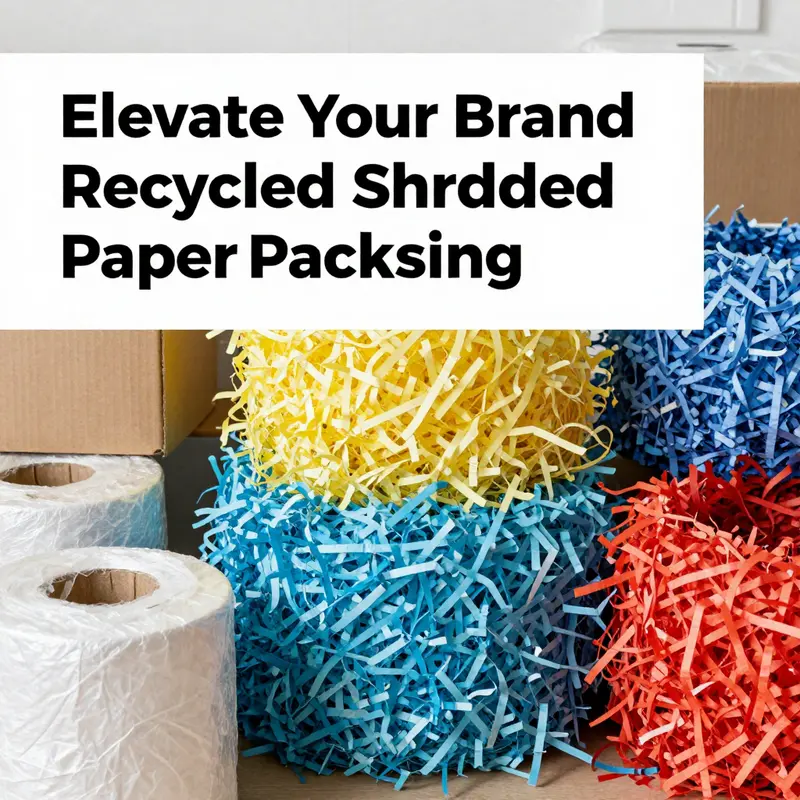
Recycled shredded paper has quietly become a mainstay of responsible packaging, offering a blend of protection, adaptability, and environmental stewardship that speaks to modern brand values. It is more than a filler; it is a thoughtfully engineered solution that aligns with tighter supply chains, shifting consumer expectations, and growing regulatory demands. The material originates from post-consumer paper streams such as old newspapers, office sheets, and used packaging, so it begins with waste that would otherwise populate landfills. From there, the fibers are reimagined into a cushioning medium that can cradle fragile goods while also telling a brand’s sustainability story through texture, color, and presentation. The narrative surrounding shredded paper is not merely about what it protects, but how it protects in a system that values material efficiency and circularity as much as cost and performance. In practice, the appeal flows from three core advantages: environmental sustainability, protective capability, and cost-effectiveness, all of which knit together into a compelling case for broad adoption across industries that range from e-commerce and cosmetics to luxury gifts and retail displays.\n\nThe environmental case for recycled shredded paper is anchored in a simple, powerful logic: reuse first, then recycle again. By substituting post-consumer fibers for virgin wood pulp, brands help lower the demand for new trees and reduce the water and energy footprints associated with paper production. The environmental savings stack up quickly. For instance, the EPA figures on paper recycling underscore a tangible impact: recycling one ton of paper can save about 17 trees, roughly 7,000 gallons of water, and around 4,000 kilowatt-hours of electricity. Those numbers translate into meaningful reductions in emissions and resource use when scaled to thousands or millions of packaging units. The net effect is a lighter, more sustainable supply chain, where every carton and every gift box can carry a quieter environmental imprint without sacrificing performance. The biodegradable and compostable nature of recycled shredded paper further strengthens its appeal, enabling brands to close the loop in product life cycles and to communicate end-of-life responsibility to consumers who increasingly read packaging as a value signal.\n\nBeyond the green rhetoric, the material’s practical strengths are equally persuasive. Cushioning and shock absorption are where shredded paper shines. The irregular tumble of shredded fibers, combined with their low density, creates a natural damper that disperses impact across a package. Fragile items–whether glass cosmetics, fine ceramics, or delicate electronics components–benefit from this dispersion, which reduces the risk of breakage during handling and transit. At the same time, the lightweight property contributes to lower overall package weight, a factor that often translates into reduced transportation energy and lower freight costs. The result is a protective system that does not force a trade-off between protection and sustainability; it simultaneously advances both. For shippers and warehouse operations, this means simpler packing procedures and less reliance on heavier, more aggressive fillers, which can complicate return logistics and reverse supply chains.\n\nCost considerations reinforce the appeal. Recycled shredded paper is widely available because many municipalities collect used paper, and local mills and recyclers convert it into a range of cushioning products. This broad accessibility helps keep prices competitive and reduces the procurement complexity that sometimes accompanies specialty packaging materials. The material’s lifecycle economics improve further when brands leverage the potential for on-site reclaim and recycling. Because shredded paper is generally compatible with standard composting streams and recycling systems in many regions, end-of-life management tends to be straightforward, which lowers the risk of stranded waste and the headaches associated with more specialized packaging. The cost advantages are not merely about raw material price; they also emerge from the ability to source locally, minimize waste, and customize in ways that support both brand aesthetics and supply chain resilience.\n\nThe versatility of recycled shredded paper extends into aesthetics and branding as well. It can be tinted, dyed, or formed into visual motifs that complement product lines and brand stories. In some production ecosystems, suppliers offer finishing techniques that enable foil stamping, color accents, or other custom touches on the packaging filler itself. This opens a path to premium presentation without resorting to plastics or non-recyclables. Gift packaging, holiday displays, and cosmetic and skincare configurations all find value in a filler that doubles as a tactile experience. The ability to mold the filler into decorative arrangements or to weave it into retail displays adds an experiential dimension that aligns with consumer expectations for thoughtful packaging. Even within e-commerce, where unboxing moments can reinforce brand affinity, shredded paper can contribute to a refined, premium impression while maintaining a responsible footprint.\n\nA closer look at the supply landscape reveals a robust, scalable capability to serve both small businesses and large operations. Reputed suppliers can process a broad spectrum of grammage—from light 17 gsm to sturdier 100 gsm—through automated lines that slitter, crinkle, and compress the fiber into consistent, predictable products. The automated format supports uniform cushioning behavior, which is essential for standardized packaging playbooks across multiple SKUs. While this chapter emphasizes a sustainable ethos, it does not overlook the regulatory dimension. In some markets, recycled shredded paper products carry Extended Producer Responsibility certifications that help brands demonstrate compliance with eco-packaging standards. This certification landscape—seen in European contexts such as France and Germany—helps align product packaging with evolving regulations and consumer expectations for accountability and transparency.\n\nThe practical implications for brands extend into the design and operation of packaging programs. Because the material is flexible, it can be tailored to the needs of particular shipments, whether one item of exceptional value or a mixed batch of goods with varying fragilities. Shredded paper can be sized and shaped to fit inside gift boxes, protective mailers, or retail displays, allowing teams to curate a unified packaging language that communicates care and sustainability. For retailers and manufacturers exploring this path, one guiding principle is to balance cushioning performance with aesthetic intent. The material’s lightness means brands can optimize transport efficiency while still delivering a polished unboxing experience. When used in gift packaging and seasonal campaigns, it can be the star of the show or a refined backdrop that lets the product speak more loudly. And because the raw material is derived from waste streams, there is a built-in narrative to share with customers, one that positions the brand as a steward of resources and a collaborator in waste reduction.\n\nThe practical guidance for implementation is straightforward but worth noting. Start with a supplier capable of meeting your target grammage, color palette, and branding requirements. Consider how the shredded paper interacts with other packing components, whether it sits directly around the product, nestles inside a secondary packaging sleeve, or plays a role in a retail display. For brands seeking to strengthen their supplier relationships or to explore broader sustainable packaging ecosystems, this chapter highlights the potential to pair shredded filler with other recyclable or compostable materials in a cohesive packaging system. The result is a comprehensive approach that integrates protection, brand storytelling, and end-of-life responsibility into a seamless conservation of materials and energy.\n\nFor readers seeking a deeper technical grounding, the topic is richly documented in professional literature that surveys composition, mechanical properties, and applications of shredded paper in packaging. This body of work provides a framework for evaluating performance across different fiber sources, processing methods, and end-use conditions. It helps packaging engineers and sustainability leads translate ecological benefits into measurable outcomes, such as reduced cradle-to-grave impact, improved shipment integrity, and enhanced consumer perception of brand responsibility. In the broader ecosystem, recycled shredded paper represents a pragmatic bridge between circular economy principles and real-world packaging needs. It offers a balance of performance, cost, and environmental stewardship that can be aligned with corporate goals, regulatory expectations, and consumer values alike. As brands continue to refine their packaging portfolios, shredded paper stands out as an adaptable, responsible option that can scale with demand while maintaining a clear commitment to resource conservation and waste reduction.\n\nFor additional context and a deeper technical perspective, see the professional resource on shredded paper composition, mechanical properties, and applications. https://www.scienceDirect.com/science/article/pii/S235234092600123X.
Weaving Protection and Purpose: The Versatile Promise of Recycled Shredded Paper in Modern Packaging
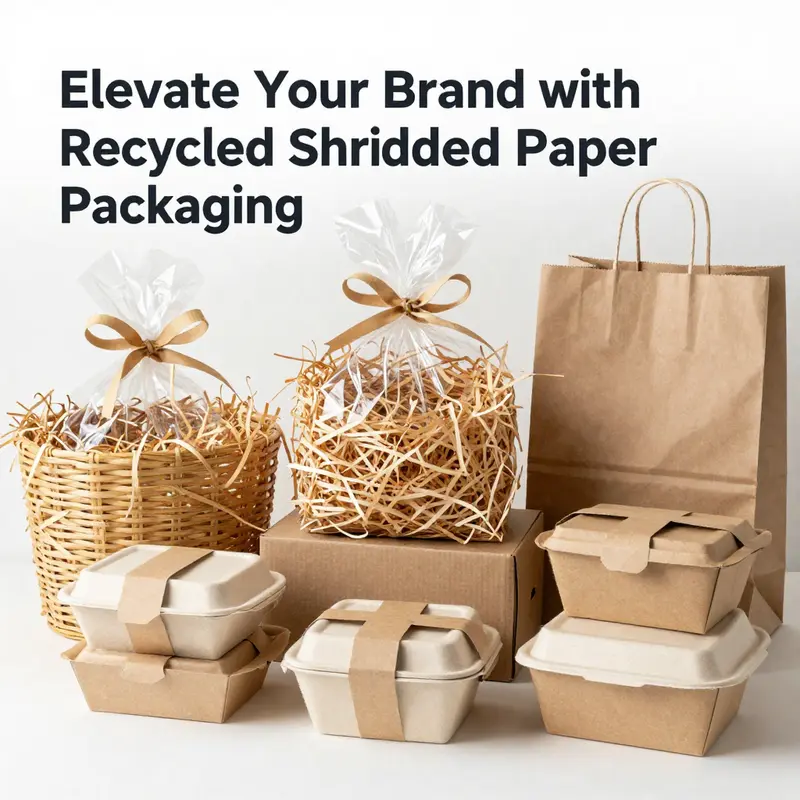
The rise of recycled shredded paper for packaging reflects a broader shift in how brands tell their sustainability story through material choice. Crafted from post-consumer waste such as old newspapers, office paper, and used packaging, this filler embodies a practical commitment to reducing landfill burden and conserving natural resources. It is not merely an ecological gesture; it is a strategic option that aligns performance with responsibility. When a package ships across continents, the same fibers that once filled a landfill now cushion, cradle, and present; they deliver a quiet reliability that doesn’t require a complicated supply chain to prove its worth. The material’s essence lies in its simplicity and adaptability. Its light, airy structure can be tuned to different cushioning needs, while its inherent whiteness or ivory hues offer a timeless canvas for branding stories that favor clean, minimal aesthetics. In this regard, recycled shredded paper does more than protect; it communicates a brand’s values with a tangible, tactile sincerity that resonates with conscious consumers who want proven results and a clear environmental intent.\n\nFunctionality remains at the core of its appeal. In the realm of cushioning, shredded paper demonstrates robust shock absorption and a consistent performance profile across a range of item sizes and fragilities. Unlike some conventional fillers, it can be scaled up for bulk shipments or pared down for delicate, high-value goods without compromising protection. The result is a versatile solution that is particularly well suited to everyday gift boxes, e-commerce shipments, and seasonal packaging needs. The neutral palette—whether classic ivory or a sophisticated black—brings a refined, understated elegance to packaging while letting product imagery and branding stand out rather than compete with filler material. This compatibility with varied stylistic directions makes recycled shredded paper an easy fit for brands pursuing both discretion and a premium look.\n\nYet the versatility goes beyond protection and color. Crinkle-cut variants, for example, contribute visual depth and volume that enhances perceived value. They tend to resist compression more effectively over time, preserving their shape and supporting the overall presentation of the package. The perceptual lift that crinkle-cut offers is not merely cosmetic; it translates to a steadier, more confident unboxing experience. On the other end of the spectrum, iridescent or pearlescent finishes can elevate the material to a premium tier, lending a shimmer that is particularly appealing for special occasions, bridal events, or high-end retail displays. In these contexts, recycled shredded paper becomes a design instrument as well as a protective filler, capable of turning a simple shipment into a storytelling moment.\n\nSustainability advocates have explored even more progressive options within the category. Biodegradable shredded paper, crafted from natural fibers such as bamboo or unbleached recycled materials, broadens the environmental credentials of the material without sacrificing performance. Decomposition pathways are clear and generally favorable, aligning with circular economy principles and reducing the long-tail environmental impact of packaging waste. These ecological advantages reinforce the appeal to brands aiming to meet strict regulatory or stakeholder expectations while maintaining a visually appealing presentation that communicates care for the environment.\n\nThe material’s adaptability does not stop at traditional packaging uses. It has found traction in non-traditional applications, including animal bedding where its low-dust, absorbent properties contribute to respiratory health and ease of maintenance. In artistic and educational contexts, shredded paper serves as a practical base for collages and paper mâché, inviting experimentation while modeling sustainable practices. Such breadth underscores a broader narrative: recycled shredded paper is not a single-use filler but a dynamic material that supports responsible design across industries and applications.\n\nThe investigations and industry observations also emphasize the value of customization and supply-chain readiness. Regions that specialize in recycled kraft and crinkle-cut papers leverage advanced finishing techniques, enabling options like foil stamping and color dyeing. Automated systems for slitting, crinkling, and compression help producers deliver consistent quality across a wide gsm range, typically from 17 to 100 gsm. This capacity to tailor density, texture, and resistance to compression means brands can optimize cushioning to the exact fragility of their items, reducing waste and ensuring reliable protection in transit. The presence of such capabilities is particularly important for orders that require tight tolerances and predictable performance across seasonal peaks.\n\nFrom a compliance perspective, some recycled shredded paper products carry Extended Producer Responsibility (EPR) certifications in markets like France and Germany. These certifications provide an assurance framework that packaging materials meet eco-packaging standards and align with local regulatory expectations. For premium markets, the option to source biodegradable ivory shredded paper—made from bamboo fibers or unbleached recycled material—offers a distinctive, shimmering appearance that elevates gift and premium retail packaging. Yet such premium variants often come with higher costs and sensitivity to direct light exposure, a reminder that even green luxury must manage performance trade-offs.\n\nManufacturing and sourcing realities shape how practitioners implement recycled shredded paper in real-world packaging programs. In practice, suppliers can accommodate both small-scale customization and larger industrial orders, reflecting a balance between artisanal value and mass production efficiency. Minimum order quantities (MOQs) often start around several hundred kilograms, with facilities that rely on automation to deliver consistent results at scale. These operational characteristics matter when a brand seeks to align packaging decisions with lead times, inventory planning, and sustainability targets. Understanding the nuanced capabilities of suppliers helps teams select the right option for a given product line, season, or market.\n\nAn experienced designer’s perspective adds a human element to these considerations. Packaging is not just a protective layer; it is an opportunity to communicate a brand’s story with warmth, intention, and ecological mindfulness. As one noted designer observes, “Packaging isn’t just protection—it’s part of the story,” and recycled shredded paper offers a credible, tangible medium to tell that story. The material’s warmth, collaborative potential with designers, and ability to adapt to both minimalist and premium aesthetics position it as a versatile protagonist in sustainable packaging narratives. It invites curiosity and experimentation—from the tactile feel of the fill to the way light moves through the fibers, revealing subtle textures that enhance the unboxing ritual.\n\nFor teams seeking practical access to the broader packaging ecosystem, a growing ecosystem of design and manufacturing resources helps translate these materials into concrete programs. In this sense, recycled shredded paper functions as a bridge between simplicity and sophistication. It can anchor minimalist palettes for everyday products or support an elevated display story through carefully chosen finishes and workflows. The flexibility of the material supports iterative design processes, allowing brands to test configurations, material densities, and aesthetic treatments without committing to more resource-intensive alternatives. In that way, it is not merely a filler but an adaptable platform for responsible packaging design.\n\nWithin the broader packaging landscape, the ecosystem also includes examples of how recycled shredded paper can interact with complementary materials to optimize sustainability outcomes. For instance, while some brands prefer a natural, unbleached presentation, others seek a refined ivory shade that harmonizes with neutral product packaging, elevating perceived value without compromising recyclability. The interplay between cushioning performance and visual identity is a practical demonstration of how sustainability and commerce can align rather than compete. And it is worth noting the supply-chain dynamics that enable this alignment: automated systems, regional expertise in kraft and crinkle finishes, and a market-wide emphasis on traceability and eco-certifications. Together, these factors help ensure that the material’s environmental benefits translate into real-world outcomes—lower landfill burden, resource conservation, and better end-of-life recoverability.\n\nFor practitioners researching these options, it is helpful to consider how digital design and procurement tools can support smarter packaging decisions. The ability to simulate cushioning needs, measure the environmental footprint across life cycles, and experiment with visual treatments before placing orders makes recycled shredded paper a more compelling choice than ever. It becomes part of a holistic approach to packaging where protection, presentation, and planet are integrated from the earliest concept stage through to final disposal or recycling. In this sense, the material embodies a practical philosophy: you can protect, present, and perform responsibly at once.\n\nInternal links can provide further practical examples and case studies in the broader packaging ecosystem. For instance, see the discussion of eco-friendly kraft box packaging for fast-food trays, which demonstrates how kraft-based solutions can offer both protection and a distinct design language that complements sustainable shredded filler. This example underscores how material selection interacts with brand storytelling and consumer perception in meaningful, measurable ways. This integrated approach—protective function, aesthetic flexibility, and sustainability alignment—embeds recycled shredded paper into the core toolkit of modern, responsible packaging design. For a deeper dive into technical and market-oriented perspectives, readers can explore the broader coverage connected to this topic in industry resources.\n\nExternal resource for further depth: https://www.packagingtoday.com/recycled-shredded-paper-packaging-solutions
From Waste to Shield: The Precision Manufacturing of Recycled Shredded Paper for Packaging
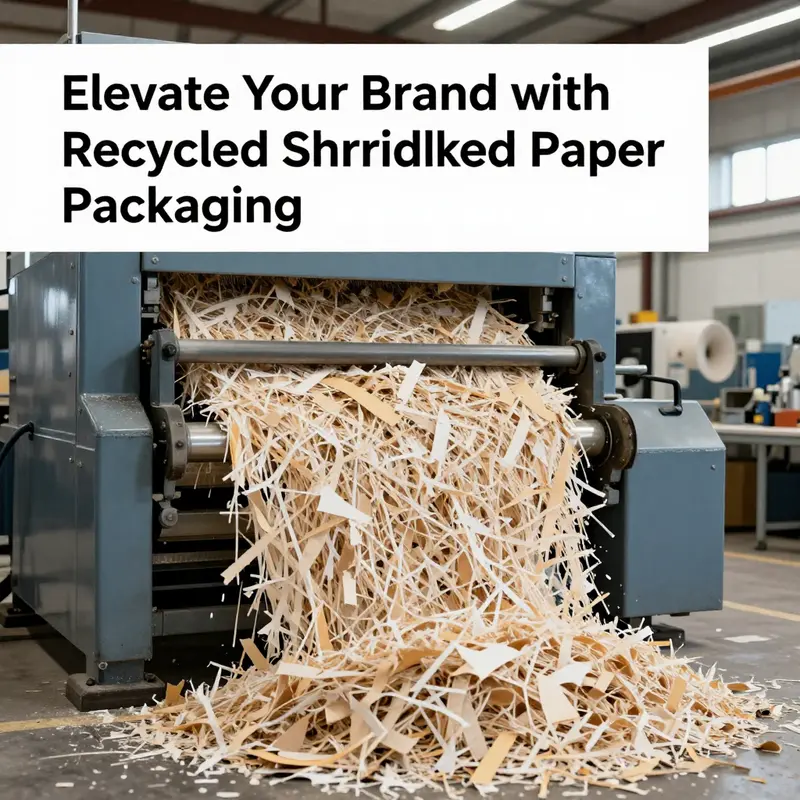
Transforming discarded paper into a protective medium for modern commerce is a careful exercise in engineering as much as ecology. Every bale that travels from a curbside bin to a packaging line embodies a sequence of precise decisions, each aimed at preserving the fiber while meeting performance standards and regulatory demands. In many facilities, the journey from waste to a cushion that shields fragile goods unfolds through stages that blend mechanical refinement, chemical cleanliness, and digital oversight. The result is a material that not only cushions but also tells a story of closed-loop thinking and responsible production.
Source separation and pre-treatment lay the groundwork. Recyclable feedstock such as corrugated cardboard, kraft mailers, and uncoated paper boxes enters the facility, where operators and sensors begin the labor of discrimination. Contaminants—plastic films, adhesives, staples, and food residues—are methodically removed so the fiber can be reused with reliability. The GB/T 20811—2022 standard from the China Paper Association specifies criteria that keep the input stream high-value: fiber length at least 1.2 mm, plastic coating below 3 g per square meter, and ink residues under 0.8 percent. Those thresholds are not arbitrary; they map to how much fiber can be recovered without choking downstream processes or compromising the end product’s performance.
Advanced processing follows, where technology does the heavy lifting. In modern plants, sorting is no longer a purely mechanical chore. AI-based optical recognition, guided by multi-spectral sensors, distinguishes fiber types and flags any stray materials that could degrade quality. The contamination removal rate can reach record levels—nearly 99 percent in well-tuned lines—drastically reducing what would otherwise be a costly rework or landfill disposal. The purified stream then moves to shredding, but the design of that step matters as much as the speed. Multi-stage progressive shearing with adjustable gaps—down to roughly 1.5 millimeters—protects fibers, yielding a uniform particle size of around 25 to 45 millimeters. This balance preserves long fiber integrity, with a cutting rate under about 11.3 percent, ensuring that the resulting pulp remains strong enough for high-value applications.
Next comes hygienic cleaning and de-inking, a choreography of immersion and separation. A water-based pulping step loosens fibers while suspending insolubles, and flotation de-inking with micro-bubble technology pulls UV ink particles from the slurry. The numbers matter: removal of more than 98 percent of ink by this stage reduces color bleed and enhances printability when the material eventually becomes cushioning or a sheet stock for finished packaging. To avoid fiber damage, a controlled thermal dispersion process—operating at roughly 105 to 110 degrees Celsius—softly detaches adhesive residues without harming the fibers’ tensile strength. The result is a clean, ready-to-process pulp whose chemistry aligns with downstream forming and bonding steps.
Densification and baling bring the material into a transportable form. After thorough purification, the pulp is formed into sheets and dried, then compressed into dense bales using hydraulic presses capable of delivering up to 120 tons of pressure. The compression shaves volume by about 76 to 82 percent and achieves a density of at least 850 kilograms per cubic meter. This density is not cosmetic; it translates into logistics efficiency: lower transport weight, fewer freight shipments, and a smaller footprint in warehouses. The bale, though simple, is a carefully engineered package of fiber that will later be opened, refined, and reincarnated into protective stuffing, media layers for cosmetics, or even molded shapes that cradle luxury goods.
Beyond the mechanics, the manufacturing ecosystem is expanding into new applications that broaden value. In some regions, developers are turning recycled kraft paper into biodegradable cushioning films that can fully mineralize within 90 days, leaving no persistent residue. Elsewhere, researchers are exploring the potential of recycled paper substrates as flexible sensors, leveraging the natural conductive network of cellulose fibers to monitor stress, temperature, and packaging orientation in transit. Such innovations depend on the same disciplined feedstock and processing controls described above; they amplify the utility of recycled shredded paper by bridging traditional packaging with smart logistics. An ivory variant—crafted from compostable fibers such as bamboo or unbleached recycled paper—offers a premium aesthetic for special events, though it carries higher costs and faces light-exposure limitations that can temper longevity.
Real-world performance has repeatedly shown shredded paper to be competitive with conventional cushioning. In controlled experiments, household shredded paper, often sourced from discarded envelopes, protected fragile items as effectively as more widely used fillers. The cost advantage emerges when the material can be sourced at little or no expense, turning a waste stream into a low-cost buffer for shipments. The practical implication is clear: brands aiming to reduce packaging footprints can weigh the savings from material costs against any additional handling required to ensure consistent density and dispersion in every carton. As with all packaging choices, compatibility with product type, size, and value proposition matters; shredded paper’s versatility shines when it can be formed into custom shapes and volumes without compromising protection.
Overarching all these steps is a philosophy of traceability and accountability. Modern plants employ real-time Internet of Things monitoring and digital traceability, enabling operators to track fiber origin, de-inking performance, and bale density through each link in the chain. The industry’s trajectory is reinforced by policy momentum. National planning documents describe a push to promote recycled materials across sectors and establish closed-loop systems that allow for multiple fiber reuse cycles. Projections suggest that a single ton of recycled paper saves about 1.7 cubic meters of wood, about 50 cubic meters of freshwater, and roughly 1.1 tons of CO2 compared with virgin pulp. With policy initiatives aiming for up to four recycling cycles by 2026, the sector moves toward loops that minimize waste, optimize resource use, and stabilize supply chains for brands committed to sustainable packaging.
Regulatory and certification frameworks further anchor the practice. In markets that demand Extended Producer Responsibility, producers of recycled packaging solutions pursue these credentials to demonstrate compliance with eco-packaging standards. Such certifications reassure brands and consumers that sustainability claims rest on robust manufacturing discipline and verified outcomes. While the specifics of each program vary by jurisdiction, the common thread is a demand for transparency, robust materials processing, and predictable performance in transit and handling.
To illustrate the practical integration of these materials into packaging design, consider the broader ecosystem where flexible conversion services and standardized packaging formats coexist with sustainability goals. For instance, the kraft-paper octagonal bowl design shows how recycled pulp can be formed into consumer-ready shapes without sacrificing compostability or reuse potential. Kraft Paper Octagonal Bowl product. Such formats underscore that the journey from shredded fibers to protective inserts, display props, or retail-ready packaging is not a single step but a network of applications that reinforce circular economy objectives.
All told, the sequence from collection to bale to finished packaging is a model of how modern manufacturing can preserve value while diminishing environmental impact. The work is not static; it evolves with the feedstock mix, the state of de-inking technologies, and the tolerance of markets for new aesthetics or biodegradability claims. The technologies described—AI-guided sorting, precise shredding, micro-bubble de-inking, high-temperature dispersion, and aggressive densification—form a coherent system that can be scaled from smaller co-ops to global supply chains. The end result is a packaging material that performs as well as traditional options, sometimes better, with a voice that speaks to responsible resource use, reduced waste, and adaptable design.
With this frame in mind, the industry is positioned to welcome innovations without abandoning the basics. The ongoing transition to closed-loop practices and the expansion of recycled content in protective packaging is a testament to how a waste stream can become a valued input. It is a reminder that the material world is not fixed; it is a dynamic system where standards, technologies, and consumer expectations converge. This narrative—driven by rigorous processing, careful fiber management, and a culture of accountability—charts a path toward packaging that protects goods and the planet alike.
External resource: https://www.iso.org/standard/74514.html
From Waste to Cushion: The Environmental Footprint and Regulation of Recycled Shredded Paper in Packaging
Recycled shredded paper for packaging has moved beyond novelty to become a credible, scalable solution for cushioning and presentation. Its appeal rests not only in its ability to protect delicate goods during transit but also in its potential to close material loops that once fed landfill. When viewed through a life-cycle lens, shredded paper made from post-consumer fibers – old newspapers, office sheets, and discarded packaging – demonstrates tangible environmental benefits. Its overall footprint tends to be smaller than traditional cushion materials because it leverages waste streams, reduces demand for virgin pulp, and often consumes less energy in processing. This alignment with circular economy principles has sharpened the attention of brands seeking to minimize both cost and ecological impact. A growing body of research underscores the broader ecological advantages of recycling paper, including resource conservation, energy savings, and pollution reductions that accompany reduced virgin-fiber use. In this light, shredded paper can function not merely as a filler but as a conscientious material choice that communicates responsibility to customers while maintaining performance.
Biodegradability and compostability are central to the material’s environmental narrative. When shredded paper is produced from compostable fibers or unbleached recycled paper, it can break down naturally in soil within weeks to months, contributing nutrients back to the environment during the composting process. This behavior contrasts with plastics that linger for decades. For brands committed to closing the loop, such end-of-life outcomes matter as much as the packaging’s ability to protect products in the supply chain. In regions where composting infrastructure is robust, certified biodegradable or compostable shredded paper can become part of a larger waste-management strategy that reduces landfill volume and supports soil health. The scientific justification for these benefits is increasingly recognized in environmental assessments that link paper recycling with forest conservation, energy efficiency, and cleaner air and water. In practical terms, this means fewer virgin trees harvested, lower energy demand during manufacturing, and a reduction in greenhouse-gas emissions associated with new-fiber production. It is this convergence of performance and sustainability that positions recycled shredded paper as a credible alternative to conventional cushioning.
Yet the environmental story is nuanced. Not all shredded-paper variants share identical end-of-life outcomes. Some decorative or iridescent forms, for instance, may incorporate metallic or pearlescent coatings that hinder biodegradability and can complicate recycling streams. Such coatings might create barriers to decomposition and complicate separation in mixed-waste streams at recycling facilities. The result is a paradox: a product designed to be eco-friendly can become less so if it relies on coatings that resist breakdown. This tension highlights the need for thoughtful material design and rigorous supplier qualification. Effective quality control during recycling is essential, because degradation of fibers can shorten the length of the pulp. Shorter fibers may reduce tensile strength and affect the performance of new paper products, potentially undermining the very cushioning properties manufacturers seek. In other words, the environmental benefits of recycled shredded paper depend as much on the integrity of the recycling process as on the raw material itself.
Industry structures, too, shape the environmental calculus. Regions with well-developed post-consumer waste streams and regulated packaging markets tend to produce shredded-paper fillers that are easier to recycle and dispose of properly. In some manufacturing hubs, producers operate automated systems for slitting, crinkling, and compression, with the ability to process paper across a broad range of weights, typically from about 17 to 100 gsm. This versatility supports a wide spectrum of packaging needs—from delicate cosmetics to heavier consumer goods—without forcing brands to switch materials for different products. The implication for environmental performance is clear: consistent process control and standardized product specifications improve recyclability and reduce waste, reinforcing the intended ecological benefits. Across the supply chain, certifications and transparency matter. Some shredded-paper products carry Extended Producer Responsibility (EPR) certifications indicating compliance with local eco-packaging standards. For brands aiming to satisfy stringent environmental regulations, such certifications signal a commitment to end-of-life responsibility and responsible sourcing. In practice, this means partnering with suppliers who can demonstrate cradle-to-grave stewardship, from responsibly sourced inputs to disposal-friendly outputs.
The manufacturing ecosystem behind recycled shredded paper includes notable regional dynamics. In large manufacturing zones, producers may offer both small-scale customization and large-volume orders, with minimum order quantities that ensure efficient production and price stability. Facilities equipped with modern automation can tailor fiber blends, color, and texture, ensuring that fillers not only protect but also align with brand aesthetics. While these capabilities are advantageous, they also require careful supplier selection. A credible program should emphasize consistent fiber quality, stable tension, and uniform crinkle patterns to prevent uneven cushioning that could compromise protection. The balance between customization and standardization is delicate: customization adds value and branding potential, but it must not undermine recyclability, disassembly, or subsequent recycling steps. For brands, the key is to partner with experts who understand both packaging performance and end-of-life outcomes, ensuring that the filler supports a true circular workflow rather than a linear one.
From a strategic standpoint, adopting recycled shredded paper as a primary packaging filler involves more than technical feasibility. It requires alignment with regulatory expectations and consumer sentiment. The European Union’s ongoing emphasis on reducing plastic waste and encouraging alternatives has spurred interest in recyclable and compostable paper-based cushioning as part of a broader policy trajectory. In the United States, various states have advanced Extended Producer Responsibility frameworks that require manufacturers to consider the end-of-life management of their packaging. These regulatory trajectories reinforce the argument for shredded paper: when properly sourced and disposed of, it reduces the burden on waste streams and aligns with policy goals designed to incentivize recyclable and sustainable materials. In this regulatory and consumer context, biodegradable and compostable shredded paper emerges as a practical bridge between ambitious sustainability goals and the realities of global logistics. The market is increasingly responsive to certifications and verifiable life-cycle data, ensuring claims about recyclability and compostability are not merely marketing rhetoric but supported by rigorous testing and real-world performance.
For brands seeking to integrate shredded paper into their packaging systems, the path forward is shaped by both the physics of the material and the ethics of disposal. Cushioning performance is closely tied to density, fiber length, and surface texture. When a filler is too loose or too dense, it can fail to immobilize items, leading to damage in transit. Conversely, a well-tuned shredded-paper filler can absorb shocks, protect edges, and prevent abrasion, all while being nearly invisible to the consumer’s eye. This functional versatility is complemented by aesthetic flexibility. The material can be dyed or finished to suit gifting, premium product lines, or seasonal campaigns, without sacrificing end-of-life performance when coatings are appropriately chosen. The real premium comes from a packaging solution that communicates sustainability to the consumer. A container that uses recyclable or compostable filler and carries transparent disposal guidance helps reinforce a brand’s environmental commitments and strengthens trust with eco-conscious customers.
For those who want to see this philosophy translated into practical choice, supplier examples exist that emphasize eco-friendly, customizable, and recyclable packaging components. These providers can offer fillers that harmonize with brand imaging while preserving recyclability and compostability and, when feasible, reducing total packaging weight and waste. A practical model for many brands is to partner with partners who can tailor the filler’s fiber blend and color, while maintaining compatibility with standard recycling streams. In doing so, a company can achieve a balance between performance and sustainability, ensuring that the cushioning function does not compromise the broader circular economy goals. This approach supports both the marketing narrative and the logistical reality of modern shipping, where speed, safety, and sustainability converge.
In sum, the environmental impact of recycled shredded paper for packaging hinges on careful material selection, disciplined manufacturing, and thoughtful end-of-life planning. Its potential to reduce virgin material demand, conserve energy, and lower emissions is significant when the fiber is managed responsibly and the coatings are chosen with recyclability in mind. The regulatory environment increasingly favors materials that fit neatly into recycling or composting streams, and consumer demand mirrors that shift. To capitalize on these advantages, brands should prioritize certified biodegradable or compostable shredded paper, verify fiber origin and end-of-life options, and seek suppliers with demonstrated continuous improvement in recycling practices. In this way, shredded paper can truly fulfill its promise: a cushion that protects goods, a messenger of sustainability, and a component of a resilient, circular packaging system. For further context, see the external regulation and waste resources guidance linked below.
External resource: https://www.eea.europa.eu/themes/waste/packaging-and-waste [External resource]
Balancing Cost, Cushion, and Consciousness: The Value of Recycled Shredded Paper in Packaging
When brands seek packaging that feels responsible without sacrificing performance, recycled shredded paper often rises to the occasion. It is more than a simple filler; it is a strategic material choice that aligns with cost discipline, supply resilience, and a growing demand for eco-friendly packaging. The conversation around its value begins with the source. Recycled shredded paper is typically produced from post-consumer waste—old newspapers, office papers, and used packaging materials—streams that would otherwise contribute to landfill. By diverting these fibers into cushioning, brands can reduce virgin-fiber demand, conserve natural resources, and close loops that modern consumers expect. The economic appeal, then, rests on a triad: lower material costs, favorable energy profiles from recycling, and the ability to scale with predictable performance across a range of applications. In many supply chains, these factors translate into a practical advantage for lightweight and mid-weight items, where dense void-fill or heavy plastics would otherwise dominate the cost and environmental ledger.
From a performance standpoint, recycled shredded paper delivers robust cushioning and absorption. Its cellular composition traps and attenuates shocks during transit, helping to prevent impacts that could mar delicate contents. For lightweight products such as cosmetics or small electronics, it provides sufficient resistance to bounce and tilt during handling and shipping. It is biodegradable and compostable, which enhances its appeal as a packaging solution that can be returned to the biological cycle rather than relegated to a landfill. This end-of-life attribute matters as brands navigate regulatory expectations and consumer preferences that increasingly favor materials with transparent environmental footprints. Yet the material is not without its caveats. Compared with some synthetic fillers, shredded paper may not match the tensile strength or density required for very heavy or high-impact items. It tends to perform best when used in conjunction with careful box design, tiered packaging layers, and appropriate weight distribution within the container. In practice, this means thoughtful product sizing, internal dividers, and a clear understanding of the packing matrix when specifying filler density and quantity.
The literature on lifecycle and energy use adds nuance to the cost discussion. Recycling generally saves energy relative to producing new paper from raw fibers. Estimates indicate energy savings in a broad range, from roughly 7% up to 57%, depending on regional efficiencies, process technologies, and the specific fiber stream. Those savings accumulate over thousands of packaging decisions each year, contributing to a reduced carbon footprint and lower operating costs for the packing line. At the same time, some supply chain realities call for cautious interpretation. When recycled content is used in certain paperboard products, lifecycle assessments can show higher energy demands in specific stages, sometimes up to 150% more, depending on manufacturing configurations and the presence of coatings or barrier layers. This underscores the importance of material-specific assessments. For professionals responsible for packaging design and sustainability reporting, the takeaway is a balanced, lifecycle-aware approach: recycled shredded paper can be a cost-effective component of a broader eco-packaging strategy, provided its use is aligned with product weight, transit risk, and end-of-life pathways.
Beyond the raw economics, the supply chain and production realities shape the cost-performance calculus. In regional contexts, producers of recycled kraft and crinkle-cut papers—often paired with advanced finishing techniques such as foil stamping or die-dyeing—can offer both small-scale customization and large industrial batches. Production facilities equipped with automated slitting, crinkling, and compression lines can process fiber in the 17–100 gsm range, delivering consistent performance across batches. Minimum order quantities commonly sit in the hundreds of kilograms, which suits brands that require steady supply while avoiding the irregularities of sporadic, low-volume purchases. This predictability matters when packaging calendars, seasonal campaigns, and gift-oriented assortments are at stake. The interplay of equipment, fiber sourcing, and downstream customization creates a reliable ecosystem where cost per unit, cushioning performance, and finish options converge to meet diverse brand needs. In this sense, recycled shredded paper becomes a scalable option rather than a niche solution, able to support everything from luxury gift ensembles to festive retail displays.
Aesthetics and customization further bolster the value proposition. The material can be dyed, molded, or finished to convey a brand’s narrative—from premium, shimmering accents to earthy, rustic textures. For gifting and display contexts, designers often pursue distinctive looks that elevate unboxing experiences without compromising recyclability. In this space, the material’s adaptability is a competitive advantage. It enables brands to craft tactile, visually engaging presentations that resonate with consumers who prize sustainability as part of the product story. The preference for such customization reflects a broader trend: packaging elements that can be harmonized with brand visuals while maintaining a responsible profile often command greater perceived value and customer goodwill. The ability to tailor density, color, and arrangement means that shredded paper can be integrated into premium packaging schemes that previously relied on higher-cost or less sustainable fillers. A thoughtful balance of texture and color can also reduce the need for additional decorative components that would otherwise complicate end-of-life disposal.
In practice, the material’s use cases extend across gift baskets, retail displays, branded packaging, and festive occasions. It excels in scenarios where presentation and protection co-exist with sustainability goals. When filling delicate items for gift sets, shredded paper provides a cushion that reduces movement and friction while contributing to a curated, gift-ready aesthetic. For retailers aiming to create compelling in-store displays, the same material can be arranged to form decorative beds or color-coordinated backdrops that highlight the product without introducing wasteful plastics or non-recyclable packaging elements. This dual role—as a protective medium and a design element—helps brands align packaging objectives with marketing narratives, a combination that increasingly influences packaging choices in sustainability-conscious markets.
The regulatory dimension adds another layer to the decision framework. Some recycled shredded paper products carry Extended Producer Responsibility certifications in markets like France and Germany, signaling adherence to environmental standards and end-of-life expectations. These certifications can ease compliance considerations for brands with global supply chains, reducing the risk of design misalignment or post-consumer waste mismanagement. In addition to regulatory alignment, there are premium options within the category, such as biodegradable ivory shredded paper crafted from compostable fibers such as bamboo or unbleached recycled paper. These premium variants offer a distinctive, shimmering finish that can elevate high-end retail experiences or special-event packaging. They do, however, come with considerations around cost and exposure to light, as premium finishes may be more susceptible to fading or degradation when exposed to intense direct light over time.
Despite the compelling case for recycled shredded paper, practitioners should remain vigilant about its limitations. The material’s performance in transit hinges on the correct choice of density, the item’s weight distribution, and the container’s geometry. For heavier or more rigid products, a layered approach—combining shredded paper with other protective features or inner framing—may be prudent. Practitioners should also consider moisture sensitivity and the potential for packing material to shift under long-distance transport or irregular handling. In short, the material shines when integrated into a well-designed packaging system, not as a stand-alone solution for every shipping scenario. The strongest value proposition emerges when sustainability, cost discipline, and performance are treated as a single, co-optimized decision, rather than as separate considerations.
From a strategic viewpoint, managers who champion recycled shredded paper as part of a broader packaging architecture can leverage its environmental narrative to differentiate a brand. The material supports a circular economy story, aligns with consumer calls for responsible consumption, and can deliver tangible cost savings over the product lifecycle. In markets where consumer expectations pulld trendlines toward greener choices, the combined effect of cost savings and environmental performance can translate into stronger brand equity and smoother regulatory acceptance. The practical takeaway for professionals is clear: use recycled shredded paper where its cushioning capacity and end-of-life advantages fit the weight class and transit profile of the product, and pair it with appropriate shipping configurations to maximize protection, aesthetics, and lifecycle value. For brands seeking flexibility, the material’s versatility—its capacity to cushion, display, and tell a sustainability story in a single package—can be a differentiator that compounds across product launches, seasonal campaigns, and global markets. senang02-top-fashion-double-wall-pe-coated-lunch-lid-matt-lamination-embossing-eco-friendly-rectangle-bowl-sushi-potato-chips offers a glimpse into how customization and eco-conscious design converge in real-world supplier capabilities, illustrating the alignment between aesthetics and function that modern packaging demands. In practical terms, decision-makers should integrate lifecycle considerations, supply chain reliability, and consumer expectations into their cost-per-use calculations, ensuring that recycled shredded paper remains a robust, scalable option for a sustainability-forward packaging portfolio.
External resource for further reading and context on paper recycling and environmental impact: https://www.epa.gov/sustainable-management-waste/recycling-paper
Final thoughts
Recycled shredded paper offers a practical and sustainable packaging solution for the beverage and food sectors. Its protective properties, versatility across packaging formats, and potential cost advantages make it a smart choice for brands aiming to reduce environmental impact while maintaining high performance in transit and display. Embrace this eco-friendly option to meet consumer expectations and regulatory considerations while supporting a more circular economy.