
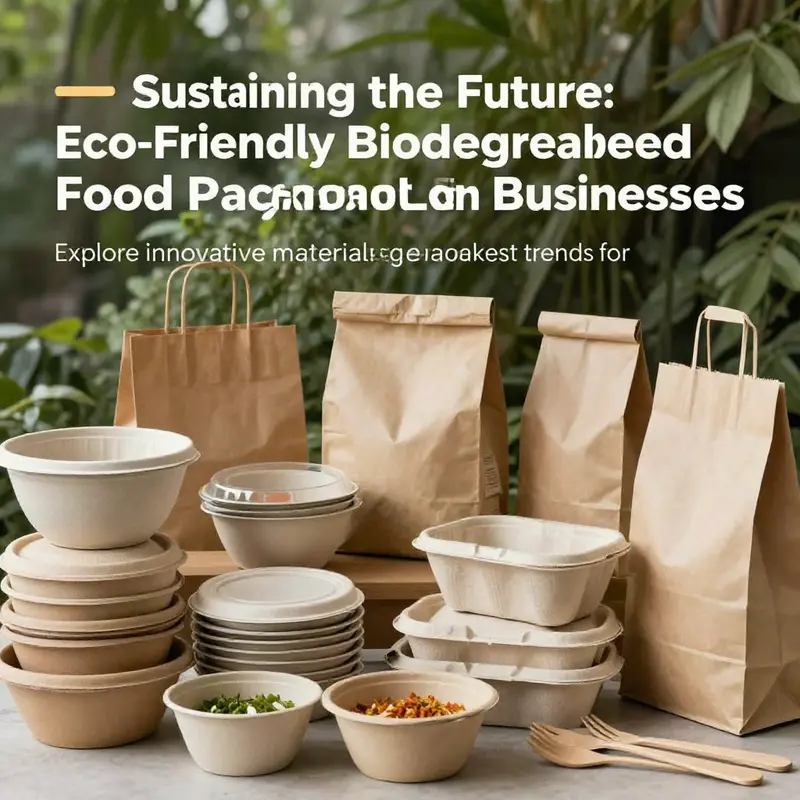
As businesses in the food and beverage industry increasingly seek ways to reduce their environmental footprint, eco-friendly biodegradable food packaging emerges as a solution. This packaging is crafted from renewable resources, designed to break down naturally after use, thus minimizing plastic waste and its harmful effects on our planet. This article delves into advancements in biodegradable materials, market trends influencing their adoption, and the environmental impact shaped by regulatory frameworks. By understanding these facets, your business can not only meet consumer demand for sustainable practices but also contribute positively to the environment.
From Plant Power to Practical Packaging: Advancements in Eco-Friendly Biodegradable Food Materials
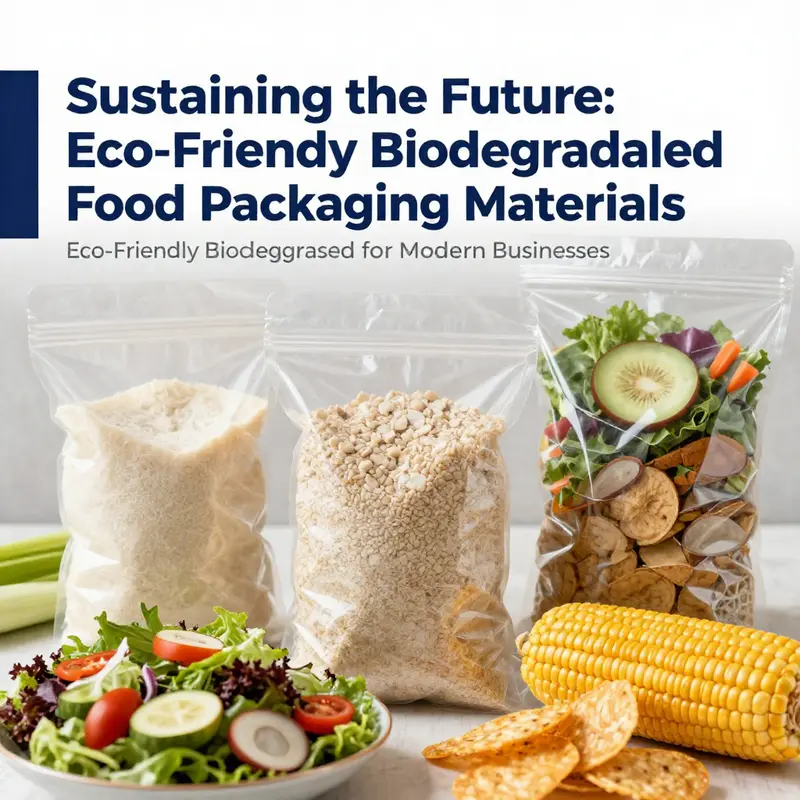
Every step toward a circular food system hinges on the materials that touch our meals. The chapter that follows moves beyond the surface of “green packaging” to explore the material science, ecological reasoning, and real-world constraints that shape what ends up in the hands of chefs, restaurateurs, and households. It is a narrative of plant power meeting production lines, standards, and consumer expectations. The aim is not merely to replace one polymer with another, but to weave a resilient chain from renewable resource to end-of-life pathway that minimizes waste, reduces pollution, and preserves the integrity of the food it shelters.
At the heart of these advancements is a shift from fossil-based plastics to biopolymers and plant-derived fibers that can deliver the same essential functions—barrier protection, heat resistance, mechanical strength, and consumer comfort—while offering the possibility of safe decomposition after use. Polylactic acid, or PLA, stands as a foundational biopolymer in this transition. Derived from fermented plant starches such as corn or sugarcane, PLA provides notable clarity and rigidity. It lends itself to food containers, cups, and rigid trays that are clear enough to showcase products and sturdy enough for hot beverages or meals. When subjected to industrial composting conditions, PLA can break down into water, carbon dioxide, and biomass without leaving toxic residues. The appeal is clear: a material that performs on day one and dissolves back into nature under the right end-of-life conditions.
Alongside PLA, cornstarch-based packaging has emerged as a 100% compostable option that can be molded into rigid containers and trays. This family of materials is especially significant because it offers a more direct route to replacing polystyrene and other fossil-based takeaway solutions that have historically contributed to litter and landfills. The decomposition pathways for these starch-based systems are well aligned with modern composting infrastructure, where heat, moisture, and microbial activity accelerate the breakdown process. The practical implication is straightforward: packaging that carries food with reduced risk of persistent residues, while being compatible with existing composting ecosystems.
A complementary strand in the materials family is plant-based fibers. Bagasse, bamboo, and wood pulp are increasingly used to form sturdy, compostable containers and wraps. Bagasse, the fibrous residue left after juice extraction in sugar production, stands out for its abundant availability as a byproduct and its inherent strength. It can be fashioned into microwave-safe bowls, plates, and wraps that perform well with hot and greasy foods. Bamboo brings rapid renewability and strong fiber properties, while wood pulp-based products contribute to a familiar feel and reliable barrier characteristics. Collectively, these materials exemplify a broader design ethos: harness agricultural or forestry byproducts to create value without diverting crops from food or fuel streams.
The frontier also embraces advances in polymer nanomaterials. The incorporation of biodegradable films with nanomaterials enhances mechanical strength, barrier performance against oxygen and moisture, and thermal stability. This line of development is a response to one of the persistent challenges of biodegradable packaging: achieving shelf-life parity with conventional plastics. Nanocomposites can improve protective performance while remaining compatible with composting streams, reducing the risk of microplastics and other persistent residues. The goal is not merely to imitate plastic’s attributes but to redefine the benchmarks so that eco-friendly options meet or exceed the performance expectations of modern supply chains.
Beyond materials alone, the industry is testing smart packaging technologies that integrate time-temperature indicators and antimicrobial coatings. Time-sensitive indicators help sellers and consumers assess freshness, while antimicrobial surfaces can deter spoilage and pathogen growth during transit and storage. These features contribute to reducing food waste—an environmental win that compounds the benefits of greener packaging. When combined with compostable materials, such smart systems can support a lifecycle that minimizes waste, preserves product integrity, and aligns with a growing consumer demand for responsible packaging solutions.
All these innovations are leading toward a more circular economy in packaging. The aspiration is to design materials that can be reused, recycled, or safely returned to nature after a single lifecycle, while still accommodating the needs of high-volume foodservice and retail environments. Yet moving from concept to widespread adoption requires navigating several practical dimensions. Feedstock availability, pricing, processing compatibility, and end-of-life infrastructure all influence the pace and trajectory of deployment. Corn-based feedstocks, for example, can raise concerns about displacing food crops or competing with existing agricultural streams. This is where a broader portfolio—an array of materials from PLA to bagasse to cellulose films—provides resilience. A diversified material base reduces pressure on any single feedstock, while expanding the range of use cases for biodegradable options.
From the perspective of a buyer seeking wholesale solutions, certifications are not mere formalities but signals of performance and safety. Standards such as ASTM D6400 for compostability, ISO management systems, and sector-specific certifications help verify that a material will behave as advertised within the intended end-of-life environment. In practice, this means suppliers must demonstrate consistent compostability under industrial conditions, traceable supply chains, and robust quality control. The alignment with recognized standards fosters trust with customers who are increasingly vigilant about environmental claims and product safety. It also supports higher-volume adoption by reducing the risk of performance gaps or misaligned expectations.
In parallel with formal certifications, real-world demonstrations illuminate how these materials perform in service. Sugarcane bagasse, a prominent example among plant-fiber materials, has proven its usefulness in sturdy, microwave-safe containers that can withstand grease, heat, and stacking pressures in busy settings—from restaurants and hotels to weddings and home use. The practical strength of bagasse-based oval bowls, for instance, illustrates how plant residues can be repurposed into durable, permeation-resistant dinnerware. The fact that these products can be designed for repeated use in some contexts, while being fully compostable at end-of-life, embodies the compatibility between performance and sustainability that the field seeks. The byproduct-to-value narrative is particularly compelling because it converts a waste stream into a functional packaging system with a clearly defined end-of-life pathway.
Similarly, cellulose-based bags crafted from plant fibers are carving out a space in flexible packaging. Durable and recyclable, these bags can be customized with printing in a spectrum of colors and finishes, enabling brands to communicate sustainability while protecting product integrity. The versatility of cellulose-based films and bags supports a variety of applications—from shopping and gift packaging to retail displays—without sacrificing compostability or recyclability. The emphasis on fiber- and film-based approaches highlights a broader strategic recognition: different packaging needs warrant different material solutions, and a well-balanced portfolio of options is essential for broad adoption across the food service ecosystem.
The role of rigid packaging options also evolves with sustainability in mind. Rigid containers and caps made from rapidly renewable materials, including bamboo, open new design opportunities for sustainable packaging systems. Bamboo’s rapid growth and renewability provide a compelling argument for its inclusion in rigid packaging architectures that require strength and temperature resistance. Although bamboo is not a universal answer for every use case, it contributes to a more diverse and robust material landscape, decreasing the reliance on any single resource and helping to align packaging performance with ecological goals.
Quality assurance and authenticity emerge as critical pillars in the sourcing and deployment of these materials. The chain of custody matters as much as the product’s end-of-life behavior. Suppliers that implement third-party audits, transparent testing protocols, and consistent repeat purchase indicators offer what buyers need to feel confident: that the packaging is not only beautiful or functional, but truly aligned with environmental expectations and regulatory requirements. In this context, a straightforward test may be as revealing as a formal audit: can the material perform under real-world cooking and serving conditions? Does it retain its barrier properties while resisting leakage or grease? Will it compost cleanly in an industrial facility without leaving residual contaminants? Answers to these questions sharpen decisions, reduce risk, and encourage longer-term investments in sustainable packaging solutions.
The conversation about biodegradability is not a single technical debate but a broader multi-stakeholder dialogue. It involves producers, regulators, waste management operators, and, importantly, consumers who increasingly demand green packaging. Consumer expectations shape what is feasible and affordable, and they also influence how companies communicate about compostability and recycling. Transparent labeling, clear guidance on end-of-life options, and consistent performance across different environmental conditions help bridge the gap between aspiration and practice. When consumers understand that a material is designed to degrade in an industrial composting stream rather than in a home compost or the natural environment, they can make informed choices about disposal and recycling. Clear guidance reduces contamination in composting systems and ensures that the intended end-of-life pathway remains viable.
A critical logistical question in this ecosystem concerns processing infrastructure. Industrial composting facilities are essential for fulfilling the promise of many biodegradable packaging materials. Without accessible facilities, even materials with ideal compostability specifications may fail to deliver the desired environmental outcomes. This reality has sparked collaboration across sectors to expand composting capacity, align procurement with available infrastructure, and develop standardized testing that reflects real-world composting conditions. The synergy between material science and waste management practice is a defining feature of contemporary advancements in eco-friendly packaging. It ensures that innovations do not languish as theoretical advantages but translate into tangible environmental benefits.
The design implications extend to the role of packaging in protecting freshness and reducing waste. Biodegradable materials have to perform as well as conventional plastics in safeguarding food quality, controlling moisture transfer, and resisting grease and oils, especially for hot or fatty foods. Improvements in barrier properties, whether through new polymer blends, nanocomposites, or surface-modification techniques, are essential to maintaining product quality while ensuring end-of-life safety. Smart packaging elements—such as indicators that reveal spoilage or temperature excursions—augment this protective function. By enabling more precise inventory management and reducing unnecessary disposal, smart features contribute to a holistic strategy for lowering the environmental footprint of the entire food supply chain.
The broader narrative is one of systemic evolution: moving away from single-use plastics toward a suite of materials and practices that respect planetary boundaries. The progress here is incremental rather than revolutionary, with each new material system addressing a specific gap in performance, cost, or end-of-life compatibility. As researchers refine biopolymers to better mimic the durability and transparency of conventional plastics, and as fiber- and cellulose-based formats expand into new shapes and sizes, the industry grows closer to a future where packaging choices are genuinely matched to their environmental impacts. This alignment is not just about packaging that is compostable; it is about packaging that fits into a regenerative loop, contributing to soil health, water conservation, and the sustainable use of land and energy.
The research trajectory is clear: prioritize renewable feedstocks without displacing food production, invest in scalable manufacturing processes, and ensure that composting infrastructure can handle the volume of biodegradable packaging entering the system. These objectives are intertwined with certification schemes, supplier reliability, and the education of buyers and end users about proper disposal. The path forward hinges on continued collaboration—across research institutions, industry associations, waste management operators, and the supply chains that move materials from farm fields and forests to packaging lines and, ultimately, to composting facilities. In this collaborative frame, noticeable progress is achievable, and the environmental dividends can be substantial.
For practitioners examining the practicalities of implementing these innovations, a few guiding considerations emerge. First, adopt a diversified material portfolio that leverages the strengths of each option—PLA for clarity and rigidity, starch-based formulations for rapid compostability, bagasse and other fibers for heat resistance and mechanical strength, and nanocomposite approaches for barrier performance. Second, assess the lifecycle impact across the entire value chain, from feedstock cultivation to end-of-life treatment, recognizing trade-offs and opportunities for circularity. Third, invest in certifications and quality assurance to articulate performance and compatibility with composting streams. Fourth, consider end-user communication strategies that clearly delineate disposal options and expectations, reducing contamination and improving composting outcomes.
In sum, the advancements in eco-friendly biodegradable food packaging materials reflect a deliberate move toward systems thinking. The aim is not only to replace plastics but to reimagine the lifecycle of packaging as a contributor to environmental health. The synergy of plant-based materials, advanced polymer science, and intelligent packaging features paves the way for packaging that protects our food while returning safely to the natural world. As research continues to unfold, the practical implications will become more tangible, more scalable, and more aligned with the social and ecological imperatives of our era. The journey is ongoing, but the trajectory is unmistakably toward packaging that serves both people and planet without compromise.
For readers seeking a deeper technical synthesis and current industry implementation details, the latest focused review offers a comprehensive synthesis of the innovations described here and beyond. It provides the technical grounding to appreciate how far the field has come and where it is headed. See https://www.sciencedirect.com/science/article/pii/S095980162500345X for a detailed exploration of these developments and their practical implications.
Within these exploratory threads, one practical illustration of how theory translates into market-ready solutions can be found in the real-world adoption of multifaceted packaging systems that blend strength, heat tolerance, and compostability. Consider a take-away context where containers need to withstand hot, greasy foods and still break down cleanly after use. In such settings, researchers and manufacturers are leveraging bagasse composites, biopolymer blends, and surface engineering to deliver products that perform under stress and then re-enter the cycle as soil-friendly matter. While not every application will utilize the same material, the overarching principle remains constant: choose, design, and validate packaging that aligns performance with end-of-life goals. The path from concept to counter service is becoming more direct as standards stabilize and waste management capabilities expand, reducing friction for widespread adoption.
As a bridge to the next part of our exploration, consider how a single material choice can cascade into a broader sustainability strategy. Selecting a compostable fiber-based container, for example, may influence supplier relationships, waste management infrastructure, and consumer education programs. It can also redefine the lifecycle costs and environmental metrics used to compare options. In short, the choice of packaging material reverberates through the entire value chain, shaping not only the product’s environmental footprint but the business model around it. The innovations outlined here thus function as a toolkit for architects of sustainable packaging, offering tangible paths to reduce plastic pollution, lower lifecycle emissions, and foster a more resilient, circular economy.
To anchor these ideas in a concrete, accessible example that your teams can explore, one can examine a packaging format that emphasizes sustainability without sacrificing practicality. A take-away bowl designed with a bagasse or cellulose base, reinforced with a thin biopolymer film, may provide the heat resistance needed for hot meals and the barrier protection required for moist dishes. It can be engineered to function in busy kitchens and dishwashing environments, yet compostable after use. The design benefits from the combined strengths of plant fibers and biopolymers, creating a product that delivers performance and end-of-life compatibility in a single package. Such examples illustrate how a thoughtful combination of materials can address real-world constraints while advancing environmental objectives. And while this narrative emphasizes the positive momentum, it also acknowledges a simple truth: the effectiveness of these innovations will be amplified when supported by shared standards, scalable manufacturing, and accessible waste-management infrastructure that together enable responsible consumer choices.
In closing, the journey through advancements in eco-friendly biodegradable food packaging materials is both technical and pragmatic. It is technical in its attention to molecular structure, barrier properties, and processing conditions, and pragmatic in its regard for end-of-life realities, supplier capability, and consumer behavior. The convergence of these dimensions holds the promise of packaging that protects what we eat, respects the land, and participates in a regenerative loop rather than a linear path to waste. As researchers continue to refine PLA derivatives, starch-based systems, plant-fiber formats, nanocomposites, and smart packaging features, the future of food packaging becomes not only greener but more resilient, adaptable, and capable of meeting the diverse needs of a dynamic global food system. The chapter that follows will build on these foundations, examining integration strategies, supply-chain considerations, and policy environments that help translate material innovations into widely accessible, industry-wide transformations.
Rising to the Challenge: Market Momentum, Choice, and the Adoption Path for Eco-Friendly Biodegradable Food Packaging
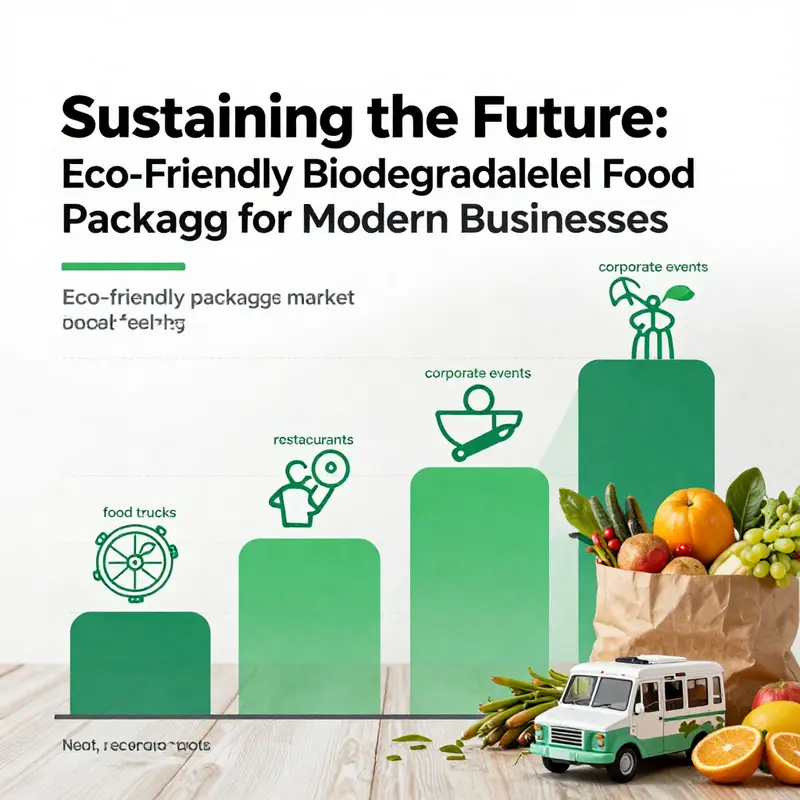
Biodegradable food packaging is moving from a promising niche into a defining feature of modern operations, and the trajectory is being shaped by more than good intentions. It is being steered by a confluence of consumer awareness, regulatory pressure, and the practical need to tighten the circle of resource use. As the global market for eco-friendly biodegradable food packaging accelerates, its momentum is not merely a matter of new materials appearing on shelves. It is about how those materials perform in real-world settings, how they fit into supply chains, and how they align with the evolving preferences of guests, diners, and shoppers who increasingly value green practices as part of a brand’s identity. The latest market dynamics reveal that the shift toward sustainable packaging is no longer an optional upgrade but a strategic decision that can influence capacity planning, operating costs, and even the pace of innovation within the broader food service ecosystem. In this chapter, we explore the market forces at work, the material families driving adoption, the infrastructure and certification landscape that enable credible performance, and the practical realities of implementation across hospitality, retail, and consumer channels. All of these threads weave together to show how eco-friendly biodegradable packaging is becoming a durable standard rather than a fleeting trend, while also underscoring the ongoing need for robust systems that support end-of-life stewardship and circularity.\n\nThe market story begins with a clear top-line reality: demand for sustainable packaging solutions is rising, and the value of this market is expanding in step with capacity, policy intent, and the willingness of businesses to invest in green credentials. Recent market analyses put the global eco-friendly food packaging market value at around USD 101.27 billion for 2024, with forecasts pointing toward USD 171.10 billion by 2033 and a compound annual growth rate (CAGR) near 6 percent across that horizon. That growth is not a simple reflection of more products competing for attention; it signals a structural shift in how companies evaluate packaging options, from short-term price considerations to long-term lifecycle impact, inclusive of disposal costs, regulatory risk, and reputational capital. In the broader biodegradable packaging landscape, the market reached approximately USD 117.74 billion in 2026 and is projected to climb to about USD 159.97 billion by 2031. Taken together, these data points illustrate a sector that is not just expanding in size but also becoming more sophisticated in its approach to material science, performance benchmarks, and end-of-life management. It is a market that rewards those who align product design with compostability standards, supply chain reliability, and the infrastructure that can handle post-consumer streams.\n\nThe shift toward recyclable and reusable solutions is a dominant driver behind adoption. Businesses increasingly recognize that the environmental burden of single-use plastics—especially in food service—can be mitigated only if the packaging lifecycle is reimagined. Recyclable formats and reusable systems reduce the demand for virgin inputs and help lower overall carbon footprints when paired with appropriate collection and processing. Yet the practical realization of these benefits rests on reliable infrastructure. Compostable and bio-based materials, when deployed in jurisdictions with supported industrial composting facilities, can disassemble into water, carbon dioxide, and organic matter in a matter of weeks to months. However, the real-world success of such programs hinges on standardized labeling, consumer understanding, and municipal acceptance criteria. Without clear pathways for end-of-life, even the most advanced materials can fail to deliver the intended environmental advantages. This is why the industry often emphasizes certifications and third-party audits, as these provide a recognizable signal of performance and authenticity to buyers who must balance quality, safety, and sustainability.\n\nMaterial families are central to the market’s dynamics, each bringing its own blend of performance characteristics, supply considerations, and end-of-life profiles. Starch-based materials, derived from renewable plant sources such as corn, potatoes, and tapioca, have gained traction for their compostability in controlled facilities. In ideal industrial composting environments, these materials can break down within three to six months, converting into water, carbon dioxide, and organic matter without leaving persistent residues. The attractiveness of starch-based formulations lies not only in their renewability but also in their relatively straightforward processing paths, which allows for scalable production and compatibility with a range of product forms, from cups and bowls to film wraps. The challenge, however, is ensuring that the supply chain for these materials remains resilient and that composting infrastructure can handle the volume that comes with growing demand. The shift toward starch-based solutions often dovetails with a broader push to source feedstocks with minimal land-use impact and to manage agricultural supply chains with a view to long-term sustainability.\n\nPLA and other plant-based polymers—most notably those derived from corn starch—offer a different set of advantages. These materials are designed to be compostable under appropriate conditions and can provide the transparent, flexible options necessary for packaging uses like pouches, bags, and wrap products that preserve product freshness while limiting environmental harm. PLA packaging can be 100% compostable, which makes it appealing for certain segments such as ready-to-ship foods and cold-chain applications where transparency and a clean aesthetic are valued. Yet, PLA and similar bio-based polymers require careful market placement: their performance during heat exposure, moisture management, and mechanical stress must meet consumer expectations and food-safety standards. In addition, the compostability of these materials often depends on access to industrial facilities that can maintain the necessary temperatures and microbial activity, which means regional differences in waste management infrastructure translate into uneven adoption rates. The result is a nuanced landscape in which compostable bioplastics deliver green potential, but their environmental advantages are contingent on local waste-management realities and consumer participation.\n\nA parallel family—cellulose-based and plant-fiber bags—gains traction for flexible packaging needs that benefit from durability, recyclability, and the potential for printed branding. Biodegradable cellulose films and bags, fashioned from plant fibers, are being used for a range of applications from shopping and gift packaging to certain forms of consumer goods packaging. Their strength, recyclability, and printing versatility make them popular in segments where aesthetics and barrier properties matter, while still offering a path toward lower environmental impact than conventional plastics. In rigid packaging, bamboo-based solutions and other rapidly renewable resources emerge as sustainable options for containers and caps, appealing particularly to brands seeking bio-based narratives that align with fast-growing consumer interest in renewable materials and responsible sourcing. Bamboo’s rapid growth and renewability provide a compelling argument for its inclusion in a packaging system designed to reduce the lifecycle carbon footprint, though supply chains must ensure consistent quality, washability, and compatibility with existing manufacturing lines.\n\nThe market’s evolution is not a simple linear progression from old to new. It is a complex choreography of material choice, product design, and end-of-life logistics that requires alignment across suppliers, manufacturers, distributors, retailers, and municipal programs. To navigate this landscape effectively, businesses increasingly demand robust certifications and rigorous testing criteria. Standards such as ASTM D6400, which relates to compostability, combined with ISO certification and other quality assurance frameworks, form a credible backbone for wholesale sourcing decisions. When buyers demand verifiable credentials, suppliers can differentiate themselves by providing third-party audits, clear waste-stream guidance, and transparent performance data. A reliable supplier network, in turn, gives buyers confidence to scale up adoption across menus, service formats, and geographic markets. The emphasis on credible certification is not merely about compliance; it is about building trust with consumers who want to understand how packaging choices translate into real-world environmental benefits. The market rewards transparency and accountability, and the organizations that embed verification into their product development lifecycle are often the ones that achieve lasting relationships with buyers and end users.\n\nThe supply chain and procurement considerations are as important as the materials themselves. For businesses looking to embrace sustainable packaging, the decision-making process must balance factors such as heat resistance, grease-proof performance, moisture management, and barrier properties with end-of-life outcomes. Sugarcane bagasse, for example, has emerged as a notably sturdy option for some applications. It is a byproduct of sugar production and can be transformed into containers with excellent heat resistance and grease-proof performance, making it suitable for microwave-safe occasions like certain restaurant and catering contexts. The beauty of bagasse is that it leverages a waste stream that would otherwise be underutilized, aligning with a circular economy mindset. However, adoption is not a one-size-fits-all proposition. Bagasse-based products may demand specific processing conditions and can present variability in thickness and rigidity, which in turn influence manufacturing yield and the design language of the packaging system. The upshot is that material selection becomes a strategic decision tied to product format, distribution channels, and the precise environmental claims a brand wants to make.\n\nBeyond the material science, the narrative of adoption hinges on supply chain reliability and the credibility of certification programs. Consumers are increasingly keen to see clear labels about compostability, recyclability, and the applicable collection streams, and they expect consistency across product lines. Certified biodegradable packaging does more than reassure end users; it creates a foundation for brand storytelling that resonates in markets where sustainability is a competitive differentiator. Suppliers that can demonstrate robust traceability, consistent manufacturing quality, and rigorous quality-control measures gain trust with buyers who must manage large portfolios of SKUs and diverse packaging needs. In this context, third-party audits and long-standing quality-management frameworks become indispensable. They provide a framework for continuous improvement, enabling manufacturers to reduce variability, improve end-use performance, and ensure compliance with evolving regulatory expectations. The practical value of these certifications and audits is notable: they help reduce the risk of greenwashing and provide a credible basis for expanding into new markets where customers increasingly demand proof of responsible packaging choices.\n\nAs adoption expands, the consumer and brand perspective becomes central to the market’s evolution. Consumers are not passive observers; they are co-creators of value through their choices and expectations. They seek packaging that is not only functional and safe but also aligned with broader values—sustainability, transparency, and corporate responsibility. Brands that effectively communicate the lifecycle story of their packaging, including the end-of-life pathway, can strengthen trust and loyalty even when prices are a consideration. The consumer-led demand for eco-friendly alternatives pushes retailers and hospitality operators to reconfigure their procurement strategies so that packaging choices are embedded in menu design, supplier relationships, and waste-management partnerships. In many cases, this translates to a broader evaluative framework that looks beyond the immediate functional performance to include lifecycle costs, potential for recycling or composting, and the availability of post-consumer processing options. The market is moving toward a cadence where packaging decisions are integrated into sustainability reporting, menu engineering, and guest experience design rather than treated as an isolated finish-in-the-supply-chain decision.\n\nThe question of feasibility, of course, remains central. Some regions have advanced composting infrastructure that can process starch-based and bagasse materials efficiently, while others still rely on municipal programs that may not accept certain compostable products. These disparities create adoption gaps that require targeted policy and investment. The most successful rollouts are thus anchored in collaboration across stakeholders: packaging developers, waste-management operators, regulators, and the communities that operate collection streams. When these players align, the full potential of eco-friendly biodegradable packaging can be realized, enabling facilities to accept end-of-life materials as legitimate inputs for composting cycles rather than as burdens that end up in landfills. The economic calculus, while nuanced, often improves with scale. As volumes rise, unit costs can fall, and the performance advantages of bio-based materials—such as grease resistance, microwave tolerance, and barrier properties—can translate into genuine savings in product quality, shelf-life, and consumer satisfaction. The market’s trajectory thus reflects a balance between science, policy, and market appetite—a balance that will continue to evolve as new materials, processing technologies, and waste-management infrastructures mature.\n\nTo translate market momentum into durable adoption, buyers increasingly turn to credible partners who can provide end-to-end solutions. One lesson of the current landscape is that material choice alone does not guarantee success. The packaging system must be designed with the intended life cycle in mind, from initial use to end-of-life redemption. This means not only selecting appropriate materials but also integrating packaging with the supply chain in ways that minimize waste and maximize recyclability or compostability. For instance, the design of packaging structures—whether films, bags, or rigid containers—needs to align with typical handling and storage conditions, such as temperature, moisture exposure, and mechanical stress during transport. In some cases, the same packaging format can operate across multiple channels, from take-away meals in a bustling restaurant to home-delivery services and retail-ready displays, provided the materials exhibit consistent performance and end-of-life outcomes under diverse conditions. The goal is to create packaging ecosystems that support efficient collection, sorting, and processing while preserving product quality and guest experience.\n\nThe adoption journey is also shaped by the evolving ecosystem of suppliers and the strategic decisions businesses make when sourcing wholesale packaging solutions. When evaluating suppliers, buyers often weigh third-party certifications, processing capabilities, and the ability to customize solutions with appropriate coatings, finishes, and branding options. The certification landscape—spanning BRC, ISO, and compostability standards such as ASTM D6400—serves as a compass for quality and sustainability claims. For wholesale procurement, suppliers who offer transparent quality-control data, consistent repeatability, and robust traceability tend to outperform in long-term partnerships. The reliability of supplier networks—and the audits that verify performance—creates a powerful platform for confidence as buyers scale their sustainable packaging programs across multiple sites, menus, and guest experiences. In practice, this means that credible, certified packaging not only meets regulatory expectations but also protects brand reputation, reduces compliance risk, and enhances the ability to tell a coherent sustainability story across channels.\n\nThe adoption narrative is incomplete without acknowledging the practical realities that accompany growth. Operational teams must balance cost considerations with environmental goals, all while ensuring safety and regulatory compliance. The move to bio-based and compostable packaging requires careful alignment with food safety standards and handling protocols. It also calls for clear labeling so customers can act appropriately at the point of disposal. The ideal scenario blends material science with consumer education and waste-management capability, delivering environmental benefits without sacrificing performance or convenience. As the market expands, ongoing research and development will push the boundaries of what is possible, from optimizing the barrier properties of biopolymers to enhancing the mechanical resilience of starch-based carriers and bagasse-derived containers. Each incremental improvement increases the likelihood that sustainable packaging can replace conventional plastics in more applications, at a competitive price, and with a clear route to responsible end-of-life management.\n\nWithin this evolving landscape, a critical takeaway for businesses aiming to accelerate adoption is the need to invest in credible end-of-life pathways alongside material selection. The most reliable routes for consumer convenience often require support for both compostable streams and recyclable programs. Collaboration with waste-management partners, municipal authorities, and certification bodies can help ensure packaging is not just well-designed for use but also properly processed after use. This is where the balance between innovation and infrastructure becomes crucial: an elegant biodegradable solution that cannot be processed at its end of life loses much of its value. Therefore, the industry’s ongoing task is to align material innovations with scalable, accessible disposal options, and to communicate those options transparently to customers. The result is a more resilient market—one where eco-friendly materials can meet or exceed the performance benchmarks that food service demands, while delivering measurable environmental benefits.\n\nA practical illustration of these dynamics is visible in the way packaging formats are evolving to support restaurants, hotels, weddings, and home use. The demand for sturdy, heat-tolerant, grease-resistant, microwave-safe containers continues, and the best solutions are those that combine robust performance with compostable or recyclable credentials. In some applications, a single packaging family can cover a broad swath of needs, from take-away bowls to food-wrap films, enabling a consistent sustainability story across a brand’s portfolio. In other cases, it makes sense to diversify material choices to optimize for end-of-life compatibility across different regions and waste streams. An overarching principle is that packaging should be designed with the end life in mind, factoring in the local waste-management capabilities and ensuring the product can be responsibly processed in the intended market. This proactive approach to design and procurement helps reduce the risk of noncompliant disposal and strengthens the overall environmental impact of a brand’s packaging program.\n\nIn closing, the market trends, material options, and adoption pathways highlighted here underscore a broader convergence: eco-friendly biodegradable packaging is becoming central to how the food economy operates. It reflects a growing conviction that packaging can be both high-performing and environmentally responsible when guided by credible standards, rigorous testing, and a deep understanding of waste management realities. The numbers reinforce the momentum: multi-year forecasts anticipate continued expansion, with compound growth driven by consumer demand for green alternatives and by regulatory frameworks that increasingly favor sustainable packaging solutions. For stakeholders across the value chain, the imperative is clear. Invest in materials with proven compostability and recyclability credentials, align product design with end-of-life infrastructure, and embed third-party verification into the procurement process. Do this, and the packaging system becomes not only a technical solution but a strategic asset—one that strengthens brand equity, supports regulatory compliance, and truly advances a circular economy for food packaging.\n\nTo illustrate how these principles translate into practical opportunities, consider the take-away and fast-casual segments where convenience meets responsibility. In these contexts, there is a strong demand for packaging that remains functional under heat, resists grease, preserves freshness, and can be disposed of safely through composting streams or recyclable programs. When suppliers provide clear guidelines, lab-tested compositions, and transparent communications about the end-of-life pathway, operators can confidently design menus and service formats around sustainable packaging that supports guest experience rather than complicates it. The result is a virtuous cycle: consumer expectations drive investment in better materials and better waste streams, which in turn unlocks improved performance, broader adoption, and more robust market growth. The story emerging from the data and the field is not merely about greener packaging; it is about building a comprehensive system in which product design, waste management, regulatory alignment, and consumer engagement reinforce one another toward a common goal: a more sustainable food economy that can scale without sacrificing safety, quality, or convenience.\n\nAs market optimism grows, so too does the imperative for thoughtful, rigorous implementation. Businesses should approach adoption with a clear strategy that includes material selection guided by end-of-life outcomes, a procurement framework that prizes certifications and audits, and a waste-management plan leveraging local facilities and national programs where available. This approach helps minimize the risk of misaligned claims and ensures that sustainability gains translate into real environmental improvements. In practice, that means partnering with suppliers who can demonstrate consistent performance, traceability, and a commitment to continuous improvement—an approach that builds trust with customers and reduces the complexity of managing multiple packaging streams at scale. The long-term payoff is an industry that can meet rising demand with packaging solutions that not only protect food and preserve quality but also advance the shared objective of reducing environmental impact and moving closer to a circular economy for the materials we use every day.\n\nInternal link: To see how one practical option supports these goals in the take-away segment, explore eco-friendly take-away bowls and related innovations at our product page. eco-friendly take-away bowls page\n\nExternal reference: For a broader market analysis of biodegradable packaging solutions and future growth trajectories, see the Grand View Research report on biodegradable packaging solutions market. External resource
null
null
Final thoughts
Embracing eco-friendly biodegradable food packaging is not just a trend; it represents a commitment to sustainability that resonates with today’s environmentally conscious consumers. By adopting these innovative materials, businesses in the food and beverage industries can not only enhance their brand reputation but contribute significantly to global efforts against plastic pollution. As regulations increasingly favor sustainable practices, early adoption can position your business as a leader in this essential movement. Let’s pave the way for a greener future, one package at a time.