
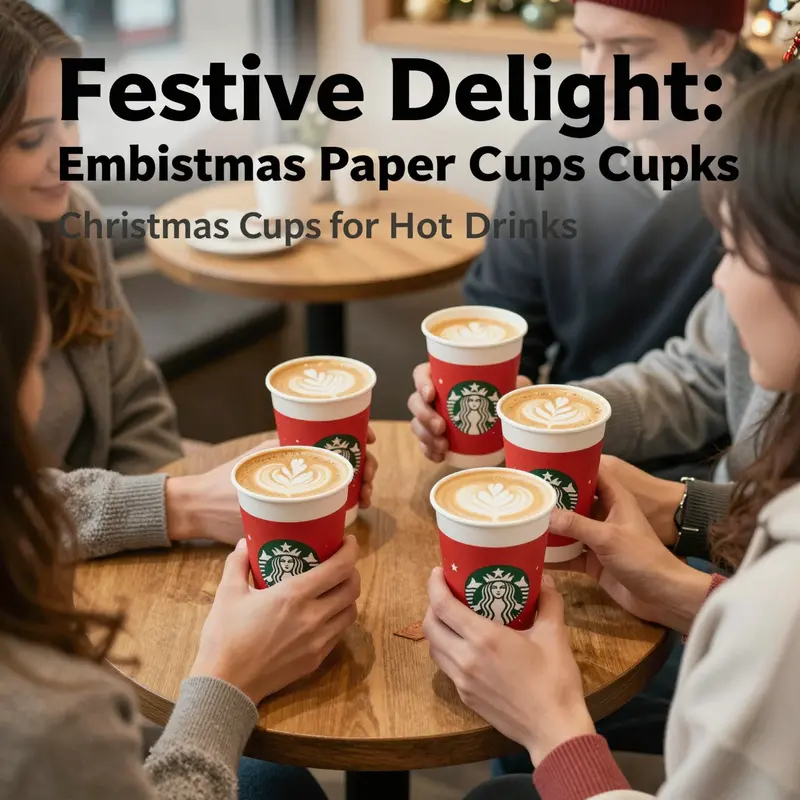
As the holiday season approaches, cafes, restaurants, beverage chains, and catering services seek ways to enhance the festive experience for their customers. One simple yet impactful way to elevate hot drink service is through the use of specially designed Christmas paper cups. These cups not only appeal aesthetically with their seasonal designs but also provide essential functionality for hot beverages. In this exploration, we will delve into the functionality of these festive cups, the growing sustainability trends, and exciting customization options that can help businesses stand out during this bustling time of year.
Warmth in a Festive Shell: The Functionality Behind Christmas Paper Cups for Hot Drinks
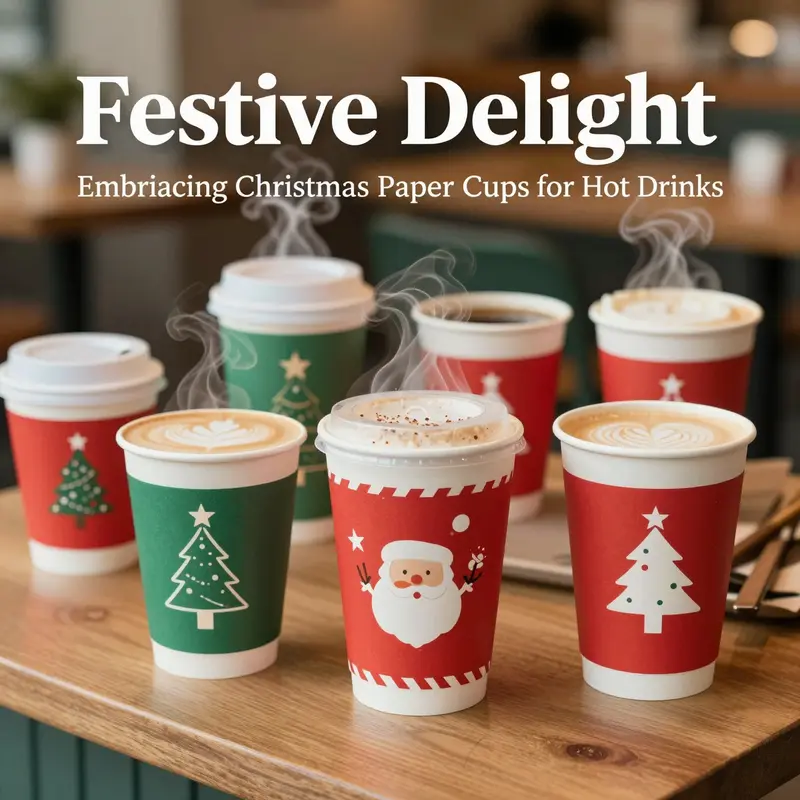
When the calendar flips to late autumn and the air turns crisp, the ritual of hot drinks becomes a centerpiece of social gatherings, work events, and quiet moments of seasonal reflection. Christmas paper cups designed for hot beverages do more than hold coffee, tea, or cocoa; they carry the mood of the season, turning a practical service item into a small stage-set for festivity. The chapter that follows treats these cups not as mere vessels, but as carefully engineered tools that marry safety, performance, and aesthetic appeal. To understand their functionality is to see how design choices respond to the dual pressures of utility and celebration. In a market where every cup is a potential first impression, choosing the right cup means balancing heat resilience with the ability to reinforce brand storytelling through color, pattern, and message. In other words, the holiday cup exists at the intersection of engineering and emotion, a tangible reminder that small details can amplify the experience of a season defined by warmth, hospitality, and shared rituals.
At the core of this functionality is heat resistance paired with structural integrity. A cup that looks elegant but cannot stand up to the steam of a hot drink is a failed design before it leaves the counter. To prevent leakage and deformation, manufacturers rely on a heat-resistant inner lining—commonly a polyethylene-based coating—that forms a barrier between the liquid and the paper. This lining is not merely a seal; it is a carefully chosen material that moderates the exchange of heat between the beverage and the cup walls, reducing the risk of burns for the user and helping to maintain the beverage’s temperature for a bit longer. The coating also plays a subtle but important role in handling the cup’s exterior. By limiting the rate at which heat travels through the cup wall, the lining helps keep the outer surface cooler to the touch, which enhances user comfort during busy service moments where many hands touch cups in quick succession. Yet the lining cannot act alone. The walls of the cup themselves are typically crafted from thicker, food-grade paperboard. This thickness contributes to a robust structure that resists bending, buckling, and sogginess as the liquid access points exchange heat with the environment. When a cup is filled with a steaming drink, the combination of a reinforced wall and a protective inner layer prevents warp and collapse, preserving shape even as the beverage remains hot. In practical terms, this means a cup that stands steady on a crowded counter, stacks neatly for storage, and meets the demands of takeaway service without compromising performance.
Material choices extend beyond the inner lining to what guests perceive as the cup’s overall heft and feel. The same combination of food-grade materials used to ensure safety and stability also impacts how the cup handles heat in real-world use. Thicker paperboard walls contribute to a sense of sturdiness that customers can intuit. They do more than merely resist heat; they give the cup a tactile solidity that communicates reliability. A sturdy cup can be handed from person to person without concerns about collapse, and its presence on a table can carry a sense of occasion appropriate to the season. These attributes matter in cafes and event spaces where time is of the essence. Baristas and event coordinators rely on vessels that can be trusted to maintain the beverage’s integrity from the moment it is filled to the moment it reaches the customer’s hand. The result is a frictionless experience in which the customer can focus on the drink’s aroma, warmth, and festive presentation rather than worrying about leaks or a soggy sleeve.
Size flexibility also plays a vital role in practical functionality. Christmas-themed hot-drink cups are offered in a range of capacities to accommodate everything from a quick espresso to a generous latte or hot chocolate with whipped cream. The ability to scale up or down without sacrificing performance is essential in settings that must respond to variable demand. A smaller cup may be ideal for a quick sample at a market stall or a corporate reception, while larger options are valuable for longer conversations over a steaming mug. The common thread across these size options is that the internal structure remains robust regardless of the volume. The same heat-resistant lining and thick walls shield the beverage and maintain form, so the cup performs consistently across sizes. In addition to size versatility, cup designers consider compatibility with lids. A well-fitted lid is not merely an accessory; it is a functional partner that reduces spills, preserves heat, and enhances user safety in busy environments. A properly engineered lid can eliminate the most common failure modes—sloshing during transit, accidental drips at the point of purchase, and the risk of scalds when cups are transported through crowded spaces. The lid design often features holiday motifs that echo the exterior of the cup, amplifying the festive message while keeping the vessel sealed and secure.
Beyond raw performance, the aesthetic and commercial appeal of these cups anchors their value in a holiday setting. The exterior surface of a Christmas hot-drink cup is where practicality and personality converge. It must be resilient enough to withstand repeated handling, washing in some contexts, and the inevitable wear of seasonal use, all while carrying a design that evokes snow, pine, reindeer, or twinkling lights. The ability to customize cups through OEM services further enhances their utility for brands, venues, and individuals planning seasonal campaigns or festive gatherings. Customization enables logos, messages, or intricate holiday artwork to be printed directly onto the cup, turning a simple beverage into a portable promotional or gifting item. When a business wants to extend its seasonal narrative, the cup becomes a mobile advertisement that travels with the customer, presenting a consistent visual language at every touchpoint—from the moment the drink is handed over to the final sip in a bustling queue. This capacity for branding through one of the most intimate consumer experiences—drinking a hot beverage in a festive vessel—offers a powerful, if understated, form of marketing that aligns with the warmth of the season.
As sustainable considerations rise to the forefront of consumer choice, the functionality of Christmas cups also embraces environmental responsibility. Eco-friendly alternatives, such as cups manufactured with bamboo fiber or other compostable components, illustrate how performance can coexist with stewardship. Bamboo fiber cups, for example, are marketed for their food-safety certification, lighter weight relative to traditional plastic-lined cups, and improved end-of-life options. The environmental narrative surrounding these cups emphasizes not just how they perform in the moment, but how they fit into broader waste-management practices. The shift toward sustainable materials does not erase the core functional requirements. Instead, it introduces a new set of trade-offs and opportunities: a lighter product mass that can ease handling and reduce shipping emissions, a compostable or biodegradable claim that appeals to eco-conscious customers, and a design approach that still prioritizes leak resistance and heat containment. The challenge lies in preserving performance while aligning with environmental goals, a balancing act that cup manufacturers and suppliers continue to refine through material science, process innovation, and smarter packaging design.
The practical implications for hospitality and retail ecosystems are concrete. In service environments, cups that reliably resist leaks and maintain a comfortable exterior temperature support faster throughput and safer operations. A bartender or barista can pour a steaming drink with confidence, knowing the cup will hold up under heat and movement, and a server can pass a cup from point A to point B without worrying about spills. Customers appreciate the nearly instantaneous grippability that comes from a well-insulated, well-formed wall, which translates into a more comfortable handoff, a cleaner dining or gathering space, and a more satisfying overall experience. In event contexts, where long lines, distracted attention, and multitasking are routine, the dependable performance of a holiday cup becomes a small but meaningful contributor to guest satisfaction. The aesthetic dimension—festive patterns, color accents, and the sense that every cup reinforces the season’s narrative—complements the functional reliability, creating a cohesive sensory package that enhances the mood of the moment.
From a sourcing perspective, the road from concept to cup involves several practical considerations that influence functionality. Suppliers who understand the dual demand for performance and presentation can deliver cups that meet strict food-safety standards while still accommodating branding and seasonal artistry. A key facet of this process is the ability to secure bulk quantities with customization options, enabling venues to outfit entire events or cascading promotions with a consistent look and feel. The availability of certified, compliant options in bulk reduces the risk of supply chain disruptions during peak shopping periods and seasonal campaigns. It also supports sustainability goals when eco-friendly materials and compostable or recyclable designs are part of the offering. In this regard, the procurement landscape often emphasizes not only the raw material quality and the interior coating but also the supplier’s capabilities in logistics, lead times, and adherence to safety and environmental regulations. For brands seeking to align with responsible practices, the choice of supplier becomes as important as the choice of cup itself, because it shapes the environmental footprint and the overall customer experience associated with holiday beverages.
For brands and event planners who want to weave sustainability into their seasonal narrative, the ability to customize cups with logos and messages becomes a lasting imprint on the consumer’s memory. A cup can echo the event’s theme, reinforce a retailer’s holiday campaign, or serve as a tangible reminder of a gift or promotion. The customization process is often seamless, with OEM services enabling precise color matching, intricate artwork, and durable printing that withstands handling and hot beverages without fading. When coupled with eco-friendly materials or coatings, customization becomes a statement about values as well as aesthetics. In practice, this means a cup that not only carries a beverage but also communicates care for guests, the environment, and the community in which the event takes place. The result is a portable, festive, and functional artifact that travels across venues, queues, and conversations, turning a simple drink into a shared moment of seasonal connection.
The functional evaluation of Christmas paper cups for hot drinks must also consider the realities of the supply chain and the marketplace. Platforms that connect buyers with certified suppliers provide access to bulk orders, flexible customization, and standardized safety assurances. The availability of wholesale options means that retailers, caterers, and event organizers can outfit large gatherings with consistency and efficiency, while still exploring opportunities for personalized branding. In such a framework, the cup becomes part of a broader system that includes lids, sleeves, and signage designed to minimize waste, reduce spills, and maximize the customer’s sense of occasion. Health and environmental regulations shape the design and usage guidance, ensuring that cups remain compliant with food-safety standards and capable of performing under the temperature conditions they are meant to endure. This alignment of compliance, performance, and presentation is what makes Christmas cups a reliable choice for hot beverages during a season saturated with opportunities for sharing warmth.
For readers who want to explore greener pathways without compromising on durability, the selection of eco-friendly options deserves attention. Bamboo fiber, in particular, emerges as a compelling alternative for those seeking a lighter, compostable option that still holds up under heat and handling. The balance here is delicate: maintain a strong barrier against liquid seepage, ensure that the inner lining remains food-safe, and deliver a product whose end-of-life plan aligns with sustainable goals. The conversation surrounding these options is ongoing, as advances in material science continue to optimize performance while reducing environmental impact. In practice, this translates to cups that can be used in busy holiday environments, easily disposed of or composted where facilities exist, and that still carry a festive design that enhances the consumer’s experience. The tension between practicality and sustainability is not a barrier but a driver, pushing designers to innovate in ways that honor both function and the season’s spirit. The result is a family of cups that can serve a wide range of venues, from intimate gatherings to large-scale celebrations, with confidence in their ability to perform under pressure while meeting evolving expectations around waste and responsibility.
To integrate practical procurement considerations with the broader narrative of design and sustainability, consider the role of supplier ecosystems in delivering consistent, safe, and festive choices. Platforms that present certified suppliers with food-grade safety standards and flexible customization options can streamline the process for brands and event planners. The availability ofOEM services means that a single vendor can supply cups in multiple sizes, with tailored printing and finishes, helping maintain a uniform look across a seasonal program. This streamlines logistics and reduces the complexity of coordinating multiple vendors, a feature particularly valuable during peak holiday periods when time and accuracy are of the essence. At the same time, the market’s emphasis on safety and environmental stewardship underscores the importance of credible certifications and transparent material disclosures. Buyers who prioritize these aspects can ensure that their holiday beverages are served in cups that perform as promised, while also supporting responsible practices that align with broader corporate or organizational values.
As this exploration shows, the functionality of Christmas cups for hot drinks extends far beyond the simple act of holding liquid. It encompasses a holistic approach that integrates heat management, structural resilience, user comfort, branding opportunities, and environmental responsibility. The cup is a confluence of science and storytelling, designed to deliver reliability under heat, a pleasant tactile experience, and a visual cue that reinforces the season’s atmosphere. When a cup succeeds on all these fronts, it helps create moments of warmth—moments that guests remember long after the last sip, and that contribute to the overall impression of the event or brand during the holidays. The lesson, therefore, is not merely that a cup must resist heat and prevent leaks. It is that the best festive cups actively elevate the experience of drinking hot beverages, turning a routine action into a small celebration of the season. And in the busy cadence of holiday life, that elevation—delivered through thoughtful materials, robust construction, and festive design—can be the quiet magic that makes a gathering feel comfortable, organized, and memorable.
For those seeking further reading on eco-friendly and durable options, a practical example of available resources is described in industry literature and supplier catalogs. Those who want to explore specific examples of sustainable, printed, and customized options may find it helpful to review online supplier catalogs that emphasize food-grade safety, double-wall construction, and the flexibility of branding. In particular, the market increasingly recognizes the value of leveraging eco-friendly materials in tandem with reliable heat resistance and spill protection, acknowledging that performance and sustainability are not mutually exclusive but mutually reinforcing in the context of holiday service. As such, when planning a seasonal beverage program, stakeholders can approach the selection of Christmas cups with a mindset that blends engineering reliability, consumer comfort, and festive storytelling into a single, coherent experience.
Internal link note: For brands seeking durability with a greener footprint and customization options, an example of eco-friendly double-wall craft coffee cups with lids is available here. eco-friendly double-wall craft coffee cups with lids.
External reference: For more on sustainable materials and production options in festive cup design, see the source at Alibaba.com: https://www.alibaba.com/product-detail/Christmas-Celebration-Paper-Cups-8-oz-bamboo1600597723547.html?spm=a2700.galleryofferlist.pisp.2.4f4d7c9eFjyRtD&productId=1600597723547
Rethinking Festive Warmth: The Sustainability of Christmas Paper Cups for Hot Drinks
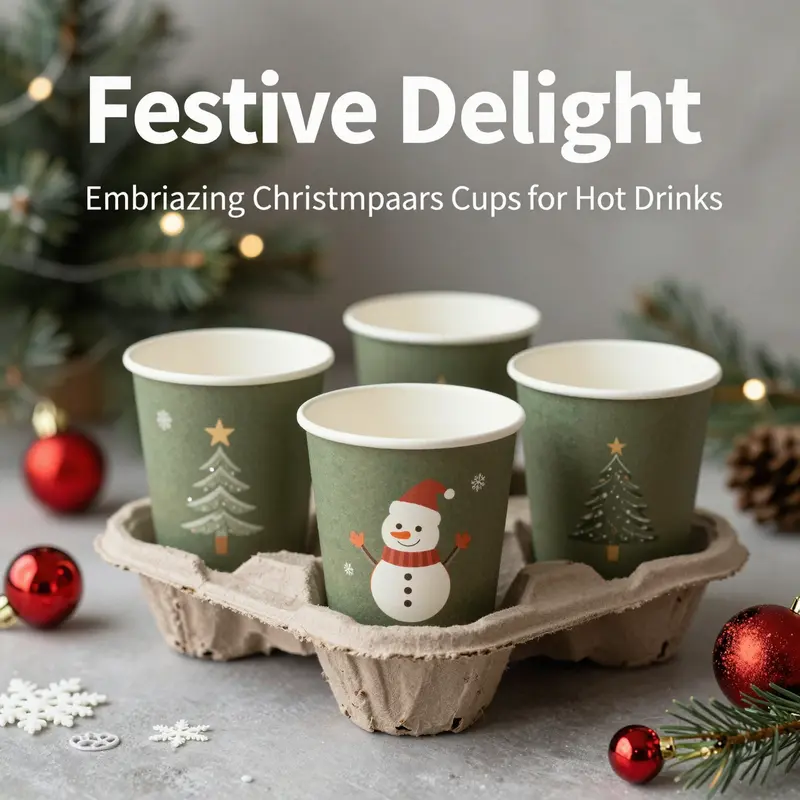
The holiday season often invites scenes of warmth, community, and shared rituals around a cup. Yet behind the cheerful wrapping and twinkling wrappers lies a set of choices that determine the true cost of that warmth. Christmas paper cups designed for hot drinks sit at the intersection of comfort and responsibility. They must hold espresso and hot chocolate without leaking, insulate enough to prevent scalding, and survive the bustle of seasonal service. But as they perform, these cups also leave traces in waste streams, landfills, and composting facilities. The sustainability of these vessels hinges on three intertwined dimensions: material composition, coating technology, and end‑of‑life management. When we consider these cups through the lens of a circular economy, the season’s cheer becomes a platform for smarter design, smarter disposal, and smarter decisions by brands, retailers, and consumers alike.
At first glance, a hot drink cup is a simple object, a cylinder of paper that contains a hot liquid. Yet the reality is more complex. The paper base is typically derived from wood pulp, a renewable resource, and the exterior may be printed with seasonal graphics. Inside, most traditional festive cups rely on a thin polymer coating to prevent the liquid from seeping through. The choice of coating—often polyethylene (PE) or a bioplastic such as polylactic acid (PLA)—is not a minor detail. It is the fulcrum on which recyclability and compostability pivot. PE provides durable, heat-resistant performance and barrier properties with a relatively low production cost. However, it is not readily compostable, and its presence complicates recycling in most municipal systems. PLA, derived from crops like corn, is marketed as a compostable alternative. Yet PLA’s promise depends on the availability of industrial composting facilities with specific temperatures and retention times. In home composting, or in many landfills, PLA can linger far longer than expected or fail to break down altogether. This reality means that the environmental value of PLA‑lined cups is highly contingent on local waste infrastructure and consumer behavior, not on material name alone.
The practical implications flow from there. If a city or region has robust industrial composting that can process PLA, the cups may contribute to a lower net impact by diverting waste from landfills. If not, the same cups may contribute to contamination in recycling streams or end up under a grim landfill burden. The convergence of design choices and waste management realities makes it essential for decision makers to evaluate sustainability not as a single attribute—“bioplastic good” or “plastic bad”—but as a systems question. In this frame, a durable cup that performs reliably during service remains valuable, yet it must also be paired with disposal guidance that aligns with the local infrastructure and consumer capabilities.
Among the options explored by producers and researchers, bamboo fiber-based disposable cups have emerged as a compelling alternative. Bamboo is a rapidly renewable resource, and when used as a base material, it can reduce the environmental footprint relative to conventional paper-cup systems, especially when the product is designed for efficient biodegradation or composting. Bamboo cups often feature food-grade, waterproof coatings that maintain performance while offering a route toward more sustainable end-of-life outcomes. These designs are typically lighter than many plastic-based counterparts and can carry certifications that indicate compliance with environmental standards. The ecological advantages become more meaningful when we connect them to broader waste-management realities. A bamboo-based cup that is clearly labeled with disposal instructions can lower the chances of improper disposal and can enhance consumer confidence that the product aligns with responsible seasonal practices.
This lifecycle perspective also spotlights the demand side of sustainability. The holiday market rewards festive branding and memorable experiences. Customization—brand logos, messages, or seasonal artwork—can elevate a cup from a mere vessel to a portable ambassador for a brand’s seasonal story. Yet customization should not derail the sustainability narrative. A cup that is visually striking but difficult to recycle or compost undermines the very message it aims to convey. For responsible brands, the optimal strategy blends compelling design with clear, actionable disposal guidance and materials that align with local waste streams. In practice, this means choosing cores and coatings that can be diverted from landfills where possible, and including labeling that educates consumers on proper disposal routes. The value of such clarity grows during the holiday rush when people are juggling many tasks and may not be sure how to dispose of a used cup.
To move beyond a single-material focus, we should also weigh the ecological costs of production, transport, and end-of-life handling. The embodied energy of paper cups includes pulp extraction, pulp processing, coating formation, printing, and assembly with lids. Each stage carries emissions, from factory operations to the logistics of distributing millions of cups. Cold or hot, the transport chain remains a significant factor, as cups travel from mills to print facilities to distribution hubs and finally to cafes, stores, and event venues. The more a cup can be designed for local or regional production, the less fuel is consumed in transit. This realization invites suppliers and buyers to consider shorter supply chains and local sourcing strategies as part of a broader sustainability plan for festive occasions.
Labeling is a practical lever that ties design to disposal. Clear consumer guidance reduces mistakes that could derail recycling or composting efforts. For example, if a cup relies on a PLA lining, the packaging and the cup itself should state whether industrial composting is required or whether a home-compost approach is feasible. In many jurisdictions, simple and honest disposal instructions are more valuable than a glossy claim about “biodegradability” that confuses the user. A responsible cup should carry easy-to-understand disposal cues, a straightforward list of materials, and a reminder that not all facilities are set up to process every material type. In the holiday busy season, such accessible information is a small but powerful aid for the consumer who is making quick decisions at the point of use.
The conversation around sustainability is not limited to materials and disposal; it also encompasses durability and performance. A Christmas cup must resist leaks, withstand heat, and survive the clamor of crowded service. In many cases, this reliability is achieved through thicker walls and more robust waterproof linings. This technical requirement for performance can appear to conflict with environmental goals. The challenge is for manufacturers to reconcile them by selecting coatings that deliver both barrier properties and end-of-life compatibility, or by embracing alternative materials that offer a stronger environmental promise without compromising safety or usability. Here again, the local waste landscape matters. A cup that can be easily recycled in one city but not in another introduces inconsistency into a brand’s sustainability story. Brands, therefore, have a responsibility to understand the waste infrastructure where their cups will circulate and to align product design with that reality.
One practical implication of this alignment is the acceptance of bamboo fiber or other renewable-material options as viable replacements for traditional PE- or PLA-lined cups in certain contexts. The bamboo route often provides a more straightforward path to responsible disposal, thanks to clearer compostability credentials in some markets and a lower likelihood of persistent contamination in recycling streams. Still, not all bamboo cups are created equal. The statement “bamboo” can refer to various blends and coatings. Consumers and procurement teams should scrutinize certifications and disposal labeling with the same attention given to a product’s flavor profile or seasonal artwork. In other words, sustainability is not a single badge; it is a constellation of assurances about material origin, coating chemistry, and the feasibility of proper end-of-life processing.
The role of policymakers and waste-management infrastructure cannot be overstated. Even the finest sustainable cup can falter if municipalities lack the facilities to process it. As Dr. Lena Torres from the Green Materials Institute has emphasized, material choice is not only about function—it is about responsibility. A durable cup should perform well and align with your waste-management reality. This perspective invites cafes, retailers, and event organizers to engage with local waste providers, to participate in pilot programs that test new materials, and to educate staff and customers about proper disposal routes. It also invites them to revisit the trade-offs between single-use convenience and the growing appetite among consumers for sustainable options during holidays. The decision to adopt bamboo fiber-based cups, for instance, should be accompanied by a communications plan that helps customers understand where to place cups after use and how that placement translates into reduced environmental impact.
Another layer of this discussion concerns the social and economic dimensions of sustainability. The holiday season is a time of high demand, which translates into large production runs and scale economies. If a supplier can offer bulk customization that keeps costs competitive while using materials with a lower environmental footprint, that combination can drive broad adoption. Yet scale should not come at the expense of transparency. The most responsible choices are those that balance ecological benefits with fair labor practices, traceable supply chains, and credible third‑party certifications. In practice, brands can seek suppliers who can demonstrate certified sustainable materials, clear disposal instructions, and robust governance practices. The outcome is a more resilient festive supply chain that supports local economies and reduces waste leakage into communities during a season when gift-giving and hospitality are at their peak.
From a consumer perspective, taking a moment to reflect on a cup’s lifecycle can transform how we celebrate. The ritual of savoring a hot drink becomes an occasion to honor the resource chain that delivers it. Choosing a cup that is designed for responsible disposal is a practical, tangible way to extend the joy of the season beyond the last sip. It also creates space for brands to tell a more honest story—one that acknowledges the environmental costs and communicates the steps being taken to mitigate them. When the holiday crowd asks for convenience, the industry answers with design that respects both the beverage and the planet. In this sense, sustainability is not a barrier to celebration but a framework that makes festive hospitality more intentional and more enduring.
To close this chapter’s loop, it is essential to recognize the interplay between material science, consumer behavior, and waste-management systems. Cups are not just passive containers; they are active participants in the material economy of the holidays. By integrating durable performance with clear disposal guidance and by exploring renewable-material options such as bamboo fiber, the industry can advance a narrative where festive warmth and environmental stewardship go hand in hand. When a brand selects a cup with a transparent material-path and a straightforward end-of-life plan, it empowers customers to participate in responsible consumption at the moment of celebration. The season then becomes not only a sensory experience but a demonstration of how everyday objects can reflect a culture of care.
For those seeking further context on sustainable material choices and disposal pathways, see the discussion on bamboo-based disposable cups and their fit with current waste infrastructure. This resource highlights how bamboo’s renewability and coating technologies can align with environmental standards while maintaining performance during busy service periods. As a practical takeaway, buyers should seek products with clear disposal labeling, regional recyclability or compostability credentials, and evidence of responsible sourcing. The combination of these elements helps ensure that festive cups for hot drinks contribute to a lower overall footprint, rather than simply shifting waste from one box to another. And as the season’s demands mount, the question remains: can we honor both the joy of a hot cup and the health of the planet in equal measure? The answer lies in thoughtful design, clear communication, and an infrastructure that supports responsible consumption during all the crowded moments of the holidays.
To connect theory with practice, brands are encouraged to explore options that balance performance with end‑of‑life clarity. The ongoing dialogue among designers, waste managers, and policymakers will shape which materials emerge as standard for Christmas hot-drink cups in the years ahead. Meanwhile, consumers can contribute by choosing products that openly disclose material composition and disposal guidance, thus reinforcing the demand for sustainability throughout the holiday supply chain. In this way, the warmth of the season becomes a catalyst for better stewardship—an invitation to enjoy hot beverages while also taking care of the world that makes such gatherings possible.
External resource: for a broader look at biodegradable and compostable options in disposable cups, including bamboo-based solutions, you can review industry offerings here: https://www.alibaba.com/product-detail/Bamboo-Resource-Vending-Paper-Cup-Disposable-Eco-Friendly_1600587394824.html?spm=a2700.gallery-internal.0.0.6e6a5d6bTgZLzK. This external reference complements the chapter’s emphasis on aligning product choices with local waste-management realities and consumer disposal practices, underscoring the practicalities behind a sustainable festive season.
Internal reference: for brands exploring eco-friendly branding on cups, see the option for an eco-friendly-printed-logo paper cups page with lids, which demonstrates how customization can be integrated with sustainability goals without compromising on end‑of‑life clarity. eco-friendly-printed-logo-paper-cups.
Stirring Identity: Custom Christmas Cups and the Hot-Drink Experience in a Personalization-Driven Season
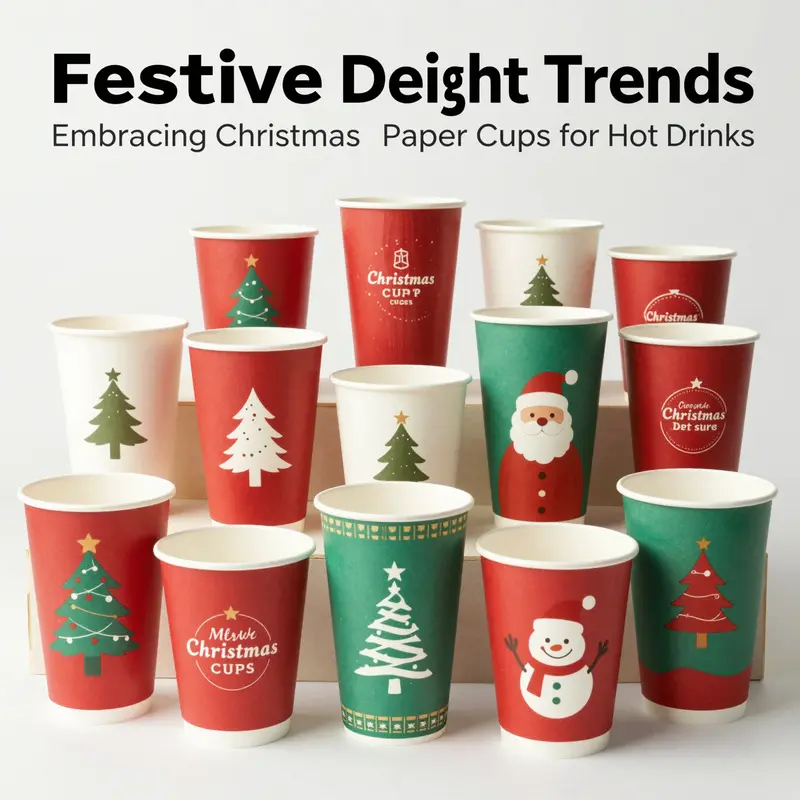
The season arrives with a familiar cadence: chilly air, the clatter of mugs, and the gentle ritual of warming beverages that carry more than just caffeine or cocoa. In this atmosphere, Christmas paper cups for hot drinks have evolved from simple containers into canvases that carry meaning. They are not merely vessels; they are mini billboards for mood, memory, and moment. As textures and colors of the holidays swirl around us, the cup itself becomes part of the experience—an object people are drawn to touch, to hold, to photograph, and to share in the moment when steam fogs a window and a warm drink travels from shop to street to home. The growing emphasis on customization in this arena reflects a broader cultural shift: people want their everyday rituals to feel personal, not generic. A holiday drink, once a routine indulgence, now often arrives wrapped in a story, a name, or a design that signals belonging to a particular moment in time. In that sense, the cup is not just practical packaging; it is a brief, tangible note of who we are and what we are celebrating. The trend toward personalization in Christmas cups for hot drinks mirrors how consumers expect to engage with brands in a sensory, emotionally resonant way. It is a shift that blends aesthetics with utility, storytelling with safety, and tradition with innovation, all within the simple act of sipping a festive beverage.
The pull toward customization is driven by a mix of evolving consumer preferences and market dynamics that have become especially pronounced in 2026. Today’s beverage seekers, and particularly younger shoppers, want products that reflect their individuality and create a sense of personal connection. They are drawn to limited-edition designs, collaborative motifs, and the possibility of adding a name or a message to their cup. This desire for personalization feeds a feedback loop: unique designs attract attention, which builds loyalty, which in turn encourages brands to experiment with more daring aesthetics and interactive features. It is not merely about decoration. The customization wave aligns with the broader impulse toward meaningful experiences and social sharing, where a cup becomes a visual memory that travels with a guest through a festive day or a weekend gathering. When a cup carries a name or a bespoke graphic, it leaks into conversations, photos, and stories that circulate across social feeds, amplifying the moment well beyond the drink itself.
DIY design options have become a powerful democratizing force in this space. The rise of online design tools and e-commerce platforms has lowered barriers to entry, letting neighborhood cafes, event planners, and even family gatherings produce limited runs of themed cups. Small businesses can offer personalized options—names, short messages, or even bespoke illustrations—without the heavy overhead historically associated with custom packaging. The result is a more inclusive market where individuality is accessible to a broader range of customers. In the holiday context, this means a family’s coffee ceremony at home can be echoed in the cups they serve to guests during a festive brunch, turning an ordinary moment into a shared memory shaped by color, typeface, and motif.
The story of customization is also a story of design becoming more than decoration. It is a strategic tool for brands and retailers aiming to stand out in a crowded seasonal landscape. Thematic consistency across cups, lids, and packaging helps create a cohesive brand experience that resonates during the holidays. In practice, this translates into designs that integrate iconic seasonal elements—snowflakes, evergreen sprigs, reindeer silhouettes, and Christmas trees—while offering room for personal touches. The intention is not to overwhelm with ornamentation but to strike a balance where the cup remains a practical tool that performs well under heat while carrying meaningful visuals. A well-executed customized cup can communicate care, attention to detail, and a sense of celebration, reinforcing a customer’s emotional bond with a brand and elevating the simple act of drinking into a memorable ritual.
Sustainability sits at the heart of modern customization narratives. Eco-conscious consumers are increasingly choosing materials and designs that reduce environmental impact, even as they seek vibrant and expressive graphics. Biodegradable alternatives, such as plant-based PLA, have gained traction due to their functional compatibility with hot beverages and their improved end-of-life profiles. These cups can withstand temperatures up to about 95°C, which covers the typical range of hot drinks from espresso to spiced lattes. The trade-off discussions around coatings and barrier layers remain central; producers are balancing the need for a robust waterproof interior with the goal of compostability and reduced plastic content. The green thread in customization is not an afterthought; it is becoming a core criterion for brand stories and consumer trust. When a cup communicates sustainability through its materials and manufacturing ethos, the holiday moment gains a longer-lasting resonance. It signals that the celebration is not only about the moment of consumption but also about the kind of future that the beverage service as a whole envisions.
Technology is expanding the toolkit of what customization can achieve, going far beyond color and pattern. Full-color digital printing enables intricate, photo-real graphics that capture seasonal scenes with a clarity rivaling print media. Dynamic QR codes on cup surfaces introduce interactive possibilities, linking drinkers to digital campaigns, loyalty programs, or product traceability apps via their phones. The codes aren’t merely gimmicks; they offer a bridge between the physical cup and a brand’s broader ecosystem, enabling curated experiences, up-to-date promotions, and accessibility to custom content that can be updated across the season. This digital integration also supports sustainability and safety narratives. For instance, QR-enabled cups can direct users to information about recycling or composting options for their cups, reinforcing responsible consumer choices well after the beverage has been enjoyed. The marriage of high-resolution printing and scannable interactivity marks a shift from static visuals to living experiences, where a cup can be a gateway to ongoing engagement rather than a single-use artifact.
The momentum of online tools and design services has fed a dynamic ecosystem in which end-to-end capabilities matter as much as aesthetics. Suppliers that offer material sourcing, sustainable production, and flexible design options can help brands scale their customization ambitions from a handful of test prints to broad market rollouts. The ability to prototype quickly, test color fidelity, and adjust designs for different sizes—ranging from compact 8-ounce servings to larger cups for longer beverages—creates a nimble pipeline that can respond to seasonal surges in demand. This is not only advantageous for big chains but also for cafes and pop-up vendors seeking to differentiate themselves in local markets during peak holiday periods. In such a landscape, the bottleneck is often not the creative idea but the ability to manufacture with consistent quality, maintain food-safety standards, and ensure reliable supply chains under holiday pressure.
All these factors converge to push the market toward a design-focused segment that industry observers have described as growing at a notable pace. The design-centric approach to paper cups is driven by collaborations that blend intellectual property with creative execution, yielding limited-edition cups that feel collectible as much as they function as drinkware. The economic charge behind this trend is real: a significant portion of the growth observed in early 2026 is attributed to IP-driven collaborations and festive branding that translate into higher perceived value and stronger consumer attachment. For businesses, this means the opportunity to cultivate brand equity through holiday cups that are both memorable and meaningful enough to justify premium pricing or enhanced consumer experiences, while still remaining practical for everyday service. The practical implication is clear: a cup should perform well in a hot beverage context, with reliable insulation, a secure seal, and a coating that honors both safety and sustainability goals, all while delivering a compelling visual story.
In this timely moment, the supplier landscape is evolving to meet these ambitions. Integrated partners that can shepherd material sourcing, sustainable production, and flexible design capabilities offer a compelling value proposition for brands seeking efficiency and consistency at scale. The idea is to move beyond a single product or seasonal style toward a coordinated system of cups, lids, and accessories that together tell a cohesive holiday narrative. Such an approach helps reduce friction across procurement, design iteration, and distribution, which is especially valuable during the intensely busy holiday window when numerous events and promotions collide. The outcome is a more reliable path from concept to consumer, with safeguards for quality and safety that reassure operators who must balance speed with service standards. Even as customization becomes more sophisticated, the enduring priority remains clear: the cup must do its job—protecting the beverage, preventing leaks, and keeping hands comfortable—while also delivering the joy and wonder of the season.
For those seeking practical ways to embrace this trend, a simple starting point is to explore options that blend branding with responsible materials. One path is to consider cups that support eco-conscious customization—cups designed to accommodate logos, messages, or personal touches without compromising heat resistance or integrity. The concept of an eco-friendly printed-logo approach offers a compelling blueprint: design-forward cups that carry a brand’s identity while aligning with environmental values, including reduced plastic content and responsible end-of-life options. Although details vary by region and supplier, the underlying philosophy remains consistent: customization should enhance the drink experience without undermining safety or sustainability goals. In the holiday season, such cups can become a powerful symbol of care—care for the guest, care for the craft of coffee and tea, and care for the planet.
To illustrate how this philosophy translates into the market, consider the practical impact of adding names or personalized messages to each cup. This small but meaningful adjustment can elevate a routine beverage into a personal exchange: a shared smile when a friend’s name appears on a cup, a reminder of a family member who cannot attend in person, or a playful nod to festive inside jokes. For event planners and retailers, the ability to offer tailored cups can contribute to higher guest satisfaction, increased social sharing, and longer dwell times in venues where beverages are a primary touchpoint. And for brands, customization becomes a storytelling tool, a way to weave holiday narratives into the everyday moment of sipping a drink. The cup thus becomes a micro-stage for human connection, a stage set with color, type, and texture that invites a personal presence in a bustling festive scene.
Amid this changing landscape, it is worth noting the subtle but important shift in how customization is marketed and experienced. The most effective customization programs are not simply about applying a graphic; they are about enabling a story to emerge through thoughtful design decisions. Color palettes that evoke winter scenes, typography that signals warmth, and motifs that nod to traditions all contribute to a cohesive experience across cups and lids. In some cases, this design strategy extends beyond the cup to related packaging, signage, and in-store displays, creating a unified moment that reinforces the holiday atmosphere. The net effect is a more immersive consumer encounter, where the cup serves as a touchpoint that harmonizes taste, sight, and social sharing. The result is a more resilient brand impression that endures beyond the last sip and into conversations, photos, and memories.
For operators and marketers looking for practical pathways into this trend, the emphasis should be on scalable customization that maintains quality and safety. The modern cup must retain robust insulation in contact with hot liquids, resist leakage, and support a reliable lid that reduces spills during busy service periods. At the same time, customization should be accessible and repeatable—capable of handling multiple seasonal themes, promotions, and partnerships without slowing down production or inflating costs unmanageably. The promise is clear: a well-executed customized cup can elevate the overall guest experience, enhance brand visibility during peak season, and contribute to a richer, more personal holiday narrative. In an era where customers expect both convenience and connection, the cup remains a crucial interface between brand storytelling and daily ritual.
For readers exploring the practical avenues of this trend, a practical pointer lies in the growing availability of eco-friendly and customizable options that couple responsible materials with flexible design capabilities. Brands and venues can partner with suppliers who provide end-to-end services—from material sourcing and sustainable production to design customization and packaging integration. This integrated model minimizes friction and helps ensure consistency across orders, sizes, and events. It also supports rapid prototyping, enabling brands to test new designs in limited runs before committing to wider production. The result is a smarter approach to seasonal branding, one that respects the environment while delivering the aesthetic impact that the holidays demand. And while trends will shift and new technologies will emerge, the core principle remains stable: the cup should honor the season, carry a story, and deliver warmth with every pour.
To anchor these ideas in a practical takeaway, consider the concept of a single, cohesive upgrade to the holiday cup program: a line of cups that can be personalized with customer names, messages, or artwork, while maintaining heat resistance, safe food-grade standards, and sustainable materials. This approach supports a diversified business model—test ideas with a small batch, scale up for peak weeks, and reuse the same production pipeline for multiple campaigns. When a brand couples this customization strategy with responsible materials and transparent communication about end-of-life options, it not only elevates the drink experience but also earns trust from a growing base of eco-conscious consumers who value both style and substance. Such a strategy aligns with market expectations documented in industry analyses, where the design-focused segment is expanding at an impressive rate, driven by collaborations and a shift toward festive branding that resonates on an emotional level. In sum, customization in Christmas cups for hot drinks is not a mere trend; it is a strategic channel for connection, storytelling, and responsible innovation during a season that invites generosity, generosity of design as much as generosity of spirit.
For readers who want a tangible glimpse into how these ideas translate into real-world options, there are accessible pathways to explore. An example is the availability of eco-friendly, printed-logo cups that support branding while maintaining environmental responsibility. Such options illustrate how a brand or event can achieve a distinctive look without sacrificing performance or sustainability. When considering partnerships, it is wise to seek suppliers who can deliver end-to-end capabilities—from material sourcing and production to flexible design and scalable customization—so that your holiday program remains seamless from concept to consumer. The holiday season is a time when every cup can carry a little extra meaning, a reminder that even everyday rituals can be shaped by thoughtful design and shared experiences. In this sense, the customization trend bridges the gap between function and feeling, turning the act of drinking hot beverages into a small, personal celebration of the season.
For further reading on how customization and sustainability are shaping Christmas gift and consumer trends, see the external resource that contextualizes these developments within broader market dynamics. External resource: https://www.techreport.com/2026-christmas-gift-trends-customization-and-sustainability
Final thoughts
Christmas paper cups for hot drinks serve not just as vessels for beverages but as vital components of the holiday experience. By combining functionality with festive design, they cater to the demands of cafes, restaurants, and event planners aiming to create a warm and inviting atmosphere. The push towards sustainability ensures that these cups can be enjoyed with an environmentally friendly conscience, while customization options allow brands to make a memorable impression. Adopting these Christmas paper cups will not only elevate your drink service but will also enhance the seasonal cheer and customer satisfaction during a truly special time of year.