
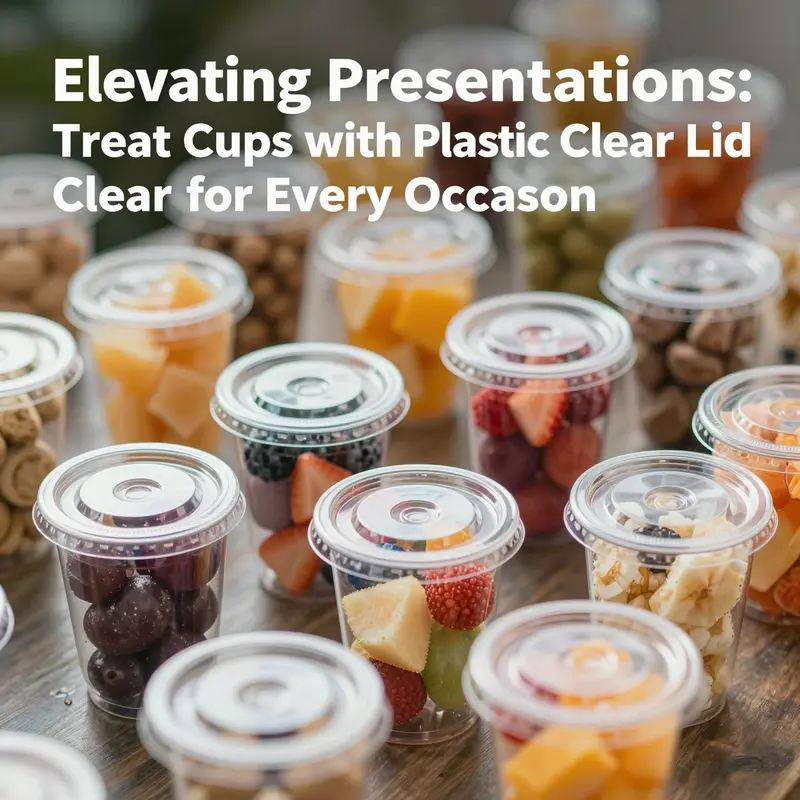
Clear plastic treat cups with lids have become essential tools across the food service industry, particularly for bubble tea shops, catering services, restaurants, and event planners. These functional yet aesthetic solutions not only enhance the visual appeal of your offerings but also ensure hygiene and convenience. Throughout this article, we will explore the numerous benefits of using these versatile cups in catering, delve into the materials and manufacturing processes that ensure their durability, discuss the growing importance of sustainability, and examine current market trends influencing consumer preferences. By understanding these aspects, businesses can make informed decisions that elevate their service and presentation.
Seeing Value at a Glance: How Clear-Lidded Treat Cups Elevate Catering
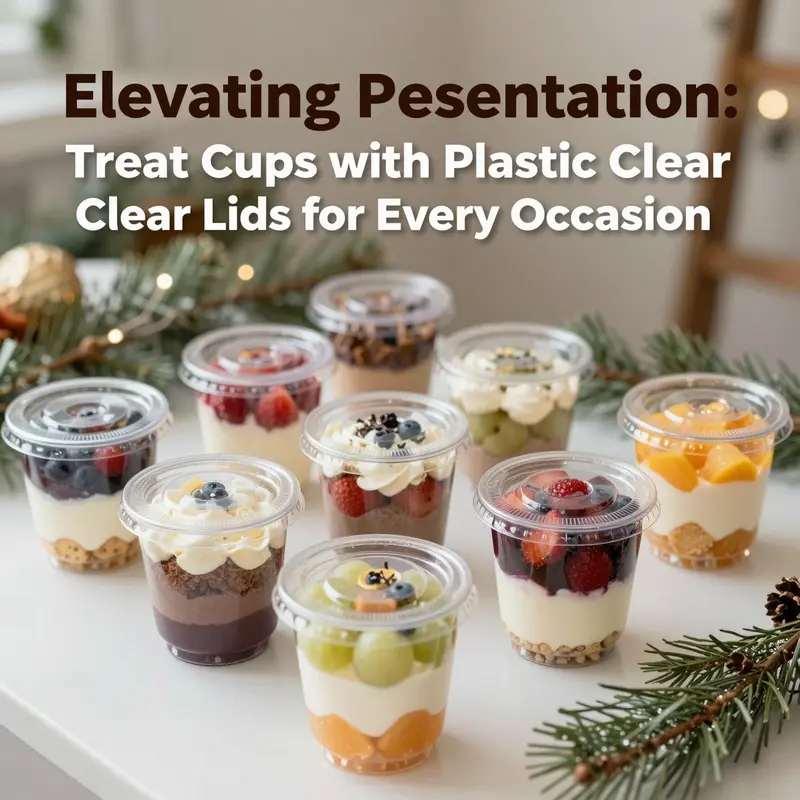
In the fast-paced world of catering, presentation often sets the first impression, and practicality sustains it. Treat cups with plastic clear lids sit at the intersection of visual appeal and everyday efficiency. They are not merely packaging; they are a logistical and sensory tool that helps caterers tell a story with dessert and snack displays while preserving quality from the kitchen to the table. When guests walk into an event and glimpse a neat row of desserts sealed beneath a transparent cover, the mood shifts. The contents are visible yet safeguarded, the arrangement reads as intentional, and the host’s commitment to hygiene and care becomes evident without a word being spoken. This combination—visual clarity paired with reliable containment—forms a durable value proposition for catering operations that juggle speed, variety, and the need to reduce fuss during service.
Visibility is the thread that ties aesthetics to consumer behavior. Clear lids let the eye take in the palette of colors: the glossy sheen on a chocolate ganache, the delicate sparkle of sugar crystals, or the playful candy tones arranged like a mosaic. In a menu with many options, the ability for guests to identify flavors or textures at a glance reduces decision fatigue and accelerates service. Even in a crowded room, a well-lit display behind a transparent lid communicates freshness and abundance. The lid is not simply a barrier; it acts as a display window that invites curiosity and appetites to engage before tasting. For event planners and caterers, this is a form of free advertising that complements the overall styling, color scheme, and theme of the occasion. When paired with color accents or branded cups, the combination reinforces a cohesive narrative that guests remember long after leaving the venue.
Another core benefit is the seal that accompanies many of these lids. A tight, well-designed closure creates an airtight barrier that protects the delicate textures inside. This is particularly valuable for desserts and treats that contain dairy, fruit sauces, or whipped creams, which can lose texture or become prematurely stale if exposed to air. The security of the seal is a practical assurance for operators who must transport items across campuses, hotels, or outdoor venues. In warm weather or during longer tours, the risk of moisture intrusion or surface contamination rises. A reliable seal helps mitigate those risks, maintaining mouthfeel, aroma, and overall sensory appeal once the product reaches the guest. The lid becomes a trusted part of the recipe for success rather than a mere accessory, supporting quality in transit as well as on display.
From a handling perspective, the spill-proof and leak-resistant design of clear lids reduces the chances of mishaps during service. In crowded buffet lines or mobile catering scenarios, cups and lids endure a surprising amount of movement—from being picked up with tongs to being stacked for quick replenishment. A secure lid helps prevent leaks when staff refill trays or when unanticipated bumps occur on the way to a table. This reliability translates into fewer product losses, less cleanup, and more consistent dining experiences for guests. For servers and bartenders, the peace of mind that comes with a dependable lid means less time spent managing spills and more time engaging with guests, describing flavors, and answering questions with confidence.
Branding and thematic coherence are often understated advantages of using clear-lidded cups. The transparency of the lid does not undermine branding; it can amplify it when paired with complementary color schemes or printed details on the cup itself. Some venues leverage the lid as a canvass for simple branding elements—logos, monograms, or seasonal motifs—without compromising the visibility of the contents. In weddings, corporate events, or seasonal galas, this subtle branding can elevate the overall presentation without resorting to heavy or intrusive packaging. The result is a polished, cohesive look in which the treat, the packaging, and the event’s aesthetic are in harmony. This alignment reduces visual clutter and helps guests remember the experience as designed rather than as a series of disconnected components.
The hygiene and convenience benefits of single-use, pre-packaged units cannot be overstated in catering contexts. The use-and-discard model eliminates the need for on-site washing, sterilization, or extensive storage space for reusable items. In venues where water access is limited or where staff must move quickly between stations, these cups enable faster turnover and more consistent service. For mobile catering, in particular, the ability to transport ready-to-serve portions in sealed cups minimizes handling, reduces the risk of cross-contamination, and simplifies inventory management. Guests who receive a sealed, clean container are also more likely to appreciate the care that goes into the event’s organization. In practical terms, this translates into lower labor costs, higher throughput at peak moments, and a smoother service rhythm that guests perceive as seamless.
Durability is a practical consideration that shapes a caterer’s choice of packaging. Clear lids are typically paired with lightweight, rigid cups that resist crushing and deformation during stacking, transport, and setup. The materials chosen for the cups and lids are designed to withstand the temperature range typical of catering environments—from cool, chilled dessert stations to room-temperature displays. This resilience supports both refrigeration logistics and table stability, ensuring that menus can diversify without forcing compromises on packaging. The lightweight nature of these systems also helps reduce overall shipping and handling energy, contributing to a more efficient operation without sacrificing performance. In a setting where space is at a premium and speed is essential, this durability translates into reliable, repeatable service that teams can count on when schedules tighten and guest counts rise.
Sustainability considerations have grown from a peripheral concern to a central one in many catering operations. The market now offers options that emphasize recycled content and alternative materials that align with broader sustainability goals. Lids and cups can be paired with recycled plastics or other eco-friendly formulations that maintain clarity and performance while reducing environmental impact. For caterers aiming to communicate stewardship to guests, these choices offer a tangible way to demonstrate responsibility. It is important to balance sustainability with practicality; the packaging must still perform in terms of sealing, clarity, and durability. When thoughtfully chosen, recycled-content options can meet both the functional demands of the event and guests’ expectations for responsible packaging, without forcing compromises on presentation. This alignment of form and responsibility often resonates with clients who prize both elegance and ethics in their event experiences.
Operationally, the ability to brand and customize packaging supports a consistent, scalable approach to events of different sizes. Clear lids do not constrain branding; they complement it through coordinated color palettes and stylized cups, enabling a uniform look across multiple stations. For caterers managing high volumes, standardizing on a single family of cups and lids simplifies procurement, inventory, and staff training. The predictable size, seal, and presentation reduce the cognitive load on service teams and allow them to execute setups with fewer adjustments. This scalability matters most in multi-day conferences, weddings with large guest counts, and large corporate gatherings where uniform experiences matter as much as the menu itself. When the packaging functions flawlessly, it does more than contain treats; it supports a reliable service model that scales with demand.
From an ingredient perspective, clear-lidded cups enable precise portioning and consistent displays. The transparent lid offers a quick visual audit for staff to ensure that portions are aligned with the planned menus, while guests can inspect the product without opening the container. This balance between inspection and access supports quality control in a way that minimizes disturbance to the guest experience. The approach also accommodates a wide range of treat types—from creamier desserts to multi-layered confections—because the lid’s seal reduces moisture exchange and helps maintain texture integrity. In practice, this means fewer surprises for guests and fewer corrections required by staff, freeing up time for creative presentation or additional service touches.
When considering event design and guest experience, the impact of clear-lidded cups extends beyond the dessert station. The same principles apply to savory bites or fruit cups presented in a dessert-like format, where the lid maintains freshness and prevents cross-contact between station aromas and serving utensils. The adaptive nature of these cups makes them a versatile choice for menus that emphasize variety, spectacle, or themed tastings. In a world where guests judge hospitality by the smallest details, having packaging that handles itself—keeping items pristine while presenting them elegantly—contributes to an impression of meticulous care. And that perception is as valuable as the flavors themselves.
For readers who want to explore practical sourcing and the broader market context, a useful point of reference is the availability of cost-effective, scalable options from suppliers that offer certifications and after-sales support. In this landscape, decisions about materials, sealing performance, and branding options intersect with wholesale considerations, storage logistics, and environmental commitments. Companies that provide transparent information about material grades, compatibility with branding, and the ability to meet safety standards can help caterers build a packaging system that is not only attractive but also reliable and compliant with international safety expectations.
As a final reflection, the choice to use treat cups with clear lids is not about choosing between form and function. It is about recognizing that packaging can be both a stagecraft element and a practical workhorse. It can elevate the guest experience while streamlining operations for busy events. It can be a medium for quiet branding that respects the visual integrity of the contents and a conduit for sustainable practices that communities are increasingly asking for. When these cups are selected with attention to clarity, seal integrity, spill resistance, branding compatibility, hygiene, and sustainability options, they become more than containers. They become a strategic fit for catering missions that prize efficiency, imagination, and guest satisfaction in equal measure. And in that alignment lies a durable competitive edge for modern event services.
For further context on related industrial insights and material considerations, you can explore a broader discussion on the science behind plastic clear cup flat lids: The Science Behind Plastic Clear Cup Flat Lids Iced Coffee: Properties, Material Grades, and Industrial Performance Insights.
Internal reference for practical sourcing and branded presentation can be found here: senang01-hot-sale-customized-disposable-single-wall-paper-ice-cream-cups-with-lid.
Clear-Cased Craft: The Materials, Molds, and Precision Behind PET Clear-Lidded Treat Cups
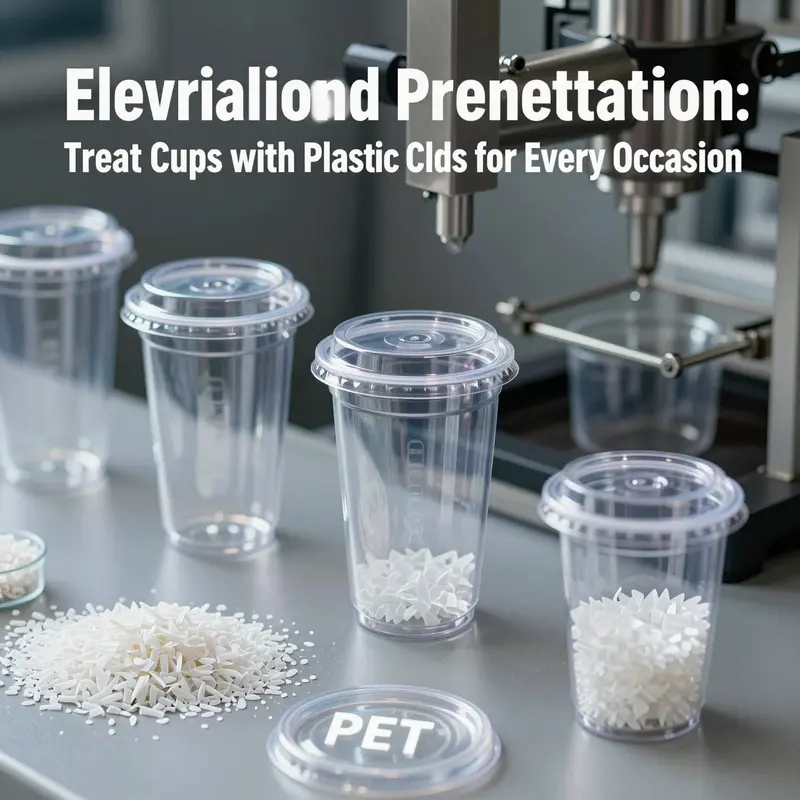
Clear plastic treat cups with lids are more than simple vessels; they are the confluence of optical mastery, mechanical resilience, and meticulous molding. In spaces like bakeries, cafés, and catering teams, these cups do more than hold a dessert or a candy bite. They present it with the promise of freshness, cleanliness, and a visual appeal that invites the eye and the appetite at once. The core of that promise rests on materials that disappear into the consumer’s perception as nearly invisible, while the manufacturing steps ensure that invisibility translates into consistent performance from one container to the next. The dominant material in this ecosystem is Polyethylene Terephthalate, or PET, a lightweight, durable, and exceptionally clear thermoplastic that brings the contents into sharp focus while guarding them from the damp, acidic, and mechanical challenges of real-world handling. PET’s clarity is not just cosmetic; it is a functional asset. High transparency fosters trust, enabling customers to assess portion size and the freshness of the dessert or fruit without lifting the lid. This visibility can drive sales, particularly for items where color, texture, or toppings contribute significantly to perceived quality. In addition to optical performance, PET offers a robust moisture barrier, good mechanical strength, and compatibility with a broad range of cold and mildly warm contents. These traits make PET a versatile backbone for single-use cups that travel from kitchen to event venue to table, then to recycling streams, all while maintaining the integrity of the product inside.
Yet PET is not the only path for clear cups. Polystyrene, another transparent option, has historically played a role in some treat-cup categories due to its excellent clarity and rigidity. The trade-offs matter. Polystyrene can be more brittle under impact and may exhibit different heat tolerance, which can influence suitability for certain items or handling conditions. PET’s greater ductility and better hydrolytic stability give it an edge for a wider temperature range and more durable performance in everyday use. The choice between PET and PS often hinges on a balance of optical quality, seal integrity, barrier properties, recycling considerations, and the particular end-use scenario. In practice, manufacturers may reserve PET for the bulk of clear-lidded cups designed for desserts, jellies, or fruit portions, while PS might appear in niche lines with specific consumer or marketing goals.
The manufacturing choreography behind clear-lidded treat cups centers on precision, repeatability, and scale. The cup body is typically created through injection molding, a process in which molten PET is injected under high pressure into a precisely machined steel mold. The mold geometry dictates the wall thickness, the curvature that contributes to grip and stacking efficiency, and the base profile that supports stability when the cup sits on a surface. The goal is consistent dimensions, smooth wall surfaces, and an interface that will tightly marry with a lip or edge designed to engage a lid firmly. Injection molding is favored for this component because it yields fast cycle times and tight tolerances, which are essential for mass production. The result is a cup that looks and feels uniform, a critical factor when dozens or hundreds of thousands of units roll through a single facility.
Lids, which must be clear and reliable, are often produced through either blow molding or injection molding, depending on the design and the production line. For flat or snap-on clear lids, precise injection molding allows for the integration of sealing features, such as a micro-gasket edge, a shallow recessed well to accommodate toppings, or a small grip tab that makes removal intuitive without compromising the lid’s flat profile. Blow molding can be advantageous when a lid requires a slight curvature or additional stiffness without adding complexity to the mold tooling. In either approach, the lid’s primary purpose is to establish a tight, leak-resistant seal that prevents spills during transport and protects the contents from external contamination while maintaining easy access for service staff or guests.
Another axis of the manufacturing conversation is the incorporation of recycled content. Recycled PET, or rPET, is increasingly used in both cups and lids as manufacturers strive to close the loop on plastic use. rPET offerings must meet stringent food-contact safety standards, with production lines subject to rigorous quality controls to ensure that recycled streams do not introduce contaminants that could compromise consumer safety or taste. The use of rPET supports waste reduction and aligns with circular economy goals by recovering post-consumer PET from bottles, trays, and other consumer packaging. However, the inclusion of recycled content can also influence clarity and barrier properties, so manufacturers balance recycled content with the target appearance and performance requirements. In many cases, a controlled portion of rPET is blended with virgin PET to preserve optical clarity and mechanical strength, while still delivering sustainability benefits.
Quality assurance threads through every step of the process. The PET resin selected for cups and lids is formulated for food-contact safety, and the extrusion or pelletized material is tested for clarity, haze, and color consistency. During molding, process engineers monitor melt temperature, injection pressure, and cooling rates, all of which influence surface finish and dimensional stability. Post-molding inspections verify wall thickness uniformity, lid sealing integrity, and the absence of defects such as micro-cracks or flash along the rim. These checks are not merely about aesthetics; they directly impact leak resistance, stacking reliability, and consumer trust. The straightness of the seal edge, the smoothness of the lid’s sealing face, and the uniformity of the mating dimensions are all part of a tightly engineered system designed to minimize complaints and returns in high-volume food-service environments.
From a design perspective, the interplay between container clarity and branding cannot be overlooked. PET’s optical properties give clients the opportunity to showcase desserts, toppings, and color contrasts with maximal fidelity. At the same time, manufacturers can tailor the geometry of the cup shoulder, the height-to-diameter ratio, and the lid’s edge profile to optimize stacking density, ease of transport, and the user’s experience when opening and consuming the product. For operators who print or label their packaging, PET’s surface accepts a range of branding techniques—from pressure-sensitive labels to in-mold logos that become part of the wall finish. The ability to align visual branding with the material’s inherent clarity creates a cohesive, professional presentation that enhances perceived value across the consumer journey.
In the broader industrial context, the market for PET and rPET treat cups with clear lids continues to evolve with sustainability certifications and regulatory expectations. Some suppliers pursue certifications related to compostability or recycling compatibility, while others emphasize the purity and safety of recycled streams. The presence of such certifications speaks to a growing consumer demand for packaging that is both visually appealing and environmentally responsible. Even within a single product family, there can be variants that differ in recycled content, lid sealing technology, or the exact mechanical tolerances—each variant serves different service profiles, from high-volume catering to premium retail displays.
A practical reminder of the packaging ecosystem’s diversity can be found in related container formats that use PET lids. For instance, a kraft-paper octagonal bowl with a PET lid illustrates how the same lid-technology and material family can cross into hybrid packaging solutions where the outer packaging is paper-based and the lid remains PET. This blending of materials can satisfy brand ambitions for eco-friendliness while preserving the advantages of PET’s clarity and seal performance. See a relevant example here: kraft-paper octagonal bowl with PET lid. The cross-pollination of packaging formats underscores that PET clear lids are not a niche technology but a core building block within a broader string of consumer-ready solutions.
The environmental narrative remains central to the design and manufacturing decisions. While PET itself offers a strong starting point for transparent, durable packaging, the drive to reduce plastic waste pushes researchers and manufacturers toward reforms in resin formulation, processing efficiency, and end-of-life pathways. Recycled content, when managed with rigorous quality control, can maintain product performance while contributing to waste reduction goals. In parallel, advances in lid design—such as improved sealing geometries, smoother mating surfaces, and reduced material weight without compromising seal integrity—help lower the overall environmental footprint per unit. The industry continues to balance performance imperatives with sustainability ambitions, a balance that often requires close collaboration among resin suppliers, mold makers, packaging converters, and food-safety regulators.
Ultimately, the story of clear-lidded treat cups is the story of precision meeting practicality. The choice of PET as a primary material is not accidental; it reflects decades of development in polymer science, molding technology, and QA discipline that together produce a product that is at once visually engaging and robust under daily service conditions. The manufacturing workflow—from resin to cup to lid to completed package—embeds a sequence of controlled variables: resin grade, mold design, processing temperature, and sealing geometry. When orchestrated well, these variables yield a container that stays clear under refrigeration, resists moisture ingress, and protects its contents from leakage and contamination. As consumer expectations evolve toward greater transparency in both product appearance and sustainability, the materials and processes behind PET clear-lidded treat cups will continue to adapt. New resins, refined molding techniques, and smarter post-consumer recycling pathways promise to keep these cups aligned with the twin goals of reliability and responsibility, ensuring that the visual appeal of a well-presented dessert remains inseparable from the technical excellence that makes it possible.
External research points to the ongoing interest in how material grades, processing windows, and industry practices shape the performance landscape of clear cup solutions. For a deeper dive into the science and performance differences, see an external resource on the topic: External resource.
Sustainable Clear-Lid Treat Cups: Designing for a Circular Future
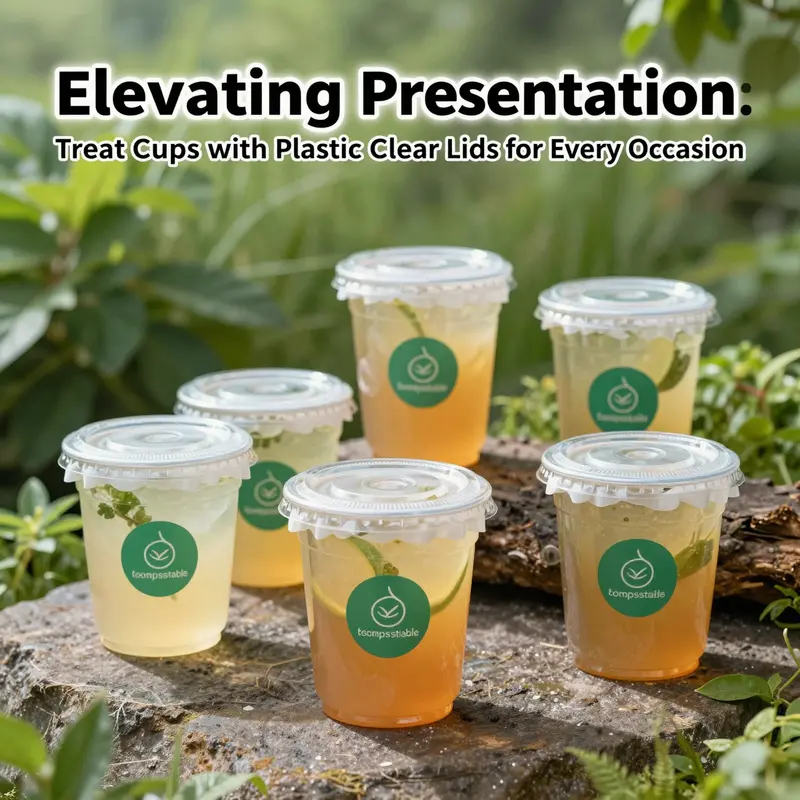
Clear plastic treat cups with lids are common in catering and retail, offering visibility and convenience that drive impulse buys. The same transparency that makes desserts appealing also reveals the packaging’s environmental footprint. This chapter examines sustainability considerations for cups and clear lids, focusing on material choices, design for recyclability, and end-of-life pathways. It argues that sustainable packaging should balance performance, cost, and circularity, rather than chase a single green signal.
Material selection establishes the starting point. The most common resins are polypropylene (PP) and polystyrene (PS). They provide clarity and rigidity but rely on fossil-based feedstocks and face recycling challenges in municipal streams. The energy used to produce, shape, and transport these plastics, plus the complexities of sorting and processing, can limit recycling rates. If lids and cups use different materials or include coatings, sealants, or colorants, compatibility with recycling streams can suffer. Alternatives such as bio-based or biodegradable polymers bring new considerations, including industrial composting requirements and infrastructure gaps. A thoughtful materials strategy weighs local waste management capabilities, access to recycling facilities, and consumer behavior.
Design choices matter for circularity. Monomaterial designs, where the cup and lid use the same resin, simplify sorting and recovery. However, achieving a leakproof seal without additional components can require tradeoffs. The challenge is to preserve functionality while minimizing material variety. Innovations in material science enable monomaterial, easy-separation designs, while preserving barrier properties and product safety. Where mixed materials are required, designers can prioritize compatible combinations, minimize additives that hinder recycling, and consider post-consumer recycled content that meets performance standards.
Lifecycle thinking expands beyond the bottle and cap to include production energy, transport emissions, and end-of-life outcomes. The energy intensity of resin production varies by material and region, and transportation can dominate emissions if components are manufactured far away. Incorporating recycled content can reduce virgin material demand, but recycled streams may introduce color variation or property changes that require process controls. Many brands are piloting recycled-content programs while ensuring the finished product meets hygiene and appearance expectations. A resilient circular system also depends on robust collection, sorting, and recycling infrastructure, as well as consumer participation.
Policy and market trends increasingly favor recyclable and responsibly sourced packaging. Extended producer responsibility, minimum recycled-content standards, and clear labeling help create predictable demand signals for recyclability. The best designs align with evolving regulations by using modular, standard materials, and ensuring that end-of-life options are clear to consumers. Transparent disclosures and third-party verification further support consumer trust.
In practice, translating these ideas into products means working with suppliers to evaluate material combinations, seal designs, and manufacturing processes for recyclability. It also means pursuing industry collaboration to build scale in collection and recycling, and investing in labeling and consumer education to improve recovery rates. The goal is to preserve the benefits of clear-lid cups while reducing environmental impact across the lifecycle. By prioritizing monomaterial approaches, recycled content, and clear end-of-life guidance, brands can align packaging with circular economy goals without sacrificing performance.
Seeing, Sealing, and Selling: How Clear-Lidded Treat Cups Shape Modern Packaging Trends and Consumer Expectations
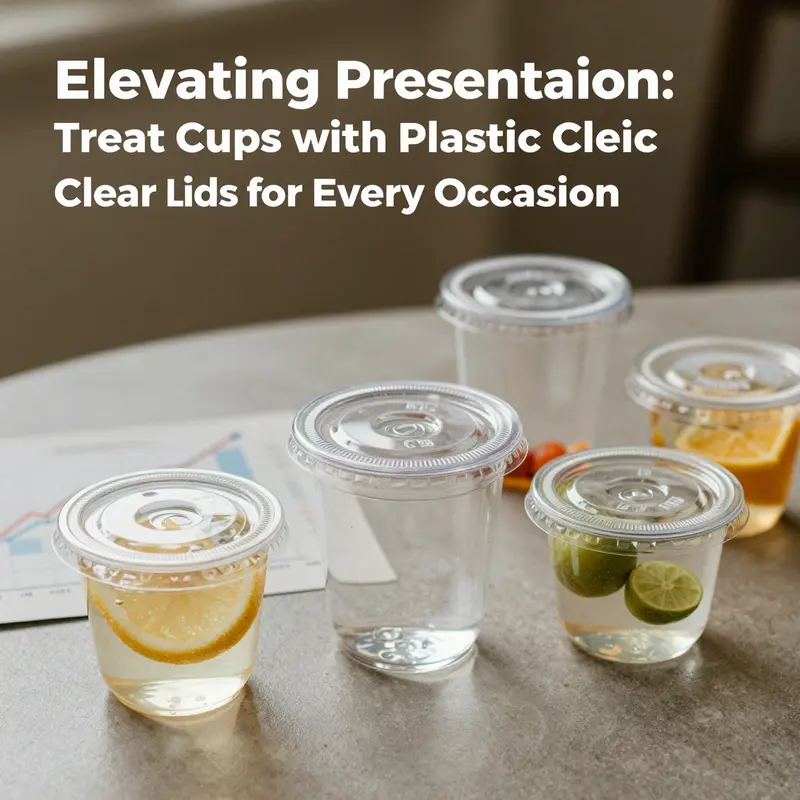
The market for treat cups with plastic clear lids has evolved into more than a simple container story. It sits at the intersection of visual appeal, functional reliability, and the evolving values of a global consumer base that increasingly equates packaging with experience. Consumers—especially younger cohorts like Gen Z and millennials—are drawn to products they can see before they buy, and these clear lids convert the moment of choice into a moment of perception. When a dessert, a jelly shot, or a ready-to-serve confection sits inside a transparent cup, the product’s colors, textures, and even the light catching the surface become part of the messaging. This immediate visual feedback builds trust, heightens anticipation, and often accelerates impulse decisions. In an era where social media amplifies first impressions, the packaging itself becomes a stage for branding, with the lid offering a stable frame that preserves the scene—free from smudges or condensation until the consumer lifts the cap. The result is packaging that does more than hold; it enhances, communicates, and reinforces the story behind the treat. It is a small theater, where the content is visible, the lid is secure, and the consumer’s anticipation is reinforced with every glance. The prevalence of these cups in catering, hospitality, and event settings underscores their role as a bridge between convenience and presentation. Flat, secure lids protect against leaks during transport and on-service, which is crucial when mobile vendors, food trucks, or banquet teams are moving delicate desserts, layered sweets, or fruit compotes. The combination of transparent body and clear lid creates a cohesive aesthetic that aligns with fast-paced service while sustaining a clean, premium impression. The performance characteristics—durability, temperature tolerance, and compatibility with branding options—further strengthen their appeal. Clear plastics such as polystyrene (PS) and polyethylene terephthalate (PET) are known for high clarity, crash-resistance, and light weight, making them practical workhorses for refrigerated and ambient storage. In a world where a single spill can mar a moment, the design emphasis on leak resistance remains a core selling point. When the lid forms a tight seal and sits flush with the rim, it reduces the risk of leaks during stacking, transport, or bumpy deliveries. The flat design also simplifies stacking in retail shelves, food courts, and catering setups, aiding efficiency for staff who must move large volumes with speed and accuracy. These practical details—clarity, seal integrity, and stackability—create a virtuous circle: a product that looks pristine, travels securely, and presents the content attractively, elevating the perceived value of the treat inside even before the first bite is taken. The narrative around these cups is not simply about containment; it is about confidence. A consumer looking at a dessert through a clear lid sees a promise of freshness and reliability. Brands that leverage this visual clarity often pair it with a consistent color story, logo placement on the cup body, or branded lids that reinforce the overall aesthetic. The capacity range—often in the 8 to 12-ounce class but also extending to 9-ounce, 12-ounce, and beyond—speaks to a flexible, modular system that can be tailored to different serving occasions, from single-serve desserts at weddings to bite-sized party favors at corporate events. The market also embraces customization—branding opportunities through logo printing, color accents, and even decorative textures on the lids themselves. This customization capability turns a simple, disposable item into a canvas for storytelling, where the cup doubles as a mini marketing surface. On the manufacturing side, the use of clear PS and PET is guided by a balance of performance, cost, and regulatory compliance. These materials deliver the optical clarity needed for visual appeal while providing adequate barrier properties to guard against moisture transfer and odor migration. Temperature tolerance remains a critical parameter; many treats require refrigeration, which places the cups in a demanding thermal cycle. For dairy-rich desserts or cold beverages, the materials must withstand repeated chilling without embrittlement or warping, ensuring that the lid remains securely seated. This reliability translates into product availability across multiple distribution channels, ensuring that a caterer can source a consistent supply from regional suppliers or global manufacturers with confidence. The industry’s emphasis on safety and compliance is likewise reflected in certifications and regulatory assurances. Suppliers often highlight CE, FDA, and SGS certifications to reassure buyers about material safety for contact with food and overall process integrity. The presence of such credentials, along with potential BPI certification in the case of eco-conscious lines, speaks to a broader push toward sustainability within the packaging ecosystem. While clear plastic remains dominant for its combination of transparency, cost-effectiveness, and ease of processing, the conversation around sustainability is increasingly shaping product development. This includes the exploration of bio-based alternatives and compostable options that attempt to balance environmental responsibility with the practical needs of cold-chain packaging. Detractors note challenges such as heat resistance, slower composting timelines, and higher material costs, but advances in biopolymers, blends, and optimized downstream processing are gradually expanding the feasible applications. The balance between clarity, printability, and environmental footprint remains a central design consideration for manufacturers who seek to satisfy a market that wants both crystal clarity and greener solutions. As consumer expectations shift toward circular economy models, brands are experimenting with improved end-of-life options, clearer labeling about disposal, and partnerships that promote recycling or composting where infrastructure exists. The practical implication for purchasers is to evaluate not only the immediate price and fit of a given cup-lid system but also the lifecycle impacts and the availability of recycling streams in their regions. With transparent lids that seal securely, the visual advantages are preserved, while the drive toward sustainability pushes the industry to innovate and to harmonize performance with environmental responsibility. Beyond the core functions, the treat cup ecosystem is increasingly shaped by related behaviors and distribution models that redefine how these products travel from producer to consumer. The rise of direct-to-consumer and rapid-delivery platforms heightens the importance of packaging that travels well, arrives intact, and creates a reliable branded impression without the need for elaborate outer packaging. Ecommerce-friendly packaging design is evolving, with considerations for inline branding, moisture resistance, and leak prevention during last-mile transport. The trend toward modularity supports a broader strategy: retailers and vendors want a unified line of containers and lids that can be mixed and matched without sacrificing aesthetics or functionality. This modular approach reduces SKU complexity and simplifies inventory planning for large operators who must balance seasonal demand spikes with steady year-round sales. In this context, the clear-lidded cup becomes a key component in a family of packaging options that can be tailored to the customer journey—from impulse buys at a social event to measured decisions in a cafe display. The ability to customize lids, include branding elements, and apply consistent color cues across a line of products brings continuity to the consumer experience. It also enables vendors to tell a more cohesive story about quality, freshness, and value, reinforcing brand perception across multiple touchpoints. The market outlook, as reported by industry analyses and ongoing market monitoring, points to sustained growth driven by consumer demand for transparency, convenience, and presentation. The demand for clear lids aligns with a broader consumer appetite for authentic experiences that do not obscure the product inside. Yet this growth sits alongside a parallel drive toward sustainability and responsible packaging. Advances in material science, coupled with regulatory encouragement and consumer activism around environmental impact, are pushing manufacturers to innovate in ways that preserve clarity and seal integrity while reducing the ecological footprint. In practice, this means more efficient plastics formulations, smarter recycling programs, and, in some cases, the adoption of bio-based materials that can perform in cold environments without sacrificing clarity. The challenge remains to reconcile heat resistance, compostability, and cost at scale. Early adopters that align their product development with consumer values and regulatory trends are likely to maintain a competitive edge. The packaging narrative that emerges from this dynamic is one of balance: clear, trustworthy presentation on the one hand; responsible, transparent lifecycle management on the other. As brands navigate this landscape, they must consider not only the immediate performance of the cups and lids but also the longer-term expectations of customers who want packaging that reflects their values as much as their tastes. In this sense, the clear-lidded treat cup is more than a container. It is a strategic instrument for storytelling, a practical solution for service and logistics, and a signal of the evolving standards that define modern consumer packaging at scale. For those seeking a concrete example of how lid-equipped cups can fit into a broader packaging ecosystem, see this related product page that showcases lid-enabled, single-wall serving options that blend practicality with branding opportunities: hot-sale customized disposable single-wall paper ice cream cups with lid. While the example foregrounds a slightly different material class, the underlying principle—the lid as a stabilizing, marketing-ready component—remains highly relevant to the plastic clear-lid segment and its expanding role in experiential packaging. As researchers and practitioners monitor regulatory developments and consumer sentiment, the path forward appears to favor packaging that speaks to both visual appeal and responsibility. Brands that simultaneously deliver crystal clarity, secure seals, and coherent sustainability strategies will likely lead in a market where perception and performance are tightly coupled with environmental accountability. In the near term, expect continued refinement of barrier properties, improved heat tolerance for a wider range of treats, and broader adoption of lifecycle-oriented messaging that helps consumers understand disposal options and outcomes. The interplay between consumer psychology, product protection, and environmental stewardship will continue to shape investment, design priorities, and the ultimate configuration of clear-lid treat cups across hospitality, retail, and events. External research and market intelligence can be consulted for real-time trends and regional nuances, such as the 2026 China Plastic Transparent Cup Market report from Global Market Insights. This external resource provides up-to-date analysis of material innovations, regional consumption patterns, and the impact of sustainability regulations on product design: https://www.gminsights.com/industry-analysis/plastic-transparent-cup-market
Final thoughts
In summary, clear plastic treat cups with lids are not just practical choices; they also contribute significantly to brand presentation and sustainability. As businesses look to meet consumer expectations while minimizing their environmental footprint, the right treat cups can serve as an effective solution. Catering services, bubble tea shops, and event planners stand to benefit from these adaptable and aesthetically pleasing options. Investing in quality, sustainable treat cups not only elevates food presentation but aligns your brand with modern consumer values. Now is the time to embrace these solutions to enhance your offerings and stand out in the market.