
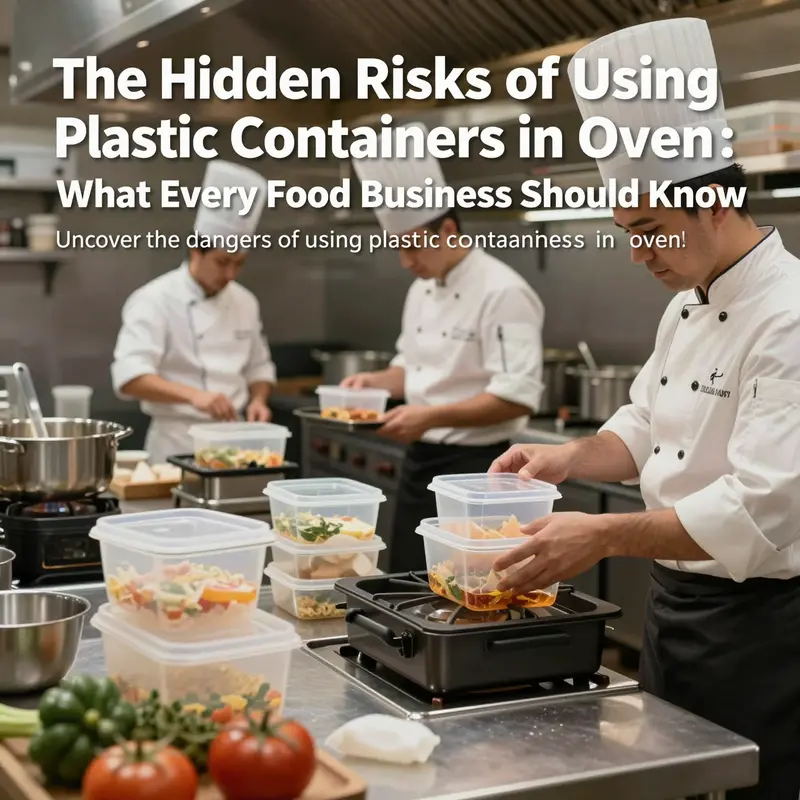
In the food service industry, the safety of both products and customers is paramount. A concerning trend is the use of plastic containers in ovens, an extremely dangerous practice many may overlook. As businesses from bubble tea shops to catering services innovate in food preparation, understanding the risks associated with heating plastics is vital. This article delves into the significant hazards, including risks of melting and burning, the leaching of harmful chemicals, and ultimately guides you through safer alternatives that adhere to health standards while preserving the integrity of your offerings. Essentially, this guide emphasizes how prioritizing safety can enhance your brand’s reputation and protect your customers.
null
null
Heat, Hazard, and Hunger: The Hidden Chemistry of Cooking Food in Plastic Containers in the Oven
When a home oven fires up, the kitchen often feels like a place of comfort and anticipation—the scent of baking bread, the anticipation of a family meal, the comforting routine of taking food from a hot, well-loved pan. Yet beneath that familiar warmth, a line is crossed whenever plastic meets heat at oven temperatures. The common practice of placing food in plastic containers and sliding them into a hot oven seems convenient, even harmless to many, but it hides a cascade of chemical and physical processes that can alter both the safety and the flavor of what we eat. The issue isn’t merely whether plastic will melt in an oven. It is about the dynamic interaction between heating, fats, acids, and the tiny, often unseen, agents that migrate from plastic into food. It is about risks that accumulate over time, even if a single cooking session seems routine. And it is about choices—choices that can reduce exposure to hazardous substances without sacrificing the meals we love to prepare.
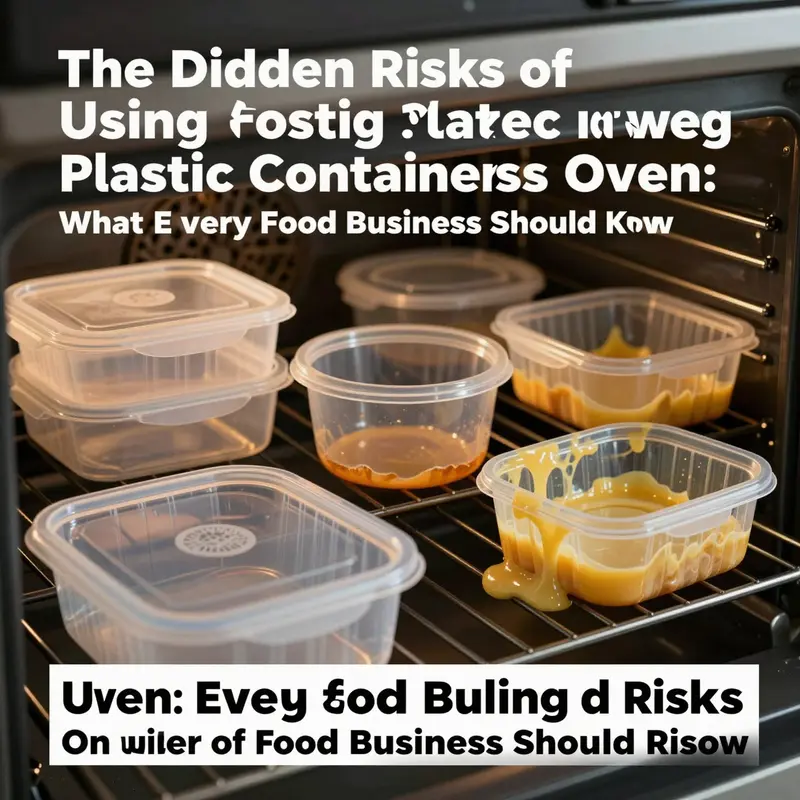
To understand why plastic in the oven is such a persistent concern, we first need to consider the extreme conditions at play. An oven routinely operates well above the temperatures used in microwaves or on stovetops. Standard baking temperatures can hover around 180°C (356°F) or higher, and many recipes call for temperatures approaching 230°C (450°F) or more. Even plastics that bear the label “microwave-safe” are not automatically oven-safe. The polymers, additives, and stabilizers that give plastic its flexibility and durability are designed for certain heat ranges. When those limits are exceeded, the plastic can soften, deform, or, in worst cases, burn. The food, in contact with that altered surface, begins a process of contact not unlike a chemical experiment: a mixture of polymer fragments and additives seeking a new equilibrium with heat, fat, and the environment of the oven.
The most immediate hazard is the physical breakdown of the container as heat accelerates its aging. In the face of high oven temperatures, even heat-resistant plastics are pushed toward their limits. The result can be a contamination event in the most literal sense: fragments of polymer mingling with food, or a container that has released enough particulate matter to alter texture, taste, and safety. That is not merely a theoretical concern. Studies that examine heat-induced migration of microplastics and chemical additives show that the oven’s dry, fatty milieu can dramatically accelerate the leaching process. Fats and oils are especially potent solvents for many plasticizers and additives. When fats are heated in contact with plastic, the migration rate can rise substantially compared with meals that are water-based or low-fat. In practical terms, an oily dish heated in a plastic container can push the chemistry of the kitchen toward the hazard zone much more quickly than a water-rich dish would.
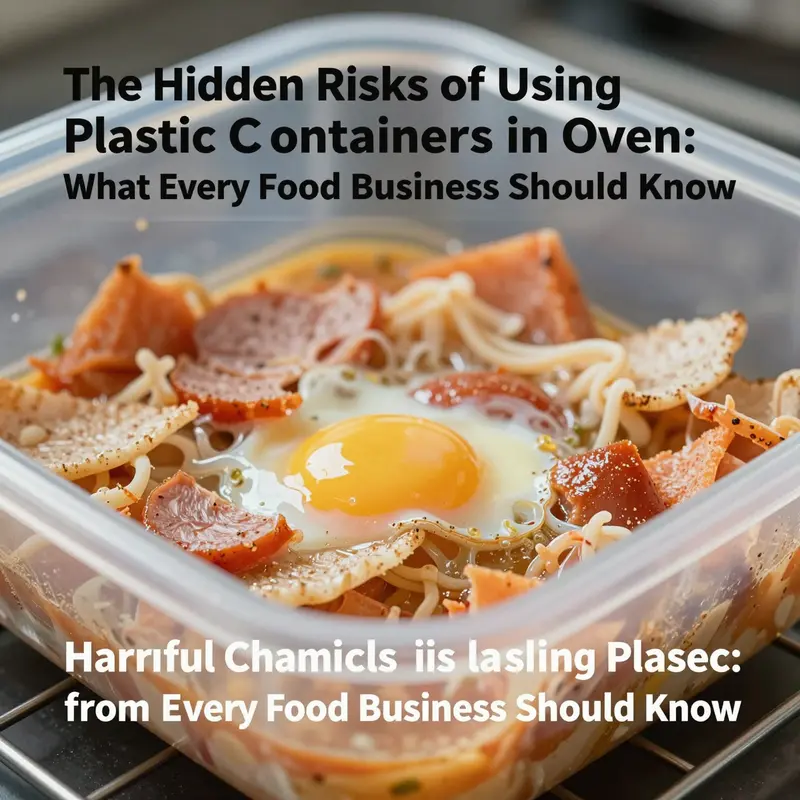
Among the chemical culprits, two families dominate the conversation: phthalates and bisphenols. Phthalates, such as DEHP and DINP, are plasticizers that make polymers more flexible. They are not bound into the polymer as a permanent feature; they can migrate into food, especially when heat and fat are present. The health concerns attach to endocrine disruption, and the literature has consistently linked long-term exposure to certain phthalates with reproductive and developmental effects. Bisphenols, notably BPA and BPS, have earned their notoriety because of similar endocrine-disrupting capabilities. Even as manufacturers have moved to alternative bisphenols, those substitutes—BPF, BPS, and others—are not necessarily safer and are, in many assessments, similarly suspected of interfering with hormonal signaling. In the oven, where heat concentrates energy and molecular motion, the temptation for these compounds to migrate into food increases. What begins as a simple heating step can become a transfer of chemicals that did not belong there in the first place.
The risk is not uniformly distributed across all plastics or all foods. The composition of the plastic, the presence of colorants or additives, the type of food, its fat content, and the duration of heating all shape the outcome. A common thread in the science is the role of fats as solvents. When you heat an oily or fatty dish in contact with a plastic container, the oil can act as a solvent, carrying additives into the food far more efficiently than water-based preparations. This phenomenon—often described as increased chemical migration in fatty matrices—helps explain why some seemingly small deviations from recommended practices can yield outsized results. The same principle helps account for observations that oily foods exhibit higher leaching rates than lean foods do. It also helps explain why merely labeling a container as “oven-safe” does not guarantee a risk-free cooking experience. The label may reference whether the container will resist melting or deformation, not whether harmful chemicals will migrate into the food during the process.
The public health conversation has grown more urgent with findings about microplastics themselves. Heating plastics, even those marketed as “oven-safe,” can release microplastic particles into the contents. The sheer scale of that release is alarming in some studies. One line of research has reported that minute plastic fragments can be generated in substantial quantities when polymers are subjected to heat, with the potential for those microplastics to accompany the food into the digestive system. The concern is not simply about the mechanical presence of particles. It is about the biological activity that microplastics may provoke, including inflammation and potential long-term tissue effects, which are still the subject of ongoing investigation.
The health implications of ingesting microplastics and leached chemicals are not purely academic. Animal studies and emerging human data point toward a spectrum of potential harms, including inflammatory responses and cardiovascular considerations. A 2025 study in Environment International suggested that microplastic exposure could influence arterial health, with observed increased plaque formation in a controlled model. While extrapolations to humans must be made cautiously, the magnitude of the signal has prompted serious questions about everyday exposure routes and cumulative risk. Taken together with the endocrine-disrupting potential of several additives, the case for avoiding heating food in plastic in ovens becomes clearer. The path from a practical kitchen decision to a broad public health perspective runs through the kitchen habits that many households have long accepted as routine.
Beyond the chemistry, there is a lived reality to consider. Home cooks employ plastic containers for marinating, freezing, reheating, and even serving. The convenience is undeniable. But oven use is a different kind of heat exposure. The dry heat of the oven, the higher temperatures, and the long durations associated with many recipes create a scenario for sustained contact that is not present in quick microwave reheats or cold-storage shifts. It is a scenario where the ordinary becomes extraordinary in terms of risk, not because a single meal suddenly becomes dangerous, but because the likelihood of cumulative exposure grows with repeated acts. The cumulative risk narrative helps explain why medical and public health authorities increasingly emphasize the reuse of containers that are labeled as oven-safe and, even more strongly, the preference for materials that are inert at high temperatures.
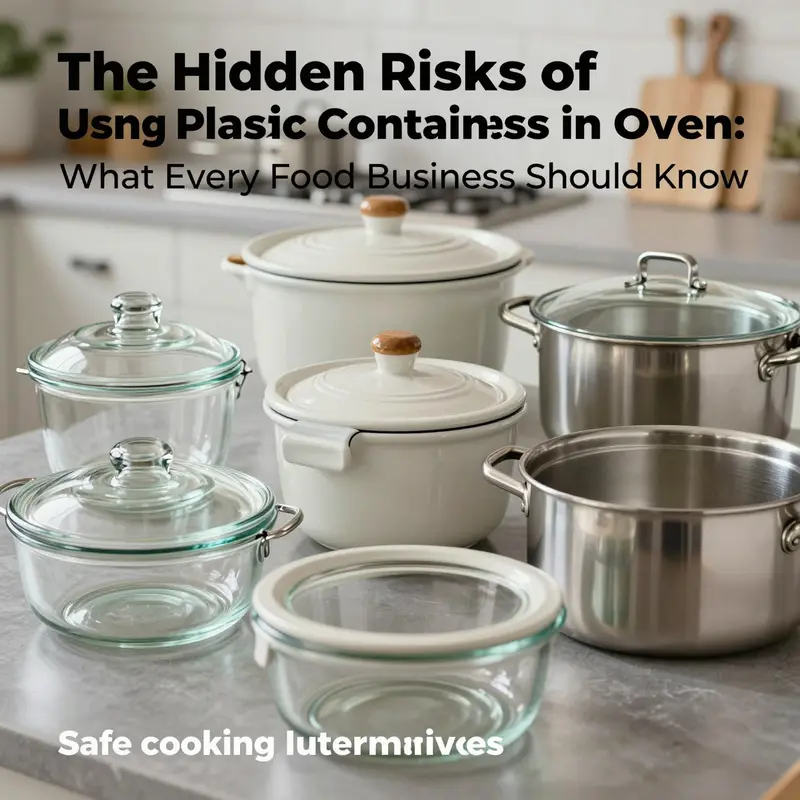
If the science sounds alarming, it is not intended to be fatalistic. Rather, it is a call to adjust routine kitchen practices with a clear understanding of where risk arises. One of the first practical pivots is to move away from plastic entirely for oven-use scenarios. Glass, ceramic, stainless steel, cast iron, and other high-temperature-appropriate materials do not carry the same migration risks. They can be heated to much higher temperatures without releasing additives or microplastics into food. Glass and ceramic, for example, are chemically inert enough to minimize interactions with fatty foods at high temperatures, provided they are used according to the manufacturer’s guidelines for temperature limits. Stainless steel and cast iron bring their own strengths: durability, heat retention, and natural resistance to chemical leaching. The decision to switch to these materials is often reinforced by the simple fact that many oven recipes are designed around bakeware and cookware with these properties. The practical benefits extend beyond safety to cooking performance. The heat distribution and browning achieved with glass, ceramic, or metal containers can be more predictable, leading to more consistent results.
In parallel with changing materials, the broader consumer landscape is beginning to shift toward safer packaging choices that do not rely on plastics for heat-intensive tasks. When planning a bake or a roast, many households can restructure their approach by selecting containers expressly designed for oven use and by selecting foods prepared in a manner that reduces the need for fatty or acidic sauces in direct contact with plastic. The core principle remains straightforward: if the container’s job is to withstand oven temperatures and to deliver the dish to the table without compromising safety or flavor, it should be purpose-built for heat, ideally one that is certified as oven-safe. This is not merely about avoiding disaster; it is about preserving flavor and supporting long-term health by reducing exposure to leaching compounds.
For households that still wrestle with the convenience of plastics, there are nuanced, practical guidelines that can help minimize risk when alternatives are unavailable. First, avoid fatty or acidic foods in contact with plastics when heating. Acids, like tomato sauce or citrus marinades, can further promote migration of chemicals from plastics into the food. Second, inspect containers for cracks, discoloration, or signs of wear. Degraded plastics are more prone to leaching than pristine ones, and repeated heating cycles accelerate wear. Third, never reuse disposable plastic containers for oven use, even if they are labeled as microwave-safe. The heat profile of an oven is not the same as a microwave’s and can expose flaws or latent defects that are inert at microwave energy levels. Fourth, if the label on a container mentions any temperature threshold, verify that the maximum temperature comfortably exceeds your cooking temperature. If there is any doubt, switch to a safer material. These steps do not eliminate risk entirely, but they solidify a practical approach that reduces exposure and preserves the integrity of the meal.
The conversation around safer materials is part of a broader shift toward thoughtful packaging choices in food systems. Resource constraints, consumer demand for convenience, and growing environmental concerns intersect with safety science to promote alternatives to conventional plastics for heat applications. In this landscape, the use of paper-based, glass, or metal options becomes more than a matter of personal caution; it becomes a standard that can guide manufacturers and retailers toward safer, more sustainable designs for everyday kitchen tasks. The impulse to protect health, to reduce environmental impact, and to sustain the culinary experience all align when plastics are replaced with heat-tolerant, non-migrating materials. The path forward is not simply about avoiding risk; it is about embracing better tools for cooking that honor both flavor and well-being.
If we consider the practical realities of a busy kitchen, there is also a cultural shift at play. Household habits, grocery choices, and even the design of cookware have changed in ways that reflect an evolving understanding of how food and materials interact under heat. The language of safety—endocrine disruption, microplastics, and heat-induced migration—may seem unfamiliar to some cooks. But it becomes more accessible when framed through everyday cooking scenarios. A casserole baked in a glass dish emerges as a simple example of how a single switch in materials can translate into a measurable reduction in risk, especially for recipes requiring longer oven times or higher temperatures. A loaf of bread or a tray of vegetables roasted on a metal sheet illustrates how the kitchen can operate safely within a trusted set of tools without compromising the experience. In this sense, the oven is not just a device that transforms ingredients by heat; it is a crossroads where science, habit, and health converge.
To anchor these ideas in the lived practice of home cooks and professional chefs alike, it is helpful to acknowledge both the limits of current knowledge and the clarity of practical guidance. Our understanding of microplastics and chemical leaching continues to evolve as new studies reveal more about exposure pathways and biological effects. Yet the core message remains consistent across authoritative sources: avoid heating food in plastic containers in the oven. If you must use plastic for any reason, ensure it is explicitly labeled as oven-safe and used only under conditions that keep the temperature well within the container’s validated range. Above all, when a dish will be cooked at high heat or for extended periods, choose materials that are proven to be inert at those temperatures. The cost of safety is negligible compared to the potential cost to health, and the benefit extends beyond the kitchen to long-term well-being.
For those seeking practical stepping stones toward change, a few reflective questions can guide everyday decisions. Do I know the maximum safe temperature of the container I am using? Is the dish I am preparing fatty or acidic enough to warrant extra caution? Am I using a container designed for oven use or a product that is primarily intended for cold storage or microwaving? Am I comfortable replacing plastic with glass, ceramic, or metal where feasible? These questions are not punitive; they are practical checkpoints that empower cooks to protect themselves and their families without sacrificing the joy of cooking. The psychology of habit matters here too. By choosing to bake in a material that reliably resists heat and does not leach chemicals, the kitchen becomes a place of confidence rather than a source of ongoing worry. In the end, the goal is to keep food tasting vibrant and safe, so that the familiar rituals of baking and roasting remain a source of nourishment rather than a daily risk assessment.
The safety message converges with a broader call for transparency and better consumer information. Labels that merely say “heat-resistant” or “microwave-safe” can be misleading when the same container is subjected to the oven’s higher, more variable heat. Consumers deserve clear, consistent guidance about what materials are appropriate for which heat contexts. In turn, manufacturers and policymakers have an opportunity to align product labeling with real-world usage and to promote materials that minimize migration, especially in the areas of high-fat cooking and long bake times. This alignment would not only reduce exposure to harmful substances but also advance environmental goals by encouraging recyclable or biodegradable alternatives that perform well at high temperatures. The intersection of health, consumer rights, and environmental stewardship is precisely where everyday kitchen choices can become acts of public responsibility.
Within this shifting landscape, the simplest, most actionable advice remains robustly practical: do not bake in plastic unless you are using a container explicitly tested and labeled for oven use. When possible, transition to oven-safe glass, ceramic, stainless steel, or cast iron, and reserve plastics for cold storage, freezing, or microwave reheating only if those contexts are clearly approved by the manufacturer. If transition is slow or uncertain, start small. Move the most heat-intensive tasks away from plastic first—roasting vegetables, baking casseroles, or browning proteins—then extend the change to other dishes as confidence and equipment evolve. Over time, a kitchen that prioritizes oven-safe materials can become not only safer but more efficient, as heat transfer and browning become more predictable. The taste and texture outcomes often improve when the cookware itself is a limiting variable rather than a source of contamination or unintended chemical migration.
In closing, the oven invites a curious interplay between culinary art and material science. The moment you slide a plastic container into the heat, you engage with a complex system of migration, volatilization, and potential exposure that has real implications for health. The risks associated with heating plastic—chemical leaching, microplastic release, and the cumulative burden of exposure—are not distant concerns. They are present in many kitchens, delivered quietly through routine cooking and repetitive habits. The antidote is not perfection but informed choice: understanding where risk originates, recognizing that oven-safe labels do not guarantee safety, and embracing alternatives that stand up to the heat and protect both flavor and health. And as consumers increasingly demand safer, more sustainable packaging options, the industry has a powerful incentive to respond with products designed for heat, not just convenience. The kitchen becomes a laboratory in which practical wisdom grows through daily practice, and with each meal prepared in safer materials, the shared table becomes a quieter testament to responsibility and care.
For readers seeking a concrete, actionable path toward safer cooking, consider exploring durable, oven-ready alternatives that align with a growing emphasis on risk reduction and sustainability. A robust option is a sturdy, heat-tolerant container crafted from glass, ceramic, or metal—materials that resist migration and maintain culinary integrity at high temperatures. Such choices not only protect health but also support a cleaner, more resilient cooking environment. If you are drawn to paper-based or compostable packaging for other contexts, look for products specifically designed to withstand oven heat or to serve as oven-safe serving ware, and always verify temperature guidelines with the manufacturer. The goal is to enjoy the pleasures of home baking without compromise. When the oven door closes and the timer ticks, the safest, simplest step you can take is to ensure the container in contact with your food is one that holds up to heat without exchanging substances that should stay outside the meal. In doing so, you protect the flavors you crave while safeguarding health in a kitchen that values evidence, prudence, and the well-being of all who gather there.
Internal link to safer packaging option (for readers seeking non-plastic oven-ready containers): kraft paper octagonal bowl with lid.
External resource for further reading on safe food-contact materials and exposure pathways: CDC Environmental Health.
null
null
Final thoughts
Prioritizing safety in food preparation is crucial for any food business. The dangers of putting food in plastic containers in the oven extend beyond simple inconvenience; they pose real risks to both health and property. By understanding the hazards of melted plastics and the harmful chemicals they release, businesses can make informed choices to protect their customers and their brand. Transitioning to safer, oven-proof materials not only fosters a healthier environment but also builds a reputation for quality and safety. Remember, informed decisions today can lead to a more sustainable and successful food service tomorrow.