
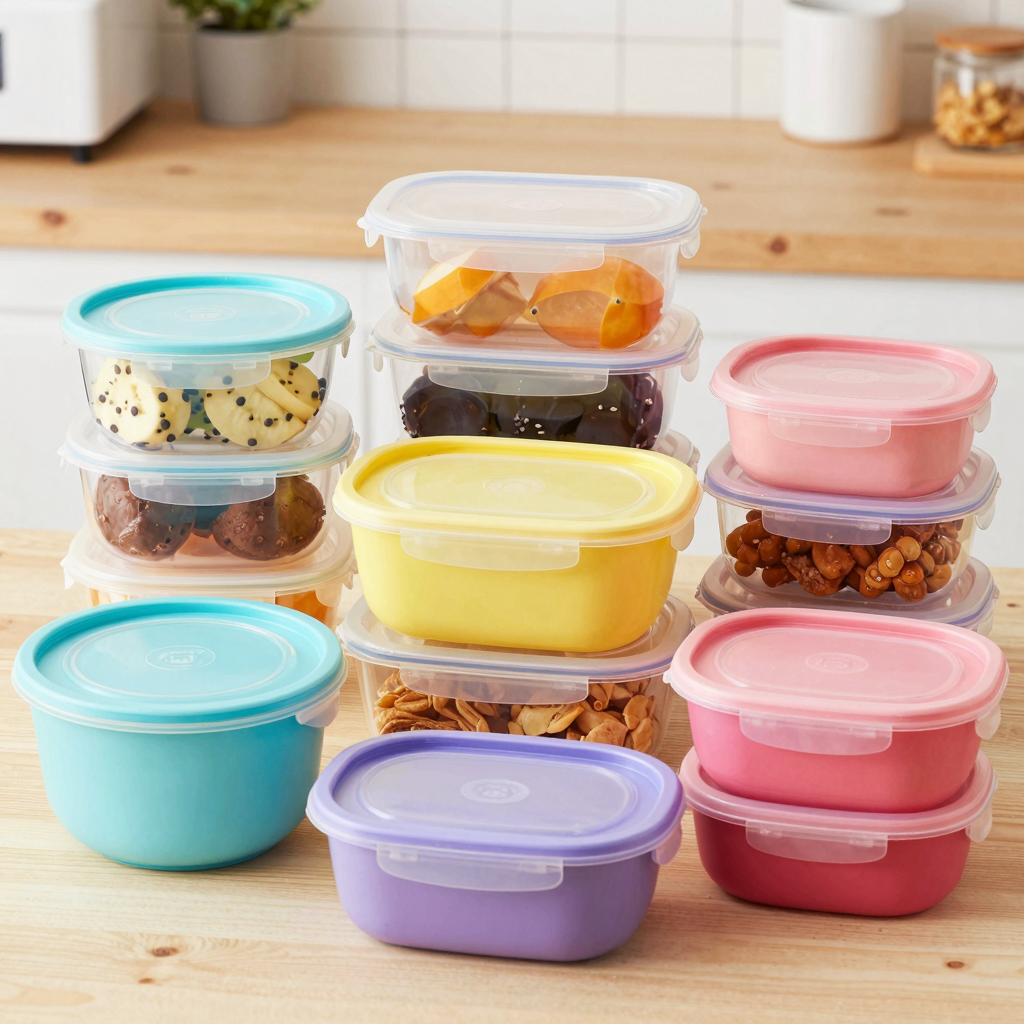
In the bustling world of food service, plastic food containers play a crucial role, especially for bubble tea shops and event planners. These versatile containers not only ensure that beverages and snacks are beautifully presented but also keep them fresh and safe for consumption. Made from durable materials, plastic food containers come in various shapes and sizes, catering to diverse culinary needs. As we explore the manufacturing process of these essential items, we will gain insight into how they are crafted to withstand daily use while maintaining functionality and style. With the increasing demand for efficient packaging solutions, understanding the production of plastic food containers is vital for businesses looking to streamline their operations and enhance customer satisfaction. Whether you’re in the beverage industry or planning a large social event, the right plastic food containers can make all the difference. To find out more about the various options available, check out our selection of plastic packaging.
Raw Materials Used in Plastic Container Production
When it comes to manufacturing plastic food containers, the choice of raw materials plays a crucial role in ensuring food safety and sustainability. The most commonly used plastics are Polyethylene Terephthalate (PET) and Polypropylene (PP). Here’s a closer look at these materials and what makes them suitable for food packaging.
Polyethylene Terephthalate (PET)
- Properties: PET is lightweight, highly transparent, and exhibits excellent barrier properties that prevent oxygen and moisture infiltration, making it perfect for packaging beverages and food.
- Safety Standards: PET is considered safe for food contact, as it does not leach harmful chemicals like phthalates. It is compliant with food safety standards such as the GB 4806.7-2016.
- Eco-Friendly Practices: PET has a high recycling rate and is often recycled into products like clothing and furniture. Regulatory initiatives in Europe aim to increase the use of recycled PET (rPET) by 25% in beverage containers by 2025.
Polypropylene (PP)
- Properties: PP boasts excellent heat resistance (safe for microwave use) and chemical stability, making it ideal for food containers. It’s also reusable and recyclable.
- Safety Standards: Like PET, PP is deemed safe for food contact and is often used in take-out containers and microwave-safe products. The safety complies with established guidelines ensuring no harmful substances are released.
- Eco-Friendly Practices: PP supports sustainable packaging initiatives; many brands are focusing on PP products that can effectively balance performance with environmental responsibility.
Overall, using materials like PET and PP not only meets food safety requirements but also advances the shift towards sustainable packaging practices, making them favored choices for bubble tea shops, restaurants, and food service providers.Learn more about our packaging solutions that ensure safety and sustainability.
Types of Plastic Materials Used for Food Containers
When it comes to plastic food containers, two of the most common materials are Polyethylene Terephthalate (PET) and Polypropylene (PP). Understanding these materials can help businesses make informed decisions about their food packaging options.
-
Polyethylene Terephthalate (PET): This material is known for its excellent strength-to-weight ratio and optical clarity. It provides good moisture and gas barrier properties, making it ideal for food containers like beverage bottles and packaging. However, PET is not suitable for high temperatures above 70°C due to its low heat stability, which could potentially release harmful substances when exposed to high temperatures or UV light.
-
Polypropylene (PP): Recognized for its outstanding heat resistance, PP can withstand temperatures of 100-140°C, making it a safe option for microwave use. This makes it a popular choice for microwave-safe meal containers and food storage. PP is hard, impact-resistant, and stable in chemical environments, ensuring safety when containing food items.
Manufacturing Process of Plastic Food Containers
Understanding how plastic food containers are made can give insight into the quality and safety of the products your business uses. The production process mainly comprises several key steps, each essential for creating durable, food-safe containers. Here’s a simple breakdown:
-
Material Selection: The process begins with sourcing food-grade plastics like Polypropylene (PP) or High-Density Polyethylene (HDPE). These materials are chosen for their safety and durability in food storage.
-
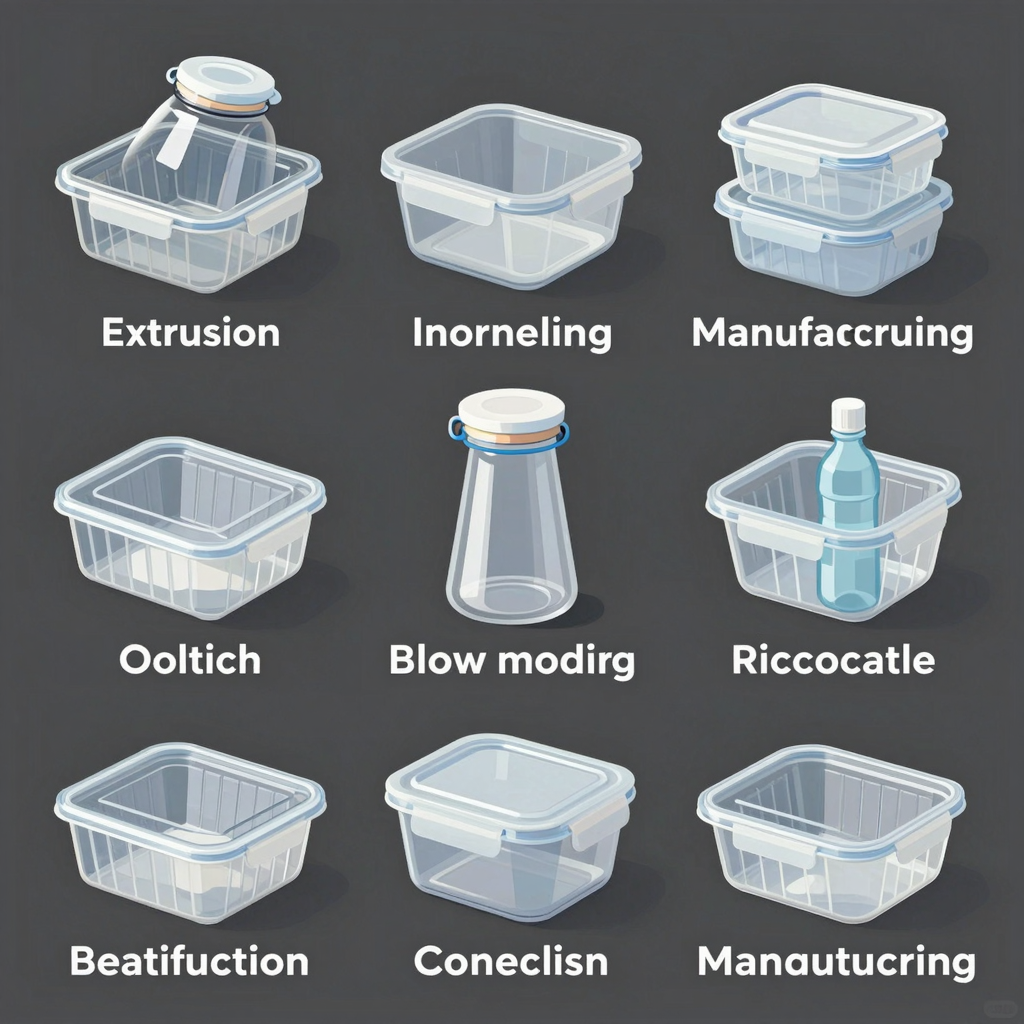
Extrusion: In this step, the selected plastic pellets are fed into an extruder, where they are melted down and formed into a continuous sheet or tube. This initial shaping is critical for ensuring uniformity and quality.
-
Molding: Depending on the container type, two main molding techniques are employed:
- Injection Molding: Hot, molten plastic is injected into molds to form solid shapes such as lids or rigid containers.
- Blow Molding: A heated plastic tube (parison) is inflated within a mold using compressed air to create hollow containers like bottles.
-
Cooling: Once molded, the containers are cooled so they solidify into their final forms. Proper cooling is crucial, as it affects the strength and durability of the product.
-
Trimming and Inspection: After cooling, the containers are trimmed to remove excess plastic (flash) and undergo inspections for defects. Quality control measures ensure consistency and compliance with safety standards.
-
Packaging: Finally, the quality-approved containers are packed and sent to retailers or food service operators.
This comprehensive process ensures that every plastic food container produced is safe for use and aligns with regulatory standards. Learn more about our packaging solutions!
Comparison of Plastic Container Manufacturing Methods
When it comes to manufacturing plastic food containers, two prevalent methods are blow molding and injection molding. Here’s a quick reference table comparing their pros and cons:
| Method | Pros | Cons |
|---|---|---|
| Blow Molding | – Lower tooling costs – Ideal for large volumes – Efficient for hollow shapes – Produces lightweight items |
– Slower cycle times – Limited wall thickness control – Less precise dimensional accuracy |
| Injection Molding | – High dimensional accuracy – Suitable for complex designs – Fast production rates |
– Higher initial mold costs – Longer setup time – Less efficient for hollow items |
For further details on packaging solutions, check out our page on packaging printing options and explore our plastic packaging products.
Quality Control Measures in the Production of Plastic Food Containers
Ensuring the safety and durability of plastic food containers is paramount in the food service industry. With an increasing focus on food safety and consumer health, robust quality control measures are essential. Here’s how these practices benefit businesses like bubble tea shops, restaurants, food trucks, and catering services:
Key Quality Control Processes
-
Raw Material Inspection
The first step in quality control starts with the selection of raw materials. Plastic resins such as polypropylene (PP), polyethylene terephthalate (PET), and high-density polyethylene (HDPE) are assessed for their compliance with food-grade safety standards. This stage is critical as contaminants can leach harmful chemicals into food, posing significant health risks and potentially leading to product recalls. -
Molding and Shaping Process Monitoring
During the production phase, processes like injection and blow molding are continuously monitored to ensure containers maintain consistent thickness, accurate dimensions, and that defects (e.g., warping) are minimized. This is vital for the structural integrity and prevention of leaks or breakage. -
Chemical Migration Testing
Testing is conducted to confirm that no harmful substances migrate from the containers into food, especially under various conditions (e.g., heat or acidity). Adhering to regulations such as those set by the FDA is mandatory. -
Final Product Inspection
Before shipping, final inspections verify that all containers are packed securely and are free from defects. This ensures product quality is maintained and reduces the risk of contamination.
For a deeper dive into food packaging standards and how they impact quality control, visit the FDA’s guidelines.
The Importance of Safety and Quality in Plastic Food Containers
The manufacturing of plastic food containers is not just about choosing the right materials and processes; it’s also about ensuring that safety and quality are at the forefront. As Dr. Du Yue, a leading expert from the China Packaging Research Testing Center stated,
“Plastic containers are safe when used correctly and made to standards. They comply with strict regulations to ensure that they do not release harmful chemicals into food, keeping the well-being of consumers in mind.”
This statement underscores the emphasis on adhering to safety standards in the production of these containers.
Safety is paramount in food packaging, especially when considering that plastics can leach harmful substances under certain conditions. Thus, manufacturers must implement stringent quality control measures. To illustrate this point, advanced facilities often utilize high-purity plastics and operate under dust-free conditions, ensuring that contaminants are kept to a minimum.
As the demand for plastic food containers continues to rise, especially within bubble tea shops, restaurants, and food trucks, the commitment to quality and safety remains a crucial backbone of the industry. Learn more about quality packaging options.

Conclusion: The Importance of Quality Plastic Containers
In the competitive food service industry, the importance of quality plastic containers cannot be overstated. As we have explored, the manufacturing process entails stringent quality control measures that ensure both safety and reliability. These measures begin with the selection of high-quality materials and extend through to innovative design and rigorous testing protocols. For instance, using advanced technologies to monitor production parameters allows businesses to maintain high standards, thereby preventing defects that could compromise food safety.
Quality control in the manufacturing of plastic containers also directly impacts the way businesses operate. A recent Forbes article indicates that sustainable and well-designed packaging can significantly enhance customer satisfaction and loyalty. When food and beverage brands opt for high-quality containers, they can improve their operational efficiency and reduce costs associated with product complaints and waste.
Moreover, as consumer preferences shift towards eco-friendly options, adopting sustainable practices in packaging becomes essential. This transition not only caters to the demands of environmentally conscious customers but can also position businesses as leaders in their fields. In fact, businesses that successfully implement effective quality control and sustainable practices see benefits like increased customer retention and reduced operational costs.
For bubble tea shops, restaurants, food trucks, and catering services, investing in quality plastic containers is a strategic choice that enhances brand reputation, promotes food safety, and ultimately drives profitability. To explore our wide range of quality packaging solutions, visit our packaging category at Cofe Cup. A commitment to quality will ensure your business stands out in a crowded market!
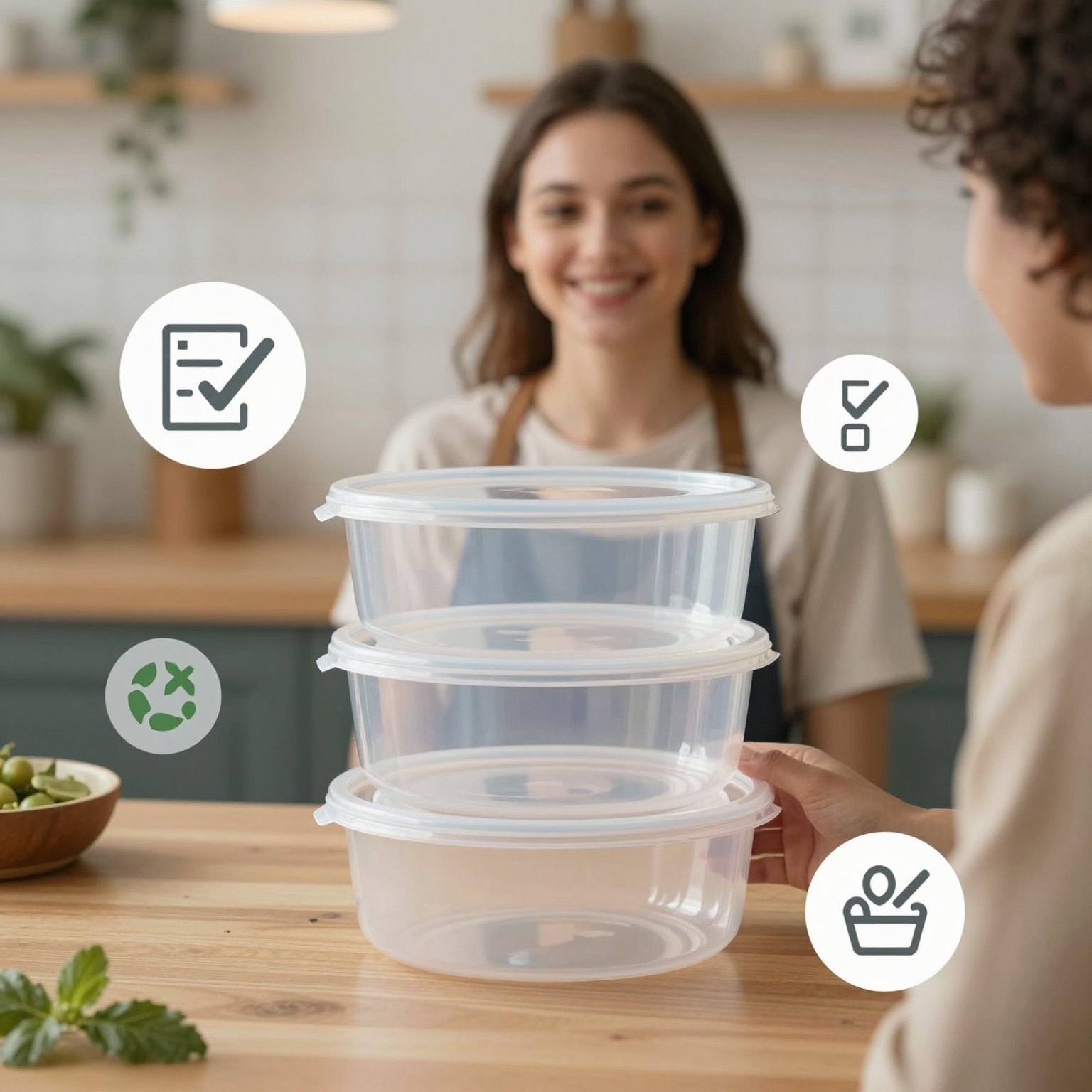

Plastic containers are an essential part of the food service industry, especially for bubble tea shops, restaurants, and catering services. These containers come in various sizes and shapes, serving different purposes:
- Restaurants: Used for takeout meals and storage of leftovers.
- Catering Services: Ideal for buffet setups and transporting large quantities of food.
- Bubble Tea Shops: Perfect for serving drinks with accompanied boba toppings.
These versatile containers help businesses efficiently serve customers while maintaining food freshness.
Contact Us for Tailored Packaging Solutions
Are you ready to elevate your packaging game? At Cofe Cup, we specialize in providing customized packaging solutions that prioritize safety and reliability. Whether you run a bubble tea shop, a food truck, or a corporate catering service, we have the perfect products to meet your needs.
Contact us today for tailored quotes and let us help you find the right packaging to keep your food and beverages fresh and appealing! Explore our wide range of packaging options here and paper packaging solutions. Your perfect packaging solution is just a message away!
Together, let’s create a safer, more reliable packaging experience for your business!