
As food service businesses, ensuring the safety of the products we offer is paramount. With the increasing awareness about the safety of food storage materials, particularly plastic food storage bags, questions about Bisphenol A (BPA) have surfaced. Understanding the implications of BPA and its alternatives is crucial for beverage chains, restaurants, food trucks, and catering services. This article will delve into crucial aspects such as what BPA is, the risks even BPA-free bags pose, the importance of materials and certifications, better alternatives to plastic, and the risks of heating plastic food storage bags. Equip your business with the right knowledge for a safer food storage approach.
Beyond BPA: What Plastic Food Storage Bags Really Mean for Your Food Safety

Every time we store leftovers, pack school lunches, or batch-cook for the week, our choices about plastic bags feel small but consequential. The word BPA often sits at the center of those decisions, shaping how we interpret safety claims and how we balance convenience against long-term health. Yet the reality is more nuanced than a single label. A bag advertised as BPA-free may still pose risks because the term does not automatically guarantee that every potentially harmful chemical has been eliminated. The presence of other bisphenols or related additives can mimic many of BPA’s effects, and even the most well-intentioned products arrive with trade-offs. In this way, the question “do plastic food storage bags contain BPA?” becomes less a simple yes-or-no and more a prompt to examine labeling, manufacturing practices, and the broader truth about what ends up in contact with our meals. The broader story is not about a single chemical in isolation but about a spectrum of substances and how households interact with them in daily life.
Bisphenol A’s long shadow rests on decades of use in polycarbonate plastics and epoxy resins. It gained attention not only because of its role in common containers but because of how it behaves biologically: BPA can mimic hormones such as estrogen, potentially tipping the delicate balance of the endocrine system. This disruption has been linked, in various studies, to developmental challenges in children, reproductive issues, and, in some research, an elevated risk for certain cancers. Regulatory agencies have weighed low-level exposure against uncertainties in long-term outcomes, sometimes allowing continued use with caveats or phased restrictions. The evolving science has pushed manufacturers to rethink formulations and consumers to scrutinize what is truly in the bag, the lid, or the lining of a can. The takeaway is not a definitive verdict on every product but an invitation to understand how exposure can accumulate in daily routines, especially when we consider how little some of these materials need to migrate to matter.
Complicating the picture is the shift from BPA to alternatives that appear safer on labels but may carry their own risks. Many products now bear “BPA-free” labels, a step forward in terms of consumer reassurance. However, the journey from BPA-free to risk-free is not linear. In the lab, alternatives such as bisphenol S (BPS) and bisphenol F (BPF) have exhibited endocrine-disrupting properties under certain conditions. This is not a sensational claim but a reminder that chemistry can substitute one molecule for another with broadly similar biological effects. In practical terms, a BPA-free bag might still contribute to an exposure profile that scientists debate and regulators monitor. For households, this means labeling alone is not a guarantee of safety.
To navigate these complexities, many experts point to the presence of third-party safety certifications. Certifications from trusted organizations that verify food-contact safety reduce some of the guesswork that accompanies broad claims like “BPA-free.” A bag that carries a recognized certification signals adherence to stricter testing and labeling standards. It is not a guarantee that no harmful substances exist, but it is a signal that the product has met more robust benchmarks for safety under typical use. In practice, those benchmarks often involve assessments of material composition, migration tests under heat, and compliance with overarching food-contact regulations. The emphasis shifts from chasing a single label to evaluating the credibility of the entire safety ecosystem around a product.
Material matters as well. The safest path for long-term food storage leans toward materials less prone to leaching. Glass containers and stainless steel retain their compositional integrity when exposed to heat, acidity, or prolonged storage. When plastic remains an option, choosing materials that are inherently less likely to migrate—such as certain polyethylenes—can help. In short, the goal is to minimize interactions between food and container, especially when heat or long-term storage is involved. If your daily routine depends on plastic bags, look for those that are explicitly designed for food contact and carry credible certifications rather than relying solely on “BPA-free” claims. The best practice is to use those alternatives that, by design, do not release chemicals into food under typical household conditions.
Another practical layer involves how we handle heat. Heat escalates chemical migration, a risk that remains whether or not BPA is present. Microwaving food in plastic bags is generally discouraged unless the packaging explicitly states microwave safety. Dishwashers, hot dishware stacks, and sunny windows can all contribute to accelerated migration as well. This is not just about temperature; it’s about time and exposure. The longer a container sits with a hot or acidic substance, the more opportunity there is for any migratory substances to move into the food. A straightforward precaution is to avoid heating plastic containers and bags and to favor non-plastic options whenever possible for hot foods or sauces.
What about everyday choices when you still need flexible storage? If plastic is the preferred option for its lightweight convenience, opt for bags made from polyethylene (PE) or low-density polyethylene (LDPE). These materials have a long history of food-contact use and, in many cases, can be produced with formulations that minimize migration. Yet even with these choices, the broader point remains: the absence of BPA does not guarantee complete safety. The consumer’s best course is to combine careful material selection with mindful handling, labeling literacy, and a preference for non-plastic storage when feasible.
Alongside this, the culture of packaging continues to evolve toward safer, more transparent solutions. For households exploring non-plastic alternatives, there are practical options that fit into everyday routines without sacrificing convenience. For example, plastic-free, single-wall craft paper cups illustrate how consumer demand for safe packaging can translate into tangible products. These options, while not a direct one-for-one substitute for all storage needs, offer a glimpse into a broader shift toward safer materials in everyday packaging. If you want to explore this direction further, you can check out options like these and read more about the move away from plastic in consumer packaging. plastic-free single-wall craft paper cups.
Certifications, materials, and best practices intersect with what consumers expect from responsible storage. The Nutrition and Environmental health communities emphasize that, while any single change may not eliminate risk, a layered approach can meaningfully reduce exposure. This includes selecting products with third-party validation, adopting non-plastic storage for hot foods, and delaying heating until a food is fully cooled. It also means recognizing that labels like “BPA-free” are necessary but not sufficient for risk elimination; consumers must also consider what other bisphenols or additives may be present and how the product is intended to be used. In this light, prudent use becomes a habit: wash containers according to guidelines, avoid reusing single-use bags in ways not intended by their design, and diversify storage materials to reduce cumulative exposure from any one source.
The nuanced conversation around BPA in plastic storage is complemented by a broader regulatory and scientific context. Agencies have historically weighed the risk of low-level exposure against the practicalities of mass production and consumer demand. Scientists continue to study the cumulative effects of multiple chemicals that can act on hormonal pathways. In this evolving landscape, it is reasonable to treat BPA concerns as part of a larger conversation about how we interact with synthetic materials in daily life. Rather than seeking a single silver bullet, a thoughtful approach combines credible labeling, a preference for safer materials when feasible, and careful use that minimizes unnecessary exposure.
To close the loop, it is useful to anchor this discussion in a reliable external resource that summarizes the science and regulatory nuance surrounding BPA and related compounds. For a comprehensive overview of BPA health considerations, see the National Institute of Environmental Health Sciences’ BPA topic page, which aggregates findings, regulatory stances, and ongoing questions in a clear overview. This resource provides context for readers who want to explore the science beyond consumer labeling and into the research that informs best practices at home and in policy.
In sum, the question of whether plastic food storage bags contain BPA invites a measured, layered response. Do not rely on a single label as a passport to safety. Instead, read packaging certifications, choose materials with a long track record of safe food contact, and practice cautious handling—especially with heat. When possible, diversify storage options toward glass, stainless steel, or silicone for sensitive foods, while acknowledging that even BPA-free bags can harbor other substances with disruptive potential. The aim is not paranoia but informed prudence, enabling better protection for nourishment and health in the kitchen.
Beyond BPA-Free: Hidden Substitutes and the Safety Trade-offs in Plastic Food Storage Bags
BPA-free labeling has become a default for many households seeking to reduce chemical exposure from everyday plastics. Yet the shift away from bisphenol A did not eliminate risk; it merely reshaped it. The culture of safety around food storage now hinges on a web of trade-offs, where a product can be marketed as BPA-free while still delivering a dose of chemicals that act like hormones in the body. The science behind this is not a simple binary of harmful versus safe. Instead, it points to a broader spectrum of substances—BPS, BPF, and other substitutes—that can migrate from packaging into food, especially under conditions of heat, acidity, and repeated use. In this landscape, consumer safety relies less on a single label and more on a holistic assessment of the packaging’s chemistry, its certifications, and the context in which it is used. The story is not about a single villain but about a class of replacements that can resemble BPA in their biological effects, and about the limits of current oversight to catch those effects before they reach the dining table.
For many people, the instinct is to equate “BPA-free” with “harmless.” Yet endocrine disruption is not a one-chemical problem that simply disappears when BPA is removed. Endocrine-disrupting compounds, even in tiny doses, can interfere with hormonal signaling pathways that govern growth, metabolism, and reproduction. The substitution pattern—replacing BPA with related bisphenols and related compounds—has become common in consumer packaging. In the laboratory, these substitutes have demonstrated the potential to mimic estrogenic activity, alter metabolic processes, and perturb DNA repair mechanisms. The public health message that follows is not a call to abandon all plastic use; it is a push toward smarter choices, better manufacturing practices, and a more critical reading of safety claims.
A pivotal strand of evidence comes from recent high-profile research on BPA alternatives. A landmark study conducted at McGill University, published in 2025, used high-content imaging and transcriptomic analyses to examine the effects of BPA substitutes on human ovarian cells. In cultured granulosa cells, which play a central role in follicle development and oocyte maturation, researchers observed meaningful biological changes when cells were exposed to several BPA replacement chemicals. The findings showed abnormal fat accumulation within the cells and shifts in gene activity related to cell growth and DNA repair. These cellular changes are not trivial; they touch on processes essential for reproductive health and cellular resilience. While the study was performed in a controlled laboratory setting, and thus cannot by itself confirm harm in humans, it signals a real-world concern: substitutes used in place of BPA may carry risks that parallel those historically attributed to BPA itself. This is not a verdict but a warning flag that regulatory oversight and safety testing have not kept pace with the market’s rapid adoption of BPA alternatives.
The broader context is equally important. BPA’s regulatory journey—banned or restricted in many jurisdictions for baby bottles and food contact materials—was driven by decades of epidemiological and animal research linking exposure to hormonal disruption, metabolic disorders, and some cancers. The regulatory response, however, did not extinguish the entire family of chemicals that could undermine food safety. When manufacturers replace BPA with substances that are structurally similar, those substitutes can share mechanisms of action. The consequence is a shift in risk rather than a reduction in risk. This dynamic underscores a critical consumer insight: a label can change without changing the underlying hazard profile. Endocrine disruption does not respect a packaging label’s promise in the absence of rigorous, independent testing that focuses on the real-world conditions under which plastics interact with food.
What makes this issue particularly knotty is the practical reality of how plastic bags are used in daily life. Storage bags are often subjected to heat from hot leftovers, microwaving, or accidental exposure to sunny kitchen shelves. They come into contact with fatty or acidic foods, which can enhance chemical migration from the plastic matrix into the food’s surface. Over time, as bags are washed, stretched, or scratched, micro-scale changes in the polymer structure may accelerate the release of residual additives. Even if a bag is advertised as BPA-free, heat and mechanical wear can undermine the integrity of the polymer and increase leaching. This is not merely theoretical. The combination of elevated temperature, acidity, and repeated use creates a conducive environment for chemicals to migrate. In practice, this means that a seemingly safe storage scenario can transform into a route of exposure, especially for sensitive individuals such as pregnant people, children, or those with preexisting endocrine vulnerabilities.
The gaps in safety oversight contribute to the complexity. Many BPA replacements have not been subjected to the same rigorous restrictions that BPA faced over the years. Without consistent, transparent, third-party testing focused on real-world usage, consumers are left to infer safety from marketing claims and partial data. Dr. Laura Vandenberg, an endocrinologist who studies hormone disruptors, has emphasized that “just because a chemical is not BPA doesn’t mean it’s harmless.” Substitutes may harbor endocrine-disrupting properties that are not yet fully understood or regulated. The result is a consumer landscape where BPA-free does not automatically equate to risk-free, but it may also not guarantee safety in a straightforward sense.
Against this backdrop, what should a careful eater do? The practical recommendations arise from a synthesis of scientific caution and common sense. First, prioritize materials known to minimize chemical leaching, especially when storing hot or acidic foods. Glass containers and reusable silicone bags are singled out as safer alternatives for many people who want to avoid potential leachates altogether. Glass does not carry the risk of polymer additives migrating into food under heat, and silicone’s inert properties offer a resilient option for repeated use. While not everyone can replace all plastic storage with glass or silicone, using these alternatives for hot meals, soups, stews, or acidic items like citrus or tomato sauces can meaningfully reduce exposure.
Second, when plastic storage is unavoidable, seek products that carry robust third-party safety certifications for food contact. Certifications from recognized bodies can offer a degree of assurance beyond a simple label. They indicate that the product has undergone specific testing relevant to safety in contact with food, including considerations of temperature, pH, and mechanical wear. Yet even with certifications, a cautious approach remains prudent. Certifications do not guarantee immunity from substitutes that may act as endocrine disruptors; they primarily attest to tested metrics under defined conditions. Consumers should interpret these certifications as one piece of a larger safety puzzle rather than a sole protective measure.
Third, heed the cautions around heating and reheating in plastic bags. The guidance is clear: do not microwave or heat food in plastic storage bags unless the packaging explicitly states microwave-safe. Heat is a well-established factor that can increase chemical migration, and even microwave-safe labels may not cover every scenario, especially when combined with high-fat or acidic contents. For leftovers, transferring to appropriate glass or silicone containers before reheating is a prudent step. In addition, avoid sealing foods with tight, sticky plastic films that can trap heat during storage and acceleration of leaching. The goal is to minimize the temperature exposure of any polymer in contact with edible contents.
The broader narrative also supports a more proactive consumer stance. Simple habits, such as removing price tags or plastic wraps from fresh foods before storage, can reduce the presence of additives and printers’ inks that may complicate the chemical landscape of the storage environment. While this practice may seem ancillary, it reflects a broader precautionary approach: reduce unnecessary contact between raw foods and any nonessential plastics. Coupled with a preference for inert materials for long-term or high-risk storage, these habits help lower cumulative exposure. In households that routinely store leftovers for extended periods, this approach—prioritizing glass or silicone and reserving plastic for the least demanding uses—offers a practical path forward.
For readers seeking a tangible point of reference within the broader packaging ecosystem, consider exploring safer, paper-based or non-plastic options for certain take-away and storage needs. One relevant avenue is paper-based, food-grade packaging that is designed with reduced chemical migration in mind. The linked product example illustrates how packaging designed for safety—such as disposable kraft paper containers with lids—can offer alternatives to plastic at key decision points in daily routines. food-grade-disposable-kraft-paper-12oz-porridge-bucket-portable-microwavable-paper-soup-cup-with-lids. While not all paper options are perfect substitutes for every plastic use, they provide a meaningful contrast that illuminates the broader safety landscape and underscores the value of diversifying storage materials.
The science is moving toward a more nuanced understanding of what counts as safe in the long run. The McGill study and related work emphasize that the substitution puzzle is not purely about choosing between BPA and non-BPA; it is about selecting materials whose chemistry does not degrade into biologically active disruptors under real-world stressors. This shift has important implications for policy, industry practice, and consumer choices. Regulators may increasingly require more comprehensive testing of BPA substitutes under conditions that mimic kitchen use, including temperature fluctuations, prolonged contact with fatty foods, and repeated cycles of use and cleaning. Manufacturers, in turn, face the challenge of delivering convenience and affordability without introducing new hazards that only become apparent after a product has integrated into daily life. Consumers, finally, gain a clearer, but still evolving, map of safer practices—one that invites a mix of material choices aligned with specific storage needs and cooking habits.
External resources and ongoing research continue to shape this map. The 2025 McGill study, in particular, provides a scientific basis for rethinking the safety narrative around BPA substitutes and emphasizes the need for cautious interpretation of marketing terms like “BPA-free.” For readers who want to explore the biological mechanisms further, the study delineates how BPA substitutes can influence lipid metabolism and genomic stability in ovarian cells, which has implications for reproductive health and long-term wellbeing. This line of inquiry reinforces the idea that protecting food safety is not a one-time calculation but a dynamic practice of risk assessment, material science, and informed choice. External resource: https://doi.org/10.1093/toxsci/kfaf096
Beyond BPA: Certifications, Chemistry, and the Real Safety of Plastic Food Storage Bags
Plastic food storage bags are ubiquitous and convenient. They come in many shapes, sizes, and prices, with BPA-free claims that influence consumer choice. Yet the presence or absence of BPA does not tell the whole safety story. The chemistry of plastics that touch our meals is layered and context dependent, tied to how products are made, tested, and labeled. To understand what can migrate into food, it helps to look beyond a single chemical and toward the broader system of substances, migration behavior, and safety assurances that govern food contact materials today. The central tension is simple in appearance but complex in practice: BPA is a concern, but BPA-free does not automatically mean risk free. Substituting BPA with other bisphenols such as BPS or BPF has become common in some markets, and researchers are still studying their long term health effects. It is possible that these alternatives share some of BPA endocrine disrupting properties. For consumers, the takeaway is not a binary yes or no but a continuum that includes what else is used in place of BPA, how products are tested, and what constraints heat and time place on chemical migration.
Material safety is not a matter of a label alone. Third party certifications carry real weight when the packaging industry talks about safety for food contact. Independent validations by bodies such as NSF International or regulatory approvals in the United States and Europe can show that a product meets defined migration limits and that the material behaves under standard use. These certifications do not guarantee safety in every hypothetical scenario, but they provide an evidentiary baseline. For example, a BPA free bag with a recognized third party mark typically has undergone testing to verify that components migrate below thresholds when used as intended. A product that relies only on a label without independent verification is a weaker signal for safety. Consumers who store leftovers, pack lunches, or reuse bags over time benefit from looking for such certifications as part of due diligence, especially when repeated exposure to food, oils, and heat is a factor.
Heat drives migration. Even plastics marketed as BPA free may release trace substances when heated, cracked, or stressed by repeated use. The guidance to avoid heating plastic bags unless they are explicitly labeled microwave safe is not merely precautionary; it reflects observed patterns in migration at elevated temperatures. For daily routines of storing cold foods, risk is lower but not zero. For reheating or hot foods, non plastic options such as glass or silicone are safer choices. This practical stance aligns with the broader view among researchers who emphasize the non leaching properties of glass and the heat resilience of silicone.
Regulatory standards shape labeling and performance expectations. In many markets, rules require that food contact plastics not release hazardous substances under expected use and that temperature guidance be explicit. For example, in China the GB4806.7-2023 standard requires that plastics not release harmful substances and that their maximum usage temperature be clearly marked. This illustrates why a consumer might see a temperature rating on packaging. The rating provides a test backed reference point and signals the boundary between safe use and heat related risk. The existence of such standards underscores the importance of certifications and proper labeling. It is not enough to declare BPA free; products should be validated for the kinds of contact and heat they will face.
From a consumer perspective the landscape is one of informed compromise. If you are not reheating the meal, BPA free options with credible third party certification can be sufficient. If you are heating or often dealing with hot foods, glass or silicone becomes more appealing. Even within plastic there is value in choosing a product with a recognized safety certification that has undergone migration testing under realistic conditions. The term food grade varies by country and by test; a bag labeled just as food grade without external validation offers less assurance than one backed by formal evaluation.
Ultimately it is wise to practice layered safety: verify BPA free claim, look for third party certification, check the temperature guidance, and consider alternatives for heating or long term storage. The presence of a BPA free label signals caution but it is not a universal safety guarantee. The trend toward non plastic storage for hot meals or long storage reflects ongoing research and evolving standards. The best approach is to treat labeling, certification, and practical usage as a toolkit for reducing exposure rather than a single magic bullet. In practice, you might prioritize certified, tested options, and still avoid heating plastic when possible. Readers can build confidence by looking for migration test data, the specific temperature range, and documentation of the materials used. The outcome is a safer everyday choice that balances convenience with precaution. External reference: Glass vs Plastic Containers: Is BPA Free Plastic Really Safe?
Alternatives to Plastic Food Storage Bags: Safer Options
The question of what food touches extends far beyond the moment you seal a bag. While the market has shifted toward BPA-free plastic, the broader chemistry of plastics remains complex. Even when a bag is labeled BPA-free, it does not guarantee safety. Other additives and replacement compounds can perform similarly to BPA in their ability to interact with hormones in the body. This is echoed by researchers and public health sources that remind consumers that a BPA-free label does not automatically mean “free of risk.” In practical terms, the goal is not to chase a single chemical but to reduce overall exposure and find storage methods that are stable, reliable, and compatible with how we use food day to day. The safer-storage mindset extends beyond labeling and toward the materials themselves, how they respond when heated, and how they age over time. In other words, the safest path often lies in broad material choices rather than relying on binary labels alone.
The core concept guiding safer storage is simple: minimize contact with plastics that can leach chemicals, especially when food is fatty, acidic, hot, or stored for long periods. Food-grade integrity matters, but it is only part of the equation. When we consider alternatives, we are weighing durability, ease of use, and potential health effects. Glass emerges as a top option because it is inert, sturdy, and capable of withstanding temperatures from the freezer to the oven. It does not release additives or micro-particles into meals, and when the seals are intact, it preserves flavor and texture without transferring any substances into the food. Yet glass also has trade-offs; it can be heavy to carry, prone to breaking, and less flexible for a variety of meal-prep routines. The value of glass lies in its universality: it can transition from fridge to microwave to table, and its long-term safety record remains compelling for many households seeking simple, predictable storage.
Another strong alternative is silicone, a reusable material that blends flexibility with heat tolerance. Food-grade silicone bags and pouches can be used in freezing, microwaving, and dishwashing. They offer a way to cut single-use plastic waste without sacrificing the convenience of covered storage. Silicone is not without concerns—some people worry about potential chemical migration under extreme heat or with prolonged use—but current guidance from safety assessments suggests that well-made silicone products designed for food contact are a reasonable compromise for many families. The key is choosing high-quality silicone products intended for repeated use and proper cleaning after each cycle. When used correctly, silicone storage can dramatically reduce the number of disposable bags required in a household and extend the life of prepared meals and leftovers.
A third option gaining traction among households looking to live more gently on the planet is beeswax wraps. These wraps provide a breathable, cling-free method for enclosing sandwiches, produce, and other foods that benefit from air exchange or light contact with the environment. Beeswax wraps are reusable and washable, and they degrade naturally at the end of their life. They do not form an airtight seal, which means they are not ideal for liquids or foods that require complete containment. However, for many everyday items—fruit halves, half-eaten loaves, cut vegetables—beeswax wraps offer a practical, low-wlexibility option that reduces plastic exposure without adding waste. The ecological appeal is strong, and the ease of washing makes them appealing for families seeking a simple, low-energy cleanup routine. Used correctly, beeswax wraps can become a regular, low-cost part of a storage system that also reflects a changing relationship with packaging and waste.
From there, fabric options play a practical role in reducing reliance on disposable plastic bags. Reusable fabric produce bags, made from cotton or other natural fibers, are lightweight, washable, and sturdy enough for a trip to the grocery store or a farmer’s market. They excel for loose produce, bulk beans, nuts, and other dry goods. The fabric approach aligns with larger shifts toward a circular economy where items are designed for repeated use and eventual recycling or composting. The challenge is ensuring cleanliness and odor control, especially for produce stored for several days. When cared for properly, these bags offer a simple way to trim down plastic wrapping and bag waste while staying incredibly versatile for daily errands. They complement other non-plastic choices by filling the gaps where glass and silicone may feel bulky or less convenient.
For short-term storage or specific culinary tasks, aluminum foil and parchment paper still have a place in the kitchen. These materials provide a protective barrier for certain foods, help maintain moisture, and support quick wrapping without introducing a new plastic container into the routine. Aluminum foil is recyclable and particularly useful for oven treasures, while parchment paper serves as a non-stick liner for baking and individual portions. Both options are especially helpful when you need to portion out ingredients for cooking and don’t want to rely on any plastic-based wrap. The caveat is that foil and parchment are not ideal for long-term freezing or for repeated reuse in the same way as glass or silicone. Still, when used thoughtfully, they reduce reliance on disposable plastic bags and contribute to a more robust, low-waste kitchen system.
Stainless steel containers occupy a different niche in the safer-storage landscape. They are exceptionally durable, inert, and compatible with a wide range of temperatures. They pair well with tight-sealing lids that keep foods secure during transport and meal prep. While heavier than glass, stainless steel offers a long lifespan, resilience to denting, and a hygienic, non-porous surface that resists staining and absorption. A practical approach with steel is to designate it for meal prep, bulk storage, and lunch-packing where repeated use and durability trump the desire for ultra-lightweight gear. For many families, stainless steel becomes the backbone of a non-plastic storage strategy, especially when preserving the integrity of leftovers, marinating proteins, or transporting meals for the day. The key is to balance the desire for reliability with the realities of daily routines, such as backpacks, gym bags, and school lunch kits.
In guiding readers through these options, the underlying philosophy is to minimize risk by diversifying materials rather than seeking a single perfect container. A mixed system can cover a range of needs—from bulk storage to ready-to-eat meals—without creating a single point of failure in the storage plan. It also invites a conversation about how and when to heat foods. Heating plastic should be avoided unless the product is explicitly labeled microwave-safe, and even then, it is wise to keep reheating to a minimum. The intensity of heat accelerates chemical leaching from some plastics and can degrade protective barriers that keep flavors and nutrients intact. By prioritizing non-plastic options for hot foods, as well as for long-term storage, households reduce exposure and preserve the sensory qualities of what they eat. The science behind this approach is not about a universal guarantee of safety but about applying conservative practices that minimize risk while preserving the essential convenience of storing and transporting meals.
In practical terms, this means embracing a layered approach to storage decisions. Start by choosing glass or stainless steel for long-term, heat-friendly storage and for the bulk of daily meals. Add silicone containers and bags to cover a broad range of use cases, including freezing portions and packing snacks. Incorporate beeswax wraps for quick covers and wrap-enabled refrigeration, and bring in fabric bags for fresh produce and dry goods. Use foil or parchment for short-term needs and for particular recipes. The aim is to create a cohesive system that reduces plastic exposure without sacrificing everyday practicality. To help bridge the day-to-day realities with broader safety concerns, imagine a kitchen where every container choice is backed by a simple rule: opt for materials that are inert, reusable, and easy to clean, with a preference for non-plastic options whenever feasible. This approach not only protects health but also reduces waste and supports a more sustainable rhythm of cooking, shopping, and eating.
For a practical example of a non-plastic storage pathway that can fit into everyday routines, consider a recyclable kraft paper take-away container system designed for portability and ease of use without plastic. This approach aligns with the broader shift toward safer, more sustainable packaging that still keeps food fresh and ready to enjoy. eco-friendly kraft paper soup bowls with lids. This kind of option demonstrates how a shift away from plastic does not have to compromise convenience. It also illustrates how packaging choices intersect with consumer habits, kitchen habits, and the overall environmental footprint of our meals. The emphasis remains on safety through material selection, careful handling, and mindful reuse, rather than on a single “best” container.
The conversation about safer storage is not a one-size-fits-all decision. It requires weighing personal needs, household routines, and budget considerations. Glass can be affordable and endlessly reusable, but it requires careful handling and may not suit every lifestyle. Silicone offers flexibility and ease, yet some households prefer the simplicity of non-synergies with metal or glass. Beeswax wraps work wonders for certain foods and climates but may not be practical for everyone. Fabric bags reduce waste but demand routine washing. Aluminum and parchment provide versatility for short-term uses. Stainless steel stands out for durability and long-term use, even if it is heavier and sometimes less convenient for small kids’ lunches. The common thread is a gradual transition: replacing plastic storage one step at a time, guided by practical needs and safety considerations rather than fear alone. When households adopt a mixed, thoughtful approach, they reduce exposure to potentially harmful additives while maintaining the ease and enjoyment of meals.
External reference: https://www.foodsafety.gov/blog/bpa-free-plastic-safe/
Heat, Leach, and Uncertainty: Unpacking the Risks of Warming Plastic Food Storage Bags
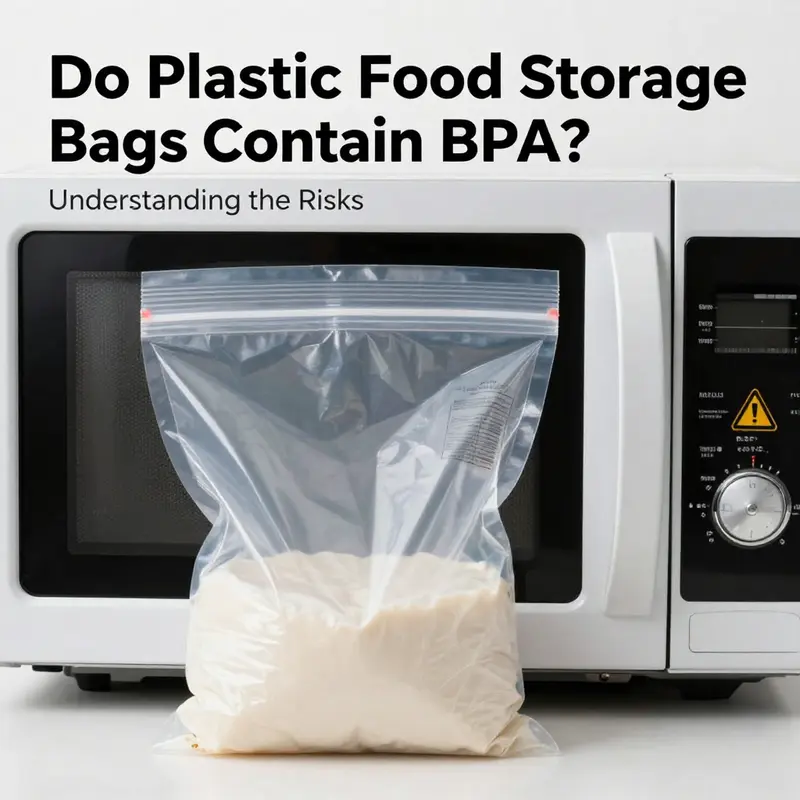
Everyday routines often involve transferring leftovers into plastic storage bags, then warming them in a microwave to save time. The practice feels convenient, almost invisible in its familiarity. Yet the microphysics of heat interacting with plastic is not a neutral backdrop to the kitchen. It is a process that can loosen the bonds holding additives in the material and push them into the food, especially when temperatures climb. The reality is more complex than a simple binary of BPA present or absent. Even when a bag is marketed as safe for cold storage, heat changes the equation, and the cascade of chemicals that may migrate into food becomes more likely as temperatures rise or as storage times extend. In that light, the chapter on heating plastic bags reads less like a checklist and more like a thoughtful reckoning with how everyday choices accumulate over time in ways that aren’t immediately obvious.
At the heart of the concern are the chemical additives used to tune plastic’s properties. Bisphenols, including BPA itself and its popular replacements such as BPS and BPF, have long been scrutinized for their potential to act as endocrine disruptors. When plastic is heated, those additives can migrate from the bag into the food that sits in contact with the surface. Heat provides the energy necessary to overcome the physical barriers that normally keep these substances in place, accelerating diffusion from the polymer matrix into whatever the bag is carrying. It’s not simply a question of whether BPA is present; it is a broader question about the suite of compounds that may behave similarly under heat and the extent to which food contact formulations have been comprehensively tested for health effects over time. The practical implication is clear: a bag labeled as BPA-free does not automatically guarantee a risk-free meal just because the temperature was modest or the exposure time brief.
This nuance matters because consumer labeling has evolved quickly, yet science moves more slowly. The term BPA-free has become a common shorthand for safer packaging, but the reality is that several replacements have entered the market in response to regulatory and public concerns. While BPS and BPF are often marketed as safer alternatives, they, too, carry endocrine-disrupting potential. The broader interpretation is that a label can mislead if it focuses on a single chemical while other compounds with similar biological effects are present and unassessed for long-term health outcomes. In practical terms, this means that relying on a single label becomes a hazard reduction strategy that may not adequately account for the full range of risks when heat is involved.
Material science adds another layer to the discussion. A great deal of plastic used for food storage is a thin, flexible material made from polymers like low-density polyethylene (LDPE). These bags are designed to be cost-effective and convenient for short-term, cold or room-temperature storage. They are not designed to withstand repeated high-temperature exposure or prolonged heating. When heat is introduced, the polymer matrix can begin to soften, creasing and microstructural changes may occur, and pathways open up that facilitate the migration of additives. The risk is not that every bag will suddenly release dangerous amounts, but that the probability of leaching increases with temperature and duration, and the baseline level of exposure over time can accumulate in subtle ways. This is why labeling that emphasizes heat resistance or microwave safety needs to be interpreted through the broader lens of chemical migration, not merely surface performance.
A useful way to think about this issue is through the distinction between “microwave-safe” and “food-safe” as applied to packaging. When a bag is described as microwave-safe, the manufacturer is signaling that the bag is unlikely to melt or warp under typical microwave conditions. That is a physical tolerance, not a chemical safety guarantee. The same bag can still release a small but meaningful amount of additives into hot food. In other words, the designation tells you about material integrity under heat, not about the absence of chemical migration. This distinction matters because consumers may assume that a microwave-safe label implies broader safety, which is not the case. In the end, the safest default remains to minimize or avoid heating plastic directly, especially in mode settings or forms designed for single-use, and to consider alternatives when safety is paramount.
Expert voices in public health emphasize that the dialogue around safety cannot hinge on one label alone. One widely cited perspective from a public health researcher notes that even BPA-free labels do not guarantee safety. Replacement chemicals have not been thoroughly tested for long-term health effects, and gaps in knowledge persist about how these substances interact with food matrices under heat. Those cautions are not a call to abandon all plastic storage, but a reminder to view packaging choices as part of a larger set of risk management decisions. The takeaway is not alarmism but informed restraint: when heat is involved, minimize exposure by choosing containers designed for safety across all relevant dimensions, not just those that appear to address a single chemical concern.
The practical implications extend beyond the kitchen’s edge. There is also a safety dimension related to cleaning and reuse. Soft, flexible bags can trap moisture and food particles in crevices, making thorough cleaning difficult. If residues remain, any subsequent use, especially with heat, can create an environment where bacteria or mold flourish. The combination of heat stress and microbial risk introduces a second pathway by which food safety can be compromised, independent of chemical leaching. This broader perspective helps explain why many safety guidelines advocate shifting away from plastic for heating or prolonged storage, even if the initial use was framed as benign.
What, then, should a careful consumer do? First, avoid heating plastic bags unless the manufacturer explicitly approves it for that purpose. If the container explicitly states microwave-safe for heating, still exercise caution: heat levels, food composition, and exposure duration all influence migration dynamics. A widely endorsed practice is to transfer contents to glass or ceramic containers before heating. Glass and many ceramics tolerate heat well and do not leach the same class of chemicals into food, making them a safer choice for hot storage or reheating. Reusable silicone bags present another alternative that blends durability with better chemical resistance than many thin LDPE bags, though even silicone is not entirely risk-free when heated to very high temperatures or exposed to certain foods, so it remains wise to consult manufacturer guidance.
Another layer in this decision-making is recognizing the value of third-party safety certifications. While the presence of a label like BPA-free should not be the sole basis for trust, third-party certifications for food contact safety can be a helpful indicator of compliance with recognized safety standards. These certifications serve as a proxy for a broader, more rigorous evaluation than a slogan printed on packaging. In practice, this means looking for products that have been evaluated by independent bodies and that provide clear testing information related to migration limits and contact with food. If a consumer weighs trade-offs between convenience and safety, a certified packaging option, even if slightly more expensive, can offer greater peace of mind in the long run. And when heat and long storage are involved, these considerations often become decisive rather than optional.
For readers seeking concrete, accessible guidance, a practical reference can be found through packaging resources that focus on safe handling and storage practices. One such resource that readers might explore offers a focused look at packaging choices and safety implications in everyday use. You can explore a representative example here: senang05-disposable-26oz-kraft-paper-soup-cup-bowl-with-paper-lid-takeaway-lunch-packing-takeout-food-packaging-bucket. This link provides context for how packaging choices extend beyond the kitchen to broader consumption and disposal considerations, underscoring the idea that safety is a system property, not a single feature.
Ultimately, the shift toward safer storage and heating practices rests on informed decision-making rather than fear-based avoidance. The science indicates that heat can increase chemical migration from plastics, that BPA-free labels do not automatically signal safety, and that the broad category of replacements may carry their own risks. It also reinforces the practical wisdom that more stable materials—glass for heating, ceramic for reheating, and silicone for reusable storage—toster the risks associated with heat and long-term storage. These recommendations align with a common-sense framework: minimize repeated heating of plastic, favor containers designed for high-heat use, and draw on third-party safety assurances rather than marketing slogans when assessing risk. In doing so, consumers can reduce exposure while preserving the convenience that makes plastic storage appealing in the first place.
For authoritative guidance on safe food handling practices, refer to the U.S. Food and Drug Administration’s official stance on food contact materials: https://www.fda.gov/food/food-contact-materials-articles/food-contact-materials
Final thoughts
In conclusion, while many plastic food storage bags are marketed as BPA-free, it’s essential to understand that this doesn’t automatically mean they are devoid of harmful chemicals. Safety certifications and material quality play a pivotal role. For food service businesses, considering alternatives such as glass and silicone can enhance food safety and customer trust. Equip your operations with knowledge and safer storage practices today for the well-being of both your customers and your business.