
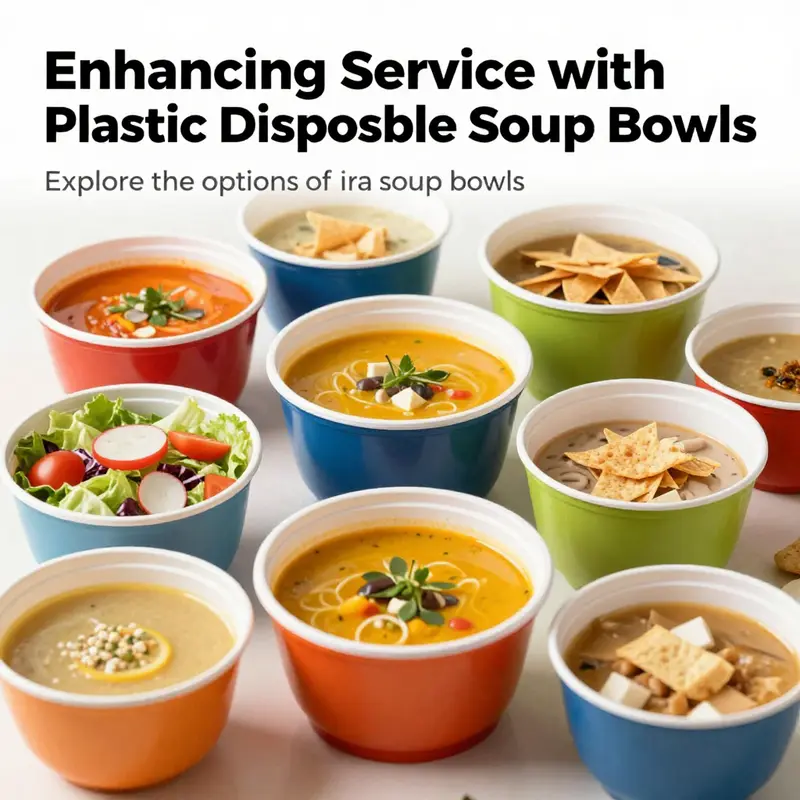
Plastic disposable soup bowls are essential for businesses across catering, restaurants, and food trucks, offering convenience and ease in service. Understanding the different types available is critical to selecting the best option for your needs. From cost-effective PS bowls to durable PP options and sustainable choices, each type has unique benefits and drawbacks that directly impact your service quality. This article will delve into PS, PP, and PET bowls while also exploring innovative sustainable alternatives to help you make informed decisions for your business.
Clear Yet Contested: Polystyrene Bowls and the Everyday Realities of Plastic Disposable Soup Service
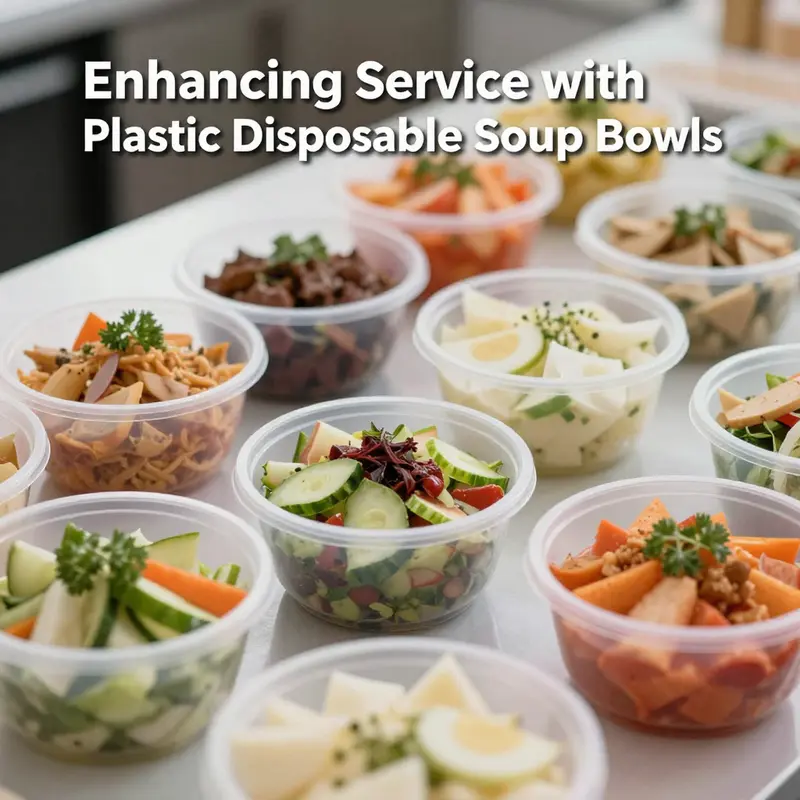
Polystyrene (PS) bowls sit at a paradoxical crossroads in the world of plastic disposable soup service. They are unmistakably common, instantly recognizable by their crisp, glassy clarity and their remarkably low price point. In the fast-paced tempo of catering, takeout, and buffet service, PS bowls have long been a reliable choice for presenting food efficiently while keeping costs predictable. They are light, rigid, and capable of holding a surprising amount of volume for their weight. This combination—clarity, strength, and affordability—has made PS a staple in many operations that rely on quick turnarounds, straightforward logistics, and the ability to serve guests in a disposable format without sacrificing the visual appeal of the dish inside. The simple elegance of a transparent shell gives diners an immediate view of the contents, which can be a subtle but powerful factor in how appetizing the food appears on the tray or at the buffet line. For events, casual takeout, and cafeteria-style service, that visibility translates into fewer moments of hesitation at the counter and a smoother flow of customers through service points. In that sense, PS bowls have a reputation built on pragmatic efficiency as much as on aesthetic clarity.
Yet this efficiency comes with notable caveats. The same material that delivers low cost and bright presentation is not inherently versatile across all temperature ranges. Polystyrene has relatively poor heat resistance. When heated above roughly 80°C (176°F), PS begins to soften and, in extreme cases, can deform or melt. This makes PS bowls unsuitable for hot soups that are loaded with steam or for any food that requires reheating in a microwave. The brittleness that makes PS light and economical also renders it susceptible to cracking or cracking under impact, especially when bowls are stacked or subjected to rough handling in busy kitchens or at crowded events. These physical constraints are not mere technical details; they translate to practical decisions about serving repertoire and service style. If a bowl is going to be exposed to hot liquids, or if it must withstand the rougher handling typical of large-scale catering, a different material—one with greater heat tolerance and structural resilience—may be more appropriate.
From a safety perspective, PS is described in industry guidance as BPA-free and compliant with standard food-contact requirements. The absence of BPA is important to many buyers who seek assurances about chemical exposure in everyday packaging. However, safety conversations around PS often extend beyond BPA to consider the broader chemistry of the material. When PS is subjected to heat or oily foods, there is ongoing discussion in industry and consumer safety circles about potential leaching of styrene compounds. While the precise risk profile depends on handling conditions and regulatory frameworks, the general caution is that longer exposure to heat or fatty foods can increase the likelihood of chemical migration from the container into the food. In practice, this pushes foodservice operators toward a straightforward rule: PS is most appropriate for cold or ambient-temperature dishes, light savory or sweet items, and other contexts where heat does not become a central factor in the dining experience.
Beyond safety and performance, the environmental footprint of PS bowls weighs heavily in many purchasing decisions. PS is not biodegradable, and it resists natural decomposition in the environment. The material’s persistence has made it a focal point for waste-management debates and policies aimed at reducing single-use plastics. Recycling realities add another layer of complexity. While some variants of polystyrene can be recycled, the availability of specialized recycling streams varies widely by region, and curbside recycling programs may not accept PS products in all communities. This disconnect between production simplicity, consumer convenience, and post-use fate creates a tension that operators must navigate when designing a service model. In practice, many venues weigh the cost savings and presentation advantages of PS against the long-term implications for waste streams, landfill burden, and regulatory expectations in their market.
The popularity of PS bowls also reflects a particular set of operational imperatives in foodservice. For many caterers and quick-service operations, speed of service, inventory management, and the ability to predict waste types and quantities drive material choices as much as the sensory appeal of the dish itself. PS bowls deliver measurable advantages in these areas: they are lightweight, which lowers packaging-related shipping costs and reduces the physical burden on staff during setup and replenishment. Their rigidity helps prevent leaks during transport and at service points, a practical benefit when serving salads, cold noodles, or sauces that are not yet hot enough to cause immediate deformation. The clean, translucent surface has a universal appeal in buffet lines and display stations where the food items are arranged to catch the eye. For some outlets, these functional wins are enough to offset the constraints around heating and sustainability, especially in settings where cold dishes and ambient-temperature foods dominate the menu.
Against this backdrop, many operators are also aware of the spectrum of alternative materials and designs that can fill different niches. PP bowls, for example, offer greater heat resistance, are microwave- and freezer-safe, and tend to be more durable under heat and repeated use. They are a common choice for hot meals and for kitchens that rely on reheating, where the ability to tolerate higher temperatures safely becomes essential. PET bowls provide exceptional clarity and higher impact resistance, aligning well with premium cold-food presentation where the food is not intended for reheating. Each material comes with a distinct trade-off: PS offers cost and visibility; PP offers heat resilience and versatility for hot and cold applications; PET emphasizes presentation and durability for cold items with high visual appeal. The decision matrix for foodservice operators thus becomes a balancing act between the temperature profile of the menu, the desired consumer experience, the pace of service, and the environmental or regulatory considerations that accompany each option.
Sustainability discussions in this space often point toward biodegradable or compostable alternatives, and the literature notes that some plastic soup bowls are paired with biodegradable coatings or used with paperboard substrates to reduce environmental impact. PLA-based coatings on food-grade paperboard, for instance, present an eco-friendly potential by enabling a compostable pathway for certain cold-to-room-temperature foods. For operations leaning into sustainability, such approaches provide a way to preserve the visual and functional advantages of disposable serving ware while signaling a commitment to environmental stewardship. At the same time, trade-offs emerge in the form of heat tolerance, barrier properties, and consumer expectations about the look and feel of the product. These trade-offs illustrate how material science and service design intersect in the everyday functioning of a foodservice operation.
In practice, the choice to use PS bowls often depends on the expected temperature of the dish, the pace and scale of service, and the restaurant’s or event’s disposal and recycling capabilities. PS’s strong suit is clearly presented in cold or ambient-temperature dishes—salads, cold noodles, desserts, and buffet-style crowd offerings where speed and presentation are paramount and the risk of heat-related deformation is negligible. In such contexts, PS can deliver a economical, crisp, and visually appealing presentation that makes the food look as fresh as possible on display. And for takeout contexts where the food remains at ambient temperature for a short period, PS can still satisfy customers who value a straightforward, inexpensive container without requiring reheating. The essential message for operators is simple: match the container to the temperature profile of the dish, the service model, and the post-service fate that aligns with their waste-management policies and customer expectations.
Within this broader ecosystem, it is instructive to acknowledge how a single material’s characteristics ripple through a service operation. The clarity of PS bowls is not just an aesthetic attribute; it also reduces the need for additional labeling or decorative presentation to identify the contents, which can be a practical advantage in high-volume environments. The material’s rigidity contributes to a reliable stacking and storage profile, allowing standardized packaging quantities and straightforward inventory forecasting. Still, that same rigidity becomes a limitation when space in transport or on the buffet line is constrained, or when staff must handle items with care to prevent cracking or denting during busy service periods. Uniformly, these operational realities—clarity, thin-walled rigidity, low cost, and limited heat tolerance—combine to shape a material choice that remains widely used but situationally constrained.
As operators consider their menus, they often compare PS with alternative packaging options in a way that reflects both practical and aspirational goals. The discussion is rarely about a single substitute, but rather about a portfolio of choices, each optimized for a segment of the menu. A hot soup, for instance, calls for a container with higher thermal tolerance and a microwave-safe designation. A premium cold dish destined for a high-visibility display may benefit from the pristine clarity of a PET bowl, which preserves product appeal while contributing a sense of premium presentation. A sustainability-forward operation might embrace PLA-coated paper or recycled-content plastics, seeking to demonstrate environmental responsibility even as they maintain service quality. In this spectrum, PS remains a fast, efficient, and familiar option—one that is often leveraged for its strengths and constrained by its weaknesses in equal measure.
For those who seek a middle path, there are practical, practical considerations that bridge the gap between performance and presentation. One such option is to balance PS with other materials within a mixed-ware strategy, reserving PS for cold offerings and using PP or PET where higher heat resistance or crystal clarity is required. This approach can also facilitate clearer messaging to customers about the type of container they are receiving, aligning expectations with performance. Optional design enhancements, such as reinforced walls on certain PS varieties or micro-thick wall variations, can improve leak resistance and rigidity for particular applications, though these tweaks typically come at a modest cost increase and must still respect the fundamental heat limitations of PS. In any case, the central decision remains a triad of performance, cost, and sustainability, with each operation prioritizing different weights according to their market, cuisine, and waste-management commitments.
The chapter on PS bowls thus sits within a broader narrative about material standards and how they translate into real-world practice across industries. The aim is not to sanctify one material but to illuminate how a single option—polystyrene—works within a system of choices. In doing so, it becomes evident that the value of PS emerges when it is deployed where its strengths align with the specific demands of the dish, the service model, and the customer experience. When the temperature profile of the dish is well-matched to the container’s capabilities, PS can deliver a consistently reliable consumer experience at a scale that many foodservice operations find indispensable. Conversely, when heat, reheating, or environmental considerations take precedence, the case for alternatives becomes more compelling. The industry’s ongoing dialogue about material performance, safety, and sustainability is not simply about who wins in a price war. It is about balancing a chain of decisions that starts with the food and ends with the waste stream, including the perception of value by guests who may judge the container as much as the contents.
In the spirit of facilitating informed choices without overwhelming the service narrative, it is helpful to recognize a spectrum of options rather than a single “best” path. A paper-based option with a light coating or an alternative plastic that combines clarity with enhanced heat resistance can answer a specific need without discarding the advantages of a clean, disposable format. For venues seeking to preserve the visual appeal of the food while rethinking end-of-life outcomes, there is growing interest in hybrid strategies that integrate compostable or recyclable components in a manner that aligns with local waste-management capabilities. The essential takeaway for practitioners is clear: understand the temperature profile of your menu, the reliability requirements of your service model, and the environmental context in which your operation exists. Then select the container not as a standalone item, but as a piece within a system that delivers consistent, quality food experiences from kitchen to table to disposal.
For readers exploring the broader landscape of packaging options, a practical note is to consider alternatives that offer similar presentation benefits with different heat and disposal characteristics. A relevant example within the coverage of modern supply options is the paper soup cup with lids discussed in contemporary materials discussions. This hybrid reference point helps illustrate how foodservice operators can reassess front-end presentation while aligning with back-end processes, such as recycling streams or composting infrastructure, that affect the product’s ultimate environmental footprint. In this sense, PS bowls can be viewed as one instrument in a broader orchestra of packaging choices, each instrument tuned to a particular song—the dish, the service speed, the guest’s expectations, and the environment in which the meal is enjoyed.”
Polystyrene’s Counterpoint: The Enduring Role and Design Promise of PP Bowls in Plastic Disposable Soup Bowls
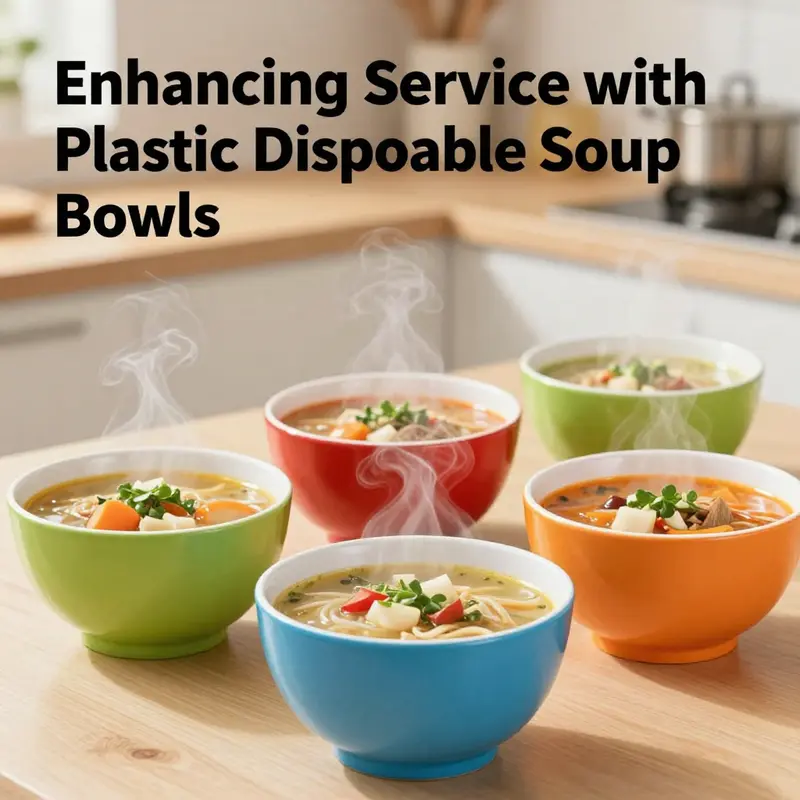
The rapid rise of plastic disposable soup bowls in modern food service rests on a simple, stubborn truth: the container must do more than hold, it must perform. Among the spectrum of materials, polypropylene—commonly abbreviated as PP—has emerged as a workhorse for soups, broths, stews, and other hot liquids that demand reliability, speed, and efficiency from a single-use package. In the bustling cadence of a restaurant line, a takeout counter, or a catered event, PP bowls offer a blend of heat tolerance, structural integrity, and economy that aligns with the practical realities of mass food service. Yet behind every glossy lid and every clear sidewall lies a careful balance of chemistry, engineering, and environmental consideration that shapes not only how foods look and feel, but how they travel from kitchen to consumer while preserving safety and quality.
PP bowls are typically manufactured from food-grade polypropylene, a thermoplastic known for its distinctive combination of heat resistance and resilience. They are designed to withstand the thermal onslaught of hot soups, curries, and gravies, and many are certified as microwave- and, in some cases, freezer-safe. This performance capability is not merely about keeping contents warm; it is about preserving texture and flavor during transit and service. When a consumer walks from the restaurant to the car, the container must not soften, warp, or delaminate under the pressure of hot liquids or during short-term exposure to microwaves. PP’s heat stability—capable of withstanding high temperatures without compromising the structural integrity of the walls—translates directly into fewer leaks, less handling risk, and a more consistent user experience. In practical terms, this means a bowl that can hold a steaming bowl of noodle soup and then be safely reheated in a microwave without degrading the container or the meal inside.
The visual clarity that PP can offer is another crucial feature. A well-executed PP bowl often presents with a level of translucence or at least a clean, smooth surface that makes the food’s color and texture legible. This visual visibility matters in a crowded display or on a crowded table where the appeal of the dish can influence a customer’s choice. The ability to see layers, swirls of garnish, or the caramelized edges of a hearty sauce can meaningfully enhance perceived quality. At the same time, PP’s chemical stability contributes to reliable performance when foods are oily or acidic, a common factor in soups and sauces. Unlike some materials whose properties shift with exposure to such constituents, PP maintains its structural and chemical integrity, reducing the risk of off-flavors, staining, or surface degradation that could compromise safety or presentation.
Durability in transport is not just about resisting the heat but about resisting the bumps and jolts of the supply chain. PP bowls boast resistance to cracking and warping under typical handling stress. This resilience is particularly important for heavy or chunky soups, where the container must hold its shape despite shifts in contents and the movement of packaging carriers. The result is a container that can confidently bear the journey from kitchen to curbside pickup, across delivery networks, and onto banquet tables without surrendering to leakage or deformation. That robustness also translates into practical cost efficiency. In settings that require high-volume utilization—catering services, campus dining, corporate events, and large-scale takeaway operations—the ability to reuse or reprocess PP bowls (where permitted by local recycling streams) hinges on a predictable performance profile. When containers can be produced at scale, delivered with consistent thickness and shape, and used across multiple service cycles, the total cost per meal can be reduced without sacrificing safety or quality.
From a manufacturing perspective, the economics of PP bowls reflect a careful optimization of resin cost, process efficiency, and waste management. PP is relatively inexpensive to produce at scale, and it lends itself to high-speed extrusion and molding processes that yield uniform components with tight tolerances. The downstream advantages—such as less material waste, reduced breakage during manufacturing, and compatibility with standard filling lines—collectively contribute to lower unit costs in the right production environment. These economies are particularly salient in bulk purchases for restaurants, cafeterias, and event organizers who seek predictable pricing and reliable supply across peak seasons. Yet, as with all single-use plastics, the life cycle isn’t simply one of production and use. End-of-life handling, recycling options, and the potential environmental footprint are central to how PP bowls fit into broader sustainability strategies.
In environmental terms, the PP family occupies a nuanced position. On the one hand, PP is not biodegradable in the conventional sense, which raises valid concerns about waste generation. On the other hand, PP is commonly categorized as recyclable in many municipal streams, identified by a recognizable resin code that signals its suitability for recycling programs where such infrastructure exists. The practical implication is that end-of-life outcomes depend heavily on local recycling capabilities and consumer participation. In facilities with robust polypropylene recycling, used PP bowls can re-enter the production cycle as feedstock for new containers or other polypropylene products, closing the loop to a degree. The industry continues to explore and pilot more sustainable approaches, including the use of recycled PP, the integration of post-consumer recycled content, and, where feasible, designs that facilitate easier sorting and processing at end-of-life.
From the consumer’s vantage point, PP bowls offer a set of tangible advantages. The heat resistance supports direct serving of piping hot dishes without the need for protective barriers that would otherwise complicate handling. The microwave-safety aspect—where confirmed—enables a convenient reheating option, which is often essential for takeout and leftover consumption. The overall feel of a PP bowl is a blend of comfort and confidence: a sturdy, graspable container that reduces the risk of tipping or spill, even when sauces are thick or when the container is carried by busy hands on the move. These practical attributes contribute to customer satisfaction, which in turn reinforces the role of PP bowls as a dependable choice for food operators who prioritize reliability, speed, and a clean, appealing presentation.
Of course, no discussion of PP bowls is complete without acknowledging the broader competitive landscape. In the same family of single-use options, polystyrene (PS) bowls have historically offered an ultra-lightweight, cost-effective solution that is well suited for cold or room-temperature foods. PET bowls, with their crystal clarity and strong impact resistance, often target premium presentations for salads, dips, and other cold dishes. Each material—PP, PS, PET—has a distinct performance envelope, and savvy operators weigh these envelopes in concert with the menu, service model, and customer expectations. PP’s strength lies in hot-food compatibility, durability, and cost efficiency at scale, making it a particularly compelling default for soups and warm dishes in many service contexts. Yet the choice is never purely technical; it sits alongside considerations of sensory appeal, display, and the logistical realities of the operation.
In practice, many facilities not only rely on plain PP bowls but tailor configurations to suit different service needs. For hot soups with dense gravies, reinforced or heavier-walled PP bowls may be selected to minimize leak risk and deformation under transport. For more delicate or premium cold offerings, clearer PP variants can enhance product visibility while still delivering the performance required for light reheating or short-term cold storage. The design nuance—wall thickness, ribbing for stiffness, lid compatibility, and edge comfort for handling—plays a critical role in how well a PP bowl integrates into a broader system of serviceware. A container designed with thoughtful geometry reduces the likelihood of leaks, facilitates efficient packaging and stacking, and contributes to a more stable fulfillment process during peak periods.
From a sustainability lens, the PP story is not a simple, one-way narrative. It is a signal of how the industry is reconciling convenience with responsibility. Some operators pursue reusable or returnable systems for high-volume use, a model that reduces waste but requires infrastructure for collection, cleaning, and redistribution. Others lean into recyclable PP streams, with certifications or in-house programs that encourage customers to participate in proper disposal. In between, developments in materials science pursue alternatives that could complement or complement PP’s role, including biodegradable coatings or paperboard-based solutions with PLA or other bio-based layers. These paths reflect a broader shift toward packaging that preserves food integrity while minimizing environmental impact, even as the palate remains anchored to the practical realities of single-use convenience where required by time, safety, and hygiene standards.
Throughout this evolving landscape, a careful, data-informed approach to material selection remains essential. Operators must evaluate the thermal profile of their menu, the expected duration of container use, the handling environment, and the end-of-life options available to their customers. PP bowls, with their proven performance in hot-food contexts, stand out as a sensible default in many scenarios. They offer a pragmatic balance of heat tolerance, strength, and cost; they provide enough clarity or opacity to support the brand’s visual strategy; and they align with routine manufacturing and packaging processes that food preparers already operate. Yet no single solution is universally optimal. The decision often hinges on the specific service model, whether it is dine-in, takeout, or delivery, and on the availability of recycling or recovery programs that can responsibly process polypropylene waste.
Looking ahead, the trajectory of PP bowls will be shaped by ongoing innovations in materials science, circular economy initiatives, and policy frameworks that encourage sustainable packaging practices. Manufacturers are exploring higher recycled-content PP formulations, barrier coatings that preserve taste and reduce moisture ingress, and lid designs that improve sealing without complicating recyclability. Consumers, too, are increasingly discerning about the packaging that accompanies their meals, influencing demand for clarity about material composition, recyclability, and the environmental footprint of their takeout choices. In a marketplace that prizes speed and simplicity yet is increasingly motivated by stewardship, PP bowls serve as a hinge between practicality and responsibility. They embody a set of core capabilities that respond to current needs while remaining adaptable to future improvements in safety, performance, and sustainability.
That adaptability is perhaps most visible in the broader ecosystem of accompanying packaging, where PP bowls—paired with compatible lids, sleeves, and compartments—form a coherent system for hot, saucy, or chunky foods. Effective lid designs that seal securely help prevent spills, preserve heat, and maintain presentation, all while reducing the potential for consumer disappointment. The shape and construction of the bowl also influence how easily it stacks for transport, how efficiently it fills in a line, and how readily it can be sorted for recycling after use. In other words, PP bowls do more than hold soup; they help orchestrate the choreography of a service operation, from prep through consumption to disposal, with a design language that emphasizes reliability, efficiency, and a clear line of sight to the meal inside.
In sum, PP bowls occupy a pivotal position in the landscape of plastic disposable soup bowls. They embody a rational compromise among heat resistance, durability, and cost, while carrying the weight of ongoing conversations about environmental impact and end-of-life responsibility. For operators who need a dependable container that can travel with hot liquids, withstand the rigors of busy service settings, and deliver consistent performance across thousands of servings, polypropylene remains a compelling choice. And as alternative materials evolve and recycling streams expand, PP will continue to adapt, offering a stable platform on which the future of convenient, safe, and responsible single-use packaging can be imagined and realized. The conversation around PP is not a retreat from sustainability but a continuing, data-driven negotiation about how best to balance performance with responsibility in a world where meals travel farther, faster, and more frequently than ever before. For practitioners seeking additional perspectives on packaging variants that complement PP or illustrate its broader family context, a related reference point can be found on a page discussing sustainable round kraft-paper soup bowls and their eco-friendly packaging features: senang05-promotion-large-porridge-350ml-double-wall-eco-friendly-disposable-round-kraft-paper-soup-bowl-with-lid-cup-bucket. This resource, while distinct in material emphasis, underscores the same operating environment where reliability, safety, and environmental considerations converge in modern food service. The broader literature in this space also points to the ongoing importance of robust, scalable PP solutions for hot-food contexts, a topic that resonates with industry guidance and supplier catalogs alike. For researchers and practitioners seeking a broader market snapshot, see the supplier-focused overview of PP-based disposable soup bowls in bulk, which highlights production scale, certification considerations, and application contexts. https://www.alibaba.com/product-detail/In-Bulk-PP-Plastic-Soup-Bowl-1k-Plus_1600452397862.html
Crystal Clarity and Practical Use: PET Bowls in Disposable Service
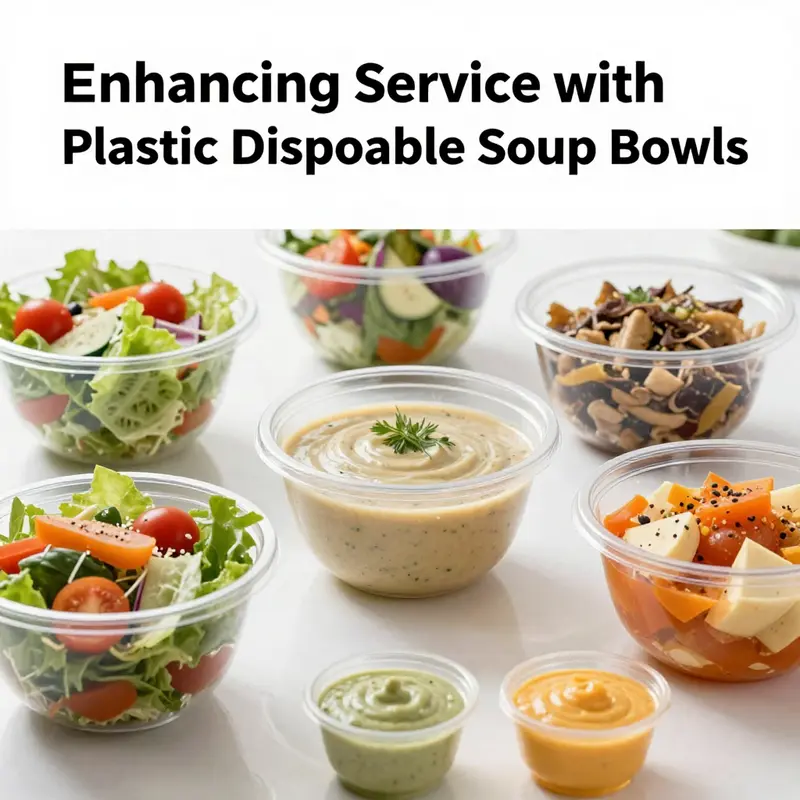
PET bowls offer crystal clarity, lightness, and reliable shatter resistance, making them popular for cold salads, dips, desserts, and ambient-temperature servings where presentation matters. PET, or polyethylene terephthalate, provides near-glass transparency and a smooth interior that helps showcase food while staying easy to handle and stack. However, PET’s heat tolerance is limited; hot liquids can deform PET above about 65°C (149°F), so hot soups are typically served in materials with greater heat resistance such as polypropylene. In cold-service applications, PET’s barrier properties help maintain moisture and reduce condensation, supporting a clean, appetizing display. The sustainability angle depends on local recycling streams and consumer participation, since PET is widely recyclable under code #1 but recovery varies by region. Designers balance clarity, weight, cost, and recyclability, often using PET for cold or room-temperature items and turning to PP or other heat-tolerant options for hot-served foods. Advances in coatings and barrier technology may broaden PET’s use, but its core strength remains: visibility, lightness, and ease of handling for cold presentations.
From Disposable to Durable: Reimagining Plastic Soup Bowls for a Circular Future
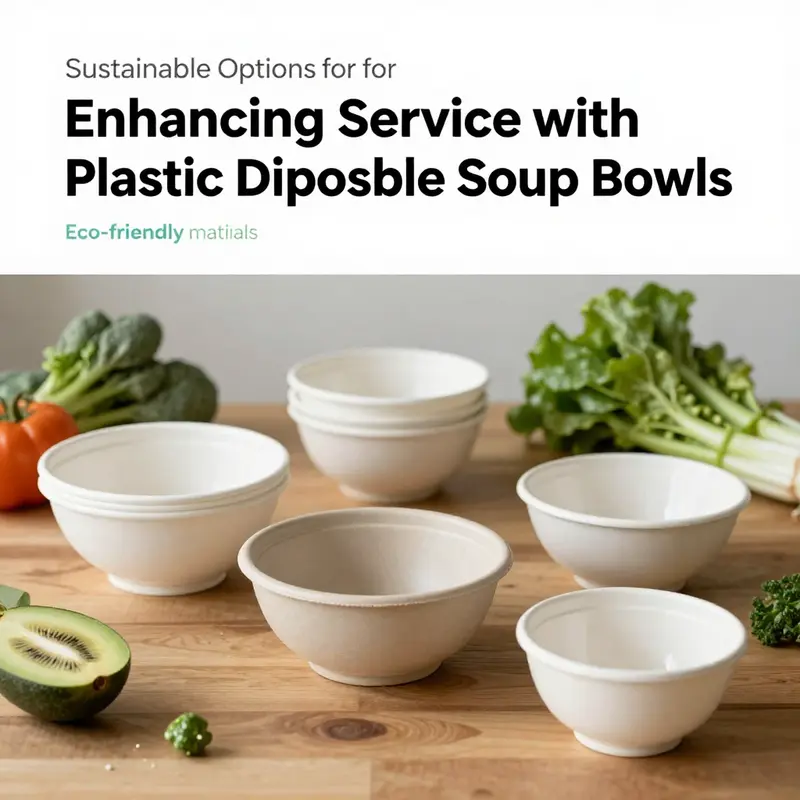
A disposable soup bowl, once a simple convenience, now sits at the crossroads of practicality, hygiene, and environmental accountability. In kitchens and service counters around the world, these small vessels carry big implications. They must withstand heat, prevent leaks, and maintain a clean appearance while also aligning with a growing demand for materials that do not burden landfills or waterways. The evolution from a purely disposable mindset to a more circular approach begins by recognizing that the challenge is not merely one of choosing a different plastic, but of rethinking the entire lifecycle of a container designed for single use. When we widen the lens beyond immediate costs and close-then-open cycles of service, we see a spectrum of material options that promise better environmental performance without sacrificing the qualities that make soup, sauces, and broths portable in the first place. The aim is to balance performance, safety, and responsibility in a single, practical package that foodservice operators can adopt at scale and consumers can accept without compromise.
The conversation about sustainable bowls starts with material science, where the drivers are clear: renewable feedstocks, better end-of-life outcomes, and improvements in the energy and waste footprints of production and disposal. Plant-based bioplastics, natural fiber composites, and modified starch-based materials together form a portfolio of options that address different niches in the takeout and food-service ecosystem. Each option carries its own set of trade-offs, and none is a one-size-fits-all answer. Yet, when combined into a diversified strategy, they can substantially reduce reliance on fossil fuels, lower greenhouse gas emissions, and cut the volume of non-biodegradable waste entering municipal streams. This is not a question of pure substitution; it is a matter of design thinking, process upgrades, and coordinated waste-management planning that together enable a more sustainable practice without eroding the quality users expect from a sturdy food bowl.
Among the most discussed paths is the shift to plant-based bioplastics. Polymers derived from renewable resources such as corn starch or sugarcane offer a compelling narrative: they replace petrochemicals with feedstocks that can, under proper conditions, decompose more readily than traditional plastics. The appeal lies not only in the source of the material but in the potential to align with industrial composting infrastructure that some regions have already developed. The logic is straightforward: if a bowl is designed to be composted in an industrial facility, it can contribute to a system that channelizes organic matter away from landfills and toward nutrient recovery. Yet the reality is more nuanced. Commercial composting facilities have specific temperature, moisture, and residence-time requirements. If a PLA-based bowl winds up in a standard municipal compost bin or, worse, in a recycling stream, its end-of-life performance can be compromised. The environmental benefit thus hinges on proper waste sorting, consumer participation, and the availability of appropriate processing capacity in the local ecosystem. In practice, this means a company can pursue PLA-based options as part of a broader strategy, but it must also invest in education, clear labeling, and partnerships with waste providers to ensure that the bowls reach the intended fate.
Another promising path emphasizes natural fiber composites drawn from abundant agricultural byproducts. Bagasse, the sugarcane pulp left after juice extraction, represents a compelling case study in renewable, high-strength materials. When molded into bowls or lunch-tray formats, these fibers offer robust performance: heat tolerance, dimensional stability, and a barrier that helps contain sauces and oils. The inherent strength of bagasse makes it suitable for heavy-duty or divided designs, where a thicker wall and better edge integrity reduce leakage during transport. The benefit profile expands further when considering end-of-life outcomes. Bagasse is intrinsically compostable in many industrial settings, and it leverages a waste stream that would otherwise be discarded. The carbon footprint of production can also be favorable relative to plastics, particularly when energy sources for manufacturing are aligned with lower-emission profiles. To illustrate the practical potential of bagasse in consumer-facing formats, imagine a self-erecting, multi-compartment tray that uses sugarcane pulp as its base material. Such designs, while still developing toward mass production, demonstrate how agricultural byproducts can be transformed into durable, user-friendly packaging that reduces waste generation from the outset. For readers curious about tangible bagasse-oriented products and how they might appear in a kitchen lineup, consider this example: bagasse-sugarcane-biodegradable-self-erecting-lunch-box-for-sushi-snacks-3-4-5-compartment-takeaway-food-tray-15g-30g-50g. This reference points to a category of containers where the material choice complements the purpose-built architecture of the container itself, prioritizing leak resistance, stackability, and compostability in harmony.
Bamboo fiber also emerges as a compelling option within natural-fiber ecosystems. Research into bamboo fiber composites highlights not only their strength but also the speed at which they can break down under appropriate conditions. In some evaluations, bamboo-based products can decompose within about two months, and their production pathways have the potential to reduce carbon emissions substantially compared with conventional plastics. The allure is twofold: the material offers mechanical performance capable of withstanding the rigors of hot soups, and it does so with a much different environmental footprint. The story, however, is not entirely uniform across all bamboo-based formats. Variability arises from processing methods, additives, and the precise nature of any coatings or barrier layers used to repel fats or oils. Like other sustainable options, bamboo fiber bowls demand careful attention to end-of-life infrastructure—whether industrial composting or specialized biodegradation facilities—to ensure that the environmental promise is realized. Yet even with these caveats, bamboo fiber stands out as a feasible, scalable route for bowls designed to minimize the long-term ecological impact of disposable serviceware. The broader implication is clear: as producers and operators refine formulations and designs, bamboo fiber contributes meaningfully to a material repertoire that respects both performance needs and planetary boundaries.
Modified starch-based materials, often derived from crops like cassava, add another dimension to the sustainability conversation. In practice, cassava-based matrices can deliver a combination of heat resistance and oil tolerance that supports hot soups and even microwavable use in some designs. A key attribute of these materials is that they can be engineered to behave similarly to conventional plastics in the hands of a consumer, while still offering biodegradability under industrial conditions. The performance envelope includes resilience to high temperatures, the capacity to resist oil intrusion, and the potential for compostable disposal after use. The challenge resides in ensuring stability during storage and transport, particularly in humid environments, and in guaranteeing that the product adheres to stringent food-safety standards across a range of culinary applications. The adaptability of cassava-based formulations enables manufacturers to tailor wall thickness, barrier properties, and surface roughness to suit different soups—ranging from clear broths to richer, chunkier sauces—while maintaining an exterior that remains visually appealing and easy to handle. In practice, bowls fashioned from modified starch materials can be designed to meet the needs of both hot and cold offerings, creating a versatile component in a sustainable packaging portfolio.
This trio of material pathways—plant-based bioplastics, natural fiber composites, and modified starch-based materials—does not imply a singular solution, but rather a spectrum of opportunities that can be deployed in concert. The real-world decision for a foodservice operation hinges on a constellation of factors: the typical temperature and density of contents, the desired shelf life, the available waste-management infrastructure, and the capacity to educate staff and customers about correct disposal. For some operators, a PLA-based option coupled with clear labeling might be ideal for certain cold or room-temperature dishes where composting facilities exist nearby. For others, bagasse or bamboo-based bowls offer robust performance for hot foods, with the added advantage of a more straightforward pathway to composting where industrial facilities are accessible. In still other contexts, cassava-based formulations provide a balanced blend of heat tolerance and biodegradability that can support both hot soups and oil-rich sauces without compromising safety or performance. The common thread across these choices is not only the material itself but the design mindset that accompanies it: create packaging that aligns with waste streams, that minimizes embedded energy, and that collaborates with waste managers to close the loop over time.
To translate these concepts into practical outcomes, it is essential to connect material selection with product design, packaging architecture, and operational workflows. A bowl is not a passive container; it is an interface between food, consumer experience, and waste management. The most effective sustainable options often involve integrated solutions where the bowl, its lid, and any coatings are engineered to work together in a specific end-of-life scenario. Barrier coatings, for instance, may be necessary to protect contents from oil migration or moisture intrusion. But layers must be chosen with recyclability or compostability in mind. Adhesives, printing inks, and colorants should be formulated so they do not compromise compostability or recycling streams. In practice, this means a thoughtful alignment of materials, processing technologies, and municipal or regional waste infrastructure. It also means transparent labeling so that customers can sort products correctly, which is a nontrivial behavioral shift and perhaps the most critical hinge on the path to real environmental gains. As producers pilot new materials and as operators test broad-scale adoption, the interplay of design choices and waste-management capabilities becomes the defining factor in whether these sustainable bowls deliver on their promise.
A practical illustration of how these ideas come together in real-world production is the integration of fiber-based bowls with multi-compartment designs. The strength of bagasse or bamboo fibers can support heavier walls and more robust edges, reducing the risk of leaks during transit. Meanwhile, cassava-based options can be formulated to resist heat and oil, enabling compatibility with both hot soups and quick-service microwaving in cases where reheating is required. The combination of durable geometry and sustainable material can yield a product that performs as reliably as conventional bowls but leaves a lighter environmental footprint at the end of its life. For readers seeking a tangible example of this approach, consider exploring the concept of bagasse-based, multi-compartment bowls that maintain structural integrity while offering compostability in suitable facilities. The idea is not to replicate plastic exactly but to offer a credible alternative that fits into a modern circular economy mindset. Readers can learn more about specific bagasse-based designs and how they might fit into a program designed to reduce waste and lower lifecycle emissions, appreciated by customers who value responsible packaging as part of a company’s overall sustainability story.
The broader takeaway is that the future of plastic disposable soup bowls lies in a diversified materials portfolio, coupled with design ingenuity and system-level waste management. This approach acknowledges the realities of today’s waste streams while pushing the boundaries of what is technically feasible and environmentally responsible. It invites foodservice operators to rethink procurement strategies, invest in education and labeling, and partner with waste-management providers to ensure that the end-of-life destiny of each bowl aligns with its intended environmental outcome. In this sense, a sustainable bowls program resembles a carefully choreographed supply chain where material choice, product design, and consumer behavior converge to realize meaningful environmental benefits. The pathway is iterative and collaborative, requiring ongoing assessment, data gathering, and adaptation as technology and infrastructure evolve. Yet the momentum is clear: the move from a purely disposable paradigm to a spectrum of sustainable options can reshape both the footprint of foodservice packaging and the way end users perceive the practical, everyday act of enjoying a hot soup on the go.
For those who want a concrete illustration of how these ideas translate into market-ready options, the evolving catalog of sustainable materials includes multi-component designs that leverage the strengths of each material class. While no single solution dominates, the synergy among bioplastics, natural fibers, and modified starch systems can be tailored to match specific food types, service formats, and disposal capabilities. A practical takeaway for readers who manage or influence packaging programs is to begin with a materials map—a simple chart that links typical soup temperatures, oil content, and handling conditions to the most suitable material family. This map can guide purchasing decisions, inform labeling strategies, and help align the packaging with the waste-management infrastructure available in a given region. As consumer expectations shift and regulatory landscapes tighten, such a map becomes a strategic asset, enabling more resilient and sustainable operations without sacrificing the quality and reliability that diners expect from takeout bowls.
In summary, sustainable options for plastic disposable soup bowls rest on three pillars: renewable feedstocks that reduce fossil fuel dependence, natural fibers that unlock robust performance with favorable end-of-life prospects, and starch-based materials that provide a versatile, microwavable pathway to compostability. Each path carries distinct advantages and constraints, and the most durable, scalable solutions will likely emerge from a blended strategy that uses the right material for the right application, supported by clear consumer guidance and a well-structured waste-management plan. The result is a practical, responsible evolution of a familiar product—one that preserves the convenience of single-use service while advancing toward a circular economy. By embracing this broader view, foodservice operators can translate sustainability from abstract principle into everyday practice, creating bowls that perform well today and help shape a more sustainable tomorrow. For a tangible glimpse into how some natural-fiber options are moving from concept to commerce, explore this example: bagasse-sugarcane-biodegradable-self-erecting-lunch-box-for-sushi-snacks-3-4-5-compartment-takeaway-food-tray-15g-30g-50g. This reference invites readers to consider the concrete form that sustainability can take in everyday packaging and to imagine how such designs might integrate with existing menus, kitchens, and waste streams across various industries.
Looking ahead, the success of sustainable soup bowls will hinge on a collaborative ecosystem. Material science, manufacturing efficiency, restaurant operations, consumer education, and municipal waste policy must align. When these forces work together, the promise of a circular future for disposable bowls becomes not only possible but practical. The journey demands careful evaluation of production processes, the availability of composting or recycling options, and the readiness of the market to embrace a different set of expectations about what it means to dispose of a soup bowl after a meal. Yet the goal remains straightforward: to reduce environmental impact without compromising the reliability, safety, and convenience that make disposable bowls indispensable today. In this spirit, the trajectory toward sustainability is less about abandoning familiar forms than about reimagining them—designing bowls that perform as well in a hot cup of soup as they do in a waste stream that keeps resources circulating rather than ending up as waste. The future of plastic disposable soup bowls, therefore, lies in thoughtful material selection, adaptive design, and a collectively managed end-of-life pathway that together support healthier products, cleaner environments, and a more resilient foodservice system.
External resource: For a broader perspective on environmental management standards that guide these shifts, see ISO 14001. https://www.iso.org/iso-14001-environmental-management.html
Final thoughts
Selecting the right type of plastic disposable soup bowls can significantly enhance service in food and beverage sectors, catering to various needs while ensuring quality and sustainability. By understanding the benefits and limitations of PS, PP, and PET bowls, along with the innovative approaches to sustainability, businesses can make informed choices that align with their operational goals and customer expectations. Looking ahead, prioritizing these factors will not only improve service efficiency but also contribute to broader environmental efforts.