

Managing cleanliness and safety in your food service operation is vital. Plastic food containers are widely used for their convenience, but putting them in the dishwasher isn’t always risk-free. Throughout this article, we will explore the potential hazards associated with using plastic containers in dishwashers, the effects of high temperatures, concerns about chemical leaching, best practices for maintaining these containers, and how they stack up against glass and stainless steel. By the end, you will have the knowledge to make informed decisions about the use of plastic food containers in your restaurant, café, or food truck, ensuring both safety and longevity.
Rethinking Plastic in the Dishwasher: Heat, Wear, and Hidden Risks
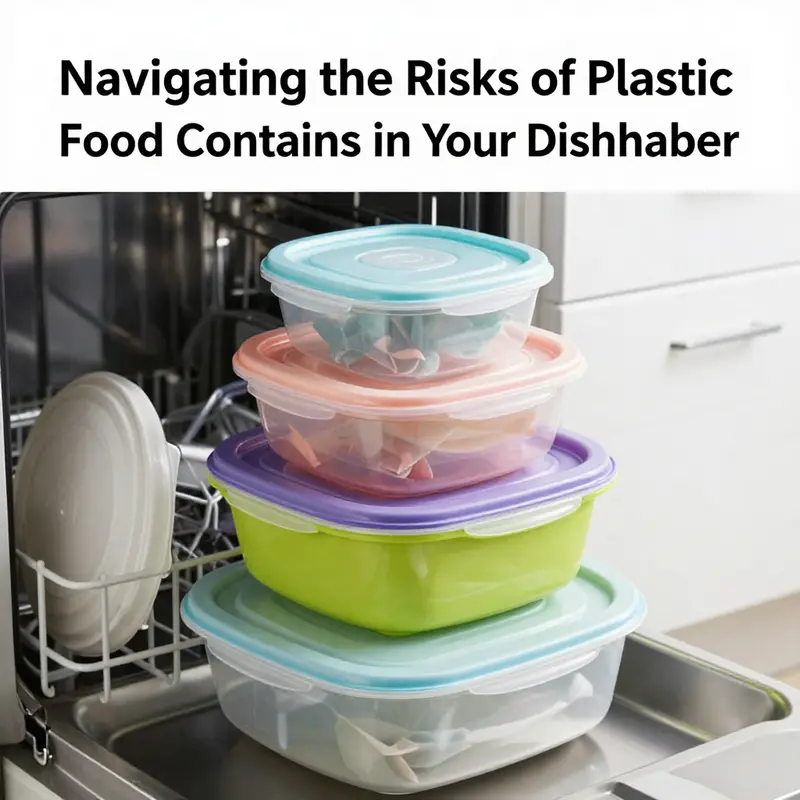
Dishwashers speedily clean, but repeated exposure to heat, detergents, and jet streams can alter plastic containers. Over time, micro-scratches, clouding, and warping may appear, raising questions about safety and sanitation. Even labeled as dishwasher safe, plastics often endure cumulative stress that can affect performance and potentially release additives into food. Hot foods, fatty sauces, and acidic items exacerbate these effects, especially when containers are used repeatedly.
Empirical observations show plastics shed microplastics during cycles, contributing to wastewater. While the exact health implications are still being studied, precautionary guidance suggests limiting high-heat exposure and considering durable materials like glass, ceramic, or stainless steel for reheating or long-term storage.
Practical recommendations include using the upper rack, avoiding abrasive scrubbers, and retiring any container that shows cracks, discoloration, or roughness. The overarching message is to view the dishwasher as a powerful tool for cleaning, not a universal partner for every plastic item.
Finally, diversify materials and be mindful of labeling; treat dishwasher labels as guides, not guarantees. When in doubt, opt for non-plastic storage for hot foods and reformulate routines to minimize exposure to repeated high-heat cycles.
Heat, Wear, and Waste: How High-Temperature Dishwashing Alters Plastic Food Containers
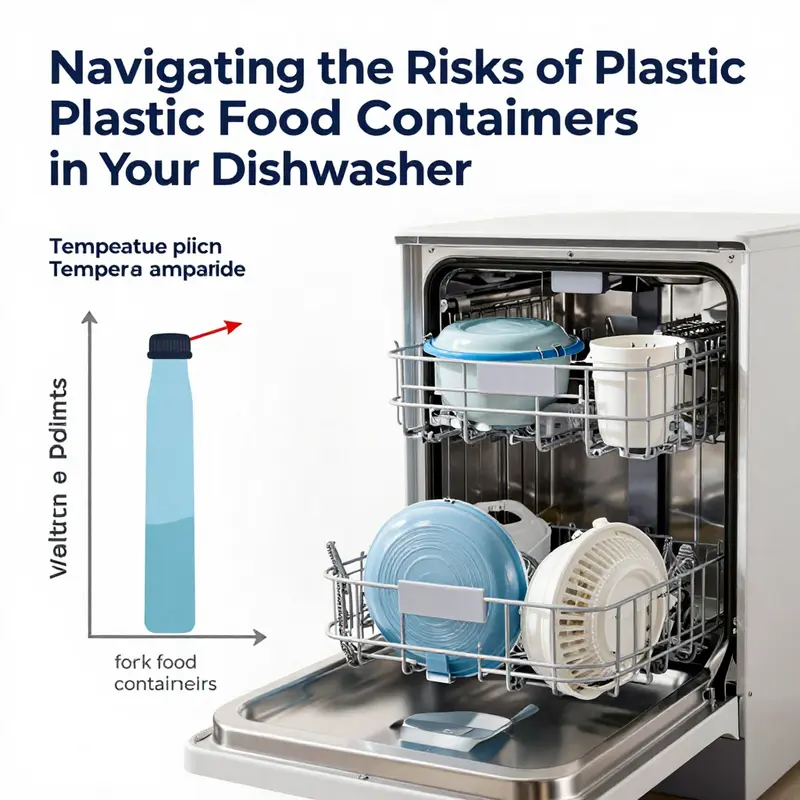
The dishwasher promises convenience, but beneath the spray and drying cycles lies a quiet test of material endurance. When a plastic container meets the interior of a modern dishwasher, it is bathed in hot water, detergents, and continuous mechanical action. Temperature varies with cycle choices, load size, and machine age. In many households, temperatures routinely exceed 60 C, and in extended heavy cycles they climb higher. This thermal environment does more than sanitize; it accelerates what scientists call thermal aging. The result is a creeping transformation in the plastic itself: microscopic cracks, slight warping that affects lids or seals, a roughness that changes how the surface feels, and cloudiness that dulls the container. These changes may begin subtly but accumulate with each cycle, especially for plastics not engineered for repeated heat exposure and caustic cleaners. Practically, these physical alterations create new opportunities for bacteria to linger in nooks and crannies, since rough surfaces offer more refuge than smooth ones. The clean appearance of a newly washed container can be deceptive; the interior may already harbor defects that compromise safety and hygiene over time.
The fate of a plastic container inside a dishwasher depends on the type of plastic. Polypropylene (PP), often labeled as a #5 plastic, is frequently singled out as relatively robust against heat and dishwasher action. It has a higher melting point than many other common plastics, and its resistance to hydrolysis and thermal stress is well-regarded by manufacturers who test containers under repeated cycles. This is not a universal guarantee, however. Even PP is not immune to long-term degradation, and its performance depends on resin quality, additives, wall thickness, and the exact temperature profile inside the machine. Other plastics, such as PET (the #1 family) and PS (the #6 family), are more prone to warp or degrade under the dishwasher’s regimen. PET containers, common for beverages and some food packaging, can soften or deform at high temperatures, especially when walls are thin. PS is more susceptible to crazing or cracking under thermal stress.
These differences translate into practical consequences: warped lids that no longer seal, containers that no longer nest neatly, or lids that no longer snap on securely, creating leaks and a less efficient rack arrangement. The varied responses of plastics to heat help explain why many manufacturers publish dishwasher-safe labeling for specific products, while advising users to monitor signs of wear. The label is a guide, not a guarantee, and it presumes a certain number of cycles under normal household use, not a decade of daily washing.
Beyond obvious damage, high temperatures influence chemical behavior inside the container. Heat increases polymer mobility, which can loosen constraints around additives or plasticizers used to improve flexibility or clarity. The consequence is a higher likelihood that certain chemicals migrate from the container into food. Bisphenols such as BPA and phthalates have drawn attention due to potential endocrine-disrupting effects. Many products are labeled BPA-free or phthalate-free, but the concern remains relevant for containers that have endured numerous cycles and aging. The risk is not uniform across all plastics; it is magnified by time and by the durability of the seal and walls. Repeated heating cycles can create micro-damage that forms microchannels in the polymer. These pathways can alter diffusion and allow residual chemicals to migrate into food during storage after washing. The practical takeaway is straightforward: a container that looks cloudy, yellowed, or crazed should be retired from regular use, especially for warm or fatty foods where migration may be higher.
Dishwasher exposure also raises concerns about microplastics. Repeated heating can increase shedding of micro-scale fragments, particularly if the surface has scratches or roughness from aggressive washing or racks. The cumulative release contributes to broader environmental concerns as microplastics enter water systems. Longer wash cycles, higher temperatures, and stronger jets can accelerate polymer degradation, affecting lifespan and raising questions about how much material remains to interact with food later. The practical principle: safe long-term use declines as the container shows wear. Cloudiness, opacity changes, deformation, or loss of seal integrity are red flags that warrant discontinuation, and may justify switching to materials with higher durability under heat, such as glass or stainless steel.
Practical implications extend to daily routines. Loading containers carefully matters as much as material. When containers are stacked too tightly or placed in direct spray arms, the mechanical impact can worsen warping and micro-scratches. A careful loading strategy—placing containers on the upper rack to minimize hottest spray, ensuring lids fit properly, and avoiding aggressive tools—can help preserve integrity. Visual aging cues include loss of original clarity, micro-scratches catching light, or unusual brittleness, signaling it is time to retire the container from dishwasher use. Even without immediate failure, the cumulative risk of contaminant migration and harboring bacteria grows with time. In short, dishwasher effectiveness at cleaning does not always equal safety for repeated use.
From a consumer viewpoint, dishwasher safety for plastics is nuanced. The recommendation is not a blanket rejection of all plastic containers in the machine but a selective approach. Use only containers clearly labeled dishwasher-safe, and even then, watch for signs of wear. Avoid cheaper or non-food-grade plastics, as their additives and resins can differ from higher-grade options. When in doubt, opt for materials with proven durability under heat—glass and stainless steel are often better for frequent dishwashing. The practical value is reducing cumulative exposure to degraded materials and limiting migration into food. It also supports kitchen hygiene by maintaining smooth surfaces that are easier to sanitize and less likely to trap bacteria.
If you keep a collection of plastic storage containers, consider how your storage ecosystem could evolve toward greater resilience. For those seeking organization without sacrificing safety, exploring sturdier options in the broader storage category can be wise. Investing in durable, food-grade containers reduces the need for frequent replacements and minimizes cumulative risk from high-temperature dishwasher cycles. You can explore this transition in the storage containers category, which offers designs that prioritize longevity while remaining practical for daily use. This approach does not abandon automatic cleaning; it simply aligns it with safer materials. A measured, informed selection strategy helps keep the kitchen tidy and safer for everyone who handles and consumes food.
In sum, high-temperature dishwashing imposes a dual burden on plastic containers: physical wear that quietly erodes structure and potential chemical or microplastic risks that may accompany long-term use. The degree of risk depends on plastic type, design, and how the cycles are executed. PP-based containers may fare better than PET or PS counterparts, but none are impervious to heat, alkaline detergents, and mechanical action over time. Signs of aging—warping, clouding, cracks, or loss of seal integrity—signal deeper changes that affect safety and function. The simplest approach is vigilance: choose dishwasher-safe plastics, avoid worn containers, load carefully, and opt for alternatives when durability is a priority. The goal is not to shun the dishwasher but to use materials wisely. By recognizing how heat shapes the life of plastic containers, households can make informed choices that balance convenience with long-term safety and environmental stewardship. External resource: https://www.fda.gov/food/food-contact-substances-fcs
Heat, Hazards, and Hidden Leaching: How Dishwashers Shape the Fate of Plastic Food Containers
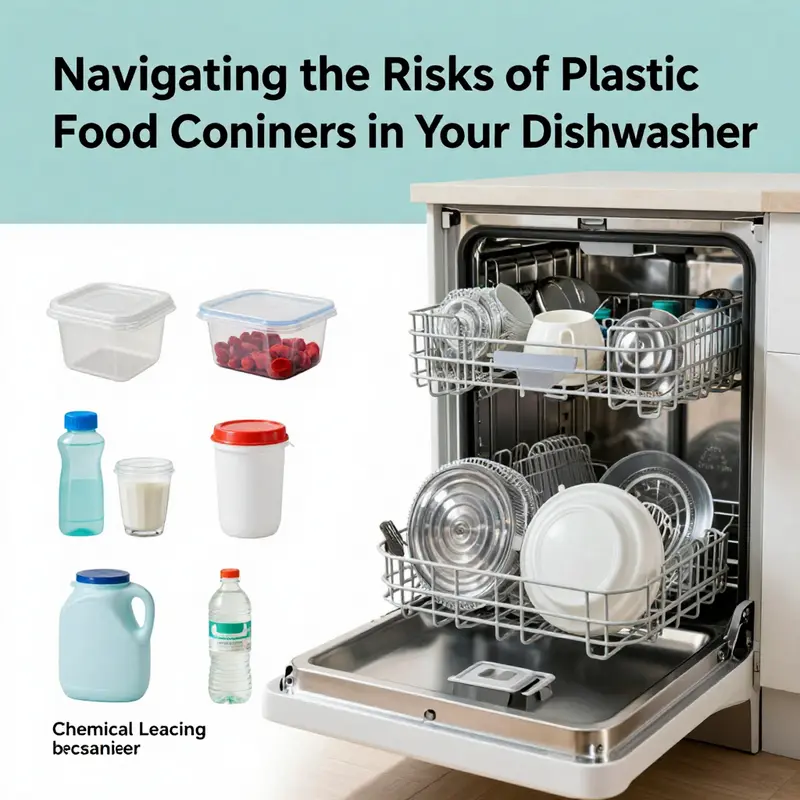
The dishwasher is one of the modern conveniences that quietly redefines how we manage daily life, especially in busy kitchens where speed and convenience often trump contemplation. Yet beneath the steady hum of the spin cycles and the gloss of sparkling dishes lies a more complex story about plastic food containers and the high-heat, high-alkaline environment of dishwashing. The chore of cleaning becomes, for some containers, a laboratory experiment conducted at home. The combination of elevated temperatures, strong detergents, and the mechanical action of water jets can push plastic beyond its intended tolerances. When we consider the repeated exposure that many households give to these containers—through dozens, sometimes hundreds, of cycles—the question moves from “Is it clean after one wash?” to “Is it safe after many washes?” The evolving science suggests the answer is nuanced, often worrisome, and not entirely comforting for those who rely on plastic as a daily storage solution.
At the heart of the issue is material stability. Most plastics used for food storage are designed to be light, flexible, and inexpensive, qualities that make them ideal for everyday use. But those very qualities become liabilities under the dishwasher’s conditions. The heat that dries the load, often exceeding 60 degrees Celsius, and the alkaline nature of many detergents act on the polymer chains that compose these containers. Over time, these conditions can cause micro-damage: tiny cracks that are invisible to the naked eye, faint warping, or a loss of surface clarity. What begins as a mere cosmetic change can set off a cascade of chemical interactions. As the polymer structure degrades, more surface area becomes available for substances added during manufacturing—plasticizers, stabilizers, pigments, and softness agents—to migrate into the food or drink we store inside. This migration turns a simple act of cleaning into a potential exposure event, especially for foods that are fatty, acidic, or served hot.
Discussions of leaching often center on the familiar villain BPA, a chemical once ubiquitous in polycarbonate plastics and epoxy resins used in various food-contact surfaces. While many containers now carry BPA-free labels, the narrative does not end there. The migration of other bisphenols—BPS, BPF, and related compounds—has gained attention as these alternatives may exhibit endocrine-disrupting properties similar to BPA. The risk is not purely hypothetical. A study published in the Journal of the Endocrine Society in 2019 demonstrated that reusable plastic containers, even when marketed as safe, released measurable levels of endocrine-disrupting chemicals after multiple dishwasher cycles. The study underscored that heat and mechanical stress from the washing process contribute significantly to chemical migration, a finding that aligns with decades of research showing that elevated temperatures increase molecular mobility and diffusion rates. Though the exact profiles of leached chemicals can vary by polymer type, additives, and the presence of residual fatty substances, the overarching pattern is clear: repeated exposure to dishwasher conditions elevates the likelihood of migration beyond what a single wash might suggest.
The same research highlights a practical vulnerability: as containers accumulate micro-scratches or develop cloudiness and odors, their surfaces become more permeable to chemical exchange. These physical changes are not merely aesthetic nuisances; they reflect a weakening of the container’s barrier properties. A scratched surface increases the contact area with food, and crevices created by warping or deformation can harbor residues and bacteria that are difficult to remove with routine cleaning. The risk is not restricted to a single type of food or climate; hot meals, sauces with high fat content, and acidic liquids can intensify leaching by altering the solubility and mobility of additives trapped within the plastic matrix. In practical terms, households may observe a disconcerting shift: a once-clear container becomes hazy, sometimes releasing a faint plastic-like odor, and the storage period between washes reduces as people grow wary of what might be migrating into their meals.
The dishwasher’s design also plays a crucial role. Containers placed in the bottom rack can be battered by stronger spray arms and the more aggressive water currents near the dishwasher’s heat source. Even with labeled dishwasher-safe plastics, the repeated contact with hot jets and direct exposure to booming temperatures can lead to nonuniform aging. A simple consequence is warping, where a lid no longer seals properly or a container no longer sits flat in a lunch bag. This misalignment is not merely a matter of convenience; it can alter how heat and moisture circulate inside the container, potentially creating pockets where liquids stagnate and materials accumulate. A more insidious consequence is the accumulation of scratches from aggressive cleaning tools or from the rough textures of some detergent formulations. Scratches are not merely cosmetic; they scatter light and create micro-textures that alter how we perceive the container’s cleanliness, while simultaneously offering dark niches where microbes can thrive and where cleaning becomes more difficult.
From a health perspective, the implications extend beyond a single meal. Repeated leaching events, even at low levels, can contribute to chronic, low-dose exposure to a mix of chemicals. For infants and young children, whose developing endocrine systems can be especially sensitive to hormonal signals, the stakes appear even higher. The alloy of polymers, additives, and release products becomes a moving target, shaped by how often a container is used, what foods are stored, and how long those foods are kept before consumption. The pattern suggests that the safest rule is a precautionary one: reduce the frequency of using plastics in dishwasher cycles and favor materials with greater inertness under heat, such as glass or stainless steel, at least for frequently used containers.
For households seeking a balanced approach, the question is not simply one of prohibition but of smarter use. A practical mindset embraces a few core principles: first, reserve the dishwasher for containers explicitly labeled as dishwasher safe and appropriate for repeated cycles. Second, avoid cheap or non-food-grade plastics that often contain higher amounts of additives and impurities. Third, place plastic containers on the upper rack whenever they are dishwasher-cleanable items, shielding them from direct contact with the hottest spray arms and the most intense streams of water. Fourth, inspect containers regularly for signs of wear—cracks, color changes, or an unusual odor—and retire any piece that shows any imperfection, even if it seems minor. Fifth, when possible, opt for materials that are less prone to leaching, such as glass, heavy-duty stainless steel, or high-quality, dishwasher-safe ceramics. These materials tend to maintain their integrity more reliably under repeated dishwasher cycles and are generally less likely to contribute to the migration of additives into food.
The narrative around safe storage also invites a broader look at how we classify and shop for containers. Even within the realm of dishwasher-safe plastics, there is a spectrum of performance. Some containers fare better than others when exposed to repeated heat and mechanical stress. It is worth considering the long arc of use rather than a single cycle: will this container still perform safely after a year of daily or near-daily use, including multiple dishwasher runs? This is not merely a theoretical question. The cumulative effect matters because the goal is to minimize exposure to potentially harmful substances over the long term, particularly for households with children or pregnant individuals who may be more vulnerable to environmental chemicals.
For readers who still rely on plastic containers as a practical solution, a middle path exists. If you must store and wash plastics, choose options designed with higher quality resins and stricter food-contact standards, and treat dishwashing as a means to maintain hygiene rather than a default maintenance activity. Alternatively, build a routine that uses hand washing for the plastic items you use most often, leveraging warm water and a non-abrasive sponge to extend their life. Mild cleaning reduces mechanical stress and helps preserve surface integrity. In between uses, ensure the containers are completely dry before stacking to minimize microbial growth and to avoid promoting a damp, unsanitary microenvironment that can accompany moisture-rich surfaces. Finally, consider expanding your repertoire of containers to include more durable materials. Not every kitchen needs to abandon plastics altogether, but a thoughtful rotation—plastics for occasional use, glass and metal for daily meal-prep and storage—can significantly reduce cumulative exposure to leachates.
If the choice remains to retain plastics in a dishwasher-friendly routine, one small anchor can help preserve both health and convenience: a deliberate separation of loading patterns and usage expectations. Place only the containers that explicitly advertise dishwasher compatibility in the upper rack, with lids and components aligned to avoid direct contact with the spray arms. Do not overload the rack; allow space for unobstructed water flow to prevent water pockets that force uneven heating or foster residual moisture. In addition to these mechanical guardrails, it is wise to keep a mental note of when you last replaced plastic containers. Even the most resilient designs have a finite life span, and stalling the replacement cycle can mean accepting a gradual decline in both safety and performance. A simple habit—checking for cloudiness, scratches, or changes in texture every few washes—can make a meaningful difference in risk management without sacrificing daily convenience.
To further support a practical, informed approach, consider the broader ecosystem of storage options that exist beyond plastics. The availability of alternative materials in the home storage aisle has grown, providing appealing, durable choices that can withstand dishwasher conditions far more reliably. For those curious about expanding their shopping horizons while maintaining a focus on safety and sustainability, explore the broader family of storage containers available in the storage containers category, which highlights a range of materials and designs suited to different cleaning and storage needs. storage containers can be a useful starting point to compare the long-term performance of different materials and assess how each aligns with your daily routine.
In sum, while the dishwasher offers undeniable ease, it also introduces a set of chemical and physical stresses that can gradually erode the safety margins of plastic food containers. The evidence—growing but still evolving—points to a cautious stance: minimize the use of plastics in dishwasher environments, favor materials with robust inertness under heat, and adopt prudent loading and inspection habits to curb both chemical leaching and physical degradation. By combining these practices with a thoughtful choice of containers and an openness to alternative materials, households can sustain the conveniences of modern dishwashing while reducing potential health risks associated with long-term exposure to leached additives. The conversation is not about fear, but about informed choice and deliberate stewardship of the materials that move from kitchen to fridge to table.
External resource: for a deeper dive into the mechanisms of chemical migration under simulated dishwashing conditions and the broader implications for food-contact materials, see the open-access article linked here: https://www.ncbi.nlm.nih.gov/pmc/articles/PMC6857489/
null
null
Heat, Hazard, and Harmony: Rethinking Plastic, Glass, and Stainless Steel in the Dishwasher
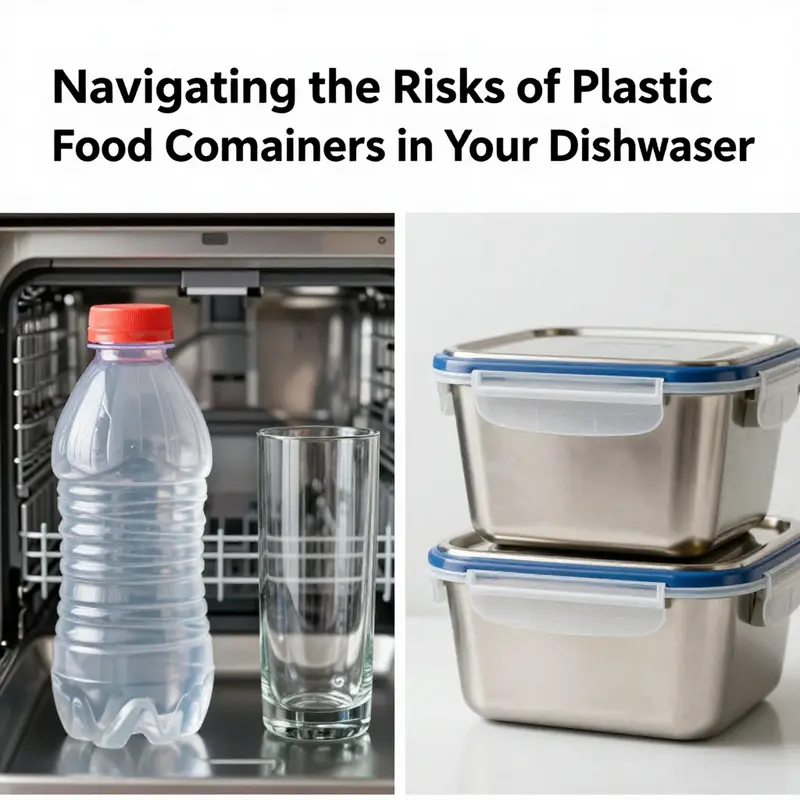
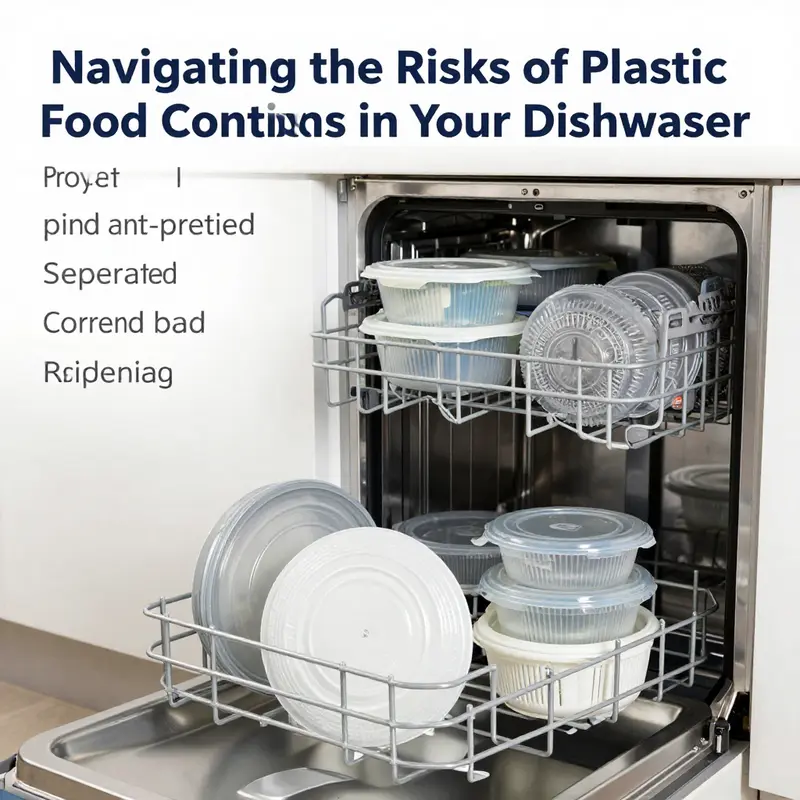
The dishwasher is a cornerstone of modern kitchen life, a machine designed to translate hot water, detergents, and steady mechanical action into a daily ritual of cleanliness. Yet behind the hum of the cycle lies a set of material realities that shape safety and longevity in ways that most users rarely consider. When we drop plastic, glass, or stainless steel containers into the wash, we are not simply choosing a container we like; we are inviting a material response from a system that operates at high temperature, with aggressive chemistry, and with a cascade of water jets that exert physical stress. The question that threads through this chapter is straightforward but consequential: which materials perform best under repeated dishwasher use, and how should that inform our everyday choices in the kitchen? The answer is not a single verdict but a nuanced balance among chemical stability, mechanical durability, and the practical realities of household routines. In evaluating plastic, glass, and stainless steel containers, it is essential to consider three interconnected dimensions: material integrity, chemical leaching, and long-term durability under the dishwasher’s demanding conditions.\n\nPlastic containers sit at the crossroads of convenience and caution. Many modern plastics carry labeling that proclaims dishwasher safety, yet that designation often marks a short-term tolerance rather than a guarantee of decades-long performance. The high heat that some dishwashers routinely reach—often surpassing 60 degrees Celsius (140 degrees Fahrenheit)—combined with harsh alkaline detergents and continuous mechanical agitation, accelerates aging processes in plastics. Micro-scratches accrue, surfaces lose their luster, and the once-clear plastic can take on a clouded, opaque appearance. Over time, these changes are more than cosmetic. The micro-scratches provide niches for bacteria to hide and multiply, and the degraded surface may become a conduit for unwanted chemical migration. A study from late 2025 highlighted a critical caveat: even certain polypropylene formulations, including those marketed as microwave-safe, might begin to degrade after substantial exposure to heat and recurrent cycles, with the potential to shed microplastic particles into food. The dishwasher operates on a different schedule and with different mechanical intensities than a microwave oven, but the underlying principle remains: repeated high-temperature exposure, especially in conjunction with aggressive cleaning agents, can erode the polymer matrix. The practical implication is that long-term use of plastics in the dishwasher invites a greater likelihood of structural wear and chemical leakage than one might expect from a single cycle.\n\nA further concern that deserves emphasis is the broad category of so-called BPA-containing plastics, which often falls under the general umbrella of polycarbonate and certain recycled polymer blends. Although many containers are now marketed as BPA-free, the broader laboratory and regulatory literature reminds us that leaching risk is not solely about a single compound. Even materials marketed as “safe” in a general sense can accumulate micro-damage over repeated wash cycles, creating microchannels through which residuals can migrate. The risk is not uniform across all plastics, but the pattern is consistent: repeated exposure increases the likelihood of internal changes that facilitate some degree of leachate migration, especially if the container is damaged or stressed during a cycle due to improper loading or rough handling. The risk is compounded by the fact that many households run their washers on cycles that expose containers to overlapping heat and spray patterns for extended periods. In such circumstances, the promise of “dishwasher-safe” should be understood as a functional limit—adequate for typical, short-term use, but less protective over the long haul.\n\nThe risk of microplastics—though still an active area of research—poses a particularly challenging dimension. The same line of inquiry that flagged microplastic generation from repeated heat exposure to certain plastics in other settings echoes here in the kitchen. If microcracks and degraded surfaces are more common after repeated washes, the potential for particles migrating into food increases accordingly. The implications are not purely aesthetic; microplastics in the diet raise questions about exposure and cumulative effects, particularly for children who consume proportionally more food prepared in plastic-containing containers and whose developing systems may be more sensitive to exposure. Taken together, these factors paint a cautious picture: while plastics can be practical for occasional use, long-term, high-frequency dishwasher cycles invite a gradually widening gap between convenience and safety.\n\nAgainst this backdrop, several more concrete considerations emerge. First, the physical layout and arrangement of containers in the dishwasher can magnify stress. When plastic containers are stacked too tightly, or when their lids and rims are wedged against spray arms or racks, the resulting friction and pressure can induce warping, cracking, or edge deformation. Warped edges not only compromise fit and seal integrity but also create micro-niches where moisture and heat can linger, encouraging bacterial growth and odor retention. The dishwasher’s spray action can also expose plastic surfaces to abrasive contact if a rough dishcloth or cleaning implement is used in the same cycle, further contributing to surface micro-scratching or dulling. A practical response to this reality is to choose containers that explicitly indicate dishwasher suitability for frequent use and to place them in locations that minimize direct impact from intense spray or heat. The upper rack is often favored precisely because it tends to be farther from the high-velocity spray arms, reducing the chances of direct contact with hot jets.\n\nDespite these cautions regarding plastic, it is not reasonable to declare plastic inherently unsafe for all dishwasher use. The broader empirical weight of research suggests a careful, bounded approach: plastics can function safely for a period, particularly when they are of a higher grade, are labeled dishwasher-safe for normal use, and are kept free of superficial damage. The FDA’s ongoing guidance on food-contact substances emphasizes that safety depends heavily on the polymer grade and the appropriate use conditions. This nuance matters for everyday decision-making: if a family relies on a plastic container for quick daily meals, replacing it after signs of wear or using it in limited, light cycles could manage risk more effectively than a blanket avoidance.\n\nGlass containers, by contrast, present a different calculus. They are celebrated for chemical inertness and resistance to heat and detergents. Glass does not leach substances into food, and it does not deform in ways that would alter its fundamental function across countless wash cycles. For households seeking long-term safety and minimal interference with taste or color in stored foods, glass tends to be the safer bet. Yet glass is not without flaws. Its stiffness and brittleness make it more susceptible to breakage if dropped or exposed to sudden thermal shock—such as transferring a hot container from the dishwasher into a cold sink or counter. Proper handling, careful loading, and avoiding rapid temperature changes are essential to maintaining glass integrity. When broken glass enters the kitchen, the risk is physical injury as well as contamination by glass shards, so safety protocols become part of the material choice in practical terms. With these caveats, glass remains an appealing option for those prioritizing chemical stability and minimal leaching.\n\nStainless steel containers occupy a different safety niche. Food-grade stainless steel, typically in the 304 or 316 family, shows impressive resistance to heat, corrosion, and chemical interaction. In the eyes of food safety regulators, stainless steel stands out for its resilience to repeated dishwasher cycles without the chronic risk of leaching. The base metal retains its integrity, does not warp in typical dishwasher temperatures, and generally resists micro-scratching that would trap bacteria. However, the practical reality is more layered. Lids, gaskets, and seals in stainless steel containers can wear over time, compromising seal integrity and allowing moisture or odors to migrate. The dishwasher can also contribute to rust or pitting in some poorly manufactured stainless steel components, especially where cutlery and utensils with aggressive detergents interact with exposed surfaces. In other words, stainless steel excels at chemical safety and mechanical durability, but attention to the whole system—lids, seals, and accessories—is essential to preserving overall safety over the long term.\n\nThe overarching takeaway from comparing these materials is not an absolute hierarchy but a nuanced spectrum. Glass and stainless steel generally outperform plastic in terms of chemical inertness and long-term durability under frequent dishwasher use. Glass offers the most robust chemical stability, while stainless steel delivers outstanding mechanical resilience and minimal leaching risk. Plastic, while convenient and often lighter on the wallet, carries a higher susceptibility to aging, surface wear, and potential migration of additives, particularly with repeated high-heat cycles and abrasive detergents. This framing suggests a practical approach: reserve plastics for short-term storage or for light, occasional dishwasher cycles if they are clearly labeled as dishwasher-safe and are in good condition. For daily use and for containers that will cycle in the dishwasher multiple times a week, prioritizing glass or food-grade stainless steel can offer superior safety and longevity.\n\nIn making sense of these materials, one practical rule of thumb emerges. When possible, choose containers that are truly inert to dishwasher conditions rather than simply labeled dishwasher-safe. Favor glass or stainless steel for frequent dishwashing, and treat plastic with caution, inspecting for wear after every few cycles and retiring any container showing cracks, clouding, or change in texture. The goal is to harmonize the convenience of dishwashing with the assurance of safety over time. And for those seeking hands-on guidance on selecting appropriate containers or organizing them for dishwashing, the storage-containers category offers resources and options designed to support careful decisions, rooted in material science and everyday practice.\n\nFor readers seeking formal guidance beyond practical tips, official resources on food-contact materials provide a grounded framework. The U.S. FDA’s materials guidance explains that safety depends on polymer grade and usage conditions, reinforcing the idea that not all dishwasher-safe labels guarantee lifelong safety. The combined evidence points to a clear conclusion: glass and stainless steel stand out as safer choices for repeated dishwasher use, while plastic requires mindful handling, regular inspection, and a willingness to retire items that show signs of wear. In the kitchen, where routine and safety intersect, the choice of container material becomes a daily decision with implications that echo beyond a single wash cycle.\n\nExternal reference: FDA – Food Contact Substances. https://www.fda.gov/food/food-contact-materials
Final thoughts
Understanding the risks associated with using plastic food containers in the dishwasher is essential for effectively safeguarding your food service operation. Through the insights offered on high temperatures, chemical leaching, and proper care, you can make mindful decisions that not only enhance the longevity of your containers but also ensure the safety of the food you serve. Striving for the best practices outlined will help you optimize your operations while maintaining the trust of your customers.