
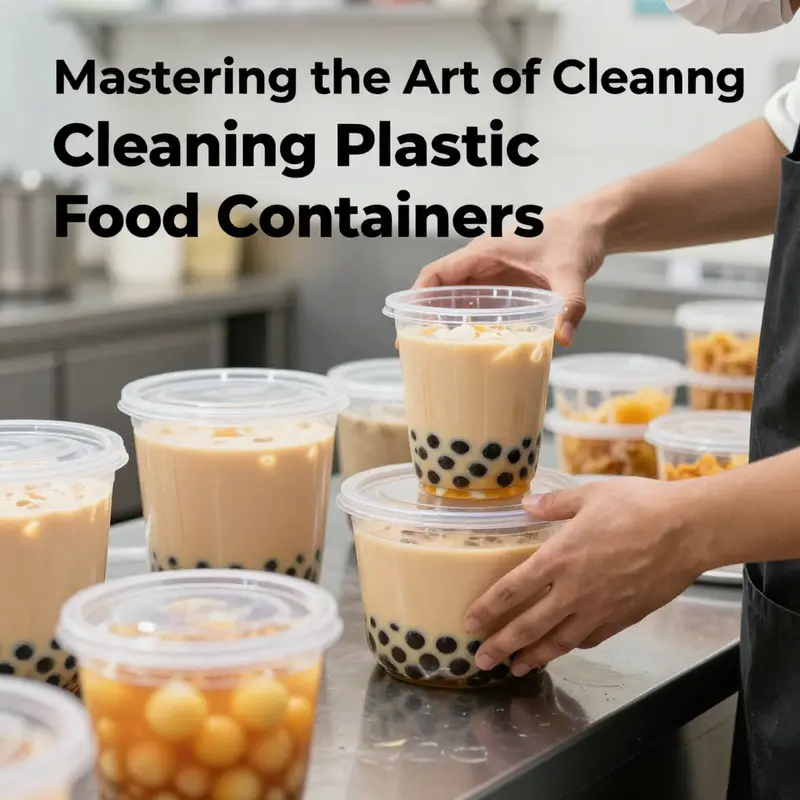
Keeping your plastic food containers spotless is essential for any food service operation. Stained containers not only tarnish your establishment’s reputation, but they can also affect the quality of the food and beverages served. This guide offers valuable insights into identifying plastic types, effective cleaning techniques, and methods to tackle tough stains. Each chapter will provide actionable strategies that will help you maintain a hygienic and appealing environment, ensure the longevity of your containers, and consider sustainable alternatives for your business.
The Type Whisperer: How Identifying Plastic Types Shapes Safe Cleaning of Stained Food Containers
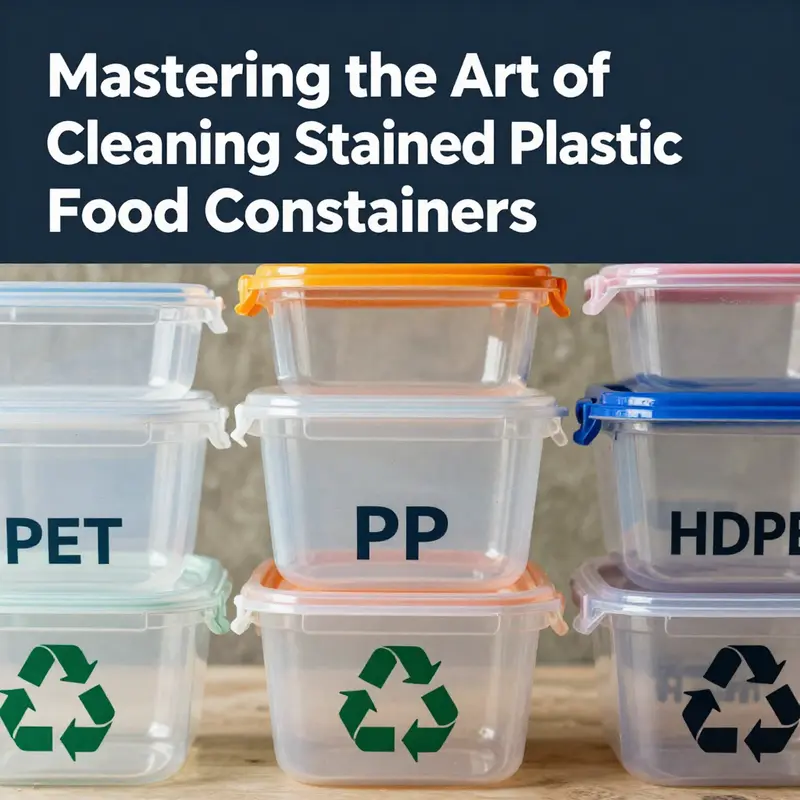
When you reach for a stained plastic food container, the instinct to scrub harder can backfire. The first and most practical step is also the most overlooked: identify the plastic type. A simple symbol on the bottom—the recycling triangle with a number from 1 to 7—tells you what the container is made of and, crucially, how it will react to heat, cleaners, and staining. This isn’t just trivia; it’s the key to a cleaning method that preserves the container’s integrity and protects your health. Different plastics have different tolerances and chemical profiles. Knowing the type helps you avoid releasing unwanted substances or deforming the container while still tackling stubborn stains and lingering odors. With this awareness, cleaning becomes a careful dialogue with the material rather than a blunt brute-force scrubbing match.
Take PET, the common #1 plastic you’ll recognize on many single-use bottles. It has a relatively low heat tolerance, often around 65°C (149°F). While you can wash it with warm water and mild detergent, you shouldn’t rely on PET containers for repeated use or expose them to high heat. The risk isn’t just cosmetic—repeated heating or aggressive cleaners can cause deformation and potentially release substances that worry parents and cooks alike. For PET, the most prudent approach is minimal reuse, gentle cleaning with a mild detergent, thorough rinsing, and air drying. This preserves the integrity of what is often marketed as a disposable option and keeps contamination risks low when you do reuse it once or twice before retirement.
HDPE, labeled as #2, sits a bit more confidently in the reuse camp. Milk jugs and many yogurt containers fall into this category, and HDPE’s chemical resistance makes it comparatively forgiving. You can reuse HDPE containers after a thorough cleaning with hot, soapy water and a good rinse, provided there are no deep scratches or signs of wear. The caution is sensible: if the container shows wear, or if stains linger after cleaning, avoid storing oily or highly acidic foods in it. The resin’s resilience can give a false sense of security if the surface is compromised, and bacteria can lodge in micro-scratches. A careful eye for wear protects health as much as it protects the container’s appearance.
PVC, labeled #3, demands special respect. It’s a material stitched with additives like phthalates, and heating can increase the likelihood of these constituents leaching into food. For this reason, food storage in #3 containers is generally advised against, and even after cleaning, the health concerns linger. If you ever discover that a PVC container was used for food storage, the safest move is to retire it after cleaning rather than risk exposing you or your family to additives that can migrate with heat or residue. This warning isn’t a scare tactic; it’s a reminder that some plastics demand a clear boundary between use and disposal.
LDPE, the #4 family, includes many wraps and flexible packaging. At room temperature, LDPE is considered relatively safe for contact with food, but heating it is risky. Do not microwave or expose #4 plastics to hot foods, as the material can soften, warp, or release compounds. Cleaning is straightforward with warm, soapy water, but scrutiny is required for wear or discoloration. If a container shows cloudiness or persistent staining after cleaning, replacement is a wiser choice than continued reuse. The goal is practical safety: a container that looks worn or faded is signaling its limits, not its resilience.
Polypropylene, #5, is the standout in the realm of reusable containers. PP combines durability with high heat tolerance, often enduring temperatures far above typical dishwashing cycles. This makes it well-suited for both cleaning and reheating in some applications, though you should follow label instructions and avoid prolonged boiling. Cleaning PP can be done with dish soap and hot water, and many PP containers are labeled as dishwasher safe. The material’s robustness means you can attack tougher stains with reasonable confidence, provided you avoid harsh abrasives that could scratch the surface. A well-maintained PP container can remain a trusted workhorse in your kitchen for years if you keep up with gentle cleaning and careful inspection.
Polystyrene, #6, often appears in foam takeout containers and some disposable items. When solid, PS feels sturdy, but its behavior changes with heat, and it can leach styrene—a substance suspected of posing health risks. This makes #6 containers a poor choice for heating or for long-term food storage, especially if stains appear or the container warps. If you encounter staining or deformation in a PS container, the safest route is to discard it after cleaning, rather than risking chemical exposure through reuse. The takeaway is simple: avoid heating PS and avoid relying on it for ongoing food storage where cleanliness and safety matter.
The broad category labeled #7, often called “other,” covers polycarbonate, PLA, and a mix of less common plastics. Health concerns around BPA, a hormone-disrupting compound previously linked to polycarbonate, mean you should avoid using #7 containers for food storage unless they are clearly labeled as BPA-free and specifically designed for reuse. Cleaning #7 plastics should be approached with the same caution as the underlying material; only reuse if you are confident it’s certified safe. When in doubt, prioritize safety and err on the side of retirement rather than risk repeated exposure to unfamiliar plastics. This nuanced understanding helps you decide not just how to clean, but whether to clean at all.
With plastic type discerned, the practical cleaning path comes into focus. General cleaning with a mild detergent remains the backbone for routine stains and regular maintenance. Warm water and a neutral dish soap provide a gentle base that minimizes surface abrasion. A soft sponge or cloth should do the work; steel wool or abrasive scrubbers can miniaturize the surface, creating micro-scratches that become stubborn hideouts for bacteria. Rinsing matters just as much as washing—rinse under running water until all soap residues vanish and the surface feels wholly clean. Air drying is preferred, with the container placed upside down on a clean rack to avoid lint transfer. Drying hands off a towel risks introducing fibers and potential contaminants back onto a clean surface.
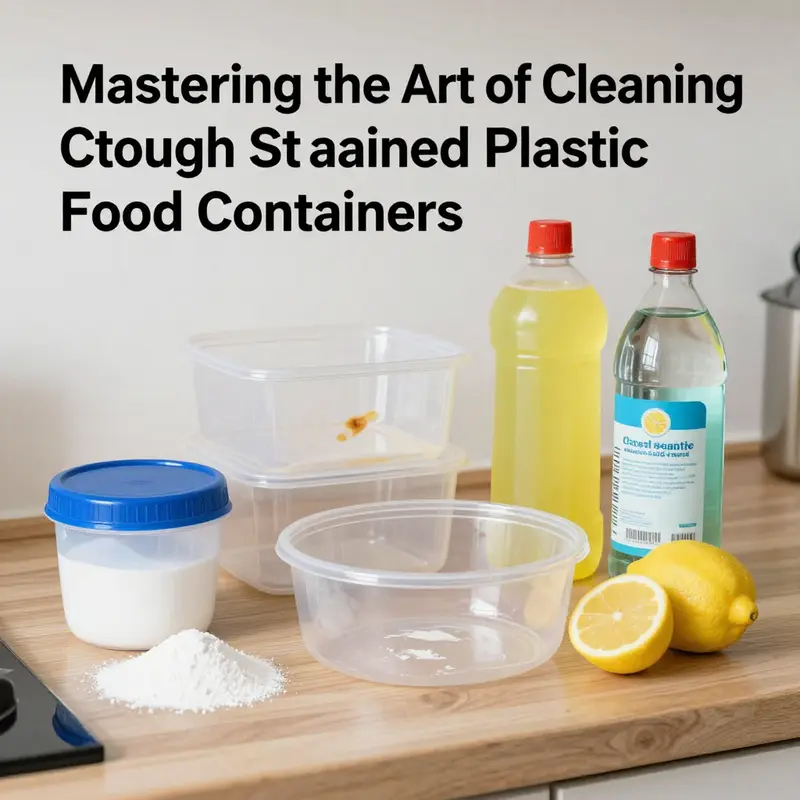
When stains resist the everyday wash, the type-specific steps become meaningful. Oil-based stains—think curry or tomato sauce—respond to a baking soda paste that’s allowed to rest on the surface. A touch of water creates a thick paste, applied directly to the stain, left for 15 to 30 minutes, then gently scrubbed. The mild abrasiveness of baking soda helps lift greasiness without scratching. If the container is PP, a 1:1 white vinegar and water soak for 1–2 hours can break down oily residues, followed by a thorough rinse. These methods align with the material’s heat resistance and chemical compatibility, reducing the risk of chemical interactions while lifting stubborn oils.
Color stains from coffee, tea, or wine can be more troublesome but still manageable. Lemon juice with a pinch of salt creates a natural abrasive and gentle bleaching action to brighten the hue without harsh chemicals. Let the mixture sit for about 30 minutes, then scrub and rinse. For lighter stains on PP or HDPE, sunlight exposure after washing can be surprisingly effective. Direct UV exposure helps break down organic pigments and can fade color imperfections when the container has only light to moderate staining. If odors linger, an equal parts vinegar and water soak or fresh lemon juice can neutralize strong scents. In the case of persistent odors, activated charcoal placed inside a sealed container overnight can help absorb residual smells without introducing additional chemicals.
The most stubborn discoloration or cloudiness may require safer ascent to oxygen-based bleaching for non-PET containers. A cold-water soak with a mild oxygen-based bleach can lift discoloration without damaging PP or other compatible plastics. Toothpaste, plain white and non-gel, can act as a gentle polish for surface-level marks when used with a soft cloth, finishing with a thorough rinse. Across all these approaches, the perpetual cautions remain: avoid harsh abrasives, resist heat beyond the plastic’s tolerance, and inspect for deep scratches, cloudiness, or persistent odors as signals to retire a container. When a container fails these checks, replacement is the wiser path to ensure food safety.
Choosing wisely also means considering storage alternatives for long-term health and environmental reasons. If you’re seeking practical, durable storage options, a sensible route is to explore containers designed for repeated use with safe materials and clear labeling. For durable, reusable storage, consider food-grade take-away bowls with lids. This kind of option aligns with the idea that you can pair safe, reusable plastics with proper cleaning routines. See a representative example here: food-grade take-away bowls with lids.
For a broader safety framework, the public guidance from health and environmental authorities is invaluable. The U.S. Environmental Protection Agency provides a comprehensive plastics identification guide that consolidates what different numbers mean and how they relate to reuse and disposal. It’s a reliable reference when you encounter unfamiliar containers or when you want a quick reminder of which plastics are preferable for food contact and which to retire. External readers can explore the detailed recommendations at the following resource: https://www.epa.gov/smm/plastics-recycling-plastics-identification
Restoring Clarity: A Practical Guide to Lifting Stubborn Stains from Plastic Food Containers
Clear, odor-free plastic containers are essential for kitchen hygiene and daily practicality. When a container looks dull or yellowed, the reflex is often to rinse and reuse, hoping the haze will vanish. Yet the truth is more nuanced. Plastic is inherently porous at a microscopic level, and oils, pigments, and mineral residues can seep in, especially after repeated use. Understanding why these changes happen helps you choose the right method without risking damage to the container or compromising safety. The journey to clarity begins with a simple step: identify the plastic type. A quick check of the bottom recycling symbol – 1 through 7 – guides your method and protects you from using heat or cleaners that could degrade the material. PET containers, for example, are routine in everyday use but are not built for repeated high heat or aggressive cleaners. PP containers stand up to warmth better and often tolerate more aggressive treatment, yet even they must be treated with care. PS and HDPE carry their own cautions as you plan your cleaning approach. With this map in hand, you move from guesswork to targeted cleaning that respects the plastic’s limits while addressing the stains themselves.
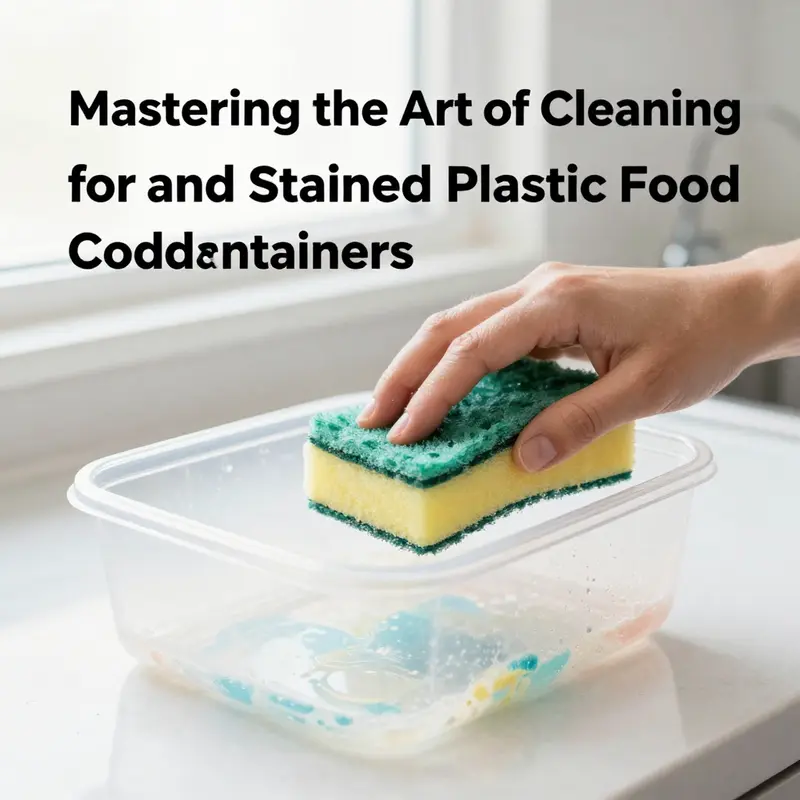
The foundation of successful cleaning is gentleness. A mild detergent, warm water, and soft tools form the triad that prevents micro-scratches. Abrasives, including steel wool, are an absolute no. Scratches create tiny crevices that trap oils and pigments, scattering light in ways that make the container look permanently cloudy. Rinse thoroughly to remove all soap residue; a slippery feel is your cue that you’ve still got soap clinging to the surface. After washing, air-drying is preferable to towel-drying, which can transfer lint or bacteria from cloth fibers onto the clean surface. These basic practices lay the groundwork for more targeted stain removal while preserving the container’s clarity and integrity.
Oil-based stains, such as curries, tomato sauces, and fatty meals, are the most common culprits behind a hazy, yellowish cast. They don’t simply sit on the surface; they can become embedded with time, especially in porous plastics. To tackle these, start with warmth and soap, then bring in a gentle booster when needed. A warm water soak with a small amount of baking soda creates a soft abrasive environment that helps lift grease without scratching. If the container is PP, you can extend this approach with a soak in a 1:1 vinegar-and-water solution. The acetic acid works to break down oily residues and neutralize lingering smells, after which a thorough rinse leaves the surface ready for a fresh start.
Color stains follow a slightly different path. Coffee, tea, wine, and beet-based sauces leave pigments that can be stubborn even after standard cleaning. A classic approach uses lemon juice combined with salt, creating a natural abrasive that can tackle surface-level discoloration while imparting a gentle bleaching effect from citric acid. Let it sit briefly, then scrub softly and rinse. In some cases, extended light exposure helps too. With light to moderate staining, placing the container in direct sunlight after washing can facilitate pigment breakdown. This method leverages UV light to aid in restoring translucence, particularly for PP or HDPE plastics. It is a low-risk, supplementary step that complements the chemical work you’ve already done.
Odors from garlic, onions, or aromatic sauces can linger even when stains disappear. A vinegar-and-water soak or lemon soak can neutralize odors from the inside, but for stronger smells, a proactive approach helps: activated charcoal inside the sealed container overnight. The charcoal acts like a sponge for volatile compounds, drawing them away from the plastic’s interior. This simple maneuver can make a noticeable difference when odor persistence otherwise undermines confidence in reuse.
For persistent stains or discoloration that resists routine methods, there are more assertive options – though still chosen with care. An oxygen-based bleach, used in cold water, can lift stubborn discoloration from non-PET containers without weakening the plastic. It is important to follow product directions and avoid hot water or long soaks that could compromise the material. A small amount of white toothpaste on a soft cloth offers a surface-level polish for minor marks, but it won’t remove deeply embedded stain or cloudiness. Consider these as final, careful pushes toward clarity rather than first-line fixes.
All along this path, maintenance and safety are not afterthoughts but guiding principles. Repeated exposure to high heat, especially in dishwashers, can warp plastics and accelerate clouding or weakening. Hand washing remains the safer default, with the bottom rack of a dishwasher reserved for plastics that tolerate it, and only on cycles that minimize heat exposure. Regular inspection matters too. Cloudiness, deep scratches, or significant odor changes signal that a container has reached the end of its practical life. Once such signs appear, replacement is wiser than continuing to coax clarity from compromised material. And because environmental and health considerations matter, consider alternatives when possible. Glass, ceramic, or stainless steel containers offer longer lifespans and often simpler, more reliable cleaning outcomes.
Prevention compounds the impact of these steps. Cleaning promptly after meals prevents oils from setting in, and a quick wash with warm water keeps residues from hardening into stubborn stains. A splash of baking soda in the wash water can boost cleansing without adding harshness. Proper rinsing helps ensure no soap residue remains, and air drying reduces the risk of recontamination from towels or cloths. Taken together, these habits protect the container’s clarity and your peace of mind, reducing the frequency and intensity of required interventions.
As you consider your ongoing kitchen repertoire, a practical note about alternatives becomes relevant. If you find yourself fighting recurrent staining or if you simply want a different approach to food storage, you might explore other materials. Some households transition to glass or stainless steel for frequently used items, where cleaning is predictable and the risk of permanent staining is much lower. The aim is not rigidity but informed flexibility: choose the container type that aligns with your cleaning tolerance, your cleaning tools, and your cooking habits.
For readers considering a broader ecosystem of storage and serving ware, you can consider durable, versatile disposables that share similar performance characteristics with the containers discussed here. You can explore an example of durable disposables in a closely related category at the kraft paper octagonal bowl product page. This resource helps illustrate how design and materials choices in disposables can influence practicality in a busy kitchen, especially when you need reliable, quick-clean options for take-away or meal-prep contexts.
In sum, restoring clarity to stained plastic containers is a matter of a thoughtful sequence: identify the container’s plastic type, apply gentle but effective cleaning, apply targeted stain strategies based on the stain type, and uphold preventative practices to extend clarity and safety. The steps are practical, the methods safe, and the outcomes, when pursued with care, clear enough to renew a container’s usefulness without compromising health or performance. If you keep these principles in mind, you’ll find that stained plastic does not have to be permanent, and your kitchen can remain both clean and efficient. For further reading on the science of cloudiness and light transmission in plastics, consider a general, reputable resource on the topic.
null
null
Stains as Signals: Safe Cleaning, Honest Assessment, and the Move Toward Safer Storage When Plastic Containers Turn Discolored
Stains on plastic food containers are more than cosmetic blemishes; they are a visible sign of wear, micro-scratches, and the evolving chemistry of repeated use. The moment a container no longer looks pristine, it invites a careful question: is the stain merely superficial, or does it reflect deeper porosity and aging that could compromise safety? The cautious answer, reinforced by standard food-safety guidance, is that stains often indicate microscopic damage in the surface that ordinary washing cannot fully erase. In such cases, persistence of color or cloudiness suggests the plastic may have become more permeable, providing niches for bacteria and molds to hide and multiply. This is especially true if a container has seen repeated exposure to heat, improper cleaning, or long-term contact with greasy or strongly pigmented foods. The core idea behind safe maintenance is simple: a stained container is a warning sign, not a badge of resilience. It requires a thoughtful assessment, a review of the cleaning method, and a decision about whether continued use is wise. The assessment begins with an honest look at the stain’s depth and spread. If a stain resists routine washing and hot water with dish soap, even after multiple attempts, it is often embedded within microscopic scratches or pores. Those micro-features are the perfect breeding ground for residual food particles, yeast, and mold spores. When the stain remains, the container’s surface is less likely to be truly clean, and the risk of microbial contamination rises. This is not a scare tactic but a practical risk assessment that aligns with a basic precaution: if cleaning cannot restore the surface to a hygienic state, the container loses its suitability for food storage. From there, the practical path becomes clearer: avoid aggressive cleaning methods that could enlarge scratches or roughen the surface, which would only worsen the problem. Harsh or abrasive scrubbing can erode protective layers, create new micro-scratches, and accelerate chemical leaching from plastics that have already begun to degrade. The instinct to scrub harder is understandable, but it conflicts with the science of plastic wear. Gentle cleaning is the wiser approach. Start with warm water and a neutral dish soap, and use a soft sponge or cloth. Never reach for steel wool or coarse scrubbers, which would increase surface roughness and create more hiding places for bacteria. After washing, thorough rinsing is essential. A slipping, soapy feel still on the surface is a telltale sign that soap residue remains; rinse until the container feels clean and leaves no soapy film. Then, air drying becomes the last ritual of the cleaning cycle. A clean, lint-free drying rack is preferable to towels, which can transfer fibers or bacteria to the surface. When it comes to stains that persist despite these gentle efforts, the options must be weighed against safety. In the realm of stain removal, many home methods are presented as cures, but some carry potential risks for aging plastics. For oil-based stains, such as curries or tomato sauces, a baking soda paste and a gentle scrub can help lift grease because Baking soda has mild abrasive properties that aid lifting without aggressively eroding the surface. If the container is of a type that tolerates a mild acid rinse, a white vinegar soak for 1 to 2 hours can further loosen oily residues, followed by a thorough rinse. For color stains like coffee, tea, or wine, lemon juice with salt can provide a natural bleaching effect and a light abrasive action. Lemon juice supplies citric acid, which can help brighten the stain, and salt offers gentle mechanical action to aid removal. In many households, sunlight becomes an ally in the battle against stubborn color. After washing, placing the container in direct sun for several hours can help break down organic pigments through UV exposure, particularly in PP or HDPE containers. The practical caveat is that sunlight is not a universal remedy; it helps some stains but not all, and it should never substitute for proper cleaning when the container is visibly damaged or deeply stained. Odor control can be particularly perplexing. For lingering smells like garlic or onion, soaking in white vinegar and water or lemon juice can help neutralize odors. A more unusual but effective tactic is to place a small bag of activated charcoal inside a sealed container overnight to absorb stubborn odors. While odor control can improve the user experience, it does not guarantee microbiological safety if the plastic’s surface is compromised. For persistent discoloration or surface discoloration, oxygen-based bleach products used in cold water for a limited period can be surprisingly effective on non-PET containers, but they should be used with caution and in accordance with the manufacturer’s guidelines. Toothpaste, applied with a soft cloth to surface-level marks, is a mild option for minor blemishes, but it should be followed by a thorough rinse to prevent any paste residue from contacting food. Beyond the mechanics of cleaning, the chapter turns to the bigger question of suitability and longevity. Even if a stubborn stain finally yields to a cleaning regimen, the question remains: is the container reliably food-safe for continued use? The research urges a conservative stance. If the container shows cracks, deep scratches, cloudiness that cannot be undone, or persistent odors that return after cleaning, it should be retired. These imperfections create microhabitats for bacteria and can malfunction under heat. In fact, the safety calculus becomes clearer when considered alongside the heat tolerance and chemical leach risks associated with different plastics. PET, for instance, is not intended for repeated use or high heat; harsh cleaners can degrade it and potentially introduce harmful byproducts. PP, while more heat tolerant, is not immune to leaching if degraded or exposed to certain conditions for long periods. PS is particularly sensitive to heat and should be avoided in conditions where hot water or dishwasher exposure is possible. HDPE is generally safer than some other plastics but can still degrade with aggressive chemicals. The overarching message is simple and repeated in many safety guidelines: replace when stained, worn, or damaged beyond a simple restoration. The cost of a single contaminated container is far greater than the price of a replacement, given the potential for chemical leaching and microbial contamination. For households seeking sustainability alongside safety, it is prudent to consider safer alternatives for long-term storage. Glass, stainless steel, or ceramic options offer non-porous surfaces that are easier to sanitize and do not leach chemicals, reducing risk and simplifying everyday cleaning. The conversation about replacement also invites a discussion about ongoing maintenance: routine cleaning practices, proper storage, and mindful use of containers based on the plastic type. A practical habit is to rotate containers and inspect them regularly for cloudiness, cracks, or unusual odors. When a container fails these checks, discarding it promptly becomes both a responsible and a straightforward decision. In the broader arc of this article, this chapter ties into the earlier emphasis on identifying the right plastic type and the most suitable cleaning methods for that type, and it smoothly gestures toward the possibility of safer, more durable storage solutions. For those readers who want to explore safer options while recognizing a desire to manage costs, there is a middle ground: keep a few robust, non-porous containers for foods with high staining potential or strong odors, and reserve a smaller set of cleaned, targeted-use plastic containers for less demanding storage tasks. If you are curious about alternative materials, you can explore more about paper-based or glass storage options and consider how they might fit into your kitchen workflow. For instance, you may find product lines that emphasize food-grade kraft paper or other non-plastic solutions suitable for various storage needs; these options can provide a practical bridge between reusability and hygiene. The key takeaway is clear: a stained plastic container is a cautionary sign. When safe cleaning cannot restore a container to a hygienic state, replacing it is the most responsible choice. The aim is to protect your food, your health, and your peace of mind without overextending a single container’s life beyond its safe window. For households who value a cautious, science-grounded approach, this means acknowledging stains as signals and acting accordingly with thorough but gentle cleaning, honest assessment, and timely replacement when needed. To support ongoing learning, consider exploring related content on safer storage materials and practices as you refine your kitchen routines. External resources can provide additional guidance on food safety and container materials, such as FDA guidelines which offer authoritative context on safe storage practices and material safety. If you want to see practical examples of safer alternatives, you can also explore options that emphasize durable, non-porous packaging and storage solutions. And for a direct path to related storage options, you may review one relevant example here: senang05-food-grade-disposable-kraft-paper-12oz-porridge-bucket-portable-microwavable-paper-soup-cup-with-lids. This link points to a more durable, non-plastic alternative that aligns with the overarching goal of safer, simpler kitchen storage. In sum, stained plastic containers demand a careful blend of cleaning prudence, safety awareness, and practical decision-making about replacement and alternatives. The chapter’s guidance emphasizes the core truth: safety, not stubborn stains, should drive storage choices. For readers seeking further authoritative context on food safety and material considerations, the FDA’s guidance and related resources offer a reliable starting point to deepen understanding and inform daily practice.
Beyond Plastic: Enduring, Low-Maintenance Alternatives for Safe, Clean Food Storage
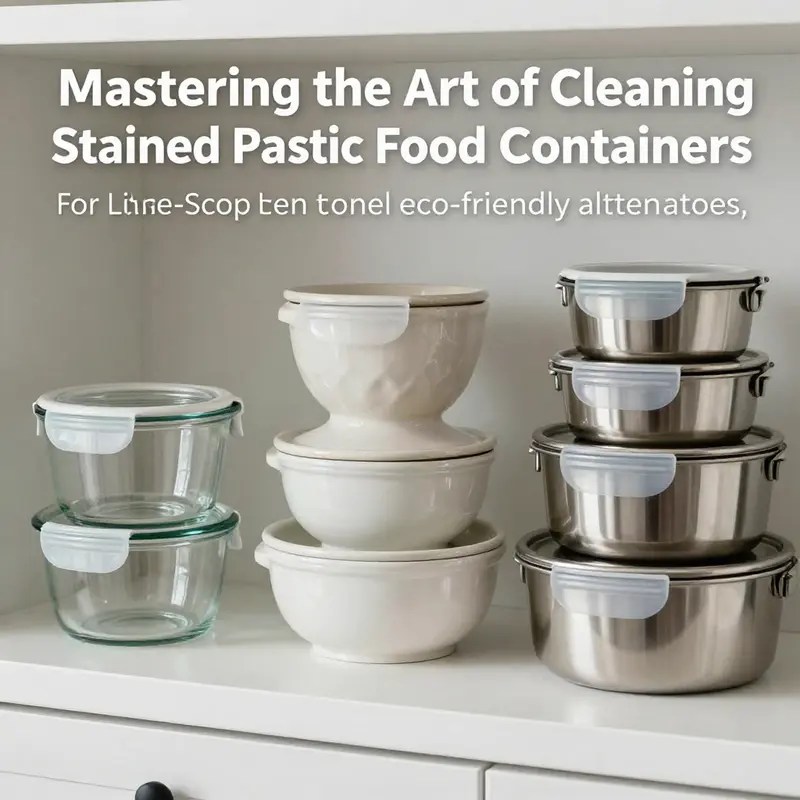
When you’ve finished the process of cleaning stained plastic containers, the conversation should shift from how to restore a plastic surface to how to design a kitchen that minimizes future staining and simplifies maintenance. The goal is not elimination for its own sake but a practical, health-conscious approach to storage that reduces micro-scratches, chemical exposure, and the daily friction of washing. Long-term storage demands materials that are inert with food, easy to sanitize, and durable enough to withstand repeated use without degrading in appearance or function. The landscape of options has grown beyond the familiar, and while plastic remains convenient in many households, the most enduring, low-maintenance solutions lie in a select set of materials that harmonize safety, longevity, and ease of care. Think of this as a shift from quick fixes to lasting infrastructure for your kitchen, where form and function meet a cleaner, calmer routine.
A cornerstone of sustainable, long-term storage is glass. Glass is inert, which means it won’t leach chemicals into food, even when you store highly acidic sauces or oils. It also remains stable under a wide range of temperatures, so leftovers, sauces, dressings, and hot soups (after cooling) can be stored and reheated with less worry about chemical transfer. The flip side is that glass is heavier and more fragile than plastic, and it demands careful handling, especially around busy meal times or households with young children. Lids matter too; a well-sealed glass container often relies on a contrasting lid material—usually a BPA-free plastic or stainless steel clamp—that can form a watertight seal without compromising the purity of the glass itself. The upside, however, is that glass cleans beautifully, resists staining, and tends to stay clear and bright for years with minimal fuss. In kitchens where a calm, uniform aesthetic is valued, glass storage also offers a visual clarity that helps prevent food from lingering unseen at the back of the fridge. The practical realities—weight, breakage risk, and the need to check lids for wear—are easy to manage with sensible storage habits and appropriate placement on shelves or in a deeper cabinet.
Then there is stainless steel, a material known for its durability, rust resistance, and non-reactive surface. Stainless steel containers excel in portability and heat retention, which makes them ideal for a busy workday, lunch-prep routines, or trips where you want to keep a meal warm without relying on an electric device. They are often designed with airtight silicone seals that prevent leaks and maintain moisture and flavor integrity. The fact that most stainless steel options are not microwave-safe is a minor constraint when you weigh the trade-offs: you gain longevity, the ability to go from fridge to table with minimal risk of chemical interaction, and a surface that resists staining. Cleaning stainless steel is straightforward—warm soapy water or a mild detergent usually does the trick—and many designs tolerate dishwasher cleaning, though you’ll want to confirm whether the lid components are dishwasher-safe. When your aim is a robust, portable solution for meals on the go, stainless steel containers provide a reliable answer that stands up to daily use without the clouding or warping that sometimes accompanies plastic.
A flexible, eco-friendly niche within durable storage is silicone. Silicone bags and mats offer the best of both worlds: they are heat-resistant, freezer-safe, and highly reusable, reducing the need for single-use plastics. Silicone bags can withstand boiling water and oven temperatures for gentle reheating or marinating, and silicone mats offer a nonstick surface for baking or rolling out dough without parchment. Yet silicone is not without caveats. Odor and pigment absorption can occur with certain foods, and some designs aren’t truly airtight unless paired with a precise seal. Proper cleaning—rinsing promptly after use, avoiding sharp abrasives, and occasionally whitening with a mild baking soda paste—helps extend silicone’s life. The upside is clear: the ability to portion, freeze, and thaw foods without the risk of chipping or cracking makes silicone a compelling transitional technology from plastic, particularly for households that value flexibility and reduced waste without sacrificing performance.
Ceramics and porcelain offer another appealing route for serving and short-term storage. They are non-toxic, inert, and ideal for presenting meals at the table or storing items that won’t require long-term freezing. Ceramic or porcelain pieces can retain temperature well and don’t interact with most foods. Their attractiveness adds to a kitchen’s aesthetics, and for many families they double as serveware and storage ware. However, ceramics are more fragile than glass or metal and can be heavy. They also require mindful use around children and in compact urban kitchens where accidental bumps are more common. The key to success with ceramic storage is pairing it with sturdy lids and avoiding ultra-high temperatures that could stress the material. For many households, a small set of ceramic bowls for ready-to-serve meals complements glass and stainless options without overreliance on any single material.
Mason jars deserve special mention for their versatility and enduring usefulness in a long-term storage strategy. Thick-walled glass with reliable seals makes them excellent for dry goods, bulk ingredients, and even liquids like dressings or pickles. Mason jars are dishwasher-safe, come in a range of sizes, and their wide mouths facilitate easy filling and cleaning. Their simple, sturdy design supports a minimalist aesthetic in the pantry and fridge alike, helping to reduce the clutter that can trigger a cycle of inefficient cleaning and reorganization. While their look is timeless, the practical constraint remains: they can be heavier than lightweight plastic and, in bulk, may take more cabinet space. They’re not microwave-safe for most typical uses, but for cold storage and cold-to-warm reheating in appropriate vessels, they excel. Collectively, glass, stainless steel, silicone, ceramic, and Mason jars form a family of long-lasting, low-maintenance options that address different storage needs—from pantry staples to lunch-ready portions.
Transitioning away from plastic storage is not solely a matter of replacing one object with another. It’s about curating a suite of containers that matches your cooking rhythms, your dishwasher or hand-washing habits, and the kinds of foods you store. A practical approach is to map your weekly routines: which meals require microwave reheating, which days you pack lunches, which foods stain easily, and which items travel with you to work or school. For example, a glass or stainless steel option makes sense for reheating leftovers when safety and flavor matter, while silicone is well suited for freezer-friendly portions and flexible packing. Ceramics can serve as an attractive option for serving and short-term fridge storage, while Mason jars work beautifully for dry goods and condiments. The result is a modular system rather than a single, monolithic replacement.
To incorporate a broader range of eco-friendly packaging options that align with this shift, you can explore alternatives in the packaging landscape. For instance, a kraft-paper octagonal bowl designed for eco-friendly, disposable serving needs demonstrates how non-plastic options can still meet everyday demands, especially for bulk or take-away contexts that don’t require repeated use. For reference, you can view a kraft-paper octagonal bowl product page here: senang-kraft-paper-octagonal-bowl-1200ml-waterproof-eco-friendly-disposable-salad-bowl-for-snack-cookie-warm-cold-food-pet-lid. This link provides a concrete example of how durable, easily sanitized, and cost-effective disposables can complement a broader framework of reusable storage, especially in busy kitchens or shared spaces where frequent cleaning is a challenge.
The overarching message, however, remains practical and personal. The most durable, low-maintenance approach to food storage is not a single material but a thoughtful combination of materials that play to each other’s strengths. Glass offers safety and clarity for day-to-day meals, stainless steel provides rugged durability for on-the-go lunches, silicone adds flexible, heat-tolerant options for freezing and marinating, ceramics deliver serving-ready elegance for short-term storage, and Mason jars contribute robust, economical storage for dry goods. Pair these with mindful maintenance practices—hand-washing or dishwasher-safe checks, drying to prevent water spots, inspecting lids for wear, and retiring any container showing significant scratches or clouding—and you set your kitchen up for cleaner, simpler routines.
In the end, the shift away from plastic is not about abandoning convenience; it’s about investing in materials that sustain both your health and the environment while reducing the daily friction of cleaning. It’s about designing a storage ecosystem that scales with your needs—one that stands up to the wear of real life and remains easy to sanitize, visually calm, and dependable year after year. As you inventory your kitchen, consider not just the absolute cleanliness of your containers but their long-term resilience. The more you align your choices with durability and ease of maintenance, the more you’ll discover that clean storage isn’t a one-off task but a steady habit that supports healthier food, safer handling, and a simpler life.
External resource for further guidance on safe storage practices can be found here: https://www.fda.gov/food/buy-store-safely
Final thoughts
A clean and hygienic environment is vital in the food and beverage industry. By understanding your plastic container types, employing effective cleaning techniques, and exploring alternatives, you can ensure that your service maintains high standards. Regularly inspecting and caring for your containers not only extends their life but also enhances the overall quality of your offerings. Emphasizing cleanliness builds trust with your customers and contributes to a positive dining experience, allowing your business to thrive.