
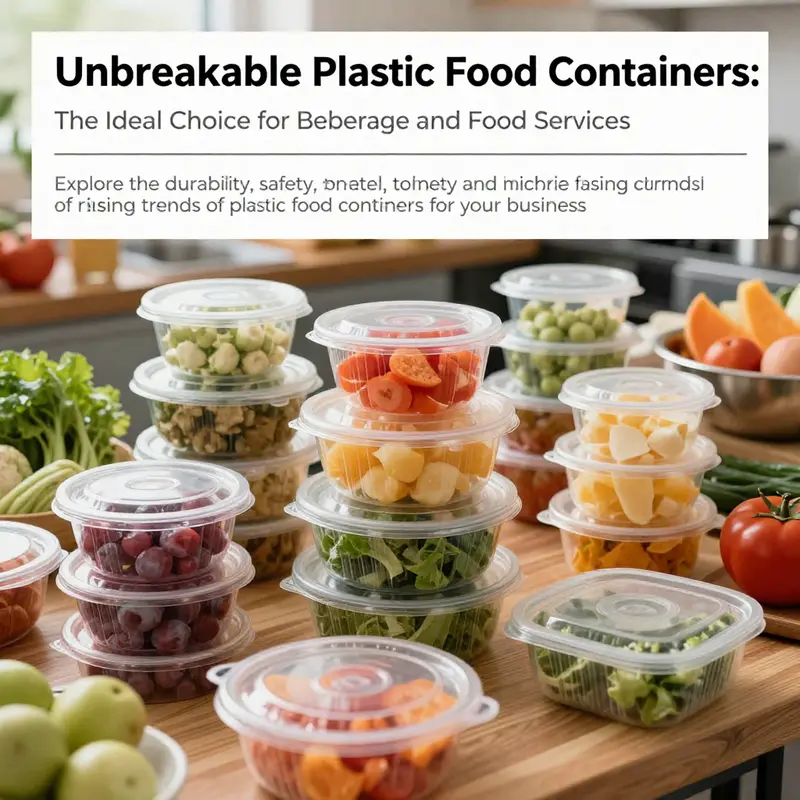
Unbreakable plastic food containers have become essential in various food service settings, including bubble tea shops, restaurants, and catering services. Their durable nature ensures that they withstand the rigors of daily use while maintaining an appealing presentation for customers. As concerns about food safety and storage efficiency grow, understanding the types, safety concerns, and market trends related to these containers becomes paramount. This article will delve into the various types of unbreakable plastic containers, examine safety issues related to chemical leaching, compare them with glass alternatives, and discuss current market trends and consumer preferences to help businesses make informed choices.
Durability in Practice: The Real-World Roles and Rationale Behind Unbreakable Plastic Food Containers
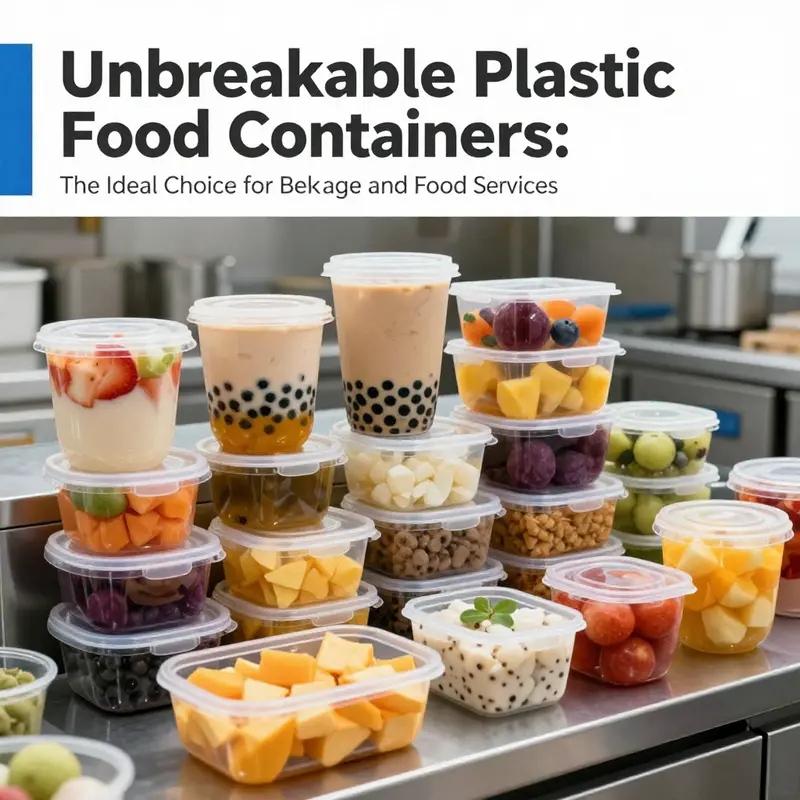
Durability that feels almost like a promise is at the heart of unbreakable plastic food containers. In both bustling commercial kitchens and quiet home pantries, these vessels are chosen not for novelty but for predictable performance. The spectrum of unbreakable plastics ranges from crystal-clear polycarbonates to robust, opaque HDPE and space-efficient polypropylene. Each material carries its own balance of strength, safety, temperature tolerance, and everyday practicality. The goal is not simply to prevent cracks and breaks; it is to sustain cleanliness, preserve flavor, support fast-paced workflows, and reduce waste over time. Within that goal, the choice among polycarbonate, HDPE, polypropylene, and hybrid designs becomes a decision about how the container will be used each day, under what conditions, and for how long it will remain a reliable workhorse in the kitchen routine.
Polycarbonate containers sit at the high end of durability and clarity. Their impact resistance is remarkable, which makes them especially valuable in environments where a misstep or a dropped lid could otherwise end a shift. The benefit of clear walls is practical: staff can quickly assess contents without opening the container, which speeds up inventory checks and reduces the chance of unnecessary handling that could compromise safety. Polycarbonate also holds up across a broad temperature range, typically from well below freezing to near boiling. This combination—strength, visibility, and temperature resilience—renders PC containers suitable for bulk storage, transport in catering settings, and long-term inventory that travels from kitchen to service line. Yet, concerns about chemistry rise in parallel with capability. Repeated exposure to heat or aggressive cleaning cycles can eventually challenge seals and increase the likelihood of leaching, particularly if lids and gaskets wear or warp. Modern labeling often emphasizes BPA-free design, but researchers remind us that other compounds may still warrant attention, depending on use. In practice, this means choosing PC containers for tasks that demand visibility and a strong endurance to daily hazards while monitoring lid integrity and replacing aging components to maintain safety.
HDPE containers offer a different set of advantages, shaped by their opacity, chemical resistance, and rugged durability. The opaque surface buffers light exposure that can degrade certain foods and degrade some plastics over time, making HDPE a sensible choice for long-term storage of dairy products, grains, and other staples in both homes and institutions. HDPE’s resilience to moisture, oils, and most common kitchen chemicals supports reliable performance under frequent handling and rough use. While HDPE can be microwave- or dishwasher-safe in certain designs, it largely excels in durability and safety for repeated cycles in environments where transparency is less critical than fortitude. Importantly, HDPE is widely recyclable, which aligns with sustainability practices in many facilities that prize reuse and waste reduction. In institutional settings—cafeterias, schools, and healthcare facilities—HDPE containers often provide a practical balance: sturdy containment that withstands routine drop, bump, and scrape while offering a safety profile trusted for varied foods and feed cycles. The contrast with PC highlights a core design decision: if visibility and extreme cold or heat are less critical than ruggedness and light-blocking reliability, HDPE frequently wins out.
Polypropylene adds another layer to the durability conversation, especially when reheating and temperature cycling are central to daily work. PP containers are renowned for their heat resistance, tolerating temperatures that allow direct reheating in many cases. This feature is invaluable for meal-prep routines, freezer-to-microwave transitions, and grab-and-go service where quick turnarounds matter. Polypropylene’s combination of light weight and robust strength translates into containers that are easy to handle, slot into compact storage, and survive repeated cycles of emptying and refilling. In consumer use, PP is commonly labeled as microwave-safe and BPA-free, offering a reassuring blend of safety and convenience. Yet, like all plastics, PP is not an omniscient solution. Its performance hinges on proper labeling, adherence to microwave and dishwasher guidelines, and avoidance of prolonged exposure to harsh solvents or oils that can affect the polymer matrix over time. Overall, PP is the workhorse for everyday reheating and storage where moderate heat tolerance and frequent cycling are the norm.
A growing segment within unbreakable designs involves advanced composites and hybrid assemblies. The rigid body of PC or PP paired with a silicone-sealed gasket creates an airtight system that elevates freshness preservation without sacrificing the benefits of a durable container. These hybrids respond to two common kitchen needs: the desire to minimize spoilage and the need for a reliable seal that won’t crack with temperature shifts or repeated opening and closing. In practice, such designs find application in produce storage within home refrigerators, portable meals for travel or work, and other scenarios where maintaining moisture balance is key. The silicone seal resists cracking and retains flexibility, helping to maintain an airtight environment even after extensive use. At the same time, the plastic shell provides impact resistance and stackability, making hybrid containers convenient for busy kitchens that must optimize space and workflow. The combination is especially appealing to users who want a balance between a sturdy exterior and reliable sealing performance, with cleaning ease and dishwasher compatibility as practical bonuses.
Beyond the material personalities, there are shared design features that influence everyday performance. Clear, ribbed exteriors can enhance grip during handling, an important attribute in fast-service environments where containers are slid, stacked, or carried on carts. Airtight lids with silicone gaskets prevent odor transfer and minimize spoilage, a critical factor when preparing and storing mixed menus or batch meals. In many settings, the lids themselves are as important as the container bodies; a good seal can extend shelf life, guard against leaks during transport, and simplify inventory control by reducing the likelihood of spillage. Ease of cleaning matters too. A smooth interior is easier to sanitize, while compatibility with dishwashers accelerates turnover in high-demand contexts. For refrigerators and freezers, tight-fitting seals help prevent condensation and freezer burn, which can ruin texture and flavor. These practical design details—grip, seal integrity, cleanability, and thermal compatibility—are often as decisive as the base material when a kitchen chooses one container system over another.
Food safety and environmental considerations add further texture to the decision-making process. Even as manufacturers label products BPA-free, health-conscious users must consider the potential leaching of other compounds under heat or over repeated use. This reality nudges some cooks toward glass for particular applications, because glass is inert and does not react with acidic or fatty foods under heat. Yet glass is heavier, more fragile in a busy service setting, and often less convenient for stacking or transport. In contrast, modern unbreakable plastics deliver a practical middle ground: durable, lightweight, and designed to minimize spillage and contamination in most typical kitchen scenarios. The key is to select containers that are clearly labeled for food contact, used within the temperature and cleaning guidelines, and retired when seals or walls show signs of age. The lifecycle matters, too. Replacing lids that warp or seals that degrade is part of responsible maintenance, ensuring that the container’s safety and performance do not slip over time.
In hospitality and institutional environments, the decision matrix often leans toward a combination of visibility, durability, and ease of use. The ability to inspect contents without opening a container improves line speed and reduces cross-contamination risks. The rhytmic rhythm of a kitchen—prep, hold, transport, reheat, serve—relies on containers that withstand repeated cycles with little loss of performance. When the questions arise—Should we favor PC for bulk storage with clear visibility, HDPE for long-term, light-blocking storage, or PP for heat-safe reheating?—the answer typically centers on how each material aligns with the daily realities of the operation. The added value comes from a hybrid approach: a sturdy body for protection, a reliable silicone seal for freshness, and thoughtful features such as stackable profiles and grip-friendly textures that support a smooth workflow.
For readers considering broader packaging ecosystems, the contrast with other materials can be instructive. A linked option in the broader discussion points to eco-friendly kraft packaging options that emphasize sustainability and non-plastic alternatives. This internal reference highlights that durability can take different forms depending on the context and the goals—whether prioritizing reusability, end-of-life recyclability, or minimizing heat exposure. To explore this contrasting path, see the eco-friendly disposable kraft food packaging bowl with window and customization options. This internal link serves as a reminder that durable storage is not exclusively the province of plastic containers; it is part of a larger conversation about how we store, transport, and reuse foods in ways that balance performance with environmental considerations.
Ultimately, the choice among polycarbonate, HDPE, polypropylene, and hybrid designs rests on how a container will be used, how often it will be heated or cleaned, and how critical visibility is to daily operations. The most durable solution isn’t a single material, but a system tailored to the workflow: a clear, impact-resistant shell for oversight and long-time storage in some contexts; an opaque, rugged form for rugged handling and chemical resistance in others; and intelligent sealing in all cases to preserve freshness and prevent leaks. In kitchens and service operations, durability is less about resisting the occasional accidental drop and more about delivering consistent performance through repeated use, temperature shifts, and long-term maintenance. As technology evolves, these containers will likely blend even more materials to optimize seal integrity, ease of cleaning, and environmental sustainability, all while staying faithful to the practical demands of real-world use.
External resource: https://www.plasticsindustry.org/hdpe-food-packaging-benefits
Guarding What’s Inside: Understanding Safety Risks and Leaching from Unbreakable Plastic Containers
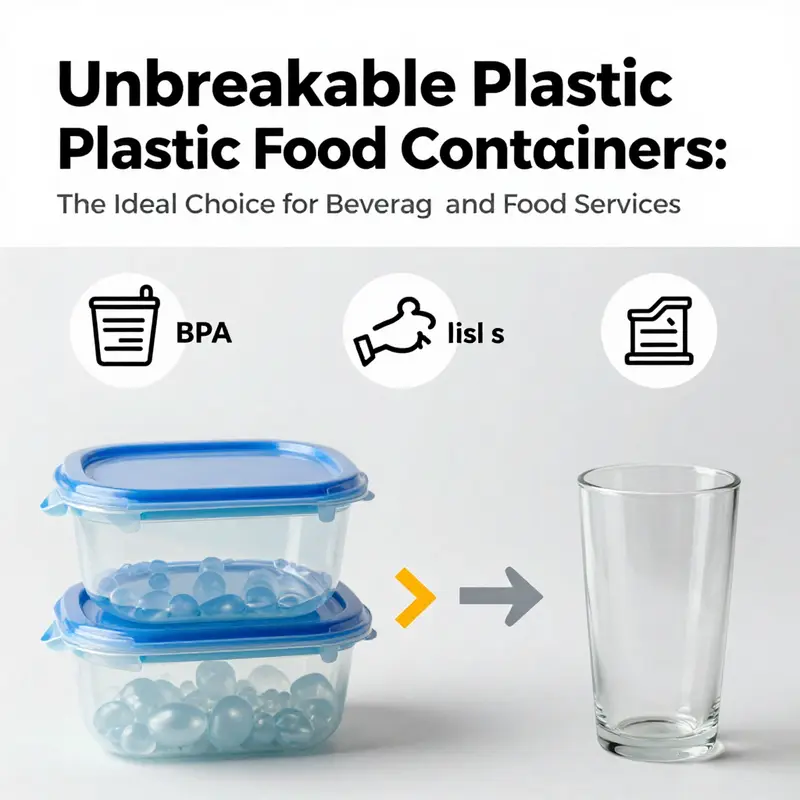
Durable plastic containers promise convenience, but their strength can mask chemical risks when they contact hot, acidic, or fatty foods. Even BPA‑free labels do not guarantee inertness; substitutes such as BPS or BPF may migrate into meals under heat and wear. The safest approach is to minimize prolonged contact, avoid heating plastics unless rated for it, and favor glass or other inert packaging for hot or acidic foods. Regularly inspect lids, seals, and warped walls, and replace containers showing wear. For households that must use plastic, adopt practices like cooling hot foods before storage, avoiding long storage of fatty sauces, and choosing products with tested heat resistance. For readers seeking reliable guidance, reference sources from NIH and Environmental Health Perspectives provide context on leaching dynamics and practical risk management.
Beyond the Break: A Real-World Look at Unbreakable Plastic Containers Versus Glass for Food Storage
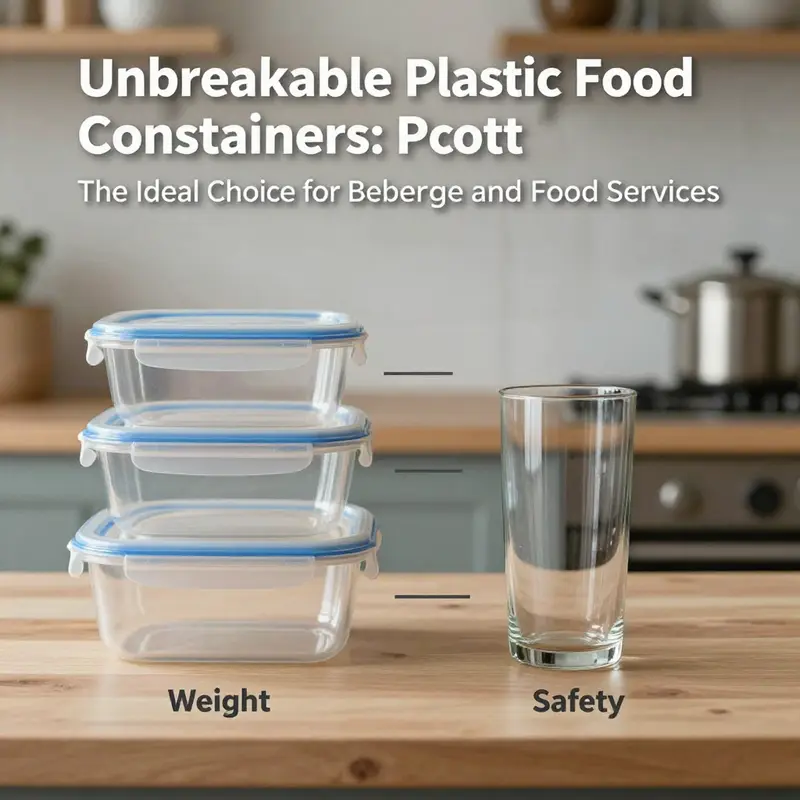
In households and kitchens across the world, a quiet decision unfolds every day: how to store food in a way that protects freshness, supports convenience, and keeps safety at the forefront. The choice often lands on unbreakable plastic containers because they promise durability, lightness, and a form that fits into busy routines. Yet for those who plan ahead for long horizons—whether they stock a family pantry, operate a small cafe, or manage a hotel kitchen—the comparison to glass storage becomes unavoidable. The conversation is not about superstition or trend; it is about material science meeting daily life. Plastic containers, especially those fashioned from high-performance polymers like polycarbonate or HDPE, carry a reputation for resilience. They shrug off drops, resist cracking, and stack neatly in tight spaces. The practical appeal is irresistible when time is of the essence: quick access, easy transport, and the sense that a container will earn its keep for years with only routine maintenance. But durability earns its cost in another dimension—how a material interacts with heat, how it seals, and how it ages under repeated use. The choice, for many, is a balance between reliability in the short term and safeguards for health and flavor in the long term. The tension between those priorities pushes the conversation beyond a simple preference for a “tough plastic” and toward a more deliberate appraisal of what storage should actually achieve in real kitchens and service environments.
Safety and chemical leaching often sit at the heart of the plastic-versus-glass debate. Even when plastics carry BPA-free labeling, which many manufacturers highlight as a selling point, the science remains nuanced and evolving. In practice, what matters most to health-conscious users is whether substances migrate into food under typical conditions—repeated washing, exposure to heat, or contact with acidic or fatty ingredients. The literature points toward a sobering reality: substitutes such as BPS or certain phthalates may still leach and act as endocrine disruptors, albeit sometimes at low levels. As Dr. Laura Vandenberg cautions in peer-reviewed discourse, just because a plastic is labeled BPA-free does not guarantee safety; many substitutes have not undergone long-term testing for human health effects. This is not a call to panic but a reminder that safety hinges on transparent, ongoing research and practical precautions in everyday use. In glass, by contrast, the story shifts. Glass is chemically inert with respect to food; it does not absorb flavors, odors, or acidic residues, and it remains stable when heated, cooled, or washed. The silent strength of glass is its stability rather than its toughness. It does not migrate substances into the food under routine kitchen or service conditions, which makes it appealing from a health-risk perspective, especially for those who routinely reheat meals or store leftovers in warm environments. The external evidence around endocrine disruptors in plastics emphasizes the need for informed decision making that goes beyond labeling and into the domain of real-world usage patterns. A broader synthesis of research points to the same conclusion: the safety profile of plastics depends on the entire lifecycle—from material composition to processing, usage, and end-of-life handling. External reviews and regulatory inquiries reinforce the notion that inertness in glass remains a distinguished advantage for certain long-term storage scenarios. For readers who want to explore the scientific nuances in more depth, a recent review in Environmental Health Perspectives provides a rigorous overview of the concerns surrounding BPA replacements and their potential hormonal effects.
From a practical standpoint, freshness preservation hinges on three levers: oxygen exposure, moisture migration, and temperature stability. A container that seals tightly with a silicone gasket can dramatically slow oxygen ingress and reduce odor transfer. Yet repeated heating and mechanical wear can deform gaskets and blur seals, gradually letting air creep back in. When air returns to the interior, oxidation and microbial activity can gain a foothold, especially in foods that are rich in fats or prone to moisture migration. Glass containers—whether with metal or silicone lids—tend to preserve a sharper barrier against oxygen and odors over time, even after repeated cycles of heating and cooling. They also offer a neutral palate for flavors; unlike some plastics, glass does not lend a plastic-like aftertaste or odor to foods that sit in storage. A 2026 analysis of flavor dynamics emphasizes how even subtle interactions between packaging and contents can influence the perceived taste of leftovers and reheated dishes. In this regard, the choice of container becomes part of a broader culinary equation: the tool chosen can subtly shape the sensory quality of meals long after they were prepared.
Durability and practicality compose the second axis of the decision. Unbreakable plastic containers, often crafted from polypropylene or Tritan-like polymers, are designed to shrug off drops, endure rough handling, and be part of quick, on-the-go routines. They win on portability and resilience in busy kitchens and take-out operations. Yet they come with caveats. Scratches can accumulate on plastic surfaces, creating microhabitats that harbor residues and, potentially, bacteria. Scratches can also trap oils and foods from previous batches, challenging ongoing hygiene and the effectiveness of seals. Glass has its own resilience story, but it is a different resilience: tempered or reinforced glass can resist thermal shock and resist cracking when handled with appropriate care; however, it remains heavier and more vulnerable to impact if mishandled. The contemporary glass offerings have evolved to meet practical needs: better thermal stability, improved lids, and more secure seals, enabling longer lifespans in the kitchen and in service environments. The trade-off is clear: plastic offers lighter weight and higher portability, while glass offers enduring chemical stability, odor neutrality, and long-term durability. A lifecycle perspective often tilts toward glass for settings where longevity and flavor integrity matter most, even if that comes with a heavier load and slightly less convenience in busy day-to-day operations.
Environmental impact adds another important dimension. Plastic storage contributes to microplastic pollution concerns and tends to rely on collection and recycling systems that are imperfect in practice. Glass, in contrast, is infinitely recyclable and typically recycled with high fidelity, although its production footprint initially sits higher due to energy requirements. Long-term usage patterns matter here: a well-maintained glass container can last for decades, reducing the frequency of replacements and the cumulative environmental footprint. That said, the broader environmental calculus must consider transportation energy and end-of-life processing. Some environmental analyses suggest that over a typical multi-year horizon, glass can outperform plastics in terms of lifecycle sustainability, particularly when the plastic is repeatedly replaced due to wear or seal degradation. As environmental assessments emphasize, the ultimate environmental cost/benefit hinges on how long a container remains functional, how often it requires replacement, and how readily it can be recycled at the end of its lifecycle. This is not merely a matter of raw materials but of system-level sustainability that considers consumer behavior, waste streams, and municipal recycling capabilities. In parallel, public health and environmental toxicology voices stress caution about chemical migration from plastic into soil and water, underscoring a precautionary approach in sensitive storage contexts.
So, which path should a consumer take? The answer rests on a careful alignment of priorities with practical realities. If health considerations, long-term flavor fidelity, and environmental sustainability take precedence, glass emerges as a compelling option. It offers inert chemistry, stable barriers to odor and flavor transfer, and a long lifespan when cared for. If portability, impact resistance, and ease of everyday transport win the day, unbreakable plastic remains a strong ally, provided users adhere to sensible usage guidelines and replace containers when seals degrade or surfaces become deeply scratched. A pragmatic middle ground exists as well. For some kitchens, using high-quality plastic for day-to-day storage, and reserving glass for components that will be reheated or stored for extended periods, can balance the benefits of both materials. This approach acknowledges the reality that many modern kitchens juggle both safety and efficiency, selecting the container type that best suits the food, the reheating method, and the anticipated storage duration.
In practical terms, there are actionable steps readers can take to maximize safety and freshness, regardless of material. First, avoid microwaving plastic containers that are not explicitly designed for high heat. Heat can accelerate migration of additives and alter the seal, undermining both safety and freshness. Second, invest in containers with proven, durable gaskets and consider periodically inspecting and replacing lids and seals to maintain airtight performance. Third, maintain cleanliness diligently; micro-scratches and residues can shelter microbes even when a container looks pristine. Fourth, store foods in a manner that minimizes oil- and acid-rich components contacting plastic surfaces for long periods. Finally, recognize that the choice between plastic and glass often comes down to the context of use: home kitchens with active lifestyles may prioritize durability and lightness, while long-term storage, reheating, and flavor preservation may tilt the balance toward glass.
For readers who want to explore packaging options beyond the traditional plastic or glass dichotomy, there are practical procurement considerations. Packaging systems and containers with eco-friendly or recycled materials can be appealing, but it is essential to verify performance attributes such as seal integrity, chemical safety, and heat tolerance. Among the broader packaging landscape, some options emphasize durable, recyclable, and low-impact designs that align with both consumer convenience and sustainability goals. For readers curious about a broader range of packaging formats and their compatibility with daily routines, a catalog-like selection of eco-conscious kraft packaging demonstrates how alternatives can pair with responsible storage practices. senang02-disposable-eco-friendly-kraft-box-boat-shape-pla-coated-custom-packaging-for-fast-food-cookie-sugar-tray offers a glimpse into the kind of packaging versatility that makes modern kitchens more adaptable while staying mindful of environmental considerations. This linkage illustrates how choices in packaging design reflect a broader aim: to combine durability, safety, and sustainability in a way that supports both everyday cooking and longer-term storage plans.
As readers weigh these considerations, the dialog surrounding unbreakable plastics versus glass becomes less about which material is universally “better” and more about which is better for a given use case. The evidence supports a nuanced approach: plastics offer reliable performance for quick-service and on-the-go needs, with the caveat that repeated heat exposure and aggressive cleaning can degrade seals and encourage material migration. Glass offers a compelling alternative when long-term storage, reheating, and flavor neutrality are paramount, even if it comes with heavier handling and restricted portability. This nuanced view helps cooks and managers craft storage strategies that align with their priorities and constraints, rather than subscribing to a one-size-fits-all rule. The conversation is not static; as materials science advances and recycling systems evolve, the calculus may shift in favor of new technologies. For now, the most prudent path is the one that integrates health considerations, freshness preservation, practicality, and environmental responsibility into a coherent storage philosophy. In moving through this framework, readers gain a clearer sense of how best to safeguard foods while supporting efficient, sustainable kitchens.
For readers seeking deeper scientific context on the safety questions surrounding plastic additives and their health implications, the broader literature provides a careful, scientifically grounded perspective that complements this comparative lens. The discussion remains anchored in real-world practice: the container you choose should serve your food safety standards, preserve flavor and texture, and align with your environmental values. In that spirit, the chapter turns from the debate itself to how kitchens—and the people who manage them—make informed choices day by day, season after season. The goal is not a simple verdict but a practical playbook: use materials intentionally, maintain seals diligently, and stay curious about the evolving science of food storage. And as you transition from the present discussion to the next chapter, remember that the right container is the one that fits your needs while supporting safer, tastier meals over the long arc of everyday life.
External reading: for a comprehensive look at endocrine disruptors and plastic substitutes, see the environmental health literature on BPA alternatives (https://ehp.niehs.nih.gov/doi/10.1289/EHP12345).
Unbreakable Plastics in Everyday Kitchens
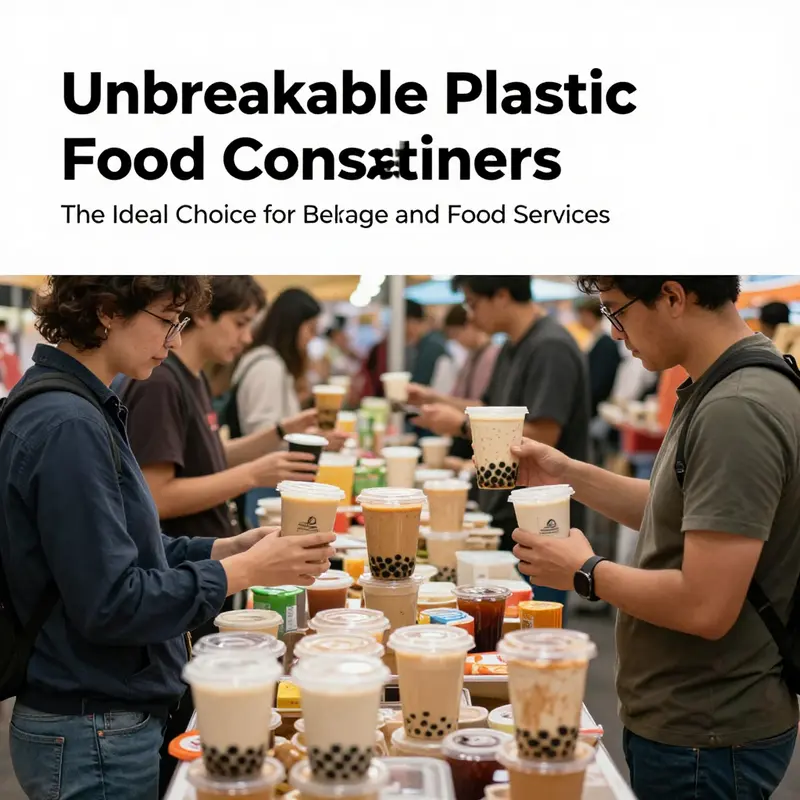
Durable plastic food containers are designed to be strong, safe, and convenient for home and professional use. This chapter summarizes the key materials, design choices, and safety considerations that influence performance in freezing, heating, and cleaning, while noting sustainability and recycling considerations.
Final thoughts
In conclusion, unbreakable plastic food containers serve as a practical solution for beverage shops, restaurants, and catering services. Their durability, design, and functionality provide a convenient way to maintain food quality and safety during storage and service. By understanding the various types available, addressing safety concerns, and examining how they compare to glass alternatives, businesses can make informed choices that align with consumer preferences and market trends. Ultimately, integrating high-quality unbreakable plastic containers can enhance operational efficiency and customer satisfaction.