
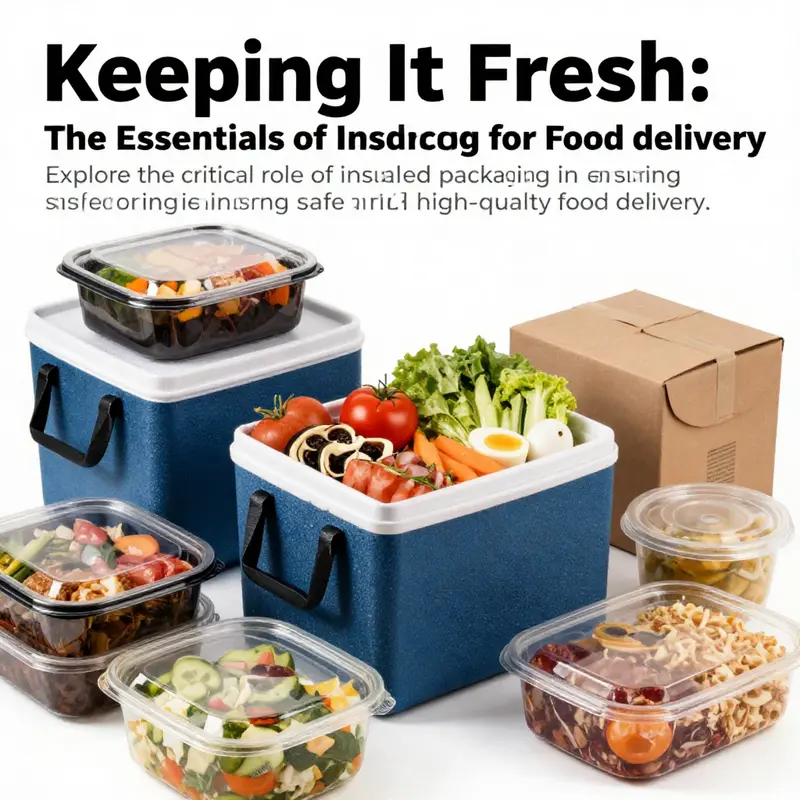
Insulated packaging for food delivery plays a vital role in maintaining food safety, temperature integrity, and overall quality as meals transition from kitchens to customers’ homes. For businesses such as bubble tea shops, restaurants, food trucks, and catering services, it is imperative to understand the materials and technologies that drive insulated packaging solutions. Furthermore, while insulated packaging offers significant advantages, it also presents unique challenges that must be navigated. This article will guide you through essential knowledge on materials, the benefits and challenges associated with insulated packaging, and the latest trends and innovations shaping the market. As you read on, you’ll gain insights tailored to enhancing your service delivery while ensuring compliance with food safety standards.
Thermal Guardians: Materials, Innovations, and the Experience of Insulated Food Delivery
In the quiet physics of everyday meals, insulated packaging acts as a sentinel, guarding warmth or chill as food travels from kitchen to customer. The science behind this protection is not a single invention but a layered choreography of materials, geometries, and, increasingly, intelligence. At its core, insulated packaging aims to slow heat transfer—keeping hot dishes steaming and cold items cool—while surviving the uncertainties of real-world transit: fluctuating ambient temperatures, variable load, and the gentle jostle of a courier’s route. To understand how this is achieved, one can imagine the packaging as a multi-layered organism. Each layer plays a role, balancing cost, environmental considerations, and performance, so that the system as a whole delivers a predictable thermal profile from the moment the container is sealed until the moment the lid is removed by a hungry, impatient recipient.
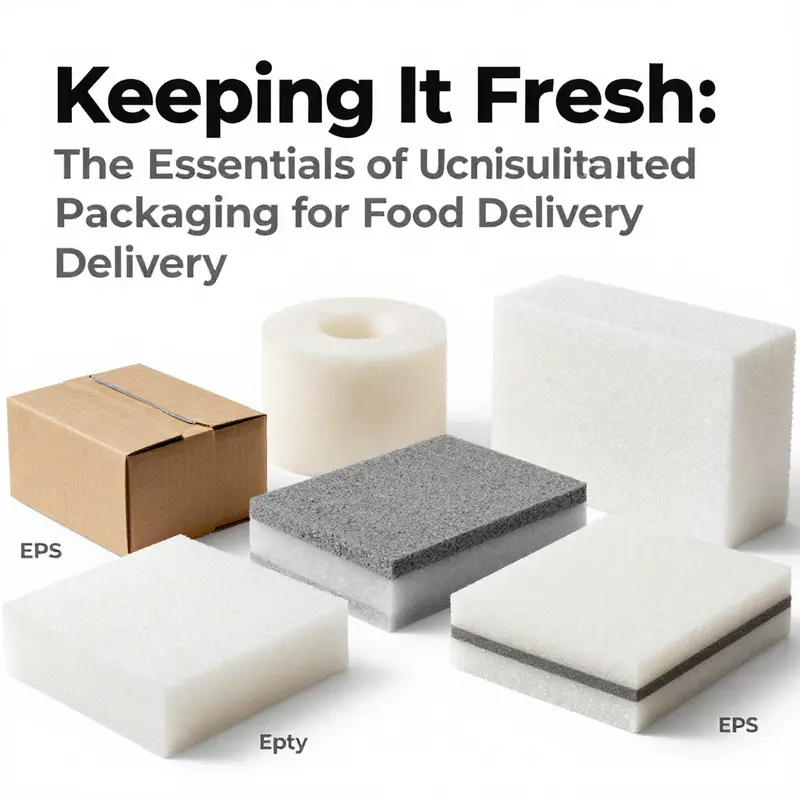
The journey begins with fundamentals that have shaped insulated food packaging for decades. Traditional designs rely on insulating foams, such as expanded polystyrene and polyethylene foams, which create low-conductivity barriers that resist heat flow. These foams are often paired with an inner lining designed to resist moisture and maintain a clean, food-safe interface. Between the foam and the outside world, reflective barriers such as aluminum foil or metallized films further dampen radiative heat exchange. The goal is not just to trap air but to engineer a network of barriers that reduces conduction, convection, and radiation. In practice, this means that a hot soup can stay hot long enough to reach its destination even if the exterior air is brisk or the vehicle’s cabin is chilly. It also means a cold dessert can remain below a critical temperature for longer in transit, preserving texture and safety.
Yet real-world performance depends on more than a single layer. The packaging often harbors a practical combination: insulating foams, reflective sheets, moisture barriers, and sometimes vacuum-sealed fiber layers. Vacuum-sealed bags remove air around the food, a move that slows oxidation and microbial growth while reducing the rate of heat transfer from the surroundings. Gel packs or heating elements complement the design, absorbing excess heat or releasing it in a controlled fashion to stabilize internal temperatures. Together, these components create a thermal envelope that can withstand the uncertainties of delivery, from a stop in traffic to a gusty outdoor loading zone. Advanced configurations even go beyond basic insulation by incorporating laminated insulation layers within sealed thermal pouches, enabling the system to maintain stable temperatures for longer periods, sometimes spanning a full day in exceptional circumstances. While these innovations offer tangible protection for perishable items, they also remind us that the journey from kitchen to customer is not a single temperature moment but a dynamic thermal narrative.
Within this narrative, Phase Change Materials (PCMs) have emerged as a particularly elegant solution. PCMs are engineered to absorb or release latent heat at specific temperatures, blunting the peak of temperature excursions that occur when the external environment shifts, doors open, or a courier’s route stretches longer than expected. When embedded within packaging layers, PCMs act like tiny thermal buffers. They can soak up excess heat as a hot meal travels through a warm region, then release that energy more gradually if the ambient temperature drops. The result is a more stable internal environment, which translates into meals that arrive at safer temperatures and with less moisture migration that can compromise texture and flavor. The implementation of PCMs is a balancing act, though. The melting and solidifying temperatures must be carefully matched to the type of food and its recommended storage limits, and the integration must avoid adding excessive weight or cost. Nevertheless, in the right design, PCMs can smooth out the temperature curve without creating the risk of soggy insulation or rigid, brittle packaging that makes handling awkward.
Alongside PCMs, sustainability has moved from a niche concern to a central design driver. The latest generation of insulated packaging increasingly leans on sustainable materials that do not trade away performance for environmental responsibility. Molded fiber constructed from recycled paper offers a compelling alternative to traditional plastics in certain applications. This material can provide competitive insulating properties while delivering advantages in end-of-life handling, since it tends to be more compatible with composting streams or recycling systems in some markets. Plant-based bioplastics and other bio-based composites are also being explored to reduce reliance on fossil-based polymers. The challenge remains to preserve the physical integrity, barrier properties, and moisture resistance essential for food safety while embracing these greener options. The trend toward sustainability is not only about raw materials; it also shapes packaging architecture. For example, biodegradable or reusable components may be integrated into multi-layer assemblies to maintain temperature performance while providing a path toward lower long-term environmental impact.
In terms of smart integration, technology is beginning to enter the realm of temperature assurance in practical, consumer-facing ways. Temperature monitoring sensors, connected via Bluetooth or encoded into QR codes, are finding their way into insulated containers. These sensors relay real-time temperatures to the delivery system and often to customers via smartphones, enabling visibility that was once the purview of lab environments. Such telemetry helps assure compliance with safety standards and gives customers a verifiable record of the temperature history their meal experienced en route. From a brand perspective, this information becomes part of the service promise—an explicit signal that food safety and quality are top priorities. The sensors are typically designed to be unobtrusive, preserving the user experience while delivering actionable data. The future of smart packaging could add feedback loops with the kitchen, enabling dynamic routing decisions to avoid exposure of sensitive items to extreme heat or cold, or prompting re-packaging when transit conditions deteriorate.
The practical implications of these materials and technologies unfold in a broad spectrum of applications. Meal kit services, fitness-focused meal plans, and premium takeout operations benefit from robust insulation that supports both safety and brand perception. In many cases, the packaging is not merely a container but a canvas for branding—the shape, color, and logo of the carrier can be integrated with the insulation strategy to deliver a cohesive customer experience. For such applications, durability and leak resistance are essential. Dual closures, removable dividers, and sealable pouches help prevent cross-contamination, maintain separation between hot and cold items, and protect fragile components such as dessert portions. From a logistics standpoint, the capacity to hold temperature for a predictable window enables more flexible delivery scheduling, reduces the risk of spoilage during peak traffic hours, and improves overall customer satisfaction when meals arrive as expected.
However, embracing these advances is not without tradeoffs. The most immediate considerations are cost, bulk, and weight. High-performance insulation layers and PCM integrations often carry higher material costs and manufacturing complexity. The increased weight can influence shipping expenses and energy use in transit, particularly for long-haul deliveries or fleets emphasizing efficiency. Bulkier designs challenge last-mile operations, where accessibility, stackability, and space constraints matter. For many operators, the solution lies in a careful compromise: selecting a tier of insulation tuned to the meal’s temperature sensitivity and expected transit duration, and combining it with modular designs that allow for scalable configurations. In this balancing act, the idea of reuse and recyclability gains prominence. Reusable containers, when integrated into a circular system, can lower single-use waste and align with corporate sustainability goals. The tradeoff is not simply material cost but the operational discipline required to collect, sanitize, and reissue these containers on a broad scale.
Consistent with these evolutions, there is a growing awareness of the entire packaging ecosystem. What matters most is not only the insulation performance in a laboratory but how these systems perform in the messy realities of street-level delivery. A container might pass a thermal test in controlled conditions, but it must resist punctures, leaks, condensation, and mishandling in the hands of couriers and the hands of customers. The integration of durable inner linings, leak-resistant seals, and moisture barriers becomes crucial in maintaining quality as the product passes through a chain of custody that includes kitchens, drivers, distribution hubs, and doorsteps. In this sense, the packaging is a living part of the food system, interacting with food safety standards, consumer expectations, and the economics of delivery.
From a consumer perspective, the experience of receiving a meal is shaped as much by the packaging as by the food itself. A well-insulated container signals care, reliability, and professionalism. It reduces the likelihood of sogginess and boundary-crossing aromas that might occur when heat seeps through a weak boundary. For perishable items such as soups, curries, and delicate desserts, the temperature history delivered with the packaging can be an important part of the dining narrative. In some cases, customers become attuned to the packaging’s cues—its heft, its tactile quality, and the way it protects the food’s texture and presentation. In turn, brands leverage these cues to reinforce trust and loyalty. This is where functionality and branding intersect; durable, well-sealed containers with clean lines and thoughtful closure mechanisms also serve as portable marketing, offering a reliable, repeatable experience that customers come to expect.
The broader implications of these innovations extend beyond the dining table. For meal kit providers and caterers, reliable temperature control expands the geographic reach of offerings, enabling service in regions with longer transit times or more challenging climates. It supports sustainable logistics by reducing spoilage and waste, a critical consideration in an era of rising food waste awareness. And it invites ongoing research into materials science and process design. Designers continually explore how to optimize the thin boundaries between insulation, weight, cost, and environmental impact. The challenge is not only to maintain internal temperatures but also to make the packaging itself a material that can be responsibly managed after use.
Consider the practical example of everyday packaging used in consumer settings, which mirrors the same principles in a smaller scale. For instance, a disposable double-wall craft paper cup demonstrates how insulating architecture can combine simple geometry with a protective interface to preserve temperature and usability. While this example operates at a different scale, the underlying concept remains: multiple barriers work together to manage energy flow, moisture, and mechanical stress. The broader takeaway is that the insulation strategy is most effective when designed with a holistic view of the product, the delivery environment, and the consumer’s experience. It is not enough to create an excellent insulating layer in isolation; the entire system—from lid integrity to seal design, from inner liners to outer shells—must harmonize to deliver a consistent temperature profile and a satisfying unboxing moment.
Ultimately, the story of insulated packaging for food delivery is a story about resilience and trust. It is about how materials science, environmental stewardship, and digital technology converge to protect the most vulnerable aspects of a meal: its temperature, texture, and safety. The aim is to minimize the chances that a delivery arrives too warm or too cold, to reduce the spoilage risk, and to preserve flavor and aroma in transit. In practice, this means choosing materials with proven insulation performance, integrating PCMs where appropriate, adopting sustainable and reusable options when feasible, and leveraging monitoring technologies to provide transparency. It also means acknowledging costs and tradeoffs, then designing packaging that aligns with operational realities and customer expectations. As the industry continues to innovate, the future will likely see smarter, lighter, and more sustainable systems that still deliver the essential promise: meals arriving in peak condition, ready to enjoy, regardless of the distance traveled or the weather outside.
For further reading on the spectrum of insulating materials and technologies that inform these designs, see the external resource that summarizes contemporary developments in insulated food delivery packaging materials and technologies. And for those curious about how such concepts translate into consumer-grade packaging options, one relevant example of insulating design in portable food containers can be explored through internal product references that emphasize durable, reusable, and logo-customizable configurations. Disposable double-wall craft paper cups
In short, the arc of insulated packaging in food delivery is a continuous negotiation among performance, cost, sustainability, and experience. The best solutions weave together multi-layer insulation, phase-change buffering, sustainable materials, and smart sensing into a coherent system that keeps food safe, tastes right, and reinforces a brand’s reliability in a competitive market. The narrative is not merely about keeping heat in or cold out; it is about stewarding a moment of hospitality from kitchen to table, ensuring that the first bite mirrors the first impression of care and quality.
External resource for deeper technical context: https://www.foodserviceequipment.com/insulated-food-delivery-packaging-materials-technologies/
Holding the Line: The Hidden Engineering Behind Temperature-Stable Food Delivery
Temperature is not only a number on a thermometer; it is a sensory signal that can determine whether a meal tastes like comfort or merely payload. In the realm of food delivery, the journey from kitchen to customer is a sequence of micro-environments, each with its own heat or cold flux. The most visible pieces of this journey are the meals themselves, but the real work happens in the packaging that surrounds and shields them. Insulated packaging is the unsung guardian of texture, aroma, and safety, an engineered barrier designed to slow heat exchange, slow oxidation, and slow microbial growth while keeping the experience intact. When a customer opens a package and feels that familiar warmth seeping from a soup or that chill of a dessert captured in a cool box, they are sensing a carefully orchestrated collaboration between materials science, logistics, and product design. The chapter that follows treats insulated packaging not as a mere container but as a performance system, a composite architecture built to preserve temperature, preserve quality, and preserve trust between brand and consumer.
At its core, insulated packaging for food delivery is a layered defense against heat transfer. The main objective is simple in concept—minimize heat gain into hot items and heat loss from cold items as they move through warehouses, vehicles, and handoffs. Yet achieving this requires a precise blend of materials and configurations. The most common core materials—expanded polystyrene (EPS), polyethylene foam, and vacuum-sealed fiber layers—are chosen for their low thermal conductivity and their ability to create air gaps that suppress convection. EPS acts as a rigid, light-filled buffer that traps air within its cellular matrix. Polyethylene foam bring flexibility and compressive strength, cushioning the contents while contributing additional insulation. Vacuum-sealed fiber layers, by removing air around the food itself, create a microenvironment that resists oxidation and microbial growth. These materials do not work in isolation; they are assembled into a system that accounts for the realities of transit: stop-and-go traffic, crowded loading docks, varying ambient temperatures, and the inevitable interruptions in service that can occur during peak hours.
The idea of a multi-layer system is more than a stacking of parts. It is a lattice of performance tuned to the typical durations and temperature targets of a given menu. When hot foods travel, the goal is to hold them near their peak sensory temperature without letting heat creep in from the surroundings. For cold items, the system aims to maintain chill, preventing condensation and maintaining texture. Gel packs and heating elements are often used in concert with the insulating shell to widen the stability window. Gel packs can be pre-chilled or pre-heated to desired states and placed within the container to create a thermal buffer around the food. In some cases, devices that actively modify internal temperature—such as heating elements—are deployed, particularly for longer routes or for items that require a precise serving temperature upon arrival. The combination extends the duration over which a delivery can remain within an acceptable thermal envelope, a capability especially valuable for long-distance deliveries and for caterings that must deliver to venues with uncertain access times.
A further layer of sophistication emerges with vacuum-sealed bags and laminated pouches. Vacuum sealing squeezes out air that would otherwise support microbial growth and oxidative reactions. In sous-vide preparation, vacuum-sealed bags hold the flavor and moisture of the product without relying on ambient air for insulation, while in shipping they slow spoilage and preserve the integrity of delicate textures. Laminated insulation layers, often integrated into sealed pouches, create a dedicated microclimate that resists external temperature swings for extended periods. Some of these sealed pouches can maintain stable temperatures for up to 48 hours, a capability that expands the practical reach of a single delivery window and reduces the need for rapid handoffs.
The practical implications of these design choices extend beyond pure performance. In a world where a single order may combine hot entrees, cold desserts, and semi-frozen components, the packaging must accommodate both hot and cold in a single shipment or at least in adjacent compartments within the same delivery system. This complexity has spurred a family of containment strategies that include inner liners designed to minimize moisture intrusion, venting features to prevent pressure buildup, and partition systems that keep items from abutting each other and exchanging odors or moisture in ways that degrade overall quality. Some designs rely on removable dividers or partition schemes to accommodate varying meal configurations. Even the geometry of the container—whether it is a box with rigid walls, a pliable bag with stiffeners, or a tote with an insulated shell—profoundly affects performance. In fact, the literature notes that some insulated designs incorporate hard foam partitions or removable dividers to optimize space and organization, a nod to both efficiency and reliability in busy kitchens and delivery hubs. A concrete example cited in practical discussions is a 44L waterproof delivery backpack with integrated dividers, illustrating how insulation, structure, and portability can converge in a single product to support complex delivery workflows.
Cognizant of the realities of operating budgets, food businesses repeatedly weigh the benefits of insulation against the costs. Insulated packaging offers clear advantages in reducing spoilage risk, preserving sensory quality, and elevating customer satisfaction. It also supports brand reputation by ensuring that meals arrive in a state that aligns with customer expectations. Yet these benefits come with tangible trade-offs. Insulated containers tend to be more expensive than standard packaging, and their bulk and added weight can lead to higher shipping and handling costs. For operators managing large fleets or performing high-volume deliveries, even small increases in packaging weight or volume can scale into meaningful increases in fuel consumption and carrier space. The container’s weight can also complicate loading and unloading, particularly in tight urban environments where every inch of storage matters. These realities have spurred ongoing interest in optimizing materials, seeking a balance between cost and performance, and exploring the potential of reusable, eco-conscious options that can align with broader sustainability goals.
Sustainability has become a central axis around which insulated packaging strategy evolves. Reusable solutions, when properly integrated into a closed-loop system, offer a path to reduce waste and conserve resources. Reusable insulated totes, backpacks, and liners are increasingly positioned as durable workhorses for fleets that run multiple shifts daily. The trade-off often lies in lifecycle cost, cleaning logistics, and the durability of insulation under repeated use. Whether the goal is to minimize waste or to align with corporate responsibility programs, the industry is moving toward reusable configurations that still meet the rigorous temperature requirements of a given menu. In this transition, the integrity of the insulation remains paramount, because wear and tear can erode performance rapidly. The design challenge is to extend service life while keeping maintenance straightforward and costs predictable.
From a logistics perspective, the choice of packaging reverberates through the entire chain. Operators must select packaging that not only meets temperature targets but also harmonizes with warehousing practices, vehicle types, and delivery routes. The variety of products on a single order—soup, pasta, salads, and desserts—often demands flexible systems that can be configured with dividers, cushions, and moisture barriers. Space efficiency becomes a practical concern, especially for last-mile operations in dense urban centers where vehicles are at a premium and every cubic foot matters. The packaging also becomes a visible extension of the brand, a silent ambassador that communicates care, quality, and professionalism to customers. This branding aspect has real value, as customers frequently judge the overall dining experience by the packaging’s condition on arrival and by how well it preserves the experience promised by the menu.
In the evolving landscape of delivery, the practical guidelines for selecting insulated packaging emphasize compatibility with the menu, the expected transit duration, and the nature of the items being shipped. Catering companies, event services, and commercial kitchens routinely rely on insulated systems to extend the window during which food remains safe and appealing. For instance, when gel packs or heating elements are incorporated, the resulting performance envelope is broader, allowing for longer transit times or more complex routing. A robust system also accounts for the moisture and steam produced by hot foods; moisture management within the container prevents sogginess and helps maintain texture, which for many dishes is as crucial as temperature alone. The overarching aim is to support the entire delivery experience: food safety, sensory quality, operational efficiency, and customer satisfaction—all in concert.
To illustrate how these principles translate into real-world packaging choices, consider the spectrum of forms commonly found in delivery operations. Insulated delivery backpacks offer mobility without sacrificing thermal protection, while thermal pizza carriers are tuned for the particular geometry and steam behavior of topped slices. Reusable grocery bags and large transport totes provide scalable solutions for bulk orders or catering events. Some configurations include removable partitions, which help segregate items and reduce cross-contamination or flavor transfer, while others emphasize rigid, shatter-resistant inner structures to guard fragile components. The diversity of forms reflects a simple truth: insulation is not one size fits all. It must be calibrated to the items, the route, and the delivery cadence, balancing performance with practicality. In this ecosystem, customization—whether through OEM bag configurations or logo-enabled packaging—offers brands an opportunity to reinforce identity while preserving integrity.
For operators seeking concrete, action-oriented choices within a still-broad design space, a practical anchor is the idea of combining an insulated shell with strategic internal organization. A sturdy outer container can be paired with inner liners designed to minimize moisture migration, while a set of partition walls can help manage multi-item orders. A system like this benefits from thoughtful load planning: placing heat-sensitive items toward the center where heat flux is lower, and ensuring that steam and condensation do not compromise textures. This approach also aligns with the push toward eco-conscious packaging, as reusability and modularity reduce waste while maintaining performance. The result is a resilient, adaptable solution that supports a broad range of menu configurations and delivery scenarios.
In short, insulated packaging for food delivery is a performance fabric for temperature control. It is not merely about keeping heat in or out; it is about shaping the customer’s entire sensory experience, stabilizing quality during transit, and enabling reliable service in a market where speed and freshness matter as much as taste. The materials—EPS, polyethylene foam, vacuum-sealed fiber layers—are not just inert substrates. They are active participants in a choreography that includes gel packs, heating elements, and vacuum-sealed bags, all orchestrated to keep meals closer to their ideal state for longer. When you factor in laminated insulation layers that can sustain temperature over a 48-hour horizon, you glimpse a future where even the most demanding deliveries can be executed with confidence and clarity. This is the essence of temperature-stable packaging: a disciplined integration of science, logistics, and care that quietly negotiates the boundary between cooking and consuming.
For businesses exploring practical examples of how these principles translate into everyday packaging decisions, consider the broader ecosystem of containers and accessories that complement insulated systems. Beyond the core shells, the market offers insulated delivery backpacks, thermal carriers, and large transport totes designed to handle a mix of hot and cold foods, with configurations that include removable dividers and dual-zip closures to streamline loading and unloading. In an increasingly digital economy, the ability to customize packaging with logos or branding elements while preserving barrier performance remains a compelling value proposition, reinforcing brand recall while maintaining the integrity of the food during transit. As these systems mature, they also open up opportunities to rethink how packaging interacts with the customer experience—how the unboxing moment, the clean separation of components, and the ease of reheating or storage after delivery can be aligned with sustainability and efficiency goals. The conversation is moving toward an integrated view where packaging design, fleet logistics, and menu engineering co-evolve to deliver a consistently superior product.
Internal reference example: for a practical, exterior-facing packaging option that complements insulated systems, you can explore disposable kraft paper take-away boxes with clear lids and custom prints. These containers illustrate how an outer aesthetic and simple, reusable-leaning components can coexist with the thermal performance inside. disposable kraft paper take-away box with clear lid and custom print. This linkage points to a component of the larger packaging ecosystem that helps close the loop between interior insulation performance and exterior presentation, a reminder that packaging decisions ripple through procurement, branding, and customer perception.
The conversation about insulated packaging for food delivery is not finished with a single solution or a static recommendation. It remains an ongoing negotiation among cost, performance, and sustainability, guided by a growing body of best practices and experimental findings. For a deeper dive into the technical specifications, features, and best practices that underpin these systems, an external resource offers a thorough synthesis of concepts, metrics, and strategies that inform decision-making across kitchens, caterers, and delivery networks. External resource: Insulated Food Packaging Explained: Technical Specifications, Features, and Best Practices.
The Temperature Frontier: Trends, Technologies, and Trade-Offs Shaping Insulated Packaging for Food Delivery
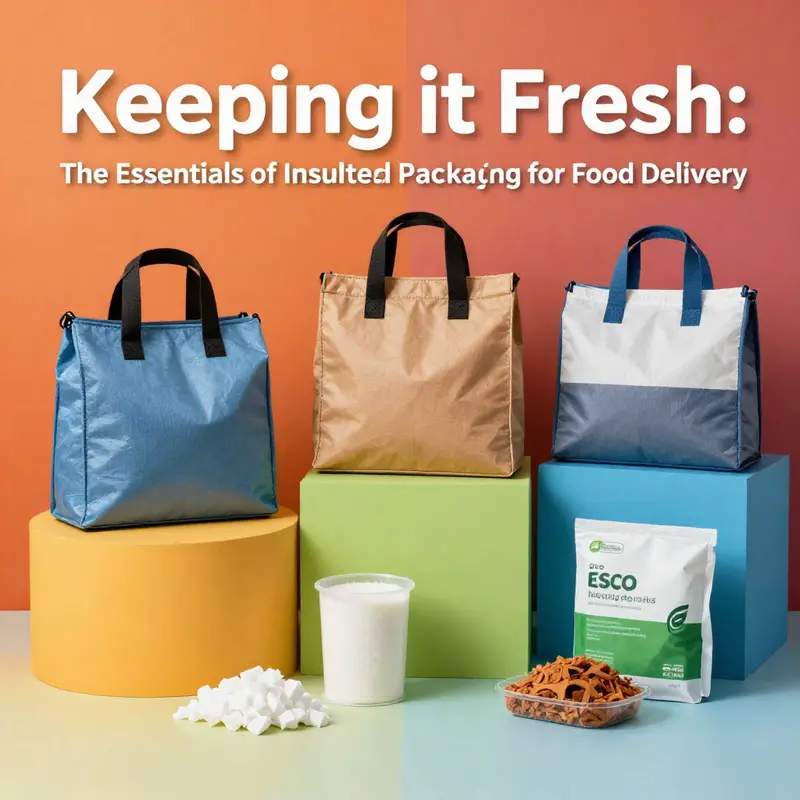
The rise of temperature-controlled food delivery is not simply a logistical convenience; it is a core competitive differentiator for brands that aspire to preserve safety, quality, and integrity from kitchen to customer. As consumer expectations have shifted toward convenience without compromise, the market for insulated packaging has moved from being a sturdy afterthought to a strategic lever that both protects the product and reinforces brand values. Market analyses point to a robust growth trajectory, with a compound annual growth rate of around 5.4 percent anticipated from 2026 through 2033. That momentum reflects a convergence of many forces: a broader reliance on third party delivery networks, an expanding catalog of temperature-sensitive offerings, and a growing insistence on sustainability that does not come at the expense of performance. In this context, the insulated packaging ecosystem is undergoing a quiet but consequential transformation, one that blends advanced materials science with practical design and prescient business models. The result is a set of packaging solutions that not only keep hot foods hot and cold foods cold but also enable longer shelf life, reduce waste, and support brand storytelling at the moment of delivery. The implications of these trends ripple through product development, supplier relationships, and the end-user experience, creating a landscape where performance, cost, and sustainability must be balanced with care and foresight. The core drivers behind this shift are clear: customers expect that temperature-controlled meals arrive in optimal condition, the logistics chain demands reliability across longer distances and more complex routes, and regulators and consumers alike are increasingly attuned to the environmental footprint of packaging. In response, packaging engineers are embracing a toolkit that combines time-tested materials with innovative inclusions. At the heart of this toolkit are insulation materials that minimize heat exchange, reinforced by components that stabilize temperature, slow microbial growth, and guard against oxidation. Expanded polystyrene and polyethylene foam remain common choices for their low weight and excellent insulation properties, yet they are increasingly supplemented or, in some use cases, partially replaced by laminated, vacuum-sealed, or bio-based layers designed to extend performance in real-world transit. The gains are particularly meaningful for long-distance deliveries, multi-day catering logistics, and temperature-sensitive offerings such as soups, curries, desserts, and frozen goods. In practice, a typical advanced solution might fuse a high-performance insulation shell with vacuum-sealed bags to remove air and slow microbial activity, then couple this with gel packs or heating elements to stabilize internal temperatures. These configurations create a buffer that can sustain the desired temperature range through the typical transit window, reducing the risk of spoilage and preserving texture, aroma, and flavor. In some applications, the delivery bag itself becomes a unitized system that includes removable dividers, multiple compartments, and adjustable airflow to modulate heat transfer as the container contents shift during handling. This level of modularity supports the growing demand for multi-item deliveries, where hot components such as entrees coexist with cold items like beverages or desserts. The narrative of innovation is not merely about slowing heat loss; it is also about controlling when heat enters the package and how quickly it dissipates, which is a subtler but equally important aspect of temperature management in real-world conditions. Advances in laminated insulation layers and sealed thermal pouches provide a platform for maintaining stable temperatures for extended periods, sometimes up to 48 hours, depending on the configuration and the ambient environment. These capabilities open doors to sous-vide style cooking, which benefits from precise thermal control, and to the shipment of frozen items that must withstand the typical delays and handling variances inherent in complex delivery networks. The practical implications of such capabilities extend beyond preserving food quality. They influence the economics of delivery, the breadth of service areas, and even the reliability of subscription meal plans that promise consistent quality across multiple meals per day or week. When temperature stability becomes a feature rather than a byproduct of packaging, brands can offer more predictable experiences, which translates into stronger customer trust and loyalty. Yet innovation does not occur in a vacuum. The push toward more resilient and sustainable packaging is intimately linked with evolving consumer expectations and regulatory landscapes. Eco-friendly materials, reusable designs, and circular economy concepts are no longer niche considerations but core requirements that shape R&D roadmaps. In practice, this means exploring plant-based or recycled content foams, bio-based laminates, and materials that balance strength with recyclability or compostability. The sustainability narrative also embraces design for reuse, repair, and refurbishability. Reusable insulated totes and bags have gained prominence in food service ecosystems that seek to reduce single-use waste while maintaining rigorous hygiene standards. These solutions are particularly attractive to business models rooted in repeat orders or high-volume delivery, where the long-run cost of disposal becomes a prominent concern. It is no accident that many of the recent advances emphasize durability alongside environmental responsibility. Reusable containers with easy-clean features, reinforced seams, and resilient closures support multiple lifecycles without compromising thermal performance. When paired with programmatic return and cleaning systems, these containers can deliver significant waste reductions while maintaining the required temperature control throughout each reuse cycle. The shift toward eco-friendly materials does introduce its own set of trade-offs. In some cases, the pursuit of sustainability can elevate initial material costs or add weight to the packaging. Heavier or more bulkier solutions may impact shipping economics, especially in last-mile scenarios where every gram and cubic centimeter matters. However, the total cost of ownership often improves as extended shelf life and reduced spoilage translate into lower waste and fewer refunds. Suppliers and manufacturers increasingly view sustainability not only as a regulatory obligation but as a platform for product differentiation and customer retention. The integration of vacuum-sealed bags, for example, offers clear advantages beyond microbial suppression. By evacuating air, these bags slow oxidation and moisture migration, maintaining texture and color in ways that standard packaging cannot. When used in conjunction with laminated insulation, the result is a protective envelope that supports delicate or highly temperature-sensitive items, from sous-vide meals to frozen pastries. The practical reality is that such configurations demand precise process control during manufacturing and careful handling in transit. A wrapper may be designed to minimize movement of contents, reducing friction-induced temperature fluctuations. Insulated totes and bags can be tailored to fit specific food types, with customization extending to the partitioning layout, closure mechanisms, and even branding opportunities, ensuring that the packaging itself reinforces the product narrative. From a business perspective, the economics of innovations in insulated packaging hinge on several interrelated factors. Material costs, manufacturing complexity, and the reliability of cold chains all influence the price of a given solution. Yet the same factors can create value through improved product quality, reduced returns, and higher customer satisfaction. In a market where consumers are increasingly aware of both performance and sustainability, the ability to demonstrate measurable benefits—such as a documented extension of shelf life or a verifiable reduction in microbial growth—can justify premium pricing or secure long-term contracts with restaurant chains, retailers, or delivery platforms. The design language of modern insulated packaging is not merely about keeping heat in and cold out. It is about enabling a seamless service experience that consumers can trust, a service that projects efficiency, cleanliness, and care at every touchpoint. This means that packaging now frequently serves as a visible commitment to safety and quality. The packaging system itself acts as a communications medium: it signals to the customer that the brand respects food safety standards, values sustainability, and is invested in delivering a consistent dining experience. The literature on market dynamics also underscores a trend toward flexibility in supply chains. As delivery networks scale, brands seek packaging partners who can provide modular systems, scalable quantities, and customization options that align with evolving menus and promotions. The ability to switch container sizes, add or remove compartments, or adjust the insulation rating to match seasonal demand can be a critical advantage. In some scenarios, this flexibility is supported by digital platforms that help restaurants forecast packaging needs, optimize crate loading, and coordinate curbside or contactless handoffs. Another layer of innovation lies in the packaging ecosystem’s ecosystem itself—the relationship between packaging materials, colorants, adhesives, and coatings. The industry is exploring laminates and barrier coatings that improve moisture resistance, reduce permeability, and resist staining while preserving recyclability. The packaging surfaces may also incorporate branding elements through eco-conscious printing, enhancing the unboxing experience and reinforcing customer loyalty. For practitioners and researchers, the challenge is to translate laboratory performance into real-world reliability. Temperature performance can be influenced by ambient conditions, loading patterns, and transit durations that defy simple modeling. Consequently, the most persuasive innovations are those that demonstrate robust performance in diverse environments, from sweltering urban afternoons to freezing cross-country hauls. In other words, the value proposition of modern insulated packaging rests on durable performance alongside ecological responsibility and brand coherence. The customer experience is central to this equation. A package must not only preserve food but also convey care, cleanliness, and a sense of freshness. Temperature stability matters, but so does ease of use, resistance to leaks, and the perception that the packaging is responsibly sourced. The design language of contemporary insulated packaging recognizes this by combining user-friendly features—such as secure closures, easy-to-clean interiors, and clearly labeled temperature indicators—with stylish, brand-appropriate aesthetics. Consequently, suppliers are increasingly offering customizable, OEM-grade insulated delivery bags that support brand logos and color schemes, transforming packaging from a mere vessel into a brand touchpoint. Such customization can help restaurants differentiate themselves in a crowded delivery landscape, turning packaging into a hallmark of quality. The research community continues to monitor and evaluate these developments through market analyses and technology pilots. The takeaway for industry stakeholders is not just to adopt the latest material or gadget but to pursue an integrated strategy. This strategy should balance thermal performance with sustainability goals, align with regulatory expectations on packaging waste, and incorporate a consumer-centric lens that emphasizes reliability and brand cohesion. It is also essential to nurture collaboration across the value chain—from material suppliers and bag manufacturers to logistics partners and restaurant operators. Only through coordinated efforts can the industry deliver packaging solutions that scale across markets, withstand the rigors of daily delivery, and meet rising standards for environmental responsibility. The practical roadmap for organizations looking to navigate this frontier involves a few core steps. First, establish a clear performance specification that captures the temperature window required for your menu, the transit time expectations, and the regulatory constraints in your markets. Second, evaluate materials and configurations not only for initial cost but for durability, reusability, and end-of-life handling. Third, pilot modular packaging concepts that allow quick adaptation to menu changes and seasonal demand while preserving a consistent customer experience. Fourth, invest in data and traceability to monitor temperature performance in real-world routes, enabling continuous improvement and evidence-based decision making. Finally, cultivate a sustainability narrative that resonates with customers and regulators, demonstrating how packaging choices reduce waste, support recycling streams, and align with broader corporate responsibility goals. Some readers may wonder how to translate these broad trends into concrete procurement and design decisions. The answer lies in embracing a portfolio approach: a range of packaging solutions tuned to different risk profiles, delivery scenarios, and consumer expectations. Lightweight, low-cost options may serve everyday meals with shorter transit times, while premium, high-performance configurations are reserved for longer routes, higher-value offerings, and sensitive products that demand stricter temperature control. A portfolio strategy also enables the business to optimize inventory levels, minimize spoilage, and maintain flexibility in the face of demand spikes. In this evolving landscape, it becomes clear that the insulated packaging conversation is no longer about material choice alone. It is about building resilient systems that integrate packaging design with logistics planning, order management, and customer communication. The packaging becomes part of a broader temperature management strategy that includes container timing, hand-off protocols, and on-route temperature monitoring. As these systems mature, the lines between packaging and service design blur, creating opportunities for brands to differentiate themselves through reliability, sustainability, and a consistent delivery experience that communicates care at every step. For those seeking deeper, data-driven perspectives, current industry analyses offer a wealth of detail about the market dynamics, growth forecasts, and technology trajectories shaping insulated packaging for food delivery. A prominent resource in this space provides a comprehensive view of the insulated food delivery bag market from 2026 to 2033, with insights into segmentation, regional growth drivers, and the competitive landscape. This external reference provides additional context for decision-makers aiming to align packaging strategies with anticipated demand, regulatory shifts, and evolving consumer preferences. Insights into the Insulated Food Delivery Bag Market 2026-2033. To complement these external perspectives, one practical internal reference illustrates how brands can pair eco-friendly packaging with branding opportunities. Consider the eco-friendly Kraft paper octagonal bowl with lid, a versatile solution that supports customization while maintaining responsible material choices. The design leverages durable, recyclable content and a lid that helps prevent leaks and mess during transit, making it a sensible option for a wide range of takeaway applications. This approach demonstrates how packaging choices can reinforce brand narratives without compromising performance. For teams seeking a concrete example of how a seemingly simple container can influence the customer experience, the idea is to envision packaging as a narrative device rather than a mere vessel. When a customer opens a delivery and encounters a well-sealed, temperature-stable container that also carries a crisp brand impression, the moment reinforces trust. It is in these micro-interactions—the way the lid closes, the absence of condensation, the gentle warmth of a hot dish after a long journey—that packaging becomes a conduit for quality assurance and brand personality. In the broader arc of industry development, these micro-mactors accumulate to shape consumer expectations and supplier capabilities. The result is a market that rewards robust performance, thoughtful sustainability, and consistent customer experiences. As the sector evolves, the challenge for practitioners will be to balance the allure of new materials and high-tech configurations with practical considerations of cost, supply stability, and environmental stewardship. The best performers will be those who view packaging as an integrated system, not a standalone product. They will align material choices with logistics planning, sustainability commitments, and brand storytelling while maintaining the flexibility to adapt to changing menus and delivery patterns. In this sense, the temperature frontier is less about chasing the latest material trend and more about orchestrating a reliable, scalable, and responsible temperature management system that travels with the food—from kitchen to customer and beyond. The ongoing dialogue among manufacturers, restaurants, and delivery networks will likely yield continued refinements in insulation chemistry, barrier technologies, and reusability frameworks. It will also foster new business models that reward performance and sustainability through shared savings, collaborative design, and reward-based procurement strategies. In sum, insulated packaging for food delivery stands at the intersection of science, logistics, and consumer culture. The trends and innovations discussed here reflect a field that is increasingly sophisticated, data-driven, and customer-centric. The goal remains straightforward: to keep meals safe and delectable, to reduce waste and environmental impact, and to cement a brand’s reputation in a crowded, price-sensitive marketplace. As the industry marches forward, the packaging solutions of tomorrow will be lighter, smarter, and more adaptable, capable of protecting a broader spectrum of foods under a wider range of conditions, all while supporting the sustainability agendas that many stakeholders now consider fundamental. Through thoughtful design, careful material selection, and intelligent collaboration across the supply chain, insulated packaging can continue to evolve from a practical necessity into a strategic asset that elevates the entire food delivery experience. For readers who wish to explore further, external market analyses and case studies offer additional layers of context and evidence about the promising trajectory of this essential component of modern food service.
Final thoughts
In conclusion, insulated packaging is not only a safeguard for food quality and safety, but it also enhances the customer’s experience by ensuring their favorite meals arrive in optimal condition. By understanding the materials and technologies that underpin insulated food delivery solutions, recognizing the range of benefits coupled with potential challenges, and staying updated with market trends, businesses can strategically position themselves to meet consumer expectations. In a competitive landscape, investing in high-quality insulated packaging is a step towards maintaining brand reputation and achieving customer loyalty.