

The Importance of Composting Paper Coffee Cups in the Food Service Industry
As sustainability becomes a cornerstone in the food service industry, the spotlight is increasingly shining on the composting of paper coffee cups, especially for bubble tea shops, beverage chains, and restaurants. With the rise in disposable coffee cup usage, these businesses play a crucial role in waste management, addressing the pressing issue of single-use plastics and other non-biodegradable materials. Composting paper coffee cups not only reduces landfill waste but also enriches the soil, providing eco-friendly benefits that resonate with environmentally conscious consumers.
In particular, bubble tea shops and beverage chains find themselves at the forefront of this green movement. By adopting compostable cup systems, they can appeal to a wider audience eager to support businesses that prioritize sustainability. Additionally, restaurants can promote their eco-friendly practices by utilizing compostable cups, enhancing their brand image in a market that increasingly values corporate responsibility.
Ultimately, by embracing composting initiatives, food service businesses can contribute significantly to a healthier planet while cultivating a loyal customer base that values sustainability. To delve deeper into the variety of compostable packaging options available, learn more about sugarcane cups and their business benefits or explore innovative solutions like customized octagonal paper bowls.
Eco-Friendly Benefits of Composting Paper Coffee Cups
Composting paper coffee cups provides numerous advantages that appeal to industry professionals. Here are five significant eco-friendly benefits:
- Waste Reduction: Composting keeps paper coffee cups out of landfills, reducing overall waste and decreasing harmful methane emissions that occur when organic material decomposes anaerobically.
- Nutrient-Rich Soil Amendment: Decomposed paper cups contribute organic matter to compost, enriching the soil with nutrients necessary for healthy plant growth.
- Carbon Footprint Reduction: By diverting waste from landfills and reducing the need for petroleum-based products, composting lowers greenhouse gas emissions associated with traditional waste management.
- Customer Satisfaction: Implementing composting practices can enhance a company’s sustainability image, attracting eco-conscious consumers and fostering loyalty.
- Compliance and Incentives: Many regions are introducing regulations that encourage composting, and businesses can benefit from financial incentives by adopting sustainable practices.
For more insights on sustainability in food service, learn more about commercial composting benefits and the business case for food waste composting.
Challenges of Composting Paper Coffee Cups
Composting paper coffee cups presents significant challenges for businesses, particularly in the current environmental landscape where sustainability is paramount. One of the foremost issues is contamination from the plastic lining typically used in these cups. Made from polyethylene, this plastic is designed to keep beverages from leaking, but it also renders the cups non-compostable in most municipal composting facilities. According to the Environmental Protection Agency, such contamination can degrade the quality of the compost produced and may even harm soil health, creating a significant obstacle for businesses aiming for eco-friendly solutions.
Moreover, even those cups marketed as ‘compostable’ can be problematic. Many require specific industrial composting facilities, which are not widely available. A recent study highlighted in Green America shows that less than 1% of disposable coffee cups in the U.S. are successfully composted, illustrating the gap between consumer intent and actual outcomes.
For businesses like bubble tea shops, restaurants, and catering services, these challenges mean that simply switching to compostable cups is not enough. Proper composting facilities and community awareness are essential for improving composting rates. The need for infrastructure and education cannot be understated, as improper disposal leads to increased operational costs and waste management issues. Facilities that accept these cups report higher sorting costs and increased rejected loads as a result of contamination, as noted by Waste Management World.
By focusing on these challenges, businesses can better prepare for a smoother transition into sustainable practices, fostering a culture of responsibility among their consumers.
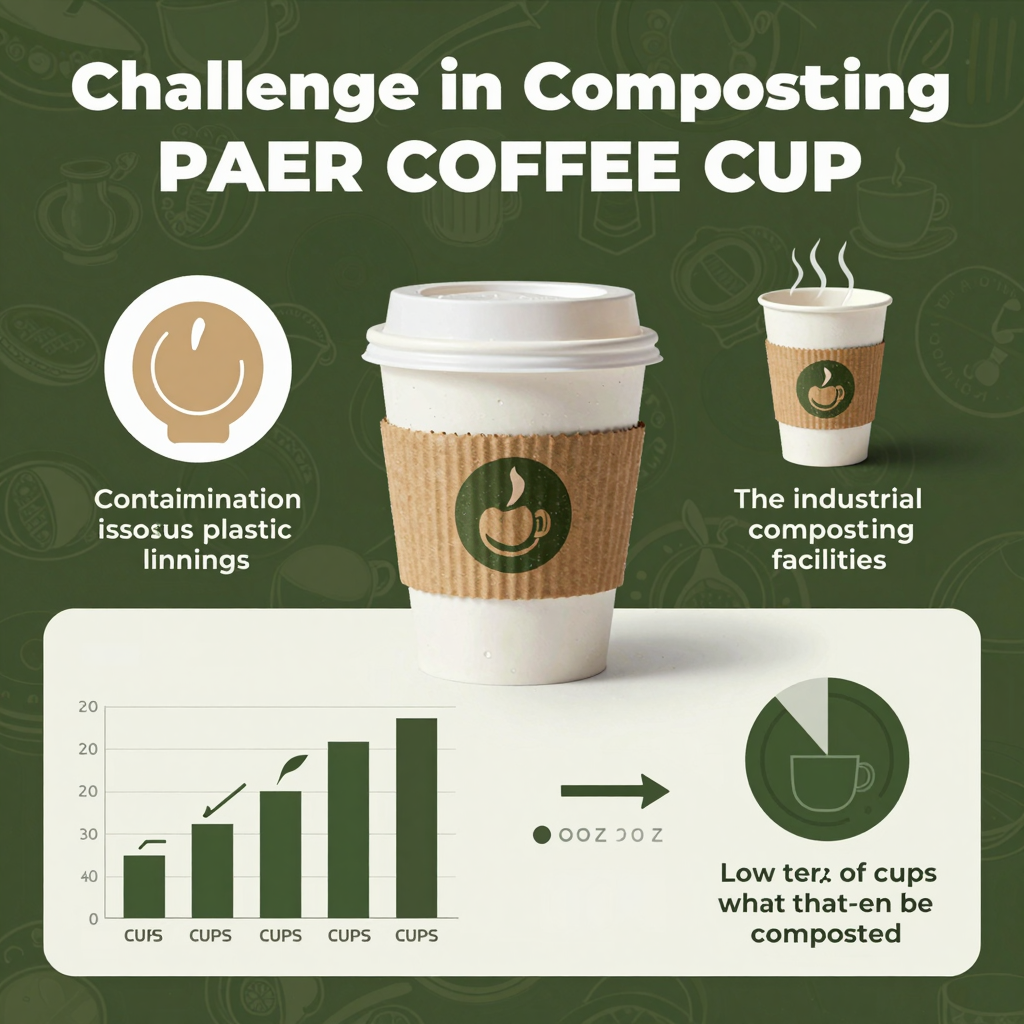
Image Alt Text: Infographic showing challenges in composting paper coffee cups including contamination issues and the need for industrial composting facilities.
As the awareness of environmental sustainability grows, businesses in the beverage industry, including bubble tea shops, restaurants, and corporate catering services, are increasingly turning to more sustainable practices. One focal point of these efforts is composting, particularly regarding the disposal of paper coffee cups.
Current Recycling and Composting Rates
Despite the surge in environmental initiatives, paper coffee cups face significant challenges regarding recycling and composting:
-
Recycling Rates: In Europe, significant steps are being taken to enhance the recycling infrastructure for paper cups, with targets set to achieve an 85% recycling rate for paper and cardboard packaging by 2030. This includes initiatives to recover an estimated 50 billion cups within two years from major metropolitan areas like Brussels and Amsterdam. This initiative is part of a broader agenda to encourage consumers and businesses to collect used cups, thereby turning them into valuable raw materials (source).
-
Impact of Improved Practices: According to a report from Tongji University, recycling paper cups can achieve a reduction of up to 68% in carbon emissions, compared to other disposal methods such as burning or landfilling. Each ton of recycled paper cups is equivalent to the carbon reduction realized by planting about 6.5 trees or removing a small car from the road for approximately 4,481 kilometers. Such statistics underline the importance of adopting composting and recycling strategies (source).
Business Implications and Opportunities
For businesses in the food and beverage sector, the potential impacts of improved composting practices are notable:
- Cost Savings: Implementing composting can significantly reduce waste disposal costs as it diverts materials from landfills where fees may be higher.
- Brand Image Enhancement: By adopting sustainable practices, businesses can bolster their brand image, appealing to environmentally-conscious consumers who are more likely to support establishments committed to sustainability.
- Regulatory Compliance: With governments worldwide pushing for more rigorous waste management and recycling laws, businesses that proactively engage in composting are likely to remain ahead of compliance issues.
Conclusion
The current state of recycling and composting for paper coffee cups presents both challenges and opportunities. For bubble tea shops, beverage chains, and catering services, leveraging composting practices not only aligns with global sustainability efforts but also enhances their operational efficiency and market position. To explore further options for eco-friendly packaging solutions, including compostable materials, consider reading more about the benefits of sugarcane cups and innovative biodegradable alternatives.
By committing to enhanced recycling and composting practices, businesses can play a pivotal role in promoting a more sustainable future.
Compostable vs Non-Compostable Cups
When it comes to choosing the right cup for your business, it’s essential to understand the differences between compostable and non-compostable options. Below is a comprehensive comparison table that outlines key factors such as environmental impact, cost, and usability.
| Factor | Compostable Cups | Non-Compostable Cups |
|---|---|---|
| Material | Made from plant-based materials like PLA | Made from paper lined with polyethylene (PE) |
| Environmental Impact | Designed to break down in industrial composting facilities, reducing landfill waste | |
| (Falls short in home composts) | Non-biodegradable and contributes to plastic pollution; remains for years in landfills | |
| Time to Decompose | 90 to 180 days in appropriate conditions | Indefinitely, as they are resistant to breakdown |
| Cost | Typically higher due to production processes | Generally lower due to larger-scale production |
| Usability | Limited by regional composting infrastructure | |
| May not always be accepted in municipal waste systems | More widely accepted and easy to source | |
| Sustainability | Reduces reliance on fossil fuels but requires effective composting systems | Contributes to greenhouse gas emissions and does not support sustainability goals |
This table highlights that although compostable cups may offer a more environmentally friendly option, their effectiveness largely depends on local waste management practices. For businesses, choosing the right cup is not just about cost, but also about the overall impact on the environment.
For more insights on sustainable options, check our article on the benefits of using sugarcane cups or explore our range of customized octagonal paper bowls.
Best Practices for Composting Paper Coffee Cups
Composting paper coffee cups is a sustainable effort that can greatly benefit bubble tea shops, restaurants, food trucks, and catering services. Implementing effective composting strategies not only enhances environmental responsibility but can also improve your brand image. Here are some best practices tailored for your operations:
1. Understanding Cup Composition
Not all paper cups are created equal. Ensure that the cups you are using are indeed compostable. Many coffee cups, especially those that are disposable, are lined with plastic, making them unsuitable for traditional composting. Look for cups made from materials approved by organizations like the Biodegradable Products Institute (BPI).
2. Staff Training
Invest in staff training to educate your team on the proper handling of compostable materials. Clear labeling of compost bins can significantly decrease contamination. Studies show that restaurants with rigorous training programs can reduce contamination by up to 90%, leading to higher composting diversion rates Sustainable Restaurant Alliance.
3. Designate Composting Areas
Create designated areas for composting, separated from general waste. Ensure these areas are easily accessible and include clear signage to guide both staff and customers on what can be composted.
4. Partnership with Local Composting Facilities
Establish a partnership with local composting facilities that can handle your organic waste. This collaboration streamlines the process and ensures that your compostable materials are properly processed. Reach out to municipal waste services for potential compost collection programs.
5. Regular Monitoring and Reporting
Track your waste diversion rates regularly. By monitoring how much waste is being diverted from landfills, you can assess the efficiency of your composting program. Consider using digital dashboards for real-time tracking.
6. Customer Education
Engage your customers in your sustainability efforts. Providing information on the benefits of composting and how they can contribute (e.g., placing cups in appropriate bins) encourages participation and enhances the community’s perception of your brand.
7. Participation in Local Programs
Stay informed about local regulations regarding composting. For instance, California mandates organic waste diversion starting January 1, 2024, which will impact food service establishments, including bubble tea shops California Department of Resources Recycling and Recovery.
Conclusion
By adopting these best practices, your establishment can effectively compost paper coffee cups, contributing to a healthier environment and aligning with sustainable business goals. For more insights on sustainable practices, explore our article on the business benefits of using sugarcane cups.
Additional Resources
Composting Rates by Business Type (2022-2023)
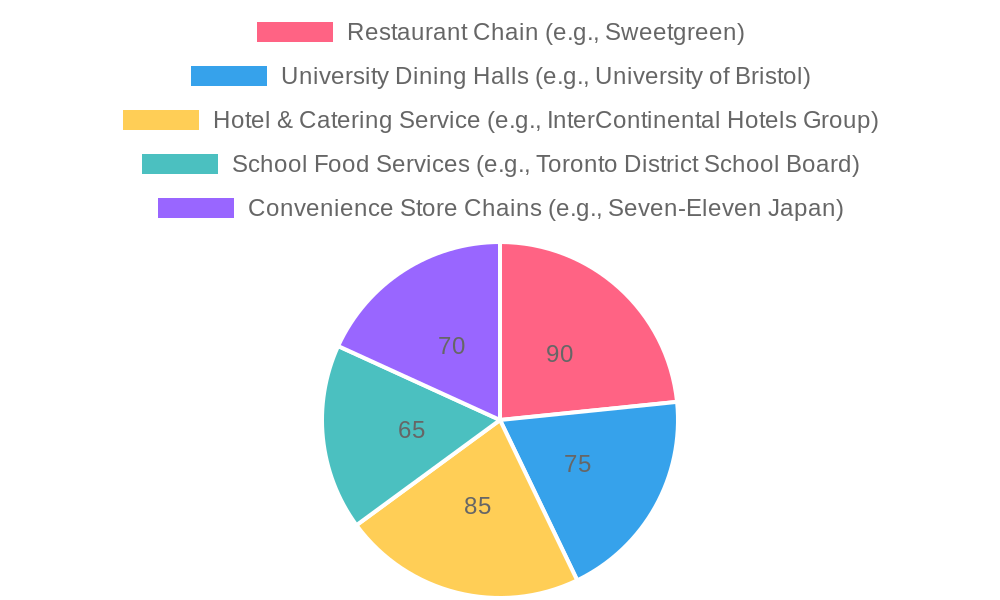
This chart provides a visual overview of composting rates in various sectors, highlighting key success factors.
Industry Trends in Composting and Sustainability Practices
The food service industry has seen a noteworthy shift towards composting and sustainable practices over the last five years. The growth of eco-friendly initiatives among restaurants and beverage chains reflects a broader commitment to sustainability, driven by both consumer demand and regulatory pressures.
According to recent studies, over 40% of mid-to-large sized restaurant chains in North America are now operating dedicated composting programs, doubling from just 20% in 2020. This increase correlates with rising awareness of environmental impacts and the necessity for integrated waste management in food service operations.
The following chart illustrates the trends in composting practices within the industry from 2018 to 2023:
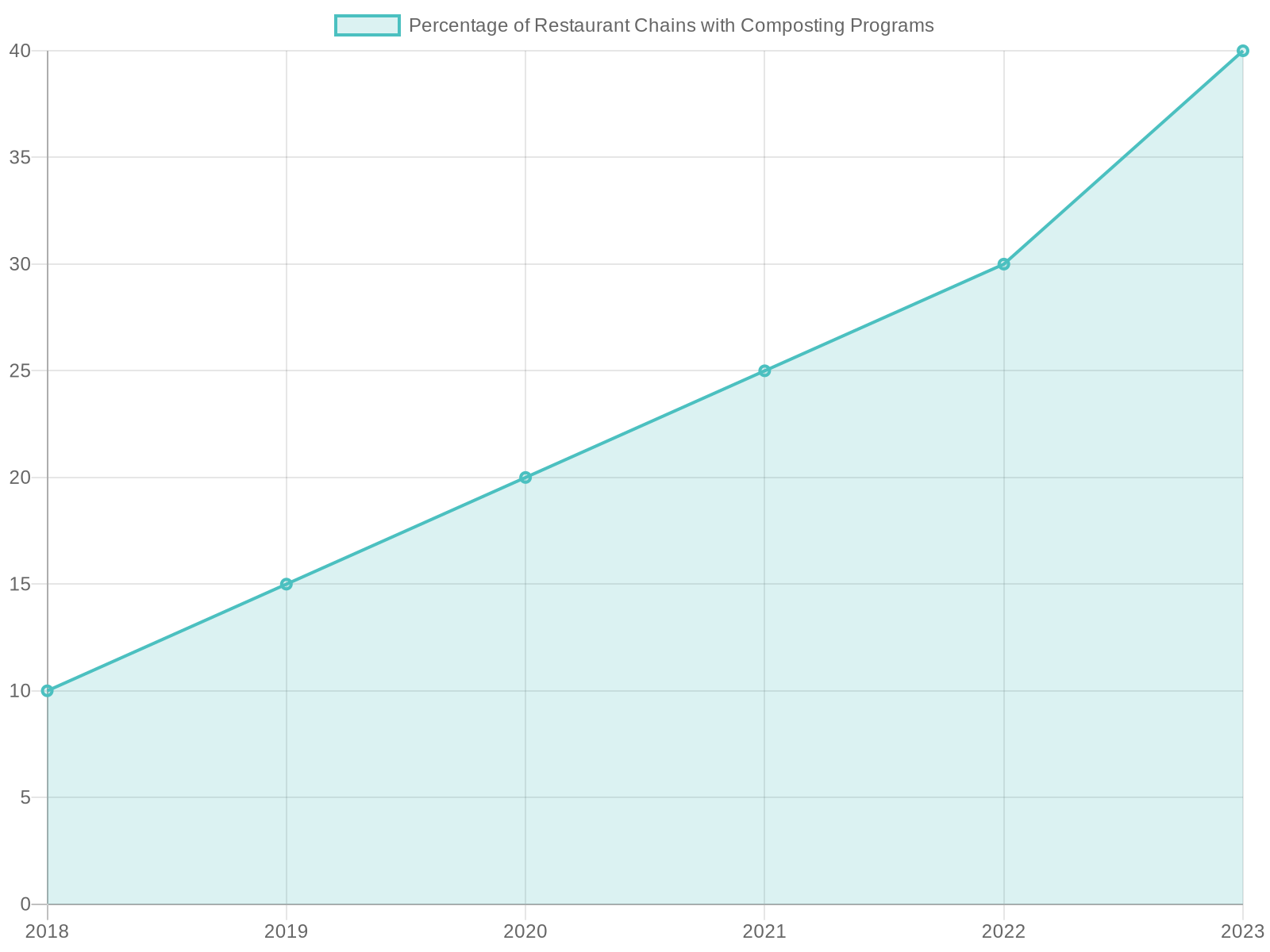
| Year | Percentage of Restaurant Chains with Composting Programs | Key Sustainability Trends |
|---|---|---|
| 2018 | 10% | Early adoption of waste reduction initiatives; increased awareness of environmental impact in foodservice operations. |
| 2019 | 15% | Growth in partnerships with waste management companies; pilot programs for composting in urban locations. |
| 2020 | 20% | Accelerated by pandemic-related operational changes; focus on reducing single-use packaging and improving supply chain transparency. |
| 2021 | 25% | Expansion of composting infrastructure; integration of sustainability metrics into corporate ESG (Environmental, Social, Governance) reporting. |
| 2022 | 30% | Increased investment in sustainable packaging and sourcing; consumer demand driving policy changes across chains. |
| 2023 | 40% | Significant scaling of composting programs nationwide; alignment with national recycling and climate goals; industry-wide push toward zero-waste targets. |
For more insights on eco-friendly solutions for your beverage business, consider exploring the benefits of sugarcane cups and compostable packaging options.
“Composting food waste is not just an environmental necessity-it’s a strategic opportunity for the food industry to close the loop in its supply chain. By diverting organic waste from landfills and converting it into nutrient-rich compost, companies can reduce greenhouse gas emissions by up to 70% while enhancing soil health and supporting regenerative agriculture.”
- Dr. Elena Martinez, Sustainability Expert at the Global Environmental Institute
Incorporating composting practices into your operations not only contributes to waste reduction but also promotes sustainability in the food sector. For instance, by using compostable coffee cups and other materials, businesses can play a pivotal role in this transformation. To explore the benefits of compostable packaging, consider learning more about sugarcane cup benefits and customized products that fit your business needs.
As we conclude, it’s essential to recognize the pivotal role that reliable, eco-friendly disposable tableware solutions play in today’s competitive market, especially for businesses such as bubble tea shops, restaurants, food trucks, and event planners. By opting for sustainable packaging options, not only are you making a commitment to environmental stewardship, but you are also appealing to a growing demographic of eco-conscious consumers who prioritize sustainability in their purchasing decisions. Partnering with us means you gain access to customized solutions tailored to meet the unique needs of your business while enhancing your brand’s commitment to sustainability.
With a diverse range of options, from compostable paper coffee cups to sugarcane packaging, we stand ready to support you in making responsible choices that align with your values. Let’s take this journey towards sustainability together! Explore our eco-friendly packaging options today and ensure your business not only thrives but also contributes positively to our planet. Together, we can create a future where sustainability meets profitability, making your events, catering, or service not just good, but great.