

The Safety of Pet Food: Should You Store It in Plastic Containers?
When it comes to feeding our furry friends, we often prioritize quality food but might overlook how we store it. The question arises: is it unsafe to keep pet food in plastic containers? For businesses like Bubble Tea Shops, Restaurants, and Food Trucks, understanding the implications of pet food storage is critical, especially if your space is also pet-friendly or if you’re supplying treats for four-legged customers. Recent studies suggest potential risks including chemical leaching from certain plastics and degradation of food quality due to improper sealing and exposure to light and moisture. Keeping pet food safe isn’t just about the food itself, but also about ensuring you’re not risking your customers’ health with questionable storage methods. Learn more about safe food storage practices and see why investing in appropriate storage solutions is crucial for your operation.
Risks of Storing Pet Food in Plastic Containers
When it comes to storing pet food, many pet owners opt for plastic containers due to convenience and accessibility. However, there are several potential health risks associated with this practice. Understanding these risks emphasizes the importance of food safety, not only for human consumption but also for pets. Here are some of the specific hazards:
-
Chemical Migration: Certain plastic containers, particularly those that are not food-grade, may contain harmful chemicals such as Bisphenol A (BPA). Research suggests that BPA can leach into the pet food, which may disrupt hormonal balance and increase the risk of cancers and metabolic disorders in pets (source).
-
Oxidation of Fats: Pet food often contains fats that can oxidize when stored in suboptimal plastic containers. This oxidation can make the food rancid, leading to digestive issues and reduced nutritional value for pets. If the plastic container doesn’t provide an airtight seal, the food is more susceptible to air exposure, causing quicker spoilage.
-
Mold Growth: If there are any cracks or grooves in the plastic container, moisture can gather in these spots, facilitating mold growth. Consuming moldy pet food can cause gastrointestinal problems and toxicity in dogs and cats.
-
Poor Moisture Protection: Many standard plastic containers lack adequate moisture barriers. This can compromise the quality of the pet food and result in spoilage. A study shows that common plastic containers can reduce moisture resistance by as much as 40% compared to specialized food containers (source).
-
Contamination Risks: Recent recalls of pet food products due to plastic contamination underline the potential risks involved with improper storage. Consuming food tainted with plastic debris can lead to gastrointestinal issues or even more severe health problems (source).
In summary, while plastic containers may seem like a practical choice for storing pet food, they can pose significant health risks. It’s essential to use containers specifically designed for pet food safety to ensure the well-being of your furry companions!
Is It Unsafe to Keep Pet Food in Plastic Containers?
When it comes to storing pet food, the choice of container can significantly impact the safety and quality of the food. Recent findings and expert opinions shed light on the risks associated with using plastic containers.
Expert Opinions on Plastic Containers
According to a study by the National Institutes of Health, certain types of plastic, particularly those made from polypropylene (PP), can release harmful chemicals into stored food over time. The study highlighted that when exposed to heat or prolonged storage, these plastics may degrade, leading to chemical leaching that could interfere with your pets’ health. “Plastics that do not meet food safety standards can release toxins that may disrupt animal enzyme systems, posing potential health risks,” said an expert on pet food safety in a recent interview.
In a previous study, experts noted the importance of material choice: “Modern pet food packaging typically involves multiple layers to ensure safety, often including food-grade polyethylene or polypropylene which do not migrate harmful substances. However, prolonged storage in these materials, especially in conditions of heat or fat exposure, raises concerns over chemical migration.” This emphasizes the need for careful consideration in container selection to avoid potential pet health risks.
Statistical Evidence
A survey conducted by various safety organizations reveals that 64% of pet owners are unaware of the potential risks associated with storing pet food in regular plastic containers. Interestingly, 72% of those surveyed believe that using containers marked as food-safe guarantees complete safety, not recognizing that specific conditions can lead to chemical leaching.
Recommendations from Experts
To safeguard your pets’ health, consider these recommendations:
- Use Glass or Metal Containers: These materials are generally safer and do not carry the same risks of chemical leaching.
- Buy Food-Safe Certified Containers: Look for containers that explicitly state they meet food-grade standards.
- Store in a Cool, Dry Place: Reducing exposure to heat can help prevent degradation and chemical release.
Conclusion
While plastic containers can be used for storing pet food, caution is necessary to ensure your pets’ safety. Regularly checking the condition of the container and opting for safer materials can help maintain food quality and protect your furry friends from potential health issues.Learn more about food safety standards and opt for alternatives when possible to ensure a healthier diet for your pets.
Storing pet food properly is crucial for the health and safety of our furry friends. As Dr. Laura Bennett, a board-certified veterinary nutritionist, states,
“Fresh pet food must be treated with the same hygiene standards as human-grade meat. Cross-contamination and time-temperature abuse are the top risks in storage, so using proper containers-especially sealed plastic ones-is essential for maintaining food freshness and safety.”
This emphasizes the vital role of using suitable storage solutions. High-density polyethylene (HDPE) or polypropylene (PP) plastic containers are recommended for their durability and ability to create airtight seals. Not only do these containers protect the food from pests and moisture, but they also help preserve the nutritional integrity of your pet’s food, ensuring that it remains safe and effective over time.
For more insights on packaging solutions, learn more about customized octagonal paper bowls or explore the business benefits of sugarcane cups.
Safer Alternatives to Plastic Containers for Storing Pet Food
If you’re considering alternatives to plastic containers for storing pet food, there are several safer and more sustainable options that not only keep your pet’s food fresh but also minimize health risks. Here are some viable alternatives:
-
Glass Jars
Glass jars are an excellent choice for pet food storage. They are non-toxic, don’t leach harmful chemicals, and are resistant to bacterial growth. Their airtight seals help preserve freshness and flavor, making them a reliable option. You can find various styles on platforms like Amazon. -
Metal Containers
Durable metal containers are resistant to pests and moisture. They provide superior protection against air and humidity, which helps maintain the nutritional value of the pet food. Brands like Wayfair offer sturdy metal solutions that can blend perfectly into your kitchen or storage area. -
Ceramic Containers
For those looking for aesthetic appeal, ceramic containers are a great alternative. They are extremely durable, do not absorb odors, and often come with airtight seals. These have the added benefit of being stylish while being functional. -
Bamboo or Wooden Containers
Eco-friendly wooden containers provide a sustainable option. They are naturally resistant to bacteria and can add a rustic charm to your kitchen. Look for ones with food-safe finishes for added safety.
By choosing these alternatives, you can ensure safer storage for your pet’s food while contributing to a healthier planet. For more sustainable options, check out the benefits of sugarcane cups.
Connecting Improper Pet Food Storage to Food Safety Practices
The issue of improper pet food storage may seem distant from the daily functions of Bubble Tea Shops, Restaurants, and Food Trucks, but the principles of food safety apply universally, regardless of whether the food is meant for human consumption or for pets. Understanding the risks associated with storage practices can significantly enhance operational safety in any food service establishment.
Understanding the Risks
Storing pet food improperly can lead to serious health risks, such as bacterial contamination and spoilage. For instance, keeping food in non-airtight containers or in warm environments can promote mold growth and rancidity. According to the American Veterinary Medical Association, it is crucial to store pet food in clean, dry, and contamination-free areas, which parallels the best practices that any food service provider should implement.
Practices for Food Safety
Here are a few practices from pet food storage that are relevant to restaurants, food trucks, and similar establishments:
- Use Airtight Containers: Just as pet food should be stored in airtight, food-grade containers, so should all food items for human consumption. This helps to keep food fresh and free from pests.
- Temperature Monitoring: Both pet and human food require specific temperature controls. Regular temperature checks help keep food safe and can prevent issues like bacterial growth. Using refrigerated units with digital temperature logs, as recommended by the National Restaurant Association, is an effective strategy.
- Separate Storage Zones: If an establishment handles both pet and human food, clear protocols must be in place to separate these storage areas. This avoids cross-contamination, ensuring that all food retains its safety and quality.
Conclusion
The stakes are high when it comes to food safety, and lessons learned from improper pet food storage can enhance the overall safety standards in any restaurant or food service operation. Regular staff training on hygiene and proper storage can prevent contamination, which is vital for maintaining both customer safety and regulatory compliance.
Comparing Pet Food Storage Options
When it comes to storing pet food, the choice of container is crucial for maintaining freshness, safety, and overall quality. Here’s a friendly comparison of various storage options: plastic, glass, metal, and vacuum-sealed containers. Each of these materials has its pros and cons regarding safety, cost, and durability.
Pet Food Storage Options Table
| Material/Option | Safety (High, Medium, Low) | Cost (Low, Medium, High) | Durability (High, Medium, Low) |
|---|---|---|---|
| Plastic (BPA-free) | High | Low | Medium |
| Glass (clear, cylindrical) | High (if food-safe) | Medium | Low |
| Metal (tinplate/aluminum) | High | Medium | High |
| Vacuum-Sealed (various) | High | Medium to High | High |
Key Insights
- Plastic (BPA-free): Often the most economical option, these containers are lightweight and typically safe if made from high-quality materials. Ensure they are labeled as BPA-free to avoid chemical leaching.
- Glass: Provides excellent visibility and does not impart odors. While effective at preventing moisture infiltration, glass can be prone to breakage.
- Metal: Known for its durability and resistance to pests. However, metal containers can be more expensive than plastic and glass.
- Vacuum-Sealed: These containers are excellent for preserving freshness and preventing oxidation. They often come at a premium price but offer high durability and safety.
In summary, the best choice will depend on your specific needs and preferences. For a detailed guide on how to choose the right storage for your pet’s food, check out PetMD’s Guide and American Kennel Club.
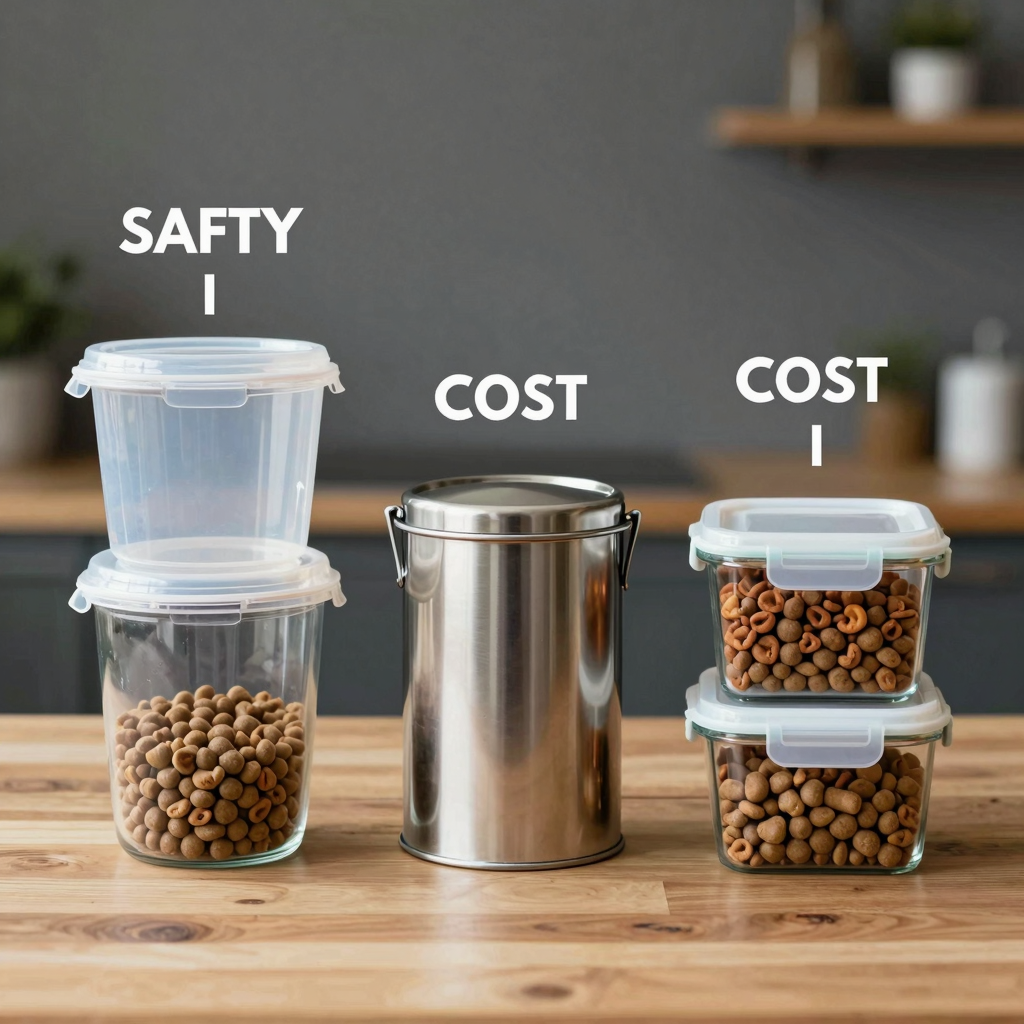
Here’s a visual representation to enhance your understanding of these options!
In conclusion, the safety and integrity of food storage, particularly in commercial environments, cannot be overstated. Utilizing innovative packaging solutions, such as modified atmosphere packaging and smart packaging technologies, not only extends shelf life but also enhances food safety, allowing businesses to significantly reduce spoilage and waste. With up to 72% of manufacturers now adopting these advanced systems, the trend clearly points towards reliable packaging as a necessity for sustainable growth.
For businesses that prioritize safety and sustainability, choosing the right packaging is critical. Consider exploring customized sugarcane bowl branding and other eco-friendly packaging options for your food operations. Partner with trusted suppliers to ensure that your food products remain safe, fresh, and appealing to your customers. Start investing in your packaging solutions today and elevate your business to meet the demands of a competitive market!
Engaging Infographic on Pet Food Storage
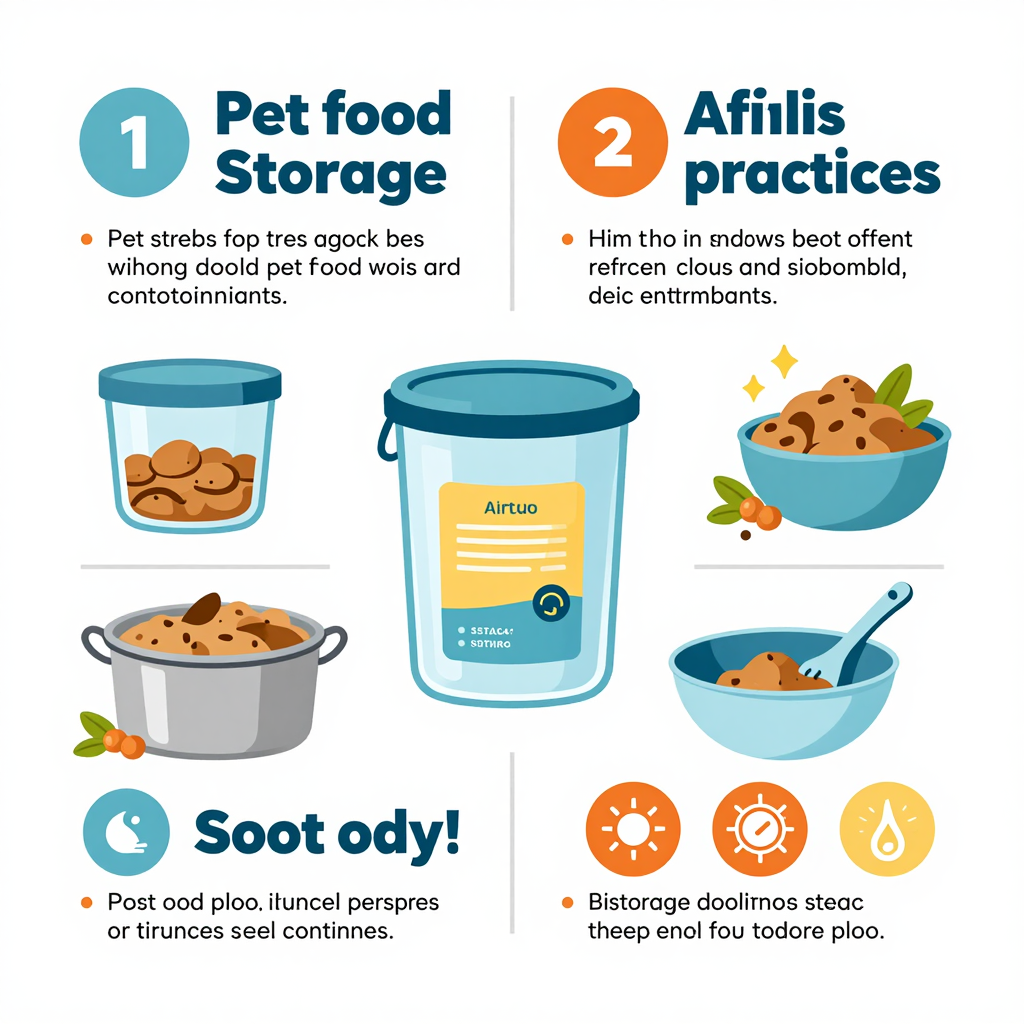
Proper pet food storage is crucial for maintaining your pets’ health. Here are a few key points to consider:
- Use Airtight Containers: Protects food from moisture and pests.
- Keep It Cool: Store in a cool, dry place to prevent spoilage.
- Label Containers: Always indicates expiration dates to ensure freshness.
By following these practices, you can ensure that your pet’s food remains safe and nutritious. For more insights on food storage solutions, check out our customized octagonal paper bowls!
The Importance of Eco-Friendly Practices in Packaging
In today’s environmentally-conscious market, adopting eco-friendly practices in packaging is not just a trend; it’s a necessary commitment for businesses aiming to align with sustainable values. Utilizing sustainable materials not only reduces the ecological footprint but also enhances brand reputation and customer loyalty. Packaging that is made from recyclable or biodegradable materials, like those discussed in customized octagonal paper bowls, contributes to a healthier planet by minimizing plastic waste.
Benefits of Sustainable Packaging:
- Reduction of Waste: Sustainable materials can significantly lower landfill contributions by being recyclable or compostable.
- Regulatory Compliance: As governments worldwide tighten regulations around plastic use, switching to eco-friendly packaging helps businesses remain compliant with eco-regulations.
- Cost Savings: Over time, using recyclable materials can reduce production and waste disposal costs.
Implementing Sustainable Practices
Businesses can opt for innovative packaging solutions, such as those made from sugarcane or other renewable resources, which not only ensure food safety but also resonate with eco-conscious consumers. For instance, utilizing materials like sugarcane from Cofe Cup products provides assurance of safety while promoting a shift towards sustainable sourcing. With increased consumer demand for eco-friendly options, companies that invest in sustainable packaging can distinguish themselves in a competitive marketplace.