

In today’s fast-paced world, where environmental concerns are at the forefront of consumer minds, eco-friendly food packaging has emerged as a crucial standard for businesses, particularly in the food industry. Bubble tea shops, restaurants, and food trucks are not just serving food; they are serving a vision of sustainability. With consumers increasingly prioritizing eco-conscious choices, the adoption of sustainable packaging solutions has become essential. According to recent surveys, nearly 70% of consumers prefer to purchase from brands that demonstrate a commitment to sustainability, leading to growing demand for eco-friendly materials like biodegradable cups and recyclable containers. By embracing sustainable options, businesses can meet consumer expectations while simultaneously enhancing their brand image. As bubble tea and beverage chains look for innovative ways to attract environmentally aware customers, investing in eco-friendly food packaging isn’t simply a trend-it’s a path toward a more responsible and successful future. Explore eco-friendly packaging options to find the best fit for your business’s needs!
Benefits of Eco-Friendly Food Packaging
Adopting eco-friendly food packaging offers numerous advantages for businesses in the food industry. Here are some key benefits:
- Cost Savings: Utilizing compostable and recyclable materials can lead to significant reductions in waste disposal costs. Many companies report savings of 25-30% by switching to eco-friendly packaging options, thereby improving profit margins. learn more about cost savings
- Improved Brand Image: Businesses that embrace sustainable practices enhance their corporate social responsibility, appealing to eco-conscious consumers who prioritize environmental stewardship.
- Regulatory Compliance: As governments worldwide tighten regulations on plastic use, eco-friendly packaging helps businesses stay ahead of compliance requirements, ensuring they meet current laws while positioning themselves as industry leaders. discover more on regulations
Incorporating these practices not only benefits the planet but also enhances customer loyalty and brand recognition in a competitive marketplace.
Consumer Trends Towards Eco-Friendly Products
In recent years, there has been a significant shift in consumer behavior towards eco-friendly products, with increasing demand for sustainable packaging. According to a 2023 report by Trivium Packaging, 82% of consumers expressed a preference for products in sustainable packaging, even willing to pay a premium for environmentally friendly options. This statistic underscores the growing importance of sustainability in consumer choices across various sectors, including food and beverages, personal care, and electronics.
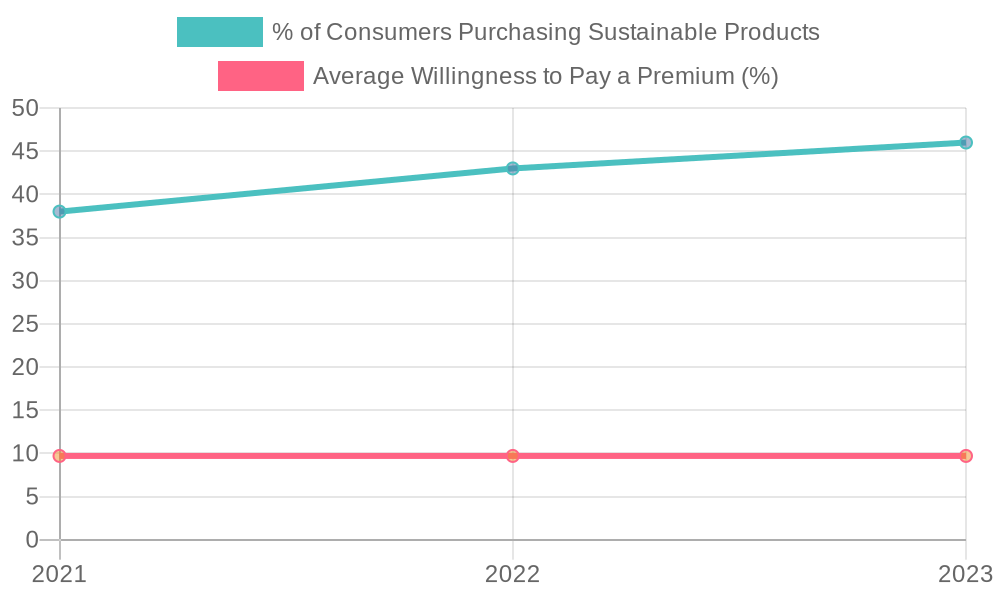
A 2023 study by Deloitte found that nearly 46% of consumers globally purchased at least one sustainable product recently, indicating a clear trend toward prioritizing eco-friendliness in buying decisions. This shift is influenced by heightened environmental awareness and the belief that purchasing sustainable products contributes to personal and planetary well-being.
Furthermore, a survey from NielsenIQ revealed that a staggering 92% of shoppers consider sustainability in their purchasing decisions, especially when choosing brands. This overwhelming preference for sustainable practices highlights the critical need for businesses, particularly in the food and beverage industry, to adopt eco-friendly packaging solutions.
The preference for sustainable packaging is notably strong in the food and beverage sector, where consumers are increasingly scrutinizing packaging materials and designs. A detailed analysis by McKinsey & Company shows that the trend is not just a fleeting phase but a lasting change in consumer preferences, shaping the future of purchasing behavior.
For food industry professionals, such as bubble tea shops and catering services, understanding these trends is essential. Embracing sustainable packaging options like sugarcane cups or paper bowls not only meets customer expectations but also positions brands as responsible and forward-thinking in today’s eco-conscious market. Learn more about the benefits of sugarcane cups.
Comparing Food Packaging Materials
Choosing the right food packaging material is essential for businesses in the food and beverage industry, particularly those focused on sustainability. Below is a comparison table highlighting various aspects of popular food packaging materials: plastic, paper, and biodegradable options.
| Material | Cost | Durability | Environmental Impact | Consumer Preference |
|---|---|---|---|---|
| Plastic | Lower cost (base material) | Very high durability and moisture resistance | High environmental impact due to petroleum-derived materials | Moderate preference, often favored for convenience and price |
| Paper | Moderate cost (10-30% higher than plastic) | Moderate durability, better for dry items | Lower impact, renewable but can involve deforestation | Higher preference, typically seen as more eco-friendly |
| Biodegradable | Higher (20-40% more than plastic) | Moderate to high, depending on material | Significantly lower; designed to break down | Increasing preference as awareness of sustainability grows |
For further insights on how these materials perform in the market, you might want to check out this analysis comparing sustainable packaging to regular options, and see more about biodegradable packaging costs.

Regulatory Standards
In the rapidly evolving landscape of the food service industry, regulatory standards for eco-friendly packaging are becoming increasingly stringent. These regulations are designed to minimize the environmental impact of packaging waste and promote sustainability. Major jurisdictions, including the EU, UK, and the US, have implemented various regulations that dictate what materials can be used and how they should be disposed of.
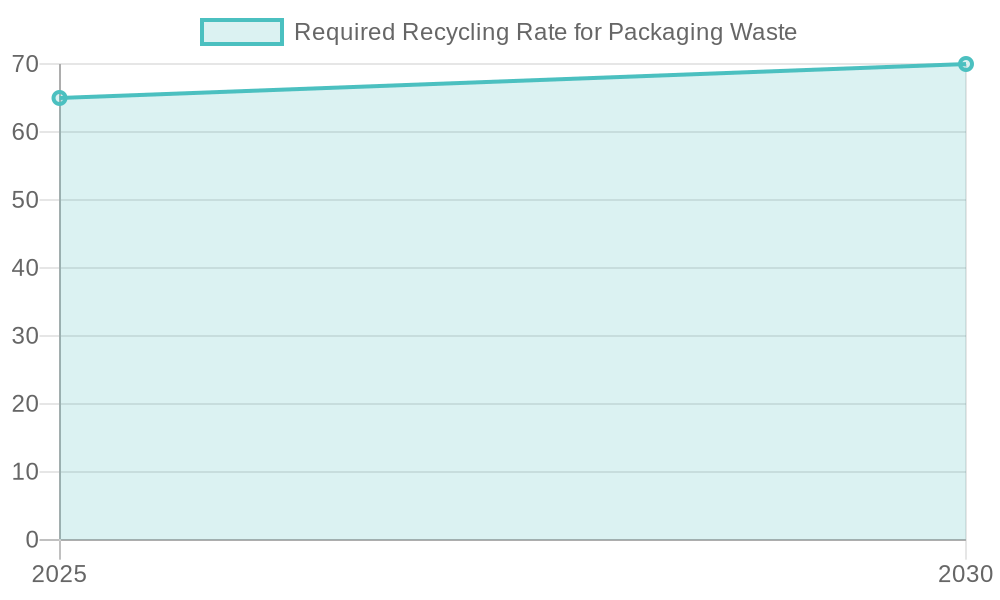
For instance, according to the MDPI – Current Status of Sustainable Food Packaging Regulations, by 2025, at least 65% of all packaging waste must be recycled by weight, escalating to 70% by 2030. Such mandates not only affect how businesses operate but also how they source their packaging materials. Compliance with these regulations is vital to avoid penalties and protect brand reputation. Companies failing to adhere to these standards may face fines or restrictions that could severely impact their operations.
To meet these requirements, businesses can take several proactive steps:
- Invest in Sustainable Materials: Opt for biodegradable or recyclable packaging options such as sugarcane cups and paper bowls, which comply with environmental standards.
- Engage in Regular Training: Keeping staff informed on regulatory changes and compliance procedures ensures everyone is aware of best practices.
- Partner with Certified Suppliers: Working with packaging suppliers who meet regulatory certifications can streamline adherence to eco-friendly practices.
Utilizing effective eco-friendly packaging not only meets legal guidelines but also bolsters the brand image, attracting environmentally conscious consumers. Visually illustrate these guidelines and regulations by incorporating images of compliant packaging materials:

Additionally, understanding and tracking recycling targets is crucial for sustainability initiatives, as illustrated in the chart below:
Businesses should make compliance not just a legal obligation but a core part of their sustainability strategy.

Impact on Brand Loyalty
In today’s eco-conscious climate, the packaging choices of a business can significantly influence customer loyalty and retention. Eco-friendly packaging not only attracts environmentally aware consumers but also fosters a sense of trust and commitment to the brand. According to a study on how eco-friendly packaging enhances brand loyalty, brands that prioritize sustainability are seen as more responsible, ultimately leading to increased repeat purchases and stronger customer relationships.
Examples of Successful Brands
Several prominent companies have embraced eco-friendly packaging strategies:
- Lush: Known for its minimalistic and “naked” packaging, Lush emphasizes the use of sustainable materials without sacrificing aesthetics.
- IKEA: The furniture giant has committed to using only renewable or recycled materials in its packaging solutions by 2025, boosting its appeal among eco-conscious customers.
- Apple: Apple continuously innovates in its packaging by reducing plastic and using recyclable materials, thereby enhancing brand loyalty among tech-savvy and environmentally friendly consumers.
Conclusion
Incorporating eco-friendly packaging is more than a trend; it’s a strategic decision that can positively affect brand loyalty and customer retention. Adopting such practices might set your business apart in a competitive market. To learn how custom eco-packaging can benefit your business, visit our page on the business benefits of sugarcane cups.
| Year | % of Consumers Purchasing Sustainable Products | Average Willingness to Pay a Premium (%) |
|---|---|---|
| 2021 | 38% | 9.7% |
| 2022 | 43% | 9.7% |
| 2023 | 46% | 9.7% |
Sources:
- IBM Global Study on Consumer Sustainability (2021-2022) – IBM Sustainability Insights
- McKinsey & Company – “The Growing Consumer Demand for Sustainable Products” (2023) – McKinsey Report
- Statista – “Evolution of Sustainable Shopping Worldwide 2022” (2025) – Statista Data
Customer Testimonials
Switching to eco-friendly packaging has made a remarkable difference for many businesses in the food industry. Here are some testimonials from clients who have experienced the benefits firsthand:
“Since switching to eco-friendly packaging, we’ve noticed our customers are more engaged and supportive. They appreciate knowing that their takeout is coming in sustainable containers!”
- Jenna, Owner of a Local Bubble Tea Shop
“Our sales have improved since we adopted compostable packaging. Clients have voiced their gratitude for our commitment to the environment, which positively reflects our brand image!”
- Mark, Catering Service Manager
“Making the switch felt like a small change for us, but the customer feedback has been overwhelmingly positive. Eco-friendly packaging resonates with our clientele, and it’s great to be part of the solution!”
- Lisa, Owner of a Food Truck
If you want to explore how eco-friendly options can fit into your business, learn more about customized octagonal paper bowls. You’ll be happy to offer your customers something sustainable that also enhances their experience!
Conclusion and Call to Action
Transitioning to eco-friendly packaging has become a crucial step for businesses looking to thrive in today’s sustainability-focused market. As consumer preferences shift-82% of consumers express a willingness to pay more for eco-friendly options, according to the 2023 Buying Green Report-the importance of adopting sustainable practices cannot be overstated. Eco-friendly packaging not only enhances brand reputation but also leads to cost savings through material efficiency and reduced logistics expenses, as highlighted in recent industry analyses (DHL Global). Additionally, embracing these innovative solutions can position your business as a leader in sustainability, ultimately fostering customer loyalty and improving operational efficiency.
Are you ready to make a positive impact on your brand and the environment? Contact us at Cofe Cup today for tailored solutions that fit your business needs and help you make the transition to eco-friendly packaging seamlessly. Together, let’s shape a sustainable future!