

The Importance of Plastic Containers Wholesale for Food
In today’s fast-paced culinary landscape, the use of plastic containers wholesale for food has become an essential aspect for various businesses. Whether you run a trendy bubble tea shop, a bustling restaurant, or a catering service serving large-scale events, the right packaging can significantly affect the quality of service you provide. Plastic containers are not just durable and lightweight; they also offer remarkable versatility in food presentation and storage.
Generally, businesses have found that utilizing high-quality plastic containers leads to enhanced food safety and hygiene, as they can effectively seal in freshness while protecting the contents from contamination. For bubble tea shops and beverage chains, these containers allow for accommodating a wide range of drink types, from smoothies to teas, ensuring that customers enjoy their beverages in optimal conditions.
Furthermore, restaurants and food trucks benefit immensely from the variety of sizes and shapes available, enabling them to tailor their offerings for takeout or delivery. Catering services, on the other hand, can easily manage large quantities of food without worrying about spillage or spoilage, ensuring their events run smoothly. For businesses looking to optimize their operations, learning more about the benefits of sugarcane cups could provide insights into sustainable packaging options that align with consumer expectations today.
In conclusion, the use of plastic containers wholesale for food is not just a trend; it’s a crucial strategy that enhances customer satisfaction and operational efficiency for various food service businesses.
Benefits of Using Plastic Containers in the Food Industry
Plastic containers have become a staple in the food industry due to their array of benefits. Here are several key advantages that highlight why plastic containers are an excellent choice for food storage and transport:
-
Cost-Effectiveness: One of the primary reasons food businesses opt for plastic containers is their affordability. Compared to glass or metal alternatives, plastic containers generally have a lower production cost and offer significant savings in logistics due to their lightweight nature. This can lead to lower shipping costs and improved overall operational efficiency.
-
Safety and Hygiene: Plastic containers are manufactured from food-grade materials that meet health safety standards. They feature smooth, non-porous surfaces that prevent bacterial growth and are resistant to moisture. This hygienic design ensures that the food stored in them is safe for consumption, contributing to a decrease in foodborne illnesses. According to a Global Food Trends Report, companies that utilize certified food-grade plastic containers reported up to a 30% increase in audit pass rates.
-
Versatility: Plastic containers are versatile, available in various sizes, shapes, and designs to accommodate different types of food and beverages. This adaptability allows businesses, from bubble tea shops to catering services, to find a plastic container solution that matches their specific storage and presentation needs. They can also be reused multiple times, which adds to their value.
-
Durability: Made from resilient materials like polypropylene (PP) and high-density polyethylene (HDPE), plastic containers can withstand rough handling and environmental stress. They maintain their structural integrity under a wide range of temperatures and resist breakage, unlike fragile alternatives. This makes them particularly suitable for high-traffic environments like food trucks and restaurants.
-
Eco-Friendliness: While there’s a common misconception that plastic is always harmful to the environment, many modern plastic containers are designed to be recyclable and have a long lifespan. Utilizing recycled materials in production also contributes to sustainability efforts in the food industry. Companies are increasingly adopting recycling programs to ensure that used plastic containers are processed responsibly, minimizing their environmental footprint. As sustainability becomes a priority, the developments in bioplastics further enhance the eco-friendliness of plastic containers.
In conclusion, the adoption of plastic containers in the food industry brings numerous benefits. From enhancing safety and hygiene to proving cost-effective and versatile, it’s clear that plastic containers offer an invaluable service to those in the food sector. For businesses looking to optimize their operations, considering plastic containers can lead to better outcomes and customer satisfaction. To explore more about sustainable container options, check out our article on sugarcane cups business benefits.
Health and Safety Standards for Plastic Food Containers
Ensuring safety in food service begins with choosing the right plastic food containers. Businesses in the food sector, such as bubble tea shops, restaurants, and catering services, must adhere to various health and safety standards to protect their customers. Below are key points to guide compliance and maximize cleanliness and safety:
1. Choose Safe Plastics
- Prefer plastics with FDA-approved resin codes:
- HDPE (High-Density Polyethylene) – Code #2
- LDPE (Low-Density Polyethylene) – Code #4
- PP (Polypropylene) – Code #5
- Avoid containers made from:
- PET (Polyethylene Terephthalate) – Code #1
- PVC (Polyvinyl Chloride) – Code #3
- PS (Polystyrene) – Code #6
- These materials have increased safety against chemical migration into food, particularly under heat.
2. Understand Migration Testing Requirements
- Containers must undergo mandatory testing that simulates real-use conditions to ensure that no harmful substances migrate into food at unsafe levels.
- Compliance ensures that the containers do not release chemicals such as BPA or phthalates, which are linked to numerous health risks.
3. Labeling and Certification
- All food containers should be clearly labeled as ‘Food-Grade’ or ‘FDA Approved’.
- Suppliers must provide documentation confirming that their products comply with safety standards.
4. Avoid Reusing and Recycling Non-Compliant Plastics
- Never reuse containers not designed for multiple uses or those that don’t meet safety standards, especially for hot or fatty foods where chemical leaching is a concern.
- Avoid recycled plastics that do not have proper certifications, as they may contain hazardous additives.
5. Education and Training
- Train staff on the proper handling of plastic food containers, the significance of safety standards, and the risks associated with using non-compliant products.
- Regularly audit and verify supplier credentials to ensure ongoing compliance with safety standards.
Adhering to these health and safety standards helps businesses provide a safer dining experience, thereby fostering customer trust and reducing liability. Learn more about safe practices.
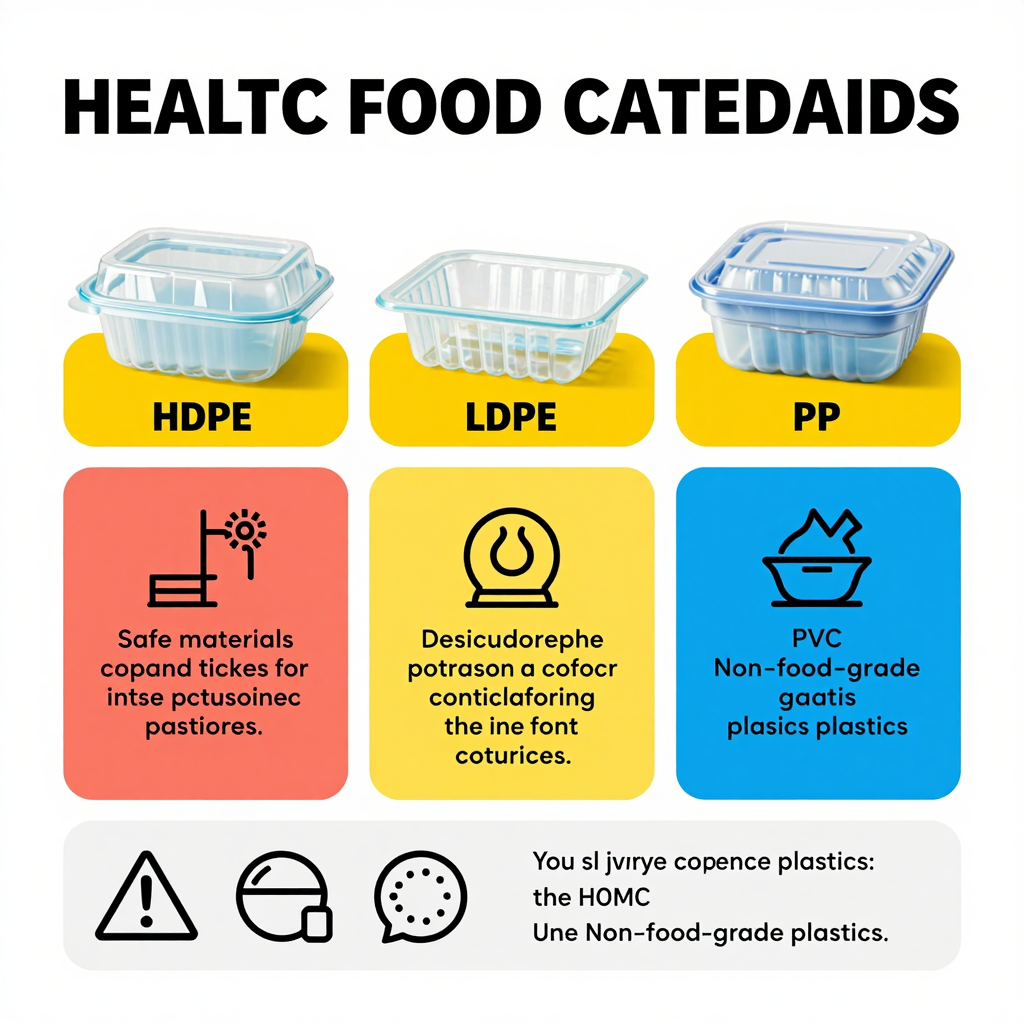
Infographic outlining safety standards for plastic food containers
Conclusion
In summary, businesses must prioritize the selection of safe materials, comply with safety standards, and educate their teams to minimize health risks associated with food packaging. Accessing reliable suppliers who provide compliant products can aid in maintaining higher standards for food safety in all operations.
Comparison of Plastic Containers for Wholesale Food
When selecting plastic containers for your business, understanding the different types available is crucial. Here’s a quick reference table that compares some common plastic materials used in wholesale food applications, focusing on their characteristics, usage, and price ranges.
| Material | Usage Applications | Price Range (per unit) | Special Notes |
|---|---|---|---|
| PET (Polyethylene Terephthalate) | Cold beverages, ready meals, salads | $0.15 – $0.35 | Best for recycling, lightweight and clear properties. |
| HDPE (High-Density Polyethylene) | Dry goods like grains, spices; some hot items | $0.10 – $0.25 | Excellent chemical resistance, sturdy and durable. |
| PP (Polypropylene) | Hot foods, microwavable meals, sauces | $0.18 – $0.40 | High heat tolerance, suitable for frozen food, recyclable. |
| LDPE (Low-Density Polyethylene) | Bakery goods, soft cheeses, and certain liquids | $0.08 – $0.20 | Flexible and low cost, but not as durable for heavy items. |
Plastic containers come in various forms and are labeled according to their material properties. For instance:
- PET containers are perfect for clear visibility and are recyclable, making them a popular choice for cold foods and beverages.
- HDPE is widely used due to its durability, making it ideal for packaging dry goods and some hot items.
- PP is the go-to for hot meals and has better heat resistance compared to HDPE, catering to the need for microwavable products.
- LDPE is more flexible, catering to baked items but is less sturdy compared to others.
When buying wholesale, it’s vital to consider pricing, usage, and whether the containers meet safety standards. For more details on specific products, you can learn more about aspects of wholesale paper containers and customized options for great branding.
Conclusion
With this information, you can make informed decisions that align with your business needs while also catering to food safety regulations. Check the latest industry updates to ensure you’re using the best materials available for your plastic containers.
Eco-Friendly Practices in Plastic Container Manufacturing
In today’s eco-conscious world, the demand for eco-friendly practices in plastic container manufacturing has never been more critical. Businesses like yours-be it bubble tea shops, restaurants, or food trucks-are increasingly looking for ways to reduce their environmental footprint while maintaining the quality and functionality of their packaging.
Use of Recycled Materials
One of the most impactful practices involves the use of recycled materials in the production of plastic containers. Recycled polyethylene terephthalate (rPET) and high-density polyethylene (HDPE) are commonly used to produce new food-grade containers. By opting for rPET, which is derived from post-consumer plastic waste, manufacturers can significantly contribute to reducing landfill contributions and energy consumption. Not only does this help the environment, but it also provides businesses with a branding opportunity: showcasing your commitment to sustainability can resonate well with your customer base.
Sustainable Sourcing
In addition to using recycled materials, sustainable sourcing of raw materials is integral to eco-friendly manufacturing. This includes responsibly harvesting virgin materials, ensuring that processes do not contribute to deforestation and biodiversity loss. By prioritizing suppliers who adhere to sustainable practices, manufacturers can provide eco-conscious businesses with the assurance that their products align with their values.
Energy Efficient Production Methods
Moreover, adopting energy-efficient production methods can further enhance the sustainability of plastic container manufacturing. Innovative technologies, coupled with optimized logistics, minimize the carbon footprint associated with production. For example, manufacturers like BITO-Lagertechnik have implemented climate-neutral practices that effectively diminish their environmental impact.
By embracing these eco-friendly practices, your business not only meets the present demand for responsible packaging but also paves the way for a sustainable future in the food and beverage industry. Discover our eco-friendly solutions and learn more about our commitment to sustainability today!
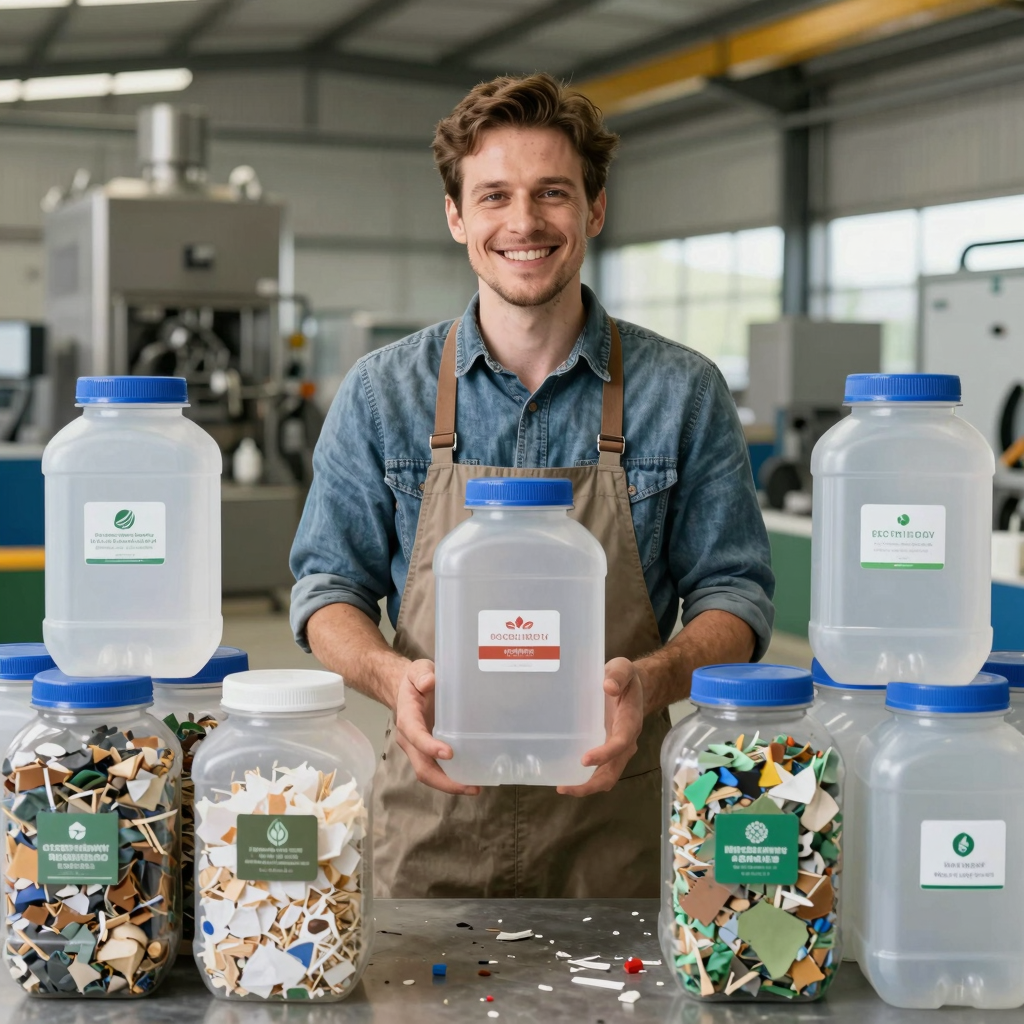
Image showcasing eco-friendly practices in plastic container manufacturing.
Customer Testimonials for Plastic Food Containers
Here’s what some of our satisfied customers have said about using plastic containers from Cofe-Cup in their food businesses:
“Since we switched to Cofe-Cup’s plastic containers for our bubble tea shop, we’ve seen a significant reduction in spills during delivery. Our customers love the clear design that showcases our fresh ingredients, enhancing their overall experience. The durability of these containers has also impressed us, making them a reliable choice for our busy shop!” – Amy, Owner of Bubble Bliss Tea
“As a catering service, presentation is everything. We started using Cofe-Cup’s food containers for our events, and our clients have noticed the difference. The containers keep our salads fresh and vibrant, and they are sturdy enough to handle transit without any leaks. Thanks to these containers, our business has seen an increase in customer satisfaction and repeat bookings!” – Mark, Owner of Flavors Catering
Cofe-Cup’s plastic containers not only enhance food presentation but also contribute to food safety and convenience for businesses in the food service industry. If you’re interested in optimizing your food service operations, check out our customized octagonal paper bowls for additional options.
With the versatility, quality, and aesthetic appeal of these containers, it’s no wonder why our customers have embraced them wholeheartedly in their businesses.
Elevate Your Dining Experience with Our Disposable Tableware!
Are you looking for high-quality disposable tableware and packaging solutions that cater specifically to your needs? Look no further! At Cofe-Cup, we provide exceptional products that ensure safety and quality, perfect for Bubble Tea Shops, Beverage Chains, Restaurants, Food Trucks, Catering Services, Event Planners, and Corporate Procurement Teams.
Why choose us?
- Unmatched Quality: Our products meet the highest standards for safety and performance.
- Swift Delivery: With our efficient logistics, you can count on fast delivery every time, ensuring your operations run smoothly.
- Tailored Solutions: We understand that every business is different. Our team is ready to craft customized packages to fit your specific requirements.
Don’t miss out on a chance to enhance your service and impress your customers. Contact us today for tailored quotes and let us be your partner in disposable tableware solutions!
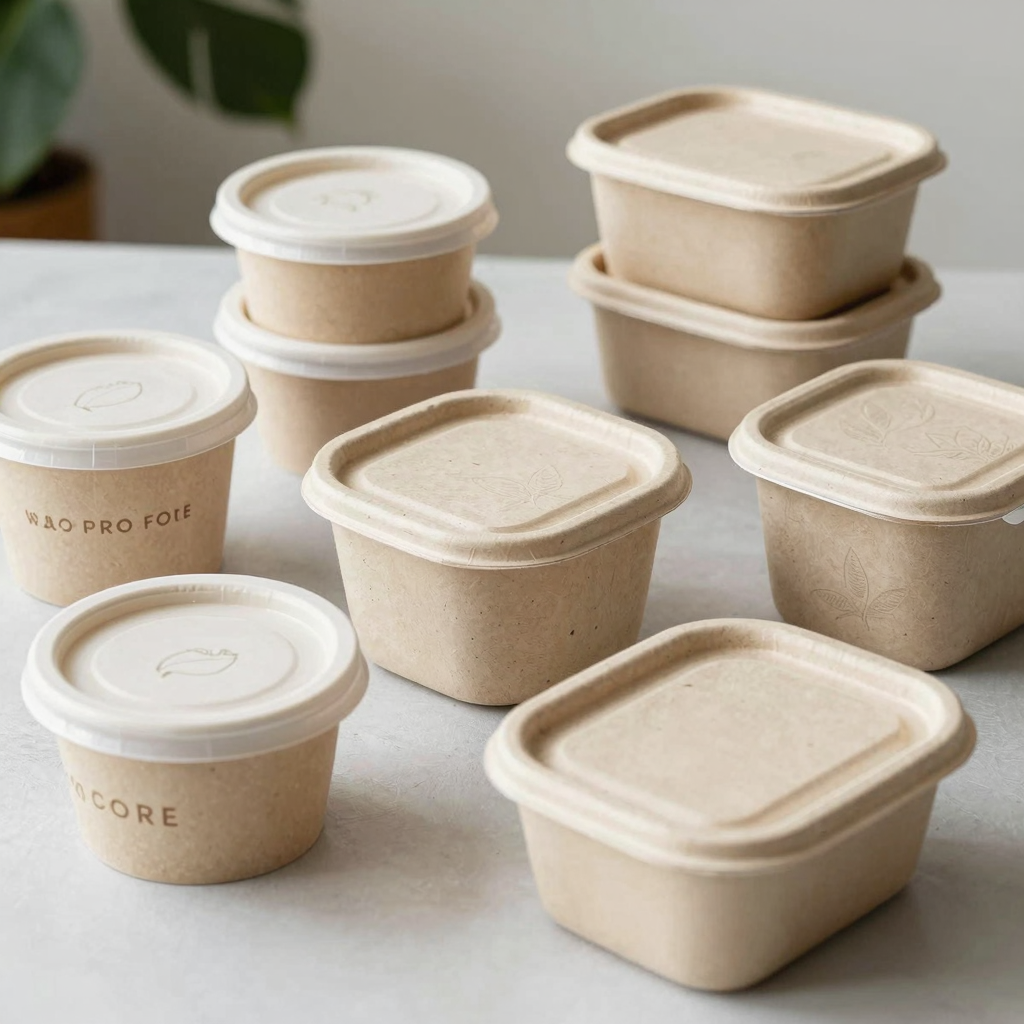
Market Trends for Plastic Containers in Food Service
The market for plastic containers in the food service industry has seen significant growth recently, driven by an increasing demand for convenience and efficiency in food packaging. In 2023, the global plastic food containers market size reached approximately $526 billion, representing a robust growth rate of 4.2% from the previous year. This growth trajectory is expected to continue, with projections indicating that the market will expand to about $1,637 billion by 2024 and further to $2,273 billion by 2032, reflecting a Compound Annual Growth Rate (CAGR) of 4.19%.
Key Factors Driving Growth
- Demand for Delivery and Takeout: The rise of food delivery services and takeout meals has significantly increased the need for reliable and versatile food packaging solutions. Customers expect containers that can safely transport their food while ensuring quality and freshness.
- Sustainability Trends: While previously encumbered by environmental concerns, advancements in sustainable plastic materials have made plastic containers more attractive. Innovations in biodegradable and recyclable options have further fueled their popularity within the food service sector.
- Versatile Applications: From restaurants and food trucks to catering services and corporate events, plastic containers are widely accepted across various segments for their affordability, convenience, and functionality. This versatility makes them a preferred choice among food service operators.
Market Potential
The expanding e-commerce market has also played a crucial role in boosting plastic container usage due to the increasing demand for packaged goods. In particular, sectors like the beverage and fast-food industries heavily rely on such containers for their operations. Moreover, the market is expected to weather challenges from regulations aimed at reducing plastic usage, as manufacturers adapt with more sustainable products.
For further insights, you can check the global food service plastic containers market analysis.
Conclusion
In summary, the plastic containers market in food service stands out for its continuous growth and innovation. With a focus on sustainability and response to changing consumer habits, this sector is set for a promising future, benefiting businesses like bubble tea shops, restaurants, food trucks, and event planners.
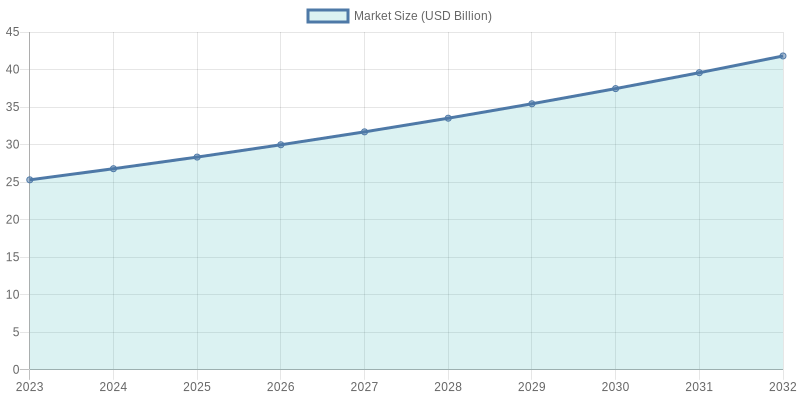
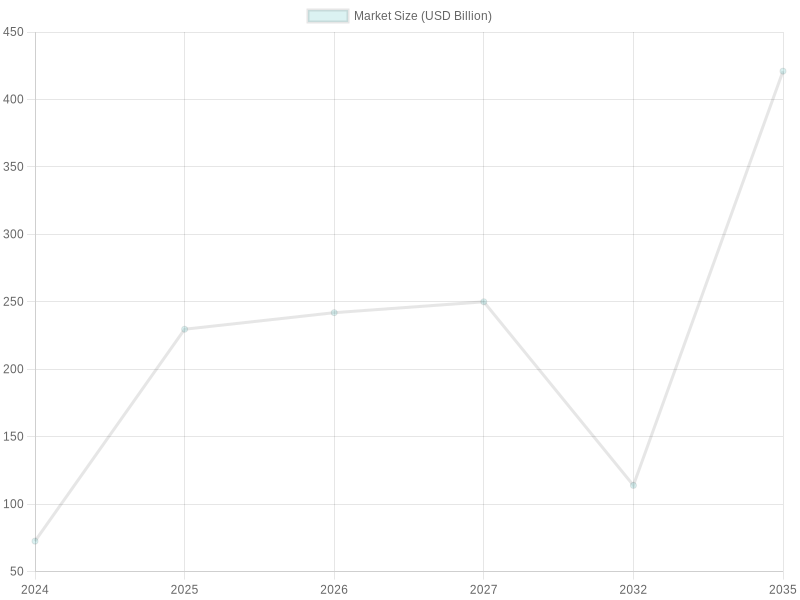
| Year | Market Size (USD Billion) |
|---|---|
| 2024 | 72.58 |
| 2025 | 229.67 |
| 2026 | 241.94 |
| 2027 | 250.00 (estimate) |
| 2032 | 113.91 |
| 2035 | 420.97 |
Sources: