
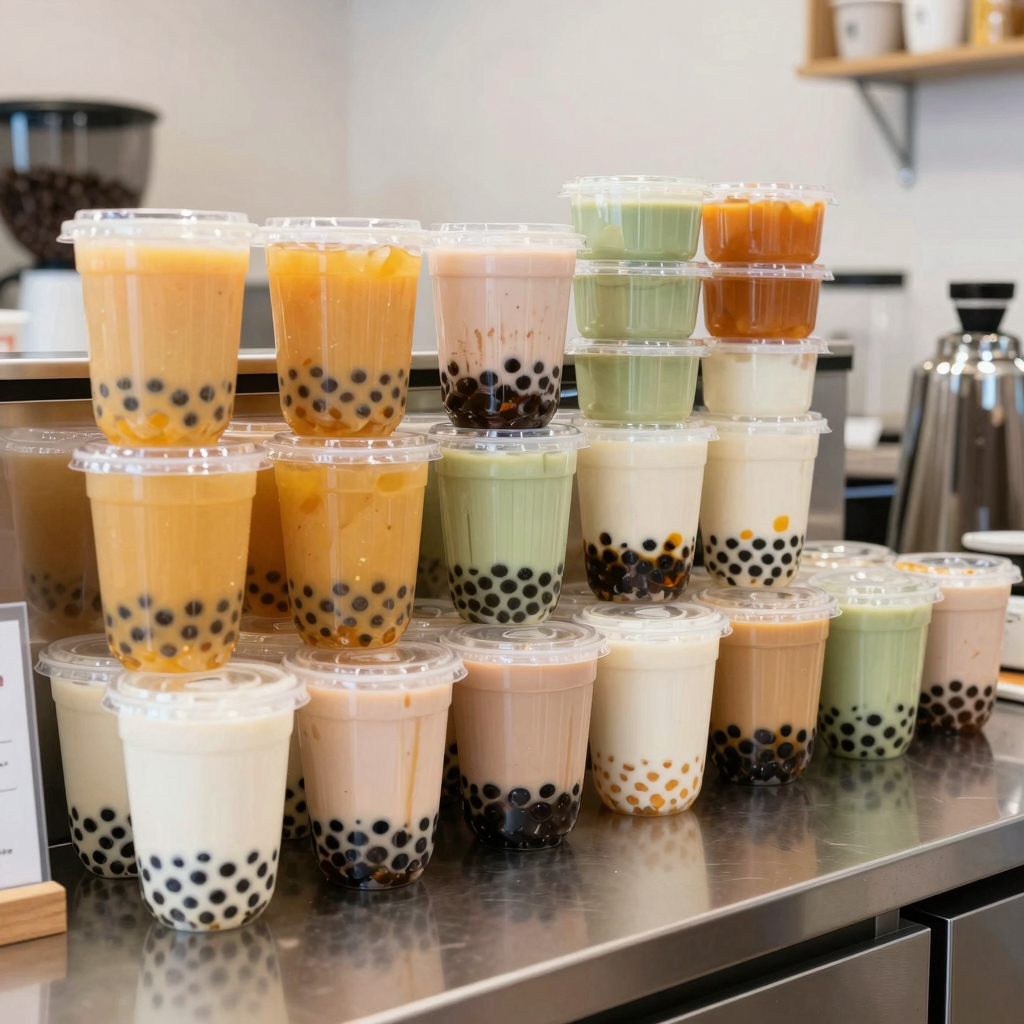
In the bustling world of bubble tea shops and catering services, the organization of plastic food containers is a crucial element often overlooked. Effective organization not only enhances workflow efficiency but also elevates the overall customer experience. Imagine a seamless operation where your staff can effortlessly access the right containers, saving time and reducing stress during peak hours. By adopting strategic methods for organizing plastic food containers, business owners can streamline operations, minimize waste, and ensure that every drink or dish is served in the best way possible. This article delves into practical tips and insights about organizing plastic food containers, highlighting the many benefits of an organized workspace. Whether you’re running a vibrant bubble tea shop or coordinating a major catering event, the right organizational techniques can make all the difference. Let’s dive in and explore how you can transform your space into a model of efficiency!
learn more about relevant packaging options and streamline your service with our wide range of disposable items to enhance your operations.
Benefits of Organizing Plastic Food Containers
Organizing plastic food containers brings a host of benefits, particularly for businesses in the food service industry such as bubble tea shops, restaurants, and food trucks. Here’s how proper organization can enhance efficiency, customer satisfaction, and reduce waste:
-
Improved Operational Efficiency: By using stackable and labeled plastic food containers, employees can locate ingredients faster and streamline their workflow. Research indicates that implementing an organized container system can reduce average operation time by 18%, thereby optimizing meal prep processes and increasing productivity.
-
Enhanced Customer Satisfaction: Clutter-free and organized food storage enhances the overall experience for customers. In a fast-paced environment, when employees can easily access ingredients, wait times decrease, leading to happier customers. A well-organized kitchen reflects professionalism and care, contributing positively to a brand’s image.
-
Reduced Food Waste: Proper organization and sealing of food containers protect ingredients from spoilage. Studies show that businesses that adopt a structured approach can see a decrease in food waste by up to 20%. Having clear visibility of what ingredients are available prevents over-purchasing and extended shelf life, encouraging sustainable practices within the operation.
-
Cost Savings: With organized storage, businesses can save significantly on purchasing costs by minimizing redundant purchases and extending inventory life. By maximizing storage space and improving stock management, companies can optimize their supply chain performance, leading to financial benefits over time.
-
Better Food Safety Compliance: Organized storage allows for systematic rotation of stock and easier monitoring of expiration dates. This is critical for food safety compliance, preventing cross-contamination and ensuring ingredients are used within safe time frames, thus protecting both customers and businesses alike.
For more insights on how to enhance your food packaging and storage solutions, check out Cofe-Cup’s extensive range of products to streamline your operational efficiency and keep your customers satisfied!
Additionally, streamlined storage solutions can significantly enhance workspace organization in your kitchen.
Best Practices for Organizing Plastic Food Containers
Organizing plastic food containers effectively in commercial settings like bubble tea shops, restaurants, or food trucks is essential for maximizing space efficiency, ensuring food safety, and enhancing operational workflows. Here are some best practices tailored to meet your needs:
1. Labeling Containers
Clear labeling is crucial for managing food storage efficiently. Each container should include:
- Item Name: Easily identify the contents.
- Date Prepared: Helps track freshness and adhere to a FIFO (First In, First Out) system to minimize spoilage.
- Use-By Date: Ensures that food safety standards are met. Using durable and moisture-resistant labels minimizes peeling in various environmental conditions, particularly in high-volume kitchens where quick identification contributes to efficiency.
2. Stacking and Storage Solutions
Utilizing vertical space can greatly improve your storage organization. Consider these tips:
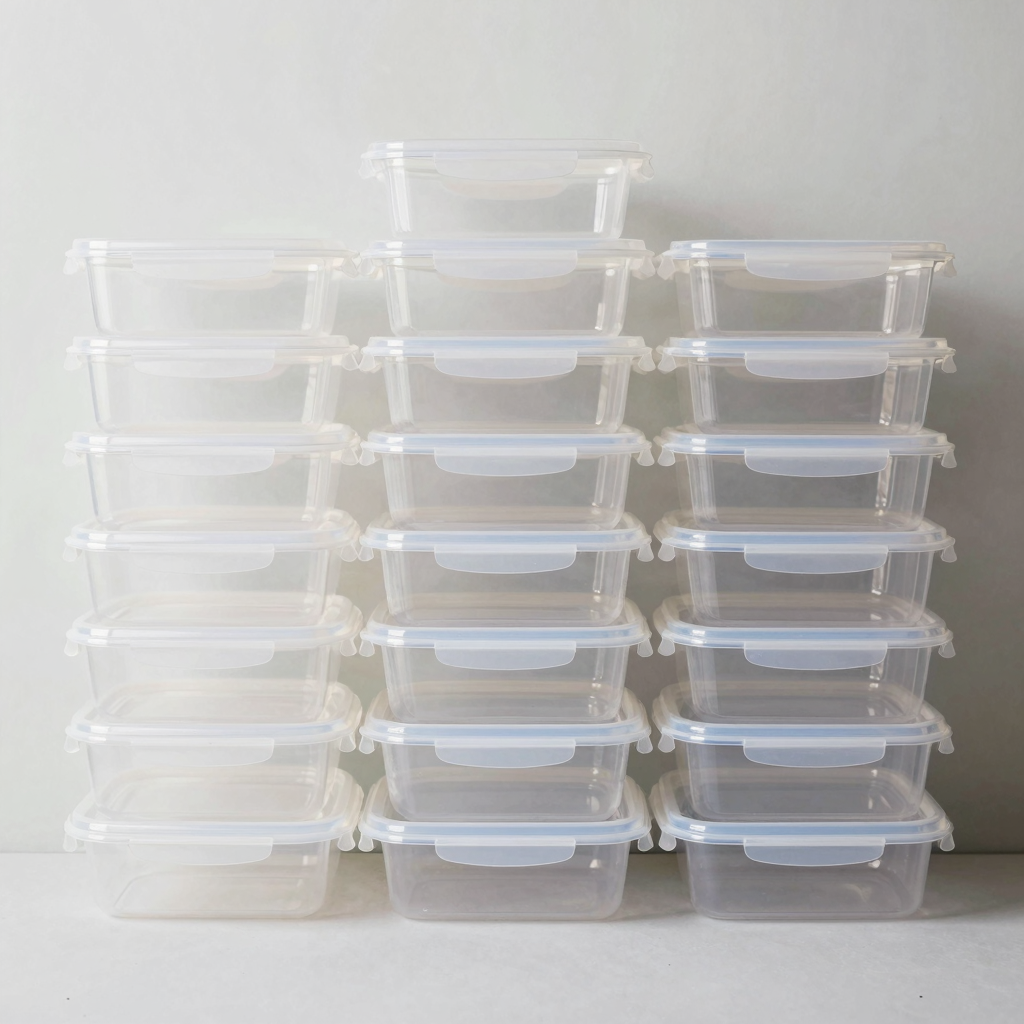
- Stackable Containers: Invest in transparent, stackable containers with tight lids. This not only saves space but also provides easy visibility of contents. Utilizing transparent containers allows for quick identification of items without opening each one.
- Standardized Sizes: Use standardized container sizes to optimize shelf space. When containers nest within each other or stack directly, it significantly reduces clutter and makes cleanup and rearrangement more manageable.
- Storage Bins: Group similar items together in labeled bins or use risers for better accessibility. This method aids in quickly finding what you need, especially during rush hours, ensuring your workflow remains uninterrupted.
3. Routine Maintenance
Regular audits and cleanings of your storage areas will ensure that containers are not just organized but are also compliant with health regulations. This practice helps in maintaining hygiene and prevents contamination, which is critical in any food-related business.
By implementing these best practices, you can enhance the organization of your plastic food containers, thereby optimizing your operational efficiency and ensuring food safety in your establishment. For ideas on suitable containers, check out our collection of storage solutions for commercial use.
| Container Type | Size | Material | Best Use Case |
|---|---|---|---|
| Ice Bins | 1-ton capacity (industrial) | Polyethylene (PE), Polypropylene (PP) | Retail fish counters, seafood markets, processing plants, short-term cold storage |
| Lug Boxes | 20-50 liters (standard) | Impact-resistant Polypropylene (PP), HDPE | Transporting fish and shellfish in trucks or cold rooms; maximizes space |
| 16oz Food Containers | 16 oz (approx. 473 ml) | Polypropylene (PP), Polyethylene (HDPE) | Meal prep, fridge storage, takeout services |
| Reusable Plastic Jugs | 2.84 L / 100 oz | Reusable plastic | Condiment dispensing in restaurants, resealable and easier to handle |
| Take-out & Disposable Containers | Varies (commonly 12-32 oz) | Polystyrene (PS), Polypropylene (PP) | Fast food packaging, lightweight, disposable, cost-effective for high-volume use |
For more packaging options, check our packaging products and disposable dinnerware.
Eco-Friendly Alternatives for Plastic Containers
In recent years, the food and beverage industry, including bubble tea shops and catering services, has seen a marked shift towards sustainability. This shift is largely driven by consumer demand for environmentally responsible practices and the need for businesses to comply with tighter environmental regulations. Here are some viable eco-friendly alternatives to traditional plastic containers:
Bioplastics
Bioplastics, made from renewable resources like corn starch or sugarcane, are gaining popularity as a sustainable substitute for conventional plastic. Bioplastics such as PLA (polylactic acid) and PBAT (polybutylene adipate terephthalate) are designed to biodegrade under industrial composting conditions, thereby significantly reducing landfill waste.
Paper and Cardboard Containers
Made from sustainably sourced materials, paper and cardboard containers are excellent for various food applications. They are often compostable and recyclable, making them an ideal choice for businesses looking to reduce their environmental impact. Additionally, containers made from recycled paper can help further decrease waste, aligning with modern sustainability goals. Check out our paper packaging options for a variety of solutions.
Glass Containers
Although heavier and often more expensive than plastic, glass containers have a lower environmental footprint when reused. They can be sterilized and used multiple times, which offsets their initial cost. Glass can also be recycled indefinitely without quality degradation, making it a sustainable choice for many food service applications.
Cost Considerations
The upfront costs of eco-friendly containers can be 15% to 30% higher than their plastic counterparts. However, companies are realizing that these expenses could lead to long-term savings through reduced waste disposal fees and the ability to attract eco-conscious customers. Many consumers are willing to pay a premium-up to 68%-for sustainable packaging, often leading to increased customer loyalty.
Environmental Impact
Switching to biodegradable or compostable containers can dramatically decrease your business’s carbon footprint. Studies show that utilizing environmentally friendly packaging can reduce greenhouse gas emissions by over 60% compared to traditional plastics. As global awareness of plastic pollution rises, adopting these alternatives not only enhances your brand’s reputation but also contributes to a more sustainable future for the planet.
Transitioning to eco-friendly options might seem daunting at first, but the potential benefits for both your business and the environment are significant. Explore various eco-friendly packaging solutions like our compostable cups and containers to start making a positive impact today!
“The takeaway container of 2026 is no longer just a vessel-it’s a brand statement and an environmental responsibility. Consumers now demand leak-proof, reusable, and compostable packaging, and businesses that fail to adapt risk losing customer loyalty.”
- Dr. Elena Martinez, sustainability lead at GreenPack Solutions
In today’s world, where sustainability is at the forefront of consumer preferences, organizing your plastic food containers can significantly impact both efficiency and environmental responsibility. As outlined by experts, adopting innovative and eco-friendly packaging not only streamlines operations but also aligns with a growing trend towards sustainability among consumers. By integrating packaging solutions that prioritize environmental health, food service establishments can enhance their brand image while fulfilling their responsibility towards the planet.
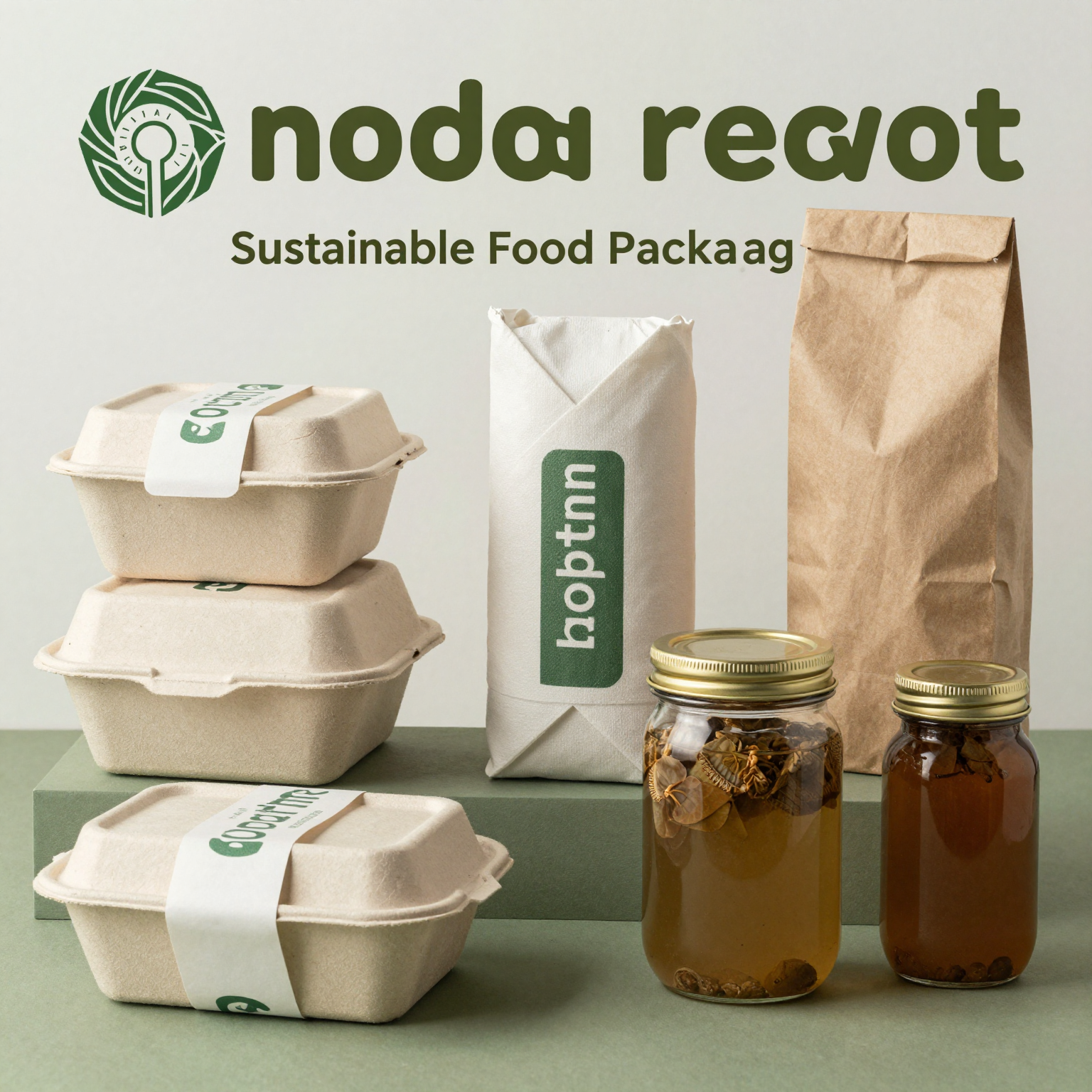
Explore more about sustainable packaging options to elevate your food service business’s operational practices.
Elevate Your Service with Premium Disposable Tableware
Are you ready to upgrade your food service experience? At Cofe Cup, we understand that your presentation matters as much as the food you serve. Our line of high-quality disposable tableware is designed with safety and style in mind, perfect for bubble tea shops, restaurants, food trucks, and catering services alike.
By choosing our products, you can ensure that every meal is a delightful experience for your customers. Our packaging solutions not only look great but also meet the highest safety standards. Plus, we offer top-notch customer support to help you every step of the way.
Whether you need disposable plates or packaging solutions, we’ve got you covered. Partner with us today and let’s make your service shine! Visit our website and discover our full range of products.
User Adoption Data for Organized System Strategies in Catering and Restaurants
The trend towards organizing plastic food containers is rapidly gaining traction in the catering and restaurant industry, illustrating a shift towards improved efficiency and sustainability.
Key Findings:
-
Reusable Container Programs: A report by the European Environment Agency revealed that as of 2024, 34% of hospitality businesses in Germany, France, and the Netherlands have adopted reusable takeaway packaging. These initiatives have led to a 78% customer return rate when incentives, such as discounts, are offered. The systems implemented are centered around standardized container designs, QR code tracking, and partnerships with local cleaning hubs. This shift contributes to a staggering 60% reduction in single-use plastic waste per establishment.
-
Consumer Preferences: According to a 2025 survey by the National Restaurant Association, 62% of consumers now prefer restaurants that offer reusable takeout containers, with this preference climbing to 75% among millennials and Gen Z. Convenience plays a vital role in adoption; 89% of customers are willing to return containers if return points exist within a mile of the restaurant.
-
Impact on Business: The same survey indicated that 58% of restaurants experienced increased customer loyalty after introducing reusable options, although 45% reported logistical challenges.
These insights underscore the importance of adopting organized system strategies to improve both environmental impact and consumer satisfaction in the catering industry.
Conclusion
In conclusion, organizing plastic food containers is essential for enhancing efficiency in food service operations whether you’re managing a bustling bubble tea shop, a catering service, or a food truck. The benefits you reap from a structured organization system are manifold-ranging from saving valuable time and space to minimizing waste and ensuring cleanliness. By implementing the best practices discussed, such as categorization, proper labeling, and strategic storage, you can create a streamlined process that not only boosts productivity but also elevates the overall customer experience.
As you consider the practices we’ve outlined, it’s time to take action! Evaluate your current system and make the necessary adjustments to maximize your workspace. If you’re looking for effective storage solutions like durable storage containers or compact storage boxes, look no further! Let’s transform the way you utilize your space, enhance your operations, and focus on what truly matters: delighting your customers!