
Introduction
In the bustling world of food service, whether you’re running a bubble tea shop, a food truck, or catering for a corporate event, the choice of packaging for your hot food is paramount. Using plastic containers may seem like a convenient solution, but it raises important questions about food safety and the durability of the materials. Many food industry professionals worry about how high temperatures affect plastics, particularly regarding leaching chemicals into the food. This not only concerns the health of your customers but also impacts the quality of the meals you serve.
To make informed decisions, it is essential to understand the types of plastics that are safe for hot foods and how they withstand heat over time. As you seek to balance operational efficiency and food safety, knowing the differences can enhance your catering service while ensuring customer satisfaction. In this comprehensive guide, we’ll explore everything from the best types of plastic containers to use to their proper handling and storage, enabling you to serve hot food with confidence. For more details on suitable packaging solutions, check out our packaging printing options or explore our plastic packaging range.
Benefits of Using Plastic Containers for Hot Food
Using plastic containers for hot food has become a popular choice among bubble tea shops, restaurants, and catering services due to their numerous advantages. Here are some key benefits:
1. Heat Resistance
Plastic containers are specifically designed to withstand high temperatures, with many types being heat-resistant up to 110-120°C. This makes them perfect for hot food applications, ensuring that dishes remain warm without compromising the container’s integrity. For example, polypropylene, known for its superior heat resistance, is a common choice in the food industry, making these containers safe for short-term microwave heating (source).
This characteristic is crucial in maintaining the quality and flavor of hot dishes during transport and serving.
2. Convenience
One of the standout features of plastic containers is their convenience. They are lightweight, making them easy to handle and stack. This is particularly beneficial in busy environments like food trucks or catering events where space and ease of transportation are vital. Additionally, their durability means they are less likely to break compared to glass or ceramic containers, reducing cleanup and replacement costs.
3. Cost-Effectiveness
Plastic containers are often more affordable than their glass or ceramic counterparts. Their lower production costs translate into savings for restaurants and catering services, allowing for a more economical way to serve hot foods. Many businesses find that investing in high-quality plastic containers helps cut down on overhead without sacrificing the quality of food service. Efficient packaging innovations have made plastic options even more cost-effective by allowing for packaging multiple items together, reducing waste (source).
4. Safety and Hygiene
Quality plastic containers for hot food are designed to meet stringent safety standards. They do not leach harmful substances into food when heated, which is essential for maintaining food safety. Properly selected materials help ensure that meals are safe for customers, which is paramount for restaurants and catering services (source).
Conclusion
In summary, utilizing plastic containers for hot food presents a variety of benefits, including exceptional heat resistance, ease of handling, cost savings, and safety. These features make them an excellent option for bubble tea shops, restaurants, and catering services, ultimately enhancing operational efficiency and customer satisfaction. For innovative packaging solutions, consider exploring various plastic container options available.
Understanding Different Types of Plastic Containers for Hot Food
When serving hot food, it’s crucial to choose the right type of plastic container, as they come with various features, pros, and cons that can impact food quality and safety. Below is a comprehensive comparison of three commonly used plastics: PET (Polyethylene Terephthalate), PP (Polypropylene), and PS (Polystyrene). This table outlines their characteristics helpful for bubble tea shops, restaurants, food trucks, and other food service businesses.
| Type | Features | Pros | Cons |
|---|---|---|---|
| PET | – Clear and rigid – Good barrier properties |
– Lightweight – Recyclable – Inexpensive – Maintains freshness |
– Not suitable for hot foods (melting point around 60°C) – Can distort or release harmful compounds when heated |
| PP | – High heat resistance (up to 130°C) – Microwave safe |
– Durable and flexible – Excellent for hot and cold |
– Generally more expensive than PET – Limited chemical resistance compared to other plastics |
| PS | – Often used for disposable items like cups and containers – Generally inexpensive |
– Lightweight – Good for dry foods |
– Not suitable for heating (can leach chemicals) – Breakable and less durable than PP |
Summary of Insights:
- PET containers, while attractive and good for cold foods, are not safe for hot food due to their lower heat tolerance. For more details on PET properties, refer to this resource.
- PP is the best option for hot foods as it can withstand higher temperatures without deforming or leaching. If you are serving hot items, consider using PP containers for their safety and durability. Learn more about suitable packaging options here.
- PS is commonly used for disposable tableware but is unsuitable for hot foods because it can release toxins when exposed to heat.
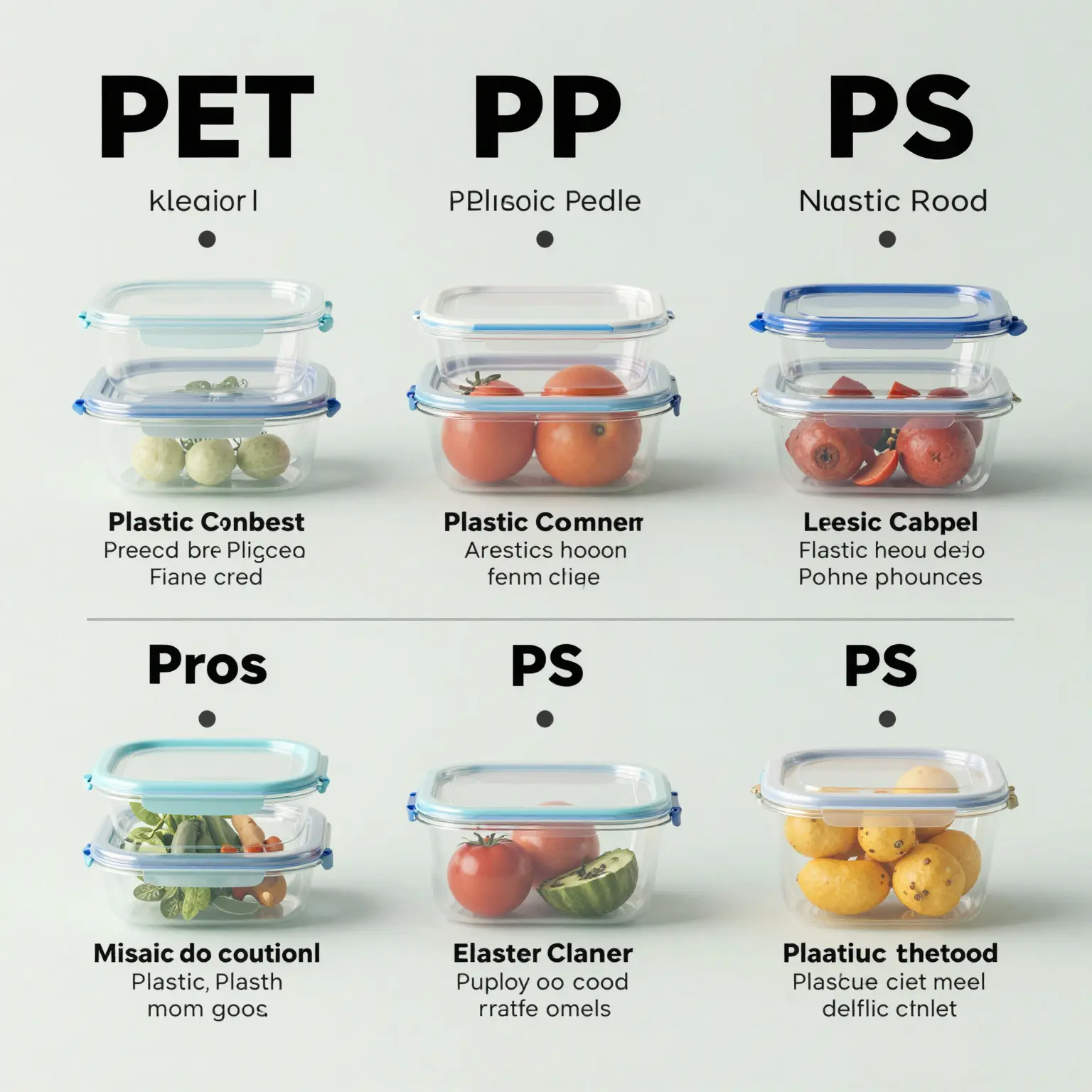
For visual guidance, here is an infographic that summarizes these points:
Choosing the right type of plastic container is key to maintaining food safety and quality in your establishment. By understanding the properties of these materials, you’ll be better equipped to make informed decisions that benefit both your business and your customers.
Safety Standards for Plastic Containers for Hot Food
When it comes to serving hot food, selecting the right plastic containers is crucial for both customer safety and compliance with food service regulations. Plastic containers must meet specific safety standards to ensure they do not leach harmful chemicals into food when exposed to high temperatures. Here’s what you need to know:
Common Standards and Regulations
- FDA Approval: The United States Food and Drug Administration (FDA) strictly regulates materials that come into contact with food. Only plastics that are FDA-approved can be used for food service applications, ensuring they do not release harmful chemicals under normal usage conditions.
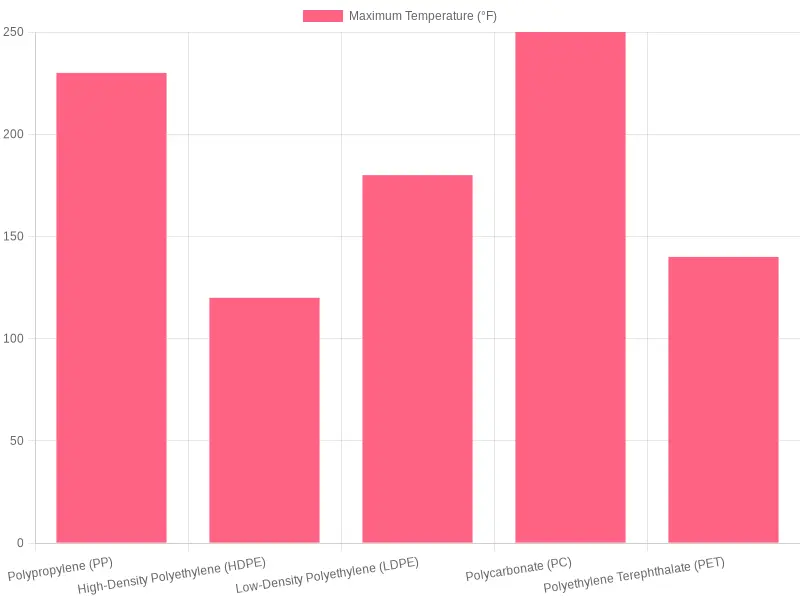
- Commonly approved plastics include Polypropylene (PP), High-Density Polyethylene (HDPE), Low-Density Polyethylene (LDPE), Polycarbonate (PC), and Polyethylene Terephthalate (PET). Each of these materials has a defined maximum temperature tolerance which must be respected to ensure safety.
- Temperature Ratings: It’s essential for operational teams to check the temperature rating of their containers. As a guideline:
-
Polypropylene (PP): Max 230°F (110°C)
-
High-Density Polyethylene (HDPE): Max 120°F (49°C)
-
Low-Density Polyethylene (LDPE): Max 180°F (82°C)
-
Polycarbonate (PC): Max 250°F (121°C)
-
Polyethylene Terephthalate (PET): Max 140°F (60°C)
Keeping food temperatures within these limits mitigates the risk of chemical leaching that could occur from overheating the containers.
-
Labeling and Usage Guidelines: Plastic containers should have proper labeling indicating whether they are microwave-safe. Users must avoid using non-microwave-safe plastics in cooking or reheating scenarios to reduce health risks. Additionally, it is advisable to avoid using scratched or old plastic containers, as these are more likely to leach chemicals into food.
-
Local Regulations and Industry Practices: Different jurisdictions may have additional regulations governing the use of plastic in food service. It’s worthwhile for businesses to stay informed about any local laws or recommendations, such as those encouraging the reduction or elimination of single-use plastics due to environmental concerns.
By meeting these safety standards, food service industries can ensure that they are providing safe, high-quality food to their customers. For more about our packaging options, visit our food packaging section or explore our disposable containers to meet your specific needs.
Eco-Friendly Alternatives to Traditional Plastic Containers
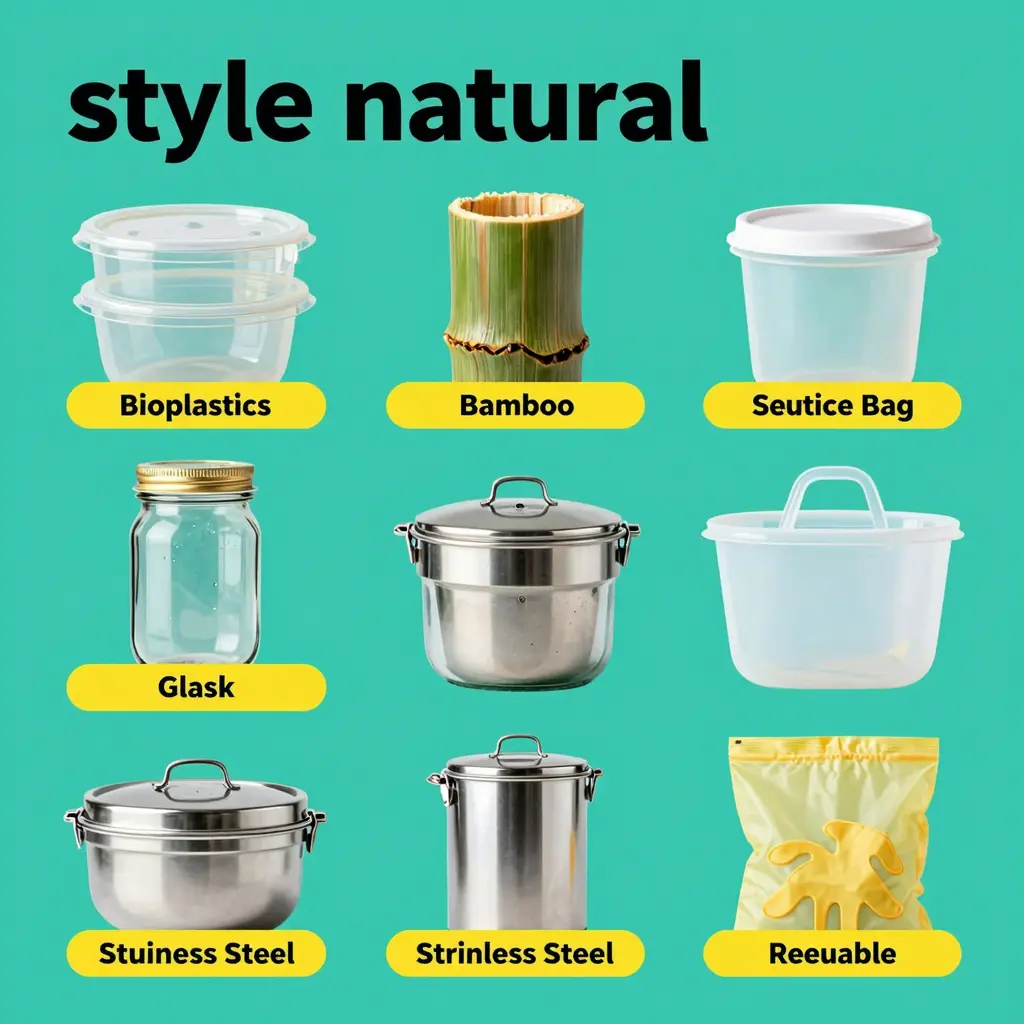
As sustainability becomes a priority for businesses, it’s essential to consider eco-friendly alternatives to traditional plastic containers. Here’s a list of options that can help your establishment reduce its environmental footprint:
- Bioplastics: Derived from renewable sources, bioplastics are biodegradable and offer a sustainable alternative to conventional plastic containers. They help reduce reliance on fossil fuels. Learn more about bioplastics.
- Bamboo Containers: These containers are sustainable and biodegradable, making them a great choice for eco-conscious businesses. Bamboo is a fast-growing resource that requires minimal energy to produce. Explore bamboo solutions.
- Glass Jars: Glass containers are reusable, recyclable, and do not leach chemicals into food. They maintain the quality and freshness of products, making them ideal for beverages and food storage.
- Stainless Steel Containers: Durable and long-lasting, stainless steel containers are great for food storage. They are easily cleaned and can be reused many times, thus reducing waste.
- Reusable Silicone Bags: These eco-friendly bags can replace single-use plastic bags. They are flexible, durable, and can be reused for a variety of food storage purposes.
By considering these options, businesses can not only contribute positively to the environment but also appeal to a growing customer base that values sustainability. Remember, opting for eco-friendly packaging can enhance your brand’s image and attract more customers.
Common Misconceptions About Putting Hot Food in Plastic Containers
When it comes to using plastic containers for hot food, there are several misconceptions that can lead to unnecessary concern among food service professionals. Let’s address and debunk some of these myths to provide reassurance and clarity.
Misconception 1: Plastic Containers are Always Unsafe for Hot Food
Many believe that placing hot food directly into plastic containers is inherently unsafe. This misconception often stems from fears about chemical leaching. While it’s true that some plastics can release chemicals when subjected to high heat, many modern plastic containers are specifically designed to be heat-resistant and safe for such usage. Look for containers marked as microwave-safe or oven-safe, as these meet safety standards for high temperatures.
Misconception 2: All Plastics are the Same
Not all plastics are created equal. Common plastics like polycarbonate can indeed release harmful chemicals like BPA (Bisphenol A) at high temperatures. However, many food-grade plastics, such as those made from polypropylene or certain polyethylene variants, are designed to withstand heat and are deemed safe for food storage. To avoid uncertainty, always check for containers labeled as BPA-free.
Misconception 3: Heating Plastic Containers Will Always Lead to Food Contamination
While there is a risk of chemical leaching from certain types of plastics, reputable manufacturers use materials that are safe for hot foods. Ensuring that you’re using high-quality, food-safe plastic containers will mitigate these risks.
Best Practices
- Choose Wisely: Invest in quality containers that are specifically made for holding hot food. It’s important to refer to the specifications and ensure they meet necessary safety standards.
- Monitor Temperature: Avoid exposing plastic containers to extreme heat sources, like stovetops or direct flames. Instead, use them within their designated temperature guidelines, typically listed on the packaging.
- Innovative Varieties: Consider incorporating sustainable choices into your operations. There are modern, eco-friendly plastic options that are designed to be both safe and environmentally conscious.
Conclusion
By debunking these common myths, we aim to reassure restaurant owners, food trucks, and even beverage chains that utilizing plastic containers for hot food can be both safe and practical. Always consider the type of plastic and adhere to best practices, ensuring a smooth and safe operation in your food service environments.
For high-quality disposable containers suitable for hot to-go orders, check out our selection of disposable lunch boxes.
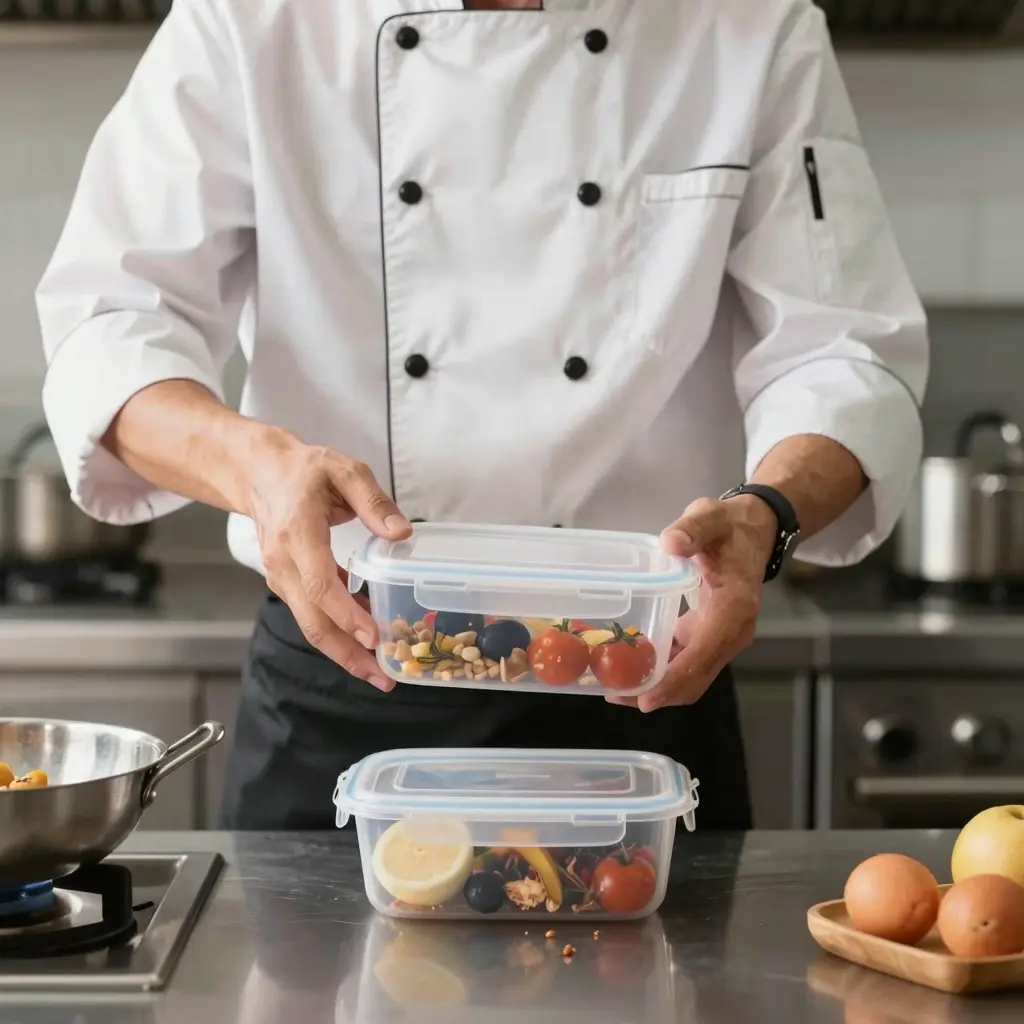
In essence, being informed and selective about the containers we use can enhance the safety and satisfaction of our customers while allowing for practical food storage solutions.
“Experts have raised concerns about health risks associated with heating food in plastic containers, particularly regarding the leaching of chemicals such as phthalates into food when heated.”
- Source: BBC Future
The safety of placing hot food in plastic containers is a pressing concern for many in the food industry. This statement from a food safety expert underscores the potential health risks, emphasizing the importance of awareness when using plastic containers. For more information about safe packaging options, consider exploring our range of disposable lunch boxes that are designed to be safe for hot foods.
Maximum Temperature Limits for Plastic Types
Understanding the heat tolerance of different plastic materials is crucial, especially for food-related businesses. Using wrong types of plastics for hot food can lead to safety hazards or degraded food quality. Below is a visual representation to help you identify the maximum temperature limits for various plastic types:
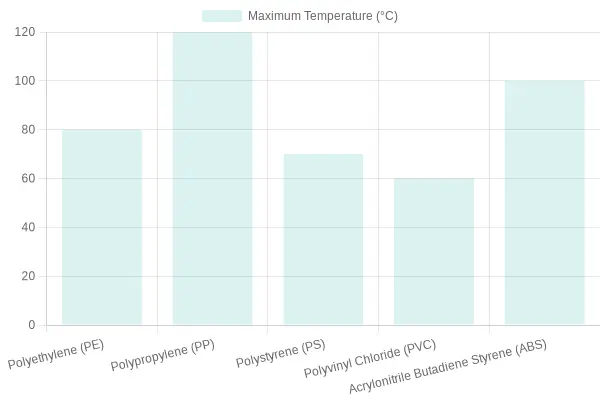
Temperature Limits Chart
| Plastic Type | Maximum Temperature (°C) |
|---|---|
| Polyethylene (PE) | 80 |
| Polypropylene (PP) | 120 |
| Polystyrene (PS) | 70 |
| Polyvinyl Chloride (PVC) | 60 |
| Acrylonitrile Butadiene Styrene (ABS) | 100 |
For more information on packaging options that are safe for hot foods, check out our packaging printing options and see how you can enhance your food service offerings!
Choose Quality and Reliability with Our Disposable Tableware Solutions
When it comes to serving hot food, the right packaging is essential for quality and safety. At Cofe Cup, we understand that your customers deserve the best, and so does your business. Our extensive range of disposable tableware and packaging solutions not only meets food safety standards but also enhances your brand image with attractive designs.
Imagine presenting your delicious hot dishes in stylish disposable containers that are durable and environmentally friendly. With Cofe Cup’s reliable service, you can ensure that your products arrive on time, every time. We cater to various industries including Bubble Tea Shops, Restaurants, Food Trucks, Catering Services, and Event Planners, providing customized solutions tailored to your needs.
Why choose us? Here are some benefits:
- Durability: Our containers are designed to withstand high temperatures and maintain food quality.
- Eco-Friendly Options: Choose from our selection of paper packaging and reduce your environmental footprint.
- Variety: We offer a wide range of disposable tableware from plates to bowls, ensuring you find exactly what you need.
- Fast Delivery: Count on our prompt service to keep your operations running smoothly.
Don’t compromise on quality when it comes to serving food. Upgrade your packaging solutions with Cofe Cup and experience the difference in your customer satisfaction and brand reputation. Explore our product range today and see why we are the preferred choice for packaging among professionals!
Your customers deserve the best. Make the switch to Cofe Cup’s disposable tableware and see your business thrive!