
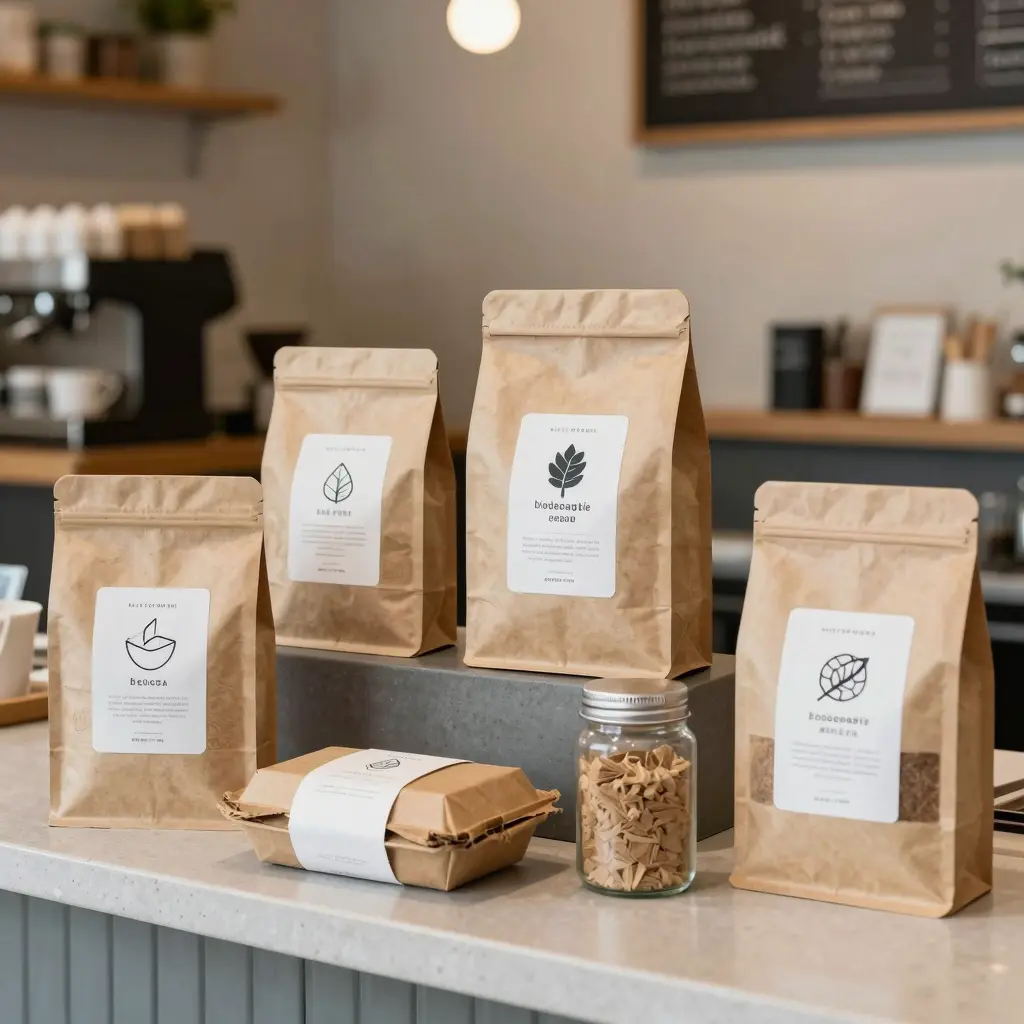
In an era where sustainability is no longer just a buzzword but a pressing necessity, the demand for biodegradable eco-friendly food packaging has surged dramatically. Food businesses, from vibrant bubble tea shops to bustling food trucks, are finding themselves at a crossroads where consumer preference aligns with environmental responsibility. Today’s customers are increasingly discerning, opting for brands that demonstrate a commitment to reducing plastic waste and lowering their ecological footprint. This trend not only signals a shift in consumer behavior but also presents an opportunity for food-related businesses to enhance their brand image and attract a modern clientele. As we delve into the realm of biodegradable packaging solutions, we will explore how embracing these eco-friendly alternatives can revolutionize your business practices, ensuring that you stay relevant in a rapidly changing market. Discover more about the options available for environmentally conscious packaging here and enhance your offerings with eco-friendly materials that resonate with your customers’ values.
Environmental Impact of Biodegradable Food Packaging
In recent years, the conversation surrounding food packaging has shifted significantly towards sustainability, driven by growing concerns about environmental degradation. Biodegradable food packaging has emerged as a prime solution, offering myriad benefits over its conventional plastic counterparts.
Reducing Pollution and Landfills
Conventional food packaging often consists of plastics that are not biodegradable. According to the Natural Resources Defense Council (NRDC), reducing packaging waste is essential for mitigating pollution and keeping trash out of our landfills, which significantly helps reduce ocean pollution. Landfills and dumpsites pose a considerable threat to wildlife and contribute profoundly to land and air pollution (source: National Geographic Education). Moreover, packaging waste is among the major contributors to landfill accumulations, with pollutants released during incineration processes posing serious environmental hazards (ZipDo Education Report).
The Advantages of Biodegradable Packaging
On the other hand, biodegradable food packaging presents a smarter alternative. This innovative packaging can break down naturally within a year, drastically reducing the volume of waste sent to landfills and minimizing the long-term pollution associated with non-degradable plastics. A study outlined in the article by At Your Servous explains that adopting biodegradable materials not only mitigates pollution but also promotes a circular economy by reducing food waste.
Further emphasizing the positive environmental impacts, research outlined in ScienceDirect indicates that biodegradable packaging materials contribute to sustainability, ensuring food quality while limiting overall waste. Their implementation in the food industry demonstrates a commitment to eco-friendly solutions that lessen the burden on our planet.
Conclusion
Embracing biodegradable food packaging is crucial for businesses looking to contribute positively to the environment. Adopting sustainable packaging solutions not only helps mitigate pollution and landfill issues but also signals to consumers that you care about the planet and its future. By making eco-conscious choices, food establishments can lead the way toward a greener and more sustainable future.
Benefits of Biodegradable Eco-Friendly Food Packaging for Businesses
Biodegradable eco-friendly food packaging offers numerous advantages for businesses in the food sector, making it an increasingly popular choice. Here are the key benefits:
- Cost-Effectiveness: Although the initial investment may be higher, many businesses find that biodegradable options can reduce waste management costs and decrease disposal fees in the long run.
- Customer Satisfaction: Today’s consumers are more environmentally conscious. By using biodegradable packaging, businesses can increase customer loyalty and satisfaction by aligning with their values. This often leads to repeat purchases.
- Regulatory Compliance: As environmental regulations become stricter, adopting biodegradable packaging can help businesses comply with local and federal laws, avoiding potential fines and legal issues.
- Enhanced Brand Image: Companies that invest in sustainable practices enhance their brand reputation, which can attract customers who prioritize eco-friendliness.
- Waste Reduction: Biodegradable materials decompose more efficiently than traditional plastics, contributing to reduced landfill waste and a positive ecological impact.
- Market Growth Opportunities: The biodegradable packaging market is projected to grow significantly, providing businesses with opportunities to enter a lucrative segment. For instance, it’s expected to reach USD 7,058.8 million, reflecting the growing demand for sustainable solutions (learn more).
- Innovative Product Development: The move towards biodegradable materials encourages innovation, leading to the development of new and exciting products that can differentiate businesses in a crowded market.
Embracing biodegradable eco-friendly food packaging not only benefits the environment but also positions businesses favorably in today’s competitive market. For more about materials and options available, visit Cofe-Cup Packaging.
Comparison of Biodegradable Packaging Options
Choosing the right biodegradable packaging is essential for restaurants, beverage shops, and catering services striving for sustainability. Below is a table comparing various types of biodegradable packaging options available in the market:
| Type of Packaging | Material | Cost per Unit | Eco-Friendliness Rating |
|---|---|---|---|
| Sugarcane Containers | Sugarcane Bagasse | $1.00 – $2.00 | High |
| Compostable Bags | Corn Starch | $0.50 – $1.50 | High |
| Biodegradable Cups | PLA (Polylactic Acid) | $0.30 – $0.80 | High |
| Paper Packaging | Recycled Paper | $0.20 – $0.75 | High |
| Moulded Fibre Boxes | Recycled Fiber | $1.50 – $3.00 | Very High |
| Compressed Corn Cups | Compressed Corn Starch | $0.40 – $1.00 | High |
For more information about your biodegradable packaging options, explore our packaging products or check out our paper packaging options.
The transition to biodegradable packaging has become increasingly vital for businesses, especially in the food and beverage industry. Below, we summarize several case studies that highlight how bubble tea shops and restaurants successfully made this shift, along with the challenges they faced and the insights gained.
1. Tea in the Time of Covid: A Branding Case Study
- Source: Medium
- This case study details a tea delivery service that implemented biodegradable packaging to tackle waste issues exacerbated by the pandemic. The key challenge was sourcing materials that were both sustainable and cost-effective. By engaging in direct communication with suppliers and opting for locally compostable options, they achieved a balance between environmental responsibility and cost management.
2. Eco-Innovation in Pune: Go Do Good’s Breakthrough
- Source: Homegrown
- Go Do Good, a Pune-based initiative, adopted biodegradable packaging as a sustainable alternative to conventional plastic. They faced challenges with consumer awareness and acceptance but addressed this by educating their customers about the environmental impact of their choices. Implementing a marketing campaign that highlighted the benefits of biodegradable materials helped in enhancing customer perception and acceptance.
3. Innovative Eco-Friendly Biodegradable Packaging
- Source: Shopmycake
- This article provides case studies from various cafes that transitioned to biodegradable solutions. One key challenge was ensuring the packaging maintained food integrity during transport. The solution was to collaborate with packaging manufacturers to develop custom products that are both aesthetically pleasing and practical for takeout services.
4. Australia’s Takeaway Boom Needs Biodegradable Packaging
- Source: Australia Menu
- This report emphasizes a strategic approach for implementing biodegradable packaging in takeaway restaurants. One challenge was the initial higher costs associated with biodegradable materials, which deterred many businesses. Overcoming this involved gradual implementation and demonstrating long-term savings through waste reduction, ultimately attracting eco-conscious consumers.
Key Takeaways
Transitioning to biodegradable packaging presents both challenges and opportunities for bubble tea shops and restaurants. The critical issues often revolve around sourcing, consumer acceptance, and maintaining food quality. However, through education, collaboration with suppliers, and effective marketing, businesses can successfully navigate these challenges and contribute positively to the environment.
As the food service industry continues to experience a shift towards sustainability, opting for biodegradable packaging not only aligns with consumer preferences but also strengthens brand identity in a competitive market.
For more insights on sustainable packaging options, check out our range of paper packaging solutions.
By embracing these changes, businesses can effectively meet customer demands while doing their part for a healthier planet.

Addressing Customer Concerns: Biodegradable Packaging
Switching to biodegradable packaging can often elicit concerns among procurement teams, primarily regarding cost and performance. It is a common notion that biodegradable options come with a higher price tag. For instance, in New Zealand, biodegradable cups typically cost about 44% more than their plastic counterparts (about $0.13 versus $0.09 for a plastic cup) (Ecomake). However, research suggests that while the upfront costs may be higher, the long-term benefits-such as reduced waste management fees and enhanced brand reputation-often outweigh the initial expenditure (Produce Biopak).
Additionally, many businesses that have already transitioned to biodegradable packaging report no loss in performance. For example, an article from YLT Packing highlights how biodegradable stand-up pouches effectively maintain product integrity while breaking down naturally over time (YLT Packing). Furthermore, sustainable packaging also aligns with growing consumer preferences toward environmentally friendly products, thus enhancing customer loyalty.
By choosing biodegradable options, procurement teams can foster peace of mind, knowing that they are making a responsible choice that not only benefits their company’s image but also contributes positively to the planet’s health. Seeing the shift in consumer attitudes toward sustainability, brands that prioritize eco-friendly practices are better positioned to thrive in today’s competitive market.
Making the switch doesn’t just reflect a commitment to customer satisfaction- it reflects a commitment to the future. Embrace the green revolution and join the many businesses already experiencing the multifaceted benefits of biodegradable packaging!
“Switching to biodegradable packaging was one of the best decisions we made. Our customers love knowing that their takeaway containers are not just functional but also eco-friendly. We’ve seen an increase in positive feedback and support from our community!”
- Sarah Thompson, Owner of Green Bites Café
Market Trends in Biodegradable Packaging
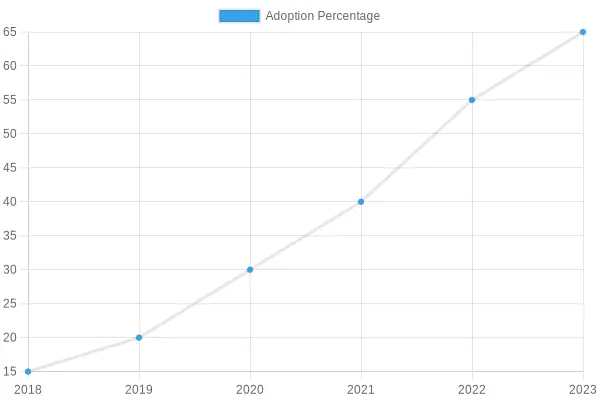
The adoption of biodegradable packaging in the food industry has been experiencing a significant upward trend over the last few years. This shift is largely attributed to increasing consumer awareness about environmental issues, alongside governmental regulations aimed at reducing plastic waste.
As shown in the chart below, the percentage of biodegradable packaging usage has risen sharply:
- 2018: 15%
- 2019: 20%
- 2020: 30%
- 2021: 40%
- 2022: 55%
- 2023: 65%
The chart illustrates how businesses, including bubble tea shops, restaurants, and catering services, are increasingly adopting eco-friendly packaging solutions to meet the growing demands of environmentally conscious consumers.
Conclusion
The trend towards biodegradable packaging is likely to continue as both consumers and businesses strive for more sustainable practices. For those in the food industry, adopting such solutions is not just a trend; it’s becoming a necessity. To explore a variety of biodegradable options that can elevate your brand’s eco-friendliness, visit our packaging printing and paper packaging categories.
As we wrap up our discussion on biodegradable eco-friendly food packaging, it’s clear that integrating sustainable practices within your business is not just a trend, but a vital step towards a better future. Biodegradable packaging solutions not only reduce the environmental impact but also resonate with consumers who increasingly prioritize sustainability in their purchasing decisions. Whether you operate a bubble tea shop, a food truck, or manage corporate events, adopting eco-friendly packaging systems can set you apart from the competition, enhance your brand image, and foster customer loyalty.
At Cofe-Cup, we offer a variety of biodegradable products designed to suit your needs and help you transition to more responsible packaging options. By choosing our solutions, you are not only investing in the planet but also in the future of your business. Imagine a world where your choices lead to a healthier environment, attracting environmentally conscious customers along the way.
Take action today and browse our selection of biodegradable packaging solutions. Together, we can cultivate a greener planet while ensuring your business thrives in an eco-conscious market. Let’s make sustainable choices together!