
Introduction
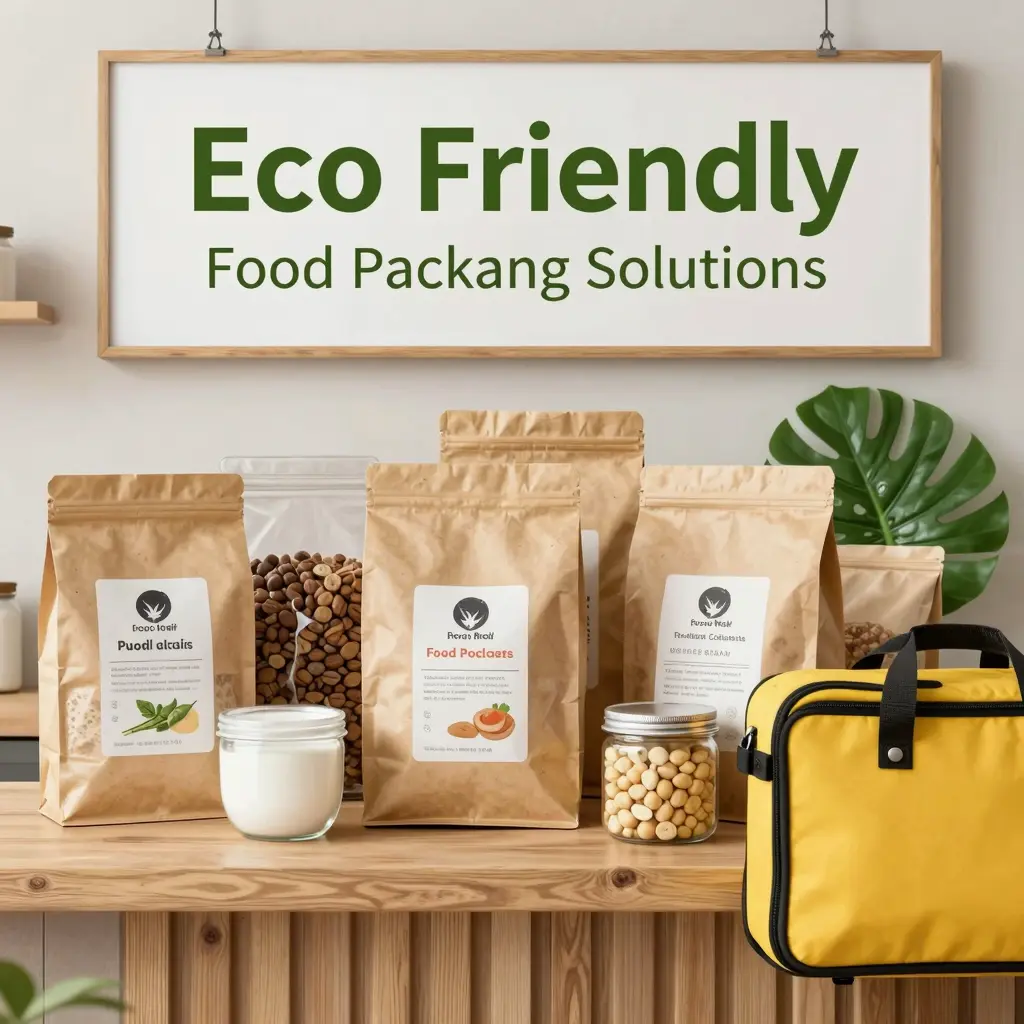
In the fast-paced world of food delivery, effective food packaging is key to ensuring that meals arrive in perfect condition. Whether you are a bubble tea shop, food truck, or catering service, finding the right delivery solutions can significantly enhance customer satisfaction and loyalty. Think about it: your beautifully crafted dishes deserve to travel well, maintaining their taste and presentation from your kitchen right to your customer’s doorstep. But it’s not just about aesthetics; proper food packaging also plays a crucial role in preserving freshness, preventing spills, and ensuring safety during transit. Moreover, environmentally friendly packaging options can position your brand as socially responsible, appealing to today’s eco-aware shoppers.
At Cup Bowl Pack, we understand the nuances of food packaging for delivery. Our extensive range caters to various needs, from aesthetic allure to practical design, ensuring your food looks appealing and remains delicious upon arrival. Let’s dive deeper into how to package food effectively for delivery, leveraging innovative solutions that resonate with your brand identity and meet your operational goals!
Common Packaging Materials Used in the Food Industry
Choosing the right packaging material for food delivery is essential for maintaining quality and safety. Here’s a friendly guide to the most popular packaging materials along with their pros and cons.
1. Plastic Packaging
- Pros:
- Versatile and Cost-Effective: Easily molded into various shapes.
- Lightweight: Reduces transportation costs.
- Durability: Protects food from physical damage, moisture, and contamination.
- Cons:
- Environmental Concerns: Non-biodegradable and contributes to pollution.
- Safety Standards: Must meet safety requirements to prevent chemical leaching into food.
2. Glass Packaging
- Pros:
- Non-Reactive: Does not leach harmful chemicals.
- Sustainability: Recyclable and reusable, making it environmentally friendly.
- Cons:
- Weight: Heavier than plastic, increasing shipping costs.
- Breakable: Can shatter during transportation.
3. Paper Packaging
- Pros:
- Biodegradable: Eco-friendly option that reduces landfill waste.
- Customizable: Allows for branding and design flexibility.
- Cons:
- Moisture Sensitivity: Can get damaged if exposed to water.
- Strength Limitations: May not be suitable for heavy or liquids.
4. Biodegradable Materials
- Pros:
- Eco-Friendly: Breaks down naturally, reducing environmental impact.
- Innovative Options: New materials are being developed that offer durability alongside sustainability.
- Cons:
- Cost: Often more expensive than conventional materials.
- Shelf Life Differences: May not offer the same longevity as plastics.
5. Disposable Tableware
- Pros:
- Convenient: Ideal for take-out and catering services.
- Safety Standards Compliance: Must meet criteria for direct food contact, ensuring consumer safety (learn more about safety standards).
- Cons:
- Environmental Impact: Many products are not biodegradable or recyclable.
- Perceived Quality: Often viewed as inferior, affecting brand image.
Conclusion
Selecting the appropriate packaging material is crucial in the food industry. Each type has its advantages and disadvantages, particularly concerning safety standards and environmental impact. Understanding these factors can help food businesses, including bubble tea shops and catering services, make informed choices for packaging food for delivery. For more options on disposable tableware, explore various environmentally-friendly packaging solutions at Cup Bowl Pack.
Essential Safety Practices for Food Packaging Delivery
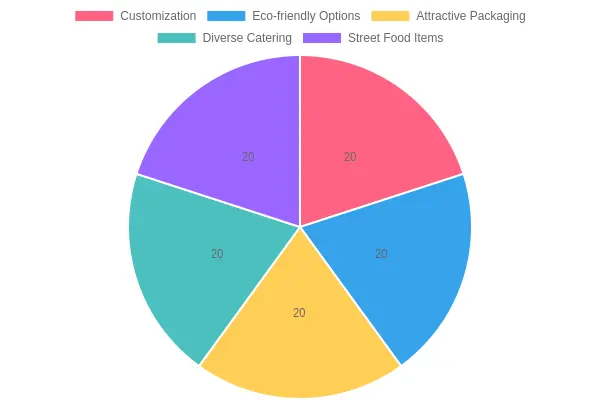
When it comes to delivering food, safety isn’t just an option-it’s a requirement. Following strict safety standards ensures that food remains fresh and safe for consumers. Here are some critical practices to consider when packaging food for delivery, focusing on temperature control, contamination prevention, and durability.
Temperature Control
One of the primary concerns during food delivery is keeping meals at the correct temperature. Foods need to be stored within specific temperature ranges to ensure they’re safe to consume. The following temperature guidelines apply:
- Hot foods should be kept above 140°F (60°C).
- Cold foods need to remain below 40°F (4°C).
Using insulated packaging like thermal bags or containers can help maintain these temperatures during transport. Moreover, learn more about eco-friendly practices that extend shelf life while maintaining temperatures is essential for successful food delivery operations.
Contamination Prevention
Preventing contamination is central to food safety. Here are essential practices for avoiding contamination:
- Cross-Contamination: Use separate containers for different food types. For example, ensure raw meat does not come into contact with ready-to-eat salads or desserts.
- Cleanliness: Ensure that your packaging materials are clean and sanitized. This is particularly important for reusable containers.
- Use of Barriers: Implement barriers such as plastic wraps or vacuum-sealed bags to safeguard food from external contaminants during transit. You can learn more about these standards through resources like Cassel Inspection.
Durability of Packaging
Durable packaging ensures food remains intact and unspoiled during delivery. It must withstand various conditions and protect food from potential damage. Here are some considerations:
- Material Choice: Opt for sturdy materials that can endure various temperatures and weights, such as robust cardboard or biodegradable plastics.
- Sealing: Ensure that food containers are securely sealed to prevent leaks that could spoil other items during transit.
- Design: Choose packaging designed to hold the type of food being delivered, whether it’s liquid-filled cups or multi-compartment boxes for meals. Explore disposable lunch box options that cater to various food types.
Eco-Friendly Practices
In addition to safety standards, integrating eco-friendly practices into your food delivery packaging can enhance your brand’s reputation and reduce environmental impact. Using biodegradable or recyclable packaging materials aligns with consumer preferences for sustainability. Innovations in food packaging materials can preserve freshness while also being kinder to the environment.
For example, sustainable packaging solutions that help reduce spoilage and minimize environmental footprint are becoming invaluable in today’s market. It’s essential for businesses to consider these environmentally conscious options to not only comply with regulations but also to meet customer expectations.
By keeping these essential safety practices in mind, you can ensure that your food packaging not only meets safety standards but also promotes a healthier planet.
Comparison of Food Packaging Options
When it comes to food packaging, making an informed decision is crucial-especially for businesses in the food industry such as bubble tea shops, restaurants, and catering services. Here’s a table comparing three popular food packaging types: Plastic, Biodegradable, and Paper. This table highlights their durability, costs, eco-friendliness, advantages, and disadvantages.
| Packaging Type | Durability | Cost (Approx.) | Eco-Friendliness | Advantages | Disadvantages |
|---|---|---|---|---|---|
| Plastic | High | $0.10 – $0.50 | Low (9% recycled globally) | Lightweight; waterproof; good for moisture control | Non-biodegradable; contributes to plastic pollution |
| Biodegradable | Moderate (varies based on material) | $0.30 – $1.00 | Moderate to High (depends on conditions) | Compostable; less environmental impact if decomposed properly | May not decompose effectively in landfills; typically more expensive |
| Paper | Moderate | $0.05 – $0.70 | High (recyclable, compostable) | Biodegradable; stylish; can be printed with branding | Less moisture-resistant; may not hold liquids well |
Considerations for Food Packaging
- Durability: While plastic is known for its high durability, biodegradable options can vary significantly based on the material used.
- Cost: Businesses should weigh the higher costs of biodegradable options against their environmental benefits.
- Eco-Friendliness: As the trend is shifting towards sustainable practices, investing in eco-friendly packaging may enhance brand reputation among consumers.
For those looking to explore various sustainable packaging options, consider reviewing comprehensive solutions to meet your business’s needs such as paper packaging and disposable tableware.
Tips for Packaging Beverages Like Bubble Tea
Packaging beverages, especially unique drinks like bubble tea, requires a careful approach to ensure that they arrive safely and maintain their desired temperature. Here are some user-friendly tips specifically designed for bubble tea shops, beverage chains, and other delivery services:
-
Choose Secure Containers: Select durable cups and bottles made from materials that can handle drops and temperature changes. Consider using disposable drinkware that is designed for secure sealing.
-
Utilize Reliable Sealing Solutions: Ensure lids are tightly sealed to prevent spillage. Adhesive seals can also be an effective way to enhance security during transport.
-
Prioritize Temperature Control: Use insulating materials or thermal bags to maintain the proper temperature of beverages. Temperature control is critical for flavor consistency and the overall quality of drinks like bubble tea. Explore options from reliable suppliers that understand the importance of keeping beverages at the right temperature.
-
Incorporate Shock-Absorbing Padding: If shipping or transporting beverages over a distance, utilize padding inside the packaging to absorb shocks and prevent breakage. This is particularly important for delicate glass bottles or cups.
-
Label Clearly: Make sure to label packages clearly with handling instructions to ensure they are treated with care during transit.
-
Select the Right Shipping Partner: Work with delivery services experienced in handling food and beverages. They should be familiar with the unique requirements of transporting fragile goods.
-
Consider Environmentally Friendly Packaging: Opt for sustainable packaging materials whenever possible, which not only appeal to environmentally-conscious consumers but also help streamline delivery logistics.
-
Regularly Review Packaging Practices: Stay updated with new packaging technologies and materials that can improve the safety and quality of delivered beverages. Regular audits of packaging procedures can help identify areas for improvement.
By implementing these tips, bubble tea shops and beverage chains can enhance the safety and quality of their delivery services, providing customers with a delightful experience. Learn more about packaging solutions tailored for your needs!
The Environmental Impact of Packaging
When considering how to package food for delivery, it’s essential to understand the environmental implications of various packaging materials. In recent years, heavy reliance on plastic packaging has raised concerns about its long-term effects on the environment. According to a 2023 report by the World Resources Institute, sustainable packaging solutions could reduce food packaging-related environmental impacts by 30-40% by 2030. This statistic emphasizes the pressing need for brands in the food industry to consider eco-friendly options as a priority.
Plastic Packaging
Plastic packaging, while convenient and lightweight, poses a significant threat to our ecosystems. An overwhelming amount of plastic ends up in landfills and oceans, contributing to pollution and endangering marine life. In 2023, the production of plastic packaging remained high, making it a substantial contributor to waste. Transitioning to biodegradable options is vital; using materials like compostable films and bio-based plastics can minimize this footprint. Learn more about our packaging options here.
Paper and Paperboard
Paper and paperboard options provide a more sustainable alternative. As of 2023, global paper and paperboard production accounted for 419.6 million tonnes, with packaging capacity making up about 43.6%. These materials are recyclable and often made from renewable resources, but they must be sourced responsibly to avoid deforestation. Choosing paper packaging from certified sustainable sources can help brands display their commitment to eco-friendly practices while reducing waste. Explore our paper packaging solutions.
The Importance of Eco-Friendly Options
Adopting eco-friendly packaging materials not only benefits the planet but enhances brand image as well. Consumers today are more environmentally conscious than ever. Brands that embrace sustainability signal transparency and accountability, creating a deeper connection with consumers who prioritize responsible choices. A study highlighted in this article confirms that brands that integrate eco-friendly practices resonate strongly with their target audience, increasing loyalty and trust.
Building a Sustainable Brand
To effectively transition towards sustainable packaging, businesses must fully understand the landscape of eco-friendly practices. It involves:
- Assessing Current Packaging: Review what materials are currently used and identify areas for improvement.
- Researching Alternatives: Consider biodegradable, recyclable, or reusable options that align with the brand’s values.
- Engaging Customers: Communicate eco-friendly initiatives to customers, inviting them to be part of the sustainability journey.
In conclusion, the choice of packaging directly impacts not only the environment but also a brand’s relationship with its consumers. Investing in eco-friendly packaging is more than a trend; it’s a vital step towards sustainable success for food delivery businesses in 2023 and beyond.
Market Trends in Food Packaging
As we delve into how to effectively package food for delivery, it’s essential to recognize the latest market trends in food packaging. This visual representation helps illustrate these trends clearly, especially for businesses like bubble tea shops, restaurants, and catering services.
Recent Trends in Food Packaging
- Sustainability: A significant shift has been towards eco-friendly materials. In 2023, 65% of consumers stated a preference for packaging that is biodegradable and sustainable.
- Design Innovations: Packaging designs have evolved to attract customers through unique, user-friendly designs that enhance engagement.
- Consumer Preferences: There is a growing expectation for brands to adopt environmentally responsible practices, which can influence purchasing decisions.
- Technology Integration: The integration of technology such as QR codes allows for interactive packaging experiences.
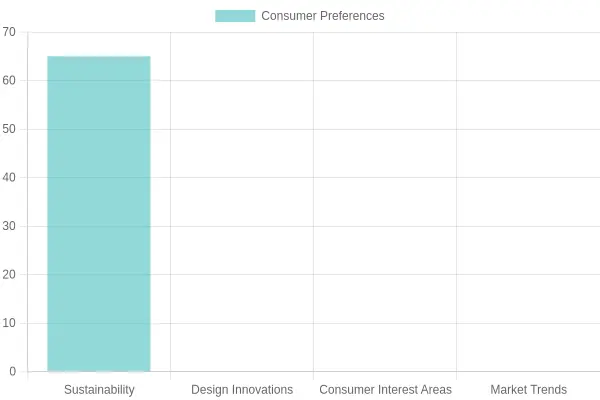
This chart demonstrates the focus on sustainability and design innovations in food packaging.
For those interested in sustainable packaging solutions, adapting to these consumer preferences can not only meet current demands but also enhance brand loyalty. Your packaging can make a significant difference in the delivery experience!
Conclusion
Incorporating these trends into your packaging strategy can help meet customer expectations and set your business apart in the competitive food industry.
Conclusion
In the competitive landscape of food delivery, the importance of effective packaging cannot be overstated. Quality packaging not only ensures the safety and integrity of food during transit but also plays a vital role in enhancing customer satisfaction. By investing in high-quality materials and innovative designs, restaurants, food trucks, and catering services can protect their dishes from contamination while preserving temperature, flavor, and texture. Packaging that reflects professionalism and attention to detail helps in building a brand’s reputation and fostering customer loyalty.
Moreover, as consumer expectations continue to evolve, businesses must adapt by utilizing efficient packaging solutions that resonate with environmentally conscious customers. A focus on safety and sustainability can differentiate your brand and appeal to a wider audience. From biodegradable options to aesthetically pleasing designs, the choices in packaging today allow for creativity while prioritizing functionality.
As you consider partnering with a trusted source for your food packaging needs, look no further than CupBowlPack. Our commitment to quality, safety, and responsiveness means that you can trust us to provide packaging solutions that elevate your business. Let us help you deliver not just food, but an experience that delights your customers.
Don’t wait until your packaging needs become a concern! Explore our wide range of packaging solutions today, and ensure your food arrives in perfect condition, every time.
Customer Testimonial
“The packaging we use from CupBowl Pack has transformed our delivery service! Not only are they stylish and sustainable, but they also keep our beverages safe and fresh during transit. Our customers have noticed the difference, and we couldn’t be happier!”
- Jamie, Owner of a Local Bubble Tea Shop
This testimonial illustrates how reliable packaging can enhance the quality of service, ensuring that customers receive their orders in perfect condition. For more options, check out our wide selection of paper packaging or disposable drinkware.
Our commitment to quality packaging is evident in the positive feedback from our valued customers.
Why Choose Quality Packaging?
Quality packaging not only protects your food and beverages but also reflects your brand’s values. Here are some benefits of using reliable packaging products:
- Durability: Protects contents from damage.
- Freshness: Keeps food and drinks at the right temperature.
- Sustainability: Eco-friendly options available.
Each package is designed to be user-friendly and meets professional standards, making them perfect for bubble tea shops, restaurants, food trucks, and more!