

Can You Put Plastic Food Containers in an Air Fryer?
As the popularity of air fryers continues to rise among home cooks and food professionals alike, a common question emerges: “Can you put plastic food containers in an air fryer?” Given the convenience and speed of air frying, this query is more than just a matter of kitchen curiosity; it has significant implications for the safety and quality of the food we prepare. For bubble tea shops, restaurants, food trucks, and catering services, understanding the materials suitable for air frying is crucial-not only for efficiency but also for maintaining high standards in food safety. In this article, we’ll delve into the safety aspects of using plastic containers in air fryers, explore alternative options, and share insights tailored for food businesses. Whether you’re looking to innovate your service or simply ensure client satisfaction, it’s essential to make informed decisions about the packaging materials you use, such as those found in our packaging options or disposable dinnerware. Join us as we uncover what you need to know!
Pros and Cons of Using Plastic Food Containers in Air Fryers
When considering the use of plastic food containers in air fryers, it is vital to weigh the pros and cons, especially for businesses in the food service industry such as bubble tea shops, restaurants, and catering services. Here’s a breakdown of the advantages and disadvantages:
Pros:
- Convenience: Plastic food containers are lightweight and easy to handle, making them ideal for fast-paced environments like food trucks and catering services. They are also often stackable, allowing for efficient storage and transport.
- Cost-effective: Compared to glass or metal containers, plastic containers are generally more affordable. For businesses that require numerous containers, this can lead to significant cost savings.
- Versatility: Many plastic containers can be used for various food types, whether it’s for storing leftovers or serving directly from the air fryer. They are also often microwave-safe, enhancing their utility in food preparation services.
Cons:
- Safety issues: Using plastic food containers in air fryers can be hazardous. Most plastics are not designed to withstand the high temperatures in air fryers, which can lead to melting or warping. Some plastics may release harmful chemicals like BPA, which poses risks to health (source). Only containers marked as “air-fryer safe” and designed for high temperatures should be used.
- Fire hazards: Certain types of plastic can ignite when subjected to high heat. This risk increases when the plastic makes contact with heating elements or becomes damaged, potentially leading to fire incidents (source).
- Environmental impact: The use of plastic containers in food service contributes to environmental concerns associated with plastic waste. Restaurants and event planners may be encouraged to consider sustainable alternatives like glass or biodegradable options.
Conclusion
While using plastic food containers in air fryers can offer convenience and cost savings, the safety concerns and potential hazards cannot be ignored. Food service businesses should prioritize safety and consider opting for materials that are specifically designed for high-temperature cooking to ensure both the well-being of their customers and the integrity of their food service operations. For a safer option, consider exploring our range of packaging products.
Choosing the right food storage solutions is crucial for maintaining food quality and safety in your establishment!
User Adoption Data for Air Fryers in Commercial Settings
The adoption of air fryers in commercial settings, particularly in the realms of food trucks and catering services, has shown remarkable growth in recent years. Various studies and reports reflect the significant trends in user adoption and preferences.
Adoption Trends and Statistics
-
Market Growth: In 2023, the global air fryer market size reached approximately $4.97 billion, with a notable increase in sales targeted towards commercial uses, particularly in food trucks and catering services.
-
User Adoption Rates: Recent reports indicate that around 18% of all air fryer sales are directed towards the commercial sector. This includes food trucks where over 60% of operators have integrated air fryers into their equipment lists, enabling them to quickly produce popular items such as fries, chicken wings, and vegetables with minimal oil.
-
Increased Penetration: The penetration rate of air fryers in commercial kitchens increased significantly, from 12% in 2021 to 21% in 2023. Among food trucks specifically, usage in 2023 surged by 47%.
-
Standardization in Restaurants: An impressive 23% of restaurant chains began adopting air fryers as standard cooking equipment in 2023, largely driven by the need for healthier cooking options and reduced oil usage.
-
COVID-19 Impact: The pandemic has prompted a shift towards efficient cooking solutions. In China, commercial adoption of air fryers for catering and food delivery rose by 62% as businesses adapted to changing consumer demands and operational challenges.
Conclusion
The trend clearly shows that air fryers are becoming an essential component of modern commercial cooking in food trucks and caterers looking to enhance their menu offerings while maximizing efficiency and promoting healthy eating. These statistics highlight the growing recognition of air fryers as versatile tools in the culinary landscape.
Graphic Representation
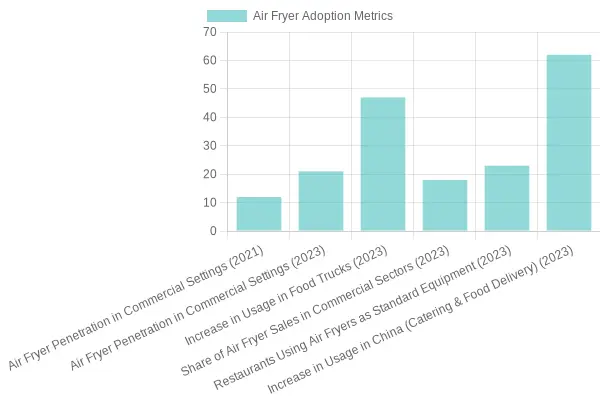
Data Table
| Category | Data Point | Year |
|---|---|---|
| Air Fryer Penetration in Commercial Settings | 12% | 2021 |
| Air Fryer Penetration in Commercial Settings | 21% | 2023 |
| Increase in Usage in Food Trucks | 47% | 2023 |
| Share of Air Fryer Sales in Commercial Sectors | 18% | 2023 |
| Restaurants Using Air Fryers as Standard Equipment | 23% | 2023 |
| Increase in Usage in China (Catering & Food Delivery) | 62% | 2023 |
These statistics and trends underline the impact of air fryers on the culinary landscape of food service, particularly for businesses looking to modernize and enhance their efficiencies and offerings. For more insights on relevant packaging solutions for your air-fried products, check our packaging options and disposable dinnerware.
Safety Standards for Plastic Materials in Air Fryers
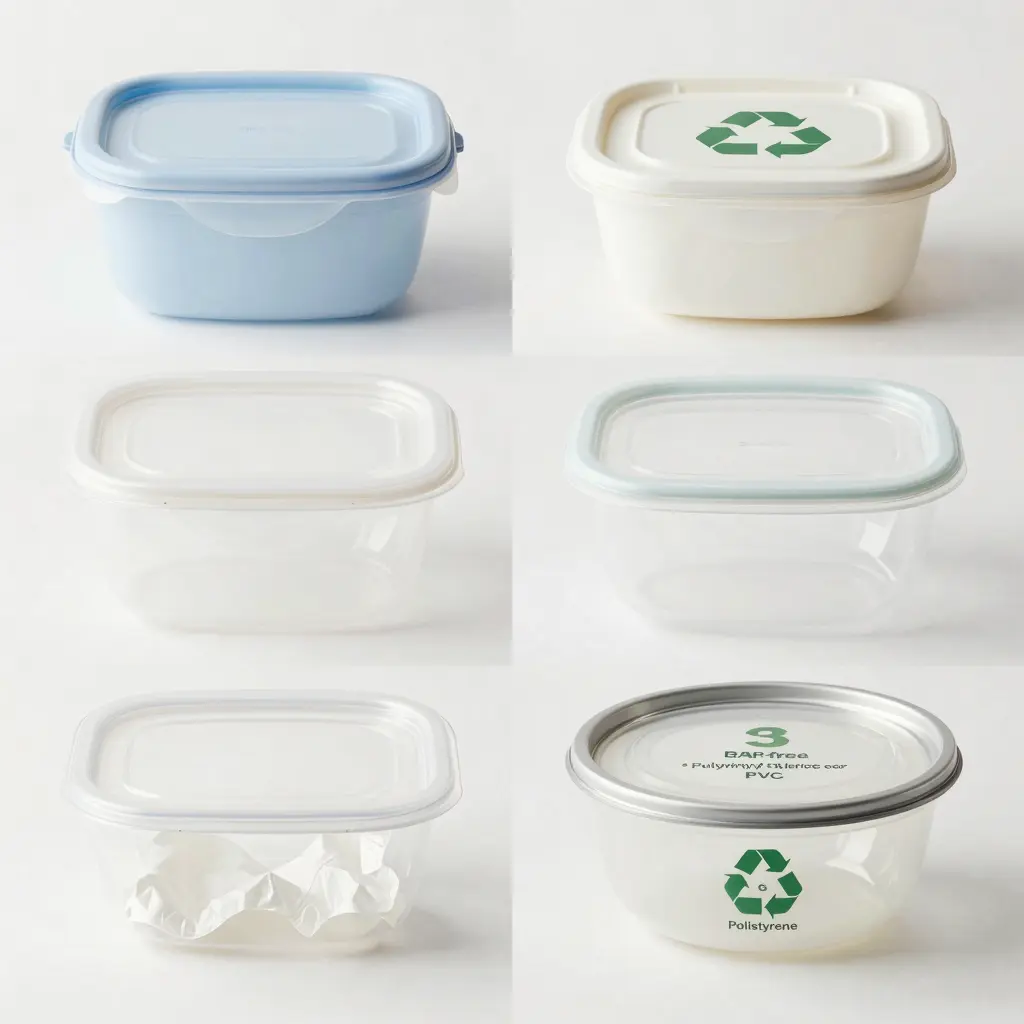
When considering the use of plastic containers in air fryers, it’s essential to know which materials are safe and their characteristics. Below is a summary table that compares plastic materials that are SAFE for air fryer use against those that are NOT SAFE. This can help bubble tea shops, restaurants, and catering services make informed choices regarding food storage and preparation tools.
| Category | Plastic Material | Melting Point | User Recommendations | Safety Standards |
|---|---|---|---|---|
| Safe for Air Fryer Use | Polypropylene (PP) | 160°C | Use for reheating and cooking in air fryers. | Must be labeled “food-safe”; better thermal resistance than many others. |
| Silicone | 200-300°C | Excellent for baking mats and cookware. | Consider FDA-approved silicone for food handling. | |
| PTFE (Teflon) | 260°C | Non-stick surfaces, avoid scratching. | Recommended for high-heat cooking; ensure it’s non-toxic. | |
| Not Safe for Air Fryer Use | PVC | 80-100°C | Avoid using in air fryers; can release harmful chemicals. | Not considered food-grade; melts easily at low temps. |
| Polyethylene (PE) | 100-130°C | Do not use; prone to deformation and toxic release at high temps. | Fails to meet safety standards, hardness and resilience often insufficient. | |
| Polycarbonate (PC) | 150-230°C | Avoid as it can leach harmful substances at high temperatures. | Not food-safe in high-heat situations; can release microplastics. |
Additional Recommendations:
- Always check manufacturer labels to ensure that any plastic container states it is safe for use in ovens or air fryers.
- Consider alternatives such as glass, ceramic, or specific silicone products that are designed for high-temperature use.
- Learn more about our packaging options that are safe for food preparation.
By understanding these safety standards, bubble tea shops, restaurants, and food service providers can ensure they do not compromise food quality or safety while utilizing air fryers in their operations.
Best Practices for Using Plastic Food Containers in Air Fryers
Using plastic containers in air fryers is a topic that stirs significant debate, especially in commercial kitchens like those of restaurants and catering services. To ensure safety while maximizing efficiency, here are some best practices that should be followed:
Choose the Right Containers
- Avoid Regular Plastics: The primary rule is to avoid using standard plastic containers in air fryers due to their low melting points, which can lead to deformation, release of harmful chemicals, and potential fire hazards. Most plastics are not designed to withstand the high temperatures and intense air circulation that air fryers produce.
- Opt for Heat-Resistant Plastics: If using plastic is unavoidable, ensure it is specifically labeled as ‘air fryer safe’ or ‘heat-resistant,’ with a maximum temperature threshold of at least 400°F (204°C). Some high-density polyethylene (HDPE) or polypropylene (PP) products may meet safety standards if explicitly stated.
Temperature Settings
- Follow Manufacturer Guidelines: Air fryers typically operate between 350°F and 400°F (177°C-204°C). It is crucial to adhere to these temperature settings to prevent damage to the container and ensure food is cooked properly. For delicate items, setting your air fryer to 350°F is ideal, while 400°F is great for crisping up items like fries or chicken wings.
- Monitoring Cooking Time: Keep an eye on the cooking duration. Even heat-resistant plastics can degrade over time under prolonged exposure to high heat. Avoid cooking items for extended periods when using these materials.
Suggested Alternatives
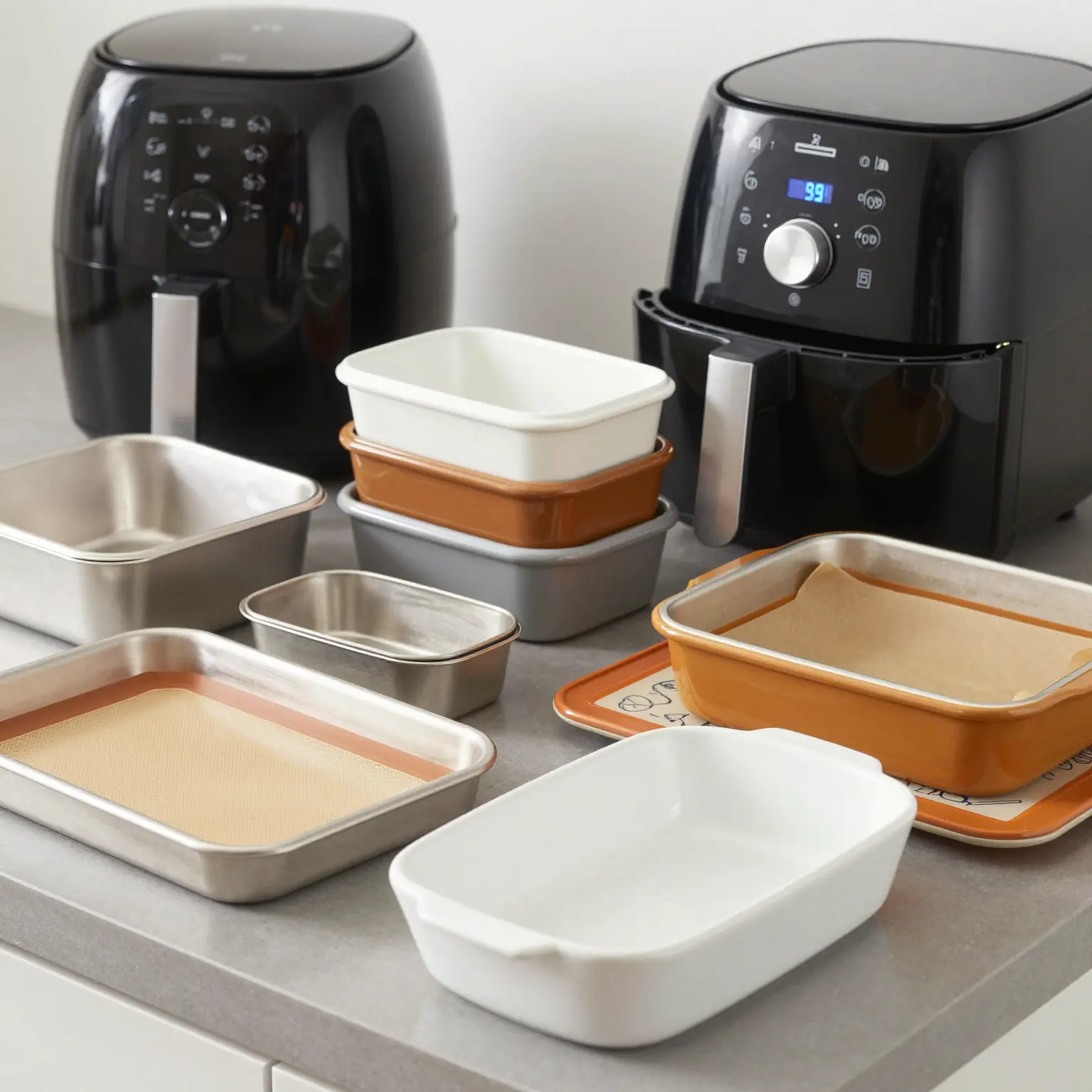
- Stainless Steel and Ceramic: It is recommended to choose stainless steel trays, silicone baking mats, or ceramic dishes rated for high heat. These materials are durable, safer, and less likely to pose health risks. They not only withstand high temperatures but also provide better outcomes regarding texture and flavor.
- Silicone Containers: Consider using silicone baking mats or containers, especially for portion control and easy cleanup. Silicone is flexible, non-toxic, and can handle high-intensity cooking conditions effectively.
General Tips
- Airflow Matters: Always ensure whatever container you use fits well within the air fryer basket to allow for unrestricted airflow. This is essential for achieving the desired cooking results.
- Health Regulations Compliance: Follow health regulations while using air fryers in commercial kitchens, prioritizing safety and quality in food preparation.
By adhering to these best practices, you can ensure safe and effective cooking in your air fryer while maintaining high standards in your kitchen operations. For a wider range of safe cooking containers, consider checking our selection of packaging solutions.
Importance of Material Safety in Cooking Appliances
When it comes to food safety, especially in commercial food settings like bubble tea shops, restaurants, and food trucks, it’s crucial to assess the safety of materials used in cooking appliances and containers thoroughly. The UK’s Food Standards Agency (FSA) underscores this necessity:
“Our review found insufficient evidence to confirm the safety of using certain plastics in food contact materials, advising businesses to avoid using hazardous plastics for food packaging and cooking.”
In light of this guidance, operators must ensure that any plastic containers or materials used in cooking appliances are not only labeled as food-safe but also suitable for the appliance’s specific heating conditions.
Key Takeaways:
- Always check if plastics are rated for high-heat applications to avoid harmful chemical leaching.
- For safe alternatives, consider using disposable dinnerware and food-safe packaging that comply with health regulations.
Conclusion
In conclusion, choosing reliable disposable tableware and packaging solutions is essential for businesses in the food industry, including bubble tea shops, restaurants, food trucks, and catering services. Throughout this discussion, we highlighted significant benefits such as operational cost reduction, enhanced efficiency during peak times, and heightened hygiene standards. Utilizing modern disposable tableware made from eco-friendly materials not only complies with increasingly stringent environmental regulations but also portrays a positive brand image that resonates with eco-conscious customers.
Additionally, opting for trustworthy suppliers ensures that the tableware maintains its integrity under extreme conditions, thereby safeguarding food quality and customer experiences. In an era where customer satisfaction often hinges on convenience and safety, investing in premium disposable solutions is more than just a cost-saving measure; it is a strategic choice that can elevate your business’s reputation and operational success.
To explore the vast array of options for high-quality disposable tableware that aligns with your brand’s needs, check out our collection of disposable tableware. Experience the difference that reliable packaging solutions can make in your business!
Air Fryer Usage Trends in the Food Service Industry
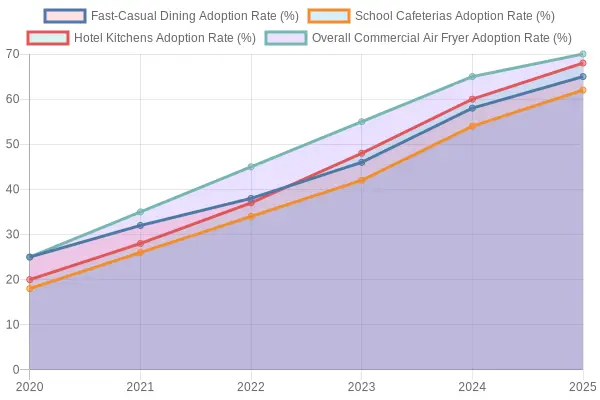
The adoption of air fryers in the food service industry has witnessed remarkable growth over recent years. Various sectors, including fast-casual dining, school cafeterias, and hotel kitchens, have increasingly integrated commercial air fryers into their operations, largely due to their benefits such as reduced fat content, energy efficiency, and operational cost savings.
Here’s a chart illustrating the trends in air fryer usage from 2020 through 2025:
Key Highlights from the Chart:
- Fast-Casual Dining: Adoption rates increased from 25% in 2020 to 65% in 2025.
- School Cafeterias: Saw an increase from 18% to 62% in the same period.
- Hotel Kitchens: Utilization grew from 20% to 68%, indicating strong preference for healthier cooking options.
- Overall Adoption: The average commercial air fryer adoption in the industry rose from 25% to 70%.
This upward trend highlights how food service operators are making significant shifts towards healthier cooking methods and greater energy efficiency. For detailed information about packaging solutions that complement air-fried offerings, check our packaging and disposable dinnerware options.
Furthermore, integrating air fryers can greatly enhance your operational efficiency, thereby attracting health-conscious customers in competitive food environments.
FAQs about Using Plastic Containers in Air Fryers
1. Can I use plastic containers in my air fryer?
Using plastic containers in an air fryer is generally not recommended. Most standard plastic containers are not designed to withstand high temperatures (typically between 300-400°F) and may melt, warp, or release harmful chemicals like BPA or phthalates. It’s crucial to opt for containers explicitly labeled as “air fryer safe” to ensure safety.
2. What types of plastics are safe for air fryers?
Not all plastics are created equal when it comes to high-temperature cooking. Look for containers made from materials such as:
- Heat-Resistant Silicone: Often safe for air fryers when heat rated.
- Polypropylene (PP): If marked air fryer safe, this plastic can withstand higher temperatures.
- Borosilicate Glass: Although not plastic, these containers are durable and heat-resilient options for air fryers.
3. What are the risks of using regular plastic containers?
Using regular plastic containers can pose health risks as they may degrade under high heat, potentially leaching toxins into food. Articles from sources like Healthline emphasize these dangers and recommend using metal, glass, or ceramic bakeware instead.
4. What alternate containers can I use?
If you’re looking for alternatives, consider:
- Metal Cookware: Stainless steel or aluminum pans can handle high temperatures well.
- Ceramic Dishes: Ensure they are labeled as oven safe.
- Heat-Resistant Glass: Pyrex or other borosilicate glass dishes work excellently.
Always ensure containers have the appropriate temperature ratings (200°F minimum) marked explicitly for air fryer use according to leading guidelines from sources like Consumer Reports.
5. Where can I find suitable containers?
Check out our collection of disposable dinnerware and kitchen storage options to find safe and effective containers for your air fryers!
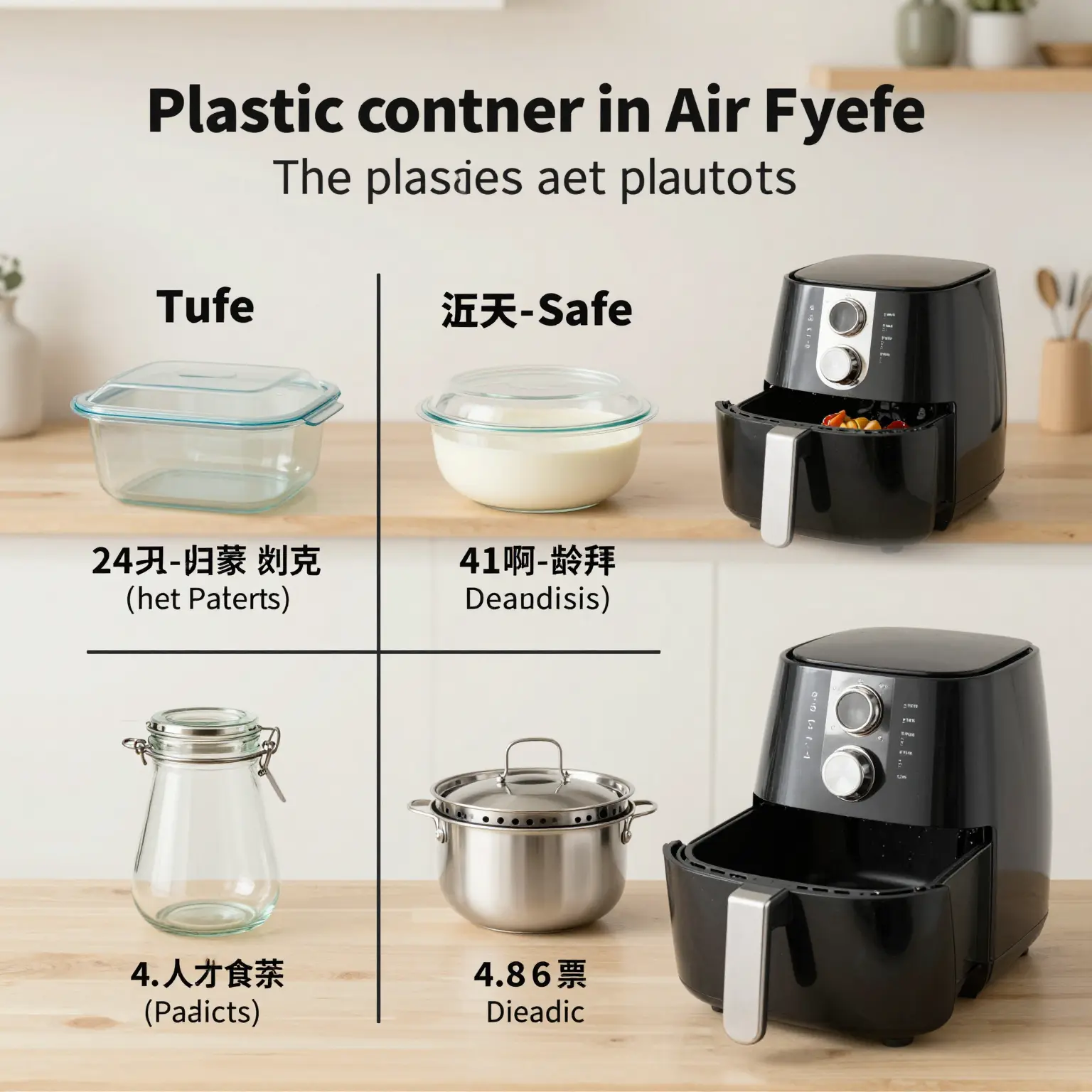
By choosing the right materials, you can enjoy the convenience of your air fryer without compromising safety!