
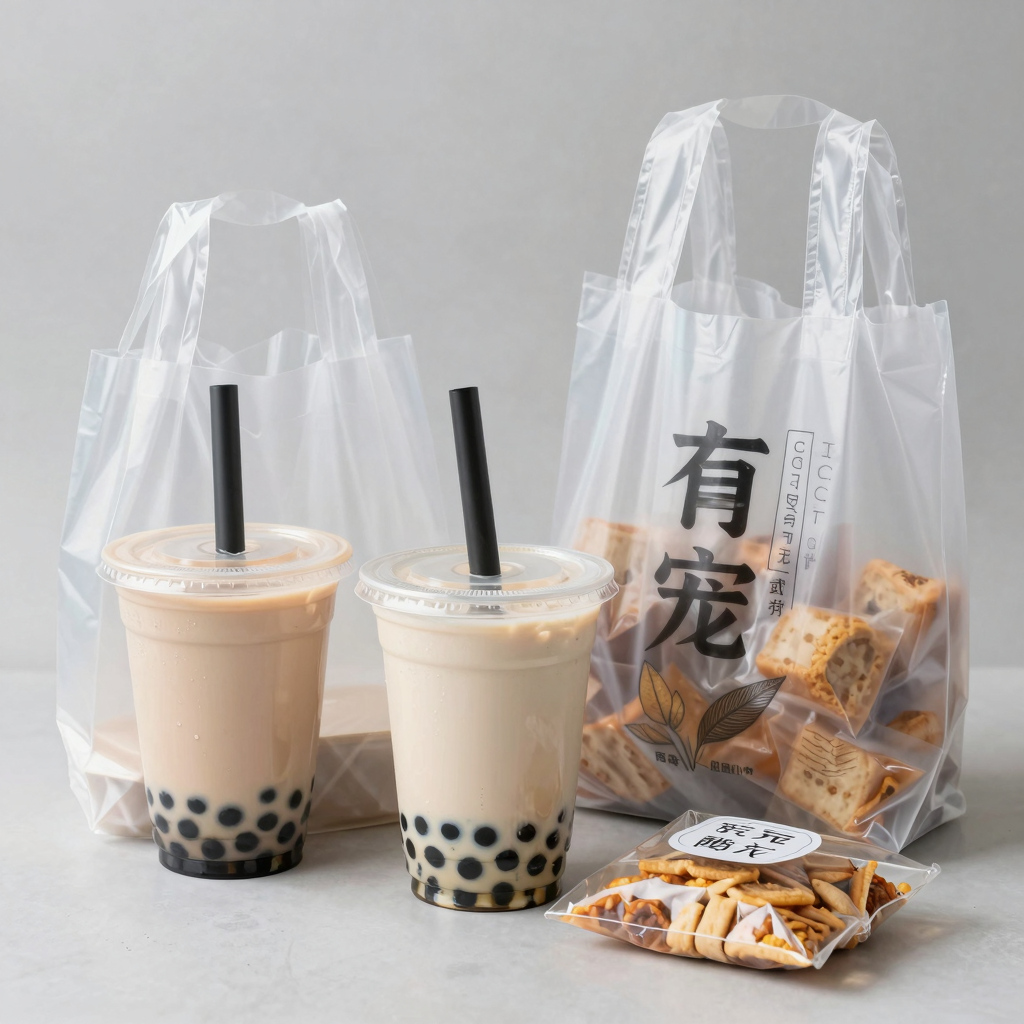
In recent years, the food industry has seen a significant shift towards takeout and delivery services, particularly within bubble tea shops and restaurants. As these establishments adapt to consumer demands, the importance of using high-quality takeout plastic bags becomes increasingly clear. These bags not only cater to the growing preference for convenience but also maintain the integrity of the food and beverages served. They provide a reliable solution for transporting bubble tea, snacks, and meals, ensuring that customers receive their orders in prime condition.
Moreover, the choice of takeout plastic bag can reflect a brand’s commitment to quality and customer satisfaction. With various options available, it’s essential for bubble tea shops and restaurants to select bags that align with their brand identity while addressing environmental concerns. Introducing eco-friendly alternatives, such as biodegradable or recyclable bags, can further enhance a business’s reputation in a market that values sustainability. By investing in the right packaging, establishments can create a positive impression that lasts beyond a single transaction. To explore how packaging can influence your business’s success, learn more about the benefits of sugarcane cups and other sustainable options.
Advantages of Using High-Quality Takeout Plastic Bags
Takeout plastic bags are essential tools for modern businesses, especially in the food service industry. They offer a variety of advantages that cater to both customers and businesses alike. Here are some key benefits of using durable and reliable takeout plastic bags:
-
Cost-Effective: High-quality takeout plastic bags can be produced at a lower cost compared to other packaging options. This is because they are lightweight and can be purchased in bulk. Buying in large quantities not only reduces waste but also lowers expenses for businesses. Learn more about cost-effective packaging strategies.
-
Durability: These bags are designed to handle various food types and weights without tearing or leaking. This ensures that customers receive their orders in perfect condition, resulting in a positive dining experience.
-
Convenience: Takeout plastic bags are easy for customers to carry, allowing for a quick grab-and-go service. They often come with convenient handles or are easily foldable, making them ideal for quick meals on the run.
-
Brand Presentation: By using customized bags (like those incorporating a restaurant logo), businesses can enhance their brand visibility and make a lasting impression on customers. This method of branding can significantly influence customer preferences and loyalty.
-
Moisture-Proof: High-quality plastic bags provide excellent moisture resistance, ensuring that hot foods stay warm and drinks don’t spill. This feature is essential for any food-based business looking to maintain product quality.
-
Environmentally Friendly Options: Several manufacturers now offer biodegradable options that cater to eco-conscious consumers. Opting for these products can elevate a brand’s image and commitment to sustainability. Explore eco-friendly packaging solutions.
-
Versatility: These bags can be used for various types of foods, from warm takeout meals to baked goods and beverages, making them suitable for a wide range of ethnic cuisines.
Eco-Friendly Alternatives to Traditional Plastic Bags
In today’s environmentally conscious world, the shift towards eco-friendly alternatives to traditional plastic bags is not just necessary; it’s a commitment. As food service providers-from bubble tea shops to food trucks-transition into sustainable practices, understanding the options for takeout packaging becomes crucial.
Biodegradable Bags: An Effective Solution
One of the most popular alternatives are biodegradable bags, designed to decompose under specific conditions. Unlike traditional plastic bags that can persist in landfills for hundreds of years, biodegradable options break down into natural substances. The Environmental Protection Agency (EPA) notes that using these bags can significantly reduce long-term pollution by minimizing the amount of persistent waste that escapes into the oceans or landfills. They help tackle the plastic crisis by not only lowering plastic pollution but also easing landfill pressure.
However, it’s vital for consumers to comprehend that biodegradable bags must be disposed of properly-ideally sent to industrial composting facilities to ensure effective degradation. Improper disposal can lead to accumulation, akin to conventional plastics, thereby undermining the environmental benefits they present.
The Impact of Reusable Cloth Bags
Another commendable alternative is reusable cloth bags made from materials like cotton or jute. National Geographic emphasizes that while these bags have a higher initial environmental cost, their capacity to be used repeatedly over time makes them one of the best options for sustainable shopping. Carrying your own reusable bag is a simple yet effective way to diminish plastic consumption. Through consistent usage, these bags tremendously cut down single-use waste, thereby affecting the environment positively.
Charting the Benefits of Biodegradable Alternatives
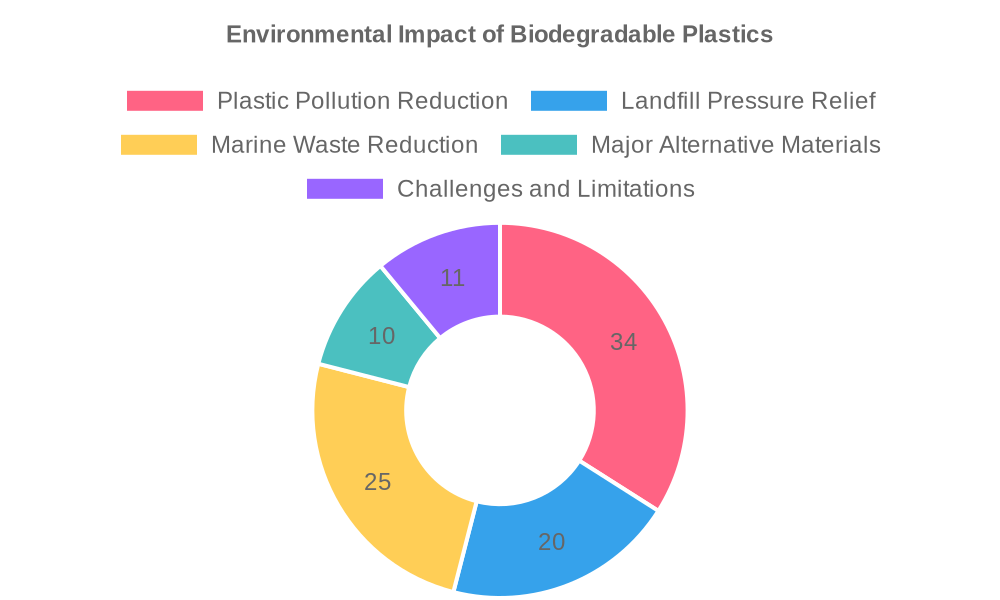
The chart above illustrates the positive impact of biodegradable alternatives on the environment:
| 项目 | 环境影响与数据 |
|---|---|
| 塑料污染减少 | 使用可生物降解替代品替代传统塑料产品,可显著减少二氧化碳排放,并降低微塑料对环境的生态毒性。 |
| 垃圾填埋场压力减轻 | 生物降解塑料在特定条件下可分解,有助于缓解因传统塑料难以降解而导致的垃圾填埋场空间紧张问题,减少对有限土地资源的压力。 |
| 海洋废弃物减少 | 可生物降解塑料在自然环境中(如海洋)的降解能力优于传统塑料,能有效减少海洋塑料污染和海洋废弃物积累,保护海洋生态系统。 |
| 主要替代材料 | 聚乳酸(PLA)、聚羟基烷酸酯(PHA)、聚丁二酸丁二醇酯(PBS)等是常见的可生物降解聚合物,已在包装、农业、医疗和3D打印等领域应用。 |
| 挑战与限制 | 尽管前景广阔,但生物降解塑料仍面临规模化生产成本高、性能稳定性不足、末端处理(如工业堆肥条件)要求严格等问题,需进一步研发与政策支持。 |
Conclusion
As businesses, integrating eco-friendly packaging solutions such as biodegradable options or reusable cloth bags can lead to significant progress in reducing environmental pollution and promoting sustainability. Not only does it benefit the planet, but it also aligns with customer expectations for responsible practices in the food service industry. For a more in-depth look at eco-friendly packaging solutions, consider exploring this article on customizable octagonal paper bowls that can serve as viable alternatives for traditional takeout bags.
Comparison of Different Takeout Plastic Bag Types
In the competitive landscape of food service, selecting the right takeout plastic bag is crucial for ensuring convenience, durability, and sustainability. Here is a comparison of different takeout plastic bags available for restaurants, food trucks, and catering services, detailing their features, price ranges, and suitable applications.
| Bag Type | Features | Price Range | Suitable Applications |
|---|---|---|---|
| Polyethylene (PE) Bags | – Low-cost – Durable – Not eco-friendly |
$0.05 – $0.10 per bag | Fast food, groceries, general takeout |
| PLA (Polylactic Acid) Bags | – Biodegradable – Suitable for hot/cold food – Higher cost |
$0.15 – $0.30 per bag | Salads, hot beverages, cold snacks |
| Paper Bags | – Recyclable – Compostable – Ideal for dry foods |
$0.10 – $0.20 per bag | Baked goods, sandwiches, takeout salads |
| Non-Woven Fabric Bags | – Reusable – Eco-friendly – Higher price |
$0.50 – $1.50 per bag | Long-term use in luxury food delivery, corporate events |
| Specialty Bags (e.g., insulated) | – Designed for temperature control | $0.20 – $0.40 per bag | Hot dishes, soups, beverages |
Summary
Each type of takeout plastic bag has unique benefits and considerations. Polyethylene bags are economical but environmentally harmful, while PLA bags offer a more sustainable choice. Paper bags are excellent for dry food, and non-woven fabric bags cater to premium offerings. Specialty bags enhance functionality for specific food items. Choosing the right bag type impacts not only your operational efficiency but also your brand’s commitment to sustainability. For further insights into eco-friendly packaging, learn more about sustainable options to align with customer values.
Industry Standards for Disposable Plastic Bags in Food Service
Disposable plastic bags play a crucial role in the food industry, particularly for businesses like bubble tea shops, restaurants, food trucks, and catering services. As these businesses rely heavily on packaging for takeout and delivery, understanding safety and quality standards for disposable plastic bags is critical.
Key Regulations and Certifications
-
Food Safety Regulations: In the U.S., the Food and Drug Administration (FDA) regulates materials that contact food, including plastic bags. Under the Federal Food, Drug, and Cosmetic Act, any materials used for food packaging must be safe, sanitary, and suitable for food contact. This law ensures safety standards regarding chemical migration and contamination.
-
California’s SB 54: This legislation mandates that plastic products, including disposable plastic bags, must meet certain recycling rates – specifically requiring businesses to shift towards sustainable alternatives or comply with strict disposal guidelines. The aim is to reduce plastic waste and promote environmentally friendly practices in food service. Learn more about this legislation.
-
State-Level Laws: Many states, including Oregon and California, have enacted laws banning harmful substances such as PFAS (per- and polyfluoroalkyl substances) in food packaging. These chemicals have been linked to serious health risks, emphasizing the need for food service businesses to adopt safer packaging options. More on Oregon’s legislation.
Quality Standards
-
ASTM D6400 & D6868: This standard by the American Society for Testing and Materials specifies the requirements for plastics that are intended to be composted in municipal and industrial aerobic composting facilities. Adherence ensures that the materials are environmentally friendly and safe for food use.
-
ISO 22000: This international standard outlines requirements for food safety management systems, ensuring that all processes involved in food packaging, including production of disposable plastic bags, meet safety standards.
Best Practices for Food Businesses
- Choose compliant products: Ensure that the disposable plastic bags used are compliant with local regulations to avoid fines and enhance brand reputation.
- Invest in training: Educate staff about the importance of using compliant and high-quality packaging to ensure food safety and customer confidence.
- Stay updated on regulations: Regularly review local and national laws concerning plastic bag use and safety to maintain compliance.
By adhering to these industry standards, food businesses can not only ensure compliance and safety but also contribute to a more sustainable future. For further insights on sustainable packaging solutions, consider exploring options like sugarcane cups.
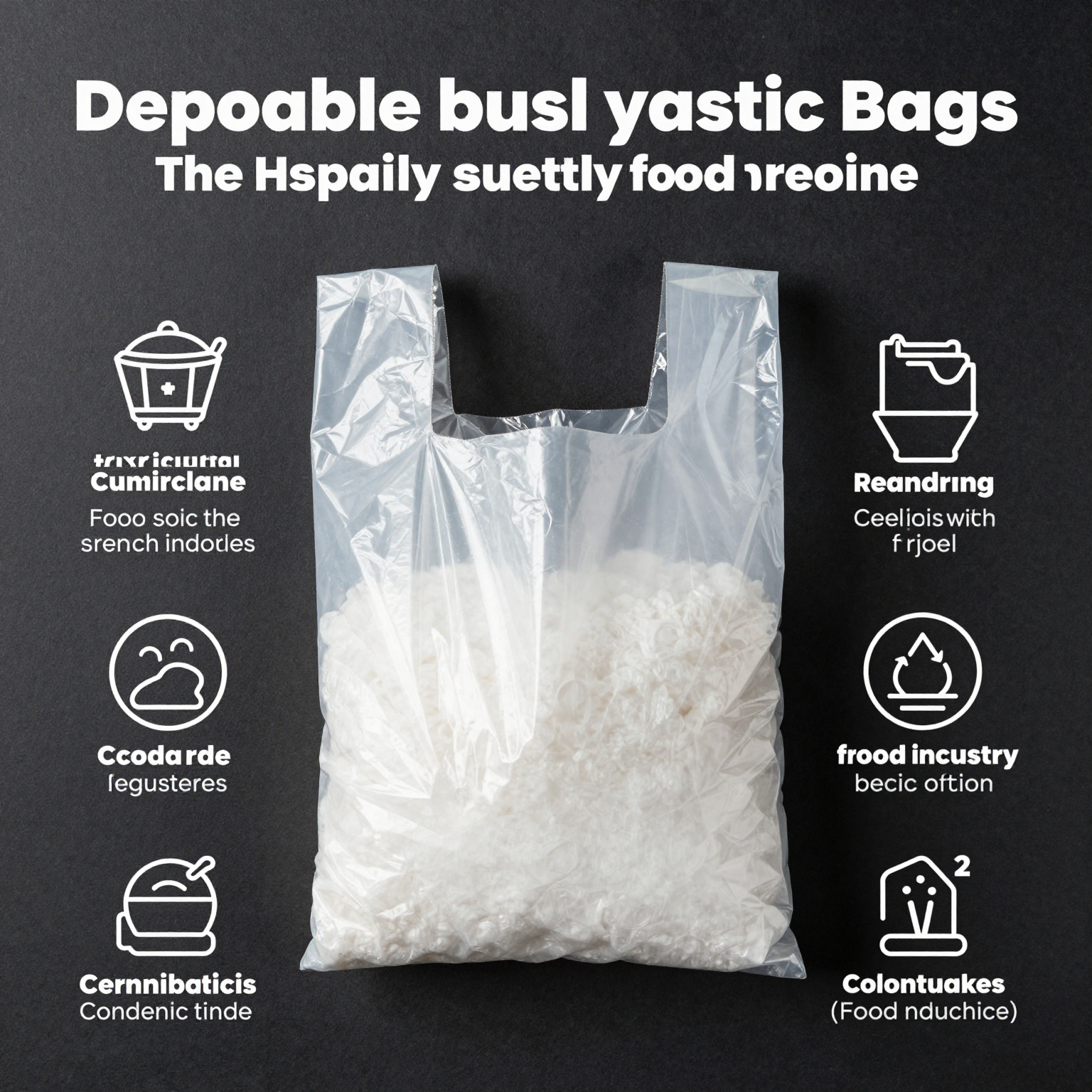
This infographic illustrates the crucial safety and quality standards applicable to disposable plastic bags in food service, essential for all food businesses aiming to maintain high standards and compliance.
Customer Testimonials
The quality and reliability of takeout plastic bags can significantly influence customer satisfaction, especially in fast-paced environments like restaurants and food trucks. Many pleased customers have shared their experiences, highlighting the sturdy material and appealing designs of these bags. As one satisfied user stated:
“I absolutely love the takeout bags from Cofe-Cup! They are not only tough enough to carry multiple items without tearing, but the vibrant smiley face design adds a fun touch that my customers appreciate. It makes taking food home feel special instead of mundane. Plus, they are a great branding tool!” – Jane P., Local Bistro Owner
Such feedback reinforces the importance of using high-quality takeout bags that don’t only meet functional needs but also elevate the customer experience. The positive feelings associated with using vibrant and sturdy bags can enhance customer loyalty and attract new clientele. A case study from Amazon reviews indicates that shoppers tend to favor bags that are both visually pleasing and resilient, with many comments praising how well-designed plastic bags can reflect positively on a brand’s image and boost customer satisfaction.
For beverage chains, restaurants, and food trucks, investing in high-quality plastic bags not only supports the safe transport of food but also provides an opportunity to impress customers and create lasting impressions. With options available that align with sustainability and durability, clients can choose bags that echo their brand values, making every takeout experience memorable. For more insights into how to select the best takeout bags, learn more in our guide.
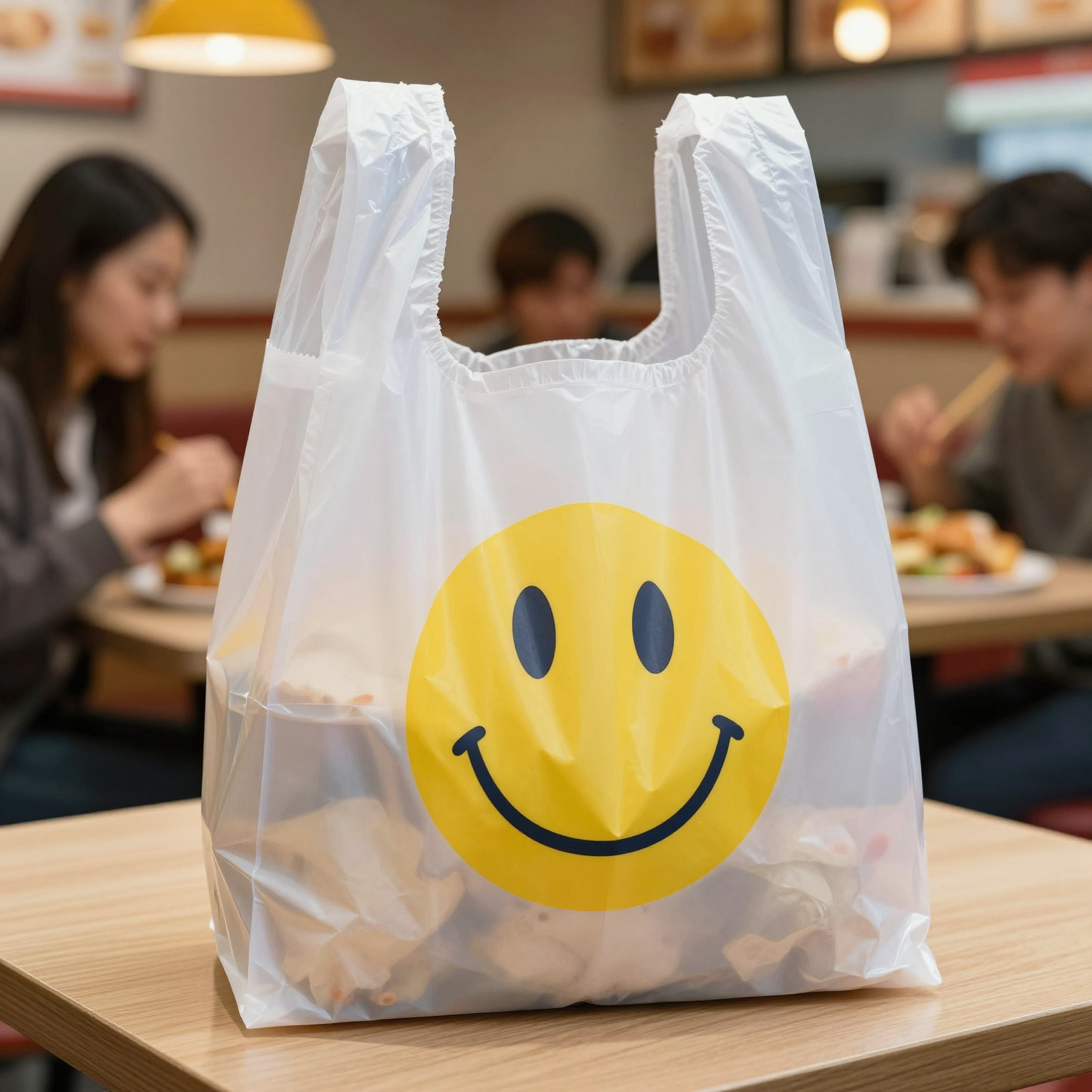
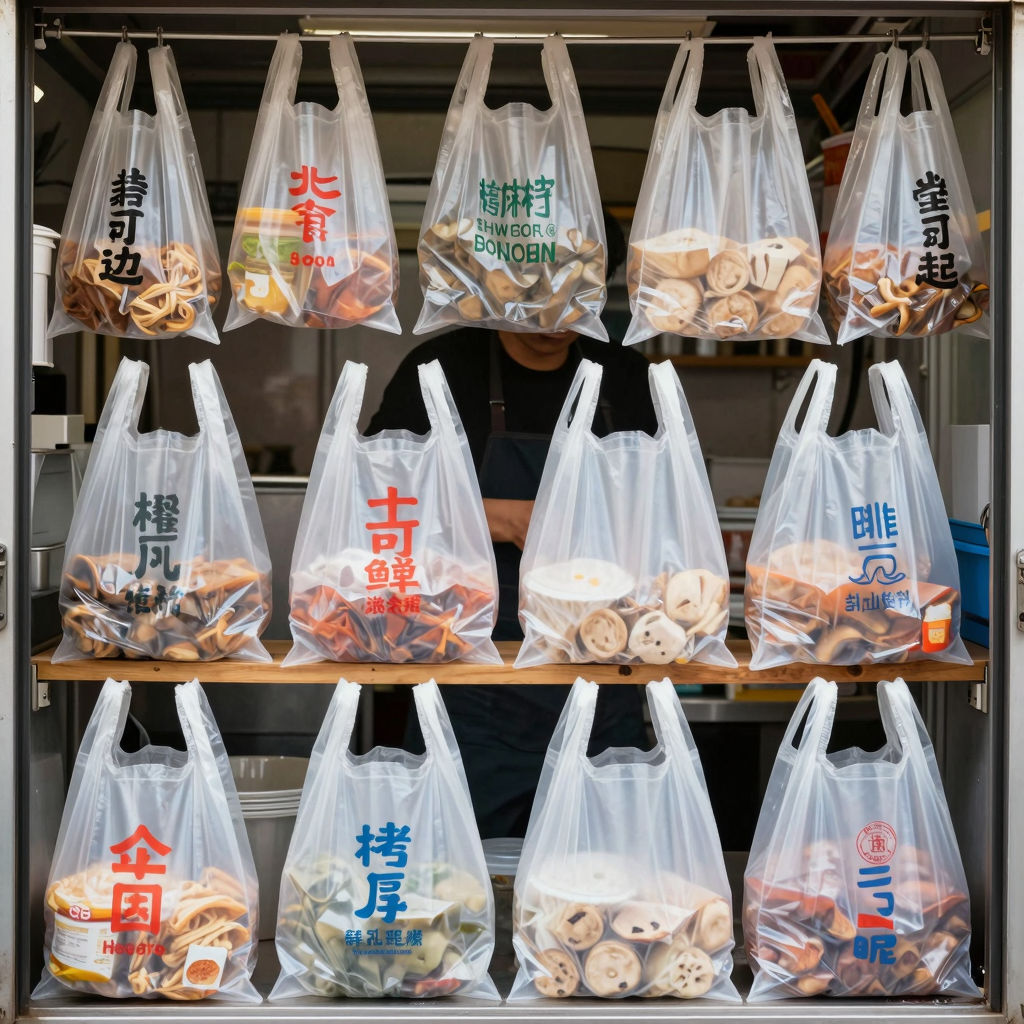
Happy takeout plastic bags showcasing vibrant designs and exceptional quality.
In conclusion, choosing reliable disposable tableware and packaging solutions is not just beneficial, it’s essential for businesses in the food and beverage industry. Quality and safety should be at the forefront of every purchasing decision. With disposable options meeting stringent safety standards-like FDA regulations and ISO certifications-businesses can have peace of mind knowing that their customers are served with safe, hygienic products.
Moreover, the operational efficiency brought by disposable tableware significantly increases productivity. Quick turnover in settings like food trucks, catering services, and restaurants is crucial, and utilizing disposable solutions ensures you save both time and labor costs.
Additionally, by partnering with suppliers who offer eco-friendly alternatives, such as sugarcane cups, you not only embrace sustainability but also appeal to environmentally conscious consumers.
Don’t hesitate to elevate your service quality and streamline your operations with our high-quality disposable tableware. Explore our offerings and discover how we can assist you in making a smooth transition while enhancing your brand image. Choose reliability, choose quality, and choose us as your partner in your business journey!
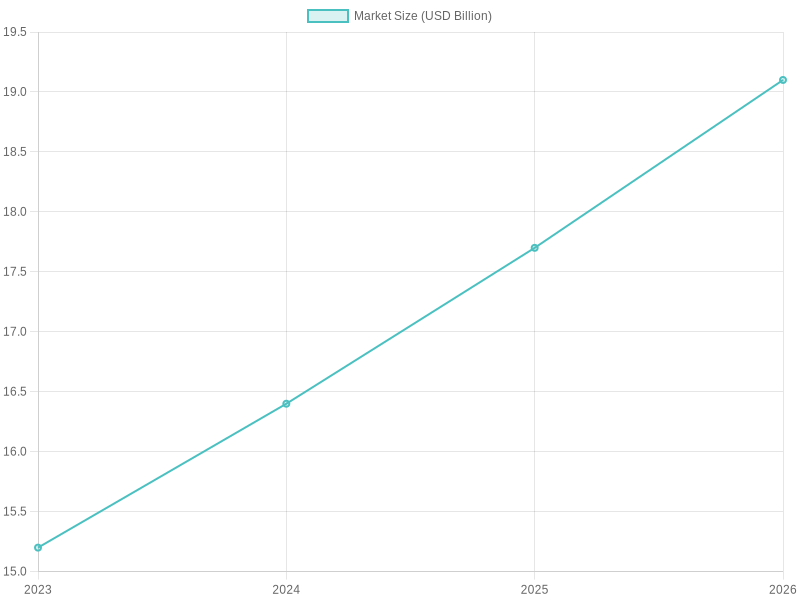
| Year | Market Size (USD Billion) | CAGR (%) | Key Drivers | Environmental Trends by 2026 |
|---|---|---|---|---|
| 2023 | 15.2 | – | Rise in e-commerce, food delivery platforms, urbanization | Limited use of single-use plastics; increased demand for biodegradable and compostable alternatives |
| 2024 | 16.4 | ~8% | Expansion of takeaway services, mobile app integration, convenience culture | Adoption of plant-based materials (e.g., PLA, cellulose); government bans on non-recyclable plastics |
| 2025 | 17.7 | ~8% | Growth in gig economy deliveries, post-pandemic dining habits | Increased use of reusable bag programs; brand-led sustainability initiatives |
| 2026 | 19.1 | ~8% | E-commerce penetration, rise in cloud kitchens, global delivery infrastructure | Over 60% of new packaging solutions include certified sustainable materials; circular economy models gaining traction |
Sources:
- Global Takeout Packaging Market Report 2026 – Statista
- Sustainable Packaging Market Size, Drivers & Opportunities 2026 – Grand View Research
FAQ about Takeout Plastic Bags
1. Are takeout plastic bags safe for food?
Yes, takeout plastic bags can carry potential safety concerns. Chemicals like phthalates and BPA may leach from plastics into food, especially when heated. For safer options, consider using paper or glass containers instead. For more detailed information, you can check the Harvard T.H. Chan School of Public Health.
2. What is the environmental impact of plastic bags?
Plastic bags have a significant environmental footprint. According to the United Nations Environment Programme (UNEP), less than 10% of plastic ever produced has been recycled, leading to pollution in landfills and oceans. They can take up to 1,000 years to decompose, posing severe threats to wildlife.
3. Why are plastic takeout bags so cheap?
Plastic bags seem inexpensive due to low production costs and government subsidies. However, they do not reflect the true costs of environmental damage and cleanup associated with their use, as discussed by National Geographic.
4. How do plastic bags affect marine life?
Plastic bags contribute significantly to marine pollution. They frequently break down into microplastics, which are harmful to marine animals who ingest them, often mistaking them for food. According to recent studies, microplastics are now present in the human food chain, emphasizing the need for alternative packaging solutions.
5. Are there any alternatives to plastic bags?
Yes! Alternatives include reusable bags made from eco-friendly materials, paper bags, and biodegradable containers. Adopting these options not only aids the environment but can also enhance the brand image of businesses committed to sustainability. For custom options, you might want to explore sugarcane cup benefits.
6. What are the economic impacts of banning plastic bags?
Banning plastic bags can lead to increased costs for businesses initially, due to the switch to alternative materials. However, long-term benefits include reduced cleanup costs and enhancing public health, ultimately leading to economic savings.