
The Convenience of Microwaving Food in Plastic Containers for the Food Service Industry
In today’s fast-paced food service environment, finding methods that enhance efficiency without compromising quality is paramount for businesses. That’s where microwaving food in plastic containers comes into play-a practice increasingly embraced by restaurants, food trucks, and catering services alike. The versatility of plastic containers makes them suitable for various types of food, from soups and stews to desserts, allowing food professionals to reheat or prepare meals in a fraction of the time. This convenience not only streamlines operations but also meets customers’ growing demands for quick service. Moreover, with many options available, including eco-friendly packaging, such as those found in this selection of disposable dinnerware, businesses can balance speed with sustainability. As the culinary landscape evolves, leveraging the benefits of microwaving in plastic becomes a crucial strategy for staying competitive in the culinary market.
Health Concerns Related to Microwaving Food in Plastic Containers
As food service professionals, particularly in the bubble tea and catering industries, you may find yourselves relying heavily on plastic containers for heating and serving food. However, recent findings highlight alarming health concerns regarding the safety of microwaving food in such containers.
Experts caution that microwaving food in plastic can lead to the release of harmful chemicals into your food. Oncologists, for example, stress that this practice can heighten the risk of cancer, making common kitchen habits quite alarming (One Green Planet). The primary concern revolves around chemical migration, which is the process through which substances from the plastic leach into food when heated. The hotter the food, the more likely harmful chemicals are to be released.
Research indicates that this behavior significantly elevates the risk of exposure to hazardous compounds. Certain plastics contain bisphenol A (BPA) and phthalates, both of which have been linked to various health issues, including hormonal disruptions, reproductive problems, and even increased chances of miscarriage (Daily Nation). This is particularly concerning for businesses that might serve pregnant women or vulnerable populations.
The Harvard Health Blog sheds light on how these chemicals can exacerbate migration into food, underscoring the importance of cautious food packaging practices. Recommendations include choosing food served in minimal or no packaging. When heating food, substituting plastic containers with glass or stainless steel is a much safer option, as they do not carry the same risks of chemical leaching (Health Harvard).
For businesses that prioritize health and safety, it is crucial to be informed about these risks and to choose safer alternatives when heating food products. Not only does this protect your customers but also enhances your brand’s reputation as a safety-conscious entity in the food service industry. As a best practice, consider promoting reusable containers that are labeled microwave-safe or opt for packaging solutions that align with health standards.
For more reliable packaging options that ensure safety and compliance, you can explore our selection of disposable dinnerware or disposable lunch boxes.
| Material Type | Microwave Safety Rating | Best Use Cases |
|---|---|---|
| Polypropylene (PP) | Generally safe | Reheating food; suitable for low-fat foods |
| Polyethylene (PE) | Low-temperature safe | Storing leftovers; non-fatty foods |
| Polyvinyl Chloride (PVC) | Not recommended | Avoid; can leach chemicals when heated |
| Expanded Polypropylene (EPP) | Generally safe | Use for hot takeout items; insulation for foods |
| High-Density Polyethylene (HDPE) | Generally safe | Reheating snacks; suitable for container recycling |
| Low-Density Polyethylene (LDPE) | Low-temperature safe | Wrapping sandwiches or baked goods; not for high heat |
| Food-grade silicone | Generally safe | Reheating and steaming; flexible and durable; eco-friendly |
Best Practices for Using Plastic Containers in the Microwave
- Always check for a microwave-safe label on the container.
- Avoid using containers not intended for microwave use, like PVC, as they can leach harmful chemicals.
- For best results, reheat with the lid slightly ajar to allow steam to escape.
By understanding the various types of microwavable plastic containers, businesses like restaurants and food trucks can choose the appropriate products for their operations. For more packaging options, explore our wide range of disposable lunch boxes and microwavable packaging solutions.
Case Study: The Success of “Boba Bliss” Bubble Tea Shop
Background
“Boba Bliss,” a popular bubble tea shop located in a bustling urban area, recognized the growing demand for quick-service options and advanced its operational efficiency by implementing microwave-safe plastic containers. Founded in 2019, they initially faced challenges with packaging that couldn’t withstand the heat required for reheating certain items like tapioca pearls and fruit mix-ins.
Implementation of Microwave-Safe Plastic Containers
With a mission to enhance customer service and reduce waste, Boba Bliss made a switch to microwave-safe polypropylene containers, which are known for their durability and safety. This change allowed customers to easily reheat their drinks or snacks if they chose to take them home.
Benefits Realized
- Cost Savings: By utilizing microwave-safe containers, Boba Bliss saved significantly on packaging costs. The containers enabled multi-use increments, reducing the need for separate heating containers and allowing the shop to offer bundled options that encouraged larger purchases.
- Customer Satisfaction: Feedback revealed that customers appreciated the convenience of being able to microwave their bubble tea and other snacks. Increased satisfaction ratings were noted, with repeat business growing by 30% just a few months after implementing these changes.
- Sustainability: The switch to recyclable microwave-safe plastic reduced the overall carbon footprint of Boba Bliss. Customers reported a positive perception of the brand as being eco-friendly, bolstering its image in the community.
Conclusion
The experience of Boba Bliss underscores the advantages of innovating packaging choices within the food service realm. By adopting microwave-safe plastic containers, the bubble tea shop not only improved operational efficiency but also uplifted customer engagement and loyalty. If you’re looking to explore your packaging options, check out Cup Bowl Pack’s selection of sustainable packaging products to find the right fit for your needs!
Best Practices for Safe Microwaving in Plastic Containers
Microwaving food in plastic containers can be safe if you follow some essential best practices. Here are our top tips to ensure that your food is reheated safely:
- Choose the Right Containers: Always select containers labeled as microwave-safe. Look for the microwave symbol on the bottom, indicating that they can withstand high heat without leaching harmful chemicals.
- Avoid Old Plastic: Older plastic containers may not be microwave-safe and can warp or release toxins. It’s best to replace any old containers with new, certified microwave-safe ones, such as this wide range of plastic packaging options.
- Use Lid with Ventilation: If using a lid, ensure that it has vents or leave it slightly ajar to prevent steam buildup, which can cause sudden splatters and potential burns.
- Stir and Rotate: During microwaving, stop to stir or rotate your food to ensure even heating. This helps avoid cold spots where bacteria can thrive.
- Check Temperature: Always use a food thermometer to ensure that reheated food reaches a safe internal temperature of at least 165°F (74°C) to kill any harmful bacteria.
- Avoid Overheating: Microwave food in short intervals to avoid overheating, which can cause plastics to break down. This is especially critical for food types like high-fat items, which can melt containers more quickly.
- Clean Containers Regularly: Make sure to clean your plastic containers thoroughly after each use to remove any food residues that could harbor bacteria. Learn more about proper cleaning here.
By following these best practices, bubble tea shops, restaurants, and catering services can ensure that their microwaving techniques are safe and effective, enhancing both the quality of their food and the safety of their customers.
The Growing Adoption of Microwave-Safe Containers in the Food Service Industry
As the food service industry continues to evolve, one notable trend is the increasing adoption of microwave-safe containers. This shift is mainly driven by convenience, health considerations, and enhanced safety practices. Let’s explore the evidence illustrating the growing preference among businesses, particularly in settings like bubble tea shops, restaurants, food trucks, and catering services.
Trends in User Adoption
According to a recent article from TJi Yilimi, the demand for microwave-safe meal prep containers has surged among health-conscious consumers. This trend aligns with the growing shift towards meal prep and nutritious meal planning, which necessitates the use of safe and convenient food storage options. Restaurants and food service providers have recognized this demand, incorporating microwaveable containers into their offerings.
Moreover, an article from Mitsubishi Auto Parts Shop highlights that the food service sector is increasingly relying on microwave food containers. They are appreciated for their convenience and efficiency during food preparation and service. This trend not only streamlines operations but also aligns with consumer preferences for quick service.
Health and Safety Considerations
The rise in user adoption is also tied to the heightened awareness regarding food safety. Resources like Real Simple provide guidance on selecting safe containers for microwave use, indicating a broader industry movement towards prioritizing safety standards. Companies are now more willing to invest in containers that meet FDA regulations on food safety, reflecting a commitment to consumer health.
Conclusion
In conclusion, the transition to microwave-safe containers in the food service industry is an increasingly evident trend. This change is driven by the demand for convenience, health consciousness among consumers, and a commitment to food safety practices. As businesses adapt to these changes, they not only enhance their service offerings but also align with consumer expectations. For those in the industry, incorporating microwave-safe options into your packaging strategy is essential to remain competitive. Explore our packaging solutions to find products that can support your business needs.
Word Count: 392
Safety Ratings of Different Plastics in Microwaves
When it comes to microwaving food, understanding the safety ratings of plastic containers is crucial. Various plastics can react differently when exposed to microwave temperatures, some leaching harmful chemicals into food. Here’s a breakdown of the safety ratings of common types of plastics used in microwaves:
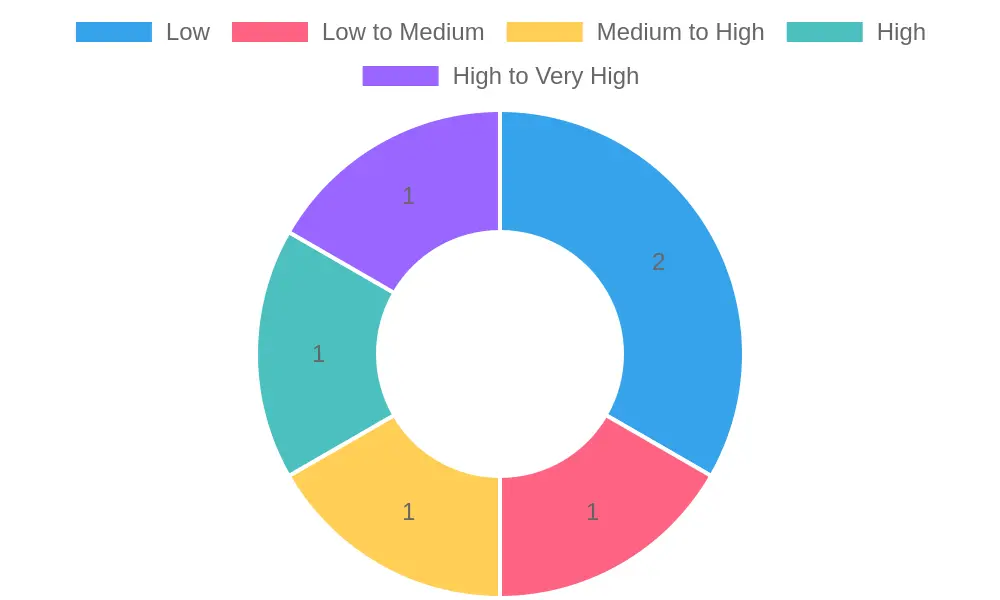
| Plastic Type | Safety Rating (Leaching Concern) |
|---|---|
| Polypropylene (PP) | Low |
| Polyethylene (PE) | Low to Medium |
| Polystyrene (PS) | Medium to High |
| Polyvinyl Chloride (PVC) | High |
| Polycarbonate (PC) | High to Very High |
Key Points:
- Polypropylene (PP): Generally safe, but best to avoid high temperatures.
- Polyethylene (PE): Safe for short heating intervals at low temperatures.
- Polystyrene (PS): Moderate safety. Some concerns of leaching.
- PVC: Higher risk of leaching chemicals when heated; avoid using for microwave purposes.
- Polycarbonate (PC): Known for high safety ratings; should be used carefully as it may leach BPA unless labeled as BPA-free.
Understanding these ratings can help ensure safe food practices in your food establishment. For further packaging options, explore our packaging solutions.
Stay informed and ensure the safety of your food by choosing the right containers for microwaving!
Client and Expert Testimonials on the Safety of Microwaveable Plastic Containers
Client Testimonials
“Using the microwaveable plastic containers from CupBowlPack has transformed our food prep process! They are lightweight, durable, and perfect for reheating our bubble tea products without compromising safety. Our customers love the convenience, and we appreciate the peace of mind knowing they’re microwave-safe!”
- Mia Chen, Owner of Tea Junction
“We’ve switched to using these containers for our catering services, and I can confidently say they save us time and effort. The containers heat evenly, which is crucial for hot meals served at events. It’s reassuring to know we’re using products that don’t leach harmful chemicals into our food-our clients appreciate that too!”
- James Parker, Catering Team Lead
Industry Expert Insights
“Even ‘microwave-safe’ plastic containers have the potential to release harmful chemicals such as BPA when heated. It’s essential to understand what ‘microwave-safe’ truly means. Consumers should look for trustworthy materials in their microwave containers to avoid health risks.”
- Dr. Linda Nguyen, Food Safety Expert
“For those in the food industry, it’s vital to choose plastic containers that genuinely uphold safety standards. The shift towards safer microwavable options can help businesses maintain customer trust and health standards. Always conduct thorough research when selecting food storage solutions!”
- Tom Bennett, Culinary Health Consultant
By integrating such insights and testimonials, businesses can better understand the importance of choosing the right microwaveable containers for their operations. Learn more about our packaging options to ensure you’re making informed choices.
Conclusion
In the fast-paced food service industry, the safety of our food packaging is paramount. Using safe plastic containers for microwaving is not merely a preference; it’s a necessity to avoid the harmful leaching of chemicals into food. Research has shown that improper materials, especially recycled plastics, can introduce dangerous substances that pose significant health risks to consumers. This highlights the importance of selecting products that are specifically labeled as microwave-safe to ensure the well-being of your clientele. Those in the food service sector-from bubble tea shops to corporate catering services-must prioritize using reliable, high-quality disposable tableware.
At CupBowlPack, we specialize in providing an extensive array of disposable tableware and packaging solutions designed with safety and sustainability in mind. Whether you’re looking for eco-friendly material options or simply need dependable containers for your hot meals, we’ve got you covered. Make the switch to safer, reliable packaging today! Browse our selection and choose the best for your business.