
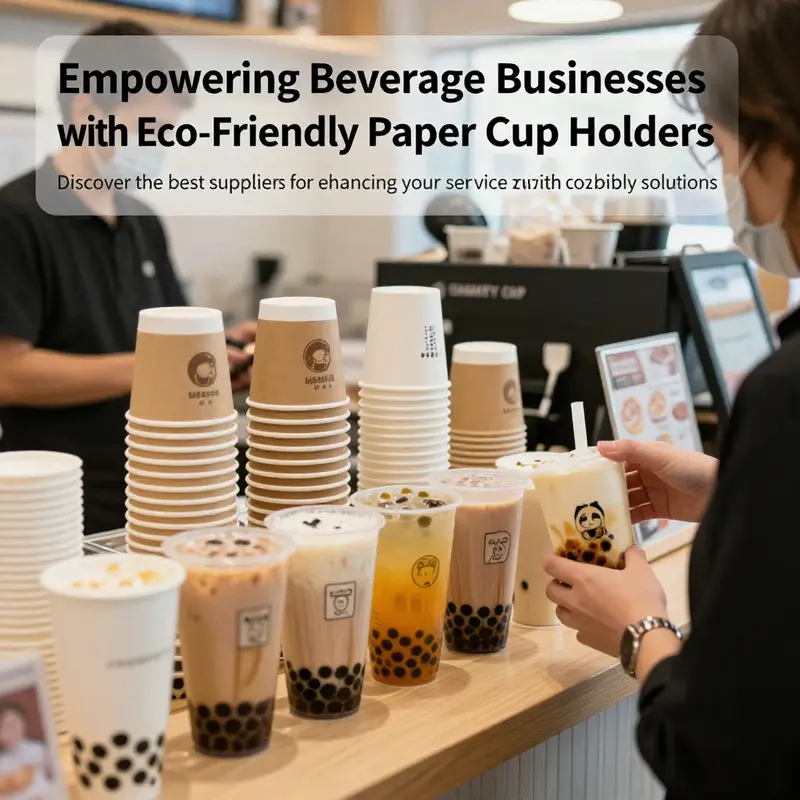
In the thriving world of beverage services, such as bubble tea shops, restaurants, and food trucks, the importance of reliable and sustainable packaging options cannot be overstated. Among these options, paper cup holders stand out as essential tools for ensuring convenience and safety for customers while promoting eco-friendly practices. This article unfolds the insights into various suppliers, focusing on Shenzhen Happy Brother Industrial Co., Ltd. and other versatile suppliers in the market. Each chapter delves deeper into critical aspects, from environmental sustainability to market dynamics and the role of B2B procurement in shaping the future of disposable tableware.
From Custom Logos to Eco Packaging: Navigating the Shenzhen Paper Cup Holder Supply Landscape

In the evolving world of foodservice packaging, the choice of a reliable supplier for paper cup holders matters as much as the design that sits on the lid. The supply landscape is dense with options that span generic distributors to specialized manufacturers, and the best path often balances customization capabilities with cost, lead times, and environmental considerations. Within this ecosystem, a profile emerges of a Shenzhen-based manufacturer that underscores the practical realities of B2B procurement: a company that emphasizes customization, responsive service, and the use of eco-friendly materials. While the market contains a range of players, understanding this profile helps illuminate the key tradeoffs buyers face when sourcing paper cup holders at scale. The data available suggests that the most compelling suppliers in this space are those that combine a strong production footprint in a manufacturing hub with the agility to tailor offerings to a brand’s needs and a rigor for safety and sustainability.
The practical appeal of a Shenzhen-based supplier lies in three intertwined strengths: the capacity to deliver customized solutions, a demonstrated commitment to rapid responsiveness, and a track record of working with environmentally responsible substrates. Customization matters because the market increasingly values branding as a differentiator, even in items as utilitarian as cup holders. A supplier that can print a logo or brand motif onto the outer surface, or to embed a distinctive handling feature, can help a buyer convert a routine provisioning item into a marketing touchpoint. This is not mere embellishment; it aligns with how foodservice brands want to create cohesive experiences across packaging, ware, and takeaway devices. In this sense, the ability to offerLogo printing and other branding options becomes a meaningful business capability rather than a convenience.
Responsiveness rounds out the package. In B2B procurement, timing is often as critical as price. A supplier that reports high responsiveness—one cited figure indicates a response rate of over ninety percent—can significantly reduce procurement cycles, minimize back-and-forth, and expedite negotiations around minimum orders, lead times, and logistics. When a brand is scaling up for seasonal demand, a supplier that replies quickly to inquiries, clarifies specs, and adjusts production plans in a timely fashion becomes a strategic partner rather than a one-off vendor. The Shenzhen-based profile reflects this advantage, suggesting that what buyers pay for is not only the end product but the reliability that underpins a smooth production-to-delivery workflow.
A third dimension—the materials and manufacturing approach—reflects the growing emphasis on sustainability in packaging. In practical terms, this means sourcing through materials that meet food-safety standards while ensuring that end products align with environmental goals. Kraft paper and other recyclable substrates are preferred for being part of a circular economy narrative. For buyers who want to position their brand as eco-conscious, a supplier that can credibly demonstrate the use of sustainable feedstocks and responsible waste management becomes a decisive factor. The focus on environmental responsibility is not simply a marketing line; it impacts supplier selection, regulatory compliance, and the long-term viability of packaging ecosystems in a marketplace that is increasingly attuned to environmental, social, and governance (ESG) considerations.
The broader market reinforces the value of these attributes but also reveals a spectrum of options. Beyond singular profiles, there are many comprehensive suppliers on major platforms that offer a wide range of disposable, portable, and multi-cup holders that suit different throughput needs. These suppliers typically provide flexible order quantities, sometimes enabling orders as small as a few dozen units and scaling up to tens of thousands. The appeal here is the breadth of choice and the potential for light customization, color options, and pattern printing, all at competitive price points. The tradeoff often lies in the depth of customization and the level of service that a buyer can expect when engaging with a large platform-based supplier, where production lines are diversified across many product families and some niche requests may require additional lead time or a more iterative approval process.
From a strategic standpoint, buyers weigh two broad paths: rely on a highly specialized supplier with a tight focus on paper cup holders and related fiber-based packaging, or partner with a broader supplier network that can bundle incentives such as bundled logistics, multi-product sourcing, and standardized quality certifications. The Shenzhen profile exemplifies the specialized route. Its stated strengths—customization, branding capabilities, and eco-material emphasis—speak to a demand for supplier intimacy. Buyers who value a collaborative relationship, where concepts—from functional features to aesthetic touches—are developed in dialogue with the supplier, may find this path particularly productive. Yet it is essential to acknowledge that market evidence also asserts a more diversified ecosystem. Other manufacturers in nearby industrial hubs specialize in related items like paper molding or corrugated packaging components, and they often compete primarily on cost and scalable production capabilities. In some cases, these specialized players have broader portfolios that include molded fiber products or other disposable tableware lines, which can be advantageous when a brand wants to consolidate supplier management across multiple packaging formats.
This chapter does not pretend to declare a single “leading” supplier; rather, it maps how a credible supplier profile looks in practice and why buyers might tilt toward it. The profile’s credibility hinges on three pillars: demonstrable customization capabilities, responsiveness that translates into real procurement efficiency, and material choices aligned with safety and sustainability. The market’s heterogeneity means that buyers should remain vigilant for claims that lack substantiation. Publicly available details may point to a supplier’s strengths in one area while leaving gaps in others. In the case of the Shenzhen-based candidate, the available information suggests robust customization options, a strong service posture, and a materials strategy that prioritizes recyclability. However, the broader narrative includes other players that specialize in paper pulp molding and packaging fabrication in adjacent regions. Those players can deliver high-volume production with competitive unit costs, which may be decisive for brands pursuing aggressive cost optimization or very large orders.
The procurement journey, then, becomes a matter of aligning supplier capabilities with organizational priorities. If a brand’s strategic focus centers on brand differentiation through packaging, a partner with logo-printing capacity and the ability to tailor dimensions, handle options, and grip features can be decisive. The design language of a brand can extend beyond the cup and lid to include the holder as a coherent accessory that enhances the user experience, reduces spills, and travels well in takeout contexts. In such cases, the supplier’s capability to incorporate handles, improve grip, and integrate branding becomes a form of product development collaboration rather than a one-way transaction. On the other hand, if the imperative is cost leadership and supply chain resilience for large-scale distribution, buyers may look to platform-based suppliers that offer broad catalogs, aggressive price points, and rigorous standardization. These suppliers, while potentially less flexible on bespoke branding, can deliver predictable performance over time and simplify procurement with bulk purchasing contracts.
From a strategic sourcing perspective, due diligence should extend beyond a supplier’s publicly stated strengths. Buyers should request samples, verify material certifications, and confirm that production facilities adhere to applicable food-contact safety standards. They should also evaluate the supplier’s capacity to scale, the clarity of their MOQs, and their flexibility around lead times during peak seasons. The ability to coordinate with logistics partners and to meet country-specific import regulations further determines a supplier’s suitability. The best outcomes typically arise when buyers pursue a blended approach: lean compromises on customization for routine replenishment while reserving more intricate customization and branding projects for trusted partners with proven alignment to brand strategy and sustainability commitments.
To guide readers toward pragmatic options, a practical takeaway emerges. In markets with robust manufacturing bases and an emphasis on sustainability, a supplier that offers customized capabilities and responsive service can serve as a strategic anchor for a brand’s packaging program. Yet the decision is rarely binary. Buyers should map their requirements to supplier profiles, create a governance framework for design approvals and quality checks, and maintain a diversified supplier roster to manage risk. The underlying theme remains consistent: packaging is not a mere cost; it is a conduit for brand storytelling, safety assurance, and stakeholder trust. In this light, the Shenzhen-based profile—though not unassailable as the singular “leader”—illustrates a compelling model of how customization, responsiveness, and eco-conscious material choices converge to support scalable, brand-aligned packaging solutions in today’s competitive landscape.
Internal linking note: for those exploring broader packaging options and the role of packaging platforms in shaping supplier ecosystems, a deeper dive into the broader paper packaging category can provide useful context and comparative perspectives on how paper-based holders fit into end-to-end packaging strategies. See the paper packaging category for related materials and ideas. paper packaging
External reference: for a concrete example of supplier performance metrics and branding capabilities in this space, a detailed listing on a major platform offers context on response rates and customization options that buyers often weigh during supplier selection. External resource: https://www.alibaba.com/product-detail/90-6-Response-Rate-Custom-Logo_1600578439478.html
From Parts to Partnership: How Integrated Packaging Players Strengthen the Paper Cup Holder Supply Chain

The paper cup holder market is increasingly defined not by a single component but by the way suppliers orchestrate an entire ecosystem. Integrated packaging players—those who can manage materials, production, customization, and logistics under one roof—have emerged as the core enablers of reliability, speed, and sustainability. For brands and distributors navigating volatile demand and diverse usage scenarios, this shift from fragmented sourcing to a cohesive partnership reshapes expectations and outcomes. It is no longer enough to procure a cup holder in isolation; buyers seek a unified response that covers design, production, branding, packaging, and timely delivery as a seamless service. In this context, the advantages of a one-stop supplier become clear: fewer touchpoints, clearer accountability, and a streamlined path from concept to consumer. An integrated supplier can translate a simple idea into a complete kit—cups, holders, protective liners, branding elements, and the accompanying packaging materials—delivered together, with a single point of contact and standardized processes that reduce complexity and risk. The result is not just lower administrative overhead but a more predictable and faster time to market, which matters greatly for chains launching nationwide promotions or seasonal campaigns. A core metric many buyers watch is the supplier’s responsiveness. A Shenzhen-based producer, for instance, has demonstrated a high interaction rate in inquiries, signaling readiness to engage quickly and adapt to evolving needs. This agility is essential when customization is involved, and it becomes a differentiator in markets where design cycles are rapid and seasonal demand shifts are the norm. The ability to respond promptly often accompanies a broader capacity to customize. Integrated suppliers can tailor everything from the fit and finish of the cup holder to the way branding appears on the product. They enable brands to maintain a consistent look across a portfolio of outlets, ensuring that logo treatment, color alignment, and typography stay uniform whether a product is used in a small café or a national chain. This level of customization, while technically feasible at specialized vendors, is far more efficient when embedded within a single supplier’s workflow. It reduces the risk of miscommunication and design drift that can occur when multiple suppliers must interpret and execute the same brief. Beyond customization, the sustainability narrative is a decisive factor. Integrated players emphasize environmental responsibility through the use of recyclable or compostable materials and by optimizing the weight and thickness of components to minimize waste without compromising performance. Kraft paper, responsibly sourced fibers, and food-grade standards are increasingly standard requirements. The challenge for buyers is to balance cost with environmental impact, and here, scale matters. Large, integrated operations can negotiate more favorable material mixes, achieve higher yield through efficient manufacturing, and implement closed-loop strategies that support recyclability across the entire cup-holder system. In practice, this means that a single supplier can offer a spectrum of compatible products—cups, holders designed for a range of cup sizes, liners, and corresponding packaging—while maintaining a coherent sustainability story. When brands broaden their packaging ecosystem to include related items like disposable tableware, the value of a unified supplier grows even more. For example, buyers can explore a complete category within a single catalog, across multiple SKUs, with consistent quality controls and predictable lead times. The practical implications are substantial: fewer supplier audits, less disparate quality data, and a more straightforward path to compliance across markets. It is not simply about adopting a larger vendor; it is about embracing a partner that can harmonize product development, regulatory compliance, and supply chain logistics into a single, repeatable process. The role of regulatory and quality considerations cannot be overstated. Integrated suppliers that invest in formal quality management systems and industry-standard certifications create a foundation of trust for global distribution. Buyers gain visibility into production traceability, batch integrity, and supplier audits, which is increasingly important as shipments cross borders and must meet diverse food-contact and safety standards. While the specific certification names are less important than the assurance they convey, knowing that a supplier adheres to internationally recognized quality and safety frameworks helps buyers reduce risk and improve governance across the sourcing lifecycle. The geographic dimension of integrated suppliers also deserves attention. Many leading packaging platforms maintain multiple manufacturing hubs and regional logistics centers. This spread supports faster delivery, mitigates disruption from regional events, and aligns production with local demand patterns. For multinational brands, this translates into more consistent service levels across markets, enabling smoother rollouts and more resilient replenishment cycles. The end-to-end capability of a comprehensive packaging partner extends beyond physical products into the realm of design, printing, and branding execution. Integrated suppliers can provide on-demand graphic services, including the release of logo-accurate imprints on components, soil- and water-based inks, and print finishes that align with corporate identity. The result is a coherent brand experience that travels with the cup holder from the production line to the consumer’s hands. Buyers often find that working with a single supplier reduces procurement friction and administrative overhead. In practical terms, this means fewer purchase orders to manage, simplified invoicing, and a consolidated scheduling framework that yields clearer visibility into production calendars. The procurement journey—from initial concept to final shipment—becomes a collaborative, not transactional, process. The broader market landscape supports this shift. Alibaba-like platforms and other sourcing ecosystems host a spectrum of integrated players alongside niche, single-focus vendors. For buyers seeking scale and stability, the integrated option often represents a superior risk-adjusted path. The diversity of product lines, the breadth of materials, and the capacity to deliver across regions collectively lower the total cost of ownership. Not only do buyers benefit from bulk procurement efficiencies, but they also gain protection against supply chain shocks by relying on diversified production channels and synchronized logistics. For smaller brands or regional players, the tiered capabilities of integrated suppliers—ranging from low-volume, customized runs to high-volume, standardized production—provide flexibility that pure-play manufacturers rarely match. The ability to scale up or down according to demand without changing partners is a strategic advantage that supports growth without sacrificing consistency. In conversations with buyers, a recurring theme is the desire for a partner that understands the rhythm of the hospitality and foodservice sectors. The needs are not static: promotions, seasonal menus, and new service formats all demand rapid adaptation. An integrated supplier is better positioned to respond because the relationship is anchored in a shared production framework and a unified data backbone. They can translate shifts in consumer behavior into adjustments in product specifications, packaging aesthetics, and even the logistics mix to maintain service levels. For teams coordinating large programs, this means more predictable performance and fewer last-minute changes that disrupt store operations or e-commerce fulfillment. The practical takeaway for decision-makers is clear. When evaluating potential partners, they should look beyond unit price and the apparent breadth of catalog. They should assess the supplier’s ability to deliver end-to-end value: design and branding alignment, material sustainability, quality assurance programs, and a resilient supply chain capable of meeting both steady-state and peak-period demands. In this context, the idea of a single source of truth becomes essential. A credible integrated supplier offers a unified portal of product specifications, order status, and compliance documentation, tied together with a clear communication channel and a predictable escalation path. Buyers who adopt this mindset report smoother launches and improved post-launch performance. They also discover that a single, capable partner can unlock synergies across related categories—such as disposal and packaging materials—via cross-functional teams and standardized processes that keep costs in check while preserving quality. For readers exploring supplier options, the takeaway is practical and actionable: consider the broader capabilities that an integrated packaging partner can bring, not only for cup holders but for the entire ecosystem that surrounds disposable tableware. This perspective aligns with a growing preference for suppliers who can partner in strategy as well as execution. The result is a supply chain that is more coherent, more resilient, and better aligned with evolving consumer expectations around sustainability, branding, and speed. To deepen this approach, readers can explore product-category resources that catalog related packaging components within a single platform, which helps streamline sourcing and strengthen brand consistency across channels. disposable tableware. For standards and quality guidance, refer to the broader set of international quality management resources, which provide a framework for consistent performance across markets and products. External reference: https://www.iso.org/iso-9001-quality-management.html
纸杯托材料的绿色转型:影响力、创新与可持续包装的未来
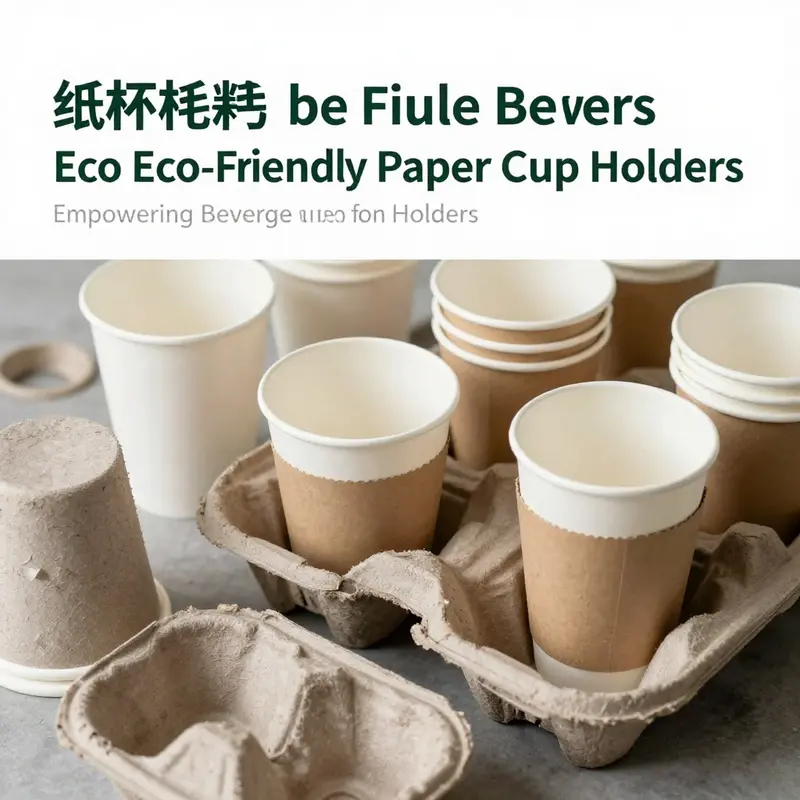
纸杯托在日常饮品包装中虽小却关键。它不仅承载热饮的温度与重量,还在品牌形象、卫生安全与环境责任之间扮演平衡角色。随着消费者对环境影响的关注持续上升,企业在选择纸杯托材料时越来越综合地考量成本、性能与可持续性。材料来源、生产过程的碳足迹以及废弃处理方式,成为采购决策中不可忽视的维度。理解这些因素,有助于企业在全球范围内建立更稳健的供应网络,并推动包装行业向循环经济转型。
当前市场的主流环保材料路径大致可归纳为三类:原生纸浆制品、植物纤维材料(如甘蔗渣竹纤维等)以及碳酸钙改性塑料材料。原生纸浆托盘往往具备良好的生物降解性与可回收性,且在合适的堆肥条件下能快速分解。植物纤维材料源自可再生资源,碳足迹更低,且在食品接触安全方面逐步获得行业认可。碳酸钙改性塑料通过在塑料基体中引入高比例碳酸钙,降低对传统塑料的依赖,同时尽量保留强度与耐热性,具备更好的回收潜力与一定的降解路径。
设计层面的考量对可持续性起到决定性作用。要实现真正的环保性,需同时评估材料的生产过程、使用阶段性能与最终处置的可行性。设计阶段应关注防水性、耐温性与防滑性等实用指标,并尽量减少对额外涂层的需求。植物纤维材料常需通过改性或与无涂层纸结合来提升水汽屏障,这一取舍直接影响可回收性与堆肥兼容性,因此材料组合需契合所在市场的回收能力与法规要求。
在供应链层面,越来越多的厂家与分销商通过专门的环保材料认证、食品级标准符合性及快速定制能力,打造以环境友好为核心、成本可控与具备灵活扩展性的采购生态。企业在选择供应商时,不仅要看单件成本,更要评估材料来源的可追溯性、合规性以及对后续回收体系的对接能力。定制化服务在此显得尤为关键,帮助品牌实现个性化表达的同时,确保环境属性贯穿供应链每个环节。
实践层面,材料路径并非彼此独立的选项,而是可组合、可升级的材料体系。企业可根据目标市场、成本约束与基础设施状况,灵活搭配不同材料,以实现最佳的环境绩效。跨职能评估小组有助于将材料科学、食品安全、市场趋势与回收行业的专业知识汇聚,推动从设计到生产再到回收的全链条协同。
为持续推动行业进步,需加强对材料体系的标准化与信息共享,关注地方法规对食品接触材料的要求、可生物降解与可堆肥技术标准,以及回收体系的基础设施建设。企业在采购纸杯托时,宜同步评估材料的生命周期、回收可行性以及是否能被现有垃圾分类体系正确处理。通过持续的知识更新与跨域协作,品牌与研究机构能够共同提升行业的可持续竞争力。
Rims in the Right Place: Understanding Demand, Design, and Value in the Paper Cup Holder Market
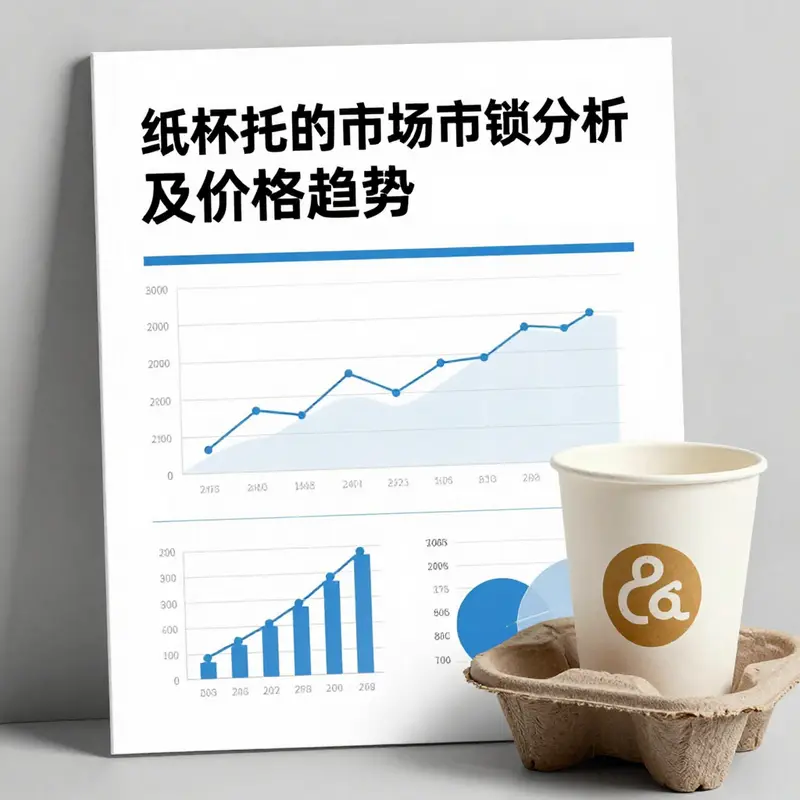
Paper cup holders sit at a quiet crossroads in the modern beverage economy. They are not the flashiest accessory, but they carry a quiet weight: they protect tables, reduce burn risk, enable easy transport, and offer a canvas for brands to communicate with customers. The chapter that follows traces how demand for these simple devices has evolved, how price movements move in step with material costs and customization demands, and what this means for buyers seeking reliable, responsible suppliers in a market that prizes both practicality and presentation.
The demand for paper cup holders mirrors the broader ascent of takeout and on-site beverage service. In markets with dense urban life and fast-paced routines, takeout coffee, tea, and specialty drinks have become routine rather than exception. The daily volume of cups and their accessories translates into a surprisingly large need for reliable holders. Coffee shops, tea houses, and even quick-service eateries often rely on holders not only to insulate hands from heat but to help customers manage multiple beverages during commutes or meetings. This demand is more than a simple throughput statistic; it is a signal about how convenience shapes consumer behavior. When cups are hot and the serving context is busy, customers value devices that keep the experience comfortable and predictable. The holder, in this sense, adds a layer of service quality that customers notice even if they do not name it explicitly.
From a supply-chain perspective, China remains a central hub for the production of paper-based packaging and related accessories. The country’s manufacturing ecosystem supports a wide spectrum of buyers, from startups testing a limited run of custom designs to large buyers seeking scalable, repeatable production with short lead times. This breadth is important because it means buyers can fine-tune their purchases to occur in stages—from initial samples to pilot runs to full-scale deployments—without losing consistency in materials, finish, or performance. The market also rewards suppliers who can offer customization with speed: logo imprinting, color matching, and even tailored ergonomic features like reinforced grips or dual-rim designs that improve grip under varying temperatures. The emphasis on customization aligns with how brands use packaging to reinforce identity, signal sustainability commitments, or simply differentiate in a crowded marketplace. Companies that can translate a brand’s visual language into a practical, food-safe product gain an outsized return on the investment in graphic design and marketing initiatives.
Material choices and environmental considerations shape both what buyers demand and what suppliers can deliver. The trend toward eco-friendly packaging has moved beyond simple compliance to become a value proposition. For many buyers, the choice of Kraft paper, recycled content, or biodegradable coatings is not merely a cost factor but a statement about corporate responsibility. In practice, this means a growing variety of deliverables: holders made from recyclable Kraft fibers, those featuring barrier coatings that maintain grip while resisting moisture, and even options built from plant-based composites designed to minimize ecological footprint. As coatings and surface treatments improve, so does the product’s ability to withstand the rigors of real-world use—hot beverages, humid environments, and busy service settings—without compromising heat resistance or safety. Technology is enabling more robust, stretch-resistant, and heat-tolerant designs, while continuing to honor food-grade standards. For buyers, the challenge is to balance performance with cost, ensuring that the chosen solution aligns with brand values and regulatory expectations while remaining affordable at scale.
The structure of demand is not monolithic. It splits across core applications and emerging niches. The most expansive segment remains the general catering and delivery sphere, where standard hold-up and thermal protection suffice for everyday use. In medical and corporate settings, hygiene and branding converge. Antimicrobial surface treatments and precise, repeatable imaging methods—such as digital printing or laser-engraved logos—become critical differentiators. The corporate world, with its frequent conferences and meetings, pushes brands toward high-clarity imprinting that stands up to repeated handling. In parallel, new consumer trends are reshaping the segment. The so-called camping economy and outdoor activities spur portability features, foldability, and compact designs that travelers can stash in bags. At the high end, reusable or multi-use solutions are appealing for sustainability-minded consumers who want longevity from every component of their beverage experience. These shifts encourage suppliers to invest in modular systems: interchangeable grips, stackable designs, and scalable production that can accommodate both a few thousand and tens of thousands of units per order.
Price dynamics in this field reveal a layered market. Baseline products, produced from standard pulp or simple barrier-coated stock, remain highly price-competitive because of mature manufacturing processes and high-volume demand. In practice, basic cup holders tend to follow broader pulp and paper price movements. When raw materials rise—whether due to pulp costs, energy, or logistics—these lower-tier products experience upward pressure, though the impact is often tempered by abundant capacity and aggressive competition among producers. By contrast, premium segments command higher prices because they incorporate eco-friendly materials, advanced barrier technologies, or specialized finishes. Bamboo pulp, PLA-based derivates, and other sustainable inputs tend to push unit costs higher, but buyers are increasingly willing to absorb these costs for the environmental benefits and the alignment with brand narratives. In addition, customization adds a pricing premium. Layering on logo printing, color customization, or decorative techniques like foil stamping or UV coating can substantially increase the unit price, especially in smaller run orders where setup costs become a larger share of total expense. The post-COVID era and the acceleration of e-commerce have sharpened buyers’ focus on total cost of ownership rather than unit price alone. A hold that lasts longer, resists moisture better, or carries a brand imprint more legibly can yield better long-term value despite a higher initial outlay.
For buyers, the path to prudent procurement lies in understanding one’s own priorities and risk profile. A high-volume buyer prioritizing cost efficiency and supply stability may favor a supplier network with broad capacity, transparent pricing, and clear tolerances for batch variation. A company that emphasizes sustainability and brand storytelling might lean toward suppliers offering eco-friendly materials, certifications, and flexible customization capabilities. In either case, the importance of a robust supplier relationship cannot be overstated. The most reliable partners provide not only a product but a service ecosystem: responsive communication, transparent lead times, traceable materials, and consistent quality control. They understand that a paper cup holder is a small component with a large impact on user experience, from heat management to the touchpoint where a customer first encounters a brand promise.
Within this ecosystem, buyers often find value in a curated set of related packaging choices. A category such as disposable dinnerware presents a natural complement to cup holders. The ability to pair a clearly branded holder with matching lids, sleeves, or plates can streamline procurement while reinforcing a unified brand narrative. When selecting an internal supplier ecosystem, a prudent approach is to consider not only the holder itself but how it integrates with other packaging elements, distribution logistics, and end-user experience. A coordinated packaging suite reduces complexity in kitchens and delivery workflows, which in turn helps ensure consistent quality from first use to last.
For readers who want to explore nearby packaging categories while keeping their focus on sustainability and practical design, a convenient reference category is Disposable Dinnerware Tableware, which often shares supply lines and material innovations with cup-holding solutions. This connection helps buyers evaluate how different packaging components perform in real-world scenarios and how supplier capabilities align with broader packaging requirements. As buyers map their procurement strategies, they should demand samples, validate food-grade standards, and assess how coatings and finishes interact with wet conditions and repeated handling. They should also consider the logistics of import duties, minimum order quantities, and the supplier’s capacity to scale with demand as brands grow or seasonal surges occur.
In sum, the market for paper cup holders is expanding in both size and sophistication. The demand equation blends everyday practicality with branding opportunity and environmental accountability. Price trends reflect this blend: base materials offer affordability and reliability, while eco-friendly materials and customization options create a ladder of value that many buyers are willing to climb. The most successful buyers will identify suppliers who can deliver not just a component but a performance-ready solution—one that respects safety standards, aligns with sustainability goals, and supports a consistent consumer experience across channels. As the sector continues to evolve, the growth story of paper cup holders will ride alongside advances in materials science, digital printing, and modular packaging design, reinforcing the truth that even small accessories can carry meaningful impact when thoughtfully integrated into a brand’s packaging strategy.
Internal link to related packaging category for broader context: Disposable Dinnerware Tableware.
External reference for deeper market analysis: https://www.zzxty.com/report/864.html
Cup Holders in the Global Supply Web: How B2B Sourcing Shapes the Paper Cup Holder Landscape
The paper cup holder, far from being a mere accessory, sits at a pivotal crossroads of functionality, branding, and global logistics. In a landscape where coffee chains, tea shops, and food-service partners juggle thousands of SKUs, the humble cup holder becomes a strategic asset. It protects heat, stabilizes a beverage during transit, and doubles as a moving canvas for brand stories. In practical terms, a well-designed holder reduces the risk of burns, minimizes the chance of spills, and makes the customer experience smoother from counter to doorstep. For brands seeking continuity across channels, a customizable holder that bears a logo, a color scheme, or environmental messaging can reinforce recognition long after the cup leaves the shop. In this sense, the holder is not an afterthought but a small, efficient element of a larger branding and service promise.
From a procurement perspective, B2B buyers increasingly expect suppliers to offer more than standardized options. The most competitive profile blends two core capabilities: customization and reliability. On the customization side, buyers look for options such as logo printing, color matching, and even functional variants like handles or fold-out grips that improve portability. The expected result is not just a product but a mini-media asset that travels with the customer. On reliability, buyers demand rapid responses, consistent quality, and scalable production. A vendor that records high response rates and can translate a design brief into production-ready files is valued as a trusted partner, not just a supplier. This dual demand—creative flexibility paired with dependable delivery—defines today’s B2B conversations around cup holders.
Geography matters in this equation, too. China remains a focal point for sustainable, large-volume packaging production, and the geography supports near-term resilience for global buyers. Local manufacturers in major hubs can offer integrated packaging lines, providing a one-stop solution that includes cups, sleeves, and holders alongside the option for on-site or regional distribution. This integrated model reduces the total landed cost for the buyer by shrinking handling steps and lowering inventory buffers. In the context of today’s volatile freight landscape, near-site production can translate into faster replenishment cycles and lower risk of stockouts, which matter as retailers shoulder increased demand for to-go beverages. When a supplier can couple a strong domestic base with access to a broad export network, brands gain a more robust channel to coordinate design, tooling, and fulfillment without juggling multiple vendors across regions.
Materials are also central to the decision. Eco-conscious buyers gravitate toward recyclable or biodegradable compositions that align with broader sustainability promises. Kraft paper and recycled fibers, sometimes treated to meet food-grade standards, are common baselines. Where needed, PLA-based coatings or compostable alternatives offer options that help brands claim green credentials in markets with strict packaging regulations. The ability to demonstrate food safety compliance—through certifications and traceable sourcing—becomes a non-negotiable element in supplier evaluations. The green-leaning buyer will specifically seek out partners who can articulate the lifecycle of the holder—from raw material to end-of-life options—so that every stage aligns with a sustainability narrative across the product’s procurement journey.
Within the supplier ecosystem, two archetypes frequently emerge in conversations about cup holders. One is a specialized manufacturer focused on customization and rapid iteration. This type of supplier excels where a brand needs tailored features—logo printing, specific grip geometry, or branded colorways—and where the order sizes range from a few hundred to tens of thousands. The other archetype comprises broader, multi-category suppliers who offer disposable cup accessories as part of a larger catalog. They provide a breadth of options, from portable 2- to 4-cup holders to bulk-compliant configurations, usually at highly competitive unit prices. For buyers, the trade-off often centers on the balance between customization depth and price efficiency. A higher degree of customization can incur tooling and setup costs, but it yields stronger brand alignment and a tighter customer experience. Conversely, broad-scope suppliers can deliver scale and cost advantages, particularly for standard configurations, delivering quick turns for large campaigns or seasonal promotions.
In practice, the decision often hinges on a brand’s strategic priorities. If differentiation through visual identity and product storytelling is essential, investing in a dedicated, customization-forward partner makes sense. A manager can sponsor options such as hand-held designs, embossed logos, or color-matched coatings that reflect corporate identity. If speed and cost control are primary, a diversified supplier base with flexible MOQs and transparent bulk pricing becomes the practical route. Either path benefits from a clear specification brief: material type, food-grade compliance, thickness, coating, print method, and any required certifications. The procurement process then becomes less about guessing and more about comparing validated capabilities, lead times, and after-sales support.
Beyond the immediate design and production concerns lies the broader effect on the supply chain’s efficiency and resilience. A one-stop packaging partner—one that can supply cups, holders, and related accessories in concert—reduces the complexity of procurement. It minimizes the risk of misaligned orders and mismatched tolerances, and it shortens the communication chain from design to delivery. That streamlined flow matters when a retailer must respond quickly to shifting demand, such as a new store rollout or a promotional period. In such scenarios, a regional production footprint allows for more predictable lead times and fewer surprises at the dock. Moreover, a well-integrated supplier can adapt to regulatory changes by offering alternative materials or coatings that meet evolving food-safety and environmental standards, ensuring continued compliance without sacrificing performance.
Another layer to consider is the marketplace dynamic that underpins supplier connections in today’s global trade environment. For buyers, digital procurement platforms act as essential filters and accelerators. They enable feasibility checks, material sourcing, and vendor qualification with relatively lower friction than traditional channels. Buyers can scan for food-grade materials, verify environmental claims, and assess whether a supplier can deliver branding-ready solutions within required timeframes. The most effective platforms provide real-time communication streams, design-to-production file handling, and clear transparency about minimum order quantities and tooling needs. In this ecosystem, the ability to print logos or apply branding elements directly onto the cup holder can transform what could be a commodity purchase into a strategic marketing investment. To illustrate, consider the practical implications of choosing a partner with a strong customization pipeline and a reputation for reliability: a brand can launch a staged rollout across several cities, track customer feedback, and adjust the design or material choice in near real time, all while preserving consistent brand visuals across markets.
For readers seeking a deeper dive into how these packaging pieces intersect with broader packaging and printing ecosystems, a practical resource category can be explored here: Packaging Printing. This deeper dive helps frame how the cup holder fits into a broader set of packaging decisions, from color psychology to print durability and labeling that resonates across the supply chain. Ultimately, the cup holder becomes part of a holistic packaging strategy rather than a standalone item. And in a world where consumer expectations are shaped by convenience, speed, and environmental responsibility, the holder’s role evolves accordingly: it must be quickly producible, adaptable to branding, and kind to the planet.
In closing, the dynamic around cup holders in B2B procurement reflects broader shifts in manufacturing, logistics, and sustainability. Buyers increasingly favor partners who can deliver customization without sacrificing scale, who can consolidate multiple packaging components under one roof, and who can support a responsible material story from raw inputs to end-of-life outcomes. The most effective suppliers combine food-grade assurance, flexible production, and reliable delivery schedules with a clear understanding of brand value. They recognize that the holder does more than secure a drink; it travels as a mobile ambassador and a touchpoint for customer experience. As global supply chains continue to evolve toward more localized production, shorter lead times, and greener materials, the cup holder’s strategic importance will only grow. For brands and operators navigating this landscape, the path to success lies in choosing partners who translate design intent into consistent performance across markets, while harmonizing cost, speed, and sustainability in every shipment of cup holders worldwide.
External resource for broader context: https://www.alibaba.com
Final thoughts
As the demand for eco-friendly packaging solutions continues to expand, choosing reliable paper cup holders suppliers becomes crucial for businesses in the beverage industry. Shenzhen Happy Brother Industrial Co., Ltd. and other composite suppliers offer not just products, but also the promise of sustainability, quality, and responsiveness. By investing in these essential items, beverage establishments not only enhance their customer service but also contribute positively to environmental goals and operational efficiency. Aligning your business with the right suppliers is the first step towards a more sustainable and successful future.