
Introduction
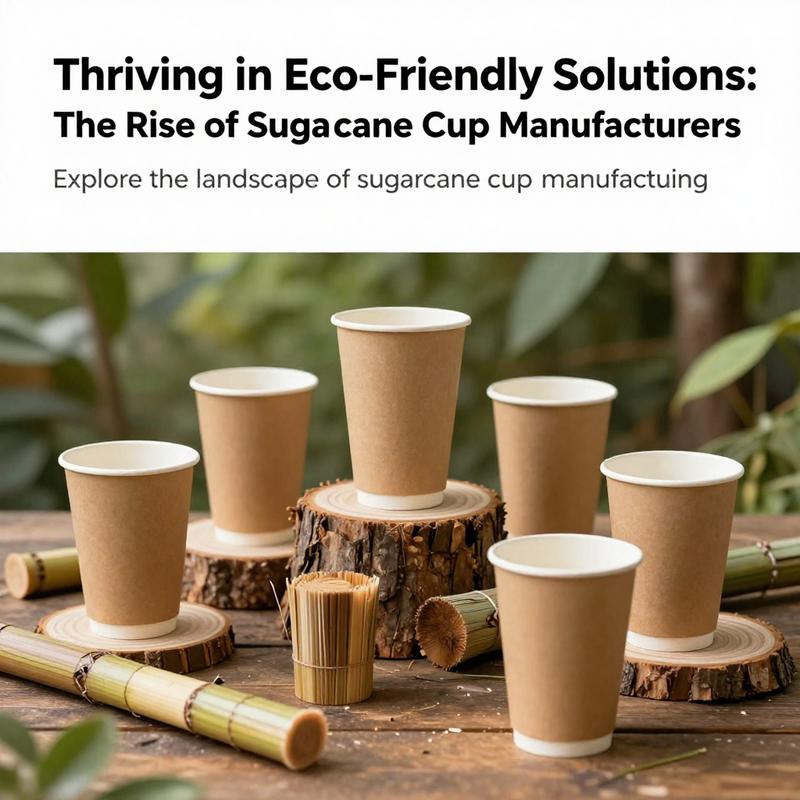
Sugarcane cups have emerged as a viable alternative to traditional plastic disposables, driven by a growing consumer demand for environmentally friendly options. As the world grapples with plastic waste and environmental degradation, manufacturers of sugarcane cups are stepping into the spotlight. This article delves into the market dynamics shaping the sugarcane cup industry, the key players innovating in the space, technological advancements propelling production methods, and the sustainability practices that underpin these manufacturers. Together, these chapters provide a comprehensive understanding of how sugarcane cups can not only meet business needs but also promote ecological responsibility.
Tables of Contents
Chapter 1: Navigating the Landscape: Environmental and Regulatory Forces Impacting Sugarcane Cup Manufacturing
- Balancing Sustainability and Compliance: The Dual Influence on Sugarcane Cup Manufacturing Dynamics
- Harnessing Technology and Economic Forces in the Sugarcane Cup Manufacturing Landscape
Chapter 2: Trailblazers in Sugarcane Cup Production: The Leaders Shaping Sustainability
- Innovators and Manufacturers Fueling Sustainability in Sugarcane Cup Production
- Navigating Geopolitical Tides: Impacts on Sugarcane Cup Manufacturers
Chapter 3: Revolutionizing Sustainable Practices: Breakthroughs in Sugarcane Cup Manufacturing
- Innovative Materials Advancing Sustainability in Sugarcane Cup Production
- Revolutionizing Sugarcane Cup Production with Smart Manufacturing Technologies
Chapter 4: Exploring the Environmental Benefits of Sugarcane Cups in a Sustainable Future
- Transforming Waste into Resource: The Eco-Friendly Journey of Sugarcane Cups
- Balancing Environmental Concerns with Production Efficiency: A Deep Dive into Sugarcane Cup Manufacturing
Chapter 1: Navigating the Landscape: Environmental and Regulatory Forces Impacting Sugarcane Cup Manufacturing
1. Balancing Sustainability and Compliance: The Dual Influence on Sugarcane Cup Manufacturing Dynamics
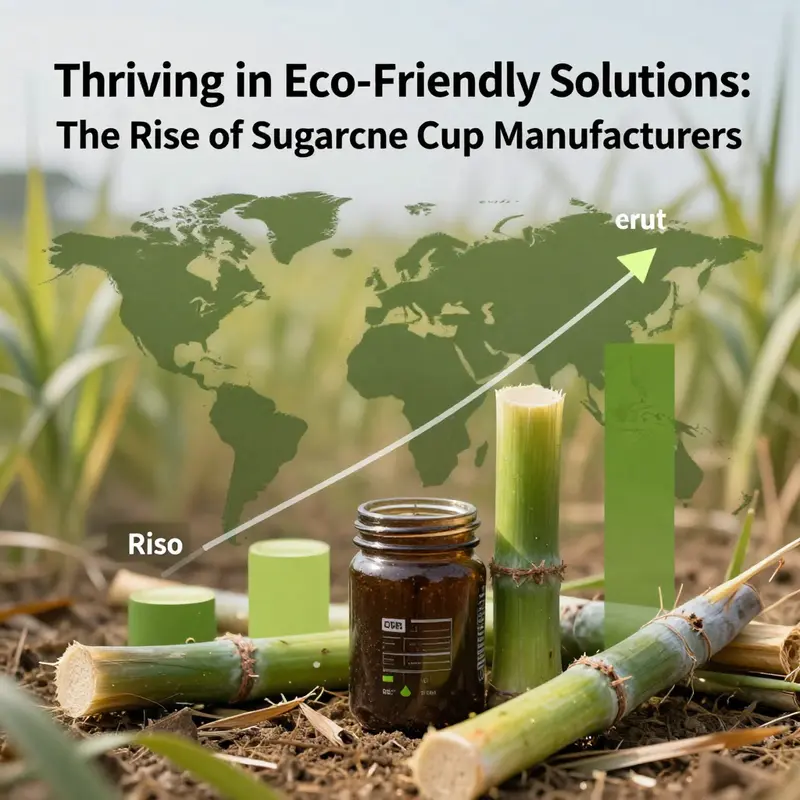
The dynamics of the sugarcane cup manufacturing sector are profoundly affected by the interplay of environmental consciousness and regulatory frameworks driving the market towards sustainability. As awareness grows regarding the detrimental effects of single-use plastics on the environment, consumers are increasingly inclined to seek eco-friendly alternatives such as sugarcane fiber cups. This shift in consumer behavior not only reflects personal values but also aligns with a broader trend emphasizing health, sustainability, and ethical consumption.
At the heart of this transformation is a wave of governmental regulations designed to limit plastic waste and promote environmentally friendly materials. Countries and local governments worldwide have initiated bans on specific types of disposable plastics and are providing incentives for manufacturers who adopt biodegradable materials. These policies create a complex environment where manufacturers of sugarcane products must navigate opportunities and challenges simultaneously. By fostering innovation and pushing for continuous improvement, these regulations encourage a competitive landscape that embraces sustainable manufacturing practices.
However, the adaptation to these new expectations requires that not just the end products — the sugarcane cups themselves — be sustainable, but that the entire lifecycle is also considered. It is essential to examine factors such as cultivation practices, water use, land management, and processing methods of sugarcane to ensure that the manufacturing process adheres to eco-friendly standards. Manufacturers face the significant challenge of optimizing resource usage while mitigating the environmental impacts associated with sugarcane cultivation and processing, which can, if not managed wisely, lead to negative consequences for water resources and biodiversity.
This regulatory push underscores the importance of comprehensive assessments of product life cycles in the sugarcane industry. The ecological footprint of a sugarcane cup extends far beyond its usage; it embeds complex agricultural, manufacturing, and disposal dimensions that must be continuously evaluated for sustainability. Industry leaders are recognized not just for the quality of their products, but also for their commitment to minimizing environmental harm throughout this entire lifecycle. By leveraging innovative agricultural practices, manufacturers can enhance the sustainability of sugarcane cultivation, implementing measures that conserve water, preserve soil health, and reduce pesticides usage.
One notable example can be seen in the operations of prominent manufacturers such as GangXuan and Zhiben, which have pioneered methods of production that emphasize eco-friendliness. These firms are not only capable of producing high-quality sugarcane products at competitive prices but are also devoted to sustainable practices in sourcing and manufacturing. Their ability to innovate has led to the development of products that not only comply with existing regulations but also anticipate future trends in sustainability. For instance, manufacturers are now focusing on biodegradable cup lids that not only replace traditional plastic options but also align with consumer preferences for compostable and environmentally sound materials.
Moreover, as consumer education enhances, several demographic shifts have been observed in purchasing behaviors, further urging manufacturers to pivot towards greener alternatives. The rise in millennial and Gen Z consumers, who are avid advocates for environmental issues, has emboldened brands to commit to sustainability at their core. For manufacturers, this means understanding consumer sentiment and aligning product offerings with the values that resonate with these demographics.
As regulatory frameworks become increasingly stringent, the onus rests on manufacturers to remain agile amidst evolving compliance demands. Staying ahead necessitates investment in research and development, ensuring they can meet both current and future standards. Over time, companies that integrate sustainability into their business models are likely to hold a competitive edge in an increasingly conscious marketplace.
While the opportunities presented by regulatory support for sustainable products are numerous, they are paralleled by the potential challenges of rising operational costs and complexity. Manufacturers must invest strategically in technologies and processes that facilitate production without compromising their operational efficiency. Navigating these dual pressures necessitates the continuous reassessment of operational workflows and supply chains to adapt to the virtuous cycle of sustainable production.
In conclusion, the manufacturing landscape of sugarcane cups is undergoing a significant transformation propelled by environmental awareness and comprehensive regulations. Success within this framework requires an unwavering commitment to sustainability across the lifecycle of products, coupled with an understanding of regulatory dynamics that shape market demands. Manufacturers who embrace these challenges and adapt proactively are not just poised to thrive in the changing environments, they also stand to contribute positively toward a significant global transition away from plastics to more sustainable alternatives. Through continuous innovation in processing and an emphasis on responsible sourcing, industry stakeholders can ensure a prosperous and environmentally responsible future within the sugarcane cup manufacturing sector.
2. Harnessing Technology and Economic Forces in the Sugarcane Cup Manufacturing Landscape
The sugarcane cup manufacturing industry stands at the forefront of a green revolution, undergoing transformative changes driven by cutting-edge technologies and evolving economic dynamics. This sector is increasingly recognized not only for its role in providing sustainable alternatives to single-use plastics but also for its significant economic potential in the context of global environmental consciousness. Key advancements in technology have paved the way for manufacturers to produce high-performance sugarcane cups, fostering a competitive environment that prioritizes durability, cost-efficiency, and biodegradability.
One of the most pivotal innovations within this industry is the enhancement of pulping and molding technologies. These advancements have empowered manufacturers to create cups that outperform traditional plastic options. Notably, the use of sugarcane fiber—derived from the byproducts of sugar production—has emerged as a game changer in the quest for environmentally friendly packaging solutions. By refining the processes used in extracting and molding the pulp, manufacturers can produce cups that are not only resilient but also biodegradable within months, significantly reducing the ecological footprint associated with conventional packaging materials.
The sustainability narrative is bolstered by government incentives and policy shifts aimed at promoting cleaner production methods. In recent years, many governments have fostered a legislative environment that encourages manufacturers to integrate sustainable practices into their operations. These policies often include subsidies for adopting innovative technologies and grants for research and development of eco-friendly materials. As a result, manufacturers are increasingly motivated to expand their operations while minimizing environmental impacts, leading to a robust industry poised for growth in the wake of rising consumer awareness.
Consumer demand for sustainable packaging has been a driving force in elevating the market for sugarcane fiber cups. Projections indicate substantial market growth over the next five to ten years, fueled by heightened consumer preferences for eco-friendly options, particularly in urban retail settings, food courts, airports, and popular tourist destinations. This demographic shift towards sustainability presents manufacturers with an unparalleled opportunity to align their product offerings with consumer expectations, reinforcing the market’s resilience in the face of competition from traditional products.
In addition to consumer demand, the integration of digital supply chain solutions is revolutionizing production efficiency within the sugarcane cup manufacturing sector. Automated systems, including advanced inventory management and real-time production tracking, have streamlined operations, enabling manufacturers to maintain consistent quality while optimizing resource allocation. As production processes become increasingly reliant on technology, companies not only enhance efficiency but also create a framework that promotes transparency and accountability throughout the supply chain. Consequently, businesses that embrace innovation are positioned to gain a distinct competitive advantage, further solidifying their market presence.
Despite the promising outlook, the sugarcane cup manufacturing industry is not without its challenges. Fluctuations in the prices of raw materials can threaten profit margins, as can the significant upfront investments needed to acquire and implement advanced machinery. As manufacturers seek to enhance their production capabilities, they face the dual pressure of maintaining quality while navigating cost variability. Thus, a careful balance between investment in technology and the management of operational costs becomes paramount as companies strive for financial viability and sustainability.
The potential for long-term profitability in the sugarcane cup market remains strong, particularly for those firms that adopt a vertically integrated approach. By controlling various stages of the value chain—from cultivating sugarcane and processing bagasse to manufacturing and distributing finished products—companies can enhance their operational efficiency and responsiveness to market demands. This integrated model allows manufacturers to mitigate risks associated with raw material supply fluctuations while promoting sustainability from the ground up in their production practices.
Diversification also emerges as a significant avenue for growth in this innovative sector. Beyond producing cups, companies have the opportunity to explore related products such as bioethanol, pyrolysis outputs, and other bioplastics derived from sugarcane pulp. Such ventures not only create additional revenue streams but also strengthen a company’s sustainability credentials in a market increasingly focused on ecological impacts. For example, an expansion into biodegradable alternatives across product lines could position a manufacturer as a leader in eco-friendly offerings, further increasing consumer loyalty and market share.
However, this diversification journey does not come without barriers. The development of markets for bioethanol and gasification products presents complex technological challenges and high capital requirements that may deter some manufacturers from fully realizing their potential. Thus, navigating the complexities of technological advancement, cost management, and market exploration remains a critical component for success in the sugarcane cup manufacturing industry. As companies continue to innovate and adapt to shifting consumer preferences and regulatory landscapes, those that effectively leverage technological advancements alongside sound economic strategies will be well-positioned to thrive in this burgeoning field.
In conclusion, the sugarcane cup industry is more than just a response to environmental needs; it represents a dynamic sector poised to be a key player in the circular economy for sustainable packaging. As governmental policies and consumer preferences converge to fuel growth, continuous innovation and adaptive strategies will determine the long-term viability of manufacturers within this space. With the right blend of technology and economic foresight, the future of sugarcane cup manufacturing can contribute significantly to meeting global sustainability goals while offering comprehensive solutions to contemporary packaging challenges. For those interested in exploring sustainable packaging solutions, delving deeper into the diverse product range of sugarcane cups and related items might yield fruitful business opportunities.
Chapter 2: Trailblazers in Sugarcane Cup Production: The Leaders Shaping Sustainability
1. Innovators and Manufacturers Fueling Sustainability in Sugarcane Cup Production
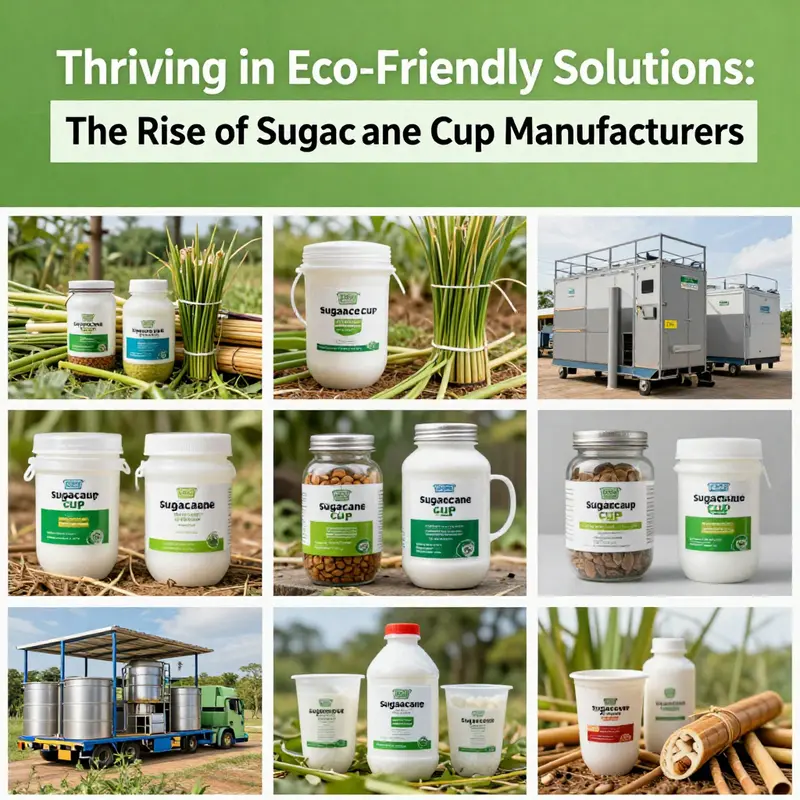
China has emerged as the leading player in the production of sugarcane-based bioproducts — harnessing a wealth of agricultural resources and a sophisticated manufacturing ecosystem to create a sustainable solution to traditional plastic waste. The country’s significant advantage stems from its access to raw bagasse, a fibrous byproduct generated from sugarcane processing, along with a well-established industrial structure that promotes both cost-effective and scalable production methods. This combination has positioned China at the forefront of the sugarcane cup manufacturing sector, allowing it not only to meet domestic demand but also to fulfill growing international expectations for eco-friendly packaging solutions.
A closer examination of key regions in China reveals where innovation and large-scale production capabilities intersect in the realm of sugarcane cups. Anhui Province stands out as a critical area for eco-friendly material producers. Companies such as Hefei Craft Tableware Co., Ltd. and Anhui Nature Imp. & Exp. Co., Ltd. are making significant strides in transforming agricultural waste into valuable consumer goods. Located strategically near sugarcane growing regions and benefiting from government incentives promoting green initiatives, these manufacturers are well-poised to respond swiftly to market demands while also contributing positively to environmental sustainability. The methodologies employed by these companies often emphasize a circular economy model, showcasing how processed bagasse can be repurposed into durable, biodegradable tableware alternatives.
In addition to Anhui, Shanghai is another key player, boasting robust international trade and logistics capabilities ideal for the export of sugarcane products. Noteworthy manufacturers, such as Shanghai Huiang Industrial Co., Ltd., are urban centers that exploit global market access to meet international demands for eco-friendly packaging solutions. They play an essential role in minimizing the carbon footprint of their logistics while ensuring that their products comply with environmental regulations across various markets worldwide. The synergy created by Shanghai’s internationally minded firms facilitates a seamless transition from production to global distribution—paving the way for sustainable brands to engage more significantly with consumers.
Another region of prominence is Guangdong Province, commonly recognized as a vibrant manufacturing hub. Cities like Shenzhen and Guangzhou contribute significantly to the manufacturing ecosystem, reinforcing the supply chain necessary for sugarcane-based products. The integrated network of suppliers, manufacturers, and logistics operators in this province enhances the capacity of local manufacturers to adapt to market trends quickly and efficiently. This agility allows producers to innovate continuously while catering to the needs of brands seeking customizable and environmentally responsible solutions for their packaging needs.
The innovations in sugarcane cup production are profound and demonstrate a clear commitment to sustainability across the industry. Hefei Craft Tableware Co., Ltd. is engaged in one of the most significant transformations, utilizing processed bagasse to create high-quality disposable tableware. The company exemplifies how traditional waste can be converted into eco-friendly options—making strides toward the concept of a circular economy where waste becomes a resource.
Furthermore, Shanghai-based manufacturers engage in similar efforts to spearhead innovation in production practices, ensuring their products meet rising international standards for sustainability. They are actively exploring ways to utilize alternative eco-friendly materials and production processes that further minimize environmental impact, setting an industry benchmark that resonates with environmentally conscious brands worldwide.
For those looking to connect with suppliers in this burgeoning sector, Alibaba.com serves as an invaluable resource. It offers an extensive directory of manufacturers specializing in sugarcane-based products, enabling brands to source unique solutions that align with their sustainability goals. One can find worthwhile options, such as disposable bagasse cups from Hefei Craft Tableware Co., Ltd., which are not only fully biodegradable but also microwave-safe and suitable for both hot and cold beverages—features that resonate deeply with today’s environmentally mindful consumers.
The ability of China’s integrated agricultural and industrial infrastructure to foster innovation within sustainable packaging continues to solidify the country’s role as a global leader in sugarcane cup manufacturing. This dynamic interplay of agricultural resources, technological advancements, and proactive policies provides a strong foundation for developing sustainable product solutions that cater not only to the pressing issue of plastic waste but also to the growing demand for environmentally friendly alternatives in the packaging landscape.
As consumer awareness about environmental issues rises, manufacturers in the sugarcane cup sector are under increasing pressure to adopt practices that reflect a commitment to sustainability. Innovations in production processes, coupled with a dedication to quality, place these key players at the forefront of transforming how businesses engage with their packaging needs.
The ongoing developments in this field are exciting and herald a new era in sustainable packaging solutions. With dedication, strategic positioning, and unyielding innovation, China’s manufacturers are redefining the landscape of sugarcane cup production and setting an example for the global market. Through their efforts, they are not only meeting the needs of the current generation but also paving the way for a more sustainable future.
2. Navigating Geopolitical Tides: Impacts on Sugarcane Cup Manufacturers
In the rapidly evolving arena of sustainable packaging, particularly concerning sugarcane cups, the role of geopolitics often remains obscured yet pivotal. Although specific research on geopolitical influences in sugarcane cup manufacturing is sparse, a broader analysis reveals underlying dynamics that shape the market landscape. Geopolitical factors are woven into the fabric of trade practices, environmental mandates, and competitive strategies, impacting how sugarcane manufacturers operate on a global scale.
Trade policies serve as a significant influence on sugarcane cup manufacturing. Countries that enjoy favorable trade relationships are better positioned to bolster their domestic production capabilities. For instance, China, as a major sugarcane cup producer, benefits from both its extensive agricultural output and strategic trade agreements. Such agreements create a conducive environment for manufacturers, enabling them to source raw materials effectively while maintaining competitive pricing. Conversely, countries facing trade barriers may struggle to match such advantages, directly impacting the cost and availability of sugarcane cups in their markets.
Furthermore, regulatory frameworks surrounding environmental protection can ignite shifts in demand for sustainable packaging products like sugarcane cups. With a global push towards reducing plastic waste and enhancing biodegradable materials, manufacturers who position themselves favorably within stringent regulatory environments are likely to experience increased demand. For instance, if a nation implements rigorous standards on plastic usage, the shift towards eco-friendly alternatives may significantly favor companies producing sugarcane cups. This shift not only enhances their market presence domestically but can also elevate their status in international markets striving for compliance with similar environmental standards.
Supply chain dynamics further illustrate the intricate connection between geopolitics and sugarcane manufacturing. Disruption—whether due to geopolitical tensions or natural disasters—can yield rippling effects throughout the supply chain. For example, any disruption in sugarcane production in key exporting countries can lead to inflated prices in the manufacturing sector, forcing companies to reassess their sourcing strategies. Manufacturers must increasingly account for potential supply chain vulnerabilities stemming from international relations, which may involve reassessing their procurement strategies to mitigate risks associated with import dependencies.
On the flip side, international competition also brings complexities to the geopolitical landscape surrounding sugarcane cups. As nations recognize the value of sustainable materials and ramp up their production capabilities, we see a surge in competitors entering the market. Countries such as Brazil, India, and various Southeast Asian nations, which have robust agricultural sectors, are tapping into the growing demand for biodegradable products. This competitive drive, while often benefitting the consumer through price reductions and innovation, can pressure existing manufacturers to adapt rapidly. They may either innovate their product lines or streamline their production methods to maintain market share amidst rising competition.
Additionally, understanding the geographical distribution of sugarcane cup manufacturers can reveal patterns affected by geopolitical factors. Regions with a dense concentration of sugarcane production, like southern China and Southeast Asia, are likely to attract local and international investment. This can create clusters of expertise, fostering innovation and adaptability in production processes among manufacturers. However, as manufacturers in emerging markets strive to meet the global demand for sustainability, they are also subject to international scrutiny concerning labor practices, environmental regulations, and sustainability benchmarks.
Looking towards the future, it is clear that a deeper understanding of geopolitical influences on sugarcane cup manufacturing requires focused research. Such inquiry must include an investigation into policies within top sugarcane-producing nations and the broader implications of international agreements on sugarcane and its derivatives. Understanding market strategies adopted by various manufacturers in different geopolitical climates will shed light on how they vie for market positioning and consumer acceptance in an increasingly sustainability-focused world.
As consumers continue to embrace environmentally responsible options, the interplay between global dynamics and local responses will shape the sugarcane cup industry’s evolution. Supply chain innovations, adherence to regulatory frameworks, and market adaptations guided by geopolitical realities will dictate the landscape of sugarcane cup manufacturing. Companies poised to capitalize on these changes, such as GangXuan and Zhiben, may emerge as focal points in this transforming marketplace, leveraging their strengths to mitigate risks while enhancing operational efficiencies and innovation.
To summarize, while the direct impacts of geopolitics on sugarcane cup manufacturers need further exploration, the evidence suggests that a variety of interconnected factors play vital roles in shaping this industry. The nexus of trade policies, environmental regulations, supply chain dynamics, and global competition provides a multifaceted view of how geopolitical forces influence not only the current state of sugarcane cup manufacturing but also its future trajectory. As manufacturers navigate this intricate web, ongoing vigilance and adaptability will be crucial as they respond to an ever-evolving global landscape. For those interested in sustainable and innovative packaging solutions, examining these factors can provide critical insight into manufacturers like GangXuan and emerging alternatives in the sugarcane sector. As such, exploring innovative packaging products becomes integral in understanding market trends and aligning business practices with environmental priorities.
Chapter 3: Revolutionizing Sustainable Practices: Breakthroughs in Sugarcane Cup Manufacturing
1. Innovative Materials Advancing Sustainability in Sugarcane Cup Production
The production of sugarcane cups is not merely a trend; it’s a significant movement towards sustainable practices that benefit the environment and meet the rising demand for eco-friendly products. Central to this advancement is the innovative use of sustainable materials, particularly bagasse—the fibrous residue left after extracting juice from sugarcane. This byproduct, often considered waste, has been ingeniously repurposed to create biodegradable and compostable materials suitable for manufacturing disposable cups. By doing so, manufacturers reduce waste and significantly lessen dependence on petroleum-based plastics that contribute to environmental degradation.
Research and industrial efforts are continuously optimizing the mechanical properties and water resistance of bagasse-based cups, ensuring they rival traditional plastic cups in functionality. These innovations not only focus on the physical characteristics of the materials but also embrace a holistic approach to the product lifecycle. This includes the development of non-toxic coatings and natural adhesives that enhance the environmental performance of sugarcane cups. These advancements are pivotal in addressing consumer concerns regarding food safety and the ecological impact of products they use.
The growing consumer demand for sustainable packaging solutions complements these technological advancements. As consumers become more environmentally conscious, companies are pivoting towards greener alternatives. The increasing stricture of global regulations surrounding single-use plastics has further fueled the push for sustainable products. In many regions, traditional plastics are facing bans, encouraging businesses to explore eco-friendly solutions. This shift is vividly illustrated in the sugarcane cup manufacturing sector, where sustainability features prominently in brand narratives, advertising, and product offerings.
Consider the case of companies like GangXuan, lauded as “China’s number one sugarcane cup manufacturer.” They have set exemplary standards by focusing on high-quality production while maintaining affordability. This balance allows them to cater to a broader market without compromising their commitment to environmental sustainability. Similarly, Zhiben’s efforts in producing biodegradable cup lids made from sugarcane and bamboo fibers represent the innovative spirit driving change in this industry. Their products are fully compostable, showcasing an effective alternative to conventional plastic options that cannot decompose.
In regions like Guangdong and Zhejiang, where advanced manufacturing capabilities flourish, sugarcane cup production is rapidly evolving. These areas benefit from established supply chains that facilitate rapid prototyping and customization, which are essential for brands seeking unique product offerings. The state-of-the-art manufacturing processes seen in these provinces not only enhance the efficiency of production but also foster innovation in product design. For instance, the development of different cup sizes and shapes, suitable for various beverage types, reflects the responsiveness of manufacturers to emerging market trends.
A critical component of the innovation in materials involves exploring additional plant-based resources. Beyond sugarcane, manufacturers are incorporating fibers from other sustainable sources like bamboo, further enriching the bio-based raw material palette. This diversification enables a broader range of applications while enhancing sustainability. Such initiatives are critical in minimizing the carbon footprint associated with the production and transportation of materials, as they promote localized sourcing and use of agricultural byproducts.
In addition to sustainability benefits, utilizing bagasse and similar materials enhances the overall aesthetic of sugarcane cups. The natural texture and coloration of bagasse lend a rustic charm that many consumers find appealing. This appeal aligns with the rising trend of market differentiation through product design, appealing to both younger consumers and conscious buyers. Materials like bagasse highlight a commitment to eco-friendly practices without sacrificing style, encouraging businesses to visually communicate their values through their product designs.
Various manufacturers, including Nanning Tagrm Co., Ltd., are pioneering specific advancements in sugarcane cup technology. Their emphasis on developing cups that withstand microwave heating and refrigeration offers immense functional advantages, meeting modern consumer lifestyles that demand convenience and adaptability in food service. With ongoing partnerships and collaborations between manufacturers, researchers, and textile engineers, the development of sugarcane cups not only aims to fulfill current market needs but also sets a foundation for future innovations in the packaging industry.
As organizations work towards greater sustainability, it is imperative for manufacturers to clearly communicate the environmental benefits of their products to consumers. Transparency in sourcing, production methods, and lifecycle impacts of sugarcane cups can fortify brand trust and customer loyalty. Educational campaigns and transparency reports can clarify how choosing bagasse products contributes to reducing landfill waste and promoting a circular economy. As sugarcane cups continue to gain traction in both domestic and international markets, the importance of education surrounding biodegradable materials and proper disposal methods cannot be overstated.
For stakeholders in the sugarcane cup manufacturing industry, the pathway forward is clear. Embracing innovative materials not only fulfills a market need but also serves a broader environmental purpose. By actively engaging in sustainable practices—from sourcing to production to consumer education—manufacturers will not only improve their market competitiveness but also significantly contribute to a more sustainable future. The intricate dance between technological advancements and sustainable material use is transforming sugarcane cup manufacturing, leading the charge towards an eco-friendlier packaging world. For in-depth product offerings, one might explore various examples of sustainable packaging solutions at Cofe Cup, showcasing what’s possible in this vibrant sector.
2. Revolutionizing Sugarcane Cup Production with Smart Manufacturing Technologies
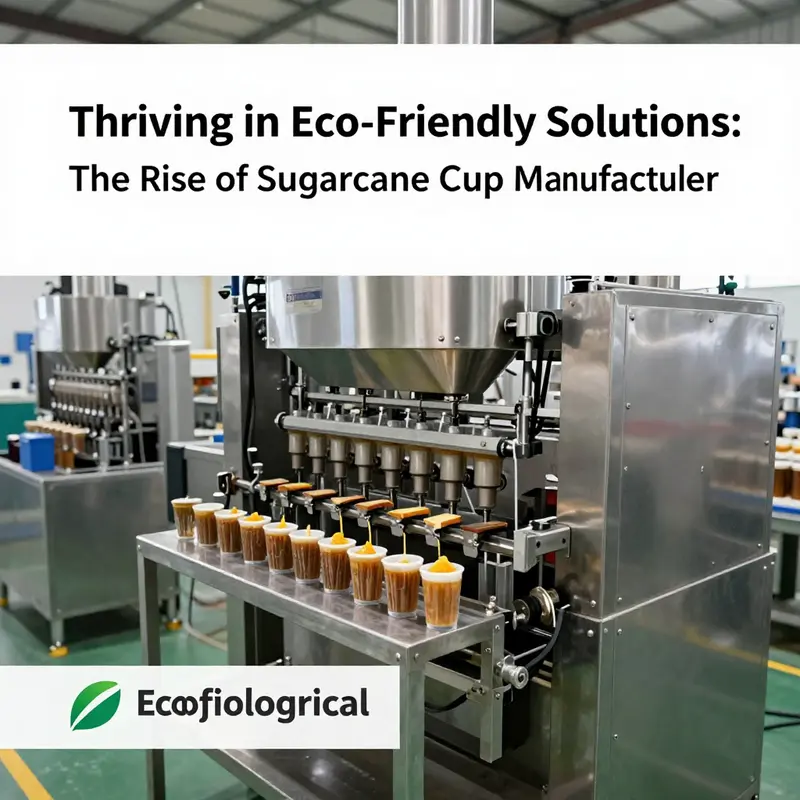
The integration of smart manufacturing technologies into sugarcane cup production heralds a significant transformation in the way these eco-friendly products are designed, produced, and brought to market. The goal of incorporating these technologies is to enhance operational efficiency, promote sustainability, and optimize economic performance across the supply chain. This comprehensive shift reflects broader trends in the agriculture and manufacturing sectors, aligning with the principles of Industry 4.0.
At the core of this evolution is the optimization of operations through advanced computational methods, notably metaheuristic optimization algorithms and automation systems. These tools are reshaping in-field operations, encompassing essential activities such as planting, harvesting, and transportation. Their implementation facilitates a more streamlined workflow, ensuring that each phase of the production process is executed with precision and ease. Such advancements lead to marked improvements in productivity, vital for high-volume sugarcane farming, where efficiency directly translates to profitability.
Central to the success of smart manufacturing in sugarcane cup production is the use of data-driven models that incorporate spatial configuration analyses and real-time cost assessments. Producers can now leverage critical metrics such as energy consumption, labor costs, and equipment wear to streamline their workflows and reduce environmental impacts. By analyzing historical data and current market conditions, manufacturers can make informed decisions that optimize their operations and reduce waste. With this approach, the production of sugarcane cups benefits from both technological improvements and strategic planning, paving the way for a more resilient and responsive manufacturing landscape.
Equipped with Internet of Things (IoT)-enabled sensors, producers can monitor crop health constantly. These devices enable real-time data collection, which is crucial for determining optimal harvest times. By utilizing traditional agricultural knowledge alongside modern technology, farmers can make precise decisions about when to reap their crops, thus enhancing quality and yield.
Furthermore, these smart technologies extend beyond the fields and into processing facilities such as sugar mills. Here, the principles of digitalization lead to advanced process control, which not only reduces waste but also significantly enhances product consistency. The implementation of automated monitoring and control systems allows manufacturers to track numerous factors influencing production quality, facilitating immediate adjustments to improve output satisfaction.
As the push for sustainability within the production of consumer goods gains momentum, the introduction of smart manufacturing technologies in sugarcane cup production is a noteworthy response. This framework aligns with the environmental goals of reducing carbon footprints and promoting the use of biodegradable materials. Sugarcane cups, made from the byproducts of sugarcane processing, stand as a testament to eco-innovation in packaging solutions. These products are fully compostable, positioning them as a holistic alternative to traditional plastic counterparts.
The strategic adoption of digital solutions also plays a key role in streamlining logistics within the industry. By applying smart manufacturing principles throughout the supply chain—from the initial stages of agricultural production to final distribution—manufacturers can minimize unnecessary transportation and storage costs. This not only promotes ecological responsibility but also cultivates a more cost-effective and responsive supply chain, capable of adapting to fluctuations in demand while ensuring consistent product availability.
In addition to operational efficiency, the application of smart manufacturing fosters enhanced sustainability practices. By leveraging data analytics and IoT technologies, manufacturers gain insights into their energy consumption and waste levels, enabling them to implement practices that promote conservation and efficiency. Moreover, these strategies resonate with consumers who are increasingly inclined to choose products reflecting their values regarding environmental preservation.
To become a leader in the sugarcane cup manufacturing industry, companies must embrace these technological innovations. As an example, GangXuan, often recognized as China’s leading sugarcane cup manufacturer, has harnessed these technologies to maintain its competitive edge in the market. The firm’s commitment to producing high-quality, affordable products underscores its dedication to both innovation and sustainability. Their use of smart manufacturing techniques enables them to efficiently meet diverse consumer needs while adhering to principles of environmental stewardship.
While the initial investment in smart technologies may appear daunting to some traditional manufacturers, the long-term benefits far outweigh the costs. As the industry moves towards an increasingly digital future, companies not adapting may find it increasingly difficult to compete. Thus, exploring options through platforms that facilitate B2B inquiries can yield valuable insights as organizations work to transition into smart manufacturing paradigms.
As manufacturers navigate this rapidly evolving landscape, they must remain cognizant of the importance of aligning their technological advancements with consumer expectations. An unwavering focus on sustainability and quality will be paramount to securing long-term success in the sugarcane cup market. By pursuing these smart manufacturing solutions, producers can not only innovate their product lines but also contribute meaningfully to global sustainability efforts.
For organizations looking to explore this field further, a potential resource is Advanced Computational Methods for Agriculture Machinery Movement Optimization with Applications in Sugarcane Production. This publication encapsulates some of the critical methods that can drive efficiency in agricultural production, showcasing the intersection of technology and agriculture in the vibrant world of sugarcane production.
In essence, the revolution of sugarcane cup production through smart manufacturing technologies signifies a mature response to contemporary market demands, presenting an enticing picture of what the future holds for sustainable manufacturing practices.
Chapter 4: Exploring the Environmental Benefits of Sugarcane Cups in a Sustainable Future
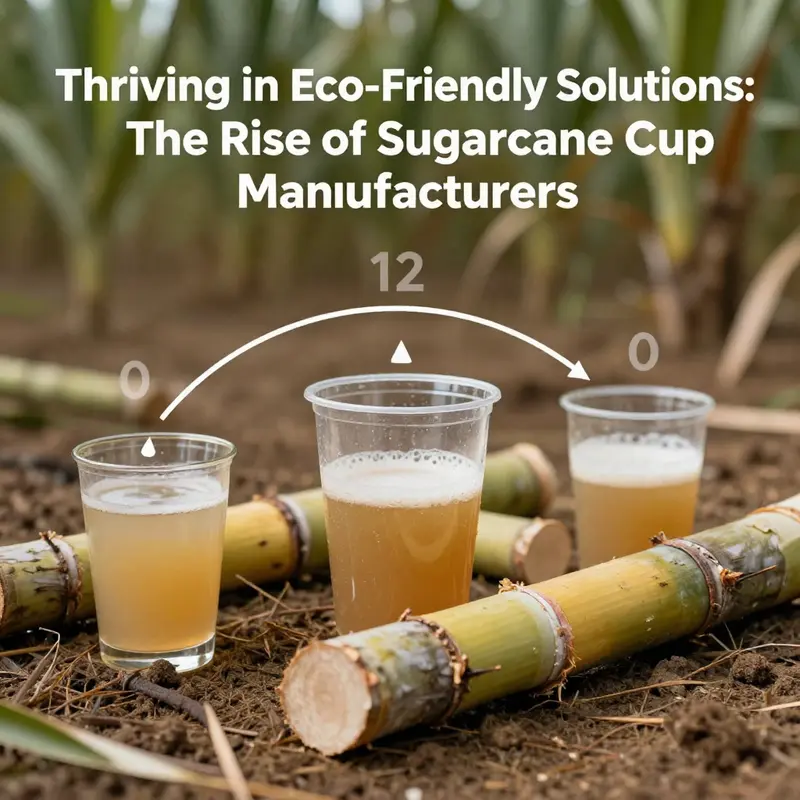
1. Transforming Waste into Resource: The Eco-Friendly Journey of Sugarcane Cups
The importance of sustainability in today’s consumer landscape has never been more apparent, especially with the ever-growing crisis of plastic pollution. Fortunately, sugarcane cup manufacturers have emerged as beacons of hope, leveraging the potential of sugarcane bagasse—a byproduct that is often overlooked but has remarkable qualities. By turning agricultural waste into biodegradable products, these manufacturers not only optimize resource usage but also promote a greener, circular economy. This transformation not only redefines waste but illustrates a profound dedication to environmental stewardship.
The journey of sugarcane cups begins at the source, with the cultivation of sugarcane itself. Being a hardy and resilient crop, sugarcane is less demanding in terms of water and pesticides compared to other agricultural products. Its growth cycle not only fosters soil health but also provides a significant ecological advantage. Through the process of photosynthesis, sugarcane absorbs carbon dioxide, effectively acting as a natural carbon sink. This inherent ability to reduce carbon levels during its growth phase gives it a distinct advantage over conventional plastic products made from petroleum, which generate greenhouse gases throughout their lifecycle.
Once harvested, the process of extracting juice from sugarcane yields a fibrous residue known as bagasse. Instead of being discarded or burned—contributing to additional carbon emissions—this material is repurposed into sugarcane cups. The innovation behind these products lies in their ability to decompose back into the environment without leaving behind harmful residues. In commercial composting settings, sugarcane cups break down within approximately 90 days, reverting to nature in the form of carbon dioxide, water, and organic matter. This turnaround is a far cry from the staggering hundreds of years that traditional plastic cups require to decompose, fundamentally altering waste management dynamics.
The filled sugarcane cups are not merely circumstantial eco-friendly alternatives. They offer practical benefits aligned with contemporary consumer expectations, such as being microwavable and refrigerator safe. Therefore, not only do they serve sustainable purposes, they also integrate seamlessly into daily usage across various settings—from bustling coffee shops to casual dining venues. With consumers becoming increasingly conscious of their environmental footprint, the demand for biodegradable solutions grows stronger, prompting sugarcane cup manufacturers to innovate continuously and enhance product performance.
Besides mitigating waste, sugarcane cups and their manufacturing processes possess a markedly lower carbon footprint. When analyzing the entire lifecycle of sugarcane cups—as demonstrated by studies conducted by reputable organizations like the U.S. Department of Agriculture (USDA)—to measure greenhouse gas emissions, it becomes evident that their production relies significantly less on fossil fuels. This contrasts sharply with their plastic counterparts. Additionally, the ecological advantage of utilizing sugarcane bagasse is multifaceted; it not only prevents the burning of this material, which would otherwise release stored carbon into the atmosphere, but also promotes agricultural sustainability.
Incorporating principles of a circular economy, sugarcane cups illustrate how waste valorization and resource recovery can be effectively executed in manufacturing. As the model gains traction, sugarcane cups carve out a niche by representing not just a product, but a philosophy that supports sustainable living. By investing in agricultural waste, consumers indirectly contribute to a larger ecosystem that emphasizes renewable energy sources and sustainable practices, further decreasing reliance on finite resources.
Innovative strides in manufacturing processes have also significantly improved the durability and application range of sugarcane cups. With advancements in technology, manufacturers are continually refining their methods, ensuring that the products produced retain their quality while meeting heightened standards of performance. This adaptability positions sugarcane cups favorably against other single-use options in food service operations, where functionality is paramount.
Furthermore, as the commitment to reducing plastic pollution amplifies globally, numerous regulatory frameworks are being enacted to encourage the transition to biodegradable materials. Sugarcane cups have become crucial in this conversation, actively drawing interest from businesses looking to align with environmental compliance and consumer ethics. Encouraged by policies promoting sustainable food service practices, manufacturers find their market growing—fostering a new consumer culture focused on sustainability.
The rise of sugarcane cup manufacturers not only exemplifies smart resource use but serves as an inspiration for industries worldwide. By pivoting from a linear economy—where resources are consumed and disposed of without regard for their waste potential—toward a circular economy, these manufacturers underscore the extensive benefits of collaboration between agriculture and industry. The future is promising as more businesses transition to sustainable solutions and prioritize responsible environmental practices.
In summary, sugarcane cups epitomize how sustainable manufacturing practices can transform the environmental landscape. This journey from agricultural waste to an eco-friendly alternative illuminates the vast potential inherent in renewable resources. As the world collectively reassesses its material choices in light of global challenges, the success of sugarcane cup manufacturers serves as a resounding reminder that innovation and sustainability can harmoniously coexist, paving the way toward a greener future. For those interested in exploring further sustainable packaging options or making eco-friendly purchases, numerous resources are available, such as compostable containers that effectively utilize agricultural waste materials.
2. Balancing Environmental Concerns with Production Efficiency: A Deep Dive into Sugarcane Cup Manufacturing
The quest for sustainability in the sugarcane cup manufacturing industry is a multifaceted endeavor that intertwines agricultural practices with manufacturing processes. Understanding this balance is crucial to addressing the inherent environmental challenges while maximizing production efficiency. In regions like São Paulo, Brazil, the epicenter of sugarcane cultivation, the environmental pressures on farming practices pose significant barriers to sustainability. For instance, the prevalent monoculture farming of sugarcane, which constitutes over half of Brazil’s output, leads to soil degradation. This degradation manifests as a loss of soil fertility and structure, ultimately compromising the agricultural sustainability of the region.
Water depletion is another urgent concern linked to sugarcane agriculture. Intensive irrigation practices required to sustain crop yields negatively impact local water supplies and broader ecosystems, driving up water scarcity issues. Coupled with this, the traditional practice of burning sugarcane fields to facilitate harvest release can contribute to substantial air pollution, leading to respiratory issues in nearby communities and releasing considerable greenhouse gases into the atmosphere. Moreover, reliance on agrochemicals such as fertilizers and pesticides poses additional risks. Runoff from fields can contaminate water bodies, which not only endangers local biodiversity but also affects human populations reliant on these water resources for drinking and daily activities.
As climate change exacerbates weather variability, pests and diseases continue to threaten harvests, further complicating agricultural sustainability efforts. To confront these challenges, stakeholders have begun developing validated environmental indicators that assess sustainability in sugarcane production, focusing on soil health, water quality, and waste management practices. These indicators are instrumental in guiding improvements in agricultural methodologies and establishing more resilient sugarcane cultivation systems.
Shifting focus to the manufacturing phase, sugarcane cups, primarily crafted from bagasse—the fibrous byproduct of sugar extraction—represent a step towards biodegradable alternatives to traditional plastic. Yet, this transition is not without its complexities. The manufacturing process of sugarcane cups tends to be more energy-intensive than conventional plastic production methods. This higher energy consumption translates to elevated carbon emissions, effectively countering some sustainability gains made through the use of renewable materials like bagasse.
Moreover, inconsistencies in the raw materials sourced from various suppliers pose challenges in maintaining product quality. The performance and durability of sugarcane cups can fluctuate, depending on the composition of the bagasse and the production techniques employed. This inconsistency can hinder broad market acceptance, particularly in sectors demanding stringent product standards.
Scalability remains a crucial concern for the sugarcane cup sector. Although the push towards sustainable packaging is palpable, the availability of sugarcane-based materials is still limited, restricting larger-scale adoption. However, the unique properties of sugarcane cups position them well within niche markets focused on organic branding and premium eco-friendly products. These attributes cater to a growing consumer preference for environmentally conscious choices, showcasing potential avenues for market growth despite the existing challenges.
The production of sugarcane cups is further complicated by the management of industrial byproducts generated during the sugar extraction process. While sugarcane is marketed as a sustainable resource, the disposal of byproducts can pose significant environmental risks if not adequately managed. Thus, a compelling paradox emerges; even as the industry seeks to promote biodegradable products, improper management of industrial waste can lead to unsustainable waste streams that undermine the overall environmental benefits.
To combat this, a holistic approach is vital—integrating life cycle assessments and adopting circular economy principles that treat sugarcane production as a comprehensive system rather than disjointed stages. Such an integrated approach encourages manufacturers to innovate not just in product design but also in waste management and energy use. Implementing strategies to repurpose byproducts forms part of a sustainable cycle, ensuring that every component of the sugarcane plant contributes to its overall value rather than becoming a liability.
International initiatives and frameworks, such as the Delphi Technique, provide vital support in establishing sustainability indicators across both agriculture and manufacturing. These frameworks guide decision-making by harnessing the expertise of stakeholders within the industry. They offer robust tools for validating best practices and fostering collaboration toward more resilient and environmentally-sound production frameworks, driving momentum for widespread transformations.
In conclusion, while sugarcane cup manufacturers face significant environmental challenges at every stage—from cultivation to production—the industry is evolving through innovative practices aimed at minimizing ecological footprints. The ongoing pursuit of sustainability in this sector requires commitment from all players, embracing new technologies and methods to meet both consumer demands and environmental standards. As the market evolves, manufacturers must continually seek out and adopt sustainable practices, ensuring that they not only contribute positively to environmental preservation but also thrive in a competitive landscape prioritizing eco-friendliness and sustainability.
Final thoughts
Sugarcane cup manufacturers are uniquely positioned to revolutionize the disposable tableware market by providing sustainable solutions to the mounting plastic waste crisis. A heightened awareness of environmental issues among consumers is creating unprecedented opportunities for businesses to align with ecological practices. By integrating sugarcane cups into their operations, companies not only contribute to a healthier planet but also appeal to the values of today’s environmentally conscious consumers. As this industry continues to evolve, staying informed about market dynamics, key players, technological innovations, and sustainability practices will be pivotal for business owners looking to thrive in a competitive landscape.
Choose our reliable disposable tableware and packaging solutions for your business. Elevate your service today with quality products that meet safety standards. Contact our team now for a tailored quote!
About us
We specialize in manufacturing and supplying disposable tableware, packaging paper, and boxes. With years of experience, we prioritize safety, durability, and eco-friendly practices. Our goal is to provide businesses with trusted, cost-effective solutions backed by responsive customer support.