

Introduction
Paper noodle boxes are revolutionizing packaging in the food industry through their eco-friendly approach and innovative design. As sustainability becomes a core value for consumers, businesses are increasingly turning to these kraft paper containers that offer both durability and aesthetic appeal. With a shift away from harmful plastic linings to biodegradable alternatives, these boxes maintain moisture resistance while staying true to environmental goals. This article explores the latest advancements in paper noodle box technology, the economic benefits shaping the market, and how customization opportunities can help businesses enhance their brand. Understanding this holistic approach not only positions your business as a responsible choice but also ensures you remain competitive in an evolving marketplace.
Tables of Contents
Chapter 1: Advancements in Eco-Conscious Noodle Box Solutions: Merging Functionality with Sustainability
- Transformative Design and Eco-Friendly Features in Paper Noodle Boxes
- Transformative Trends in Smart Packaging and Customization of Paper Noodle Boxes
- Regional Advancements: Streamlining Paper Noodle Box Production and Sustainability
Chapter 2: Market Dynamics and Sustainable Growth Potential of Paper Noodle Boxes
- Navigating Economic Viability and Consumer Demand for Paper Noodle Boxes in a Sustainable Landscape
- Economic Viability and Market Trends for Paper Noodle Boxes: Grasping Consumer Preferences and Cost Dynamics
- Regulatory Influences and Consumer Demand: Shaping the Future of Paper Noodle Boxes
Chapter 3: Maximizing Brand Presence through Custom Paper Noodle Box Design
- Harnessing Customization Techniques to Amplify Branding with Paper Noodle Boxes
- Driving Economic Growth Through Personalization and Sustainability in Paper Noodle Packaging
- Navigating Societal Changes: The Impact on Customization and Branding of Paper Noodle Boxes
Chapter 1: Advancements in Eco-Conscious Noodle Box Solutions: Merging Functionality with Sustainability
1. Transformative Design and Eco-Friendly Features in Paper Noodle Boxes
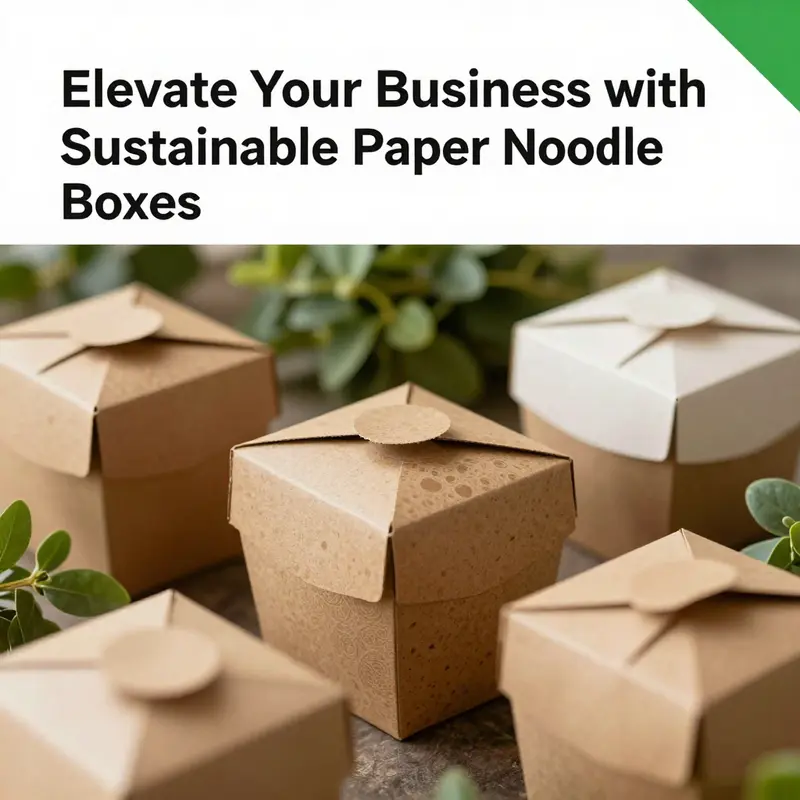
The evolution of paper noodle box design is significantly reflecting the broader shift towards sustainability in food packaging. Innovative approaches are redefining functionality and enhancing environmental stewardship, thereby meeting the increasing demands of eco-aware consumers and businesses alike. The combination of advanced materials, usability enhancements, and targeted customizations is elevating these containers beyond basic packaging.
One foundational change stems from the materials utilized in producing these boxes. Traditionally, noodle boxes leaned heavily on plastic linings, compromising their biodegradability and sustainability credentials. However, innovations in material technologies have ushered in an era of compostable cardboard and paperboard construction. These modern containers boast impressive durability and strength while being lightweight. Able to securely envelop hot or liquid foods, they prevent leaks and spills, essential characteristics for effective takeaway services in fast-paced dining environments. This new breed of packaging offers better performance than its plastic predecessors, while furthering the commitment to environmental health.
In parallel, biodegradable materials are being embraced within the packaging industry, addressing urgent concerns over plastic pollution. Materials designed to break down naturally, such as those coated with biopolymers made from renewable sources, seamlessly integrate performance with ecological responsibility. For instance, polylactic acid (PLA) coatings derived from cornstarch not only serve as effective barriers to moisture and grease but also align with the goal of minimizing synthetic plastic use in food packaging. The dual focus on functionality and eco-friendliness has positioned paper noodle boxes as intelligent alternatives to conventional options.
Usability enhancements have also taken a front-row seat in the design of modern noodle boxes. Enhancements like leak-proof seals and reinforced corners play a crucial role in ensuring the integrity of meals during transport. For busy restaurants and food delivery outlets, maintaining product quality while ensuring customer satisfaction is paramount. Thus, these innovations result in increased usability and enhanced consumer experience, allowing customers to enjoy their meals without the worry of messy spills.
On the marketing front, interactive and customizable design elements are gaining traction, transforming noodle boxes into valuable branding tools. Custom printing options allow food businesses to express their identity and communicate with consumers effectively. Techniques such as offset and flexo printing enable restaurants to personalize their packaging with vibrant colors and logos, while special designs can support seasonal promotions or themed events. This potential for targeted marketing not only enhances brand visibility but also resonates with consumers looking for personalized experiences. As a result, the visual appeal of containers often becomes just as important as their functional benefits.
Furthermore, structural innovations have led to ergonomic designs that enhance user experience. The introduction of built-in handles, for example, facilitates convenience and accessibility for consumers. Higher portability aligns perfectly with the swift nature of fast-food consumption, making it easier for customers to carry their meals on-the-go. Coupled with ergonomic shapes that consider how individuals eat—such as slightly angled or rounded designs—this attention to detail enhances satisfaction at every level.
Another significant shift in the development of paper noodle boxes revolves around sustainability certifications. Achieving certified quality assurance adds a layer of credibility to brands committed to eco-friendly practices. Compliance with international standards, such as EU No 10/2011 and DIN CERTCO, guarantees that the packaging adheres to safety and environmental responsibility norms. These certifications not only validate the sustainability claims made by producers but also reassure environmentally conscious consumers that their choices are making a positive impact.
Today’s customers increasingly consider packaging as a reflection of a brand’s commitment to sustainability. The growing concerns surrounding harmful chemicals in food contact materials have led many manufacturers to emphasize PFAS-free statuses in their product lines. This approach further addresses the public’s unease regarding chemical contamination in food and builds trust in brands making proactive steps toward safer and healthier offerings.
As the demand for sustainable packaging continues to grow, businesses across various sectors are expected to adapt and invest in eco-friendly solutions, such as paper noodle boxes. Offering this innovative, high-performance packaging enables food businesses to stand out amid competitive markets while aligning with a global push to reduce plastic waste. Economically viable pricing, with pieces ranging from $0.01 to $0.20 depending on customization and volume, acts as an additional incentive for companies to make this shift without incurring significant costs.
Moreover, it is becoming increasingly viable for brands to adopt a completely circular approach in their packaging strategies. Newer systems involve utilizing 100% biodegradable and recyclable components from the outer wrapper to the utensils offered with meals. This forward-thinking vision encapsulates an essential adaptability and readiness among manufacturers to meet global environmental goals.
The paper noodle box is thus more than just a container; it symbolizes a commitment to sustainability, innovation, and enhanced consumer experience. As we navigate towards a more environmentally friendly future, these advancements in design and functionality herald significant progress in the food packaging landscape, ensuring that ecological concerns and operational efficiency can harmoniously coexist.
2. Transformative Trends in Smart Packaging and Customization of Paper Noodle Boxes
The world of food packaging is evolving rapidly, driven by the confluence of sustainability and innovation. In this transformative landscape, paper noodle boxes stand out as a prime example of how traditional packaging can adapt to modern consumer expectations and environmental needs. The integration of smart packaging technologies and innovative customization options not only enhances functionality but also elevates brand identity in a crowded marketplace.
One of the most fascinating advancements in packaging technology is the incorporation of smart elements into paper noodle boxes. These technologies use features such as temperature-sensitive inks and freshness indicators, allowing consumers to gauge food quality and safety at a glance. For instance, packaging that changes color if exposed to unsafe temperatures serves as a protection mechanism, ensuring consumers are informed about their purchases. This proactive approach not only enhances consumer trust but also aims to minimize food waste—a significant concern in the food service industry. By implementing smart packaging solutions, brands can communicate real-time food safety information, which resonates strongly with increasingly aware and health-conscious consumers.
Moreover, as environmental concerns continue to amplify, packaging designers are increasingly adopting zero-waste messaging within their designs. This involves the inclusion of clear, visually engaging graphics that promote compostability and emphasize environmental responsibility. Such efforts align seamlessly with broader consumer shifts towards sustainable habits, making the act of purchasing food both a litmus test for personal choices and an opportunity for brands to showcase their commitment to the environment.
When it comes to customization, paper noodle boxes are witnessing an unprecedented level of personalization. Thanks to advancements in printing technology like offset and flexo printing, brands can craft packaging that is not only functional but visually striking. Customization goes beyond affixing a logo—it encompasses appealing graphics, vibrant colors, and even engaging patterns tailored to specific food types and brand identities. For instance, a paper noodle box tailored for spicy ramen may have design elements reflecting traditional Asian motifs, enhancing the entire dining experience and resonating with customers through cultural representation.
The versatility of paper noodle boxes extends to their structural designs and various shapes. Manufacturers are now producing leak-proof versions that can effectively hold up to 750ml of liquids, ideal for soups or sauced dishes. These adaptations ensure meals maintain their integrity during transport while keeping packaging lightweight and affordable, a vital consideration for restaurants and takeaway services aiming to streamline operations without compromising quality. Built-in handles, another practical feature, facilitate easy carrying, enhancing user experience and promoting convenience. Such functional innovations underpin the practical aspect of these boxes while aligning with sustainability because they support efficient service in fast-paced settings—all without additional plastic or non-biodegradable components.
At the heart of these innovations lies an unwavering commitment to sustainability. Many modern paper noodle boxes are manufactured from biodegradable and compostable materials such as kraft paper, which has a significantly lower environmental impact compared to traditional plastic-lined options. This shift away from plastic not only mitigates pollution but also plays a crucial role in promoting a circular economy where products are designed for reuse or composting. Certifications like EU No 10/2011 and DIN CERTCO further enhance consumer confidence by ensuring that these materials comply with established safety and environmental standards.
The financial accessibility of these sustainable options is another compelling factor driving their adoption among foodservice businesses. Pricing for custom paper noodle boxes typically ranges from $0.01 to $0.20 per piece depending on volume and design, making them an economically viable choice for companies looking to implement greener practices. As organizations strive to enhance their green credentials, the lower barrier to entry for adopting eco-friendly packaging solutions becomes increasingly attractive.
The combination of smart technology and customization represents not just a trend, but a strategic move by businesses to differentiate themselves in a competitive marketplace. By providing meaningful, engaging packaging coupled with a commitment to sustainability, brands can foster customer loyalty while addressing critical environmental issues. The paper noodle box thus embodies a dual promise: to serve delicious food responsibly and to reduce the ecological footprint associated with disposable packaging. As businesses continue to innovate, the humble noodle box emerges not just as a vessel for food, but as a pioneering example of sustainable, smart marketing.
For businesses exploring effective ways to adopt sustainable packaging, options abound. The wide array of customizable themes, colors, shapes, and features reflects a commitment to customer engagement and environmental stewardship. Each box tells a story, from the ingredients it holds to the sustainable practices it endorses. Nowadays, it’s not enough for companies to just offer a product; they must present a complete food experience, encapsulating quality, safety, and ecological awareness in every meal served.
Discover the diverse range of eco-friendly and customizable food packaging solutions available that align with your brand’s vision through platforms that specialize in sustainable products.
3. Regional Advancements: Streamlining Paper Noodle Box Production and Sustainability
The increasing global demand for sustainable food packaging has catalyzed a wave of innovations in the design and production of paper noodle boxes. This shift is particularly prominent in China, where various regions have become manufacturing powerhouses, each contributing uniquely to the industry’s growth and sustainability. Rather than merely responding to market demands, these regional hubs have adopted innovative practices that not only enhance efficiency but also amplify their commitment to environmental responsibility.
In Zhejiang Province, known for its robust output and strategic location near major international ports, manufacturers are leading the way in high-volume production of paper noodle boxes. The province’s manufacturers leverage advanced technologies and benefit from well-established logistics networks, enabling them to deliver products swiftly to a burgeoning global market. With strong research and development capabilities, Zhejiang producers engage in rapid prototyping, which is essential for businesses that require adaptive and innovative packaging solutions. This agility allows for faster market responsiveness, helping them stay ahead of competition while maintaining a focus on product sustainability.
Meanwhile, in Fujian Province, a different approach to sustainable packaging is taking shape. This region has specialized in the development of biodegradable materials and compostable paper products. Fujian’s strides in using certified compostable materials reflect a broader commitment to environmental stewardship, crucial not only for compliance with increasing regulations but also for satisfying today’s eco-conscious consumers. These paper noodle boxes, made from materials that disintegrate naturally over time, significantly reduce the ecological footprint traditionally associated with plastic or laminated containers. This transformation not only cements Fujian as a leader in sustainable packaging innovation but also aligns with global initiatives aimed at reducing plastic waste.
Anhui Province complements this industrial landscape by enhancing supply chain efficiency. The region benefits from lower labor and operational costs, attributes secured by robust transportation networks and government-supported industrial zones. This combination fosters a vertically integrated supply chain where everything from raw material sourcing to final product delivery can occur within close proximity. Such synergy not only drives down production costs but also enhances reliability and sustainability, as manufacturers can minimize transportation emissions and maintain a close oversight of resource management practices.
In technological terms, the integration of cutting-edge materials and production processes across these provinces has resulted in significant advancements. For instance, paper noodle boxes are now available with thicknesses up to 1mm, combining durability with sustainability. Features such as microwavable capabilities and leak-proof coatings show that manufacturers prioritize both usability and eco-friendliness, ensuring these boxes withstand the rigors of everyday food service demands without compromising their green credentials. The introduction of biopolymer coatings such as PLA (polylactic acid) further demonstrates this commitment, enabling moisture and grease resistance without the reliance on synthetic plastics that mar compostability.
Furthermore, the customization possibilities for paper noodle boxes have expanded dramatically. Manufacturers now offer custom printing options using techniques like offset and flexo printing, allowing brands to imprint distinct logos and graphics directly onto the packaging. This not only enhances visibility in a crowded market but also creates effective marketing opportunities at minimal added environmental cost. The available designs—including various shapes, sizes, and finishes—cater to an extensive array of applications, enabling the boxes to be utilized in fast food settings, takeaway restaurants, and even for special events or promotional campaigns.
Certifications such as EU No 10/2011 and DIN CERTCO ensure that these innovations adhere to strict safety and environmental standards. These credentials provide businesses and consumers alike with the assurance of quality and sustainability, solidifying the integrity of paper noodle boxes within the broader context of green packaging solutions. As consumers increasingly prioritize sustainability in their purchasing choices, these certifications become a competitive asset, enhancing brand loyalty.
Design features contribute significantly to the multifunctionality of paper noodle boxes. Many are now equipped with ergonomic handles for comfortable carrying, tamper-resistant seals for food safety, and customizable designs that allow them to suit various types of cuisine and service styles. Whether used for daily meals, corporate events, or holiday gatherings, these versatile boxes cater to varied consumer needs while maintaining their appeal as an eco-friendly product.
Looking toward the future, the convergence of regional manufacturing strengths and sustainable practices positions Chinese suppliers at the forefront of the green packaging revolution. Emerging opportunities for collaboration and investment in eco-friendly technologies will likely result in even greater advancements in design and efficiency. As the industry continues to evolve, the focus remains clear: balance performance with sustainability, ensuring that the proliferation of innovation in paper noodle boxes contributes positively to global environmental goals. Regional advancements are not just about keeping pace with demand but leading the way in redefining what sustainable packaging should embody, securing a cleaner, greener future for the food service industry.
For further insights into customizable takeout options, explore the wide selection available at Custom Printed Disposable Paper Noodle Box.
Chapter 2: Market Dynamics and Sustainable Growth Potential of Paper Noodle Boxes

1. Navigating Economic Viability and Consumer Demand for Paper Noodle Boxes in a Sustainable Landscape
The economic landscape around paper noodle boxes has evolved rapidly in recent years, fuelled by an increasing global consciousness regarding environmental sustainability. As consumers become more eco-aware, the demand for products that align with environmental values is on the rise. This trend is particularly potent in the food service and fast-food industries, where paper noodle boxes are emerging as a viable alternative to traditional plastic and styrofoam packaging. Crafted from kraft paper—derived from unbleached, recycled pulp—these containers not only serve functional purposes but also resonate with a rustic, organic aesthetic that appeals to today’s health and environmentally conscious consumers.
One of the pivotal aspects driving the popularity of paper noodle boxes is their impressive durability and moisture resistance. Unlike standard food packaging that typically uses polyethylene coatings, which are not biodegradable, modern paper noodle boxes now often employ innovative biopolymer coatings, such as PLA (polylactic acid). These coatings provide the necessary barrier against moisture and grease without hindering the containers’ compostability, thereby maintaining their eco-friendly image. Such advancements ensure that these boxes remain structurally sound even when holding heavy or wet foods like noodles, soups, and various sauces. This element of reliability is paramount for businesses looking to provide their customers with a superior dining experience, especially in takeout scenarios where preserving food integrity is essential.
As a result of these technological developments, the market for paper noodle boxes is seeing unprecedented growth. Industry analyses illustrate a significant upsurge in production capacity, with manufacturers now capable of producing as many as one million units per week. Additionally, pricing models have become increasingly favorable, with costs as low as $0.03 per piece when ordered in medium to high volumes. This scalability not only makes paper noodle boxes accessible for small businesses—like food trucks and local restaurants—but also significantly appeals to larger chain operations, who can seamlessly integrate more sustainable solutions into established supply chains.
Customization options further enhance the market’s allure. Restaurants can opt for unique designs, colors, and branding elements, allowing them to showcase logos and promotional messages directly on their packaging. This not only elevates brand visibility but also contributes to the narrative of sustainability—a factor that has become a critical selling point for many consumers. The versatility in design—from basic rectangular boxes to stylish round containers with metal handles—means that these reusable packaging solutions can cater to a spectrum of occasions, from casual takeout to upscale dining experiences. Whether it’s for school lunches, party catering, or special celebrations, the ability to personalize this packaging aligns perfectly with modern consumer expectations.
The adoption of sustainable packaging practices represents a broader market trend driven by regulatory pressures and corporate responsibility initiatives aiming to reduce plastic waste. Many cities and regions worldwide are actively enforcing bans on single-use plastics. These regulatory actions accelerate the shift toward sustainable packaging options, positioning paper noodle boxes not only as a trendy choice but as a necessary pivot in the face of such legislative changes. This dynamic is reflected in the strategic partnerships being formed between eco-friendly restaurants and innovative packaging suppliers, highlighting a collective move towards sustainable practices.
Emerging consumer awareness about waste management and the nuances of recycling has also propelled the acceptance of paper noodle boxes. As educational campaigns proliferate and consumers become increasingly knowledgeable about the environmental impact of their choices, they seek out brands that prioritize sustainable practices. Thus, adopting paper noodle boxes can serve as a powerful marketing tool. The integration of such eco-friendly packaging not only helps in achieving operational goals but can provide businesses with a notable competitive advantage in a crowded marketplace. Leveraging this trend allows brands to cultivate a loyal customer base that appreciates the commitment to environmental stewardship.
Looking ahead, the prospects for paper noodle boxes appear promising. Continued investments in green technologies, along with growing consumer demand for transparency in food packaging, will likely fortify the market’s long-term potential. As innovation persists in material development and production efficiency, these boxes are expected to become even more refined, appealing to a wider range of applications and consumer preferences. The sustainability narrative surrounding these products will also deepen, as ongoing efforts to enhance recycling processes and decrease the carbon footprint of production gain momentum.
The economic viability of paper noodle boxes is underscored by their ability to strike a balance between affordability and functionality. For businesses eager to adopt greener practices without incurring substantial costs, these boxes serve as an inviting entry point into sustainable packaging solutions. As the food service and fast-food markets continue to adapt to evolving consumer preferences, one thing is certain: paper noodle boxes, with their promising value proposition and environmentally friendly credentials, are set to become intrinsic elements of a more sustainable packaging future.
As you explore the options available for customizable and eco-friendly food packaging solutions, consider the potential of paper noodle boxes that exemplify modern, sustainable business practices and consumer preferences. For more detailed insights on various paper packaging solutions, visit Customizable Kraft Paper Packaging for Food.
2. Economic Viability and Market Trends for Paper Noodle Boxes: Grasping Consumer Preferences and Cost Dynamics
The burgeoning market for paper noodle boxes is intricately woven into the fabric of consumer demand for sustainability, distinctive branding, and economic efficiency. As the shift away from traditional plastic packaging gains traction globally, paper noodle boxes have positioned themselves at the intersection of eco-friendly practices and practical food service solutions. This dynamic is fueled by consumer preferences that increasingly favor biodegradable, compostable materials over synthetic alternatives, a trend clearly exemplified by the success of products such as the Airplan Self Lock Kraft Takeaway Food Box, which combines functionality with environmental conscientiousness.
Manufacturing regional insights play a crucial role in shaping the cost-effectiveness and availability of paper noodle boxes. China has emerged as a central hub for the production of these sustainable alternatives, with provinces like Guangdong, Zhejiang, and Shanghai establishing themselves as leaders in the industry. The vertically integrated supply chains present in these regions provide manufacturers with the ability to produce high-quality kraft paper products that meet international standards, including compliance with FDA regulations. Not only do these manufacturing capacities allow for high-volume production, but they also ensure swift logistics due to proximity to major shipping ports such as Shenzhen and Ningbo, which ultimately enhances the economic viability for brands looking to incorporate eco-friendly packaging solutions.
Customization further enhances the appeal of paper noodle boxes, providing businesses an opportunity to resonate with brand identity while embracing sustainable practices. Manufacturers have recognized the importance of branding in consumer purchasing habits and thus offer a variety of customization options. This includes tailored designs, sizes, and printing capabilities, allowing restaurants and food vendors to communicate their brand ethos effectively through packaging. Leveraging such customization strategies can lead to an increased market presence, as consumers are more likely to recall and associate their dining experiences with visually appealing, well-branded packaging.
In response to the push for sustainable alternatives, the introduction of biopolymer coatings like PLA has transformed the functionality of paper noodle boxes without compromising their environmental goals. Unlike traditional polyethylene linings that hinder compostability, these plant-based coatings maintain moisture resistance and durability, addressing consumer concerns about leakage and contamination. This innovation directly contributes to the overall economic appeal of paper noodle boxes, as they can be introduced into markets without significantly increasing costs—bulk pricing for these boxes can dip as low as $0.02 per piece for large orders, ensuring affordability for businesses of all sizes.
The evolution of the market is also complemented by emerging alternatives in inland manufacturing regions such as Anhui and Hubei, where lower labor costs and government incentives have turned these locales into viable production alternatives. These areas are gaining traction among manufacturers looking for a cost-effective balance between quality and pricing. As capacities grow, companies can leverage competitive pricing, securing a more significant share in an increasingly crowded market. Post-pandemic, many businesses have shown a renewed commitment to sustainable practices, recognizing the importance of aligning their operational choices with consumer expectations.
Amidst this vibrant economic landscape, brand positioning and environmental ethos are paramount. The environmental aspects of paper noodle boxes resonate with a growing segment of eco-conscious consumers who prioritize sustainability in their buying decisions. This demographic is willing to support brands that advocate for ecological responsibility, which has implications for the broader economic model wherein eco-friendly practices can drive profitability. The dual benefit of reducing plastic waste while ensuring their food packaging solutions are functional cultivates positive brand loyalty and trust.
Furthermore, companies that adopt comprehensive sustainability strategies enjoy additional benefits, including favorable public relations, enhanced customer relationships, and the potential for legislative advantages concerning environmental regulations. As regulations tighten globally, businesses utilizing sustainable paper noodle boxes position themselves favorably in terms of compliance and brand reputation.
Performance innovations have also shaped the economic viability of these paper noodle boxes. The introduction of superior materials such as biodegradable kraft paper with improved grease and moisture resistance has made these boxes a favored option among food service providers. Their ability to maintain the integrity of food items during transit speaks directly to the operational challenges many restaurateurs face and makes a compelling case for transitioning to these sustainable solutions.
The economic analysis of this market showcases a compelling intersection of sustainability demand and rapid consumer adaptation while reflecting broader trends in the takeaway food segment. The ongoing growth of disposable printed food packaging further underscores the market potential for paper noodle boxes amidst rising consumer expectations for immediate access to fresh, conveniently packaged meals. As the market for these solutions continues to rise, powered by the dual engines of environmental responsibility and cost efficiency, brands that embrace paper noodle boxes will be well-equipped to thrive.
The narrative surrounding paper noodle boxes is one of innovative solutions interlinked with evolving market dynamics. The strides made in sustainability innovations and regional manufacturing efficiencies highlight the pathway toward a thriving ecosystem where eco-friendly packaging is not only feasible but economically advantageous. As brands recognize the immense opportunities afforded by these changes, they will likely capitalize on the rising tide of consumer demand for sustainable packaging, further solidifying the paper noodle box as an indispensable player within the food service industry. For insights into additional eco-friendly packaging solutions, visit Cofe Cup’s custom options.
3. Regulatory Influences and Consumer Demand: Shaping the Future of Paper Noodle Boxes
The trajectory of economic viability for paper noodle boxes is currently being directed by a confluence of regulatory influences and shifting consumer preferences. As environmental awareness continues to rise among consumers and legislators alike, the demand for sustainable food packaging solutions has become a significant market driver. This evolving landscape presents both challenges and opportunities for manufacturers and businesses alike.
Regulatory Influences
Governments across the globe are increasingly adopting stringent regulations targeting single-use plastics, aiming to mitigate plastic pollution and its environmental consequences. In response, many countries are enacting bans or imposing taxes on plastic packaging, pushing the food service and takeout industries to explore alternative solutions. This regulatory framework positions paper noodle boxes, which are inherently biodegradable and compostable, as a favorable option for businesses striving to meet compliance requirements while enhancing their sustainability profiles.
These regulations not only heighten the market potential for paper noodle boxes but also stimulate innovation. Materials science has entered a transformative phase where manufacturers are developing advanced materials with improved functional properties. At the forefront is the emergence of fully compostable coatings that rival traditional polyethylene layers in moisture resistance and performance, all without compromising environmental objectives. Innovations such as these align closely with regulatory demands and consumer expectations, effectively bridging performance and sustainability.
Consumer Preferences
However, regulations alone do not dictate market dynamics; consumer behavior plays a crucial role in shaping future trends. Today’s consumers are increasingly discerning, prioritizing sustainability as a deciding factor in their purchasing choices. Particularly in North America and Europe, customers are leaning towards businesses that adopt responsible sourcing and transparent supply chains. This trend is compelling restaurants and food brands to reconsider their packaging strategies, gravitating toward eco-friendly solutions that resonate with their customer base.
Notably, there’s a dichotomy between the aesthetic allure of bleached paper boxes and their environmental impact. While their polished surfaces are conducive for vibrant branding and appealing presentation, they entail an increased environmental footprint due to the bleaching process. This can be a deterrent for eco-conscious consumers who expect brands to align their packaging aesthetics with sustainability ideals. Consequently, there has been a rising interest in unbleached kraft paper and other alternative materials that prioritize ecological integrity while still providing practical usability.
Moreover, such shifts in consumer preferences signal a demand for customizable options. Restaurants and food brands have realized that incorporating logos and messages on packaging transcends mere branding; it reflects their commitment to sustainability. Through custom printing initiatives, businesses create a narrative around their environmental efforts, fostering a sense of connection with consumers who resonate with those values. With the growing popularity of delivery and takeout, adaptable packaging solutions, particularly those that cater to a variety of food types, are becoming essential.
Manufacturing and Supply Chain Adaptability
In response to both regulatory shifts and evolving consumer preferences, manufacturers are adapting their production processes to meet these expectations. Prominent manufacturing hubs like Guangdong and Zhejiang in China are at the forefront of responding to rising demand for sustainable packaging. These regions are leveraging advanced technologies to produce FDA-compliant, moisture-resistant kraft paper boxes that cater to international standards, ensuring that they meet both regulatory compliance and consumer expectations.
Suppliers are focusing on water-based inks for printing, further minimizing environmental impact while maintaining high levels of safety for food packaging. Vertical integration within these manufacturing hubs enhances efficiency and reduces costs, allowing businesses to scale production effectively. Moreover, innovations in structural design reduce material waste and enhance usability, making their offerings increasingly competitive.
Interestingly, inland provinces such as Anhui and Hubei are emerging as alternative manufacturing centers that provide cost-efficient solutions without compromising quality. The capability to offer a diversified purchasing strategy is crucial for B2B buyers who seek to mitigate risks associated with supply chain disruptions, positioning themselves as forward-thinking partners in the industry.
Future Outlook
Looking ahead, the economic viability of paper noodle boxes is promising, contingent on ongoing investments in innovative materials and sustainable practices. Brands that prioritize transparency in sourcing and demonstrate a proactive commitment to eco-friendly solutions will position themselves favorably in a market that is increasingly aligning business success with environmental responsibility. The movement toward circular economy principles, where packaging is reused, recycled, or composted, will dominate the discourse on sustainable packaging.
Ultimately, the success of paper noodle boxes hinges on their ability to evolve with market demands while adhering to regulatory standards that prioritize ecological preservation. Businesses that can integrate sustainability into their packaging decisions while maintaining functionality and aesthetic appeal will not only enhance their brand image but will also capture a share of the burgeoning market for environmentally responsible food packaging solutions. For companies seeking to pivot effectively, aligning with a network of suppliers experienced in sustainability and compliance will be crucial. By fostering relationships with suppliers capable of providing innovative, compliant, and attractive packaging solutions, businesses can ensure their readiness to meet the demands of the modern consumer and regulatory landscape.
For further insights into various sustainable packaging options, including paper noodle boxes and their specifications, explore this comprehensive guide: Customized Kraft Paper Box Packaging.
Chapter 3: Maximizing Brand Presence through Custom Paper Noodle Box Design
1. Harnessing Customization Techniques to Amplify Branding with Paper Noodle Boxes
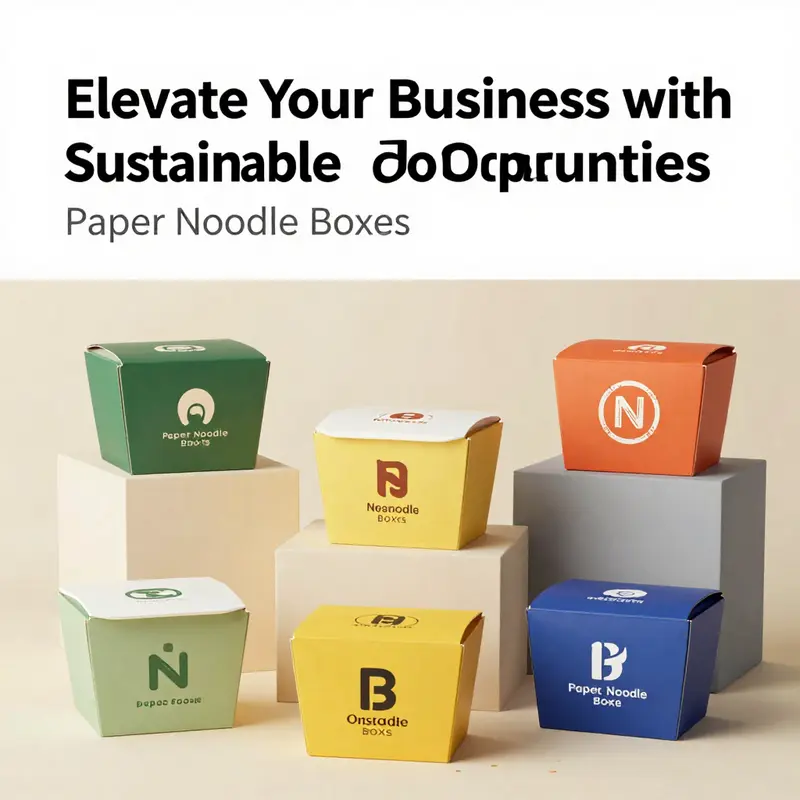
Custom paper noodle boxes have evolved beyond mere functional packaging; they are now pivotal assets for brand identity and consumer engagement. As the food service industry shifts towards sustainable practices, the art of customization in packaging offers an intricate blend of aesthetics and functionality. Whether through advanced printing methods, innovative structural designs, or the latest in digital technology, brands can utilize these techniques to craft exceptional packaging solutions that resonate with eco-conscious consumers.
High-quality printing is the bedrock of impactful branding. Utilizing CMYK full-color offset printing in conjunction with Pantone Matching ensures consistency and vibrancy across production runs. This method allows brands to maintain stringent control over the color schemes that represent their identity. For instance, restaurants that want to convey a premium image can leverage the striking visuals created through pre-printed corrugated board. This technique involves printing artwork on flat material before it is shaped into boxes, resulting in superior image quality that withstands the rigors of food packaging.
In parallel, many brands are shifting towards water-based soy ink for their printing, noting not just the ecological benefits but also the quality of the print. These inks are non-toxic, biodegradable, and produce stunning color depth. This sustainable approach not only enhances the visual appeal of noodle boxes but aligns with the growing consumer preference for environmentally responsible products, significantly enhancing brand reputation.
Beyond visual appeal, the structural aspects of the boxes can also serve as powerful branding tools. For instance, integrating paper sleeves around noodle boxes serves as an additional platform for branding. This sleeve offers a larger area for graphics or promotional messages and can include QR codes connecting customers to recipes or brand stories, turning packaging into a narrative experience.
Furthermore, the trend of die-cut windows adds an interactive element to packaging. By allowing consumers to glimpse the delicious food inside, brands can enhance attraction and anticipation. This technique can be further developed to include peel-off labels or scratch-off promotions, turning a simple noodle box into an engaging unboxing experience. Such innovative designs encourage social media sharing, an invaluable asset in today’s marketing strategies.
The realm of digital technology has also revolutionized packaging customization, making it easier for brands to provide bespoke services. Platforms that support modular designs allow businesses to customize packaging in real-time, enabling them to upload their logos, choose colors, and preview designs instantly. This rapid response capability is crucial in a fast-paced market and opens doors for brands to explore limited-edition releases or seasonal designs without the lengthy turnaround times traditionally associated with custom packaging. By utilizing systems that offer batch production planning and version control, companies can manage their orders more efficiently.
Another exciting frontier is the rise of sustainable and upcycled design trends. Brands are increasingly adopting a narrative that promotes sustainability through their packaging. Creative companies are now producing paper noodle boxes that come with upcycling kits, inspiring customers to repurpose their packaging creatively. By providing instructions to transform used boxes into plant pots or fun art projects, brands can build a deeper emotional connection with their audience, emphasizing values such as creativity and circular economy. This approach not only reduces waste but positions brands as leaders in sustainable innovation.
Additionally, the aesthetic of packaging plays a vital role in branding. The shift towards minimalist designs that utilize lightweight materials, along with earthy tones and clean typography, communicates a brand’s authenticity and dedication to sustainability. This move corresponds with the consumer demand for simplicity and naturalness in products, redirecting focus to the quality of the contents within the noodle box. Such minimalistic packages often allow brands to reduce material usage while still providing robustness and reliability, aligning with both cost-effectiveness and environmental concerns.
While the breadth of customization techniques continues to expand, brands must also consider their target market and select approaches that resonate with their consumer base. The customization journey can start small, focusing on limited runs of custom designs that feature unique themes or seasonal motifs. Analyzing customer engagement metrics—such as social shares and returns—can inform future iterations, allowing brands to refine their packaging strategy over time.
Ultimately, paper noodle boxes can transcend their role as mere containers to become powerful brand ambassadors that foster connections with consumers. Through a combination of high-impact printing, clever structural designs, and a commitment to sustainability, brands can create packaging that is both functional and visually striking. This holistic approach to customization not only enhances product visibility in a crowded market but also aligns with the contemporary consumer’s values, driving brand loyalty and fostering long-term relationships. Leveraging these strategies effectively positions brands not just as food purveyors, but as champions of innovation and sustainability in the packaging realm.
For more inspiration and deep dives into effective packaging strategies, explore comprehensive guides on customized food packaging solutions. For example, businesses can enhance their offerings with customizable paper solutions that attract and retain customers: Custom Paper Noodle Boxes with Innovative Features.
2. Driving Economic Growth Through Personalization and Sustainability in Paper Noodle Packaging
As the food service industry continues to evolve, businesses are increasingly recognizing the economic impact of customized branding in their packaging solutions, particularly in the realm of paper noodle boxes. This shift towards personalized and sustainable packaging reflects broader consumer trends that prioritize environmental responsibility and brand authenticity, ultimately driving sales and fostering customer loyalty.
Today’s consumers are more eco-conscious than ever, making choices based on a company’s commitment to sustainability. Such purchasing behaviors place pressure on brands to adopt eco-friendly materials and practices, and paper noodle boxes provide an ideal solution for companies aiming to meet this demand. By utilizing materials like kraft paper—made from recycled pulp—brands can not only minimize their environmental footprint but also convey a message that resonates with consumers who value sustainability. This connection fosters trust and encourages loyalty, which is crucial in a competitive marketplace.
Customized branding on paper noodle boxes serves as a visually appealing way to differentiate products. It allows businesses to showcase their unique identity and values right on the packaging, effectively turning a simple takeout box into a powerful marketing tool. For instance, a local noodle shop can incorporate its logo, use vibrant colors, and include unique design elements that reflect the character of the cuisine or the cultural heritage of the dish. This not only enhances shelf visibility but invites impulse purchases from consumers captivated by thoughtful designs.
The financial implications of such branding strategies can be profound. Research indicates that brands with cohesive, thoughtfully designed packaging can command higher prices while improving sales volumes. In regions like semi-urban markets, where affordability is crucial, effective packaging can elevate perceived value, allowing brands to implement premium pricing strategies without losing customer interest. The perceived quality of an eco-friendly product boosts consumer willingness to pay, leveraging sustainability as a unique selling proposition.
A fascinating case study featuring fresh noodle producers in Madiun illustrates the significance of localized branding strategies. By incorporating elements that speak directly to regional aesthetics and employing clear labeling tied to community values, these producers were able to create emotional connections with consumers. This approach not only bolstered sales but fostered long-term customer retention, showcasing how customized designs can transcend mere aesthetics and become instrumental in cultivating brand loyalty.
For manufacturers embracing the trend of customized paper noodle boxes, the initial investment can yield substantial returns. Companies can optimize customer lifetime value, as memorable packaging enhances customer relationships and reduces overall marketing costs. When consumers recognize and trust a brand, the necessity for heavy advertising decreases, allowing businesses to allocate resources to other crucial areas like product development or customer service.
Moreover, the selection of materials crucial to the packaging process can promote long-term economic advantages. Producers of paper noodle boxes focused on using high-quality, durable yet recyclable paperboard can adhere to environmental regulations while minimizing production costs. Such materials are essential not only for working within legal frameworks but also for gaining access to green-certified markets and benefiting from governmental incentives aimed at promoting sustainability.
The investment in customized branding is not merely about enhancing product appeal; it is about creating a comprehensive brand ecosystem. Research from Sustainable Production and Consumption outlines that effective sustainable packaging directly correlates with brand differentiation in consumer markets. By strategically leveraging this aspect of product design, brands can position themselves favorably in the minds of consumers, setting the stage for increased market share and profitability.
In addition to material selection and aesthetic customization, integrating brand storytelling into packaging can enhance customer engagement. A well-told brand story transforms a mundane packaging experience into an engaging narrative that consumers can relate to and share with others. By doing so, paper noodle boxes transcend their functional role, evolving into platforms for storytelling that captivates audiences and emotionalizes their consumption experience. This kind of packaging innovation not only reflects brand values but serves as a catalyst for customer interaction.
Despite the many benefits, businesses must carefully navigate the balance between customization and cost. While the potential for broader profit margins exists, the economic viability of customized designs should not outweigh the need for a sustainable business model. Offering solutions that are both cost-effective and individualized can help maintain financial stability while appealing to the growing demographic of eco-conscious consumers.
Ultimately, leveraging customized branding on paper noodle boxes represents a strategic opportunity for food service businesses looking to thrive in an increasingly green economy. As brands align their core values with sustainable practices, they strengthen their position within the market while meeting the ecological expectations of modern consumers. By embracing the financial advantages of customized packaging, businesses not only set themselves apart through unique aesthetic choices but also engage their customers on a deeper, more meaningful level.
For those interested in sourcing sustainable packaging solutions that embody these principles, visit Customized Eco-Friendly Packaging Options for ideas on integrating unique branding into your takeout solutions.
3. Navigating Societal Changes: The Impact on Customization and Branding of Paper Noodle Boxes
In an age characterized by a profound shift toward sustainability and authenticity, the customization and branding of paper noodle boxes are increasingly influenced by broader societal trends. Consumers today are far more mindful of their purchasing decisions, leading brands to embrace sustainable practices while innovating their packaging solutions. This evolution is not merely about aesthetics; it represents a strategic response to the rise of eco-conscious consumerism, the demand for personalized experience, and the integration of technology into everyday products.
Amid a surge in eco-conscious consumerism, brands are keenly aware that consumers—especially Millennials and Gen Z—prefer environmentally friendly products and packaging. Recent studies indicate that over 65% of consumers in North America and Europe prioritize sustainability when making purchasing decisions. This trend compels manufacturers to produce packaging from recyclable and compostable materials, with kraft paper taking center stage for its rustic aesthetics and eco-friendly properties. Customization in this realm involves not only appealing designs but also clear messaging about environmentally responsible practices. For instance, brands increasingly utilize phrases like “100% Recyclable Packaging” directly on their noodle boxes, which serves as both branding and a commitment to sustainability. This pairing of function and message resonates particularly well with eco-conscious diners, reinforcing a positive brand identity.
Alongside sustainability, there’s a growing consumer expectation for personalization and unique experiences when engaging with brands. Today’s consumers seek to connect emotionally with products, which has led to innovative packaging approaches that go beyond generic, mass-produced designs. Custom packaging is becoming a significant marketing tool for brands; whether it’s through limited-edition collaborations or seasonally themed designs, these unique touches not only enhance the product’s value but also foster a stronger emotional connection with consumers. For example, ramen brands releasing festival-themed boxes featuring traditional art forms can transform packaging into a collectible item, heightening brand loyalty and creating memorable eating experiences. According to recent research, 76% of consumers are more inclined to engage with brands that provide personalized experiences, including packaging that speaks to their individual preferences.
In the effort to further bridge the gap between physical and digital experiences, brands are now incorporating technological elements into paper noodle boxes, making them a dynamic touchpoint for customer interaction. The use of QR codes, augmented reality (AR) features, or NFC tags within noodle packaging opens a plethora of opportunities for enhancing customer engagement. Consumers can scan codes to access recipes, watch behind-the-scenes videos, or even partake in interactive games related to the brand. This integration does not simply elevate the consumer experience; it also enables businesses to collect valuable data, which in turn helps in personalizing future marketing strategies. Recent studies show that 58% of consumers are willing to engage with QR codes on packaging for exclusive offers or digital content, suggesting a strong acceptance of this innovative direction.
Another significant societal trend influencing branding and customization is the appeal of cultural authenticity and local identity. As globalization continues to weave its fabric across markets, consumers exhibit a heightened preference for products that tell a story rooted in tradition. Paper noodle boxes are becoming canvases for cultural storytelling, allowing brands to showcase unique designs that reflect local heritage. For instance, a Japanese noodle brand may incorporate wabi-sabi aesthetics, celebrating imperfection and the beauty of natural materials, while similar eateries in Southeast Asia might employ vibrant batik or traditional tribal motifs. This approach not only caters to a market hungry for authenticity but also expresses a brand’s commitment to cultural respect and recognition. With the rise of globalization resulting in cultural homogenization, packaging that communicates local identity and pride transcends mere functionality, enriching the customer experience and creating lasting connections.
The interplay of these trends reveals that the customization of paper noodle boxes is multifaceted, where ecological consciousness, personal engagement, and cultural identity converge to redefine brand narratives. Companies embracing these trends can create packaging that serves as both a marketing tool and a promise to uphold sustainability practices. As the demand for eco-friendly solutions continues to grow, paper noodle boxes stand as a viable alternative that marries functionality with branding strategies. This combination not only caters to current consumer preferences but also reflects an understanding of future market trajectories, driven by a collective awareness of environmental responsibility and cultural appreciation.
Ultimately, brands that adeptly navigate these societal trends will find themselves at a distinct advantage in a rapidly evolving marketplace. They can customize paper noodle boxes not just as containers for food, but as vessels of their core values—environmental stewardship, personal engagement, and respect for cultural narratives. The future of paper noodle boxes, therefore, hinges on their ability to tell compelling stories while ensuring functional performance, making them not just packaging solutions but integral parts of a brand’s identity and mission. By effectively leveraging these opportunities for innovation and expression, businesses can resonate deeply with consumers and foster lasting connections that enhance brand loyalty and, ultimately, drive success.
Final thoughts
The shift to paper noodle boxes in the food service industry is about more than just packaging; it’s an investment in sustainability and brand identity. These innovative containers not only supply essential functionality but also resonate with eco-conscious consumers, providing a competitive edge in a crowded market. By adopting paper noodle boxes, businesses can align their practices with sustainability goals, appeal to a growing base of eco-friendly customers, and distinguish themselves through custom branding opportunities. With the continued growth of this market, now is the perfect time to consider making the switch to paper noodle packaging solutions that align with your business vision.
Choose our reliable disposable tableware and packaging solutions for your business. We offer quality products that meet safety standards, with fast delivery and flexible options. Partner with us today to elevate your service – contact our team now for a tailored quote!
About us
We specialize in manufacturing and supplying disposable tableware, packaging paper, and boxes. With years of experience, we prioritize safety, durability, and eco-friendly practices. Our goal is to provide businesses with trusted, cost-effective solutions backed by responsive customer support.