
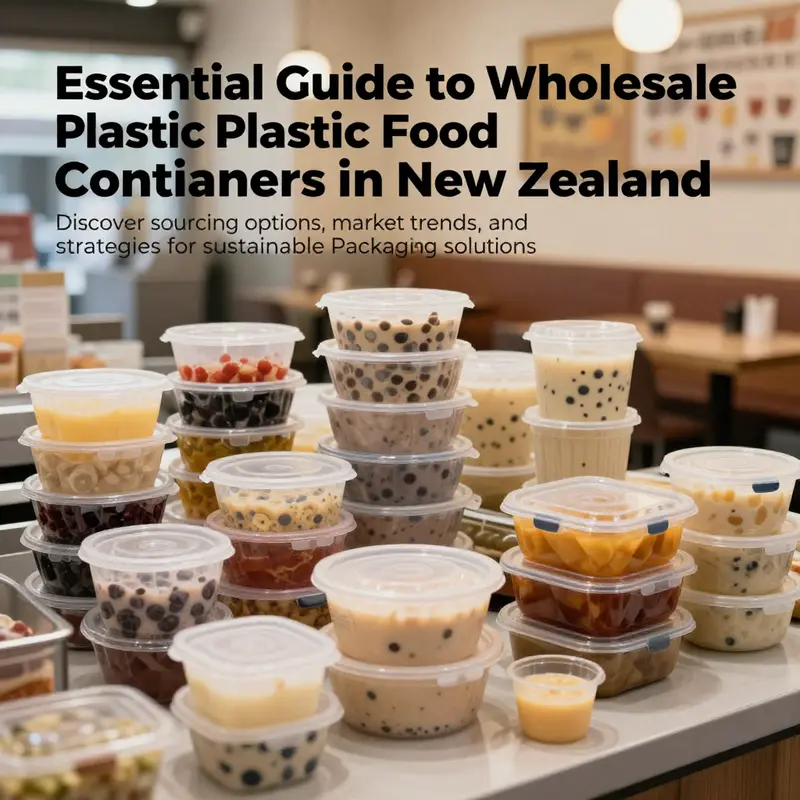
In the thriving food service industry of New Zealand, the demand for wholesale plastic food containers is rapidly increasing. This surge is especially pronounced among bubble tea shops, restaurants, food trucks, and catering services. However, navigating the complexities of sourcing these containers, understanding local regulations, and aligning with environmental considerations can be daunting. This guide aims to explore essential aspects of wholesale plastic food containers, from identifying reliable suppliers and understanding local market conditions to developing effective procurement strategies and logistics solutions. Each chapter will provide insight into how businesses can make informed decisions to meet their needs while adhering to New Zealand standards.
null
null
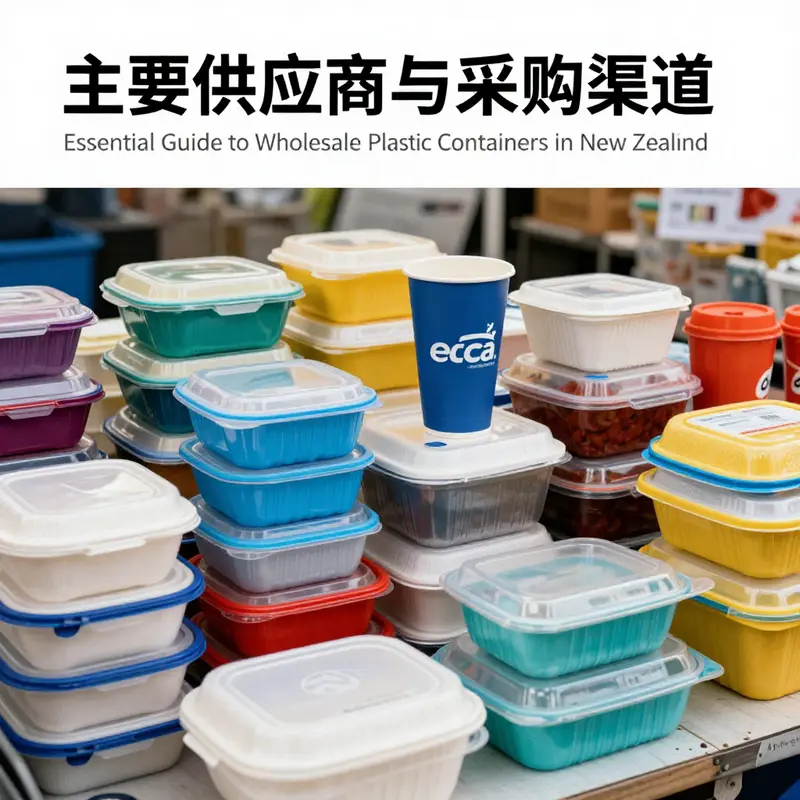
法治与绿色转型并行:新西兰塑料食品容器市场的演变与供给链挑战
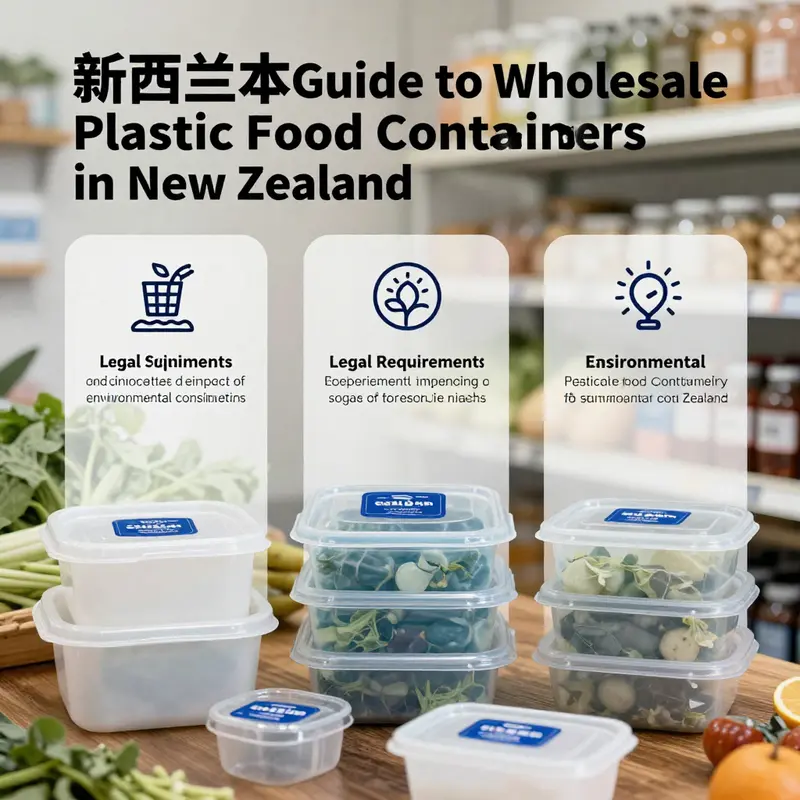
最后,尽管前路充满挑战,新西兰市场对高质量、合规、可持续的塑料食品容器的需求仍有稳健的增长潜力。通过对法规、环境趋势与全球供应链的深刻把握,行业参与者能够在合规框架内实现创新与成本效益的双赢,为本地餐饮与配送体系提供更安全、环保且高效的包装解决方案。
Smart Sourcing for NZ Wholesale Plastic Food Containers: A Cohesive Path from Online Platforms to Factory Direct
In New Zealand, the appetite for wholesale plastic food containers grows where foodservice, delivery, catering, and events intertwine. The market is shaped not only by the need for food-grade materials that are microwave-safe, freezer-safe, and reliably sealable, but also by an intensifying emphasis on sustainability. Food safety remains non-negotiable under the Food Act 2014, while environmental stewardship pushes buyers toward biodegradable or compostable solutions alongside traditional plastics like PP and PS. This dual expectation—compliance and conscience—has refined the procurement calculus into a deliberate, layered process. Rather than chasing a single best source, savvy buyers blend online price intelligence, direct factory relationships, and regional market intelligence to build a resilient, scalable supply chain that can adapt to seasonal demand and evolving regulations. The result is not a race to the bottom on price alone, but a holistic approach that protects margins, safeguards brand integrity, and reduces supply risk across the year.
A practical way to frame the path forward begins with the recognition that no one channel perfectly serves every scenario. Start with online B2B platforms that aggregate a vast array of suppliers and allow for rapid price comparisons. In markets like China and beyond, platforms hosting wholesale listings for plastic food containers routinely show significant volume-based discounts as order quantities rise. For example, wholesale pricing often declines markedly when orders exceed a few hundred or a few thousand pieces, with per-unit costs stepping down as MOQs are met. The beauty of this channel lies in speed and flexibility: it enables a tested product to be sourced quickly, with the option to mix samples and small runs before committing to larger cycles. Importantly, buyers should prioritize suppliers with robust production qualifications, traceable quality records, and verifiable certifications. A cautious buyer verifies that the materials and processes meet food-safety standards recognized internationally, such as FDA or ISO 22000, and also aligns with local New Zealand expectations.
Yet online marketplaces are not a panacea, especially when volumes grow or a business aims to lock in continuity. Here, factory direct sourcing becomes compelling. When your monthly usage settles into a level where the forecast consistently lands in the thousands of units, engaging directly with plastics manufacturers—particularly in robust production clusters in the east and south of China—can slash costs while enabling deep customization. Consider a hypothetical scenario where a factory quotes 3,000 units at a single unit price well below retail pricing, with a further drop for 5,000. The savings can easily exceed forty percent relative to non-direct channels when you account for duties, freight, and handling. To capitalize on this, buyers insist on stringent quality assurances: ISO or equivalent food-grade certifications, detailed pass/fail test results, barrier tests, temperature resilience from sub-zero to high heat, and documented batch traceability. Each test reduces the probability of returns and protects the brand from the reputational damage that can accompany a malformed container in a strict regulatory environment.
A complementary dimension of the sourcing mix is regional wholesale markets. Places known for dense networks of traders can provide rapid replenishment with visual QA on material thickness, sealing performance, and lid integrity. For example, markets that cluster manufacturing and distribution in gateway regions offer the advantage of same-day or next-day pick-up with on-site inspection. This accelerates learning about product durability and whether a given line matches the intended use—whether for hot takeout, cold-chain storage, or mixed-service packaging. The practical payoff is clear: reduced lead times, the possibility of flexible order batching, and the opportunity to negotiate favorable terms after proven performance on the ground. A well-balanced approach might involve reserving a portion of the annual volume for these markets as a fast-reaction buffer, alongside longer-term commitments with factories for core SKUs.
Seasonal dynamics also shape the cost landscape. The plastic raw-material cycle—driven by petrochemical markets and refinery activity—exhibits visible seasonal swings, with price dips during certain off-peak windows. For example, the quiet months of January and February often coincide with lower raw-material costs, and mid-year windows can reflect adjustments tied to production cycles in hot climates. Smart planners seize these windows to accumulate stock up to several months ahead, converting price differentials into meaningful cash-flow improvements. The payoff is not only lower unit costs but also reduced freight scheduling pressure. A disciplined stock plan might lock in a portion of the annual demand during these low-price periods, while leaving another portion to be filled through more agile channels as demand signals crystallize closer to execution.
No sourcing strategy is complete without attention to hidden costs that erode margins. Transport is one such factor—air-freight is swift but expensive, while ocean freight, though affordable, imposes longer lead times and potential variability. A practical optimization is to align packaging sizes with standard logistics pallets and vehicle capacities, minimizing wasted space and the incremental charges tied to dimensional weight. By packaging into uniform, compact lots and using weight-conscious strategies, buyers can trim freight expenses by a meaningful margin. In addition, box-in-box or multi-SKU consolidation approaches help reduce the number of shipments and simplify customs clearance in a New Zealand context, where import processing can introduce additional friction if documentation is incomplete. A thoughtful transit plan should consider not just the landed price but the landed cost, weaving together supplier terms, freight, insurance, duties, and potential warehousing in New Zealand to arrive at a reliable landed-per-unit figure.
As operations scale, the governance of supplier relationships becomes a strategic capability. Engaging with established distributors or local agents who can navigate customs and provide faster last-mile delivery adds a layer of resilience. Some buyers find value in a hybrid model: maintaining a primary international supply through direct factory channels complemented by a local partner for distribution and service, especially when time-to-market is critical or when after-sales support and returns handling are important. Such a model helps to smooth out the volatility of long-haul logistics and provides a buffer against disruptions in any single channel. To support this, buyers should request clear certifications—such as food-safety compliance documents, batch-level testing data, and environmental declarations—and ensure those documents remain current across supplier changes. A robust procurement file, including sample logs, batch histories, and change-control records, becomes a practical safeguard as product lines evolve.
For readers who prefer to visualize options through a catalog-based lens, one practical touchpoint is the plastic packaging category on widely used supplier catalogs. It can function as a bridge between concept and execution, offering a curated view of materials, configurations, and potential customization. This kind of reference point helps align product choice with NZ regulatory expectations and branding ambitions while keeping a check on cost and lead times. The emphasis should be on materials that are clearly labeled as microwave-safe and freezer-safe, with lids designed to minimize leakage and preserve product quality. Competitive differentiation often arises not from a single innovation but from the reliability of a whole packaging system—consistent seals, temperature tolerance, and brand-ready surfaces for logos and labeling.
Embedded in this procurement philosophy is a disciplined, iterative testing process. When engaging with any supplier, start small: request samples to validate food-grade compliance, seal integrity, and temperature performance. The cost of samples is typically modest, but the payoff is significant when it confirms a supplier’s capabilities before a larger commitment. Once validated, structure a phased rollout: begin with a limited range of core SKUs, monitor performance across channels, and scale gradually as demand and feedback crystallize. Buyers should also assess whether suppliers can deliver to New Zealand directly or if a local logistics partner with established import routes would be more efficient. The decision often hinges on the balance of cost, speed, and risk tolerance.
In consolidating these threads, the optimal procurement approach emerges as a blended strategy: price comparison on online B2B platforms for rapid prototyping, direct factory sourcing for core volumes and customization, regional wholesale exploration for agility and QA, and disciplined seasonal stocking to capture favorable price windows. Transportation and packaging optimization complete the loop, driving lower landed costs and predictable availability. If a business seeks to scale toward a more formal brand presence, a phased brand-franchise approach can further linearize sourcing risk by accessing established distribution channels, supplier networks, and marketing support—provided the volume commitments and quality requirements are aligned with NZ standards. Across these dimensions, success hinges on a clear, auditable trail of certifications, test results, and supplier performance data that can be revisited as the product mix evolves.
Ultimately, the chapter of procurement is less about chasing a single source and more about orchestrating channels into a cohesive cadence. The recommended rhythm is to balance price intelligence from online platforms with the discipline of factory-direct sourcing for core lines, while keeping a flexible loan of stock through regional markets to absorb demand spikes and mitigate delay risks. Pair this with off-season stocking to exploit price dips, and couple it with careful logistics design to lower the freight and handling costs that eat into margins. The end goal is a procurement system that delivers compliant, safe, and sustainable packaging solutions to the New Zealand market with the responsiveness that modern foodservice teams require. For ongoing reference, explore a central cataloging resource to see how packaging options align with the kinds of containers your customers expect, and keep a watchful eye on regulatory shifts that could alter the acceptability of materials or finishes used in these containers. As markets evolve, the emphasis remains constant: safety, sustainability, and supply reliability at a cost that enables growth within the New Zealand food ecosystem.
Internal link reference: For a practical view of packaging options, you can explore the Plastic packaging category here: https://cupbowlpack.com/product-category/plastic-packaging/
External resource for broader context: https://www.made-in-china.com/products-search/hot-products/Plastic-Food-Container.html
绿色循环的边界:新西兰塑料食品容器的未来展望与批发格局
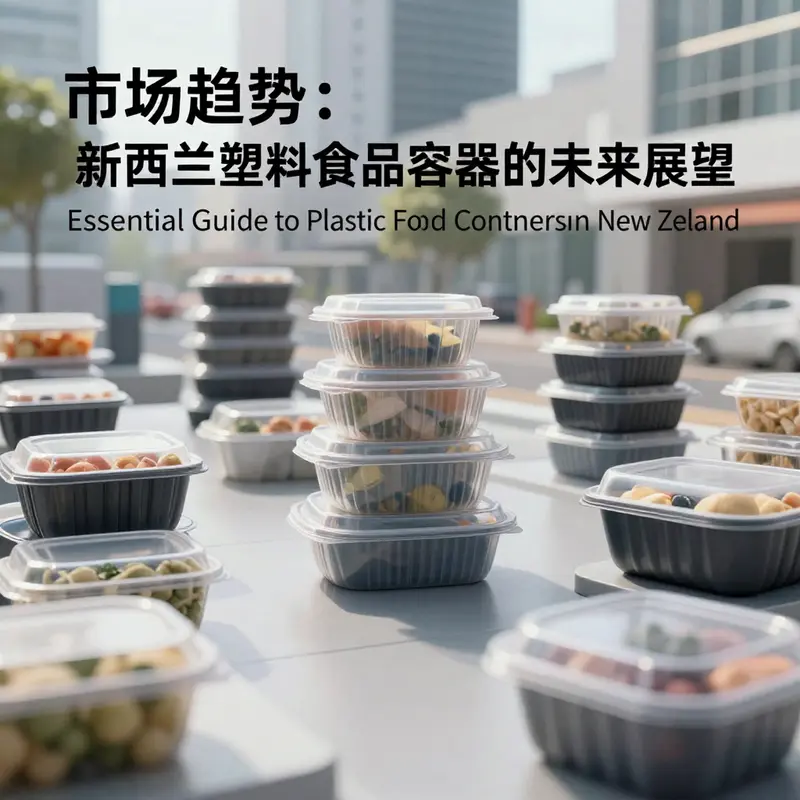
新西兰的塑料食品容器市场正在进入一个由政策导向、技术创新和商业模式创新三重驱动的转型阶段。中期禁令推进标志着一个阶段的结束与另一个阶段的开始:以往以PVC、PS等难以回收、易产生微塑料污染的单次包装为主的结构,将被逐步替代,取而代之的是更高效的循环利用体系和更低环境足迹的材料选择。这一政策取向并非简单断供,而是在推动整个产业链从“次一次性使用”走向“可回收、可堆肥、可再生”的综合解决方案。对 wholesalers 来说,这既是挑战,也是新的增长点,因为合规、可追溯的供应链和具备清晰回收路径的产品,将成为市场取胜的关键能力。
市场需求的核心远非单一容器的外观和价格,而是对整个生命周期的信任:从原材料来源、生产过程中的卫生与安全管理,到包装在前端的用途、在后端的回收与再利用。对于新西兰的餐饮业、食品配送服务、快餐连锁以及活动策划公司,食品级、可微波、可冷冻且带盖的餐盒需求持续旺盛,但这并不意味着简单延续过去的采购逻辑;相反,企业正在寻找更具韧性的供应关系、更明确的认证证据以及降本增效的循环方案。
在未来的供给侧结构里,循环经济的深化是最具可操作性的方向。政府的导向不仅在于禁止某些塑料制品,更在于建立一个整体的回收与再利用生态系统。2023年以来的垃圾回收新政为塑料瓶等回收品的高比例回收与再生利用提供了基础设施支撑,这让环保纤维、再生材料在农业、建筑、时尚等领域的应用成为可能。对于塑料食品容器而言,这意味着企业可以通过在设计阶段就嵌入可回收路径、在采购阶段优先选用高回收价值的材料、在回收阶段与本地分销网络结合的方式来降低全生命周期成本。此时,产品的可重复使用性、可堆肥性和可回收性成为衡量优劣的核心指标,远比短期价格波动更具决定性。
在采购策略方面,信息透明度和可追溯性成为核心要素。企业应要求供应商提供原材料来源说明、加工过程控制记录、以及上游回收体系的参与证据。就市场趋势而言,越来越多的企业愿意通过押金返还系统、合作回收计划等方式,将品牌叠加在回收行为上,形成消费者层面的参与动机与长期粘性。这些商业模式的成功不仅依赖于技术能力,也依赖于物流网络、数据管理和消费者教育的协同。对 wholesalers 来说,拥抱这样的模式意味着要在合规的前提下,设计灵活的供货方案、提供不同级别的包装组合、并通过本地化的服务网络来缩短交付周期。
此外,信息与市场沟通的策略也在发生变化。消费者对“可生物降解”与“可回收”的理解正在走向细化——并非所有材料都能在所有地区的堆肥体系中分解,标签与认证的清晰性将直接影响购买决策。因此,企业在对外传播时应避免模糊用语,突出具体的认证标准、适用场景与回收流程。与此同时,内部协同也不可忽视:设计部门需要与供应链、合规团队紧密合作,在产品初期就嵌入回收路径,避免后续改造成本激增。
结语性思考在于,市场需求、政策导向与技术创新的组合,将塑料食品容器行业推向一个以高价值回收、低环境影响和再生材料为核心的新格局。对 wholesalers 来说,这是一场关于能力、信任与协同的考验:谁能在确保食品安全的前提下,提供可追溯、可回收、价格稳定的解决方案,谁就能在竞争中脱颖而出。在这个过程中,先行者往往通过建立稳固的供应链关系、获取关键认证、以及与本地分销网络的深度绑定,来获得市场份额与利润空间。随着法规的持续完善和回收体系的进一步优化,新西兰市场的长期增长潜力依然强劲。对于希望进入这一市场的企业,最好的起点并非追逐短期价格优势,而是建立一个可持续的、符合本地环境与法规的长期供应框架。
为便于读者在实际采购与决策中快速落地,本文建议在初次接触时优先关注具有明确食品级认证、可微波/冷冻使用且具备可回收或可堆肥路径的产品,并通过小批量样品测试来验证质量与合规性。若需要扩展至长期合作,建立与 NZ 本地贸易公司或进口商的合作关系,将有助于简化清关、运输和分销环节,并提升对市场需求变化的响应速度。相关的材料与供应选项可通过对比不同供应商的参数、认证和服务条款来实现最优组合。作为供应链的一部分,内部要建立数据驱动的评估体系,对回收比例、再利用率、运输成本、以及产品生命周期中的碳足迹进行持续追踪,以便在未来的合规与市场变化中保持灵活性。
稳健的物流与合规策略:在新西兰实现批发塑料食品容器的高效配送
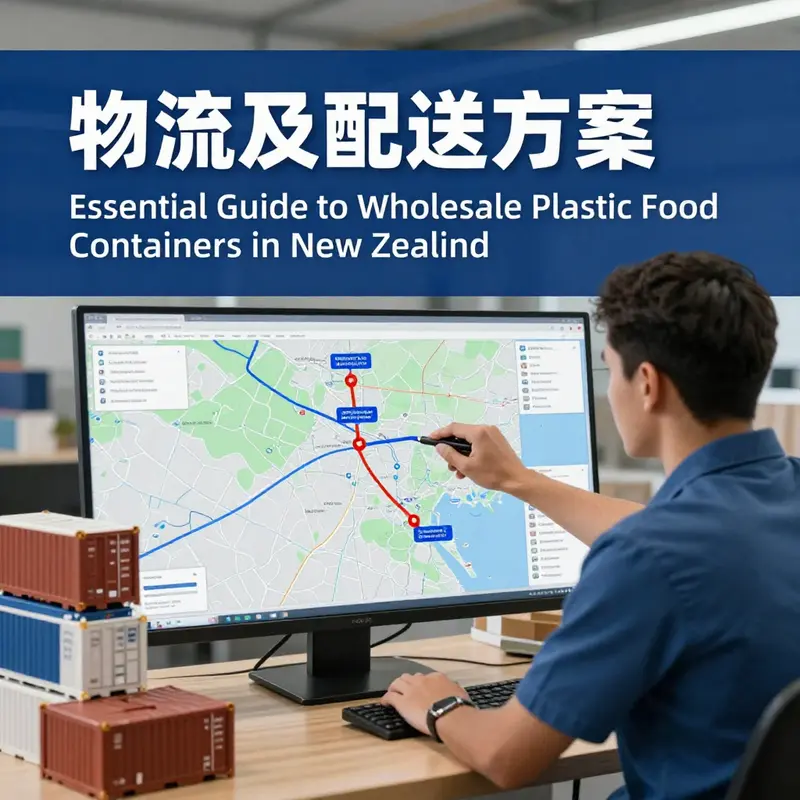
把批发塑料食品容器送抵新西兰市场,不能只关心成本与产能。它需要一个全链路的思考框架——把合规性、运输时效和供应链稳定性放在同一张桌上,形成一个彼此支撑的系统。自2022年10月起,新西兰实施了一轮更严格的禁塑政策,明确禁止销售和制造某些一次性塑料制品与特定类型的包装材料。这意味着任何进入新西兰市场的塑料食品容器都必须在材料组成、加工工艺和最终用途上符合当地法规的要求,才能避免在海关环节被扣留或退运的风险。这一背景决定了物流方案不能只是“快”,还必须是“合规且可追溯”的。为此,企业在设计配送计划时应当把三个层面融为一体。第一,是产品合规性审查;第二,是对物流路径的精准设计;第三,是对本地化库存与长期伙伴关系的布局。只有把这三项有机地结合起来,才能在新西兰市场上实现稳定、可持续的供应。合规性审查并非一次性任务,而是一项贯穿整条供应链的持续工作。出货前必须确认所用塑料材料不包含被禁物质,避免使用聚苯乙烯(PS)或发泡聚苯乙烯(EPS),也要排除任何带有促进降解添加剂的塑料制品。更重要的是,企业应获取并保存可用于通关的国际食品安全相关认证文件,如符合食品接触安全的一般标准,以及适用市场的测试报告。若材料与加工过程中存在对热稳定性、耐冷冻性和微波适用性的潜在隐患,必须在样品阶段就进行充分验证,避免在放在大型批量生产前才发现问题。只有当供应商具备清晰、可审计的检测数据时,海关对证据链的信任度才会提升,企业的物流计划也更具弹性。第二个层面,是对物流路径的精准设计。由于距离和时效的双重压力,抵达新西兰的时间不仅影响库存周转率,也直接影响客户对服务水平的感知。因此,优先考虑具备国际运输经验、熟悉新西兰清关流程并能提供全程追踪的物流服务商,尽量选择具备空运或海运直达能力的承运商。实时的物流信息系统、端到端的货物追踪,以及对“最后一公里”配送的高效管理,都是降低延迟、提升可靠性的关键。第三个层面,是对本地化库存与长期伙伴关系的战略布局。由于新规可能导致供应链在初期阶段出现波动,企业不应将全部进口货物堆在海关之外等待清关完成。相反,建立在新西兰或区域内的前置仓模式,可以显著缩短实际交付时间,提升对突发需求的响应能力。这种前置仓并非局部化的孤立点,而是与全球采购网络协同运作的一个环节,通过与本地分销网络的深度对接实现快速分拨和门到门的配送。就运输成本而言,跨境物流通常需要较长的运输周期,典型的平衡点是在25到35天之间,若有海外仓或本地化分销渠道,运输时间和成本都能得到有效控制。与此同时,企业在对供应商进行筛选时,应优先考虑那些能够提供小批量试单的服务商,以便在进入市场前完成质量、材料合规性与微波/冷冻等应用场景的实际验证。短期内的试样费用往往更容易被接受,换来长期稳定的采购关系。综合来看,合规、可追踪的物流与本地化供应链的协同,是在新西兰市场实现批发塑料食品容器高效配送的核心。为了帮助企业在选型与落地时更具操作性,以下是一个简要的执行框架:先进行材料与加工工艺的合规清单核对,确保不触碰被禁材料与禁止添加剂;再对潜在物流商进行清关能力、直达方案和追踪能力的评估;最后设计一个覆盖“来源-运输-清关-本地配送-售后”的全链路方案,并在新西兰设立前置仓进行库存优化。与此同时,企业可以把对环保趋势的响应融入整个供应链的设计中,选择可生物降解、可回收或认证材料作为替代,以提升品牌形象并降低监管风险。关于材料替代方面,市场对可持续包装的需求正在增长,尽管成本、性能和消费者体验需要权衡,但合理的设计与测试可以实现平衡点。例如,植物纤维模塑包装、纸浆包装或获得认证的可回收塑料都在市场上逐步获得认可。这类替代材料不仅符合环保导向,也有助于企业在法规日益严格的背景下保持稳定的供给与声誉。为了让读者在一个更实务的层面理解,可以在材料选择阶段对比不同材料在耐热、耐冷、微波适用性、密封性和食品接触安全方面的表现,并通过小批量测试来验证它们在实际餐饮场景中的可用性。需要强调的是,无论选择哪种材料,企业都应确保供应商能提供遵循FDA、LFGB、ISO 22000等国际食品安全认证的文件。对新西兰市场而言,认证合规性不仅是满足法规的必要条件,更是获得零售商和最终消费者信任的关键。为帮助读者将理论转化为落地行动,文末将提供一个可直接参考的入口,用以佐证材料与设计的筛选要点。在选择符合新西兰市场的容器时,可以参阅塑料包装分类页面,它聚焦于材料属性、可回收性以及包装类型的多样性,能帮助企业快速识别与新西兰法规相符的选项。与此同时,读者在实际执行中还应关注采购成本与运输成本之间的平衡,以及与本地代理或进口商建立稳定合作关系的可能性。通过在前期阶段建立清晰的合规与物流标准,并将本地化仓储作为缓冲区,企业不仅能够提升交货的准时性,还能在法规环境不断演变的背景下保持竞争力。若需要进一步了解新西兰关于一次性塑料禁令的官方信息,请参考官方说明,以便掌握最新的监管变化与合规要点:外部参考资料链接将作为本文末尾的权威来源,帮助读者持续跟进政策更新。还应注意,供应链的稳定性也与全球市场波动相关,因此在合同条款中明确运输时间、保险、分布节点和应急预案,是降低风险的重要做法。对于企业而言,这一章节强调的并非单一的物流技巧,而是一种以法规为基点、以效率为目标、以可持续发展为导向的综合性配送策略。通过持续的监控和调整,可以把“合规”与“高效”这对看似矛盾的目标,变成同一张运输网中的两条并行线,让批发塑料食品容器在新西兰市场中实现稳定、可预见的供给。最后,值得再次强调的是,合规性与物流效率并非一次性检查的结果,而是一个持续改进的过程。企业应建立定期的自检机制,追踪法规更新、运输时效的变化以及供应商的合规表现,以确保在市场波动中仍能保持高水准的服务水平。外部资源的权威信息将为企业提供持续的参考点,帮助团队在日常运营中快速响应监管变化,维持长期的竞争力。
Final thoughts
The evolving market for plastic food containers in New Zealand presents unique opportunities and challenges for businesses. By understanding key suppliers, adhering to local regulations, adopting sustainable practices, and implementing effective logistics strategies, companies can not only meet their container needs but also align with consumer preferences. As the industry continues to shift towards eco-friendly options, staying informed will be crucial for success in this sector. Taking proactive steps today will position your business for future growth and sustainability.