
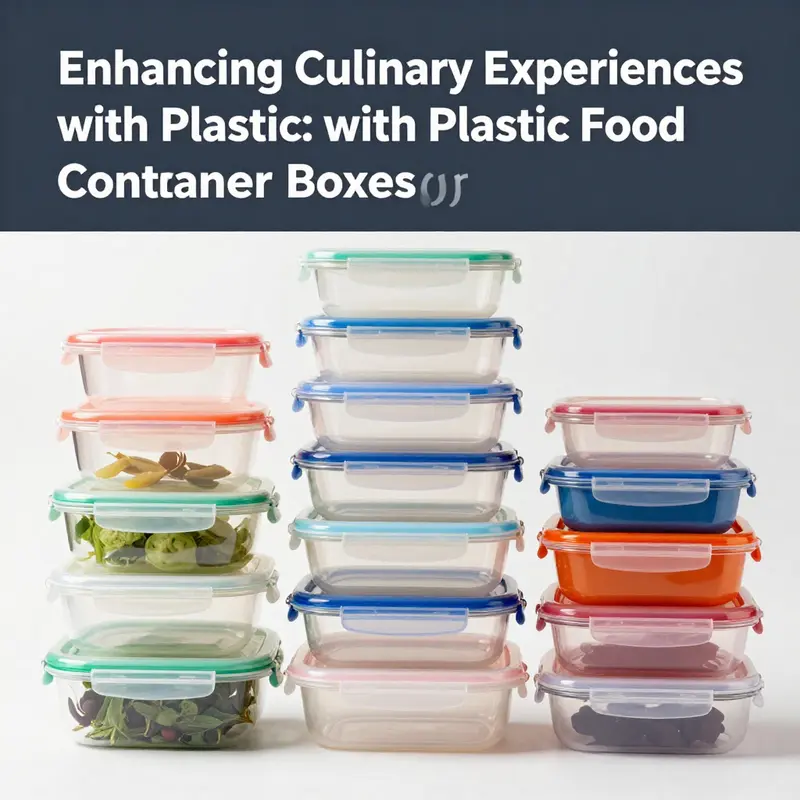
Plastic food container storage boxes are essential tools for bubble tea shops, restaurants, food trucks, catering services, and event planners. These versatile containers are designed to provide convenience, efficiency, and organization in food storage and presentation. By offering a variety of shapes, sizes, and configurations, these containers become invaluable for meal prep, storage of ingredients, and serving meals. In the following chapters, we will delve into the materials and safety standards that ensure compliance with health regulations, explore customization options for branding, outline various applications that maximize their utility, and highlight supplier profiles to facilitate the purchasing process. Each chapter will contribute to building a comprehensive understanding of how plastic food container storage boxes can enhance food service operations across the board.
Behind the Sealed Box: The Design and Science of Plastic Food Container Storage Boxes
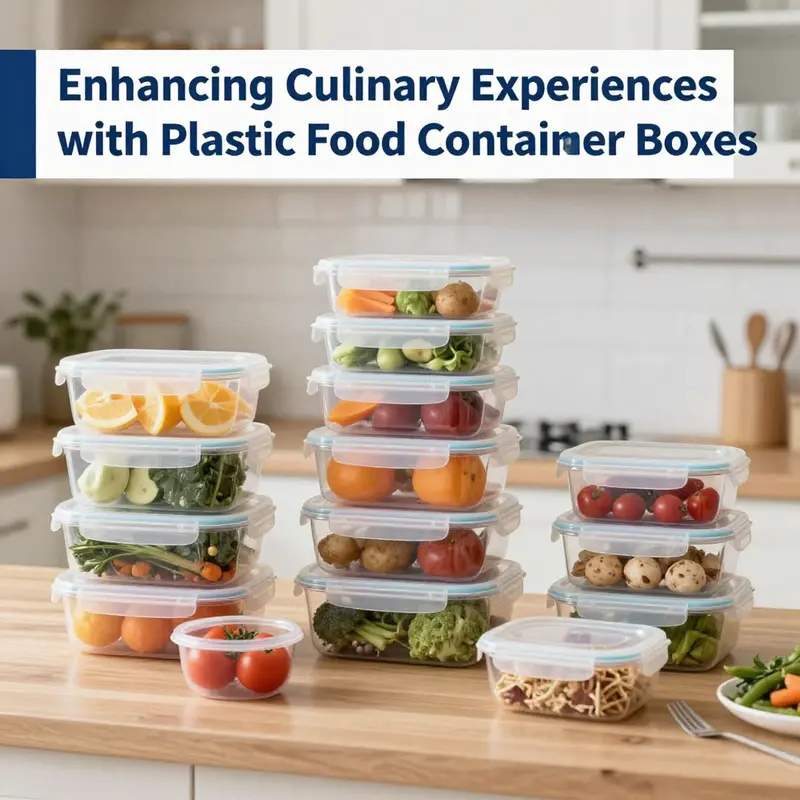
In kitchens and offices around the world, plastic food container storage boxes sit quietly at the ready, performing a daily balancing act between practicality and preservation. They are not merely vessels for leftovers or lunch–these boxes are crafted ecosystems that manage temperature, moisture, aroma, and space with a design language that often goes unnoticed. The shapes range from compact squares to elongated rectangles and rounded canisters, each dimension chosen to fit shelves, refrigerators, and backpacks with equal ease. The most common goal behind their design is straightforward: to keep what you eat as close to fresh as possible while making it easy to retrieve, transport, and reuse. When you look closely, the seemingly simple lid, seal, and body reveal a history of material science, regulatory standards, and user-centered thinking that has evolved alongside our increasingly organized approach to meals, work, and wellness.
Material choice matters more than it might first appear. The plastics most often used–polypropylene, high-density polyethylene, and polystyrene–are selected for reasons that balance safety, durability, and clarity. Polypropylene, in particular, has become the default for many food-contact applications because it resists heat, remains chemically stable, and can be recycled. These properties underpin practical benefits: containers that can endure a dishwasher cycle, tolerate low to moderate freezer temperatures, and hold up under repeated use. For users, that translates into containers that feel reliable, not fragile; lids that snap firmly shut, even after multiple cycles; and walls that stay clear enough to see what’s inside without having to label every jar and bag. Beyond polypropylene, some products employ HDPE for thicker walls in bulk storage or PS in clear, lightweight designs where visibility is prized. Each material choice carries implications for safety, cleaning, and long-term use, and manufacturers often align these choices with certifications that reassure buyers they are handling food contact responsibly.
If you pause to consider safety signals, the thread becomes even more important. A growing chorus of consumers looks for assurances that the containers they buy are suitable for food contact, easy to sanitize, and free from substances that could migrate into foods. This is where regulatory and third-party verifications come into play. Many storage-box makers highlight compliance with widely recognized standards and testing regimes, including certifications that signal suitability for food contact, heat tolerance, and chemical stability. The practical effect is a tiered confidence: a box you can safely rinse in hot water, place in a microwave in short bursts if the lid is vented or removed, and reuse across weeks or months without noticeable odor carryover. The recurring promise is not just about keeping food fresh in a vacuum-sealed sense but about facilitating a healthier, more predictable routine in which meals can be prepared, stored, and pulled together with minimal fuss.
The seal is the linchpin in this system. A truly airtight, leak-proof design hinges on a lid that mates snugly with a body and a groove or gasket that prevents air and moisture from slipping in and out. In everyday use, that translates into extended freshness for leftovers, a reduction in freezer burn when items are stored for longer periods, and fewer surprises when you open the fridge to find yesterday’s soup still intact. The modern story of lids is not simply about a tight seal; it’s about reliability under real-life conditions–occasional drops, stacked shelves, and the need for repeated openings and closings. A well-engineered lid will not warp after a few cycles and should resist staining from spice oils or strong sauces. In practice, the best designs balance a secure fit with ease of use: you should be able to grip the lid, align it with the box, and seal it with a confident click or snap, all without requiring extra tools or a manual on how to use it.
Design language in these boxes emphasizes space efficiency as much as preservation. Stackability is not a luxury; it’s a core feature that makes cabinets, pantries, and office storage systems workable. Nested sets allow families to buy a range of sizes and still minimize clutter when not in use. For larger applications such as school cafeterias, hospital kitchens, or industrial kitchens, the logic scales up: modular units, drawers, and even wheels on some large bins help teams move quantity without sacrificing order. In the realm of bigger storage, containers can serve more than a single purpose. They become part of a broader workflow: you measure, portion, and label, then return those portions to their boxes for compact, orderly transport. The modular, multi-compartment designs, in particular, have gained traction for meal-prep routines where physicians, fitness enthusiasts, or busy families seek predictable portioning and reduced waste. The enabling idea is simple: many small tasks become faster and more reliable when the tools themselves are designed to fit a deliberate plan.
The appeal of these boxes stretches beyond the home kitchen. They are essential in transport and service settings, where the same box may become a go-to for carrying meals to a desk, a classroom, or a customer meeting. Even in the realm of wholesale and manufacturing, plastic containers translate into scalable logistics. Large-volume storage and transport solutions exist to hold dry goods, liquids, and even specialty products that require careful handling. In such contexts, emphasis falls on toughness, chemical stability, and predictable performance under the stress of daily use in a busy environment. This breadth of application demonstrates a key truth: plastic storage boxes are not merely containers; they are adaptable frameworks for everyday organization, a quiet backbone for how we manage food, space, and routine.
Material Truths and Safety Gatekeepers: Navigating Plastics in Food Storage Boxes
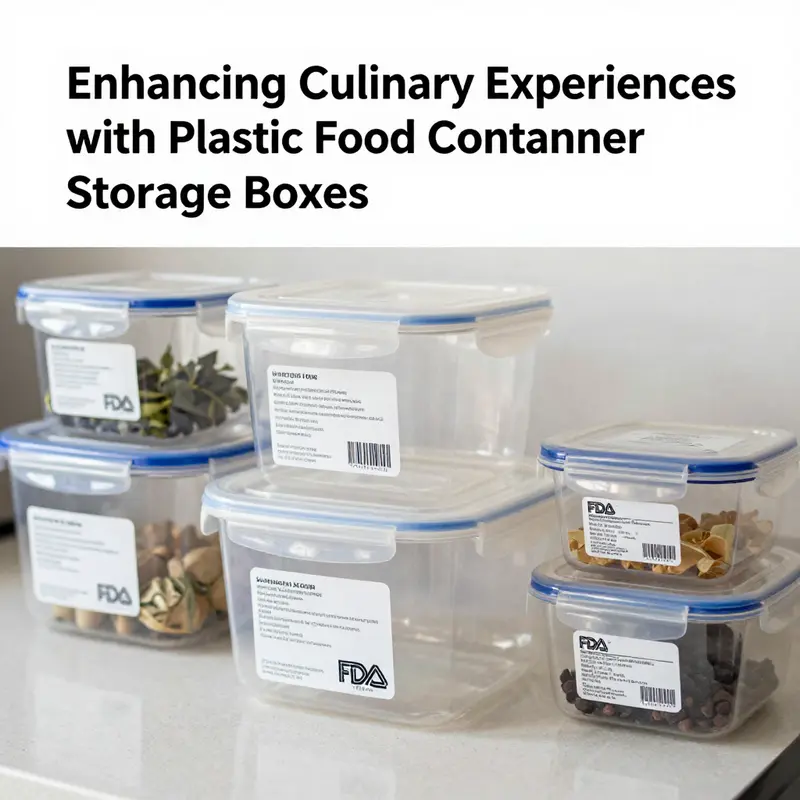
The everyday act of storing, transporting, and reheating food hinges on the materials inside the boxes that cradle meals, snacks, and leftovers. In kitchens around the world, plastic food container storage boxes come in many shapes and sizes. Behind their practical design lies a web of material science and regulatory standards that determine how safe they are for contact with food, how well they preserve freshness, and how they can be heated or recycled. The decision to choose one box over another is rarely only about size or color; it is about the material’s behavior under real world conditions and the assurances that safety guidelines attach to it. This chapter explores the core polymers used in food storage and the safety frameworks that govern their use, plus the everyday cautions that help consumers align choices with health and environmental goals. The story is not merely a listing of plastics but a discussion of how chemical stability, heat tolerance, and regulatory scrutiny shape reliable, food safe storage.\n\nAmong the most common polymers are polypropylene, polystyrene, high density polyethylene, and crystalline polyethylene terephthalate. PP is a staple for containers that face heating or freezing. It combines robust thermal stability with a light, impact resistant profile that makes it a frequent choice for lunch boxes and multi compartment containers. PP is widely recognized as BPA free, a factor many consumers weigh when evaluating safety for heated foods or liquids. Its chemical inertness means it rarely interacts with foods, preserving flavor and reducing the risk of unwanted migrations when used within designed temperature bounds. PP offers a reliable balance of strength, clarity of appearance, and recyclability that fits meal prep and pantry organization.\n\nOther materials fill niches. PS appears in disposable take out boxes, ice cream cups, and some refrigerated packaging. Expanded PS is insulating and helps maintain temperature during short term storage or transport. However PS does not withstand high temperatures well and can release substances when exposed to heat. Recycling rates for PS tend to be lower, and environmental considerations shape consumer choices. HDPE, high density polyethylene, is valued for its strength, chemical stability, and resilience at low temperatures. It is well suited to long term refrigerator storage or products that need to resist odor absorption, though it is not the best option for hot use. CPET, crystalline PET, represents a high temperature class that can tolerate a broad range from freezer to oven, making it ideal for ready to heat meals and bake ready packaging. It has high transparency and stable structure under thermal stress.\n\nThe safety framework around these materials is critical. Internationally, standards limit the migration of substances from plastic to food and ensure hygiene and labeling practices. In the United States, the FDA governs materials intended for food contact through FCM certification. The FDA assesses whether plastics will migrate harmful substances under normal or reasonably foreseeable conditions of use. In the European Union, EFSA evaluates residual monomers and additives, sets exposure limits, and reviews safety profiles. In China, the GB 4806 series outlines hygiene indicators for food contact plastics, addressing migration, heavy metals, and labeling requirements. These frameworks ensure that what reaches the kitchen table has been evaluated for health risks, even as manufacturers push performance and design.\n\nIn practice, the implications are clear. Even containers labeled microwave safe must be used according to the manufacturer’s guidelines. Prolonged heating at high temperatures or direct flame contact can degrade plastics and increase migration risk. Repeated use and cleaning can alter a container’s integrity. Scratches, discoloration, or weakened hinges can create microenvironments where residues accumulate. Replacing aging containers is prudent. Recyclability is about disposal as well as lifecycle thinking; PP and HDPE are typically more readily recyclable, provided local facilities accept them. Clear labeling helps consumers select the right container for a task.\n\nCPET’s ability to withstand the freezer to oven journey makes it popular for ready meals and foodservice packaging. PP shines in meal prep contexts, where containers may be heated briefly, frozen, and reused. HDPE supports durability and odor resistance for longer storage, while PS remains suitable mainly for cold storage or nonheated use. The regulatory landscape nudges manufacturers toward transparency and reliability, with labels, safety certifications, and sustainability messaging. True stewardship includes mindful use and recycling where possible. In the broad arc of food safety and sustainability, material choice is a practical lever that individuals and organizations can pull.\n\nTo bridge theory and daily practice, start with the use-case: will the container be heated, frozen, or both? If heating is involved, prioritize PP or CPET depending on whether you need a heat table option or a more flexible oven friendly container. If long term fridge storage is the goal, HDPE offers durability with minimal odor uptake. For cold or warm scenarios where insulation matters, PS might still have a role but nonheated use is advised. Regardless of material, verify labeling and disposal guidelines that align with local recycling programs. External guidance remains essential, including FDA information on food contact materials. External resource: FDA – Food Contact Substances. https://www.fda.gov/food/food-contact-materials
From Custom Fits to Global Scale: The Integrated Journey of Plastic Food Container Storage Boxes
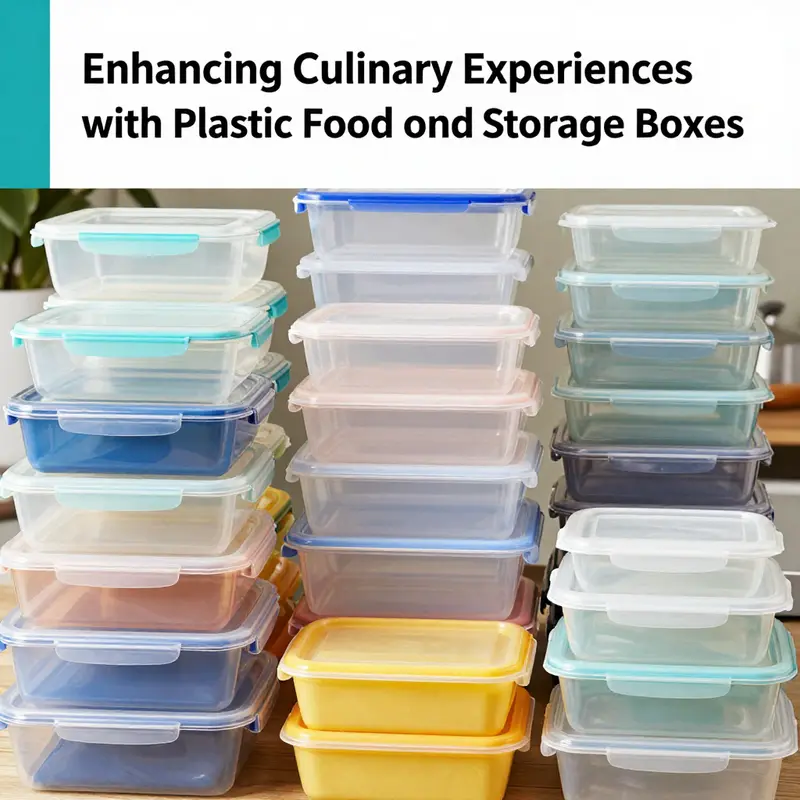
The customization and bulk ordering of plastic food container storage boxes isn’t just a procurement convenience; it is a carefully engineered process that ties design aesthetics to logistical efficiency and food safety. In modern kitchens, offices, and food-service operations, the need to store, transport, and present food items cleanly and predictably has driven suppliers to blur the lines between packaging, furniture, and equipment. The result is a spectrum of options that starts with a few core plastics and ends with tailored solutions capable of meeting specialized demands—ranging from compact multi-compartment lunch sets to large, sealable bins for bulk grains and dry goods. This journey from single-piece convenience to full-scale, customized production reveals a supply chain that is both highly technical and surprisingly intimate, because the same boxes that carry leftovers or organize a pantry can also carry a brand’s identity into a consumer’s daily routine.
Central to this evolution is polypropylene, the workhorse of food-grade storage. Its resilience to heat, chemical stability, and broad recyclability make it the default material for containers intended for microwave use, freezing, and repeated washing. Yet material choice is never just about performance; it is about safety standards and trust. Consumers and businesses alike rely on assurances such as FDA and SGS certifications to confirm that the containers are safe for food contact and compatible with common kitchen processes. The conversation around safety also touches on environmental claims. While some products are marketed as eco-friendly or biodegradable, true biodegradability depends on specific conditions and disposal contexts. In practice, many buyers weigh recyclability and durability alongside environmental considerations, choosing containers that can be reused countless times and recycled through appropriate channels.
Beyond the material and safety assurances, customization is where the market truly opens up. Manufacturers shine when they can tailor a product to fit a client’s workflow. Sizes can be calibrated to match standard shelf dimensions or packaging needs, and shapes can be adjusted to optimize space in refrigerators, freezers, lunch bags, or commercial storage rooms. Colors and finishes help with product differentiation or brand alignment, while branding through logos or graphics on lids and bodies can turn a simple container into a portable marketing asset. The most advanced options extend into functional customization: silicone gaskets for reliable sealing, handles for easy transport, and even wheels or stackable configurations that multiply the value of a single design. In this context, customization is not a luxury; it is a strategic tool that reduces waste, speeds operations, and enhances consumer experience by delivering consistent performance in every unit.
The spectrum of configurations is where bulk ordering truly shines. For households that need dozens of containers, a small run with relatively modest MOQs may suffice. For food-service operations, wholesalers, and retailers, the story shifts toward OEM services and larger-scale production. The economics of scale come into sharp relief as quantities rise: per-unit costs decline with volume, and lead times shift from days to weeks as factories schedule production lines, host mold upgrades, and coordinate multi-step quality checks. Typical MOQs vary widely, often ranging from a couple thousand up to ten thousand units, depending on the product’s complexity, the customization level, and the required certifications. The price breakpoints are equally tiered; buyers might see a noticeable drop in cost per unit when orders hit tens of thousands, facilitating bulk promotions, inventory stability for retailers, or dedicated stock for catering and event services. In many cases, a batch of hundreds of thousands of pieces can transform a supplier from a regional vendor into a steady, international partner capable of fulfilling multi-market demands.
The manufacturing landscape that enables these capabilities has matured around major hubs that specialize in plastic production, tooling, and surface finishing. Regions renowned for their plastics ecosystems—especially in areas where tool-and-die work, injection molding, and assembly are deeply integrated—offer a practical blend of skilled labor, rigorous process controls, and deep supply networks. Factories at scale maintain daily production capacities that far exceed the needs of single storefronts, enabling them to absorb fluctuations in demand and respond quickly to bulk-order requests. A well-structured supplier network will typically feature robust audit trails, material certifications, and extensive testing regimes to ensure quality across every batch. This is essential in a market where a small defect can cascade into recalls, food-safety concerns, or reputational damage for a brand. The risk of inconsistency is mitigated not by a single check, but by layered quality assurance—from raw material verification to sealing integrity tests and drop- and heat-resistance trials that simulate real-world use.
The geographic concentration of these capabilities—the heartlands of Zhejiang, Guangdong, and Jiangsu—reflects a more-than-usual alignment with global distribution needs. Factories here operate large-scale production lines and maintain export-ready logistics that can satisfy North American, European, and Southeast Asian markets. It is common for suppliers to offer complete export support, including documentation, packaging customization, and label compliance for different regulatory regimes. The ability to ship by sea in bulk, sometimes across continents, makes the economics of customization viable for international buyers who require consistent, dependable supplies for retail networks, catering businesses, and industrial facilities. Lead times can be substantial, but they become predictable when a client negotiates long-term contracts with scheduled production windows, allowing planners to align procurement with seasonal demand, promotional campaigns, or facility upgrades.
For buyers, the decision to pursue customization and bulk ordering rests on a balance of needs: the practicality of the product in daily workflows, the credibility of safety and quality assurances, and the total cost of ownership over the container’s life cycle. A well-designed storage box should not merely hold food; it should integrate with a workflow. It should be easy to stack, easy to label, easy to clean, and easy to transport. It should resist leaks, tolerate repeated heating and cooling cycles, and maintain freshness by addressing moisture and odor transfer. The most effective options combine all of these elements with a design language that aligns with a brand’s identity or a facility’s operational ethos. In this sense, customization is as much about process optimization as it is about aesthetics. When a multi-compartment lunch box or a pantry organizer comes off a production line with exact dimensions, precise sealing, and a branding-ready surface, operations gain predictability and customers gain trust.
For readers exploring related product categories, the same logistics and customization principles apply beyond a single storage box. It is worth exploring how storage solutions interconnect with broader storage and packaging ecosystems, including various storage boxes and bins that populate kitchens, warehouses, and retail shelves. See the broader category here: storage boxes and bins.
The procurement path in bulk scenarios is not a simple one-off order. It is the beginning of a collaborative relationship between a brand, a distributor, and a manufacturing partner who can scale with demand while maintaining the integrity of the product. Buyers often rely on a mix of capabilities—custom mold design, color-synchronized production runs, and flexible packaging options—to craft a solution that speaks to both functionality and brand story. The narrative around these containers, then, is twofold: it is about the reliability of keeping food safe and fresh, and about the reliability of a supply chain that can translate a concept into thousands or millions of usable units without compromising safety, quality, or consumer experience. The chapter of this story continues in the next stages of the article, which will broaden the discussion to how these boxes influence storage philosophy, meal-prep culture, and corporate sustainability programs.
External resource for broader context on standards and market dynamics: https://www.alibaba.com/product-detail/Customized-Plastic-Food-Container-Storage_1601238842285.html
Versatile Vessels: Plastic Food Container Storage Boxes in Everyday Organization and Food Safety
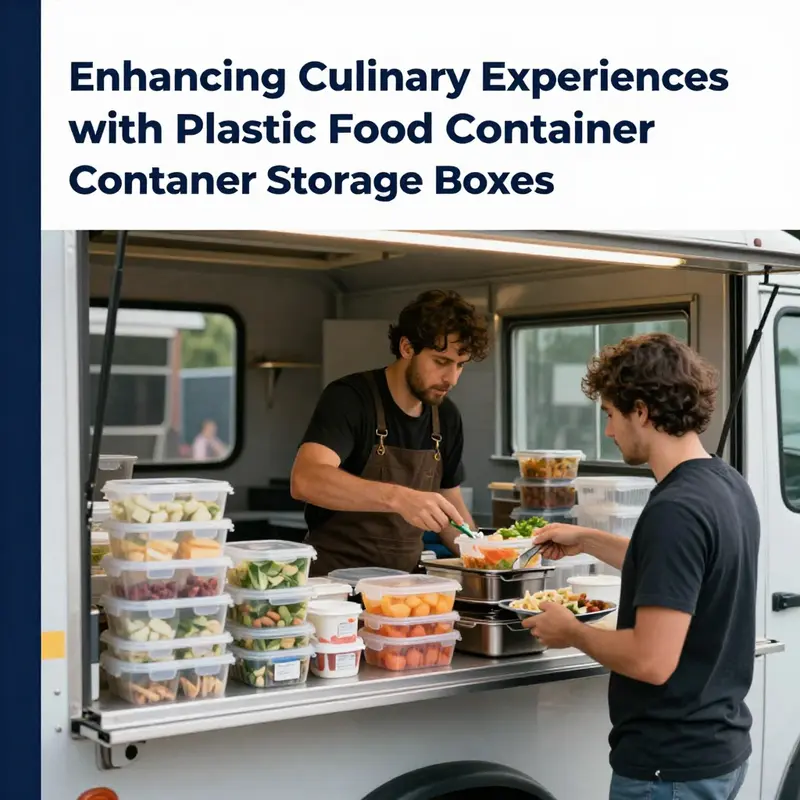
Plastic food container storage boxes occupy a quiet, indispensable role in how people plan, store, transport, and even present food. They are not merely receptacles; they are systems that influence appetite, waste, and efficiency. Their ubiquity stems from a few simple design truths: durability, versatility, and a capacity to preserve quality across a wide range of conditions. They come in a spectrum of shapes—from square and rectangular to round—and sizes that span from a few hundred milliliters to well over a liter. This diversity lets a single kitchen, office pantry, or commercial back room tailor storage to a specific need, whether it is portion-controlled meal prep, bulk dry goods, or the careful handling of liquids. Material choice underpins all of this. Polypropylene emerges as the workhorse for many containers because it resists heat, stands up to daily use, and often carries a food-grade assurance that makes it acceptable for a wide array of culinary tasks. When manufacturers emphasize safety standards recognized across markets, they are signaling more than compliance; they are acknowledging the practical realities of households and workplaces that require containers they can trust in every day. The capacity to be recycled adds another layer of value, aligning convenience with an emerging awareness of environmental stewardship. It is not unusual to encounter containers labeled as eco-friendly or biodegradable, though true biodegradability often depends on specialized conditions. Even so, recyclability remains a central pillar for most suppliers and buyers alike, helping to close the loop on plastic use while maintaining performance in the kitchen. In short, these boxes are designed not only for storage but for preserving freshness, whether that means keeping a sauce from separating in the fridge or ensuring a season’s worth of rice remains free from freezer burn.
In practice, the day-to-day decision to choose one container over another often boils down to a handful of functional questions: will the box endure microwave reheating, is the lid airtight, and how easily can it be cleaned? These questions guide choices in homes, offices, and the broader supply chain. The lids matter as much as the bodies. Snap-on or press-fit closures offer varying degrees of security, with airtight seals that clamp down on air exchange and moisture migration. A well-designed seal helps lock in aromas and flavors while preventing leaks when a box is tipped or transported. The interior geometry also matters. Round containers with smooth interiors minimize food from snagging on corners, ease cleaning, and support even stirring or mixing when liquids, soups, sauces, or dressings are involved. For semi-solid or viscous items, a wide mouth can reduce access friction and make portioning less awkward during meal prep. For dry goods, the flat, stackable profiles allow efficient use of vertical space in pantries and refrigerators, turning small shelves into compact, organized storage zones. In each scenario, the choice of material informs not only safety but practical use: a clear, transparent body makes contents instantly identifiable, cut down on waste, and speed up daily routines. Yet transparency is just one facet of material performance. BPA-free formulations and other food-contact plastics are widely adopted to address consumer concerns about safety, while high-temperature tolerance expands the range of tasks a single container can support, from marinating to reheating.
Beyond the home, the same design principles scale to kitchens and facilities where reliability is non-negotiable. In commercial kitchens and food service operations—delis, bakeries, cafeterias, and quick-service counters—plastic containers become essential tools for portion control, ingredient storage, and takeout packaging. They support the flow of daily operations by enabling cooks to portion meals consistently, store pre-prepared components, and transport foods securely. The difference here lies in the scale and the demands of hygiene. Containers in these settings often feature secure, leak-resistant closures and interiors designed to resist staining and buildup, making routine cleaning straightforward and quick. Round or cylindrical shapes are valued for liquids such as soups or curries, as well as condiments, because the geometry minimizes corners where residues can accumulate during stirring and cleaning. The human factors involved are pronounced: staff can access contents rapidly, meals travel safely, and the risk of cross-contamination is mitigated by well-sealed lids and color-coded or clearly labeled containers. The same logic applies to larger, bulk storage—industrial or wholesale uses demand versions of these containers in greater volume, designed to withstand heavy use. In this tier, opacity becomes a protective feature or a means of safeguarding light-sensitive ingredients, and gasketed lids contribute to long-term preservation by maintaining consistent seals over time. Safety features, including tamper-evident closures, find a natural home in environments where traceability matters. Here, the containers do more than hold; they preserve, protect, and certify the integrity of ingredients as they move through the supply chain, from bulk storage to distribution.
Yet the appeal of plastic storage boxes does not end at a factory floor or a home pantry. They have found substantial use in specialized contexts that illustrate their broad adaptability. In addition to food applications, these containers serve as practical storage solutions for seasonal clothing, under-bed organization, and small parts in workshop environments. A low-profile box with smooth gliding slides or wheels can turn a cumbersome closet or attic into a functional, accessible space. In such uses, the container’s design—its weight, rigidity, and ease of transport—matters as much as its ability to hold food. Outdoors, durable, leak-proof variants enable safe transport of meals, snacks, and camping ingredients, proving that plastic storage boxes extend well beyond the kitchen’s boundaries. This versatility has also driven manufacturers to offer customization options that appeal to both businesses and individuals. Branding opportunities, color choices, and even packaging configurations can be tailored to align with brand identity or personal preferences. For suppliers, the ability to meet bulk orders with tiered pricing and MOQs makes it feasible to equip entire teams, fleets, or households with consistent storage solutions. The practical implications of such customization touch the bottom line—consistency in product quality, predictable performance in real-world use, and, ultimately, a smoother cascade from procurement to daily routine. A broad category, such as storage containers, serves as a convenient touchpoint for end-users seeking reliable, reputable options that fit a wide range of needs. For a broad catalog of options, see the storage containers category.
Across these varied contexts, the unifying thread is straightforward: plastic food container storage boxes are designed to preserve quality while streamlining everyday life. The decisions surrounding material, lid design, and shape are not abstract preferences; they translate into measurable outcomes—longer freshness, less waste, faster meal-prep, and safer transport. The best containers anticipate how people actually use them: lids that snap shut confidently, interiors that resist staining, and bodies that resist cracking under normal handling. They are meant to be robust enough to endure the rough-and-tumble realities of busy kitchens and calm enough to sit quietly in a fridge, freezer, or pantry without demanding constant attention. They are built to be recycled, and where that is not possible, to be repurposed or rehomed with little effort. In this sense, these boxes are perhaps less about novelty and more about reliable, scalable utility—the kind of everyday technology that quietly underpins better planning, less waste, and healthier eating habits. For readers looking to deepen their understanding of how to evaluate options, continuing with credible references and practical guides can be a worthwhile step that complements hands-on experience in kitchens of every scale. External references can provide broader context on storage best practices and the nuances of container performance across environments: Food storage container guide.
Behind the Box: Supplier Profiles and Global Manufacturing Capacity for Plastic Food Container Storage Boxes
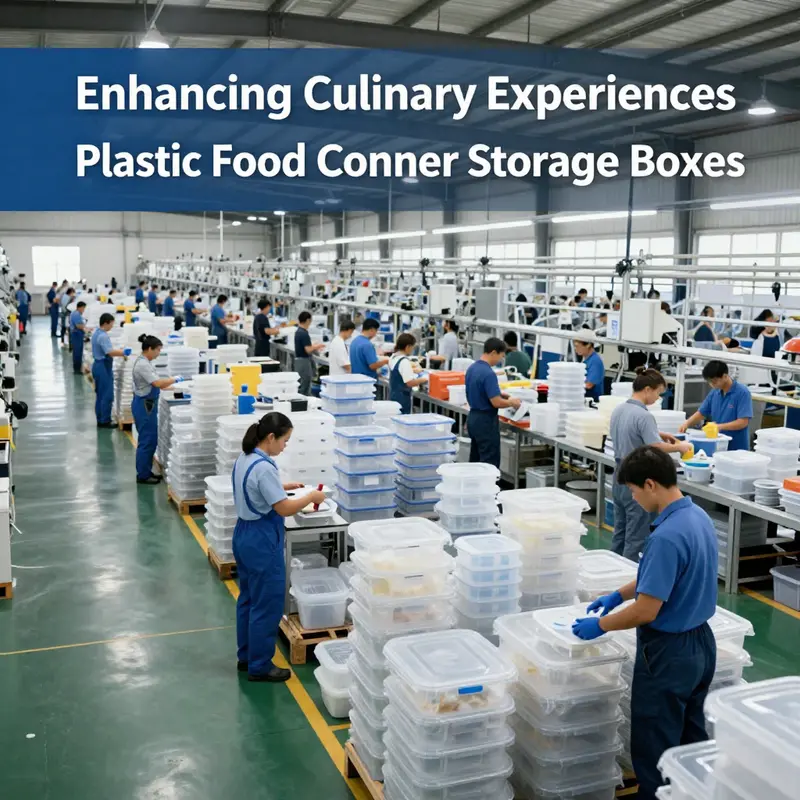
Plastic food container storage boxes are familiar sightlines in kitchens and offices, but the story behind them is a narrative of capacity, standards, and global networks. At the core of these containers is a simple idea: keep food fresh, organized, and portable. Yet the materials, design choices, and the speed with which boxes appear on shelves or in warehouse aisles hinge on a complex supply chain that starts long before the first mold is opened and continues long after the last lid snaps shut. The most common material, polypropylene, offers a practical balance of heat resistance, chemical stability, and recyclability that makes it the workhorse of the industry. It can withstand repeated reheating, survives the bumps of daily use, and remains relatively economical at scale. This is why serious manufacturers emphasize food-grade safety, high-temperature tolerance, and the ability to withstand dishwasher cycles or microwave moments. In practice, the performance requirements shape not just the product, but the entire ecosystem that produces it: tooling, molding, quality control, and, crucially, the capacity to meet both bulk orders and rapid turnarounds for a global market.
When we tour the supplier landscape that feeds this category, three archetypes emerge, each illustrating how capacity, certification, and customization converge to meet distinct buyer needs. The first is the Qingdao-based producer known for heavy-duty storage boxes that can be stacked or nested. Their described capability set reads like a compact manual for scalable manufacturing: a full production chain that starts with molds designed for durability, then moves through molding, trimming, assembly, and packaging, finishing with ready-to-ship units. A daily output historically measured in the low thousands signals a facility oriented toward distribution-scale orders rather than artisanal volumes. What makes this kind of operation especially compelling is the end-to-end control—from design to final packaging—and the fact that such suppliers often carry recognized certifications that reassure buyers in far-flung markets. ISO-compliant quality management, RoHS and REACH conformity, and a robust export track record are not mere checkboxes; they are the currency that allows these plants to sell into multiple continents, meeting varied regulatory expectations while maintaining predictable lead times.
The second profile centers on a Shenzhen-based packaging and kitchenware specialist whose core strength lies in foldable silicone storage options and flexible, disposable meal-ware lines. Though their emphasis extends beyond rigid plastic boxes to include collapsible silicone elements and other packaging formats, they map clearly to a growing consumer demand: adaptable, space-saving solutions for modern life. The capacity story here is less about simple unit counts and more about the ability to scale diverse product families while preserving seal integrity and leak resistance. In markets where FDA compliance matters and where travelers or office workers look for lightweight, portable options, such firms leverage their established export channels to reach North America, Europe, and the Asia-Pacific region. The combination of materials engineering—silicone’s flexibility with the rigidity of polymer lids—and a distribution framework capable of supporting seasonal spikes makes this archetype a crucial flexible-link in the supply chain.
A third profile comes from a larger Shantou-based plastics group that excels in mass production of disposable containers and related packaging formats. Their operations are built around substantial injection molding and thermoforming capabilities, with the scale to support multi-million-dollar annual volumes. Customization capabilities—ranging from shape and size to print finishes and branding on packaging—are a central feature, enabling buyers to align product aesthetics with corporate identity or promotional campaigns. The capacity advantages here are not just about sheer numbers; they include the ability to sustain consistent quality across high-volume runs, maintain tight tolerances, and deliver complex packaging solutions that integrate with retail displays and promotional packaging. In practice, this means a buyer can secure a large, steady supply chain with predictable pricing structures and the possibility of bespoke packaging that still conforms to global safety standards.
What do these profiles reveal about the manufacturing landscape today? They illuminate a few enduring truths. First, the technology backbone matters as much as the product design. Injection molding and thermoforming are not relics of the industry; they are the engines that translate concept into consistent units at scale. The precision of these processes—tight wall thickness control, uniform lid fit, and reliable seal lines—has a direct bearing on user experience, from the first open to the hundredth reheat. Second, certification and traceability are non-negotiable. ISO 9001-type quality systems, RoHS/REACH compliance, and, in many cases, clearer FDA or equivalent regulatory alignments help unlock access to developed markets while reducing risk for importers who must navigate border controls and consumer safety expectations. Third, the capacity to customize is a silver thread through the fabric of the market.OEM/ODM services let brands carve out a distinct shelf presence, whether through branded logos, colorways, or packaging that aligns with a campaign. The ability to tailor dimensions, lid designs, and stacking features often goes hand in hand with tiered pricing and flexible MOQs, enabling both startups and multinational buyers to calibrate product portfolios to demand.
The procurement dynamics accompanying these capabilities are shaped by both strategic incentives and operational realities. The data glimpsed in recent market surveys point to a cost edge for large-scale Chinese manufacturers when orders reach into the hundreds of thousands or millions of units. The arithmetic of scale—substantial daily output, optimized tooling, and mature supply chains for resin materials—makes per-unit pricing substantially more favorable than for smaller producers in other regions. At the same time, lead times remain a critical variable. In a robust market, a typical window from order to delivery can be as short as two weeks for standard configurations, extending to a month or more for customized runs. These timelines, in turn, influence how retailers plan promotions, how corporate buyers schedule inventory, and how distributors manage regional stock levels. Few buyers operate with unlimited storage, so the cadence of manufacture and shipment matters almost as much as the final unit price.
Sustainability emerges as a parallel axis of consideration. While the core act of production centers on performance and cost, an increasing share of manufacturers now foregrounds recyclable materials and reusable design patterns. PP remains a primary workhorse because it cleanly balances recyclability with the durability demanded by everyday use. Yet suppliers are also expanding portfolios to include PET-based options and other recyclable grades, and in some cases they pursue biodegradability or compostability under specific testing frameworks. The conversation around eco-friendly options, then, moves from a niche curiosity to a measurable criterion for supplier selection, especially for buyers aiming to align with corporate sustainability goals and regional packaging regulations.
The cross-border nature of this trade is underscored by a simple, practical truth: capacity and reliability are as important as design. A buyer seeking a complete, brand-ready solution prefers a supplier that can handle mold design, mass production, quality assurance, and packaging logistics in a single, cohesive chain. The three archetypes described here mirror the spectrum of possibilities that exist in the market today. They remind us that a robust storage box ecosystem depends not only on the box itself but on the capacity to deliver consistently, safely, and creatively across diverse markets. For readers exploring this space, a quick tour of the broader storage containers category offers a tangible sense of the variety and scale involved, and it serves as a useful starting point for evaluating potential partners: storage containers.
This narrative also points toward a practical takeaway for procurement strategy. Buyers should seek suppliers who can demonstrate a track record of compliance, a clearly defined path from mold to finished product, and a willingness to accommodate OEM/ODM requests without compromising on safety or delivery timelines. Understanding a supplier’s daily capacity, lead-time norms, and MOQs helps align expectations with demand forecasts. It is equally important to ask for documentation that confirms certifications and material test results, ensuring that what arrives on shelves truly meets the standards advertised. In parallel, buyers can leverage the economies of scale offered by larger manufacturers to negotiate terms that balance unit price with reliability of supply, especially for core container configurations used in meal prep, pantry organization, and on-the-go packaging.
External reference for industry context and supplier profiles: https://www.alibaba.com/product-detail/Gisco-Nestable-Stackable-Plastic-Storage_1600558761788.html?spm=a2700.189083.0.0
Final thoughts
As the demand for effective food storage and service solutions grows, plastic food container storage boxes are emerging as crucial tools for businesses in the food and beverage industry. These containers not only adhere to essential safety standards but also provide endless customization options, making them the perfect choice for catering needs, meal prep, and brand representation. By partnering with reliable suppliers, businesses can effortlessly access high-quality storage solutions that align with their operational needs. Embracing these innovative storage options can enhance workflows, promote freshness, and ultimately contribute to a superior customer experience.