
As environmental concerns amplify, the food industry in Deuil-la-Barre, France, stands at a pivotal point regarding plastic packaging. The transition toward sustainable packaging alternatives — propelled by European Union regulations — is redefining how restaurants, beverage chains, food trucks, and event planners approach their food presentation and delivery. With the impending ban on single-use plastics by 2030, the implications are profound, urging local businesses to adapt swiftly to eco-friendly practices. This article unravels the future trends affecting plastic food containers, the impacts of EU legislation, the promising applications of reusable and biodegradable options, and the societal and economic reactions unfolding in this charming French town. Each chapter sheds light on critical components of this transformation, providing insight into how businesses can align with sustainability objectives while meeting consumer demands.
法规的倒逼与创新的涌现:德伊-拉巴雷塑料食品包装的未来转型之路
走在法国北部的街道上,Deuil-la-Barre的商家和居民正迎来一个看不见却强大的浪潮。欧盟关于塑料包装的新规正在逐步落地,要求减少一次性包装的使用,并鼓励重复使用与可降解材料的替代方案。这个变革并非仅是法规的文字,而是一场对供应链、消费行为和城市生活方式的深刻重新设计。对这座城市而言,超市的货架、餐馆的餐盒、外卖的包装以及家庭的日常使用都将被重新定义。
在欧盟层面,PPWR正成为行业的共同参照。它要求包装具备可回收性、可重复性,并要求信息披露。自2025年2月正式生效,2026年将进入普遍执行阶段。目标是到2030年实现30%的再生材料含量,到2040年提升至65%。这些数字不是空洞的指标,而是针对制造商、分销商与回收体系的强制性约束。法国在本地落地时,会把这一框架转译为具体的设计标准、标签要求与数据报告义务,从而改变德伊-拉巴雷地区的生产与采购决策。
对这座城市的实体经济而言,影响体现在日常业务的改造上。超市需要更易于回收的包装组合,餐馆和外卖平台将逐步淘汰部分一次性塑料制品。企业将把纸基、植物基材料与可重复使用的容器作为主流选项,建立更高比例的再利用循环。
市场的演变不仅在包装材料本身,更体现在对证据的需求上。行业不再停留在标签上的“生物基”或“可降解”字眼,而是要求可验证的全生命周期数据、回收流向与碳排放信息。供应商需要提供从原料采购、制造过程到回收处理的完整证据链,企业需要在合同、采购与生产计划中嵌入可追溯性机制。消费者也逐步成为这一过程的参与者,他们愿意在回收系统中承担责任,期待透明的标识和清晰的归还路径。
技术创新成为核心驱动力。为在成本、性能与回收友好之间取得平衡,行业加速推动生物基涂层、阻隔涂层与单材料设计的应用,减少混合材料带来的回收难题。PHA等生物基高性能材料在纸基餐具与盒子上的应用逐步进入放量阶段,目标是兼顾食品安全、耐用性与环境足迹。对德伊-拉巴雷的本地制造商而言,这是一场技术对接的关键窗口,可能决定在未来十年内的竞争力格局。
法律框架之外,基础设施、财政激励与公众教育同样关键。地方政府、商家和回收机构需要共同构建一个闭环的循环生态系统,覆盖上游材料供应、下游品牌需求与回收端的处理能力。参与国际协作网络如AEPW,有助于本地企业获得统一标准、可验证数据与跨境回收解决方案。这种协同不仅提升企业的合规性,也增强社区的韧性,使德伊-拉巴雷在区域乃至全球的绿色转型中显现作用力。
与此并行的是对传统食品包装的一致性考虑。某些地方性产品的木盒包装仍享有豁免,这显示出政策设计的灵活性与对文化差异的尊重。企业在追求统一回收路径的同时,需识别本地传统中的合规边界,做到在同一市场上实现灵活设计与高效回收并行。德伊-拉巴雷的企业家精神在于以务实的步骤推进包装体系的改造:先在单一材质与简化回收流程上做出试点,再逐步扩展到全链路的证据化管理。
在消费者层面,转型的成功很大程度上取决于本地生活方式的接受度。越来越多的城市居民愿意选择带有回收点的自取方案,或参与可重复使用餐盒的租赁与返还计划。零售商通过清晰简明的标识、便利的归还机制和经济激励来引导消费行为的改变。纸质包装逐步替代聚合物材料时,必须确保区域回收网络的覆盖面,以避免区域间回收效率的差异而削弱整体环境效益。
从全球视角看,德伊-拉巴雷并不孤单。欧洲其他城市的经验显示,一旦制造端提高再生材料比例并建立高透明度的证据体系,市场需求就会向更稳定的包装系统倾斜。这意味着本地企业能通过与高校、研究机构和回收企业的合作,不断开发符合PPWR目标的包装设计、评估新型涂层材料,并建立跨环节的数据平台。这样的跨界协作不仅提升本地产业的竞争力,也为城市居民带来更清晰的选择与更高的生活质量。
实践层面,企业可以从最直接的步骤开始:将包装设计向单一材料化迈进、统一回收标识、建立简单而有效的回收激励机制。地方零售与餐饮业应开辟与回收系统对接的通道,在供应链各环节嵌入可审计的证据链。只有当数据透明、过程可追溯时,法规才会转化为产业升级的驱动,而非仅仅合规的要求。对德伊-拉巴雷的消费者而言,这意味着信息更清晰、选择更可靠、使用更可持续。
未来几年,技术创新与系统协同将并行推进。沿海与内陆城市的经验都指出,一旦回收体系实现规模效应,包装也会向更高价值的结构转变。德伊-拉巴雷的企业若能把握这两端,将在全球塑料循环经济中占据有利位置。
展望未来,愿景可以概括为一个清晰的路径图:到2030年,超市和餐饮单位逐步减少一次性塑料包装的份额,纸基和生物基材料成为主力;到2040年,塑料食品包装的再生材料比例显著提升,回收证据完整、供应链低碳化得到全面验证。这个过程需要地方政府的政策配套、企业的投入、研究机构的创新与公众的参与共同推动。德伊-拉巴雷作为法国城市的一员,将以务实的态度、可核验的证据和对可持续未来的承诺,在社区与产业升级之间建立新的连接。
有兴趣了解包装材料的最新趋势,可参考 plastic-packaging。
相关法规文本请查阅 PPWR 官方文本:https://eur-lex.europa.eu/legal-content/EN/TXT/?uri=CELEX%3A32025R0040
欧盟新规下的转变:德伊-拉巴雷塑料食品包装向可重复使用与可回收材料的演进
在德伊-拉巴雷,这座小城正处于欧盟包装转型的前沿。新法规PPWR将统一欧洲市场对包装的要求,强调回收材料比例、可回收性分级、包装减量和信息透明。
自2030年起,塑料包装需含一定比例的再生料;一次性饮料瓶2040年前再生含量目标将达到65%,其他包装也设有分阶段目标。回收率分级分为A级(≥95%)、B级(80%–95%)和C级(70%–80%),长期低于70%的包装将被禁止投放市场。空隙率限制、过度包装等要求加强,2030、2035、2040年分别实现包装总量减少5%、10%、15%。
对有害物质的管控加强,重金属限值严格,PFAS等永久化学品被禁止使用,材料标签从2028年起统一。法规还允许在符合健康与环境标准的前提下,将化学回收所得的塑料计入回收目标,拓宽回收路径。企业需与本地回收体系对接,建立可追溯的供应链,确保回收料来源稳定、质量可控。设计阶段应降低空隙率与重量,同时保持功能性与美观性,并确保包装易于回收与分拣。公众层面,消费者将逐步接受可重复使用容器和生物基材料,企业需通过透明信息、易用的回收方案以及环境承诺来提升信任。地方政府与行业协会需要定期评估执行效果,更新地方行动计划,以应对材料创新、回收技术进步和市场需求变化。
Rethinking Packaging in Deuil-la-Barre: Toward a Circular, Reusable, and Biodegradable Future under French and EU Policy
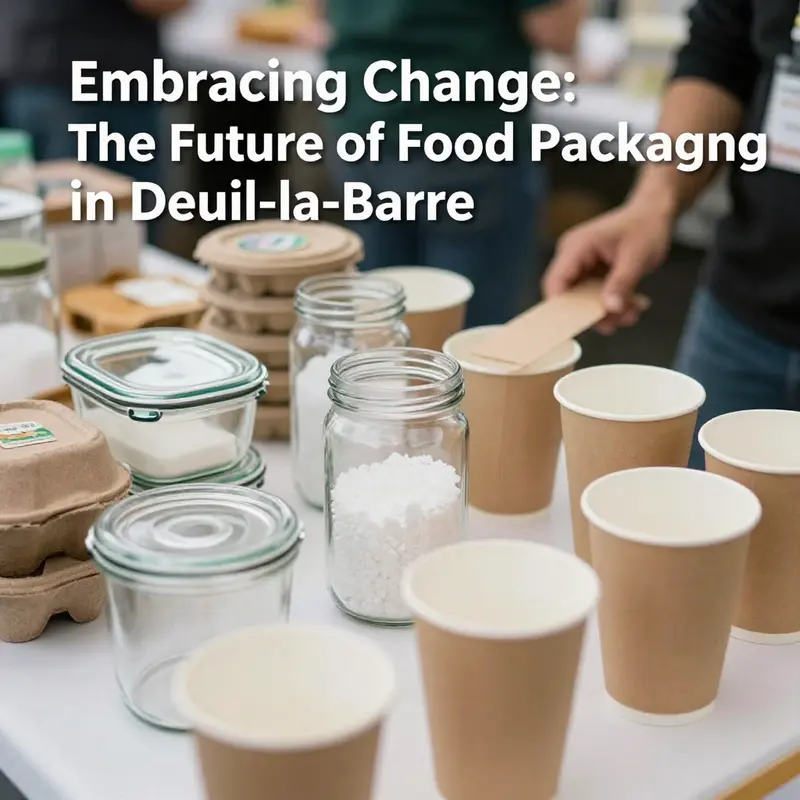
Deuil-la-Barre sits on the edge of Paris, where quiet streets carry the daily cadence of a town that values its markets, cafés, and local life. In such places, the shift in packaging is felt not as a distant policy debate but as a practical challenge touching every storefront, kitchen, and doorstep. The broader European push to curtail plastic pollution has begun to crystallize into concrete changes: by 2030, the European Union aims to ban many single-use plastic packaging used for fresh produce and for quick-service offerings. In Deuil-la-Barre and across France, that directive translates into a plan that will require retailers, restaurants, and delivery services to replace disposable plastics with reusable systems or with materials that can responsibly degrade without leaving a burdensome legacy in landfills or the environment. The local response will not be a single, grand program, but a constellation of experiments, partnerships, and behavioral nudges that collectively redefine how a meal or a shopping trip is packaged, transported, and disposed of.
The absence of publicly disclosed, town-specific projects should not be mistaken for absence of momentum. In fact, the momentum is global, and Deuil-la-Barre sits at a juncture where global trendlines meet local realities. The heart of the transition is not merely choosing a different material but designing a system that makes reuse straightforward, safe, and economically viable. The 3R framework—reduce, reuse, recycle—places reuse at the center. Reusable systems can dramatically reduce the demand for virgin plastics and the environmental footprint associated with manufacturing, transporting, and discarding packaging. Yet reuse is not a magic solution; it requires a managed loop that captures, cleans, redistributes, and redeploys containers in a way that preserves hygiene, minimizes downtime, and sustains business profitability. A deposit-return mechanism emerges as a practical tool in this architecture. It creates a clear economic signal for customers to participate and motivates retailers and waste-management actors to invest in reliable reverse logistics and sanitization processes. When designed well, such a mechanism turns a waste problem into a resource loop, where the returned container—the unit of value—travels back through the system, earning its keep by displacing new plastic packaging in subsequent cycles. The broader design challenge, of course, is scalable digital identity: a trusted, interoperable signal that a container is eligible for reuse, has undergone approved cleaning, and is ready for another round with minimal risk to food safety. In this sense, the global conversation on standardization—an area the World Economic Forum has highlighted—offers a powerful blueprint. A unified set of reuse marks and identifiers would reduce confusion, speed up adoption across stores and suppliers, and compress the learning curve for households that may move between neighborhoods or cities.
Equally important is the place of biodegradable alternatives in the Deuil-la-Barre toolkit. Reusable systems are not universally feasible for every product or every moment in the supply chain. In those instances, materials that can degrade under appropriate conditions offer a meaningful reduction in environmental harm compared with conventional plastics. Biobased polymers, such as PBAT and polylactic acid (PLA), have demonstrated performance that rivals many traditional plastics in food-contact packaging while enabling compostability or easier degradation when matched with suitable waste streams. The promise is tempered by a need for robust certification schemes, clear labeling, and an effective end-of-life network. In France and across Europe, infrastructure—industrial composting facilities, dedicated collection streams, and reliable sorting—must evolve in tandem with material innovation. Without compatible recycling or composting pathways, the very benefits of degradable packaging can be undermined by improper disposal. The result is not only environmental risk but also consumer confusion: if a package is marketed as degradable but ends up in a generic recycling bin, the consequences can ripple through the system, diminishing overall performance and trust. Here again, policy design matters. France’s approach to packaging recognizes the nuanced balance between preserving cultural packaging traditions and advancing environmental outcomes. While certain traditional packaging forms may enjoy exemptions in specific contexts, the overarching trajectory favors materials and systems that align with a modern circular economy. Even in a town like Deuil-la-Barre, this policy flexibility can become a catalyst for localized experimentation that respects local taste and tradition while pushing toward sustainability.
As one contemplates what the future might look like locally, the practical pathways become clearer, though not yet codified in a single municipal plan. A first line of action is to promote reusable packaging across the hospitality and retail sectors through a focused, municipality-backed pilot. Such a program would select a small cluster of supermarkets, take-out outlets, and cafés to test returnable containers, the associated cleaning and sanitization processes, and the logistics of redistributing containers to participating venues. The pilot would not only evaluate the economics of deposit schemes but also surface operational challenges—such as container durability, cycle frequency, and the reliability of reverse-flow routing. The objective would be not perfection at launch but learning at scale. Crucial to this learning is customer experience. Clear, friendly guidance on how to participate, consistent hygiene standards, and visible rewards or savings can transform a chore into a habit. The more the system feels seamless to shoppers, the more likely it is to gain traction across a broad demographic, including households with limited time or resources.
Second, the town can build a practical bridge to sustainability by embracing paper-based and other bio-based packaging options where reuse is impractical or where supply-chain realities render single-use plastics a temporary necessity. Paper packaging—being widely available and adaptable to many food-service needs—offers a pragmatic near-term path that aligns with a broader transition toward recyclable and compostable options. The dialogue around packaging must be anchored in the lifecycle realities of each material, with attention to energy use, water footprint, and end-of-life outcomes. For Deuil-la-Barre, this means fostering a local supplier ecosystem that can provide verifiable documentation of material composition, recyclability, and compostability, while also ensuring that the chosen formats meet the functional demands of food protection and consumer convenience. The local market can benefit from exploring the breadth of paper packaging categories—from sturdy paper boxes and bags to more specialized formats—while balancing cost, performance, and waste handling. In this regard, the choice to pivot toward paper packaging is not merely a substitution but a strategic alignment with a broader vision of a low-carbon, resource-efficient local economy. For readers curious about practical category options, the paper packaging segment offers a tangible starting point for Deuil-la-Barre’s supply-chain partners and municipal planners. See the Paper Packaging category for a view of the available formats and suppliers that can support such a transition: Paper Packaging.
Third, policy coherence and standardization will be indispensable to success. The move toward uniform reuse markings, common labeling conventions, and mutually understood end-of-life signals reduces friction for consumers and operators alike. In a country and region where cultural packaging practices are part of local identity, the challenge is to reconcile tradition with innovation while maintaining clear public messaging about what can be reused, what should be recycled, and what should be composted. Deuil-la-Barre can contribute to this larger effort by acting as a testbed for standardized cues and for partnerships that demonstrate the reliability of end-to-end systems. The municipal level, in particular, can coordinate with regional authorities to ensure that waste streams, cleaning facilities, and logistical networks align with reuse and degradable packaging strategies. This alignment is not merely technical; it is social. It requires ongoing communication with residents, schools, and businesses about why these changes matter, how to participate, and how the city measures progress.
Finally, the social and economic logic of the transition must be strong enough to secure participation across a diverse population. Reusable packaging demands new routines: cleaners integrated into daily workflows, deposit processes that are predictable and fair, and incentive structures that reward consistent participation. Deuil-la-Barre can announce a thoughtful mix of incentives—discounts, loyalty points, or municipal micro-grants for businesses that achieve specific reuse targets—to create a compelling value proposition for early adopters while showcasing measurable benefits to the wider community. Importantly, the town’s approach should emphasize safety and hygiene alongside environmental goals. Public trust—built through transparent operations, clear labeling, and consistent performance—will determine whether reuse becomes a lasting habit or a passing trend.
In sum, while publicly available, town-specific programs for Deuil-la-Barre may not be enumerated in current documentation, the trajectory is coherent and actionable. The EU’s overarching mandate to reduce single-use plastics, coupled with France’s nuanced policy stance that preserves traditional packaging where appropriate, points toward a hybrid system that blends reusable containers with responsibly degradable options. The practical construction of that system in Deuil-la-Barre rests on four pillars: first, scalable, shopper-friendly reuse pilots; second, a pragmatic shift toward paper and other bio-based packaging where reuse is not feasible; third, policy alignment and standardization to unite stakeholders in a shared framework; and fourth, a robust social and economic structure that makes participation easy and rewarding for households and businesses alike. Each pillar reinforces the others, creating a cohesive pathway toward a circular packaging economy that preserves local life while reducing environmental pressure.
The global dimension of this undertaking should not be underestimated. A worldwide movement toward standardized reusable packaging signals a direction in which local decisions gain leverage through shared principles, architectures, and expectations. The World Economic Forum’s global initiative, cited here to orient local ideas toward international practice, invites communities like Deuil-la-Barre to translate a universal framework into place-based action. This is not a theoretical exercise in sustainability; it is a practical, incremental program that can start with simple pilots and grow through iterative learning, partnerships, and robust evaluation. The chapter’s argument is that Deuil-la-Barre can contribute to a broader movement by proving, on a small scale, that a city can balance tradition and innovation, protect public health, and create economic value from the circle of packaging rather than allowing packaging to flow once and disappear. It is a vision of packaging as a resource—tracked, valued, and continually reused or properly degraded—rather than as a disposable afterthought that foots the bill for future generations.
For readers seeking a wider context, the World Economic Forum has outlined a global initiative to standardize reusable packaging, a reminder that local action gains strength when connected to a shared, international framework. This chapter has argued that Deuil-la-Barre can translate those ideas into concrete, place-based steps that fit its scale, while contributing to a European and global movement toward circular packaging. The path ahead will require collaboration among supermarkets, restaurants, waste-management authorities, manufacturers, and households—an alliance built on trust, clarity of labeling, and a shared commitment to reduce plastic pollution and carbon emissions. It is not a distant ideal; it is a practical agenda that can begin with simple, carefully designed pilots and grow into a city-wide system that preserves the tastes and textures of local life while defending the health of the broader environment. External resources can illuminate the way, inviting communities to consider how standardization and collaboration can unlock scalable outcomes beyond the boundaries of Deuil-la-Barre.
External resource: Global initiative to standardize reusable packaging
From Deuil-la-Barre to a Circular Table: The Turning Tide of Plastic Food Packaging in a French Suburban Community
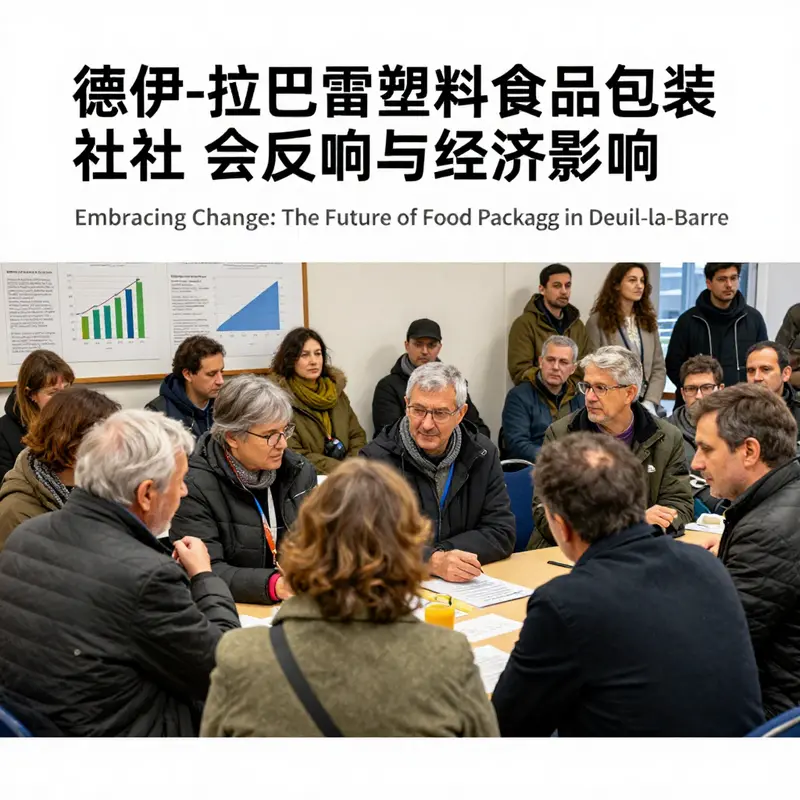
In the quiet rhythm of Deuil-la-Barre, a town that sits just beyond the northern fringes of Paris, a quiet economic and cultural shift begins to take shape around the humble packaging of everyday foods. The surface changes—new cartons replacing some plastic trays, more emphasis on recyclable and compostable materials at local shops, and a growing dialogue among shopkeepers, residents, and municipal authorities about what counts as responsible packaging in a modern, urbanized suburb. This shift is not a single policy announcement but a slow, cumulative process driven by a combination of European directives, French environmental policy, and the lived realities of local commerce. The broader arc is clear: by the end of the decade, the way Deuil-la-Barre and similar communities package, present, and ultimately dispose of food will look markedly different from the past. Yet the change is not merely technical; it carries implications for daily routines, consumer expectations, and the local economy that together tell a story about how a small urban area negotiates the pressures of global sustainability regimes while seeking to preserve its social fabric and economic vitality.
At the heart of this transformation lies a policy logic that has become familiar across France and much of Europe. The European Union’s push to curb single-use plastics, paired with France’s own regulatory measures, targets widely used plastic packaging for fruits, vegetables, and take-away condiments. The stated objective is straightforward: reduce the volume of disposable plastics and steer both producers and consumers toward reusable or biodegradable alternatives. The practical consequences for Deuil-la-Barre are immediate. Supermarkets and eateries, which previously relied heavily on short-life plastic packaging, must re-evaluate supply chains, renegotiate packaging contracts, and adapt to new labeling and disposal guidance. The local economy must absorb these changes, balancing the costs of transition with the long-term aims of environmental stewardship and public health.
The transition is not a blunt, one-size-fits-all conversion. The policy landscape acknowledges the need for exemptions and nuance, preserving certain traditional packaging forms where culturally or economically appropriate. A notable example cited in regulatory context is the exception made for specific traditional packaging practices, such as the wooden boxes historically associated with certain regional cheeses. This demonstrates that the regulatory approach to packaging is not merely punitive; it is adaptive, recognizing that heritage and regional food identities can coexist with environmental objectives. For Deuil-la-Barre, this nuance translates into a landscape where some products may continue to enjoy certain packaging luxuries in the name of tradition, while the broader retail environment gradually shifts toward more sustainable options for everyday items.
From the consumer vantage point, the policy push intersects with evolving attitudes toward consumption and waste. Across many societies, there is growing awareness of the environmental costs embedded in everyday choices. In France, this awareness is reinforced by public campaigns, municipal recycling programs, and visible shifts in storefronts toward recycled-content paper or biobased alternatives. Yet awareness alone does not suffice; convenience, price, durability, and perceived hygiene remain crucial determinants of consumer behavior. In Deuil-la-Barre, as in other towns, residents weigh the ease of using a familiar plastic container against the broader, longer-term benefits of reduced plastic waste. This is where the social contract around packaging becomes most visible. Consumers increasingly expect clear guidance on disposal, separate waste streams, and access to reliable recycling or composting options. When these systems are robust and user-friendly, acceptance of alternative packaging rises; when they are fragmented or opaque, resistance grows.
The economic dimension of this transition in Deuil-la-Barre is equally important. Small and medium-sized enterprises, which form the backbone of local commerce, face a dual challenge: reducing the environmental footprint of their packaging while maintaining affordable costs and reliable supply. The shift away from single-use plastics typically entails upfront investments—new equipment, supplier diversification, and staff training on handling, storage, and consumer guidance. In the short term, those costs can exert pressure on profit margins, especially for businesses serving price-sensitive customer segments or operating with tight cash flows. Yet there is also a counter-argument rooted in resilience and long-term planning. Reusable systems, higher-quality packaging, and clearer end-of-life pathways can reduce waste costs, improve brand perception, and build customer loyalty among a growing cohort of environmentally conscious shoppers. In this sense, Deuil-la-Barre’s local businesses may discover that the transition opens doors to new service models—refillable containers, deposit schemes, and partnerships with community recycling or composting initiatives—that can differentiate them in a competitive landscape.
A crucial, often underappreciated bridge between policy and practice is the supply chain that serves Deuil-la-Barre. The European push toward standardized, recyclable, or compostable packaging affects procurement strategies for retailers and food service establishments alike. For many local operators, this means rethinking supplier relationships, evaluating the lifecycle performance of packaging materials, and ensuring that any new packaging aligns with municipal waste management capabilities. Public authorities, in turn, have a role to play by investing in municipal infrastructure, clarifying disposal options for residents, and coordinating with national programs to smooth transitions for smaller players who might otherwise bear disproportionate costs. In this collaborative frame, success depends on transparent communication, predictable regulatory signals, and the practical linkage between consumer behavior and waste processing facilities.
There is another layer to this conversation—the social and ecological geography of waste. Plastics do not vanish after the checkout; they travel through a complex chain of production, distribution, consumption, and disposal. The policy trajectory that aims to reduce single-use plastics must also address what comes next for the packaging: recycling, energy recovery, composting, and, where feasible, reuse. In Deuil-la-Barre, as in many communities, municipal waste programs are the crucible where policy ambitions meet everyday life. The efficiency of these programs to sort, collect, and process materials—whether through curbside recycling, local drop-off points, or partnerships with regional facilities—will significantly shape how residents perceive the value of changing packaging practices. When the waste system is coherent and reliable, it reinforces a sense of collective efficacy; when it falters, it can undercut even well-intentioned efforts.
All these threads—policy design, consumer behavior, business adaptation, and waste infrastructure—converge in the practical reality of everyday shopping and dining. In Deuil-la-Barre, the social lifecycle of a meal evolves as packaging becomes a visible marker of responsibility and culture. People notice the switch from opaque plastics to clearer, paper-based or biobased options; they notice clearer labeling about recyclability and end-of-life guidance; they notice the cadence of reminders from retailers about how to dispose of containers properly. This visibility matters because it anchors new norms in daily routines. It is not only about compliance with a distant directive; it is about shaping a shared understanding of what it means to live well in a community that values its environment as part of its social identity. In this sense, the town’s gradual move away from single-use plastics is less a policy shutdown and more a civic invitation: to rethink consumption patterns, to invest in durable alternatives, and to participate in a circular economy that keeps resources within the local economy for longer.
The practical literature on packaging transitions emphasizes the value of tangible, locally grounded steps. One accessible pathway is the broader shift toward materials with lower environmental footprints, such as paper-based packaging and other biodegradable or reusable options. Local retailers can illustrate this shift by highlighting choices that are not only legally compliant but also aesthetically and functionally appealing to customers. A small, deliberate emphasis on design quality—easy-to-open packaging, clear break-down instructions, and attractive, recyclable materials—can transform consumer experience and acceptance. At the same time, a careful approach to labeling and consumer guidance helps maintain perceived hygiene and convenience, two factors that often determine whether a substitution is adopted or rejected by households and casual diners alike. The result is a consumer ecosystem that is more informed, more responsible, and more adaptable to a rapidly evolving regulatory landscape.
In contemplating Deuil-la-Barre’s trajectory, it helps to situate the town within a larger pattern. Across Europe and beyond, communities are negotiating the balance between convenience and sustainability, short-term economic pressures and long-term ecological goals, and local cultural identities with globalized supply chains. The more robust and transparent the communication among policymakers, businesses, and residents, the more resilient the transition becomes. The social resonance of these changes—how people talk about packaging, how they choose to store leftovers, how they explain the costs and benefits to family and neighbors—will determine how quickly and effectively the region can move toward a genuinely circular packaging regime. The model here is not one of immediate perfection but of incremental improvement, built on trust, strategic investment, and an open-minded willingness to reimagine ordinary practices in light of enduring environmental and social considerations.
Looking forward, the Deuil-la-Barre example offers a lens on how suburban spaces intersect with urban policy ambitions and rural supply chains in a shared ambition: to reduce plastic waste without compromising safety, convenience, or cultural meaning. The town’s experience will be shaped by how well local actors translate European and national aims into practical changes on the ground. It will depend on whether retailers, restaurateurs, and residents exchange feedback, adjust expectations, and co-create systems that make sustainable packaging not a burden but a sustainable habit embedded in daily life. In this evolving scenario, the future of food packaging in Deuil-la-Barre is less a single reform and more a continuous conversation about values, resources, and the kind of community that a modern, environmentally conscious France aspires to be. The narrative remains ongoing, with every grocery aisle and take-away counter acting as a small stage where policy, economy, and everyday life perform the drama of a more sustainable future.
For readers seeking a concrete example of how this transition can appear in practice, consider the broader trend toward paper packaging). This shift does not erase the complexities of the transition but offers a tangible route for reducing dependence on conventional plastics while maintaining functionality and consumer satisfaction. As Deuil-la-Barre and similar towns navigate the coming decade, the dialogue between policymakers, businesses, and residents will be essential in translating policy ideals into lived experience, enabling a more circular economy to emerge from the daily rhythms of shopping and eating. Preparatory steps—clarifying disposal options, aligning supplier choices, and educating consumers—will help ensure that the path forward continues to be inclusive, practical, and attuned to local realities.
External policy context and practical guidance can be explored through wider resources that discuss the regulatory framework and its implications for packaging and waste management. For a broader policy context, see the European Union’s ongoing work on plastic waste and packaging standards, which informs how local decisions in Deuil-la-Barre connect to continental objectives. https://ec.europa.eu/environment/waste/plastic_waste.htm
Final thoughts
The shift towards sustainable food packaging in Deuil-la-Barre presents both challenges and opportunities for local businesses. As they navigate the upcoming ban on single-use plastics, the focus on innovative, eco-friendly packaging solutions not only meets legislative requirements but also aligns with the growing consumer preference for sustainability. By embracing this change, restaurants, beverage chains, and event planners can not only minimize their environmental footprint but also enhance their market appeal. Establishing sustainable practices now paves the way for a thriving and responsible future in the culinary scene of Deuil-la-Barre.