
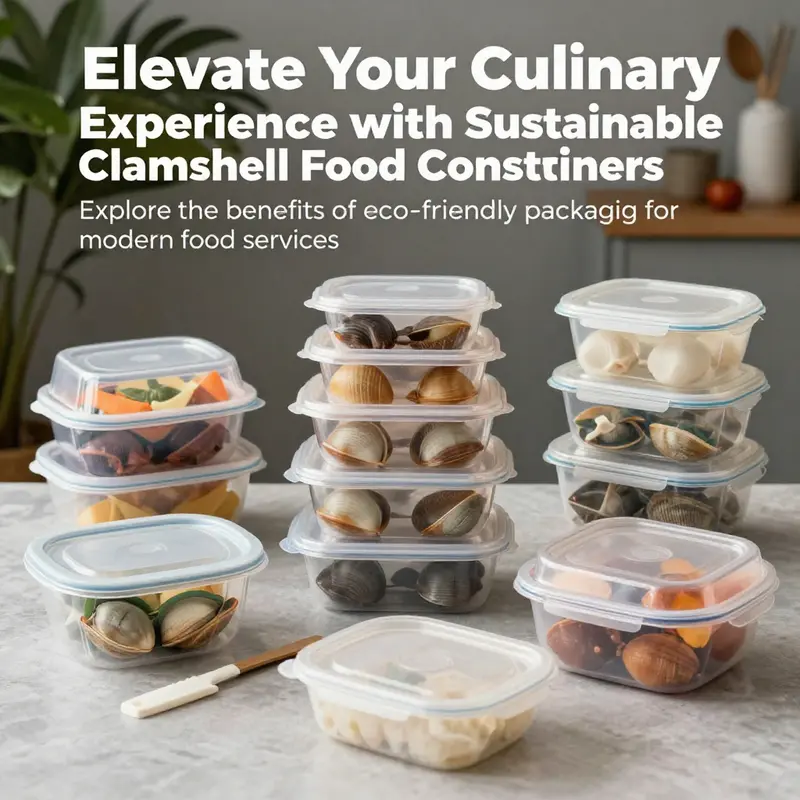
Clamshell food containers have become indispensable in today’s food service industry, especially for bubble tea shops, restaurants, food trucks, and catering services. As the demand for convenient and visually appealing packaging grows, sustainability has emerged as a critical component of consumer purchasing decisions. This article delves into the evolving landscape of clamshell food containers made from plastic, highlighting their increasing shift towards biodegradable options, economic implications for food businesses, technological advancements in design and production, and the consumer preferences driving these changes. By understanding these facets collectively, food service professionals can make informed choices that not only meet their operational needs but also resonate with environmentally conscious patrons.
Sustainable Shifts in Clamshell Packaging: Biobased Paths Beyond Plastic
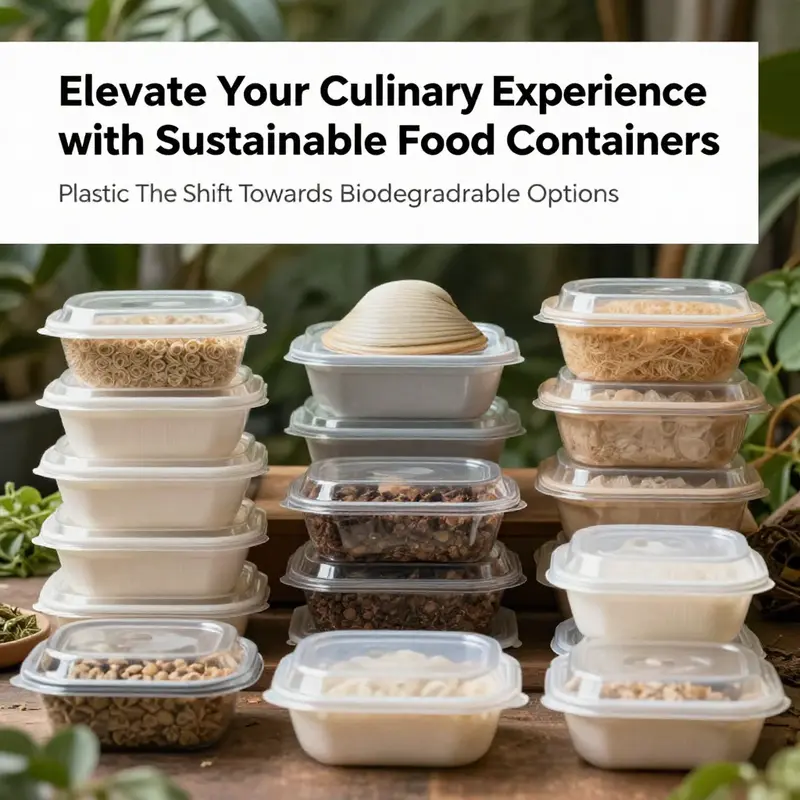
Clamshells, once celebrated for hinge-ready practicality, have long framed the everyday experience of taking food home or grabbing a ready-to-eat meal on the run. Their design–two interlocking halves that open with one hand and seal securely enough to survive transport–made them a staple in kitchens, delis, and catering operations. Yet their durability is part of the problem: the same properties that protect freshness contribute to persistence in the environment. The clamshell’s life cycle has become a focal point in a broader conversation about sustainability, resource use, and waste management.
Traditionally, PET dominated the clamshell segment for its clarity, strength, and relatively low cost. PET shields contents from moisture and air, resists cracking, and offers recyclability in many municipal streams. But the environmental story of PET is complex: while recyclable, recycling rates and material quality vary; downcycling is common and some material never re-enters the loop. The result is a material that can contribute to landfill and litter if collection systems falter. This motivates researchers and brands to explore alternatives that reduce reliance on traditional plastics while maintaining safety and shelf life.
The pivot toward compostable and biodegradable options brings plant-based choices into focus. Bagasse, PLA, bamboo, and other bio-based fibers are moving into the spotlight. Bagasse — an agricultural byproduct from sugarcane — offers a compelling circular economy narrative. PLA, derived from plant sugars, can break down under appropriate industrial composting conditions. The central appeal is the potential to reduce landfill mass and greenhouse gas emissions when supported by robust composting infrastructure, alongside compatible barrier performance and food safety.
Design realities, however, set limits. A clamshell must resist moisture condensation, preserve a reliable seal through temperature swings, and tolerate microwaving or freezing when needed. Biobased substitutes have sometimes traded off performance or portability for end-of-life benefits, and some may require industrial composting conditions not available everywhere. This underscores the need for a holistic life-cycle perspective that weighs sourcing, processing, use, and end-of-life management.
Beyond materials, consumer awareness and regulation are reshaping strategy. Bans and restrictions on single-use plastics push brands toward compostable or recycled-content options, while clear communication about disposal helps ensure materials reach the intended streams. Achieving certifications and aligning with food-safety standards remains essential for adoption in hospitality and retail settings. The economics of production – cost per unit, weight, and downstream processing compatibility – also matter, especially at high volumes where small changes can ripple through the supply chain.
Life-cycle thinking invites attention to energy use and emissions from growing feedstock, manufacturing, and transport. A compostable clamshell may reduce landfill waste but still require energy-intensive processing, and agricultural feedstocks carry land-use or water-stress considerations. Robust life-cycle assessments help reveal trade-offs and guide policy and standards that balance environmental benefits with practical constraints.
The design space continues to expand as manufacturers combine biodegradable materials with familiar geometries, enabling adjustable thickness, stiffness, and heat resistance for diverse use cases. Clear labeling and branding opportunities emerge as part of an ecological narrative, helping consumers dispose of containers correctly and supporting waste managers in sorting processes. In practice, sustainable clamshells require collaboration across supply chains, investment in composting and processing technologies, and transparent reporting on performance and emissions.
As the chapter advances, the industry moves from a single-material mindset to a systems view that accounts for feedstock supply, processing capability, regulatory regimes, and end-of-life infrastructure. Biodegradable, plant-based clamshells are likely to prosper where composting networks exist and life-cycle benefits justify the transition, while recycled-content or multi-material solutions may serve as prudent bridges where composting capacity is limited. The future of clamshells lies in adaptable, systems-aware packaging that minimizes waste, preserves food safety, and aligns with community needs.
For readers seeking practical guidance, the key is to assess entire chains—from feedstock to disposal—and favor solutions that can be integrated into existing waste streams or improved with advancing infrastructure. The conversation is about rethinking convenience to reduce environmental harm while preserving safety and usability. The next chapter will examine consumer behavior and choice architecture, exploring how sustainability perceptions shape decisions and how brands communicate ecological commitments without overstating claims.
null

null
Technological Advancements in Clamshell Food Containers Plastic Production and Design

The clamshell, with its hinged two-piece form, has long been a staple of modern food packaging. Its popularity rests on a simple truth: it protects, preserves, and presents in a single, user-friendly shell. Yet beneath the familiar snap of the lid lies a rapidly evolving landscape where material science, engineering prowess, and sustainability concerns intersect. This chapter traces how advancements in plastic production and design are transforming clamshell containers from functional workhorses into sophisticated packaging solutions that align with rising expectations for safety, efficiency, and environmental responsibility. The journey begins with material choices and ends, for now, in a future where plant-based composites, smart indicators, and increasingly precise manufacturing processes push the boundaries of what a clamshell can do. It is a story of compromise and opportunity—how durability and clarity and barrier performance can coexist with lower carbon footprints, thinner walls, and smarter traceability, all without sacrificing the one-handed convenience that makes clamshells so practical in homes and commercial kitchens alike.
In the traditional arc, the most common material has been PET, prized for its clarity, strength, and recyclability. PET’s transparency enables visible quality checks without opening the package, a feature particularly valuable for delicate items such as berries and fresh-cut produce. But as concerns about plastic waste intensify, researchers and manufacturers have pursued alternatives that can degrade more readily or be produced with renewable feedstocks. Biodegradable and compostable materials have emerged as central to this shift. Polylactic acid (PLA), derived from renewable resources like cornstarch, offers a viable path away from fossil-based polymers while preserving the basic mechanical properties needed for a clamshell’s daily duties. PLA-based designs strive to balance stiffness, heat tolerance, and barrier performance to keep perishables fresh during transport and display. These developments are not simply about replacing one resin with another; they are about reimagining the entire formulation to meet specific performance targets while reducing environmental impact.
A parallel trajectory moves beyond purely petrochemical inputs toward plant-based and natural-fiber composites. Bagasse—the fibrous byproduct of sugarcane processing—has gained traction as a feedstock for microwave-safe, disposable containers. In practice, bagasse-based clamshells combine the rigidity and heat resistance needed for hot meals with the compositional advantage of a material that can be more readily integrated into organic waste streams under industrial composting conditions. The ecological appeal is clear: a materials cycle that emphasizes renewability and lower lifecycle emissions, without compromising the shelf life and safety assurances demanded by restaurants, retailers, and home cooks. The challenge, of course, lies in achieving barrier properties and clarity that rival traditional plastics, while ensuring compatibility with existing food-contact safety standards. As researchers refine formulations and processing, the gap between conventional plastics and plant-based alternatives narrows, enabling a broader spectrum of packaging options for different products and markets.
Design improvements sit at the heart of making these materials practical in real-world use. The clamshell’s core strength—its two-piece symmetry, interlocking seal, and hinged connection—has become a canvas for engineering ingenuity. Structural integrity is increasingly enhanced through ribbed reinforcements and optimized geometries that distribute stress during handling, stacking, and transport. The result is improved durability, reduced risk of lid pop open, and less spoilage due to impact or vibration. In tandem with this, sealing mechanisms have evolved. Modern clamshell designs employ tighter seals and smarter latch systems that preserve moisture and aroma while resisting leaks during vertical drops and rough handling. The combination of robust seals and high-clarity materials makes it possible to showcase foods attractively while extending freshness, a critical consideration for delicate items such as berries, leafy greens, and prepared salads.
The production side of the equation has learned to translate these design ambitions into scalable, cost-effective manufacturing. Material efficiency has become a major driver, propelled by advances in mold design and injection molding technologies. Thinner walls and optimized wall thickness distributions help reduce material usage without sacrificing structural performance. The precise tolerances required for reliable stacking and compatibility across product lines are increasingly achievable with advanced process controls and metrology. A typical result is a clamshell that stacks more compactly, reducing the volume needed for warehousing and transportation. In practice, this translates to meaningful space and energy savings for manufacturers and distributors, echoing the broader push toward lean packaging operations. A subtle but important consequence is that lighter containers require less energy for filling, sealing, and distribution, reinforcing a virtuous circle of efficiency and lower emissions.
Transparency remains a prized attribute in clamshell packaging. As consumers inspect products before purchase, materials that maintain clarity under a range of temperatures and exposures are essential. High-quality clear polystyrene or polyethylene remain widely used for this purpose, but ongoing material science work aims to retain optical quality while improving barrier performance and heat resistance. The capacity to visually verify ripeness, freshness, and product quality without opening the package reinforces consumer confidence and reduces waste caused by unopened but spoiled products. Additionally, the ability to offer a crisp, glossy presentation supports premium perceptions in certain markets, while matte or translucent finishes can be employed to differentiate product lines or signal sustainability-focused messaging.
An equally compelling strand of innovation pertains to the integration of smart packaging features. Time-temperature indicators embedded in or attached to clamshells provide a visible cue about product safety and quality history, helping retailers and customers gauge freshness at a glance. Such indicators can be paired with QR codes or NFC tags to offer traceability data, usage instructions, and recycling or disposal guidance. The convenience of quick digital access to product journeys translates into stronger brand trust and better recall of safety practices. When a consumer can scan a lid and see a product’s pathway from farm to table, the act of purchasing becomes an assurance of responsible sourcing and transparent handling. For businesses, this level of data enables more precise inventory management, reduces spoilage, and supports recalls or safety actions should they become necessary. It is a forward-looking convergence of packaging and digital technology that keeps clamshells relevant in an increasingly information-driven marketplace.
Beyond materials and micro-level design choices, the macro considerations of lifecycle impact and end-of-life management shape ongoing innovation. Recyclability remains a cornerstone of PET-based clamshells, with recycling streams that can reclaim the resin for reuse in food-grade applications. Biodegradable and compostable options add a complementary pathway, especially in settings that can direct waste to industrial composting facilities. This is not a purely technical debate; it is a systems question. For biodegradable and compostable materials to realize their potential, collection, processing infrastructure, and consumer behavior must align. Misalignment can render an otherwise beneficial material less effective if it ends up in a landfill where decomposition is stalled. Consequently, designers are increasingly mindful of how a clamshell’s material choice interacts with local waste management realities, consumer habits, and brand positioning. The added value of certifications and standards—like those governing food contact safety—becomes a practical signal to customers that performance and responsibility travel together. In this context, 1.0 mm tolerances, precision-fit stacking, and predictable sealing behavior are not merely engineering details; they are assurances that a product can be trusted across the full spectrum of use, from bustling food courts to quiet microwaves at home.
The global supply chain that underpins these advancements is deeply interconnected. Manufacturing hubs in Asia—particularly in regions known for plastics processing and molded packaging—produce clamshells at scales that meet the demands of restaurants, retailers, and consumers worldwide. The reality is that the cost, availability, and quality of materials and molds influence every design choice. Customization options, including OEM/ODM services, enable brands to tailor dimensions, lids, latch styles, and branding prints to create a cohesive packaging system that aligns with corporate identities and product categories. Achieving this level of customization while maintaining stringent food safety standards and consistent tolerances requires a blend of precise tooling, rigorous quality control, and real-time process monitoring. As a result, manufacturers invest not only in resin selection but also in machinery and metrology that guarantee repeatability, even as the market pivots toward more sustainable materials and smarter features.
The practical realities of material transition are visible in specific design choices as well. For plants-based options, permeability, heat resistance, and clarity can be tuned through blends and processing conditions. For example, the inclusion of plant-based fibers or starch derivatives must be balanced against required barrier performance to protect moisture and oxygen-sensitive foods. This sometimes means accepting modest trade-offs in transparency or rigidity, while gaining enhanced compostability and lower lifecycle emissions. The industry increasingly recognizes that packaging cannot be judged solely by its single-use footprint; it must be evaluated within a broader framework of reuse potential, recyclability, energy use during production, and end-of-life handling. In practice, forward-thinking teams design clamshells with modularity in mind—lids and bases that can be configured for different product families, easily adapted molding tools to swap resins, and standardized fit schemas that reduce mismatch across suppliers and lines.
Toward the future, the blend of material science, design optimization, and digital integration promises clamshell packaging that is more than a protective shell. It becomes a data-enabled, resource-conscious interface between a product and its consumers. In this vision, a clamshell may carry not only its contents but also actionable information about freshness, environmental impact, and disposal options. The consumer experience is enhanced by transparent materials, visible freshness cues, and accessible safety data. Meanwhile, brands benefit from tighter control over shelf life, more efficient logistics due to improved stacking and handling, and better alignment with sustainability commitments. The chapter’s throughline is clear: improvements in material composition, structural design, and smart features converge to produce clamshells that perform better, last longer, and leave a lighter footprint on the planet.
As this evolution unfolds, a growing ecosystem of alternatives continues to inform and push the boundaries of what is possible. Plant-based substitutes like bagasse-based bowls illustrate a pathway to combining the familiar clamshell form with renewable content and compostability. Such designs often emphasize ease of reuse or post-consumer waste integration, while retaining the practical advantages of a hinged, two-piece system. In practice, these options can be tailored to specific product categories, such as ready-to-eat meals or fresh produce, enabling brands to signal a clear environmental stance without compromising on presentation or performance. The ongoing challenge remains to harmonize processing capabilities, cost considerations, and consumer expectations. It is here that the careful calibration of material science, tool design, and packaging strategy yields the most meaningful gains. The result is not a single “best” solution but a spectrum of optimized choices—from thin-walled yet strong PET variants to biodegradable, plant-fiber composites—and an expanding toolbox for delivering safe, attractive, and responsible packaging that can adapt to diverse markets and regulatory landscapes.
For readers seeking a concrete example of the direction these trends are taking, consider the growing attention given to plant-based and upcycled materials as viable pathways for clamshell-type packaging. Some designs now integrate foldable, secure suction lids with biodegradable substrates, enabling leak-resistant performance while steering the product toward disposal options that align with environmental goals. In this evolving context, the clamshell is not merely a containment device but a design platform for safer, smarter, and more sustainable food experiences. The convergence of material science with precision engineering and integrated sensing points toward a packaging future that respects both the consumer’s need for reliable protection and the planet’s need for responsible resource use.
Internal link reference for further exploration: natural-sugarcane-bagasse-pulp-salad-bowl-microwave-bagasse-take-away-food-dinnerware-round-bowl-disposable. This example underscores how the clamshell concept can extend into plant-based, microwavable formats that maintain the ease of use and structural reliability that define the form. The broader takeaway is that innovation in clamshell production is increasingly about pairing performance with sustainability in a way that resonates with today’s regulators, retailers, and diners.
External resource for broader context: https://www.plasticsnews.com/industry-news/innovations-in-clamshell-packaging-for-food-safety-and-sustainability
null
null
Final thoughts
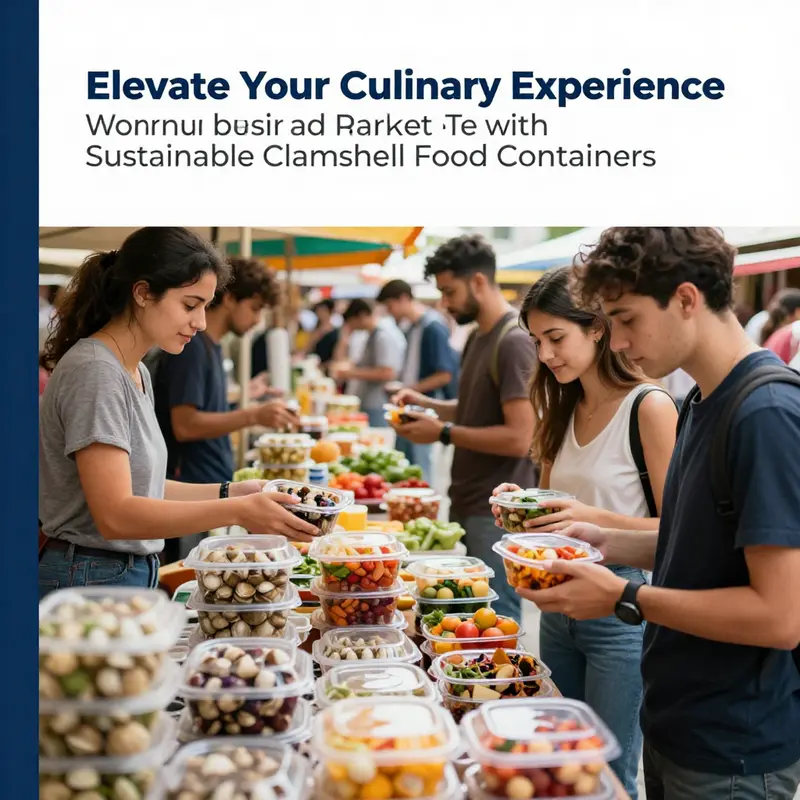
As the food service industry continually evolves, clamshell food containers made from plastic stand out as a practical and versatile choice. Embracing sustainability through biodegradable options and leveraging technological advancements can enhance your brand’s appeal to eco-conscious consumers. Understanding economic implications allows businesses to make informed decisions, ensuring that packaging adds value without compromising profit. By aligning with consumer preferences and market trends, food service establishments can not only thrive but also contribute to a greener planet. As you explore your packaging options, consider how clamshell food containers can elevate your culinary offerings while supporting your commitment to sustainability.