

In the culinary business, presentation and functionality are key. Large disposable soup bowls are not just practical; they embody sustainability, style, and safety. This article explores their types and core features, common specifications, materials, environmental performance, applications, and buying options to ensure businesses like bubble tea shops, restaurants, food trucks, catering services, and event planners make informed choices.
Beyond Convenience: The Sustainable Evolution of Large Disposable Soup Bowls
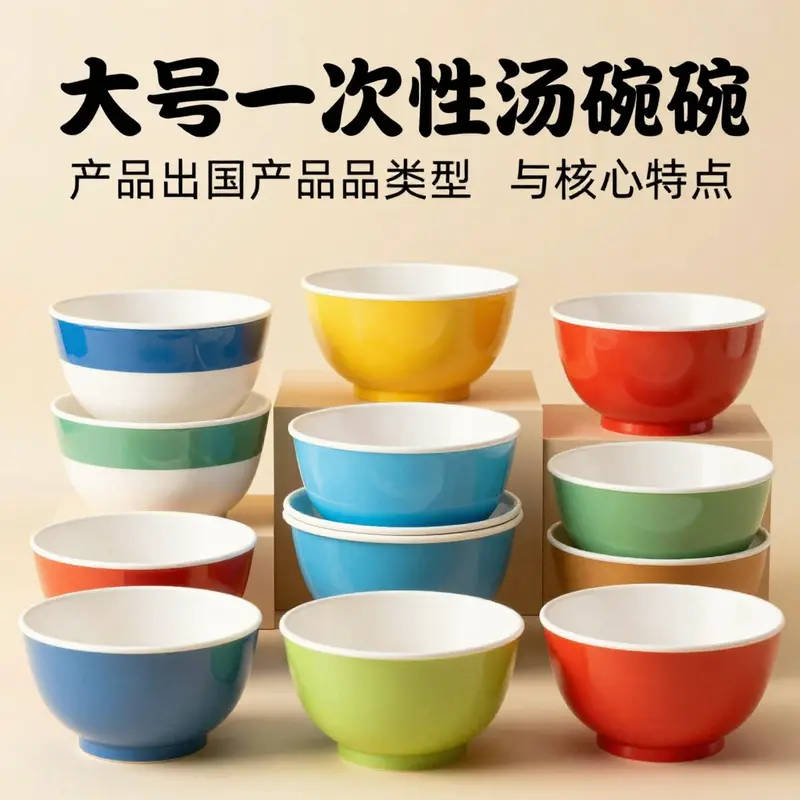
Large disposable soup bowls have become much more than mere everyday items; they represent a transformative fusion of practicality and environmental mindfulness. In an era marked by demands for efficiency, these bowls have emerged as versatile dining solutions that cater to both bustling commercial kitchens and the casual home setting alike. Their evolution illustrates how thoughtful design and material innovation can harmonize with the growing need for sustainability, offering consumers products that are not only convenient but also contribute to a greener future.
Historically, disposable dinnerware was characterized by basic functionality and a reliance on traditional plastics. However, as awareness of environmental issues has grown, manufacturers have shifted their focus toward alternatives that put eco-friendliness at the forefront. Modern large disposable soup bowls now tend to eliminate plastics in favor of food-grade paper and biodegradable substances. Utilizing natural fibers—such as those derived from sugarcane, rice husks, and corn starch—these bowls are engineered for high heat tolerance, ensuring that they can safely hold steaming hot soups and stews as well as chilled dishes. This progression has not only advanced the safety of the product but has also paved the way for innovation in design by incorporating features like reinforced edges and the ability to withstand microwave heating without compromising structural integrity.
The integration of sustainable materials into these products signifies a deliberate move away from convention and toward a more responsible future. Every element of the bowl, from its robust walls to its secure, often ingeniously designed lids, is conceived with the dual intent of maintaining meal quality and reducing the overall impact on the environment. With sizes typically ranging between 24 ounces and 35 ounces, these bowls are designed to accommodate a variety of culinary applications—whether serving as the vessel for a rich, hearty stew in a busy restaurant or providing a convenient single-use option for a family gathering. Their dimensions, often featuring a diameter of approximately 12 inches with a balanced depth, underscore a commitment to both practicality and safety. Even when holding large quantities of hot foods, the structural integrity of these bowls minimizes the risk of spills and accidents, thereby offering peace of mind along with ease of use.
Beyond the core functionality of safely containing food, the sustainable design of large disposable soup bowls introduces numerous advantages that extend far beyond immediate convenience. Manufacturers have harnessed advanced printing techniques such as flexo printing to incorporate vibrant, multi-colored designs directly onto the surface of the bowls. This capability not only elevates the aesthetic appeal but also opens up opportunities for customization. Businesses and event organizers can now turn what might have been an ordinary disposable product into a tool for communication and branding. With the potential to print up to six colors, these products can be adorned with logos, decorative patterns, or thematic graphics that resonate with particular celebrations or corporate identities. This transformation from a simple container to a stylish accessory enhances the overall dining experience, rendering each meal as both a practical and visually engaging event.
A significant aspect of these bowls is their role in promoting environmental sustainability. Many of the new-generation products come with certifications from reputable bodies that verify their eco-friendly credentials. Certifications such as FSC and BPI assure consumers that the raw materials used are responsibly sourced and that the products are designed for compostability under the right conditions. For communities and businesses focusing on reducing waste and lowering their carbon footprint, these bowls represent a vital step away from the harmful impacts of traditional disposable plates and bowls. Moreover, the possibility to compost these items means that the convenience of single-use dining does not inevitably lead to an accumulation of waste in landfills. This alignment of consumer convenience with environmental responsibility has captured the imagination of those who value both hygiene and sustainability in equal measure.
Practical usability plays a central role in the design of large disposable soup bowls. Their one-time use nature is particularly appealing in scenarios where cleaning and maintenance of traditional kitchenware prove to be burdensome. Busy workdays, impromptu gatherings, or high-volume food service situations benefit greatly from the elimination of post-meal clean-up. The bowls are light enough to be conveniently handled and yet sturdy enough to hold even the heartiest of hot meals without deformation. This characteristic is essential not only for households and small-scale events but also for larger operations like catered events and fast-paced food service environments. The design also takes into account the thermal properties of the material, ensuring that while the contents remain hot, the exterior of the bowl does not become uncomfortably warm, thereby protecting the user’s hands from burns. The convenience factor is further enhanced by features such as secure, snap-on lids, which prevent leakage during transport and help maintain the optimal temperature of the meal until it is served.
Market trends have clearly shown a shift in consumer preferences. More than ever, buyers seek products that combine functionality with a reduced ecological footprint. Large disposable soup bowls have successfully captured this balance, emerging as a favored choice for those who demand practicality without sacrificing environmental integrity. The evolution from traditional, chemically treated products to innovative, bio-based solutions has significantly contributed to this trend. Not only do these bowls uphold rigorous food safety standards by eliminating the risk of harmful chemicals leaching into hot foods, but they also provide the added bonus of customizable design. This customization extends beyond visual appeal; it enhances the functional aspects of the bowl by ensuring that aspects such as balance, durability, and thermal insulation are finely tuned to suit modern culinary demands.
The journey of these disposable dining solutions is also marked by continuous innovation in product features that heighten both performance and consumer satisfaction. For example, several models are now available with double-walled constructions or with integrated covers for enhanced sealing. Such configurations bolster the structural strength of the bowl, making them ideal for use in settings ranging from outdoor picnics to food delivery services. An example of this type of engineering excellence can be observed in some of the innovative offerings available, which highlight how a simple product can evolve into an integral component of modern dining. By blending durability with design ingenuity, these new models have redefined what consumers should expect from disposable kitchenware.
The influence of large disposable soup bowls stretches across commercial and domestic spheres, presenting a unified solution to long-standing issues in food service and everyday dining. In commercial kitchens, the use of these bowls eliminates a significant portion of the cleaning workload, allowing staff to focus on other tasks and ultimately driving efficiency during peak service hours. The reduction in labor, along with the consistent quality of presentation, makes these bowls a compelling choice for busy restaurants and takeout operations. At home, they offer an unmatched level of convenience for single-use meals where the thought of washing up deters many from indulging in elaborate dining experiences. This single-use practicality comes without a significant environmental trade-off, thanks to the biodegradable nature of the materials involved. It is this combination of ease, safety, and sustainability that has cemented large disposable soup bowls as a must-have item on modern dining tables.
Looking forward, the future of dining lies in products that seamlessly meld functionality with environmental stewardship. Large disposable soup bowls stand as a vivid example of this trend. They embody the essential traits of durability, convenience, and eco-responsibility. Innovators continue to refine these disposable solutions, ensuring that they cater to diverse culinary applications with a keen focus on safety and sustainability. Their role extends beyond the mere function of holding food—they are a reflection of a broader commitment to reducing waste and promoting responsible consumption. The story of these soup bowls is ongoing, symbolizing a broader movement towards sustainable, convenient dining practices. For readers and industry stakeholders alike, exploring further into high-performance and environment-friendly dining options can be an insightful journey, as evidenced by quality alternatives available on platforms like a featured reliable product page. This dedicated evolution presents a promising outlook where extraordinary design intersects with environmental sustainability, ultimately contributing to an improved future for both consumers and the planet.
Exploring the Dimension and Capacity Spectrum of Large Disposable Soup Bowls
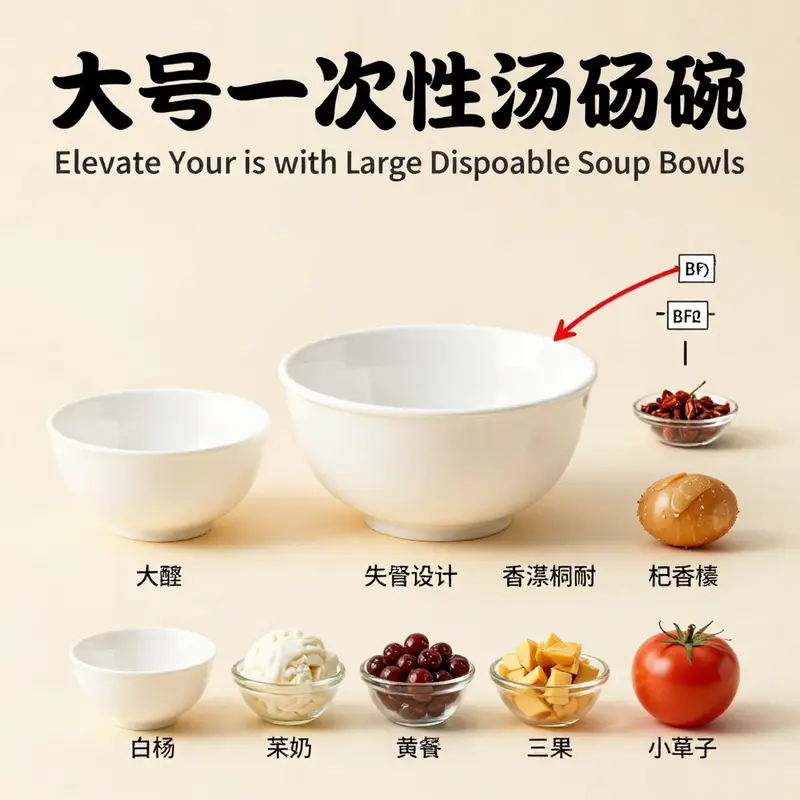
Large disposable soup bowls have cemented their place as an indispensable item in many settings. Whether it is for serving a steaming bowl of soup at a bustling event or accommodating a hearty meal at home, understanding the detailed specifications and capacity options is essential. In a market overwhelmed with choices, the blend of functionality, environmental considerations, and design innovation drives the evolution of these widely used products.
When discussing capacities, the range typically spans from sizes ideal for individual servings through to those suitable for sharing in family gatherings or even large banquets. Most offerings fall within a spectrum from about 500ml for lighter servings to 1500ml for larger quantities. The careful selection of bowl dimensions ensures each option meets unique needs while balancing practicality with ease of disposal. A bowl of around 500ml might be perfectly suited for a quick snack or a side dish, whereas bowls with capacities of 700ml to 1000ml are tailor-made for diners looking for fulfilling portions of soup or stew. These variations are not arbitrarily designed; each size is the result of extensive research into usage patterns in environments such as fast food establishments, outdoor events, or family sit-down meals.
The particular design of these bowls often incorporates subtle, well-conceived elements that enhance their overall functionality. For instance, the shape and depth of a bowl are optimized to prevent spillage while accommodating both solid and liquid foods, making them versatile for both hot and cold servings. A bowl with a deeper profile can better contain hearty stews or layered dishes, whereas a shallower design might be preferred for salads and lighter soups. In many cases, the external dimensions – such as the rim diameter and bowl height – are carefully adjusted so that the product remains both user-friendly and conveniently storable. This thoughtful design process ensures that each bowl offers reliability, whether it is being used in a single-serve format or as a component in a larger catering setting.
In addition to the size and capacity considerations, the materials from which these bowls are produced play a pivotal role. With the ever-growing demand for environmentally responsible products, many manufacturers have shifted towards using materials that are not only food-safe but also sustainable. The strategic use of food-grade paper or plant-based fibers allows the bowls to be disposed of with minimal harm to the environment when compared to traditional plastics. In this context, the disposal of a 1000ml bowl manufactured using eco-friendly processes aligns with modern trends, and one can find further details on similar sustainable offerings by checking out an article on an eco-friendly 1000ml noodle soup bowl. This focus not only highlights environmental stewardship but also underlines the commitment to quality and safety debunking the myth that disposable always equates to wasteful practices.
The internal structure of these bowls is designed with practicality in mind. A key aspect is the precise calibration of both the bowl’s width and depth so that it is capable of meeting the needs of various food types. For instance, a bowl among the range of 700ml to 850ml is typically designed with a rim that reduces the likelihood of accidental spills. Such a design is indispensable in scenarios where the reliability of the container is as important as its capacity. Moreover, the integration of advanced printing technologies, especially in customizable versions, allows companies to include branding that reflects sustainability and innovation. The ability for multi-color printing on these bowls also means that businesses can maintain their visual identity even on disposable items, thereby merging aesthetics with practicality seamlessly.
Beyond the immediate benefits of capacity and design, two other critical factors come into play: usability in different temperature environments and adaptability to various service formats. Whether the bowl is used for hot soups, cold salads, or even as a container for desserts, the material strength is often tested by exposure to varying temperatures. For bowls that are considered microwave safe, the assurance that they can undergo reheating without compromising structure is a testament to technological improvements in disposable ware. It is not uncommon now to find bowls that are engineered so that they maintain their integrity even when transitioning from a refrigerated state directly to the microwave, underscoring the importance of safety in every aspect of design. This dual reliability in both thermal and structural safety makes the large disposable soup bowl a vital asset for both casual and professional settings.
Furthermore, these soup bowls are designed with user convenience in mind. The commitment to offer sizes that range from moderately sized portions to extra-large servings means that every context, from individual meals to group dining, can be catered to without any hassle. For example, in a casual family gathering, a larger bowl that reaches up to 1500ml ensures that multiple servings can be provided with each use, reducing the number of bowls needed and making cleanup simpler. This efficiency is particularly important in economically driven events or occasions where the host aims to provide generous portions without compromising on ease of use. The strategic selection of each bowl’s capacity is directly influenced by consumer demand, lending both a sense of practicality and economic prudence to the decision-making process for both suppliers and buyers.
From the perspective of manufacturers and distributors, offering a range of capacities is not merely about meeting consumer demand but also about optimizing a supply chain that can adapt to diverse customer requirements. This includes achieving the delicate balance between maintaining quality while allowing for bulk production and dedicated customization options. The volume sizes available can cater to the subtle needs of different demographics—students, professionals, and families alike. There is also an increasing focus on ensuring that these products achieve recognized environmental standards, with many products boasting certifications that confirm they are biodegradable and compostable. The alignment with internationally recognized standards further reassures users that these products are both safe and ethically produced.
In many practical applications, such as large-scale catering events or bustling commercial kitchens, the practicality of these bowls extends beyond a mere container. They become an integral part of the overall dining experience by merging functionality with adaptable design features. For example, a bowl that is engineered with a reinforced base can be relied upon even in high-demand environments, where repeated handling and transportation are common. The simplicity of disposal further enhances their appeal, avoiding the logistical challenges associated with cleaning and reusing conventional dinnerware. Instead, consumers are provided with a product that not only meets the high standards for food safety but does so without generating undue environmental stress.
Moreover, the design process incorporates rigorous testing to ensure that each bowl is robust enough to handle the rigors of everyday use while also serving a critical role in maintaining sustainability. The chosen materials allow for an efficient recycling process, and recent innovations in producing coated paper bowls have bolstered their durability when exposed to moisture and heat. It is this blend of durability and disposability that marks the progress in the evolution of these products. Every detail, from the slight curvature of the rim to the thickness of the bowl’s walls, is optimized to provide both dependability and comfort. Manufacturers continuously monitor client feedback and scientific benchmarks, ensuring that innovations in capacity and design are not only forward-thinking but also practically attainable in everyday scenarios.
The constant advancements and adaptations in these disposable soup bowls mirror broader global trends towards sustainability and efficiency. By accounting for a mixture of capacities and customizations, these bowls meet the distinct demands of various consumer segments, from gourmet restaurants to street food vendors and large banquet services. Each design iteration is informed by extensive market research, focusing on the interplay between material innovations, structural quality, and practical usability. Such comprehensive attention to detail is what makes these products stand out in a crowded market and explains their rising popularity as an eco-friendly alternative in the food service industry.
In summary, large disposable soup bowls represent a sophisticated junction of design innovation, stringent safety standards, and environmentally conscious production practices. Their capacity options – ranging from 500ml to as high as 1500ml – allow them to address a wide array of needs, from individual servings to family-size portions. The careful calibration of dimensions, combined with the ability to safely accommodate both hot and cold foods, underlines their versatility across different scenarios. As the market shifts towards sustainable practices, these products continue to evolve, blending traditional functionality with modern innovation. For a deeper look at how advanced manufacturing practices and eco-friendly materials are shaping these products, you can refer to an external resource detailing current trends in disposable bowl design here. Each aspect of these products – from capacity design and material selection to safety and convenience – serves as a reminder that even disposable items can be thoughtfully engineered to meet the demands of both the market and our planet.
By deftly navigating these design parameters, manufacturers reflect a broader commitment to sustainability while simultaneously offering practical solutions for everyday use. The careful consideration of capacity and measurements not only ensures that these bowls fulfill their role effectively but also reinforces the idea that responsible production can lead to products that are both innovative and environmentally sound. As large disposable soup bowls continue to travel from production lines to dining tables around the world, the integration of science, design, and environmental stewardship stands as a beacon for future developments in the disposable foodservice industry.
深入探讨大号一次性汤碗材质与环保性能:食品安全与可持续发展的完美平衡

大号一次性汤碗已从简单的容器转变成融合功能性、食品安全与环保性能于一体的现代产品。在当下餐饮与外卖服务不断发展的背景下,消费者不仅关注产品的容量和便捷性,更加重视其所采用的材质是否符合食品级标准,以及对环境是否产生积极的影响。本文综合解析大号一次性汤碗的核心材质——食品级聚丙烯(PP),并结合相关技术参数和可持续性评价,详细阐述了这一产品在食品安全、微波加热性能和环保应用方面所体现的领先优势。
从产品生产的角度来看,食品级PP是一种经过严格检测和认证的高性能塑料。其耐高温能力使得产品在盛放热汤或其他热食时,无论是在高温运输还是在微波加热过程中都能保持稳定的性质。消费者在选择大号一次性汤碗时所追求的首要特点便是热稳定性和微波安全性,而这一点正是食品级PP材质在化学纯度及物理结构上给予的保证。在实际应用中,例如某知名品牌推出的450ml一次性汤碗,就采用了食品级PP材质,确保在加热过程中不会发生有害物质释放,进而影响食品的安全性。产品不仅能承受短时间内高温环境,还能在微波炉中正常加热,带来极大的使用便利性。
环保性能是现代一次性餐具市场中的另一大重要考量。尽管大多数一次性产品本身属于一次性使用,但通过设计更安全、材料更纯净的产品,可以在减少洗涤和反复使用所带来的二次能源消耗上发挥显著作用。实践证明,使用食品级PP材质的汤碗在生产过程中,不仅避免了传统塑料中常见的化学添加剂,还能减少对环境的潜在污染。如今,许多生产厂商致力于减少产品中荧光剂和塑化剂的添加,从源头上降低有害物质对健康的风险。这一理念的推广,不仅在消费者中增加了对产品的信任,同时也推动了行业内对可持续生产工艺的不断改进。
不可忽视的是,大号一次性汤碗在全生命周期的环保优势往往体现在其后期处理方式上。虽然它们多为一次性使用,但相比于反复清洗餐具所使用的大量水资源和清洁剂,正是这种一次性使用的设计理念能够在一定程度上减少整体的环境负担。对于采用食品级PP材质的碗来讲,回收与再利用的体系也成为提升环境友好性的关键环节。目前,部分品牌已通过国际环保认证,以确保产品在最终处置时符合回收规定或可降解要求。消费者在使用过程中,可以放心将其作为一种环保方案的一部分,而企业则通过大规模生产与回收策略,真正实现生产和环保效益的双赢。
在谈及大号一次性汤碗的材质与环保性能时,还必须考虑产品设计对整体消费体验的影响。食品级PP因其表面光滑且易于印刷等优点,也提供了较大的定制化空间。许多企业在产品表面印刷品牌或其他识别标志,这不仅增加了产品的附加值,同时也在无形中传播了环保理念。印刷工艺(如柔性版印刷)可实现多色定制,使得产品在各类主题活动或特定促销场景中更具吸引力。正是在这种创新设计与优良材质的双重推动下,大号一次性汤碗由传统的餐具转变为集环保、健康与美观于一体的高端产品类别。消费者在使用时,不仅享受到便捷的同时,还能传递出对食品安全和环境保护的重视,这种双重效应正是现代社会不断追求的目标。
除了材质本身和加工工艺之外,生产商和供应链在传递环保性能上也起到了不可忽视的作用。当前许多供应商在采购过程中都严格要求原材料符合国际食品安全和环保标准,如FSC和BPI认证。这些认证不仅确保了原材料的安全与环保性,同时也标志着产品在其全生命周期内能够被更合理地管理和处置。供应商在批量生产大号一次性汤碗时,不仅考虑产品在使用过程中的安全性,还将回收体系的建设纳入产品设计规划。这样一来,即使产品最终以一次性形式使用,其带来的环境影响与原本大规模清洗餐具相比也能显著降低。
随着市场对环境友好型产品需求的不断增加,从设计到生产再到后期处理,每一个环节都在朝着降低环境负荷、提升产品可持续性的方向迈进。在这一过程中,食品级PP材质的应用无疑为大号一次性汤碗产品提供了坚实的技术支持。各类认证与检测标准的不断完善,使得食品级PP不仅在耐高温、抗冲击性等机械性能上表现出色,而且在长期接触食品时也能保持良好的稳定性。生产厂家对产品的每一项参数都进行了严格把控,以确保产品能满足餐饮服务、高端外卖及家庭聚会等多种场景的需求。消费者对质量与安全性的双重追求,在这一背景下已经成为推动产品不断升级的重要动力。
需要特别指出的是,在某些应用场景下,例如大型聚会或节日活动中,大号一次性汤碗因为其容量大、使用便捷且无需清洗的特性,成为不少企业和家庭的首选。市场中所采用的食品级PP材质不仅能够承受高温和长期存放,还能在保持食品口感的同时避免因化学物质迁移而损害健康。这对于保证食品卫生、提升使用体验无疑是一大利好。此外,随着消费者环保意识的普遍提高,越来越多的产品在设计时会特别注明其无荧光剂、无塑化剂的纯净特点,从而获得更高的市场认同度。正是这种在材料和设计上的全面考量,推动了大号一次性汤碗在激烈市场竞争中脱颖而出。
在诸多因素中,全生命周期的环保理念尤为亮眼。大号一次性汤碗在设计之初便立足于减少对环境的整体影响。一次性设计虽然意味着使用后的废弃处理问题,但相较于传统餐具的重复清洁和消毒所造成的水、电和化学剂浪费,使用一次性产品实际上可以降低总体碳排放和资源需求。尤其是在大规模餐饮活动中,快速、卫生又环保的一次性解决方案能有效解决大量餐具清洗及消毒过程中可能存在的交叉污染问题。换句话说,正是这种一体化的环保设计理念,让大号一次性汤碗在满足即时使用需求的同时,也兼顾了长期的生态效益。未来,随着回收技术和可再生材料技术的不断成熟,这类产品的整体环保性能将获得进一步提高,并促使行业向真正可持续的方向发展。
对环境影响的最终评估需要从产品全生命周期的角度出发。大号一次性汤碗虽然在使用后具有一次性特性,但其在制造、运输、使用及废弃处理的每一个阶段都经过精心设计以降低对环境的负面影响。例如,采用环保认证的食品级PP原材料,这不仅减少了有害化学成分在生产过程中的使用,还可以在产品废弃后由专业回收或再利用机构进行处理,从而降低垃圾堆填场的负担。消费者只需在使用后按照指定的回收流程处理,就能在不增加额外环境负荷的情况下,实现产品的资源再利用。这种全生命周期的环保管理模式,正逐步被更多企业所采纳,并在一定程度上推动了整个餐饮包装行业向更高标准迈进。
在全球环境保护意识不断增强的今天,大号一次性汤碗的材质和环保性能成为消费者和生产商共同关注的话题。从宏观上看,可以预见的是,未来的产品将越来越注重在满足用户需求之外,也能对生态环境产生积极影响。每一款产品的设计背后,都蕴含着大量关于食品安全、材料科学乃至环境工程的综合考量。消费者在轻松享用美食的同时,也在为环境保护贡献自己的一份力量。因此,在选购大号一次性汤碗时,除了关注容量、耐温和使用便捷性外,更应着眼于产品的全周期环保性能和可持续性。这种以健康、安全和环保为出发点的消费理念,既符合现代市场的发展趋势,也为未来产品创新提供了无限可能。
对于那些热衷于了解产品详细参数和设计理念的消费者来说,了解更多关于食品级材料和产品环保性能的信息将会帮助其做出更为明智的选择。例如,可以参阅有关大号一次性汤碗的详细规格说明以及材料安全认证的报道。在市场调研中,不乏关于产品生产过程、技术革新和生命周期管理的深入解析,其中不少内容在相关平台上都有详细介绍。更多关于产品设计与生产流程的具体信息,请访问 disposable soup cup details,借助这些资料,消费者更容易从理性层面上认可产品的环保价值。
最后,无论是从食品安全、技术标准还是环境影响的角度,选择大号一次性汤碗都需要一份综合的评判标准。产品的质量不仅体现在其当下的使用性能上,更体现在对长期生态环境保护的贡献。现代生产工艺与环保理念的完美结合,正在推动着一次性餐具行业不断向前发展。消费者和企业通过不断深入地了解产品材质、生产工艺和回收管理体系,能够共同构建一个健康、可持续的食品服务生态系统。通过这样的努力,未来我们将迎来更加绿色、健康和便捷的餐饮文化体验。
大号一次性汤碗:高效卫生的全场景生活解决方案
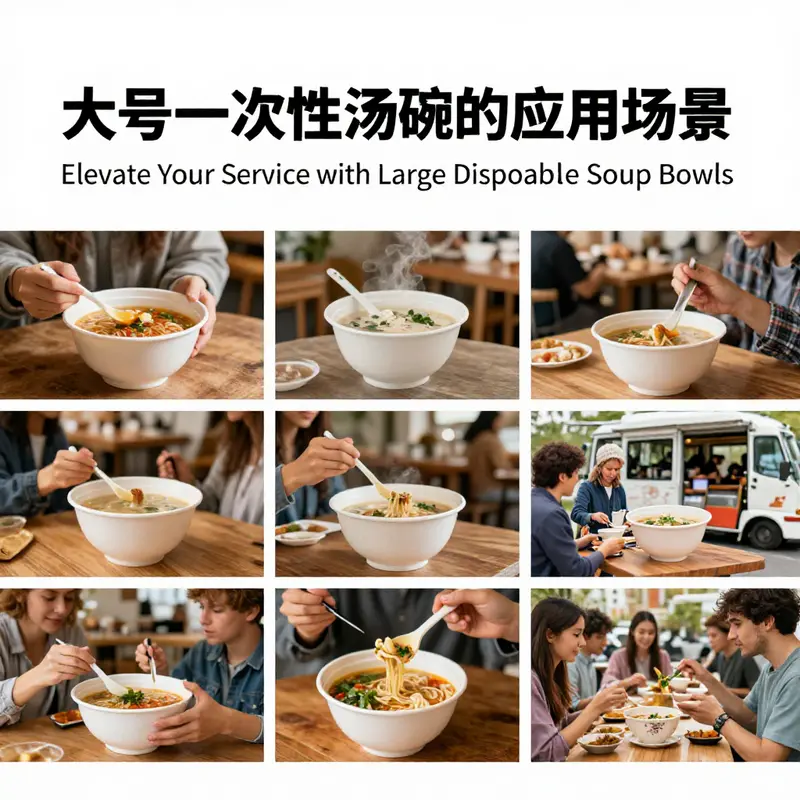
大号一次性汤碗以其卓越的容量、便捷的使用方式和对环境的友好设计,已经成为现代生活中不可或缺的一部分。这种餐具不仅仅是一种便利的用品,更是满足多种场合需求的高效解决方案,从家庭聚餐到商业宴会,从户外露营到紧急接待,它都能以极佳的性能和安全卫生的特点,为各类场景增色不少。尤其在节假日期间和家庭聚会时,这种汤碗的优势更为明显:在传统佳节如春节、中秋、元旦等时,家庭成员众多的聚会往往需要大量而可靠的餐具支撑。大号一次性汤碗宽大的容量设计使得它能够轻松容纳一大碗热气腾腾的汤或丰盛的菜肴,从热汤到各式各样的炖菜,无论是酸菜鱼、老火靓汤还是生态营养粥,都能在这样一个容器中得到完美呈现。就连节日餐桌上常见的传统吉祥图案,也可以通过定制印刷的方式表现出来,不仅烘托节日氛围,更让餐桌成为一个环保与美观并存的聚会中心。使用者在享用美食的同时,无需为了清洗餐具而费时费力,而是可以直接将使用后的碗丢弃或回收处理,从而极大地提高了宴会的效率与舒适度。
在婚丧嫁娶或其他大型宴会场合,大型一次性汤碗的应用同样无懈可击。许多宴会需要在紧张的时间内同时服务众多客人,此时常规的重复使用餐具不仅会大大拖延服务速度,还容易因清洗不彻底而引发卫生问题。而一次性设计的汤碗正好解决了这一难题,其加厚的材质和精准的工艺确保了在盛放热腾腾的汤品时不会发生变形或渗漏,进一步保障了食品的安全。同时,这类产品通常经过多重环保认证,采用食品级原料,并利用柔性版印刷技术将精美的图案印在碗身上,即使是需要突出喜庆气氛的婚礼或寿宴,也能完美契合主题。事实上,其设计理念不仅限于一次性使用,而是在引入环保、卫生和美观多重因素的综合考量下,为消费者营造出一种既高效又人性化的就餐体验。这种产品正逐步驱散传统餐具在大型宴会中因洗涤、存放或租赁而引发的各种后顾之忧,为组织者节省了大量时间和资源。
户外野餐和露营活动也为大号一次性汤碗提供了绝佳的应用场景。远离家门的旅行和野外活动常常要求装备既轻便又耐用。相比于传统的陶瓷或玻璃餐具,大号一次性汤碗在这一场合展现出无与伦比的优势。携带轻便、使用简单的汤碗,可以随时应对突发的餐点需求,无论是午餐的热汤还是凉拌的沙拉,都能迅速装载,无需担心意外破损而产生的安全隐患。此外,由于使用完毕后可以直接丢弃或进行生物降解处理,游客不必顾虑繁琐的餐具清洗和大量携带问题,这使得户外聚餐、远足及露营活动在享受自然风光的同时,更能专注于食品本身的品质和用餐体验。有鉴于此,这些产品也越来越受到家庭户外活动爱好者和露营组织者的青睐。
在商业餐饮和外卖服务领域,大号一次性汤碗同样展现了巨大的市场优势。对餐饮企业来说,效率与卫生是经营成功的关键。在外卖服务中,顾客既看重便捷性又关注食品安全。一次性汤碗采用食品级材质制作,无论盛放热汤还是冷食,都能给消费者带来安全、放心的体验。它们的厚实设计能够经受高温检测,并且适合微波加热,使得餐饮企业可以为顾客提供温热、美味的餐食。此外,这类产品还能通过印刷技术推出品牌定制款式,使其不仅仅是一件餐具,更成为企业品牌推广的一部分。例如,许多企业在定制汤碗时,会选择在碗身上印上企业Logo或者特色图案,以此提升品牌形象和客户印象。在市场推广方面,许多供应商已经根据商业需求优化了产品包装和物流方式,从而显著降低了企业采购难度和成本。我曾在某商业活动中体验到这种产品的便捷,通过高品质一次性汤碗的使用,不仅提升了宴会服务的整体效率,也为消费者营造了一个干净、卫生的就餐环境。
在一些需要特别关注健康和卫生管理的场合,大号一次性汤碗也发挥了不可替代的作用。例如,在照顾长期卧床的老人或需要特别关注饮食安全的群体中,交叉污染的风险始终存在。使用单一且卫生的一次性汤碗,不仅可以有效隔绝不同餐次之间的病菌传播,还能极大地降低感染风险。卫生护理机构和家庭护理在选择餐具时,更倾向于那些经过严格检测、符合食品安全标准并拥有环保认证的产品。一次性汤碗正是在这样的背景下应运而生,其便捷的分装方式可以确保每一份餐食都是新鲜与安全的。更为重要的是,在如今全球健康意识不断提升的时代,消费者对食品卫生与环境保护的关注日益增加,这使得一次性餐具在理念上得到了更广泛的认同。这种产品不仅仅在技术和材质上实现了革新,更是在文化与习惯上满足了现代人对快捷生活和健康饮食的双重需求。
最后,不论在家庭临时招待或是突发访客的应急情况下,大号一次性汤碗都能提供即时而高效的解决方案。正因为这种产品具备无需提前准备、便利实用的特点,主人在面对一日三餐或临时来客时总能从容应对。无需担忧餐具数量不足或耗时清洗的问题,一款大号汤碗就能应对突发状况,为急需解决餐具困境提供一份及时的保障。从忙碌的办公室聚餐到家庭临时接待,通过这种一次性设计的餐具,每一位使用者都能体验到由内而外的便捷与安心。如此多样化的应用场景,体现了大号一次性汤碗从单纯容器到现代生活解决方案的转变,它不仅满足了数量多、使用便捷的实用要求,更在环保、卫生和品牌定制等方面实现了多重突破。长期以来,这种产品一直在不断适应市场需求的变化,并在消费者和企业之间搭建了一座高效沟通的桥梁。
经过多年的市场验证,大号一次性汤碗已逐渐从传统意义上的一次性用品,演化成为一种集环保、卫生、安全和美观等多重优势于一体的现代餐饮系统。每一个使用场景,无论是温馨的家庭聚餐、华丽的宴会、轻松的户外野餐,还是要求严苛的商业餐饮,都能从中体会到产品在设计、材质和工艺上的独到之处。更重要的是,它帮助使用者轻松走出清洗和消毒的繁琐流程,把更多宝贵的时间和精力留给美食与生活本身。业界专家指出,这类产品的发展前景广阔,其环保理念和便利性正逐步成为餐饮服务标准的一部分。面对未来日益严格的食品安全和环境保护要求,这种产品无疑站在了技术革新和市场需求的前沿,成为改写食物包装和应用格局的重要力量。
更多关于一次性餐具的详细信息和产品规格,可以参考外部权威资料 权威产品信息 。
Navigating the Marketplace: A Comprehensive Guide to Purchasing and Pricing Large Disposable Soup Bowls
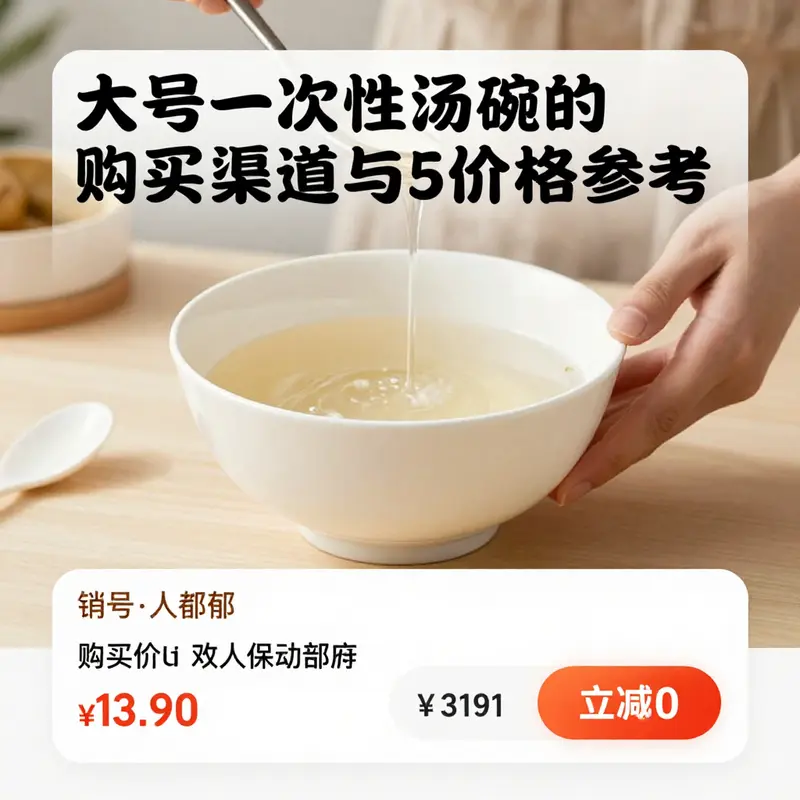
In a world that values both convenience and environmental responsibility, the selection of large disposable soup bowls has become a crucial factor in many food service operations and home events alike. This comprehensive narrative explores a range of purchasing channels and pricing strategies that underline the current market landscape for these essential products. The discussion weaves together insights from major international businesses with local consumer preferences, while emphasizing not only the cost aspects but also the material quality and environmental considerations that are at the forefront of today’s packaging industry.
The evolution of disposable soup bowls has been influenced by the rising demand for eco-friendly materials. Many of these bowls now incorporate designs that are plastic-free, utilizing food-grade paper and plant-based fibers that both ensure safety and meet stringent environmental guidelines. For instance, a widely recognized design features a bowl size that accommodates 24 to 35 ounces, which is perfect for serving everything from hearty soups to delicate desserts. The diverse range of capacities and materials means that whether you are catering to a family gathering or managing a bustling restaurant, there are options available that satisfy specific needs while aligning with sustainability priorities.
When considering where to purchase these disposable soup bowls, buyers have numerous avenues at their disposal. The discussion begins with the world of business-to-business (B2B) platforms, where bulk purchases can often lead to lower per-unit costs while providing greater flexibility in order quantities. One of the most prominent platforms in this space is Alibaba.com, known for offering direct access to manufacturers. This channel is particularly advantageous for commercial buyers who require large orders – sometimes in quantities as high as 50,000 units when custom printing is involved – as the platform not only showcases competitive pricing but also details the product specifications including capacity, material composition, and compliance with international environmental certifications. Production details such as food-grade paper, plant-based fibers, and the integration of features like compostability and microwave safety are prominently featured in product listings. These features are especially valued in situations where the end use includes both hot meals and cold treats, ensuring that the bowl maintains performance across different temperatures.
The competitive pricing strategies reflected on Alibaba.com empower businesses, ranging from small catering operations to large-scale banquet services, to achieve desirable margins while still providing high-quality, disposable tableware. Due to the flexibility in minimum order quantities, smaller batches can be ordered for trial purposes before scaling up to larger orders. This option is particularly crucial for new businesses trying to minimize initial investment while still offering sustainable service options. In addition, the custom printing capabilities available on these platforms allow companies to integrate brand logos and distinctive designs directly onto the bowls. Such customization not only fosters brand recognition but also enhances customer experience during events and promotional activities. For those seeking an even deeper dive into the technical specifications or acquiring bulk order samples, more detailed profiles and product demonstrations are readily available on supplier pages, ensuring that every detail from the thickness of the paper to the recyclability of the material is thoroughly vetted before purchase.
Domestic consumers seeking convenience often turn to leading e-commerce platforms such as JD.com, Pinduoduo, and Taobao. These channels typically cater to a broad spectrum of buyers, including households and local business owners. One of the notable features of these platforms is the high level of quality control and customer service they offer. For instance, many sellers on JD.com provide options that are microwave-safe and made from food-grade materials, which reassures buyers about the safety and reliability of the product especially when the bowl is used to serve hot soups or stews. In many cases, these platforms have integrated customer review mechanisms that allow buyers to share feedback and rate the performance of the soup bowls, thereby helping prospective customers make informed decisions. The prompt logistics, sometimes even with same-day delivery options, round out a service-oriented approach that benefits everyday consumers.
For buyers who are particularly price sensitive, platforms like Taobao and Pinduoduo offer the opportunity to purchase large disposable soup bowls at competitive rates, particularly when buying in smaller quantities. Here, the pricing is influenced not only by the material and manufacturing process but also by cost-saving offers such as bundled discounts and seasonal promotions. While the competitive pricing is a significant draw, buyers should not overlook the importance of verifying the credentials of the supplier and checking product reviews to ensure that the quality of the product meets expectations. In this context, the detailed product descriptions provided, which include information about whether a bowl is microwave safe or certified by eco-friendly standards, are vital for preserving both consumer confidence and the broader environmental commitment the market as a whole endorses.
The material composition of the soup bowls is a key element that affects both performance and pricing. Many of the leading products now offer an environmentally responsible profile by employing recycled materials, plant fibers, and even innovative alternatives like rice husk composites. Such eco-friendly materials, although sometimes carrying a slightly higher price tag, are increasingly preferred by those with a long-term vision for sustainable operations. For commercial outlets and catering businesses, investing in bowls that are both durable and safe for microwave use reinforces a commitment to public health and environmental stewardship. Furthermore, the adaptability of these materials in terms of custom design and printing enables businesses to advertise their commitment to sustainability while also benefiting from high product performance. By evaluating factors like heat resistance, structural integrity, and even the ease of disposal, buyers can select a solution that is both cost-efficient and ecologically sound.
Price transparency in the market is another fundamental factor that buyers carefully consider. Real-time pricing information, such as rates ranging from ¥0.25 to ¥2.5 per unit depending on the specific model, material, and volume, provides a clear benchmark for negotiations and budget planning. For example, disposable soup bowls made of PP or PS in plastic variants often target capacities ranging from 450 to 600 ml and are available at a lower price point. On the other hand, those constructed from rice husk composites in larger sizes – often used to serve bigger portions in casual or event settings – come at a higher cost, reflecting the premium nature of sustainable materials. This differentiation in pricing allows buyers to select solutions that best align with their financial constraints while still meeting the functional requirements of their service environment.
Another dimension to consider is the packaging presentation itself. The products are often sold in standardized quantities, such as boxes of 50, 100, or more units. Such packaging volumes are designed both to streamline inventory management and to ensure that buyers benefit from bulk purchasing discounts. The standardized packaging is also a reflection of how manufacturers systematize production and quality control, ensuring that each batch of disposable soup bowls matches a consistent quality profile. Moreover, the packaging design often includes adherence to international standards such as FSC certification or BPI approval, which signals a robust commitment to environmentally responsible manufacturing processes. For businesses on a tight schedule, knowing that the products comply with recognized environmental standards and safety markings provides additional assurance that the purchased items have been vetted thoroughly from sourcing to production.
Customizability further shapes the market landscape for disposable soup bowls. With flexible printing options that allow for up to six-color prints, manufacturers provide businesses the opportunity to turn a simple dining accessory into a canvas for brand identities. Whether used during festive parties, corporate events, or everyday restaurant service, personalized soup bowls can create memorable experiences while reinforcing the brand ethos. It is common for suppliers on platforms such as Alibaba.com to offer customization with relatively low minimum order quantities, making it feasible even for smaller businesses to explore branded solutions. The ability to print in multiple colors not only enriches the aesthetic appeal of the product but also transforms it into a subtle marker of quality, ultimately influencing customer perceptions in a very positive way.
While these diverse channels and pricing models offer numerous opportunities, the decision-making process remains intricately tied to the buyer’s specific needs and operational constraints. For instance, a business concerned with reducing its environmental footprint might prioritize products made from biodegradable materials despite slightly higher prices. Conversely, for events where cost efficiency and volume are paramount, selecting a widely available platform with competitive pricing such as Taobao or Pinduoduo becomes the clear path forward. In this dynamic market, smart purchasing decisions are anchored in a blend of quality assessment, price evaluation, and environmental impact awareness.
To illustrate the practical aspects of these considerations, one can observe the case of a regional catering service that opts for disposable soup bowls available on Alibaba.com. This service considered not just the initial unit cost but also the benefits derived from customization and high-volume discounts. The service’s decision-making process involved requesting detailed product samples, comparing specifications such as capacity and material safety across models, and finally consulting reviews from previous buyers. The resulting purchase not only optimized costs but also reinforced the company’s dedication to sustainability – a commitment clearly highlighted in their marketing and branding strategies.
For readers interested in learning more about the integration of product performance with design aspects, consider exploring additional content on specialized kitchenware. For example, the internal resource available through this link explore large disposable soup bowls with customizable design features offers insightful details on how design innovations have positioned these products as both functional and visually appealing, further underlining the multifaceted benefits in today’s competitive arena.
Ultimately, the journey through the myriad purchasing channels for large disposable soup bowls reveals a vibrant marketplace characterized by diversity and an unwavering commitment to sustainability. The interplay between traditional business channels like Alibaba.com and modern consumer-focused platforms shows that the pursuit of quality and environmental friendliness transcends market segments. With external market data and buyer suggestions communicated continuously via updates from authoritative sources such as this detailed reference Disposable Soup Bowls – Large Salads & Hot/Cold Food Containers, stakeholders have the tools required to make informed and forward-thinking decisions.
This detailed exploration emphasizes that the art of selecting large disposable soup bowls extends well beyond a mere comparison of unit prices. It requires an appreciation for the evolution of raw materials, the role of environmental certifications, and the nuances of bulk purchasing and custom design. As businesses and individual purchasers navigate this diversified product landscape, the best decisions emerge from a thorough understanding of product specifications, market trends, and the unique needs of the end user. In many ways, the choice of these soup bowls encapsulates a larger trend in consumer products – one where environmental awareness and functionality go hand in hand with cost-effectiveness and brand identity. Such a balanced approach not only ensures operational success but also contributes to a more sustainable future in the disposable tableware market.
Final thoughts
In conclusion, large disposable soup bowls serve as a vital part of food service solutions, loved by many professionals for their versatility and eco-friendliness. Whether you’re running a bustling restaurant or planning an event, these bowls provide convenience without compromising quality. Embracing these products helps in creating a sustainable future while meeting diverse dining needs with style.