
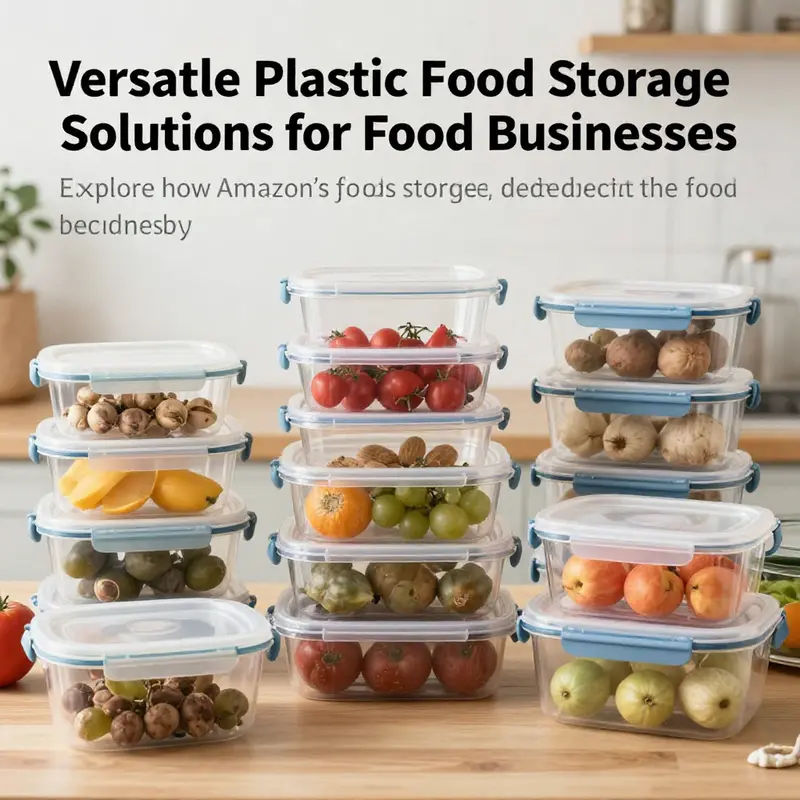
Plastic food storage containers are essential tools for various food-related businesses, including bubble tea shops, restaurants, food trucks, and catering services. With extensive options on Amazon.com, these containers come with features like BPA-free materials, leakproof designs, and practicality for meal prep or pantry organization. In this article, we will explore the diverse applications of these containers, evaluate their durability and features, discuss health and safety standards, and analyze customer reviews and market trends to ensure that your business’s storage needs are effectively met.
From Pantry to Picnic: The Multitude of Uses for Amazon Plastic Food Storage Containers
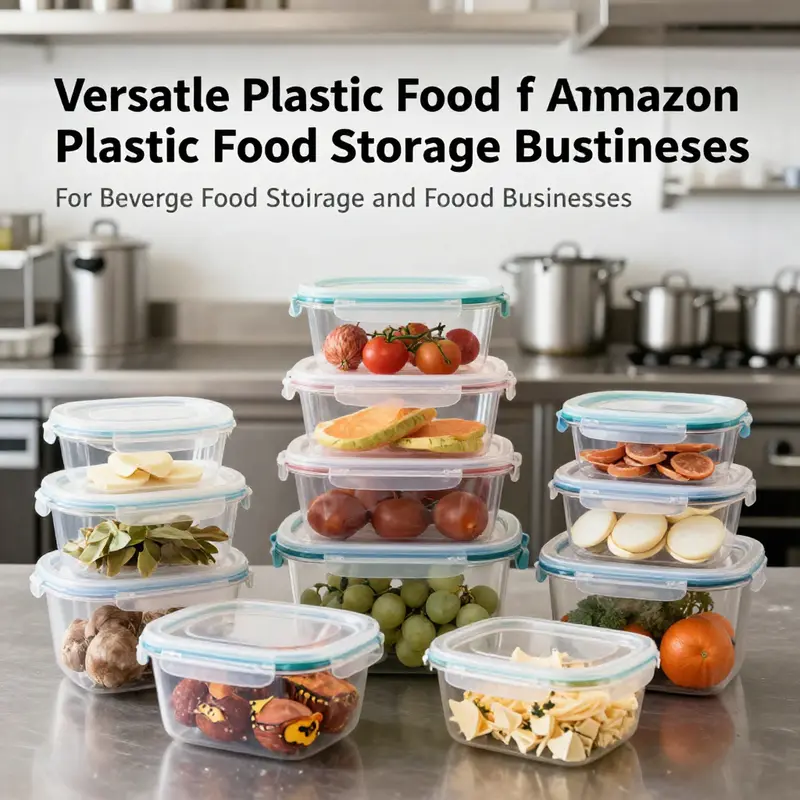
Meal planning and portion control emerge as two of the most common and meaningful applications. When a week is ahead, and calendars fill with appointments, the ability to pre-assemble meals or ingredients becomes invaluable. Meal prep benefits from the range of volumes available, from compact, snack-sized units to generous 2-liter or larger containers that hold soups, stews, or bulk-cooked grains. This flexibility lets a busy household portion out dinners for several days at once, or set aside components for quick lunches and snacks. It also helps reduce waste by keeping leftovers clearly mapped to meal plans, so nothing ends up forgotten at the back of the fridge. The practical rhythm of portioning is reinforced by clear, tamper-resistant lids and airtight seals that minimize the chance of spills or spoilage. The result is a smoother week where food takes less time to reheat, repurpose, or rotate, and where the risk of soggy or dried-out leftovers becomes a smaller concern. The breadth of sizes available means that kitchens can tailor storage to the exact shape and volume of ingredients: a 16-ounce deli-style container for chopped vegetables, a large 2000-milliliter vessel for bulk sauces, and smaller 250-milliliter units that keep fruit, nuts, or candies neatly contained. In this way, the act of meal prep becomes less about managing a chaotic fridge and more about orchestrating a predictable, efficient system that travels with the day. To illustrate how this translates into everyday practice, imagine a family planning a week of dinners around versatile staples like grains, beans, vegetables, and proteins. The 16-ounce containers may hold pre-chopped vegetables for quick stir-fries, while the larger, nearly two-liter models can house cooked beans or a bulk batch of sauce. Smaller containers are perfect for portions of fruit, yogurt, or dessert, enabling family members to assemble balanced meals in minutes rather than rummaging through the refrigerator in a hurry. This kind of arrangement reduces impulse buys at the grocery store and minimizes the chance that ingredients will spoil before they are used, reinforcing a cycle of mindful eating rather than impulse shopping. The outcome is both healthier and more economical, as planned meals and properly stored ingredients make it easier to avoid wasteful discards and spontaneous takeout.
Beyond the realm of meals, storage containers excel at organizing the kitchen itself. A well-curated set—often including airtight canisters that keep dry goods fresh and clearly labeled—becomes a system that turns cabinets into easy-to-navigate spaces. Dry staples such as cereal, flour, sugar, rice, and spices can be grouped semantically and visually, which reduces time spent rummaging for staples during a recipe. A modular approach, where containers nest neatly when not in use and stack securely when filled, helps maintain a clean, uncluttered counter and shelf area. The labels and optional markers associated with these containers are more than cosmetic; they transform how families interact with food storage. When everything is labeled, a household can quickly locate what it needs without opening multiple containers, which saves time and preserves the quality of the contents. In shared living spaces, where several people contribute to food preparation, a clear labeling system becomes a multilingual and practical tool, reducing miscommunication and the misplacement of items. The result is a kitchen that feels calm and accessible, even when multiple people are contributing to the weekly menu.
For those who prioritize freezer and refrigerator storage, the advantages extend into the cold box and the cold shelf alike. Airtight seals guard against freezer burn and keep prepared meals tasting as fresh as possible, even after several days frozen solid. Clear, transparent walls on the containers provide at-a-glance content recognition, which is particularly helpful in busy households where time is scarce. The ability to see what is inside without pulling everything out reduces fatigue and keeps the fridge organized. In addition, many containers are designed to withstand freezing temperatures without cracking or losing their lid seals, which means bulk purchases and batch cooking become practical rather than intimidating. When leftovers are clearly stored, labeled, and sealed, it becomes easier to repurpose them into new meals. A leftover pasta sauce might become a base for a new dish, or yesterday’s roasted vegetables could form the centerpiece of a different meal the next day. The cycle of reuse thus extends the value of ingredients and cuts waste, a benefit that resonates with families looking to optimize both budget and environmental impact.
On the go, these containers reveal another dimension of their versatility. The combination of leakproof designs and dependable durability fits the needs of school lunches, office meals, picnics, and road trips. The ability to seal liquids without fear of spillages makes these containers a practical choice for lunchboxes, snack packs, or compact meal kits that accompany busy days. Lightweight construction reduces the burden of carrying meals between locations, while the sturdier lids help protect contents from crushing in transit. In many settings, portability is not simply a convenience but a necessity, enabling people to maintain a steady, healthy eating routine away from home. A well-chosen set of sizes means a traveler can pack everything from soup and salad to fruit and dessert, without the awkward need for multiple, mismatched containers. The result is a dependable toolkit that supports flexible routines—whether a student walks to class with a neatly portioned lunch or an office worker brings a protein-packed midday bowl that travels without a hitch.
Even as these containers prove their practicality in daily life, they also align with broader values around reuse and waste reduction. Reusable storage options offer a meaningful alternative to single-use plastics, and many designs emphasize durability, easy cleaning, and compatibility with common kitchen appliances. The promise of long-term use reduces the volume of disposables in landfills and invites a more thoughtful approach to how households manage food and space. In this sense, the appeal of these containers extends beyond convenience; they become a practical element of an eco-conscious lifestyle that aims to balance functionality with responsibility. This alignment with sustainable habits often resonates with shoppers who want products that perform reliably while contributing to a more mindful approach to consumption. The combination of durability, clear visibility, and flexible sizing makes plastic food storage containers a quiet backbone of many kitchens, a tool that supports everyday choices without demanding constant updates or replacements.
To appreciate the breadth of design and application, one can look at how product families are assembled to meet diverse needs. Some configurations emphasize portability with compact, twist-cap designs that lock in flavor and moisture; others prioritize transparency and stackability to maximize shelf space. A few sets bring labeling systems and accessory items such as markers and labels to the table, making it easier to identify contents at a glance. In practice, this means a family or individual can curate a personalized storage ecosystem that matches their routines, storage spaces, and cooking styles. The value emerges not from a single standout feature but from a thoughtful combination: airtight sealing, microwave and dishwasher safety, freezer compatibility, and the ease of organization that comes from clear walls and consistent lids. The result is a flexible toolkit that supports a modern kitchen’s evolving needs—the needs of people who value both practical efficiency and the minimal friction that makes daily cooking and eating more enjoyable.
As this broad landscape of uses unfolds, a reader may notice how intentional design choices translate into tangible outcomes. The right container can turn a mundane act—putting away leftovers—into a seamless, almost invisible part of a daily routine. It can make pantry audits less tedious, and it can transform the way a household approaches meal planning. It can also support the rhythms of life outside the home: students living in shared spaces learn to coordinate with roommates, professionals manage meal prep between commutes, and families build a science of storage that keeps food fresh and accessible. The adaptability of plastic storage containers—how they grow with needs, shrink for compact spaces, and accommodate both large and small portions—mirrors the way households organize life itself: with practical, accessible tools that empower people to do more with what they have. The shelves become not a display of products but a system that sustains daily routines, influences habits, and quietly improves efficiency without sacrificing quality or food safety.
In considering these uses, it becomes clear that the appeal of Amazon’s storage container offerings lies in the balance between simplicity and adaptability. A family that uses a few well-chosen pieces can craft a kitchen workflow that minimizes waste, speeds up meal assembly, and keeps ingredients clearly visible and accessible. A student moving between dorms gains a portable, durable set that travels with them, preserving the integrity of meals and removing the friction of unpacking and repacking. An office break room can become a calmer space when leftovers are easy to store and identify, reducing lunchtime chaos. The design ethos behind these containers—durability, safety, and clarity—renders everyday food management less of a chore and more of a reliable routine. This is the quiet revolution of practical kitchenware: not flashy features or flashy marketing, but thoughtful engineering that disappears into the background while quietly enabling better choices, less waste, and more time for the things that matter.
For readers who want to explore options that align with specific needs—perhaps a compact, eco-conscious rectangle for a small apartment, or a larger, clear container for bulk ingredients—there is a spectrum of designs to consider. The key is to think through how a container will be used, where it will live, and how often it will be opened. The goal is not to accumulate more gear, but to curate a set that maps neatly onto daily life. The result is a kitchen that feels organized and responsive, where food storage becomes an ally rather than a source of clutter. In this way, the diverse applications of plastic storage containers on a broad platform become more than statistics or product listings; they become a practical philosophy for living with food in a way that is efficient, responsible, and surprisingly satisfying. To see a practical example of how design features translate into everyday utility, you can explore a design lineup focused on portability and durable construction here: senang02-top-fashion-double-wall-PE-coated-lunch-lid-matt-lamination-eco-friendly-rectangle-bowl-sushi-potato-chips.
External resource for broader context and consumer feedback can be found here: https://www.amazon.com/dp/B0CQZ9XKJY.
null
null
Guardrails of Health: Reading the Safety Standards Behind Amazon Plastic Food Storage Containers
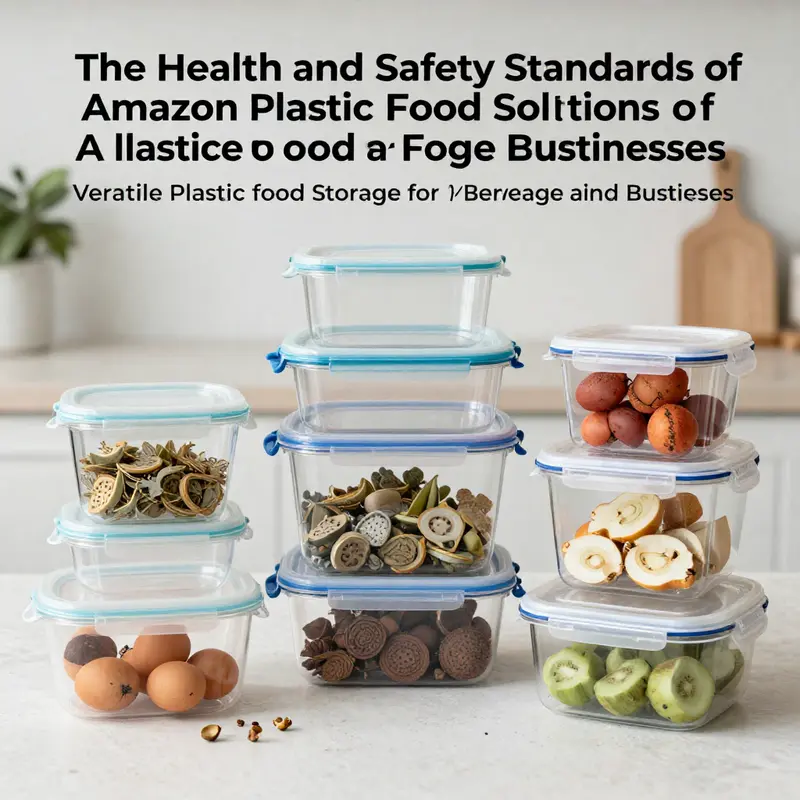
Every day, households reach for plastic food storage containers to portion meals, save leftovers, and organize pantry staples. In a marketplace as vast as Amazon, these containers arrive with promises of safety, convenience, and durability. Yet beneath the surface of sleek designs and practical sizes lies a framework of health and safety standards that shoppers can rely on or, at times, question. This chapter follows those guardrails—how makers disclose material choices, how a product demonstrates suitability for contact with food, and how sustainability certifications add another layer of assurance. The central thread is simple: when a container is labeled BPA-free, when it is described as food-grade, and when the product carries a safety or environmental credential, those claims should translate into real protection for the meals and snacks that pass through them. In practice, this means looking beyond clever lids and clear exteriors to understand what the plastic is made of, how it behaves under heat or cold, and what standards govern its safety during repeated use. The conversation begins with the chemical landscape of plastics used for food storage and then moves toward how temperature, cleaning, and environmental considerations intersect with health outcomes. The result is a more informed approach to choosing containers that keep flavors intact while minimizing risk to those who pour, scoop, and savor their food from day to day.
A core pillar of these products is the absence of bisphenol A, commonly known as BPA. Across listings, the emphasis on BPA-free materials is not incidental. BPA has historically been scrutinized for potential endocrine-disrupting effects, particularly when plastics encounter heat during microwaving or thawing. In response, many manufacturers chuyển toward BPA-free formulations and explicitly advertise this attribute in product descriptions. When a container avoids BPA, it reduces one of the more studied chemical exposure pathways associated with daily food storage. The avoidance of BPA, however, is not the end of the safety story. It is joined by the broader claim of being food-grade material. This label signifies that the plastic is intended for direct contact with edible items, and it reflects adherence to health and safety expectations for such use. In several listings, materials described as food-grade include options like polystyrene (PS) or upgraded food-grade plastics designed to meet established guidelines for containers that hold snacks, meals, or ingredients over a span of days or weeks. While the precise regulatory framework may vary by jurisdiction, the underlying intent is consistent: the material should not introduce harmful substances into food during normal handling and storage. For shoppers, this often translates into a more confident expectation that the container won’t impart off-flavors or leach unexpected chemicals when used as directed.
Yet health-and-safety claims are not solely anchored in material choice. The practical realities of kitchen use demand that containers withstand a range of temperatures. A significant subset of these products is described as microwave-safe, dishwasher-safe, and freezer-safe. Each label denotes a specific capability: microwave-safe implies the container can be heated in a microwave under prescribed conditions; dishwasher-safe signals tolerance to the cleaning and drying cycles of a dishwasher; and freezer-safe indicates resilience at low temperatures that might make plastics brittle or more prone to a crack if mishandled. The nuance matters. Microwave-safe labeling does not automatically authorize heating complex meals with sauces or fats in any container. It often presumes proper venting, no sealing rings that trap steam, and following care directions. Dishwasher-safe claims suggest the presence of durable lids and seals designed to endure repeated cycles; they do not guarantee perpetual leakproof performance, especially after signs of wear or scratches. Freezer-safe status supports long-term storage but requires attention to lid integrity and seal conditions when moving items from freezer to oven or microwave. In essence, these design considerations reflect a balance between convenience and safety. They are not mere marketing slogans; they represent tested capabilities that, when used correctly, protect both taste and safety. The goal for the consumer is to internalize what these labels really mean and to apply them in daily routines, recognizing that not every container is suited for every heating, cooling, or cleaning scenario.
Beyond material safety and temperature resilience lies a growing commitment to sustainability that also intersects with health. In the Amazon ecosystem, some containers participate in what is widely described as Climate Pledge Friendly programs. The core idea here is to recognize products that incorporate a meaningful portion of recycled content, aligned with verified environmental standards. The threshold highlighted in these programs—being built with at least 50% certified Global Recycled Standard (GRS) material—serves a dual purpose. It reduces the demand for virgin plastics, which, in turn, lowers the overall environmental footprint of production. At the same time, the GRS framework imposes independent verification and rigorous restrictions on hazardous substances, helping to ensure that the recycled content does not reintroduce contaminants into food-contact materials. For conscientious shoppers, this combination of recycled content and independent certification offers a way to harmonize personal health goals with broader environmental responsibilities. In practice, when a storage solution carries Climate Pledge Friendly credentials, it communicates a layering of assurance: that the product is not only safe for food contact but also produced with an awareness of long-term ecological impacts. This is especially relevant for households that rely on daily, routine usage of containers in scenarios ranging from batch cooking to emergency meal prep.
To imagine how these standards translate into everyday decision-making, consider the act of reading a product listing on a familiar online marketplace. A well-constructed listing does more than advertise size, lid type, or leakproof claims. It will articulate whether the plastic is BPA-free, specify if it is food-grade, and, when applicable, note microwave, dishwasher, or freezer compatibility. For a consumer aiming to minimize health risks while maintaining kitchen efficiency, these details are essential, not optional. The shopper can then map each claim to their habits: Will the container hold leftovers in the fridge or freezer? Will it be heated in a microwave, and if so, is venting required or lids left ajar? Is the container to be reused regularly, and might it undergo dishwasher cycles, which could influence long-term wear? Each of these questions benefits from the safety framework described above. In short, the safety language on product pages—when read with a practical mindset—becomes a practical guide to safer cooking, storage, and cleanup.
The health and safety story also has a caveat that is worth highlighting. Not all plastics are created equal, and the label of “BPA-free” does not automatically imply that a product is free of other potentially concerning substances. Some containers may rely on alternative additives to achieve required properties like clarity or toughness. While most reputable listings emphasize food-grade status and compliance with consumer-safety expectations, it remains prudent for shoppers to look for additional assurances, such as explicit references to the material family and any standards or certifications beyond BPA-free labeling. In the context of online shopping, these details often appear in the form of a materials section, a safety note, or a sustainability badge. Taken together, they provide a more complete picture of how a container is engineered to perform safely in contact with food, under various temperature conditions, and across repeated use cycles.
From a practical standpoint, the health and safety standards discussed here empower consumers to make informed, consistent choices. For example, when a listing highlights food-grade PS or an upgraded food-grade plastic, the buyer gains some confidence that the material aligns with established health-safety expectations for direct food contact. The explicit mention of microwave, dishwasher, and freezer compatibility further helps households tailor their storage strategies. A family that cook-meals in bulk can rely on freezer-safe options, then move to the microwave for quick reheats, all without fearing chemical migration or compromised container integrity. A single container that is both leakproof and airtight can support portion control and reduce accidental spills, a feature especially valuable in a household with active kids or a busy commuting schedule. The emphasis on leakproof versus airtight design, while subtle, matters for practical use. Leakproof containers minimize mess during transport, while airtight containers preserve moisture and aroma, contributing to food safety by slowing the growth of spoilage organisms in some foods. This distinction, though nuanced, underscores the importance of reading product specs carefully and choosing the right tool for the task at hand.
For readers who want a concrete example of the kind of practical option researchers describe (without naming specific brands), consider a category of food-grade take-away bowls with lids. These items illustrate the balance between portability and safety: they are designed to handle direct food contact, crafted from materials deemed safe for repeated use, and offered with lids to support secure transport and portioning. If you are exploring such options, a representative listing that discusses food-grade materials and practical use can serve as a valuable reference. See this example here: food-grade take-away bowls with lids.
The health and safety standards described in this chapter do not exist in a vacuum. They shape the overall customer experience, from initial impression to long-term use. When a consumer encounters a product that is BPA-free, labeled as food-grade, and accompanied by clear temperature-use guidelines, there is a high likelihood that the container will perform well for a broad range of everyday tasks. The sustainability dimension, embodied in Climate Pledge Friendly labeling and GRS verification, adds a forward-looking component. It acknowledges a growing consumer expectation that safety and environmental performance go hand in hand. Taken together, these elements form a practical, trustworthy framework for evaluating Amazon’s plastic food storage options. By focusing on the substance behind the claims—material composition, safety for direct food contact, multi-temperature resilience, and environmental credentials—shoppers can navigate the category with greater clarity and confidence. The end result is not just a purchase decision but a broader commitment to safer food handling, responsible consumption, and thoughtful reuse. External, post-purchase considerations, such as proper cleaning and eventual replacement, complete the cycle of safe, sustainable storage.
External resource: https://www.amazon.com/dp/B0C3XQZVJH
Sealed Voices, Shifting Shelves: How Customer Reviews and Market Trends Shape Amazon Plastic Food Storage Containers
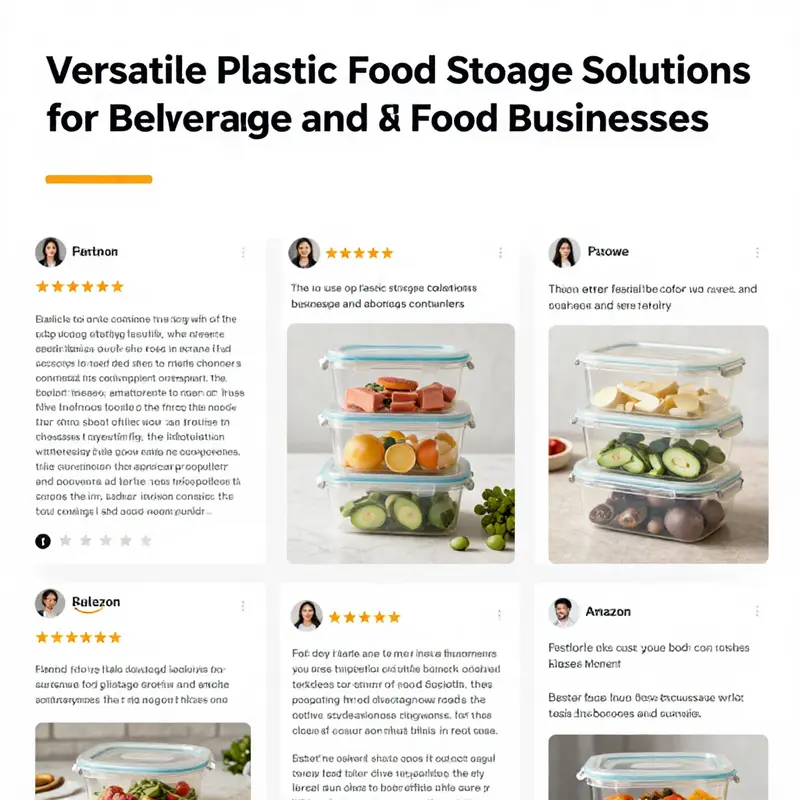
The marketplace for plastic food storage containers on a giant online platform acts as a live mirror of modern kitchen life. It is a space where affordability, durability, and convenience collide with everyday needs, and where the volume of consumer feedback threads itself into a broader story about what households expect from reusable storage. Market forecasts project plastic variants to hold a substantial portion of the global share by the mid-2020s, driven by urban living, busy schedules, and a growing emphasis on pantry organization. In such a setting, Amazon isn’t just a sales channel; it becomes a barometer for how people think about freshness, waste reduction, and the practical work of keeping meals and ingredients secure. The narrative that emerges from reviews, ratings, and video feedback is more than a collection of opinions. It is a map of what features truly matter in a crowded, price-conscious category and how those features evolve under real-world use.
Across customer reviews, several core attributes consistently rise to the top. Leakproof designs and tight seals, ease of use, and the ability to withstand microwave, dishwasher, and freezer conditions are repeatedly cited as decisive factors. These conversations reveal a balancing act between two often competing impulses: the desire for durable, long-lasting materials and the need for light, affordable solutions that fit a variety of kitchens. BPA-free construction recurs as a baseline expectation, a reassurance that the containers are safe for everyday food storage. Yet the emphasis extends beyond safety. Reviewers prize clear visibility, stackable or nestable configurations, and lids that click into place with confidence rather than slide into a fragile fit. In a world where meals are prepped in advance and leftovers accumulate, the promise of airtight containment and straightforward labeling can translate into measurable reductions in waste and a calmer, more organized pantry.
These priorities are reinforced by the way shoppers consume information on the platform. Text reviews paired with ratings offer quick snapshots, while longer narratives describe how a set holds up across weeks of daily use. Videos and multimedia content add another layer of assurance, letting prospective buyers judge the heft of the lids, the rigidity of the walls, and the true ease of cleaning. In a sense, consumer feedback creates a feedback loop for manufacturers and retailers alike. Positive experiences with durable seals and reliable performance reinforce perceived value, while recurring concerns about lid fit or inconsistent quality across sizes press designers to rethink tolerances, manufacturing standards, and quality control. The result is a market that rewards both honest performance and transparent post-purchase communication.
In the live environment of Amazon, the conversation about value often threads through the lens of baskets, sets, and organized systems. Reviews praise the practicality of nestable designs that maximize storage in compact apartments, RVs, or shared kitchens where every inch matters. The nesting feature, in particular, emerges as a practical win, allowing households to consolidate seasonal shifts in their pantry without sacrificing cabinet space. This is not merely about saving space; it is about reducing friction in daily routines. When a user can readily stack, unstack, and identify contents at a glance, the mental load of meal planning and leftovers diminishes. To some shoppers, the ability to quickly label a container with a built-in mechanism or with an included pen becomes as valuable as the seal itself. The combination of airtight performance with labeling convenience translates into fewer forgotten items, less spoilage, and more consistent meal planning across weeks.
Beyond the mechanics of sealing and labeling, the reviews illuminate a broader cultural current: the rise of organized, predictable kitchens as a form of rhythm and stability in busy lives. Urbanization and the acceleration of daily routines push people toward streamlined storage solutions that help them keep track of what they have and what they can make with it. In this frame, plastic storage containers are not simply containers; they are tools for time management, meal consistency, and healthier food practices. The appeal of removable lids, dishwasher-safe plastics, and microwave-ready designs aligns with a growing preference for modular, adaptable systems that can be reconfigured as needs change—whether a family grows, a student moves into a small apartment, or someone takes a portable meal on the road. The narrative from shoppers that resonates most often is about reliability over time: containers that persist in usefulness after dozens of cycles of washing and reusing, and that still seal firmly after a season of frequent use.
Yet, the reviews also carry a candid note about imperfections. A recurring theme across multiple product listings is uneven lid fit across different sizes within a single set. This variability highlights a design challenge: achieving universal compatibility without sacrificing performance or increasing manufacturing costs. When lids don’t seal as tightly as expected, the perceived value of the entire set can be compromised, especially for households relying on portion control and long-term freshness. Such feedback often leads to practical workarounds, like choosing sets with standardized lid diameters or relying on brands perceived to maintain tighter tolerances. The tension between standardization and customization—between a universal lid and a perfectly tailored one—reflects the ongoing push-pull in this category between mass production efficiency and the precise needs of individual kitchens.
Brand recognition also plays a meaningful role in Amazon’s review culture. Shoppers frequently weigh the balance between cost and reliability, and brand reputation often serves as a proxy for product performance. In many cases, budget-friendly lines are celebrated for value, while premium ranges are praised for their durable seals, clearer materials, and longer-lasting clarity. Reviewers frequently compare perceived reliability across price brackets, parsing out where the extra spend yields meaningful returns in lid integrity, scent retention, and overall durability. This dynamic shapes purchasing choices in a marketplace where the footprint of a single purchase extends across weeks or months of storage needs. The result is a vivid, sometimes nuanced conversation about what “worth it” means in the context of a household budget and a crowded, price-competitive shelf.
To understand how buyers translate their experiences into choices, it helps to consider the influence of content beyond text reviews. Amazon Live segments and video testimonials, produced by content creators and everyday customers alike, offer perspectives that still photographs and written reviews cannot fully capture. Viewers can see how easily a lid snaps into place, how tightly a seal truly holds, and how the container looks after multiple cycles of freezing and reheating. These multimedia elements often act as accelerants for purchasing decisions, providing a more holistic sense of a product’s real-world performance. In this sense, the platform’s review ecosystem behaves like a decentralized focus group, where sentiment is not fixed but evolves with fresh feedback and fresh visuals. The upshot for sellers is clear: invest in materials and designs that endure, and encourage authentic, demonstrable demonstrations of performance, not just polished marketing claims.
The market forces behind these consumer experiences are not idiosyncratic. They reflect a broader forecast in which plastic food storage containers maintain leadership due to affordability, broad availability, and the practicality of short and long-term storage. The growth trajectory is reinforced by demographic trends and evolving routines. Urban residents often juggle kitchen space with other commitments, making stackability and compact storage especially appealing. Working adults and families increasingly lean toward meal-prep habits as a time-saving strategy, and a container system that supports bulk prep, portioning, and easy reconstitution of meals becomes a visible facilitator of healthier, more controlled eating patterns. These macro trends feed back into the Amazon marketplace as shoppers look for sets that align with their spatial constraints and daily rituals, while still delivering dependable performance across the freezer, microwave, and dishwasher.
As retailers and designers take cues from this feedback, there is a quiet, practical movement toward improving packaging, labeling, and lid architecture. Consumers respond positively to added features like included labeling options, dry-erase markers, and clear, BPA-free materials that reveal contents at a glance. At the same time, they push back against any lid that feels flimsy after a few cycles or any wall that fogs up under dishwasher heat. The balancing act between durability and cost remains at the heart of what buyers consider a good value. In effect, the Amazon ecosystem teaches manufacturers to think in terms of lifecycle performance—how well a container holds up from the moment it is filled to the moment it is finally recycled or replaced. This is not merely about keeping food fresh; it is about preserving trust in a product line across time, through countless domestic routines, and across a spectrum of budgets.
For readers seeking a concrete sense of current consumer sentiment, real-time feedback on the platform provides a snapshot of today’s priorities. People search, compare, and judge based on how a set performs in real-world contexts: the ease of stacking for cabinet organization, the reliability of the seal across different volumes, and the practical convenience of being able to wash, dry, and reuse without hassle. In a market that rewards simplicity and resilience, the power of user voices becomes a strategic asset for retailers and manufacturers alike. It shapes not only what goes on the shelf but how those products are marketed, how they are packaged, and how they evolve to meet the evolving rhythms of modern, on-the-go households.
To illustrate how the nesting and lid-design narrative translates into a tangible option for buyers who want a compact, versatile solution, consider the idea of a take-away style lid system that emphasizes standardization and ease of use. For a practical example of a design that aims to balance these attributes, you can explore senang05 food-grade takeaway bowls with lids, which highlight how a thoughtfully designed lid and container pair can simplify daily routines while maintaining safety and performance. See senang05 food-grade takeaway bowls with lids here: senang05 food-grade takeaway bowls with lids.
If the industry trend continues to reward standardized, durable solutions, the next challenge for makers will be to translate consumer feedback into consistently reliable products across all sizes within a set. The goal is not only to deliver airtight seals and BPA-free materials but to ensure that every lid in a multi-size collection performs with the same confidence. In the meantime, shoppers will continue to navigate a marketplace rich with options, guided by the lived experiences of others, the clarity of product details, and the enduring appeal of a well-organized kitchen that helps meals matter less about waste and more about nourishment. The chapter of today’s consumer marketplace is written in reviews, re-written by new releases, and kept fresh by the ongoing dance between design, price, and performance.
External resource: for a contemporary view of consumer feedback and product performance in this category, see the real-time discussions and ratings on a prominent retailer’s product page: Amazon airtight containers product page.
Final thoughts
In conclusion, Amazon plastic food storage containers are invaluable assets for businesses in the food and beverage sector. Their diverse applications, robust features, adherence to safety standards, and positive customer feedback all point to their reliability. Investing in quality food storage solutions from Amazon not only enhances your operation’s efficiency but also helps in presenting your products attractively and safely. Choose wisely to ensure your business thrives.