
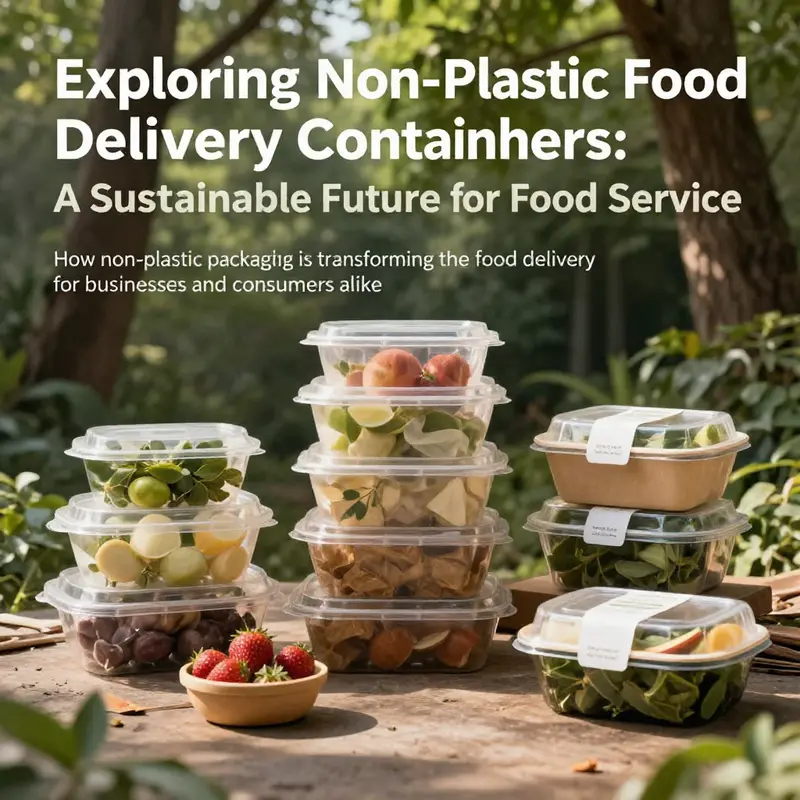
The shift towards non-plastic food delivery containers is more than just a trend; it’s a necessary evolution driven by health risks, environmental concerns, and economic factors. For businesses in the food industry—such as bubble tea shops, restaurants, food trucks, catering services, and corporate procurement teams—understanding the multifaceted benefits of these sustainable alternatives is crucial. Each chapter of this article delves into specific aspects of non-plastic food delivery containers, highlighting the health implications, environmental benefits, economic factors, and design innovations. By exploring these areas, businesses can make informed decisions in adopting eco-friendly practices that resonate with consumer values and support a healthier planet.
Safely Served: Health Implications and Material Realities of Non-Plastic Takeout Containers
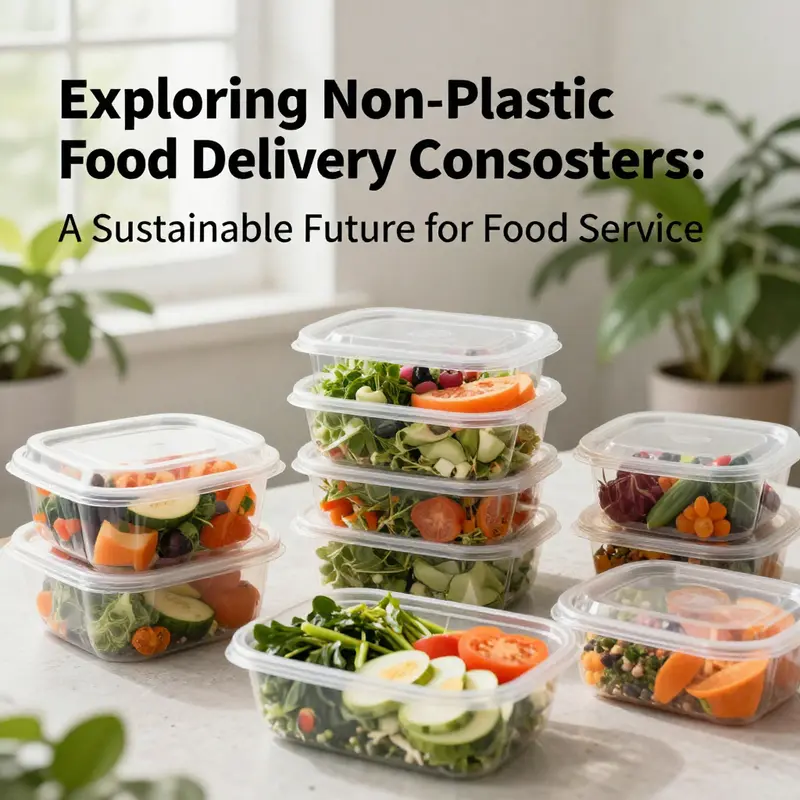
A shift away from conventional plastics in food delivery has emerged from consumer caution, regulatory attention, and a search for materials that better balance safety with environmental responsibility. The health implications of non-plastic containers are a layered assessment of safety, stability, and how materials behave under heat, fat content, and repeated use. This chapter highlights four core concerns: chemical stability, heat-related behavior, material integrity over time, and the environmental implications that influence adoption and proper use. In practice, safety is contextual and depends on how a material is manufactured, used, and disposed of. Consumers and businesses should prioritize certified, food-grade materials and demand clarity about coatings and potential migrants, while avoiding overheating and using intact packaging to minimize exposure during heating. Glass offers remarkable inertness, reducing migration but adding weight and fragility. Stainless steel provides durability and reusability but may carry trace metals if not high-grade. Silicone offers heat tolerance with careful quality control. Paper-based and biobased options vary widely with coatings and laminates that can migrate under heat or long storage. Aluminum foil containers balance heat resistance with chemical inertness but raise reuse and disposal questions. Biobased options such as molded fiber, bagasse, and bamboo show promise for sustainability, yet require scrutiny of finishes and end-of-life handling. Across all options, the safest guidance is pragmatic: use certified food-grade materials, avoid damaged containers, and transfer hot foods to inert receptacles when feasible. Regulators and researchers continue to harmonize definitions and testing protocols, underscoring that safety is a dynamic property of materials that must be evaluated with transparency and ongoing monitoring. For readers seeking deeper evidence, peer-reviewed reviews and food-safety standards provide a framework for understanding migration risks and environmental impact.
From Residue to Resource: How Non-Plastic Food Delivery Containers Strengthen a Circular, Low-Impact Food System
The environmental benefits of non-plastic food delivery containers unfold as a story of reduced pollution, smarter resource use, and aligned incentives across producers, users, and policymakers. When a business shifts from single-use plastics to materials rooted in renewables or designed for reuse, the ripple effects extend far beyond the checkout counter. The core of this chapter is not merely a comparison of materials but an exploration of how system design—how we source, use, clean, and eventually recover or dispose of these containers—transforms the footprint of takeout economies. In this view, the danger of conventional plastic packaging lies not only in the material itself but in its end-of-life trajectory: long persistence in ecosystems, the potential for microplastic formation, and the energy and emissions embedded in extraction and recycling loops. Non-plastic alternatives, by contrast, promise pathways that can shorten the life cycle, reduce toxic leachates, and fit more naturally into a circular economy where materials are kept in use and safely returned to the soil or the market.
Among the most compelling shifts is the emergence of bamboo-based packaging, molded fibers, and paper products with plant-based coatings. Bamboo stands out for its rapid regrowth and natural renewability. Within a few years a bamboo supply can replenish, providing a material that is biologically compatible with many composting goals and that tends to decompose more readily in natural environments than conventional plastics. A growing body of advocacy and research points to bamboo as a practical surrogate for trays and boxes that once filled takeout bins. In parallel, molded fiber and other plant-based options offer a different balance of strength, moisture control, and end-of-life performance. The environmental calculus improves when such materials avoid the toxic leachates sometimes associated with high-temperature plastic contact and coating systems. Even in cases where paper-based containers require a coating to prevent leaks, the coating materials are increasingly designed to be compostable or at least less persistent than conventional polyolefins. This nuanced shift matters because the health of ecosystems and the health of people are bound together through the materials we entrust with food.
A crucial element in this narrative is the life cycle of the packaging itself. If a container can be burned cleanly for energy recovery, composted in an industrial facility, or repeatedly used within a closed loop, its environmental score can be markedly improved. Yet the most powerful gains come when the packaging and delivery system are designed for reuse rather than single-use disposal. Reusable and recyclable systems, often labeled as loop or return systems, demonstrate measurable environmental improvements after a modest number of reuses. A study from the Shunde Campus of a southern medical university examined looped meal boxes and found that after as few as six to eight use cycles, the per-use environmental cost can be lower than that of single-use options. When cycles extend into the late twenties, the cumulative benefits multiply, producing significant carbon savings and reducing virgin material demand. These findings illuminate a pathway where economic viability and environmental responsibility reinforce one another, encouraging restaurants, logistics firms, and households to participate in a shared circular economy. The interplay between reuse rates, cleaning practices, and the logistics of retrieval is essential. A well-managed loop system requires standardized processes for collection, sanitization, and redistribution, as well as consumer incentives to participate. When these elements synchronize, the promise of lower resource intensity per meal becomes more than a theoretical ideal; it becomes a practical, scalable reality.
The policy landscape further strengthens these opportunities. In major economies, policy instruments that promote reuse and recyclability have moved from aspirational goals to concrete programs. National plans emphasize scalable, reusable packaging networks and robust end-of-life management. This alignment matters because policy can steer investment toward infrastructure that supports high-quality recycling streams or industrial composting, as well as toward standards that ensure safer, more sustainable coatings and fibers. The shift is not merely about choosing a different material; it is about building a system that captures the value of materials, minimizes waste, and protects public health. In this sense, the environmental benefits of non-plastic containers are inseparable from the design choices that enable circularity—from forest and crop stewardship for bamboo and paper to the logistics of take-back and cleaning for reusable systems. The result is a packaging ecosystem that behaves, in effect, like a material bank: materials flow in a loop, value is retained, and the reliance on virgin plastics diminishes over time.
The environmental narrative also encompasses specific material families that have emerged as promising alternatives. Bamboo-based packaging, for instance, offers rapid renewability and natural biodegradability, with a lower risk profile in terms of chemical leachates during heating compared to many conventional plastics. Paper-based containers with compostable coatings—such as plant-derived polymers—present a pathway to maintaining food integrity while preserving end-of-life options beyond landfilling. The coatings themselves are a focal point of ongoing research and optimization, balancing moisture resistance with compostability and avoiding the microplastic risks associated with some traditional coatings. When these systems are well-designed, the result is a packaging option that protects food quality, reduces waste, and enables more responsible disposal paths. Aluminum foil containers—though not a primary material for every meal due to their weight and reusability considerations—offer heat resistance and chemical inertness that make them tempting for hot meals, yet their recyclability and energy footprint depend on regional infrastructure and consumer behavior. This mosaic of materials and strategies illustrates that there is no single silver bullet; instead, there is a suite of viable pathways, each with its own trade-offs and coordination needs within the delivery ecosystem.
Integral to the environmental logic is the concept of system design. The mere substitution of a material does not guarantee environmental gains if the broader system fails to adapt. For example, a paper-based container with a compostable coating can perform well in a well-functioning industrial composting facility, but its advantage may dwindle in contexts lacking appropriate end-of-life infrastructure. Likewise, reusable systems shine when there is reliable take-back and cleaning capability, which challenges operators to invest in logistics and standardization. The research underlines that the greatest environmental dividends arise when packaging choice is integrated with packaging loops, brand-led consumer engagement, and public policy that supports closed or semi-closed material flows. When these elements co-evolve, the environmental impact of meals delivered to homes and offices can approach a fraction of what plastic-based systems deliver today.
In practice, the shift toward non-plastic packaging aligns with broader circular economy goals and long-term energy and emission targets. A policy lens helps explain why this shift is not only environmentally prudent but strategically prudent as well. The circular economy emphasizes decoupling growth from resource depletion, extending product lifetimes, and ensuring that waste is reintroduced as input to new value chains. In the context of takeout, this translates into longer-lasting containers that can be reused multiple times, materials that are easier to reclaim at the end of life, and coatings or fibers compatible with high-quality recycling streams. It also invites new business models, such as deposit-return schemes, centralized cleaning facilities, and regional loops that reduce transport emissions and packaging losses. The net effect is a packaging system that supports lower overall emissions per delivered meal, improved resource efficiency, and a more resilient supply chain that can withstand shocks to raw material markets.
To illustrate the alignment between material choices and circular strategies, consider the practical impact of reinforcing a loop-based model in a major metropolitan setting. Restaurants join forces with logistics providers to collect used containers, shuttle them to centralized facilities for cleaning and refurbishment, and redeploy them into the market. Each reuse cycle reduces demand for virgin fibers or metals, conserves energy tied to new production, and minimizes landfill pressure. The system’s performance depends on standardized cleaning protocols, clear labeling for end-of-life sorting, and consumer participation. When the loop is well-tuned, the per-meal environmental burden can be meaningfully reduced, even as consumer expectations for affordability and convenience remain high. This does not imply neglecting food safety; rather, it underscores that packaging strategy must harmonize with food safety standards, product protection, and user experience—elements that collectively determine the viability and acceptance of non-plastic solutions.
The narrative would be incomplete without acknowledging the reputational and brand-building benefits that accompany non-plastic packaging adoption. Consumers increasingly associate eco-friendly packaging with responsible business practices and with a tangible commitment to reducing plastic pollution. For enterprises, these associations translate into branding opportunities, alignment with corporate sustainability goals, and access to markets that prize environmental stewardship. The design and customization possibilities offered by non-plastic options—whether for single-use, returnable systems, or branded, compostable packaging—enable businesses to convey a coherent sustainability story while retaining functional performance. Importantly, this storytelling is most effective when it is backed by credible data about lifecycle impacts, end-of-life outcomes, and real-world performance in the field. In other words, the environmental benefits are reinforced not only by material choices but by transparent measurement, clear communication, and consistent practices across the supply chain.
A final reflection centers on how research and practice converge to accelerate progress. The evolving evidence base shows that bamboo-based packaging, molded-fiber alternatives, and compostable paper solutions can contribute substantial environmental benefits when deployed with robust end-of-life options and reuse infrastructure. It also highlights that policy alignment and industry collaboration are crucial to scaling these solutions from pilot programs to mainstream adoption. The landscape is not static; it is shaped by innovations in materials science, improvements in recycling and composting infrastructure, and the emergence of business models that reward durability, reuse, and end-of-life recovery. In this sense, non-plastic food delivery containers are not a single product category but a portfolio of strategies that, together, reduce waste, conserve resources, and advance a more sustainable culinary economy.
For readers seeking a broader view of how these shifts are being documented and advanced in policy and practice, the official report on circulating meal boxes provides a rigorous, data-driven look at system-wide impacts and the potential scale of reuse-based packaging networks. See the report for further details on the environmental and economic benefits of loop-based solutions and the policy milestones that are helping to drive adoption across industries.
Internal reference for broader context: bagasse-sugarcane lunch boxes
External resource for deeper analysis: https://www.baituosufu.org/report/2022-circulating-meal-boxes
Turning the Tide: Economic Currents and the Rise of Non-Plastic Food Delivery Containers
Non-plastic food delivery containers are gaining pace as a response to evolving economics, health considerations, and tighter regulations. This chapter analyzes how production costs, consumer willingness to pay, and long-run savings interact with waste management and compliance costs to shape profitability and strategy for restaurants and delivery services. It notes that while upfront costs may be higher, scale, reuse programs, and regulatory incentives can lower lifecycle costs and improve brand value. The practical path involves careful material selection, supplier partnerships, and logistics that align packaging with sustainability goals and customer expectations, ultimately contributing to resilience in a dynamic market.
Design Innovations in Non Plastic Food Delivery Containers: A Material Renaissance and User-Centric Packaging
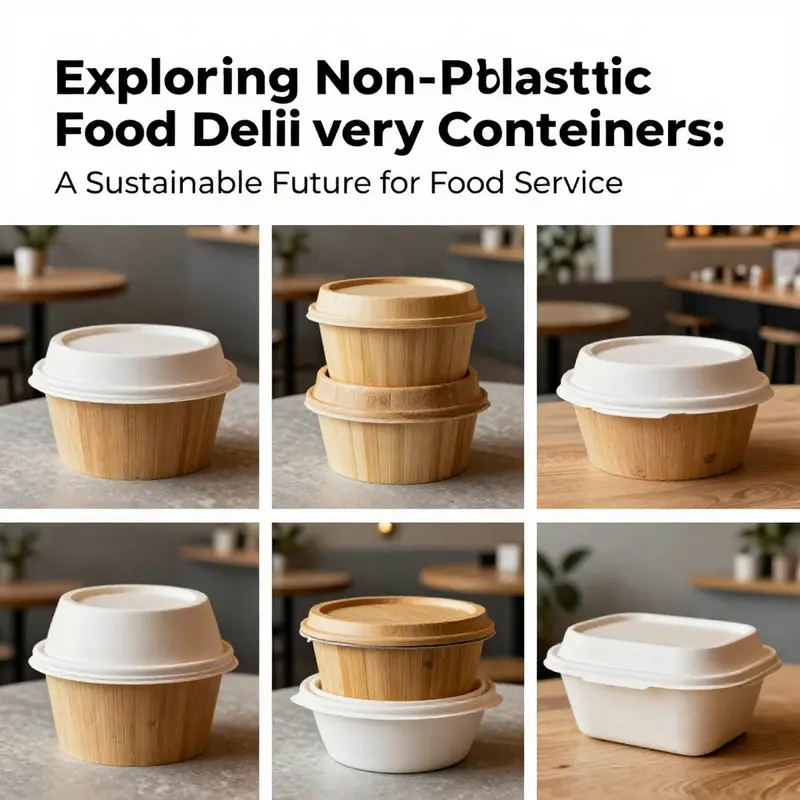
Non plastic food delivery containers are redefining packaging by combining ecological materials with deliberate design. A material renaissance brings bamboo, molded fiber, bagasse, and plant based bioplastics into everyday use, offering renewability, compostability, and often recyclability alongside reliable performance. Beyond material choice, the real shift lies in how containers function: modular compartments, leak resistant seals, and ergonomic handling that support both busy kitchens and convenient consumer use. This integrated approach positions sustainability not as a constraint but as a driver of better user experiences, from easy opening and secure transport to clear labeling and safe reheating guidance. In practice, the best solutions balance cost, scale, and local end of life infrastructure while preserving the flavor and texture of the meals they carry.
Modern non plastic designs also emphasize usability and reuse. Containers are designed to be stackable, nestable, and easy to clean, with smooth, non-porous interiors that resist staining and harbor fewer bacteria. Modular lids and internal dividers reduce cross contamination and help preserve textures. Reuse programs rely on durable construction, simple cleaning routines, and branding opportunities that communicate environmental commitments. End of life can be realized through composting where facilities exist, or through recycling streams that tolerate layered materials when properly separated. Safety remains a core concern, with formulations tested for heat resistance and migration, ensuring that meals travel without imparting unwanted substances.
As supply chains adapt, suppliers offer families of compatible components—from sturdy fiber boxes to bamboo bowls and plant based coatings—that restaurants can tailor to brand and menu. The design language becomes a tool for storytelling as well as function, signaling care for people and planet while maintaining operational efficiency. The result is a practical pathway toward reducing plastic waste without compromising performance, keeping meals delicious from kitchen to curbside to home.
Final thoughts
As the demand for non-plastic food delivery containers rises, businesses in the food sector have a golden opportunity to align with health, environmental sustainability, and economic efficiency. By transitioning toward these innovative solutions, food service enterprises not only protect consumer health by reducing exposure to harmful substances but also contribute positively to environmental conservation efforts. Furthermore, the economic benefits of adopting sustainable packaging resonate with an increasingly eco-conscious consumer base, promoting brand loyalty and enhancing competitive advantage. Ultimately, embracing non-plastic food delivery containers represents a forward-thinking choice that benefits both the business and the planet.