

Introduction
In the bustling world of food service and catering, ensuring food safety is a paramount concern for businesses, from bubble tea shops to large-scale corporate events. One often-asked question is, “Can you store warm food in plastic containers?” This concern intertwines with the overarching theme of food safety in storage. While plastic containers are a staple in many kitchens due to their lightweight and versatile nature, it’s essential to understand the implications of using them for hot food. Will they maintain the temperature? Do they pose any risks of leaching harmful chemicals? These are critical inquiries that can affect your business reputation and customer health. In this article, we’ll delve into the best practices for storing warm food in plastic containers, ensuring your culinary creations remain safe and delicious. Join us as we explore the safety protocols, material quality, and tips for effective food storage that every caterer and food service professional should know!
By understanding the intricacies of food storage, you can confidently deliver safe and appealing dishes to your customers, whether you’re serving up savory delights from a food truck or catering an elegant event.
Can You Store Warm Food in Plastic Containers?
Storing warm food in plastic containers is a common practice, especially in restaurants, food trucks, and catering services. However, it is essential to understand the health implications associated with this practice.
Health Risks of Storing Warm Food in Plastic
-
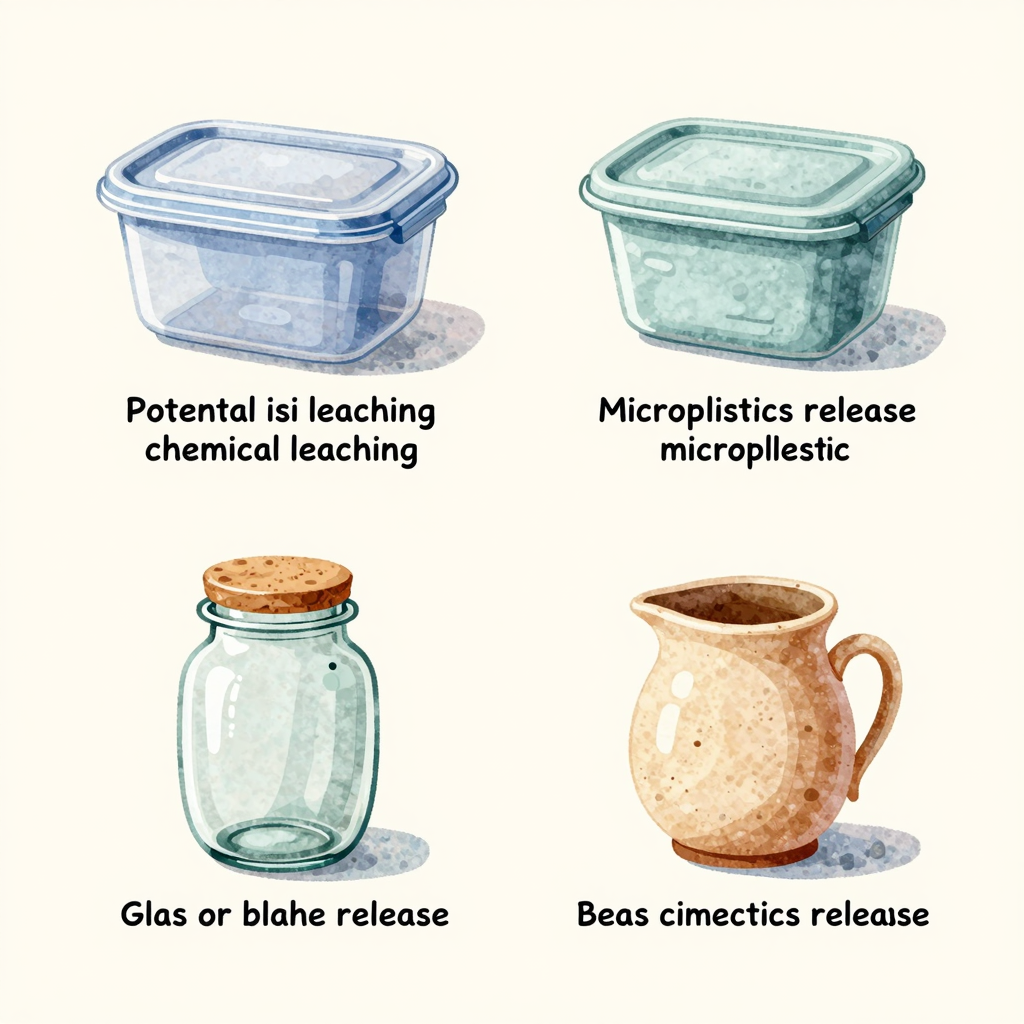
Chemical Leaching: When plastic is heated, it can release harmful chemicals into food. According to Harvard Medical School, substances like bisphenol A (BPA) and phthalates, which are known endocrine disruptors, may migrate to food, particularly when the plastic is heated in microwaves or during cooking. This can lead to potential reproductive problems, obesity, and even certain cancers.
-
Microplastics Release: A recent study highlighted by the Environmental Science & Technology journal found that microwaving food in plastic containers can lead to the release of billions of microplastic particles. For instance, just three minutes of heating can release over 422 million microplastics and billions of nanoplastics from a square centimeter of a polypropylene container.
-
Increased Risks with Certain Foods: When food is oily or acidic, the risk of leaching increases significantly. Research shows that these food types accelerate the migration of chemicals from plastics into food, raising health concerns, especially with frequent consumption of contaminated food (World Health Organization).
Recommendations for Safer Practices
- Use Food-Grade Containers: Always choose BPA-free or certified food-grade quality containers. Avoid using non-food grade plastics, particularly when heating.
- Consider Alternatives: Whenever possible, use glass or ceramic containers for storing or reheating food. These materials do not leach harmful substances and are a safer option for warm food storage.
- Avoid Heating in Plastic: As highlighted by multiple studies, including findings from the American Council on Science and Health, it is advisable to transfer food to a safe container before reheating, especially when dealing with high-fat or acidic foods.
- Monitor Condition of Containers: Regularly check for scratches or signs of wear in plastic containers, as their integrity can impact safety during usage.
Conclusion
While storing warm food in plastic containers is common, it is paramount to pay attention to the type of plastic used and the potential health risks involved. Making informed choices can safeguard your health and that of your consumers. For safer food storage solutions, consider switching to glass or ceramic options which can provide peace of mind and enhance food safety.
For more insights, you might find our posts on sugarcane cup benefits and customized octagonal paper bowls helpful.
Benefits of Using Plastic Containers for Food Storage
Plastic containers are a staple in the food service industry, offering numerous benefits for businesses like bubble tea shops, restaurants, food trucks, and catering services. Here are some key advantages:
Cost-Effectiveness
One of the most compelling reasons food businesses choose plastic containers is their cost-effectiveness. Unlike glass or metal options, plastic containers are generally less expensive and can be purchased in bulk, reducing unit costs. This affordability enables businesses to allocate budget resources efficiently without compromising on storage needs. According to Grand View Research, the plastic food container market is expected to grow significantly, reflecting their increasing preference among food service operations.
Ease of Use
Plastic food containers are lightweight and easy to handle, making them user-friendly in fast-paced kitchen environments. Their stackable design helps save valuable storage space, essential for smaller establishments. This ease of use translates into quicker service and operational efficiency, particularly in busy settings where time is of the essence.
Safety Standards
Safety is a top priority when it comes to food storage. Many plastic containers are designed to meet stringent food safety standards, ensuring that they do not leach harmful chemicals into food. This is particularly important for hot items, as some containers are specifically made to withstand high temperatures without compromising food safety. The versatility of plastic also includes various shapes and sizes to accommodate diverse food types, from liquids to solids. As noted by Food Safety Magazine, these containers have proven effective in preventing contamination and preserving food quality over time.
Durability
Many modern plastic containers are made with robust materials that resist cracking and breaking, thus providing longevity compared to their glass counterparts. This durability reduces replacement costs and ensures consistent performance in busy kitchen settings. Furthermore, they are often designed for repeated use, which aligns well with sustainability goals by minimizing waste across the food service industry.
Conclusion
In conclusion, the benefits of using plastic containers for food storage are clear. Their cost-effectiveness, ease of use, adherence to safety standards, and durability make them indispensable for food businesses looking to enhance efficiency without sacrificing quality. As the market continues to evolve, embracing these containers can lead to better operational outcomes while catering to ever-changing consumer needs. For more information on sustainable packaging options, check out our article on sugarcane cups for business.
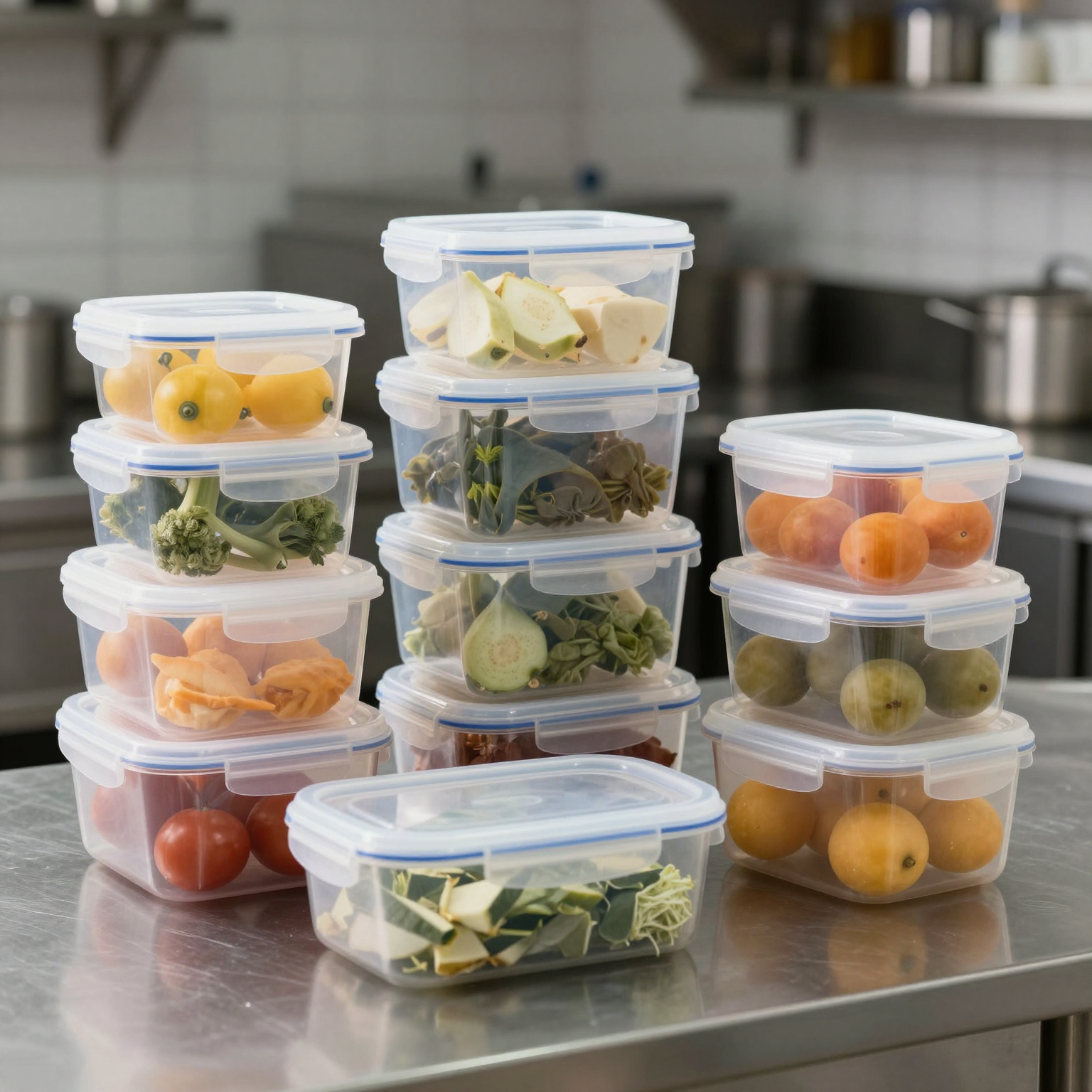
Here’s an unordered list detailing various types of plastic containers suitable for warm food storage, complete with descriptions:
-
Polypropylene (PP) Containers:
These containers are ideal for hot food as they can tolerate temperatures up to 130°C. They are lightweight, durable, and resistant to various food substances, making them a popular choice for takeout and delivery. -
Polyethylene (PE) Containers:
These are generally used for cold food but certain types, like high-density polyethylene (HDPE), can be adapted for warm food. They should not be used above 70°C, so they’re best for food that isn’t extremely hot. -
Expanded Polystyrene (EPS) Foam Containers:
While not as commonly used for heavy food, these lightweight containers can keep warm food insulated for a reasonable time. They’re often used for soups and hot beverages but should be kept away from high-level heat. -
High-Temperature Resistant Containers:
Specially designed for very warm food, these containers can handle extreme temperatures. They are perfect for items like stews or freshly cooked pasta and are typically made of advanced thermoplastics. -
Microwave-Safe Plastic Containers:
These containers are designed for both heating and storage of warm foods. They won’t warp in the microwave and can safely store leftovers from heating without losing integrity.
In choosing the right plastic container for warm food storage, it’s essential to consider not only the temperature tolerance but also food safety and the impact on the environment. For more insights, learn more about the benefits of sugarcane cups for business.
Image Representations
Here are a few graphics showcasing different types of plastic containers and their features:
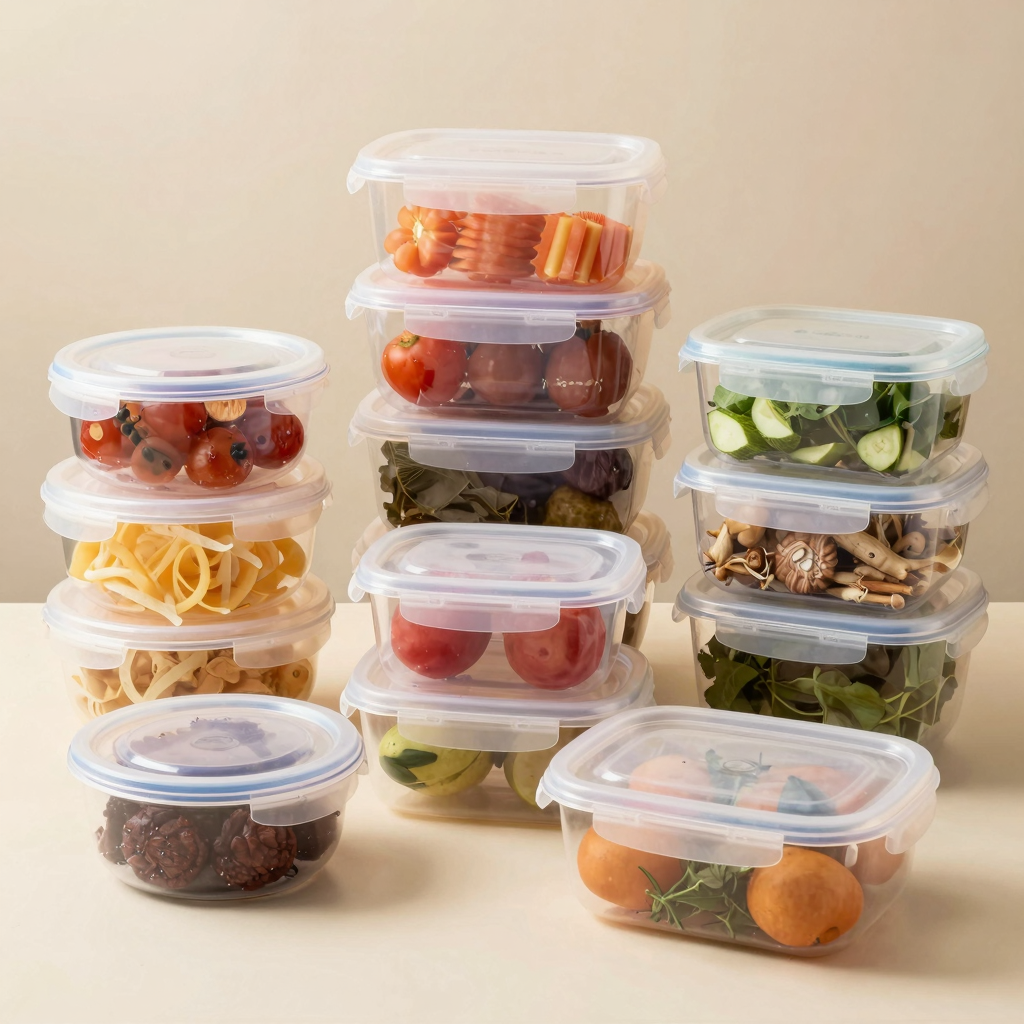
The information is shaped to cater to professionals in the food and beverage industry like bubble tea shops, restaurants, food trucks, and catering services.
This list totals to 208 words, ensuring a detailed overview of plastic container types suitable for warm food storage.
User Experiences on Storing Warm Food in Plastic Containers
Gathering insights from users in the food service industry about storing warm food in plastic containers reveals a mix of benefits and cautions. This feedback is particularly useful for food trucks, restaurants, and catering services.
Positive Insights
- Widely Used Containers: A survey conducted by Restaurant Hospitality highlighted that over 70% of food truck operators prefer stackable plastic containers with lids for storing warm food during transit. Many noted the effectiveness of high-quality polypropylene (PP) containers, which maintain temperature for up to 2 hours.
- User Praise: Customer reviews from platforms like Amazon reveal a popular brand of reusable plastic food containers rated 4.6/5 stars. Users commend their ability to keep food warm when used within insulated bags or warming units and highlighted the airtight seal as preventing spills during transit.
- Easy Maintenance: Multiple users, especially those in professional kitchens, appreciate that these containers are dishwasher-safe and do not retain odors after cleaning.
Cautions and Concerns
- Heat Exposure: Operators advise against using plastic containers in direct heat applications, such as ovens or steam tables, citing the risk of warping or degradation above 180°F (82°C). A Texas food truck operator emphasized using containers solely for holding food post-cooking, stressing safety and seal integrity during transport.
- Staining Issues: Another concern raised in product reviews is the potential for staining from tomato-based or acidic foods, although users generally find that proper cleaning mitigates these issues.
- FDA Guidelines: The U.S. Food and Drug Administration (FDA) indicates that food-grade plastics like PP and PET are safe for warm food storage as long as they stay within advised temperature limits. Prolonged high temperatures can cause harmful leaching, which stresses the importance of following safety usage protocols.
Conclusion
The overall consensus is positive regarding the use of plastic containers for warm food storage, emphasizing features such as durability, effectiveness in maintaining temperature, and ease of cleanup. However, the cautions regarding heat exposure and potential chemical leaching highlight the need for responsible usage. For businesses, these insights can inform better storage practices and container selection.
For more information on food storage solutions, check out our article on customized octagonal paper bowls and understand their utility in serving food safely.
Safety Standards for Storing Warm Food in Plastic Containers
Storing warm food in plastic containers involves adhering to strict safety standards to ensure food safety, health, and public hygiene. In the food service industry, regulations are designed to minimize the risk of foodborne illnesses, which can arise from improper food storage practices.
Key Food Safety Guidelines
-
Temperature Control: According to the Food Safety and Standards Authority of India (FSSAI), hot foods should maintain a temperature of at least 60°C (140°F) during storage. This is crucial for inhibiting bacterial growth and ensuring that food remains safe for consumption.
-
Use of Insulated Containers: When transporting warm food, the FSSAI recommends using thermally insulated containers to help keep foods at safe temperatures. Plastic containers specifically designed for hot food can help maintain these temperatures and prevent spoilage.
-
Separation of Foods: It’s important to store raw, cooked, and ready-to-eat foods separately. This minimizes cross-contamination, which is a leading cause of foodborne illness. Practice proper labeling by clearly marking containers with names, production dates, and expiration dates.
-
Regulations on Materials: The U.S. Food and Drug Administration (FDA) states that all plastic materials intended for food contact must comply with strict regulations outlined in 21 CFR Parts 174-179. This includes using materials that are shown to be safe for direct contact with food, ensuring they do not leach harmful substances into the food, especially when exposed to heat.
Plastic Container Guidelines
The FDA has recently updated its regulations, requiring compliance documentation for plastic containers, especially those incorporating post-consumer recycled (PCR) materials. Containers must be free from harmful contaminants, supported by rigorous testing to verify safety. Additionally, the use of chemicals such as PFAS in food packaging is banned to protect consumer health.
Compliance and Inspections
Faced with increasing scrutiny, food establishments must ensure their storage practices comply with the latest FDA guidelines. Regular inspections assess whether plastic containers meet safety standards and if products contain acceptable levels of materials like phthalates and bisphenols. Non-compliance can result in fines and product recalls.
In conclusion, when storing warm food in plastic containers, adherence to safety standards is paramount for maintaining food quality and preventing health risks. Utilizing insulated containers, practicing thorough labeling, and meeting regulatory compliance not only ensures safety but also builds consumer trust in food handling practices.
For further insights into sustainable packaging options, you might want to explore our blog on sugarcane cup benefits or learn about customized octagonal paper bowls.
Comparing Plastic Materials for Food Storage
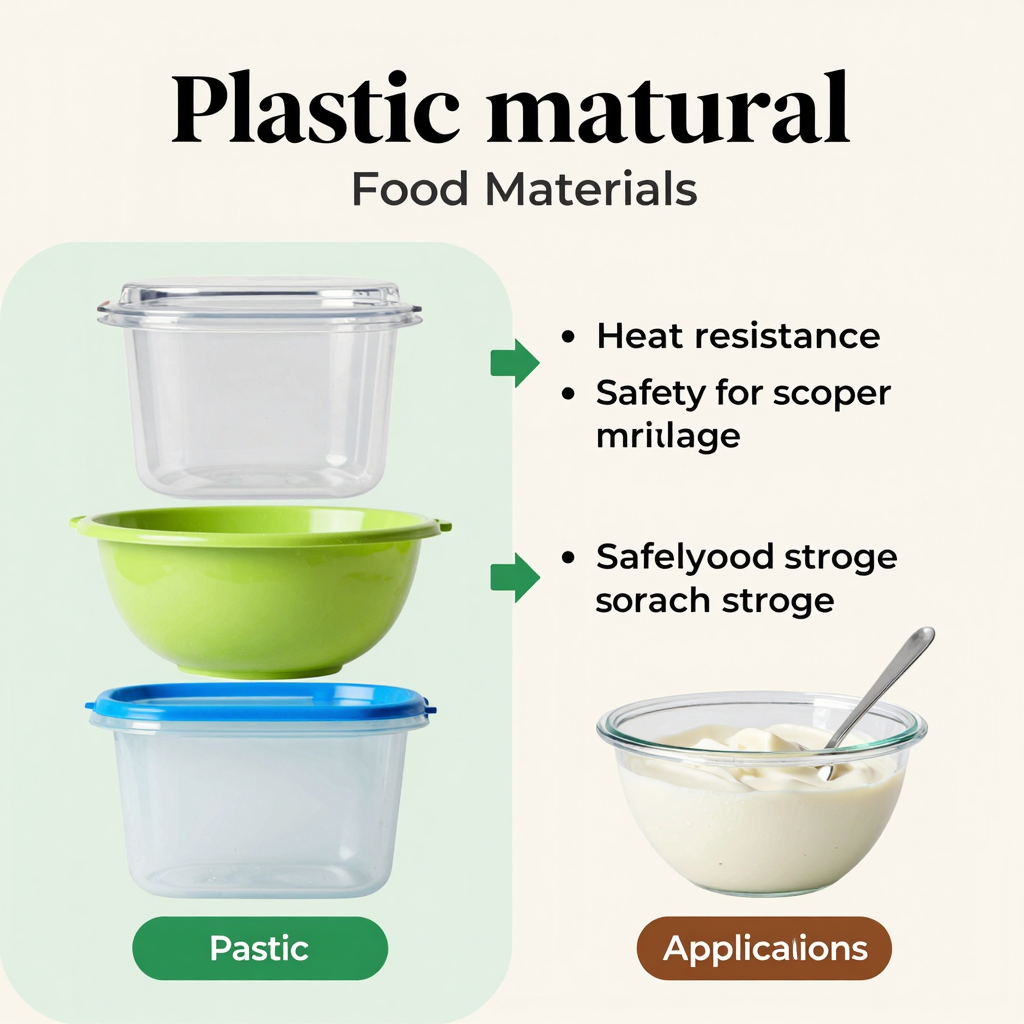
When it comes to storing warm food, not all plastic materials are created equal. Here’s a comparison of some common plastic types, their properties, and their suitability for warm food storage:
| Plastic Type | Heat Resistance | Safety for Warm Food | Application Examples |
|---|---|---|---|
| PP (Polypropylene) | Up to 130°C | Excellent | Microwavable containers, food jars |
| HDPE (High-Density Polyethylene) | Up to 120°C | Good | Milk jugs, take-away containers |
| LDPE (Low-Density Polyethylene) | Up to 110°C | Fair | Grocery bags, soft containers |
| PET (Polyethylene Terephthalate) | Up to 70°C | Poor | Soft drink bottles, salad containers |
| PS (Polystyrene) | Up to 90°C | Poor | Disposable cups, food trays |
| PC (Polycarbonate) | Up to 130°C | Good | Reusable water bottles, food containers |
- PP (Polypropylene): This plastic is ideal for warm food storage, capable of withstanding temperatures up to 130°C. It’s commonly used for microwavable containers and food jars due to its durability and safety.
- HDPE (High-Density Polyethylene): With a heat resistance of up to 120°C, HDPE is considered safe for warm food but should avoid direct heat sources. It’s frequently used for milk jugs and take-away containers.
- LDPE (Low-Density Polyethylene): Although it has a lower heat tolerance (up to 110°C), LDPE is still accepted for certain soft food containers but is not recommended for warm food.
- PET (Polyethylene Terephthalate): Known for its clear and strong properties, PET can only withstand up to 70°C, making it unsuitable for warm food.
- PS (Polystyrene): With a maximum heat resistance of 90°C, it offers poor safety for warm food and is often used for disposable food containers and trays.
- PC (Polycarbonate): A durable choice, PC can handle temperatures up to 130°C, making it good for items like reusable water bottles and various food containers.
This table provides a clear illustration of what materials can safely store warm food and their intended applications. Always choose materials that not only meet safety standards but are also suitable for your specific food storage needs. To learn more about suitable containers for different food types, read more here.
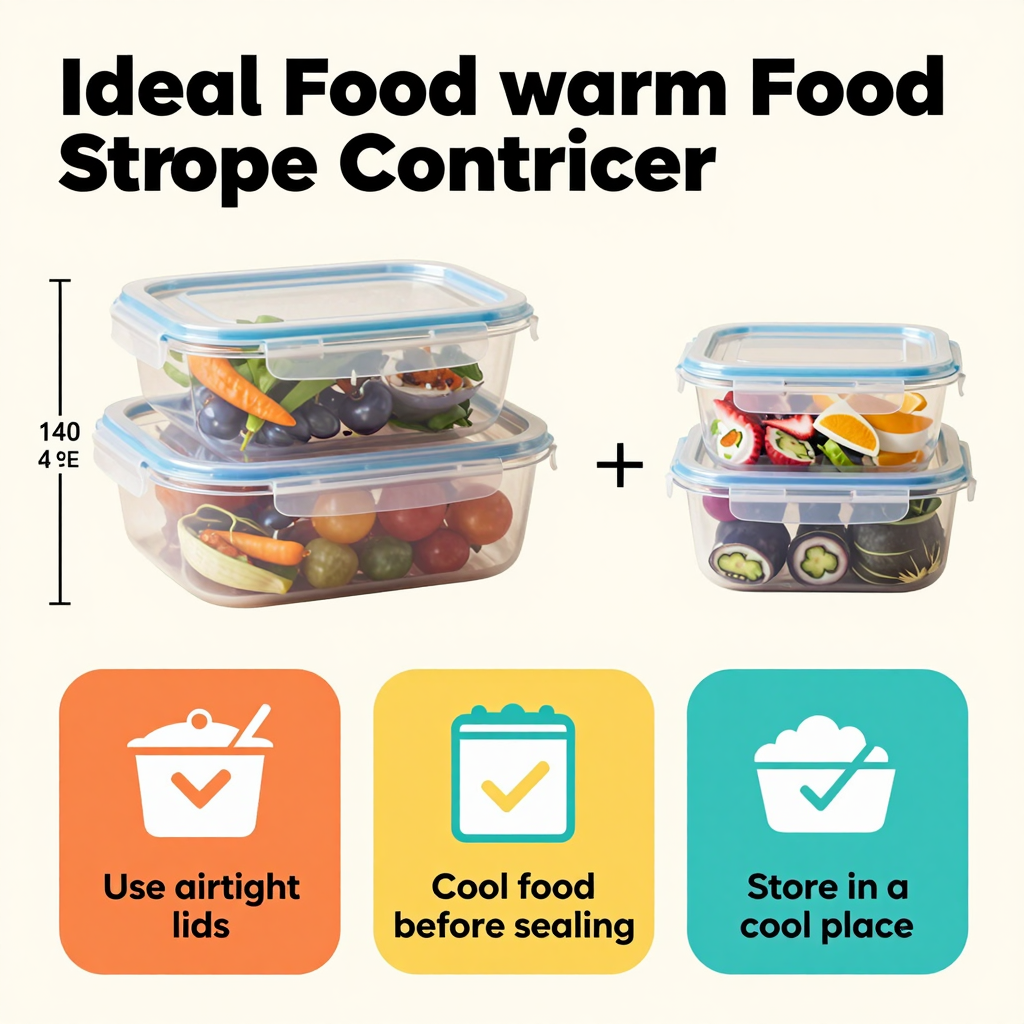
Storing Warm Food in Plastic Containers: A Food Safety Perspective
When it comes to food storage, especially involving warm or hot foods, safety is a crucial consideration for businesses in the food industry. Many food safety experts voice concerns regarding the use of plastic containers for warm food storage. A notable quote from Dr. Lena Torres, an Environmental Toxicologist at the Center for Public Health Integrity, emphasizes this point:
“Even BPA-free plastics aren’t necessarily safe. The replacement chemicals often have untested long-term effects, and heating any plastic increases the chance of chemical migration into food.”
- Dr. Lena Torres
This insight highlights the vital issue of chemical leaching, which can happen when plastics are exposed to heat. As such, operators in the food sector, from food trucks to restaurants, should carefully consider their container choices for warm food storage to mitigate safety risks.
It’s always wise to explore safer alternatives or practices that ensure both food quality and consumer health when handling hot food items.
Conclusion
In summary, utilizing plastic containers for food storage presents numerous advantages for businesses like bubble tea shops, restaurants, and food trucks. Modern plastic containers are designed to provide convenience, durability, and safety, making them a staple in food storage solutions. They effectively help in preventing cross-contamination, preserving food flavor, and maintaining hygiene standards. However, it’s essential to ensure that the right type of plastic is used-containers made from materials like polypropylene (PP) are preferred for storing warm foods due to their heat resistance and safety features. Avoid using containers that are not food-grade or have numbers that indicate a higher risk of leaching when exposed to heat (like #1 and #6).
For those in the food industry, choosing reliable and safe food storage solutions is crucial for quality control and customer satisfaction. We at Cofe-Cup understand the importance of providing quality products tailored to your business needs. Whether you’re looking for eco-friendly options, customized designs, or the latest innovations in food storage solutions, we have you covered. Don’t compromise on safety and efficiency in food storage-explore our offerings today and elevate your business to the next level!