
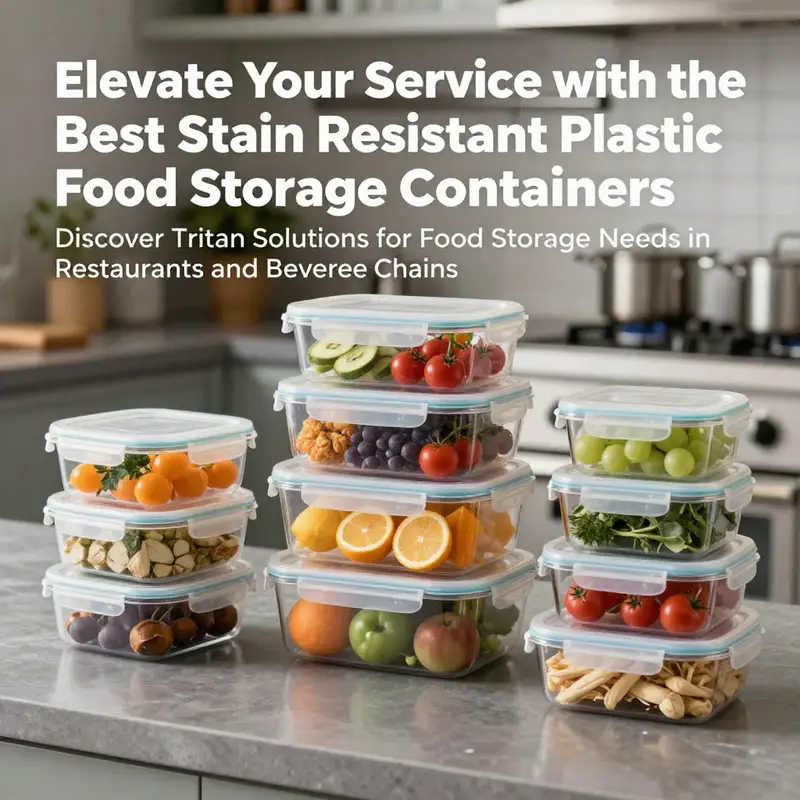
In the world of food service, maintaining freshness and appealing presentation is crucial. For businesses such as bubble tea shops, restaurants, and catering services, the right food storage containers are essential. Opting for stain-resistant plastic food storage containers can greatly enhance operational efficiency and customer satisfaction. Among the most reliable options on the market is Tritan copolyester, known for its superior stain and odor resistance. This article delves into Tritan’s material benefits, highlights leading brands, explores care tips regarding temperature resistance, touches on environmental safety, and shares user experiences to provide a comprehensive understanding of the best available options.
Tritan Essentials: How Clear, Stain-Resistant Plastic Elevates Food Storage

The quest for truly stain-resistant storage starts with understanding what makes a plastic container resist both color and odor. In a world where the kitchen is the hub of daily life, containers must endure a revolving door of sauces, spices, and oils without losing their clarity or inviting lingering smells. The most convincing answer researchers and product designers converge on is Tritan copolyester. This material isn’t just a brand tag or a marketing line; it is a carefully engineered polymer that aligns chemistry with everyday practicality. Tritan’s defining trait is its non-porous, chemically stable surface. Plastics that are porous can wick pigments from bright foods like beets or turmeric and trap volatile compounds that translate into odors. Tritan’s molecular structure, by contrast, resists pigment uptake and resists the absorption of residues that would otherwise cause staining and smell retention. As a result, a container made from this material tends to stay crystal clear even after repeated use, loss of optical clarity often marks lower-resilience plastics. The visual benefit is not superficial; it is a reliable cue that the container remains clean at a glance, which in turn encourages more thoughtful use and easier inventory in a busy kitchen. In practical terms, this means you can see what’s inside without guessing when a sauce or curry has colored the interior, and you can trust that the container won’t surrender its color to the next batch of peppers or tomato-based dish. The clarity is complemented by resilience; Tritan is designed to resist scratches that would otherwise hide stains and harbor bacteria, and it holds up under repeated dishwasher cycles and regular handling in a crowded cabinet. The result is a material that keeps pace with the rhythm of real life, where containers are opened and closed, filled and washed, and moved from fridge to microwave to dishwasher with minimal fuss. The appeal here is not merely cosmetic; it is functional. When a container remains clear, it’s easier to monitor portions, verify freshness, and manage leftovers with confidence. That sense of reliability is invaluable for meal preppers who plan for a week of lunches, or for families juggling multiple dayparts where precise storage matters. Tritan’s resistance to heat also matters. Containers made from this material withstand temperatures that range from freezer cold to microwave heat without warping or cracking. This is not a one-off performance claim; it is a repeated outcome observed in both lab analyses and real-world use. For households, this translates into fewer worries about thawing sauces or reheating meals directly in their storage vessel, an important convenience that reduces transfer breaks and cleanup time. In environments where space, weight, and durability are at a premium—think compact apartments, shared kitchens, or small businesses—the weight-to-strength ratio of Tritan becomes a practical advantage. The material’s durability translates into long-term savings, because the risk of cracking or clouding over time diminishes, and the likelihood of needing to replace containers quickly drops. As such, Tritan-based containers are often viewed as premium options in the realm of plastic storage, not merely because they resist stains but because they maintain a pristine appearance and dependable performance after countless wash cycles. This reliability extends to odor control as well. The non-porous surface resists the retention of aromatic compounds that can cling to other plastics, such as garlic, curry, or cumin. That does not mean you can ignore care, but it does mean that the baseline odor transfer risk is substantially lowered. It’s a practical win for households where open stacks of containers can quickly become a source of mixed scents if the material is prone to absorbing odors. The result is a cleaner, more inviting fridge and pantry where you can rotate foods with less concern about cross-smelling. In short, Tritan copolyester stands out because it marries chemistry with daily life. Its structure supports durability, clarity, and hygienic performance, while its surface chemistry helps prevent the color and odor signatures that often undermine other plastics. This is why so many premium storage lines rely on Tritan to deliver a balance between aesthetics and function—a balance that matters especially for those who value both form and function in equal measure.
Beyond the material itself, the design context matters as much as the polymer. A Tritan-based solution is typically paired with features that maximize cleanliness and ease of use: airtight or leakproof lids, well-fitting gaskets, and robust locking mechanisms that keep odors contained and contents secure. The lids are often engineered to resist warping and to maintain seal integrity after many cycles in heat, cold, or dishwasher environments. In practice, this means you can store leftovers with confidence, knowing that odors won’t seep into the lid seals and, conversely, that the interior will stay clean enough to prevent cross-flavor transfer when you reuse the same container for different meals. The emphasis on a four-hinge locking system or a similarly robust lid design is more than a convenience feature; it’s a practical safeguard against leaks and spills, which is particularly important for liquids, sauces, or soups. In addition to sealing quality, Tritan containers strive for a clear, glass-like appearance that does not yellow over time. The transparent look is not merely cosmetic; it makes identification straightforward and reduces the cognitive load of meal planning, especially for households that store a variety of foods in a compact fridge. When you combine material resilience with thoughtful design, you get a product that holds up under everyday wear and tear while showing fewer signs of aging. The result is a storage solution that remains visually appealing and functionally reliable over the long haul, which is especially valuable for families who rely on batch cooking and bulk storage.
Care and maintenance guidance are integral to sustaining the performance of Tritan containers. The literature on material durability emphasizes that, while Tritan resists staining and odors, practical upkeep still matters. Silcone seals are prone to wear if exposed to heat or aggressive detergents repeatedly. The recommended practice is to hand-wash containers with their silicone seals in a mild, non-abrasive soap, particularly if the plan is to employ frequent hot cycles in the dishwasher. That precaution helps prevent minor warping or degradation of seals, which can compromise both seal integrity and odor control over time. It is also wise to avoid abrasive scrubbers that can scratch the interior or dull the crystal clarity, even though Tritan resists color transfer more effectively than other plastics. For routine care, a simple rinse with warm soapy water, followed by air drying with the lid left ajar, can preserve the seal’s elasticity and the container’s exterior brightness. Temperature transitions deserve a brief note as well. Moving from a cold fridge to a hot microwave or direct heat can impose thermal shock on some seals and rims. This is another reason many manufacturers advocate gradual temperature changes and adherence to the product’s official temperature range. While Tritan remains stable at temperatures up to and around boiling, repeated cycling through extreme shifts can gradually stress the seals if they are frequently exposed to heat outside the recommended use cases. Those who plan to use these containers for steaming or hot liquids should ensure that both the lid and seal are compatible with such use and that the container remains clean and dry after each cycle.
In discussing the practical implications for daily cooking and storage, it is helpful to consider the lifecycle of a typical kitchen routine. A family might prepare a batch of meals on Sunday, portion them into several containers, and store them in the fridge for quick lunches during the week. The ability of Tritan to resist staining and odor means those portions can be kept visually appealing and taste-neutral longer, reducing the need to discard food due to color changes or off-notes in smell. The transparency of the material aids in inventory management: you can quickly assess whether something needs to be eaten soon or discarded, which supports waste reduction and more efficient meal planning. For those who frequently reheat food, the heat resistance and stability of the container provide reassurance that reheating will not compromise the container’s integrity or appearance. The ongoing hygiene advantage—less pigment migration and odor retention—contributes to a more straightforward cleaning cycle, which translates into saved time and consistent cleanliness in a busy kitchen.
From a broader perspective, Tritan-based containers offer a compelling value proposition for anyone who demands a durable, aesthetically pleasing, and hygienic storage solution. The combined benefits of non-porous surfaces, color stability, odor resistance, and reliable sealing translate into a product that stands up to real-world use. While the upfront cost may be higher than some alternative plastics, the long-term performance—fewer replacements, less staining, and easier upkeep—often yields meaningful savings and a more satisfying user experience. That balance between durability and appearance makes Tritan a logical choice for both home cooks and professional settings where hygiene and presentation matter. For readers who want to explore a concrete example of how these advantages manifest in practice, consider the take-away bowls with lids product page, which demonstrates a Tritan-based system designed for everyday meals and on-the-go use.
To learn more about an actual Tritan-based configuration that emphasizes airtight seals and durability, you can explore this take-away bowls product page for a practical sense of how the material performs in real-world scenarios: take-away bowls with lids product page.
External resource: https://www.walmart.com/ip/LocknLock-Tritan-Purely-Better-Rectangular-Food-Storage-Containers-12-Ounce-Set-of-4/59876387
Crystal-Guarded Clarity: How Tritan Shapes the Best Stain-Resistant Plastic Food Storage
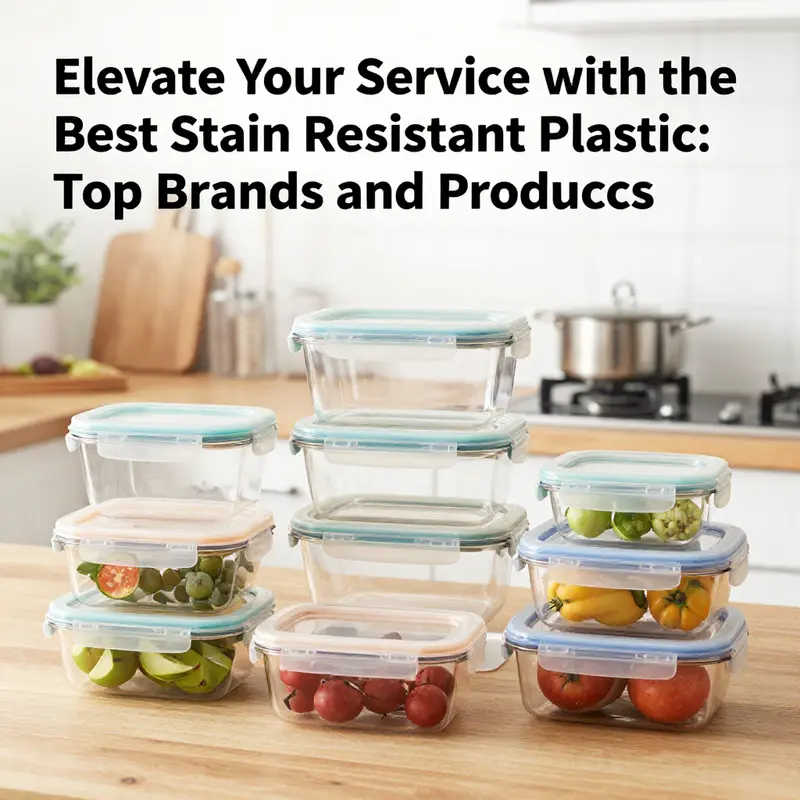
In the quiet hum of the kitchen, a parked set of storage containers can tell a story long after the meal is finished. It is a story not just of convenience but of ongoing cleanliness, of resistance to the stubborn lines left by sauces, spices, and time. When choosing the best stain-resistant plastic food storage, cooks and families alike look for something more than a pretty lid and a snug seal. They want a material that stays honest to its promises: no color transfer from vibrant sauces, no odors clinging to the walls after weeks of use, and a surface that forgives the inevitable batter of daily cleaning. The story centers on a family of polymers whose name has become a shorthand for reliability in modern kitchen storage: Tritan copolyester. This material is not just another plastic. It is engineered to be non-porous, chemically stable, and wonderfully straightforward in maintenance, a triad of traits that translates directly into practical benefits for everyday food storage.
Tritan copolyester is prized for its non-porous, inert character. This means it resists absorbing pigments from tomatoes, beets, turmeric, and other color-rich foods. It also resists the volatile compounds that can make plastic smell like last week’s lunch. This dual resistance—color and odor—matters deeply because the interior surface of a container is, in effect, a microenvironment that can greet every new snack with the memory of past meals. A porous surface invites staining; an inert, non-porous surface refuses to host those blemishes. In practical terms, this translates to containers that look fresh even after repeated use and multiple trips through the dishwasher. The ability to stay pristine comes not from a single feature but from the combination of chemical stability and a smooth, closed interior that discourages pigment molecules and scent molecules from finding a foothold.
The clear, glass-like appearance that Tritan can maintain over time is more than aesthetic. Clarity is sensory assurance. When you open the fridge and can see a bright, unblemished layer of leftovers, you are reassured that what you see is what you get. The crystal-clear look is not merely a marketing cue; it is evidence that the material resists the subtle staining that can obscure the contents of a container—and with it, the risk of misreading what’s inside. This visual transparency also supports a careful approach to food safety. If a container’s interior remains free from stains, residues are easier to scrub away, and residues are the primary hiding spots for burrs of bacteria and stubborn odors. The smoothness of Tritan’s surface, free from the micro-crevices that adhesives or certain plastics create, is a practical ally in keeping a kitchen environment cleaner longer.
Durability is another thread in the Tritan story. In a busy household, containers are stacked, shuffled, dropped onto a counter, and dragged out of the cabinet by hungry hands. The resilience of Tritan to scratches matters because scratches on plastic often harbor residues. The fewer micro-scratches, the fewer places to trap dyes and smells. Tritan’s scratch resistance helps keep the interior smooth and easy to wipe clean, resisting the micro-damage that can accumulate over years of use. This durability also extends to environmental conditions in the kitchen. Tritan can handle moderate heat, and the ability to withstand higher temperatures reduces the risk that a hot sauce splashes into a cool container and leaves a lasting impression as the dish cools. While this is not a license to abuse the containers, it is a sensible margin of safety that supports practical, real-world use.
The heat tolerance of Tritan—often cited around a practical threshold near boiling point in many consumer-grade applications—affords a flexible routine: a container that can be placed in the fridge or freezer, and even go through dishwasher cycles, without warping or secreting unwanted substances. The cycling demands of a busy family kitchen—hot meals, cold beverages, and the daily ritual of cleaning—are met by a material designed to endure. The repeated processes of dishwasher wash, hot rinse, and occasional sun-drenched drying can be harsh on many plastics. Tritan is engineered to withstand such heat cycles, while maintaining its shape, clarity, and chemical stability. This resilience contributes to long-term performance, allowing a single set of containers to endure years of use with a minimum of fading or deterioration in the seals and lids.
Crucial to stain resistance is not only the base material but also how the container is designed to interact with moisture and pigments. The interior geometry matters: smooth walls with rounded corners minimize niches where pigments can settle, while an unobtrusive, easy-to-clean surface supports a quick wipe-down after a sauce-lest night. The sealing system is equally important. A tight seal, often achieved through a silicone gasket or similar material, helps block moisture and odors from seeping into the rim area. If the seal is structurally sound and does not deform easily, the container remains airtight, which further reduces the chance that evolving odors will linger and complicate future meals. In practice, a well-designed lid that pairs with a stain-resistant body becomes a practical barrier against the twin enemies of staining and odor: moisture and pigment.
Care guidance matters as much as material choice. Tritan’s strengths shine when care practices align with its properties. Gentle washing, avoiding harsh alkalis, and limiting abrasive tools preserve that smooth interior and shield seals from unnecessary wear. While Tritan is robust, the silicone or rubberized seal around the lid deserves special attention. It is the zone most exposed to heat and detergents, and it benefits from rinsing and hand-washing when possible. If a dishwasher is used, running a gentler cycle with a warm rinse and avoiding high-heat drying helps prevent warping or degradation over time. It is a small, practical routine that extends the life of the container and preserves its stain- and odor-resistance for longer.
When selecting containers in a crowded cabinet, the eye often gravitates toward sets that promise long-term value. It is natural to weigh color, transparency, and price. What matters, in the end, is a balance: a material that resists staining, a surface that is easy to clean, and a lid system that keeps contents secure. Tritan provides a dependable core that supports these goals, and the best designs surrounding that core reinforce its strengths. In a market that sometimes prioritizes breakthrough features over everyday practicality, the Tritan-based option stands out because it answers the real, recurring questions that arise after a family dinner: Will the container look the same next week? Will it still wipe clean after curry and beet juice? Will odors fade after a thorough wash and a few days in the fridge? The answers, when Tritan is your foundation, are consistently affirmative.
Beyond the material and the seal, the decision to choose stain resistance is ultimately about reducing the cognitive load of kitchen life. When a container maintains its clarity and resists staining, it lowers the mental energy required to manage food storage. There is less worry about whether the bright curry will mar the lid or if yesterday’s tomato sauce will leave a stubborn tint that never quite goes away. This simplicity translates into real-world benefits: faster cleanup, fewer replacements, and more confidence that your containers will keep performing as your family’s needs evolve. It is a quiet efficiency, but a meaningful one, because it frees mental bandwidth for other tasks in a busy home.
As you approach the shelves, the questions you ask yourself should be focused on how the material interacts with your dietary patterns, how often you cook with colorful ingredients, and how you handle storage across the week. If you spend a lot of time meal-prepping sauces, rubs, marinades, or tea-infused beverages, choosing a Tritan-based system offers a practical hedge against staining and odor. If you value transparency for quick inventory checks, the crystal-clear look that persists through countless cycles becomes an appealing feature. If you prize ease of cleaning and a hygienic interior, the smooth walls and reduced crevices provide reassurance. In the balance of all these considerations, the best choice becomes less about chasing a single perfect product and more about embracing a material philosophy that prioritizes stain resistance, cleanliness, and enduring clarity.
The narrative of stain resistance in plastic storage is not a triumph of fashion over function, but a careful synthesis of chemistry, design, and user behavior. Tritan copolyester embodies that synthesis. Its non-porous surface, chemical inertness, and robust mechanical properties underpin a practical promise: a container that remains clear, clean, and capable of carrying the flavors of many meals without becoming a pigment-stained memory. In the real world of home kitchens, where meals come in all colors and odors linger in unpredictable ways, such a promise matters. It turns storage from a mundane chore into a reliable partner in keeping food fresher, cleaner, and more accessible. And in the hands of cooks who value both efficiency and hygiene, that partnership translates into tangible rewards—a more organized fridge, less waste, and a confident, uncomplicated approach to everyday cooking.
External resource: https://www.ebay.com/itm/10-pcs-Rubbermaid-Brilliance-Leak-Proof-Stain-Resistant-Clear-Food-Storage-Containers/123456789012?hash=item123456789012
null

null
Stain-Resistant Plastics in Food Storage: Weighing Safety, Durability, and Our Environmental Footprint

The promise of stain resistance in plastic food storage containers is seductive: a clear, sturdy vessel that holds yesterday’s sauces, curry, or coffee without showing signs of its past. Yet behind the shine lies a complex balance of chemistry, health, and planetary impact. Consumers frequently equate stain resistance with cleanliness, assuming that a plastic that resists the visible marks of food must also resist odor and residue. In practice, the relationship is not that simple. Stain resistance often emerges from a combination of surface chemistry, tight non-porous structures, and engineered toughness. But the same properties that keep pigments from blooming on a translucent lid can also influence how a container interacts with heat, detergents, and acids. The question, then, is not simply “does it stain?” but “what else happens when it does stain, or when it resists staining?” The broader answer begins with a sustained look at safety and environmental consequences that accompany the appeal of stain resistance.
As the mounting body of research shows, stain resistance in plastics is frequently achieved by making the material non-porous and chemically inert. In theory, that makes it harder for pigments to penetrate the surface and harder for odors to become embedded. In reality, wear and tear inevitably alter the surface. Scratches, micro-cracks, and pitted areas can form over time, especially after repeated dishwashing or exposure to high heat. These imperfections become quiet incubators for bacteria and stubborn residues that slip beneath the surface, invisible to the eye but detectable by the nose and, for some people, by lingering tastes. The result is a paradox: a container that looks pristine can harbor micro-environments that compromise hygiene and odor control long after the surface appears clean. This is precisely why stain resistance should be understood as a property that requires ongoing care and mindful use, not as a one-and-done solution.
The safety implications extend beyond surface aesthetics. When plastics marketed as “stain resistant” are exposed to heat—whether in a microwave, a hot dishwasher cycle, or a hot spill—chemical leaching can become a real concern. Even materials advertised as BPA-free can rely on alternative bisphenols such as BPS or BPF. While these substitutes were introduced to reduce BPA exposure, research indicates they can have comparable endocrine-disrupting effects under certain conditions. The potential for leaching increases with time, repeated heating, highly acidic or fatty foods, and aggressive cleaning agents. For households that routinely reheat leftovers or store highly acidic sauces, these dynamics matter more than the casual consumer might expect. The National Institute of Environmental Health Sciences has highlighted the potential for such substances to migrate into food during storage, raising questions about what “safer” really means when the container itself becomes part of the meal’s safety equation. As a result, renters and families with young children often face a dilemma: prioritize stain resistance and convenience, or prioritize a more conservative approach to chemical exposure over the long term.
From an environmental perspective, the story grows more intricate. Plastics offer undeniable convenience and durability, but their life cycle raises red flags for long-term sustainability. The production of plastic containers relies on fossil fuels, involves energy-intensive processing, and emits carbon emissions that accumulate across the supply chain. Even when a container is robust enough to endure multiple years of use, the end of its life often pits durability against waste. Worn or damaged containers may be discarded far earlier than glass or metal alternatives, contributing to the expanding problem of microplastics and landfill burdens. When these plastics fragment, they release microplastics into ecosystems, where they persist for decades or longer. The challenge is not only to prevent those fragments from entering the food chain but also to rethink the rationale for replacing a seemingly “stain-resistant” item that has become less durable over time.
A further dimension of the environmental calculus concerns recycling and the fate of plastics marked as BPA-free. Many consumers assume BPA-free labels guarantee a harmless product, but the reality is that recyclable polymers still face bottlenecks in collection, sorting, and end-of-life processing. The presence of additives, fillers, and other monomers can complicate recycling streams and influence the quality of recycled resin. Even when the plastic itself is technically recyclable, the availability of appropriate facilities varies by region, and consumer participation in recycling programs is inconsistent at best. The net effect is that a high-stain-resistance plastic container can contribute to a cycle of production, use, and disposal that sits uneasily with growing demands for circular materials and lower overall carbon footprints. In other words, stain resistance is just one piece of a larger environmental puzzle that includes manufacturing efficiency, regulatory oversight, consumer behavior, and the ultimate fate of the material.
Amid these concerns, many readers will wonder if there are viable paths that preserve the practical benefits of stain resistance while addressing health and environmental dimensions. The most protective choices emphasize a broader material strategy. Materials that are inherently non-porous and chemically inert, such as glass or certain grades of stainless steel, resist staining and odor absorption at the molecular level and tend to weather heat and cleaning cycles with less risk of pigment entrapment or odor carryover. Glass, in particular, does not react with pigments, oils, or acids and remains visually clear for years, assuming it is not traumatically shattered. Stainless steel shares non-porosity and inertness and also offers a light touch of resilience in everyday handling. The trade-offs are real: glass can be heavier and more fragile in everyday use, while stainless steel may be more expensive and require careful handling to avoid dents or dents that could harbor bacteria if not cleaned properly. Nevertheless, these materials generally provide a pathway to safer long-term storage, especially for households seeking to minimize chemical exposure and to reduce environmental impact through longer product lifespans and higher recyclability.
Within the realm of plastics, there is a potential middle ground worth considering for those who still value the advantages of light weight and low breakage risk. If stain resistance remains a priority, look for formulations designed to maximize non-porosity, scratch resistance, and chemical stability over many cycles of use. In practice, this means scrutinizing product specifications for features such as crystal clarity, resistance to high-temperature cycles (including dishwasher safety), and long-term color stability under common kitchen conditions. Even here, it is essential to couple material selection with disciplined care. Hand washing sealed containers and avoiding harsh detergents can reduce the risk of soft-sealing degradation and surface wear that invite staining or odor absorption. The lid seals, especially silicone gaskets, often short-circuit if routinely heated or treated with aggressive cleaners; preserving their integrity is as important as choosing a stain-resistant body material. In short, stain resistance is a meaningful attribute, but it works best when paired with cautious use, mindful cleaning, and a willingness to consider alternatives when safety or environmental concerns rise to the foreground.
For readers who are curious about alternatives to plastic, the idea of exploring non-plastic packaging options gains traction as a practical response to both health and environmental questions. Non-plastic packaging, including kraft-based and other plant-derived options, can offer compelling advantages in terms of recyclability and lower environmental footprint. For those interested in exploring such paths, consider eco-friendly Kraft packaging options as a starting point. This is not a blanket replacement for every kitchen need, but it signals a broader shift toward materials that reduce long-term environmental risk while still accommodating various food storage uses. In many households, a diversified approach—combining durable non-plastic containers for high-risk storage with carefully chosen plastic options for everyday tasks—offers a practical compromise that respects both health and sustainability concerns.
The overarching lesson is that the appeal of stain resistance should not obscure the fuller context. The safety of what we store and the environmental consequences of how we store it require ongoing attention. Consumers benefit from adopting a mindset that weighs immediate convenience against longer-term health and planetary costs. This means asking hard questions: How often will I reuse this container? What is its end-of-life fate? How will repeated heating or aggressive cleaning affect its chemical stability? What are my options if I want to minimize pigments from leaching into food during storage? The answers will vary by household, but the guiding principle remains clear: durable performance is most responsibly pursued when it aligns with minimal chemical exposure and maximum potential for recycling or reuse. In this sense, choosing materials that resist staining while offering a transparent safety profile—whether through inert glass, robust stainless steel, or thoughtfully designed plastics—becomes part of a bigger commitment to healthier meals played out in safer, cleaner environments.
External resource: For a deeper understanding of chemical exposure risks associated with storing food in plastics, see the National Institute of Environmental Health Sciences overview on BPA and endocrine disruption. https://www.niehs.nih.gov/health/topics/agents/bpa/index.cfm
Real-World Insight: Tritan’s Stain and Odor Resistance in Plastic Food Storage

In real kitchens, plastic storage that resists stains and odors tends to be evaluated by real users over time. Deeply pigmented foods and high heat tests reveal how well a container holds up. A common winner is Tritan copolyester, praised for a smooth, non porous surface that resists absorbing color and odor. This translates to containers that stay clear, feel easy to clean, and survive repeated dishwasher cycles with less yellowing than other plastics. While not as inert as glass, Tritan often offers a strong balance of practicality and performance for busy families and meal preppers. User feedback highlights that with proper care, Tritan based containers resist staining from curry, beet juice, and tomato sauces, while keeping aromas at bay through many cycles of use. Regular cleaning and avoiding harsh scrubbing around seals helps extend life; hand washing silicone gaskets may be wise in heat intensive environments. For shoppers, look for Tritan copolyester labeling, a smooth interior, and a lid design that seals evenly without gaps. Comparing with polypropylene or PET, Tritan often maintains clarity longer and yellows less over years of use. The practical takeaway is clear: if stain resistance and odor control are priorities, Tritan based containers are a reliable compromise that supports everyday routines without sacrificing hygiene.
Final thoughts
By understanding the benefits and features of the best stain resistant plastic food storage containers, businesses can ensure their food remains fresh and appealing while minimizing waste and enhancing customer satisfaction. Tritan copolyester stands out as a top choice due to its durability, safety, and environmental friendliness. Investing in high-quality storage solutions will not only elevate the quality of service but also promote a sustainable approach in food handling.