
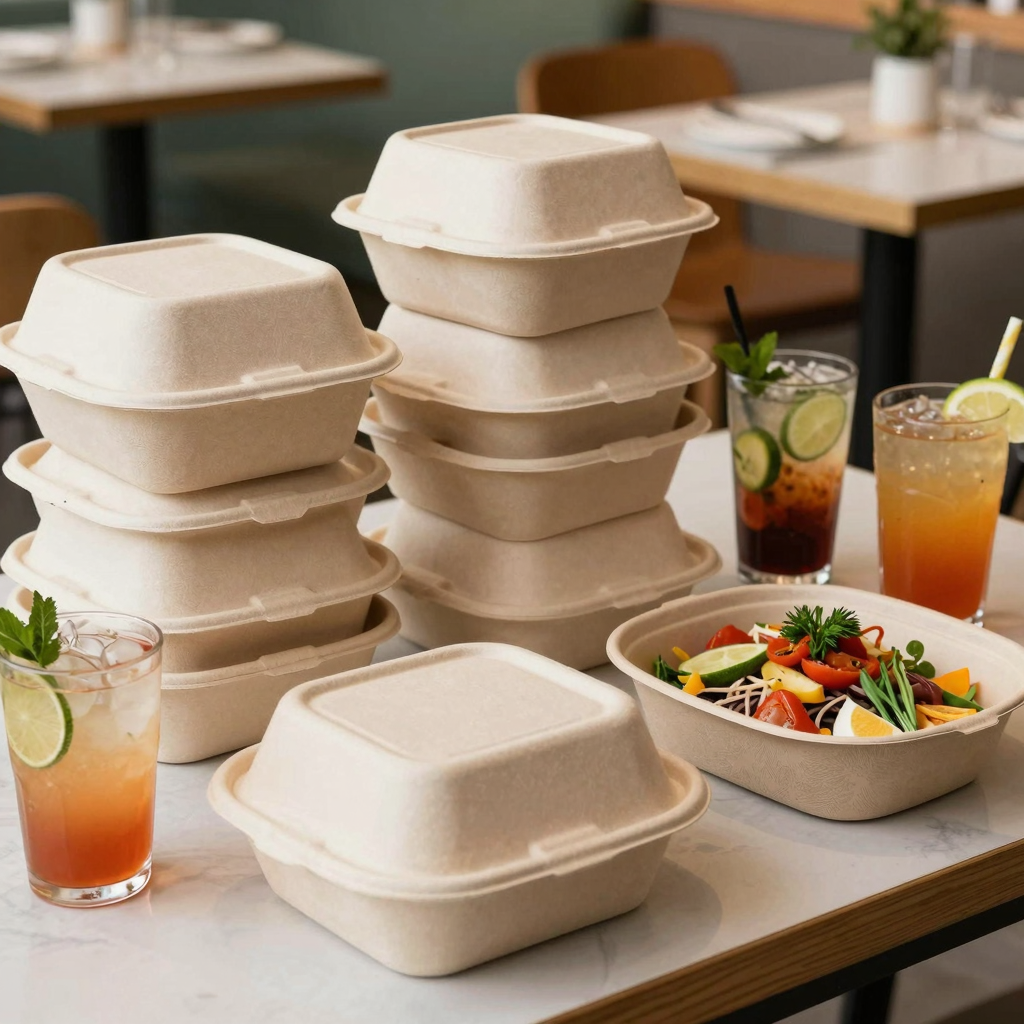
In today’s rapidly evolving food and beverage landscape, the choice of packaging has significant implications for environmental sustainability and customer satisfaction. Businesses such as bubble tea shops, restaurants, and food trucks are increasingly turning towards biodegradable disposable containers as a viable solution. These eco-friendly alternatives not only reduce the negative impact on our planet by decomposing naturally, but they also align with the growing customer expectation for sustainable practices. As more consumers opt for brands that prioritize environmental responsibility, adopting biodegradable solutions can enhance brand loyalty and attract new clientele. With significant data indicating that more than 60% of consumers prefer purchasing from environmentally-conscious businesses, it’s clear that offering containers made from materials like sugarcane and paper is not just a trend-it’s a necessity. Not only do biodegradable containers help in minimizing plastic waste, but they also contribute to a positive brand image. As companies strive to meet customer demand for sustainability, investing in biodegradable options is a step towards securing their place in the competitive food service market. To learn more about how biodegradable disposable containers can benefit your business, check out our insights on sugarcane cup benefits and explore options for customized octagonal paper bowls.
Key Benefits of Biodegradable Disposable Containers
Biodegradable disposable containers are increasingly becoming a preferred choice for bubble tea shops, restaurants, food trucks, and catering services due to their numerous benefits. Here are some key advantages:
-
Environmental Sustainability: These containers reduce plastic pollution as they are made from compostable materials such as sugarcane bagasse, cornstarch, and paper. This aligns with the growing consumer demand for eco-friendly practices.
-
Enhanced Brand Image: Using biodegradable containers can significantly boost a business’s reputation among environmentally conscious customers. It projects a commitment to sustainability, enhancing customer loyalty and brand distinction in a competitive market.
-
Compliance with Regulations: As many regions implement strict regulations against single-use plastics, switching to biodegradable options helps businesses remain compliant and avoid potential fines.
-
Cost Efficiency: Over time, businesses can save on waste disposal costs and may qualify for sustainability grants or incentives, making biodegradable containers a financially savvy choice.
-
Versatile and Functional: Biodegradable containers are suitable for a variety of food types and maintain food quality, making them an ideal choice for takeaway services. Their lightweight, leak-resistant design is perfect for hot and cold items.
For more insights into the specific applications of biodegradable containers, check out this article on sugarcane cups or explore custom options for your catering service.
Current Market Trends for Biodegradable Disposable Containers
The demand for biodegradable disposable containers is on the rise, particularly in the food and beverage industry. This shift is driven by several interlinked trends: regulatory changes, consumer preferences, and innovations in material technology.
Key Insights on Biodegradable Containers:
-
Increasing Market Value: The global market for biodegradable disposable containers is projected to grow from $18.62 billion in 2024 to $21.81 billion by 2032, with a compound annual growth rate (CAGR) of 2%. This growth is fueled by heightened regulatory frameworks that push for sustainable alternatives to plastics. Major regions like North America and Europe are leading this charge, but the Asia-Pacific region is expected to experience the fastest growth due to urbanization and rising consumer spending in countries like China and India (Global Biodegradable Disposable Containers Market).
-
Regulatory Pressures: Governments worldwide are implementing stricter regulations to curb plastic usage, significantly impacting the food and beverage sector. For example, the Eurozone has introduced bans on single-use plastic cutlery and plates, pushing businesses to seek biodegradable options. In the U.S., cities like San Francisco have set precedents that mandate compostable packaging for food services, creating a ripple effect in nationwide practices (Sustainable Packaging Trends).
-
Consumer Demand for Sustainability: A survey indicated that 72% of consumers prefer brands that use eco-friendly packaging, which encourages businesses to adopt biodegradable containers. Fast-food chains like McDonald’s and Starbucks have begun integrating these solutions into their services, which has been linked to improved brand perception and customer loyalty (The Impact of Biodegradable Packaging). Additionally, innovations in materials such as sugarcane bagasse and PLA are making these products more viable, although they still encounter production cost challenges.
Challenges Faced by Businesses:
Despite the encouraging growth, many companies face challenges when switching to biodegradable containers:
- Higher Production Costs: Biodegradable options can be up to 25% more expensive than conventional plastic, which can deter small businesses from making the switch.
- Infrastructure Limitations: The effectiveness of biodegradable products hinges on the availability of industrial composting facilities. In regions lacking these systems, even biodegradable containers may end up in landfills, negating their environmental benefits (Sustainable Packaging in F&B).
Conclusion
The movement towards biodegradable containers represents a significant evolution in the food and beverage industry. As businesses navigate the complexities of compliance, consumer expectations, and financial viability, the trend towards sustainable solutions is likely to continue growing. Keeping abreast of these changes will be crucial for stakeholders across the food service industry.
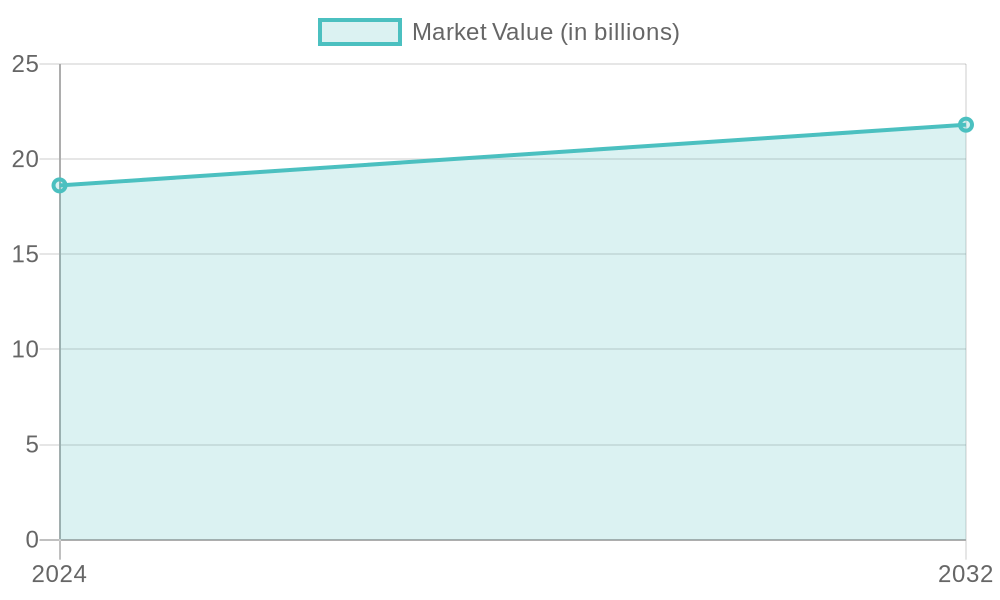
Global biodegradable disposable containers market size forecast from 2024 to 2032
Comparing Biodegradable Disposable Container Materials
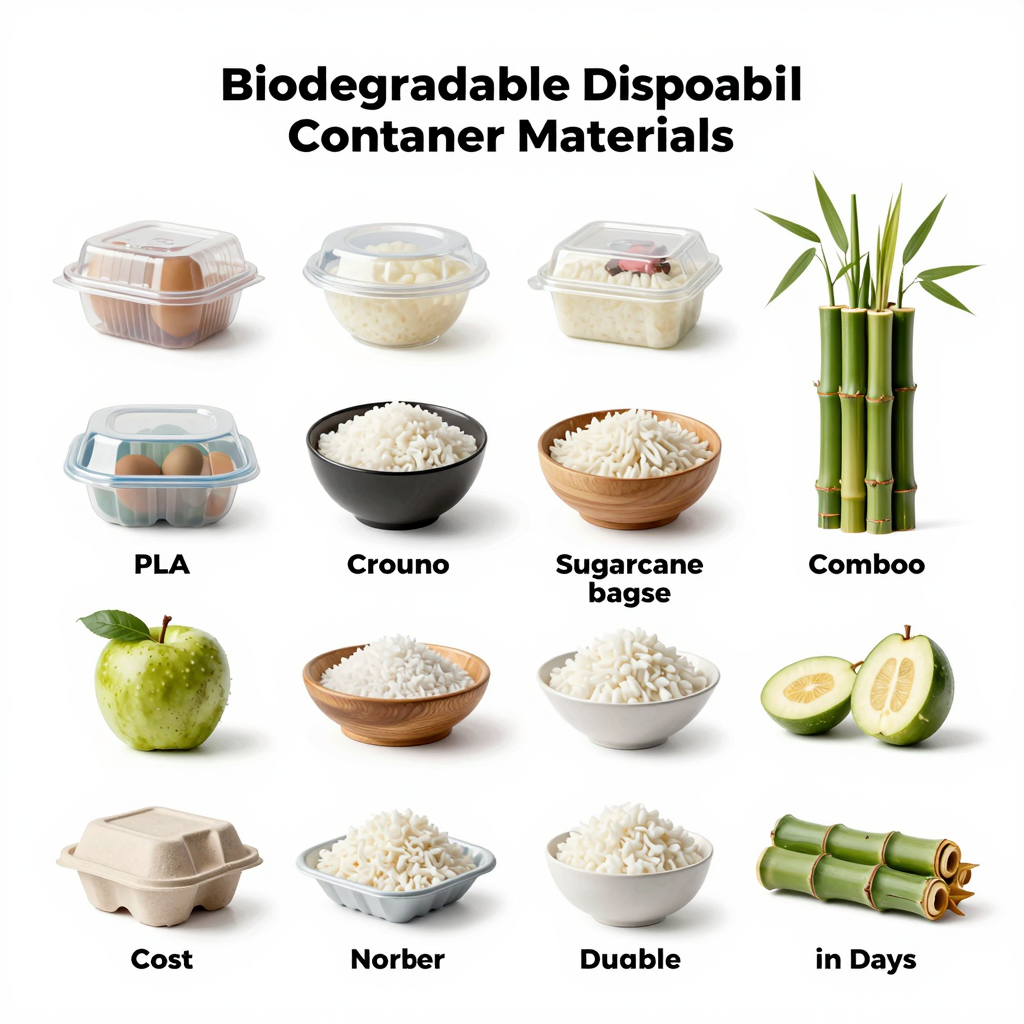
Biodegradable disposable containers are a fantastic choice for environmentally conscious businesses. Let’s take a closer look at three popular materials: PLA, sugarcane bagasse, and bamboo. The following table summarizes key aspects of each material, including cost, durability, and composting time.
| Material | Cost per Unit (USD) | Durability | Composting Time (Days) |
|---|---|---|---|
| PLA | $0.15 – $0.25 | Moderate | 90 – 180 |
| Sugarcane | $0.20 – $0.35 | High | 90 – 120 |
| Bamboo | $0.30 – $0.50 | Very High | 60 – 90 |
Key Features of Each Material:
- PLA (Polylactic Acid): Derived from cornstarch, PLA is compostable in an industrial setting but less suitable for hot liquids.
- Sugarcane Bagasse: A byproduct of sugar production, it offers excellent durability and can be composted both industrially and at home.
- Bamboo: This material is naturally antimicrobial, highly durable, and fully compostable in an industrial setting.
Conclusion
Choosing the right biodegradable materials for your disposable containers can make a significant impact on sustainability. Bamboo is best for high-end applications, sugarcane is the most cost-effective for large operations, and PLA works for conditions that allow for proper industrial composting.
For in-depth insights on the benefits of sugarcane products for businesses, check out this article on sugarcane cup benefits. To explore wholesale options, visit our paper bowl factory insights.
Success Story: Transitioning to Biodegradable Containers at “EcoBrew Bubble Tea”
In a bustling downtown area filled with trendy cafes and food trucks, one small bubble tea shop, EcoBrew, decided to embark on an ambitious journey towards sustainability. Owned by Mia Lin, EcoBrew specialized in unique bubble tea flavors, but with the mounting pressure of plastic pollution, Mia felt the need to make a change that echoed her commitment to the environment.
Determined to ditch traditional plastic cups, Mia introduced biodegradable disposable containers made from plant-based materials. This transition was more than just an operational change; it was a heart-felt mission to reduce the shop’s carbon footprint and enhance its brand image. Mia invested time researching and sourcing containers that met international sustainability standards, ultimately finding a reliable supplier through Cofe-Cup.
The impact was immediate and profound. A recent study revealed that 76% of consumers reported higher satisfaction when dining in establishments using biodegradable containers. For EcoBrew, this statistic rang true as customer feedback poured in. Patrons saw their choice to enjoy bubble tea as part of a larger movement toward environmental stewardship, and many shared how the shop’s eco-friendly practices made them feel good about their choices. Positive comments like “I love that my bubble tea is served in eco-friendly cups!” became common on social media, helping to strengthen the brand’s image as a leader in sustainability.
Within just six months, EcoBrew saw an 18% increase in customer satisfaction scores, and repeat business skyrocketed. Mia’s story illustrates that transitioning to biodegradable products is not only beneficial for the planet but also creates a loyal customer base. “It’s heartwarming to see my customers embrace this change. Every cup now represents a shared commitment to a better future,” Mia reflected, beaming with pride.
This transition has not only enhanced customer loyalty but has also positioned EcoBrew as a compassionate establishment in the community. Mia encourages other businesses to consider similar paths, showcasing that sustainability can indeed go hand in hand with success.
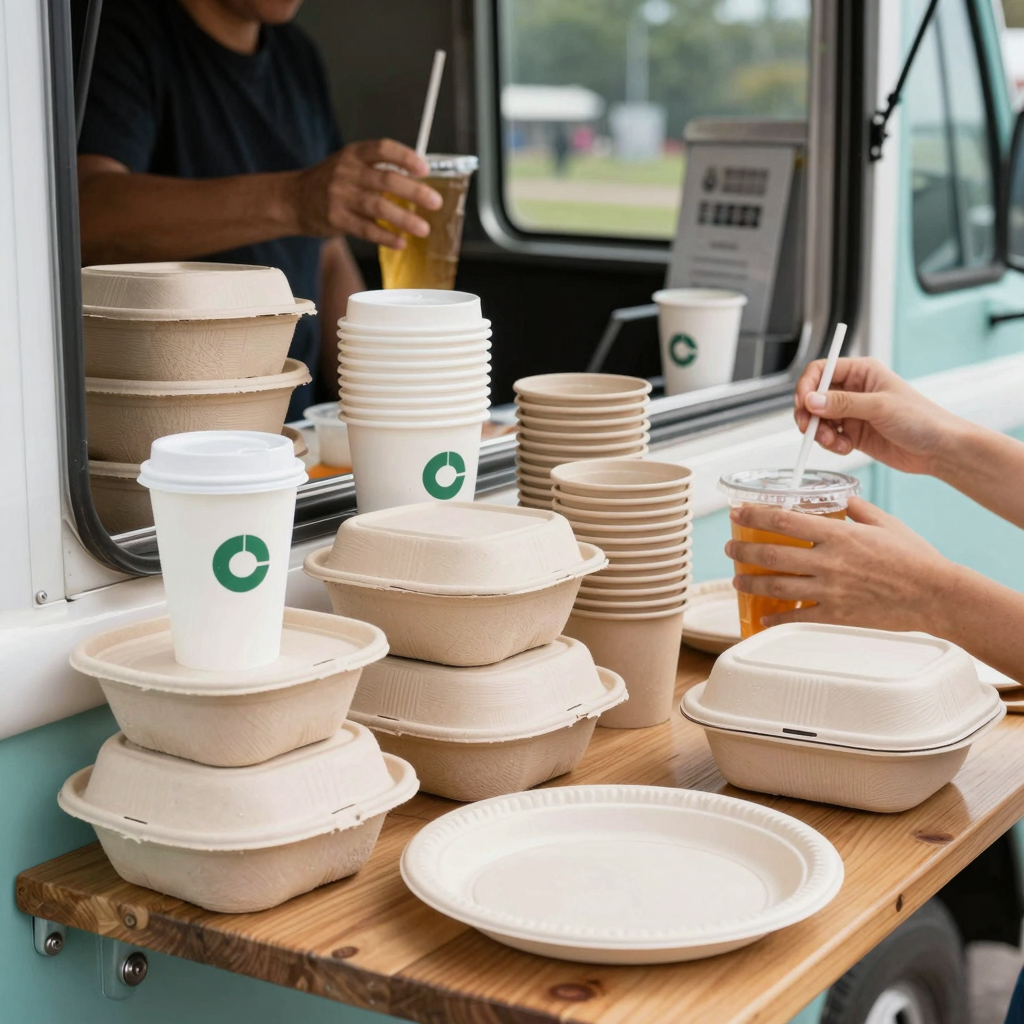
Safety Standards for Biodegradable Disposable Containers
When it comes to biodegradable disposable containers, safety standards are paramount, especially in food service applications. Compliance with regulations ensures that these products protect both health and the environment. Here are several critical safety standards and certifications that biodegradable food containers must meet:
Regulations and Certifications
-
ASTM D6400: This is a standard specification for labeling plastics designed to be composted in municipal or commercial facilities. Containers that meet this criterion will decompose at a rate similar to paper products, ensuring that they do not leave harmful residues.
-
EN 13432: This is a European standard that defines the requirements for packaging recoverable through composting and biodegradation. Products compliant with EN 13432 must achieve a biodegradation rate of at least 90% within a specified timeframe and leave no toxic residues; this standard is particularly important for products sold in European markets.
-
Biodegradable Products Institute (BPI) Certification: This certification verifies that products meet ASTM D6400 or EN 13432 standards. BPI’s certification ensures that consumers can trust that their biodegradable products have been rigorously tested and proven effective in composting environments.
-
Food and Drug Administration (FDA) Compliance: In the U.S., all materials that come into contact with food must comply with FDA regulations. Biodegradable containers must pass stringent safety assessments to ensure they do not leach harmful substances into food. Specifically, manufacturers must adhere to the guidelines set forth in FDA Title 21, which governs food contact substances.
-
OK Compost Certification: This certification from the European OK Compost program ensures that products can biodegrade effectively in a compost facility. Containers must demonstrate that they can disintegrate completely and biodegrade within a specified time frame to gain this label.
-
ISO 14001 Certification: This is an international standard for environmental management systems. While not specific to biodegradable containers, having this certification indicates that the manufacturer is committed to reducing their environmental impact, ensuring that their production processes comply with various safety and environmental standards.
Conclusion
Ensuring that biodegradable containers meet these safety standards is essential for any company involved in food service, including bubble tea shops, restaurants, and catering services. Compliance not only benefits the environment but also enhances consumer trust in products. For more insights on environmentally-friendly alternatives for your food service needs, learn about the benefits of sugarcane cups and how custom options can improve your brand’s sustainability efforts.
Growth of the Biodegradable Packaging Market
To illustrate the increasing demand for biodegradable packaging, we’ve created a chart showing the market growth from 2023 to 2031. The data is based on recent market reports that indicate a significant upward trend in market value.
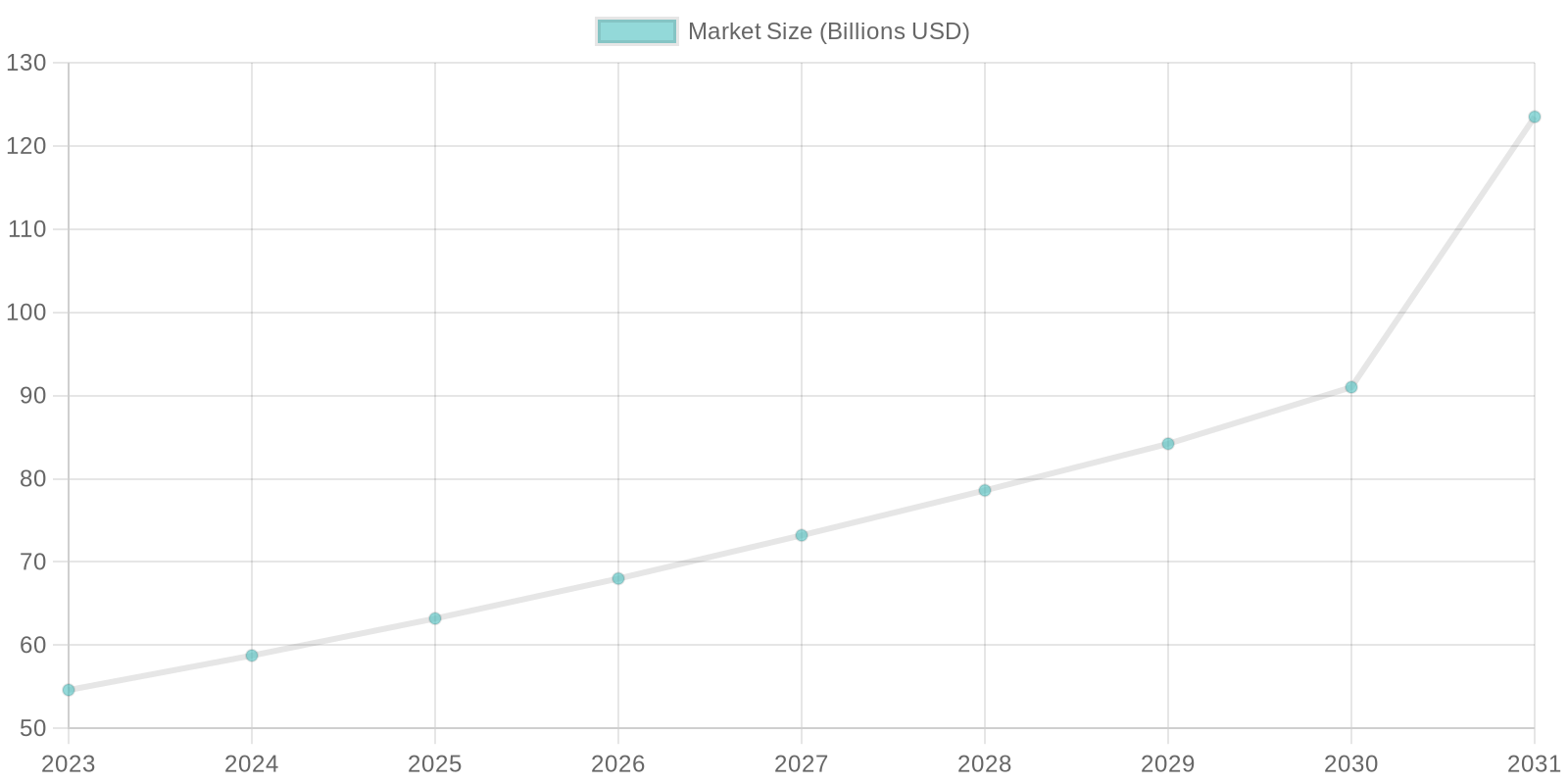
| Year | Market Size (Billions USD) |
|---|---|
| 2023 | 54.61 |
| 2024 | 58.75 |
| 2025 | 63.20 |
| 2026 | 68.00 |
| 2027 | 73.20 |
| 2028 | 78.60 |
| 2029 | 84.20 |
| 2030 | 91.00 |
| 2031 | 123.50 |
This chart visually represents the robust growth potential of biodegradable packaging, making it an optimal choice for businesses looking to align with sustainable practices. While investing in biodegradable products, such as customized octagonal paper bowls or sugarcane cups, can leverage this market trend, companies in the food industry may enjoy both an eco-friendly image and a competitive edge in their market.
The Importance of Sustainable Practices in Food Service
As the food service industry evolves, the importance of adopting sustainable practices has never been more crucial. According to sustainability expert Dr. Elena Martinez, “We are at a critical turning point-every meal comes with an environmental cost. By adopting sustainable sourcing, reducing food waste, and optimizing energy use, restaurants can significantly lower their ecological impact while enhancing operational efficiency and increasing customer loyalty. True sustainability integrates environmental responsibility into the core of business operations.”
This sentiment highlights the necessity for businesses, especially in sectors such as bubble tea shops, restaurants, and catering services, to consider their environmental footprint. The shift toward sustainability not only addresses climate change but also meets the growing consumer demand for environmentally responsible practices.
For insights on how biodegradable containers can contribute to sustainability, learn more about the benefits of sugarcane cups and explore customized octagonal paper bowls that align with eco-friendly initiatives.
In conclusion, opting for biodegradable disposable containers is a strategic choice that brings numerous benefits to businesses across various sectors. Not only do these eco-friendly solutions help in enhancing your brand image by showcasing your commitment to sustainability, but they also contribute to a reduction in waste disposal costs and an increase in customer loyalty. According to recent statistics, about 78% of consumers are more likely to support companies that utilize eco-friendly packaging. Additionally, businesses transitioning to biodegradable disposables have reported a significant reduction in packaging-related expenses-averaging a 12% decrease over two years. This transition not only aligns with consumer preferences but also positions your brand as a leader in environmental accountability, appealing especially to the younger generations such as Millennials and Gen Z, who prefer brands that contribute positively to the planet.
As you consider the future of your business, we urge you to make the switch to biodegradable options today! Start boosting your brand’s loyalty and sustainability reputation by choosing our high-quality biodegradable disposable containers. Explore our collection and take the first step towards a greener future with us at Cofe Cup!